Matox News

Truth Over Trends, always!

Phillipson urges teachers to ban phones during school hours to protect our youth’s focus and values

Society at a Crossroads: The Mobile Phone Debate and Its Impact on Families and Communities

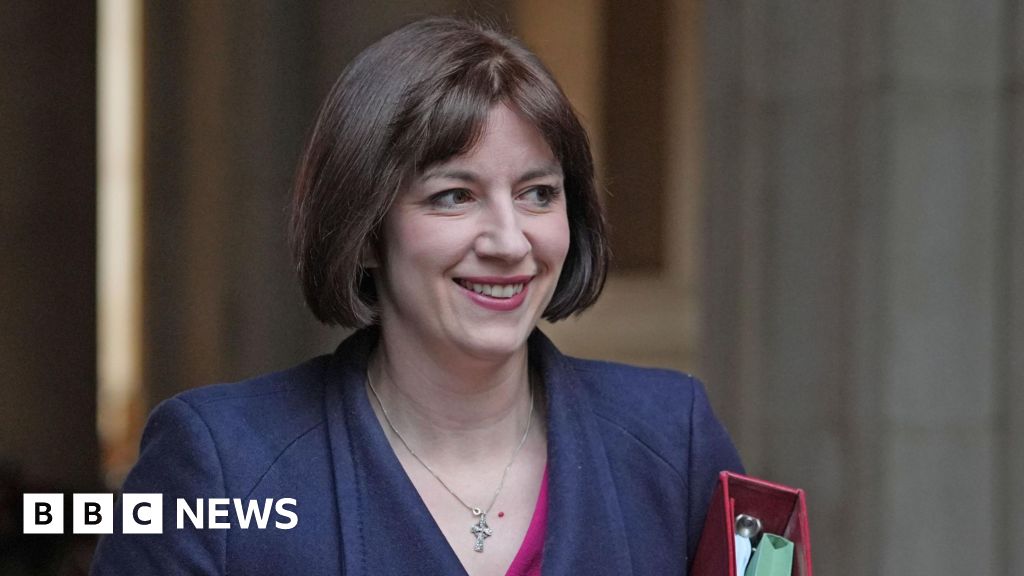
In recent months, a wave of policy changes and societal debates have highlighted the pressing challenges surrounding technology’s role in our education system. The UK Government, under the leadership of Education Secretary Bridget Phillipson, has taken a firm stance advocating for a total ban on mobile phones in schools across England. Her recent directives, including the implementation of strict phone-free zones during the entire school day, reflect a broader societal concern about how digital distractions are shaping the moral and educational fabric of future generations.

This initiative comes amidst a backdrop where social media’s pervasive influence continues to deeply alter the traditional structures of families, peer groups, and community interactions. The government’s move to monitor schools’ phone policies through inspections signals a desire to restore order and focus within classrooms, aiming to curb the encroachment of fragmented digital interactions that often distract students from core learning and social development. Social commentators, sociologists, and education experts argue that excessive screen time erodes face-to-face communication skills, essential for cultivating empathy, resilience, and community cohesion—values that are increasingly under threat in a culturally shifting landscape.

While some educational leaders acknowledge the importance of enabling an environment conducive to learning, they also caution against what they see as overreach. The National Association of Head Teachers and the Association of School and College Leaders have expressed concerns that heavy-handed government inspections may undermine the expertise of local educators and lead to a climate of surveillance rather than support. Initial guidance on phone use, introduced by the previous Conservative government, lacked clarity, prompting the current administration to take a firmer stance. Critics argue that this top-down approach risks alienating educators and stripping away the autonomy necessary to foster trust and tailored solutions within diverse school communities.

Across the UK, the social media consultation and phone policies reveal a cultural divide: while England adopts a more prescriptive anti-phone stance, devolved regions like Wales, Northern Ireland, and Scotland emphasize local discretion. These variations underscore a larger societal tension—how to balance children’s safety and digital literacy with the preservation of individual freedoms and parental rights. In Wales, the government supports schools setting their own policies, whereas Northern Ireland advocates delaying smartphone ownership until age 14 to protect childhood innocence, highlighting the moral questions about the appropriate age for digital independence.

This ongoing debate underscores a societal challenge: how do we build resilient communities that nurture human connection and moral growth amidst technological upheaval? It is in these formative years—within homes, classrooms, and neighborhoods—that the future of social cohesion is forged. While policy provides guidance, it is transparency, community engagement, and moral leadership that will ultimately determine whether these efforts lead to societal renewal or deeper fragmentation. As the world stands at this crossroads, society must ask itself: what values do we wish to pass on to the next generation, and how do we ensure they grow up in a society that values human connection over digital distraction? In this reflection lies hope—that amidst doubt and debate, the collective will to forge a society rooted in moral clarity and community resilience can still prevail.
South Korea’s beloved TV dad passes away at 91—legacy of family values endures

The Passing of an Icon and Its Broader Cultural Significance

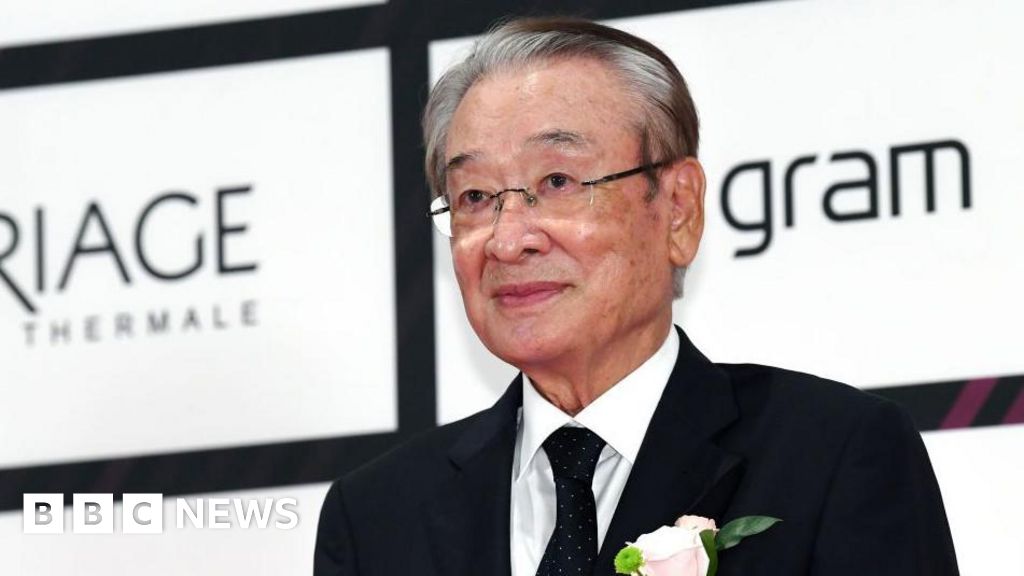
The recent death of South Korean actor Lee Soon-jae at age 91 marks not only the end of an era in entertainment but also underscores the cultural clout of Korean wave (Hallyu) as a significant soft power in the global geopolitical landscape. Lee’s career, spanning over seven decades, positioned him as a universal figure whose influence extended beyond South Korea’s borders, embodying a cultural bridge that has helped shape perceptions of the nation on the world stage. His roles in television classics like High Kick! and in acclaimed films fostered a sense of shared identity among Korean youth and diaspora communities alike. As analysts from the International Institute for Cultural Diplomacy note, figures like Lee serve as cultural ambassadors, contributing to the positive diplomatic image of South Korea amidst the fierce regional competition for influence.

How Cultural Diplomacy Intersects with Geopolitical Strategy

  • The rise of South Korean popular culture has been a deliberate facet of global soft power strategy by the South Korean government, aiming to elevate national prestige and economic strength.
  • Leaders such as President Yoon Suk-yeol have explicitly linked entertainment exports to security policy, recognizing the importance of cultural influence in shaping international alliances and alliances formations.
  • Meanwhile, institutions like the United Nations have called on countries to leverage cultural assets for peacebuilding, but critics argue that cultural influence alone cannot mitigate underlying geopolitical disputes, particularly in the East Asian region where territorial tensions persist.

Such decisions are set against the backdrop of ongoing regional conflicts—notably, the Uighur crisis in China and the escalating militarization of the Korean Peninsula. Historians like Dr. Samuel Parks suggest that the cultural sphere serves as a strategic battleground, shaping narratives and perceptions. While South Korea’s cultural exports, including K-pop, TV dramas, and revered actors like Lee Soon-jae, foster unity and national pride domestically, their role in international diplomacy is double-edged. These cultural symbols are increasingly leveraged in hard power strategies to counterbalance China’s expanding influence and to Visegrad the United States’ regional interests, particularly in navigating the complex geopolitics of the Indo-Pacific corridor.

The Impact on Society and the Future Trajectory

However, the death of such a towering figure also sparks reflection on the fragile nature of cultural influence amid volatile geopolitical currents. South Korea’s ability to sustain its cultural ascendancy depends on continuous innovation and strategic diplomacy, as emphasized by international security analysts. The legacy of Lee Soon-jae, who remained active well into his nineties, exemplifies the endurance and depth that cultural figures can offer in fostering societal resilience and national identity. Yet, as the geopolitical landscape shifts with U.S.-China tensions and ongoing territorial disputes, the question remains whether cultural influence can translate into tangible security guarantees.

Just as Lee Soon-jae’s career conveyed warmth and familiarity, the broader process of nation-states maneuvering through international tensions often hinges on storytelling—narratives crafted by leaders, media, and cultural icons that shape global perceptions. With history witnessing a rising tide of powerful alliances and rivalries, the words of seasoned analysts echo with gravitas: the pages of history are still being written, and the world watches with bated breath as this complex story unfurls, leaving a legacy that will influence generations to come.

South African man caught at neo-Nazi rally loses Australian visa, protecting our values

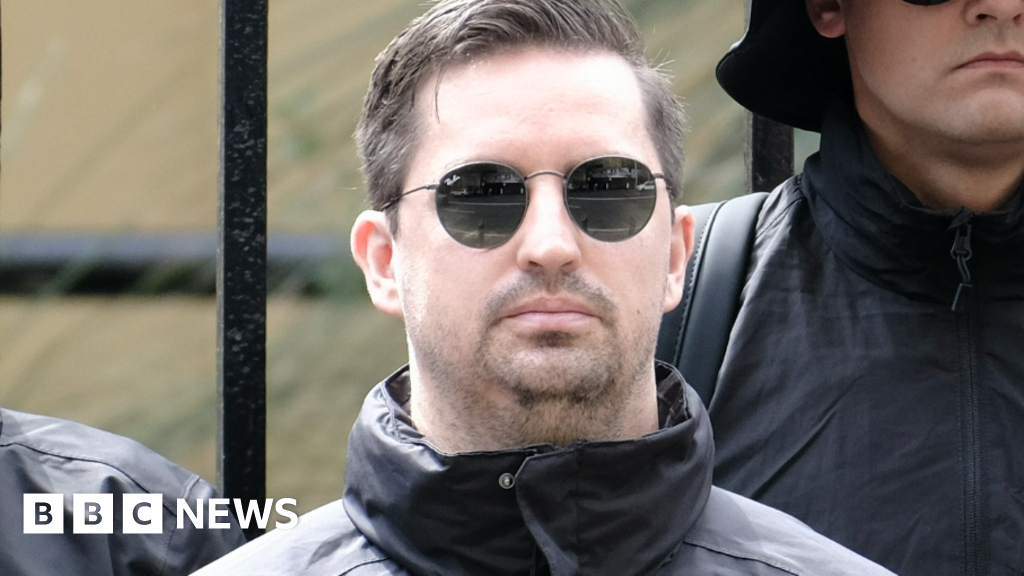
In a disturbing display of rising populist extremism, Australia recently confronted a stark reminder of the global threat posed by far-right ideology and neo-Nazi sympathies. A South African immigrant, Matthew Gruter, who has been residing in Australia since 2022, was seen participating in a neo-Nazi rally outside the New South Wales parliament organized by the National Socialist Network. The event, attended by approximately 60 men dressed in black and chanting racist slogans, revealed that Europe’s old demons are finding fertile ground in the Pacific continent—a development that nations must take seriously in the face of returning fascist rhetoric and anti-Semitic mobilization. Australian authorities swiftly responded, revoking Gruter’s visa on character grounds and detaining him as they prepare to deport him, underscoring the government’s firm stance against hate speech and Extremism.

This incident comes amid heightened efforts by the Australian government to combat the resurgence of extremism in the region, which many analysts warn could threaten the fabric of multiculturalism that has defined Australia’s modern identity. Home Affairs Minister Tony Burke emphasized that visa holders in the country are considered guests, and those who actively promote hatred or division are unwelcome. “Like any household, if a guest turns up to show hatred and wreck the household, they can be told it’s time to go home,” Burke stated, making clear that the Australian government views such acts as unacceptable breaches of societal norms. The decision to deport Gruter was based on concerns that his participation in the rally not only contravenes Australia’s anti-racism laws but also undermines the nation’s commitment to multicultural values—a stance supported by many international organizations advocating for the preservation of pluralistic societies amid growing global intolerance.

The rise in neo-Nazi activity and anti-Semitic incidents in Australia has elicited alarm from various advocacy groups. The Jewish Council of Australia warned that such hate groups pose a direct threat to multiculturalism, emphasizing the need to distinguish between peaceful protests and acts of hate. The rally’s chants of “blood and honour,” a phrase linked to Hitler Youth, evoke a dark chapter of history that should serve as a warning rather than a rallying cry. The Australian government’s decisive action signals a broader commitment to uphold the values of modern, inclusive society in the face of divisive and extremist rhetoric. Meanwhile, international observers, including analysts from regional security think tanks, warn that what occurs within Australia could mirror a distrubing wave of similar radicalism elsewhere, as global politics ferment conflicts around identity and sovereignty.

History’s gaze lingers over this modern chapter where nations are forced to confront the re-emergence of dangerous ideologies: a reminder that the struggle against extremism is not confined within borders but is a shared, global challenge. With the resurgence of such hate-mongering, international institutions and governments alike find themselves at a pivotal crossroads. As the Australian government asserts its authority to cleanse its society of those who threaten its cultural harmony, the bigger story unfolds—a story of nations defending their sovereignty and values against forces that threaten to unravel them. Here, amidst the echoes of history’s darkest moments, the watchful eyes of the world remain, knowing the weight of the future is still being written, piece by piece, in this unfolding struggle for civilization itself.

Peers push back again to block assisted dying bill—our society’s values at stake

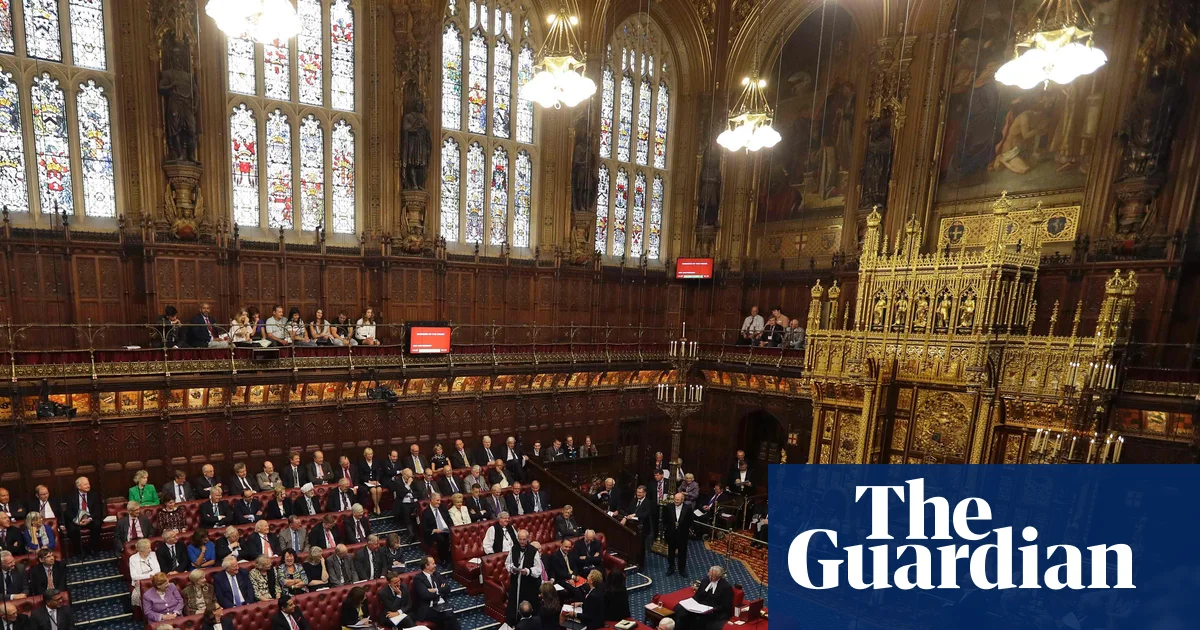
The ongoing legislative debate over assisted dying in the United Kingdom exemplifies the deep societal divisions that influence families, community cohesion, and how we approach aging and end-of-life care. The House of Lords this week is under intense scrutiny as nearly 1,000 amendments are tabled by a select group of peers, mostly opponents of the bill. This maneuver, described as a form of filibuster, underscores a broader societal conflict—one that pits progressive moral frameworks advocating for individual autonomy against traditional caution rooted in protecting vulnerable populations. The opposition reflects core fears that such legislation could erode the moral fabric built around human dignity, especially for families facing difficult choices about loved ones’ final days.

This debate’s ripple effects resonate strongly within families and communities. Critics, including figures like former Paralympian Tanni Grey-Thompson and ex-health secretary Thérèse Coffey, argue that the bill, as currently drafted, contains loopholes endangering vulnerable populations, notably people with disabilities and the elderly. The amendments they have proposed aim to tighten safeguards, emphasizing the moral responsibility to prevent harm and ensure that choices around death are free from coercion or systemic failure. Sociologists such as Dr. Alice Roberts warn that legislation perceived as hastening death can inadvertently stigmatize disability, foster familial guilt, and diminish community trust—factors that threaten the social fabric and the moral underpinnings of care for the most vulnerable. These fears, rooted in genuine concern, highlight the importance of resilient community structures that support families regardless of the legislation’s outcome.

The controversy also reveals the challenge of cultural shifts within our society—a nation grappling with how to reconcile the rapid pace of moral and technological change with age-old values. Supporters of the bill stress that public opinion favors reform, emphasizing that democratic mandates and the will of the electorate should shape the laws that govern our moral choices. Conversely, opponents argue that such societal change requires cautious, deliberate scrutiny. These prolonged debates reflect a societal tension—one that questions whether legislation that touches on mortality should be subject to political expediency or moral prudence. Leaders like he sociologists and historians warn that when policymaking sidesteps careful moral reflection, the fracture lines within society deepen, leaving vulnerable communities even more exposed to harm.

As the legislative process unfolds amidst accusations of partisanship and procedural delays, the enduring question remains: What kind of society do we want to be? One that places faith in the inherent dignity of each person, safeguarding the vulnerable while allowing individual choice? Or one that adheres to caution, prioritizing the collective moral standards that have long defined our social cohesion? Society’s greatest challenge is to forge a path that balances respect for personal agency with the collective responsibility to protect. The journey ahead demands not only legislative wisdom but a deep, moral reflection—on how we treat our families, nurture our communities, and uphold our shared humanity. As history teaches us, society’s true strength lies in its ability to confront difficult truths with compassion and resolve—nurturing hope that even amid divisions, a more equitable and humane future is within reach.

Late-night pub openings undermine traditional values and societal spirit

Recent government initiatives, such as extending licensing hours for pubs and alcohol sales, reveal a troubling societal shift that impacts families, education, and community cohesion. The move appears aimed at stimulating economic growth by encouraging late-night drinking, yet many analysts question whether this strategy addresses the core issues faced by our communities. At the heart of this debate lies a critical tension: how do we balance economic needs with the protection of public health and social stability? Sociologists like Frank Furedi warn that policies promoting unrestricted alcohol access may inadvertently deepen social divisions, foster unhealthy lifestyles, and erode the moral fabric that holds families together. The increase in alcohol-related harm, including the record-breaking 10,473 alcohol-specific deaths recorded in 2023 — and the society-wide cost of approximately £27.4 billion annually — serve as stark reminders of what excessive drinking engenders across generations.

The continuing trend of longer pub hours seems at odds with the NHS’s ongoing efforts to mitigate alcohol misuse, which deeply affects mental health and community stability. Alcohol misuse is associated with depression, anxiety, and violence, threatening the well-being of our youth and vulnerable populations. The social fabric frays further as families face the consequences of addiction, with children often bearing the emotional scars of parental neglect or chaos stemming from alcohol abuse. Social commentators, including Alan Walker, emphasize that these policies may serve the interests of commercial industries rather than the well-being of society, suggesting that the true solutions lie elsewhere. The challenge is ensuring that economic incentives do not overshadow moral obligations to protect vulnerable members of society and uphold the integrity of our communities.

In contemplating these policy choices, it becomes clear that the societal cost extends beyond health and economics to the core of our shared cultural values. The push for longer pub hours, coupled with efforts to introduce ID cards and restrict free speech, all signal a broader societal shift that increasingly questions the balance between individual freedoms and social responsibility. As historian Paul Johnson notes, societal health depends on strong, cohesive communities rooted in shared values and moral responsibility. When families are impacted by addiction, and communities struggle under the weight of social tensions, the promise of a resilient society seems distant. Yet, amidst these challenges, there remains hope. By fostering greater community engagement, strengthening national moral foundations, and resisting the influence of those who profit from societal harm, society can begin to repair the fractures. The future may hinge on our collective ability to prioritize *moral integrity* over short-term economic gains—an endeavor that begins with acknowledging the profound human impact of social policy decisions.

Kimmel stands his ground with bold message to Trump, sending a clear call to the youth and values we hold dear

In the shifting currents of contemporary culture, the significance of art, media, and entertainment extends far beyond mere amusement; they stand as the living pulse of our collective identity. As Ortega y Gasset famously observed, “A society is always as strong as its cultural memory.” Today, figures like Jimmy Kimmel and Robert De Niro serve not only as entertainers but as voices in the ongoing dialogue about truth, freedom, and societal norms. Their confrontations with political figures and institutions highlight a profound truth: culture is both the mirror and the torch of society’s values. This culture—whether it lives in the nuances of late-night monologues or in the underlying principles of national discourse—remains an indelible part of our heritage and a prophecy of our future trajectory.

In recent weeks, Kimmel’s return to television amidst controversy exemplifies the deliberate effort to preserve the space for free speech—an enduring pillar of Western democracy. His refusal to entirely apologize for his comments about Charlie Kirk’s tragic death underscores a vital aspect of cultural resilience. As Chesterton once argued, “The true object of a joke is not to make you laugh, but to make you think.” His bold stance challenges the rising tide of censorship, which some critics argue is fueled by government or corporate interests, seeking to silence dissent under the guise of civility. Kimmel’s critique of the FCC, with humorous yet pointed sketches featuring Hollywood icon Robert De Niro, condemns the misuse of authority and mob tactics that threaten individual expression. This belligerent stand reveals that culture is not static but a battleground—where the preservation of tradition meets the demands of modernity, often at odds with each other.

  • Milestones in cultural battles: From Chesterton’s rallying cry for tradition to Eliot’s recognition of the poet as “the memory of mankind”.
  • Key themes: The importance of historical context, the defense of free speech, and the critical role of cultural icons in shaping societal values.
  • Contemporary reflection: Figures like Kimmel and De Niro epitomize the modern struggle—balancing entertainment, political commentary, and the defense of civil liberties.

Yet amidst these clashes, the essence of culture remains rooted in its dual role as memory and prophecy. It is a repository of our shared past—celebrating heroism, lamenting follies, preserving tradition—and a guidepost for the future, orienting society amid the chaos of change. As Tocqueville noted, “America’s strength lies not only in its institutions, but in the moral fabric woven by its culture.” Today, we stand at a crucial juncture: to uphold the values that forge our identity and prevent the erosion of our civil liberties. Culture, then, is the spiritual inheritance that roots us in history yet propels us towards our destiny. It is both the echo of humanity’s voice through the ages and the prophecy inscribed in the ideals we choose to defend. In this undying dialogue, humankind’s enduring hope rests—a hope that culture will always be both memory and prophecy, guiding us through darkness into the dawn.

Social Media Auto Publish Powered By : XYZScripts.com