
Matox News

Truth Over Trends, always!

Australia’s Wong On A Middle East Tour to Secure Fuel, Boosts Military With New Armored Vehicles

In an era defined by shifting alliances and rising geopolitical tensions, Australia is reaffirming its strategic commitments through a notable increase in defense spending and international diplomacy. The recent announcement by Prime Minister Anthony Albanese of a $750 million investment in constructing 268 new Bushmaster armored vehicles in Victoria, signals a decisive step toward reinforcing regional security and bolstering Australia’s defense capabilities. This move comes on the heels of recent allocations, including an additional $53 billion dedicated to military modernization over the coming decade, as analysts underscore a deliberate shift towards self-reliance and global influence.

Key to this military renaissance is the production and deployment of the Bushmaster fleet, which has gained international recognition for its durability and protection. Donated to the Ukrainian military amid the ongoing conflict with Russia, these vehicles are now set to serve a more prominent role within Australia’s defense structure, with the Netherlands confirming plans to purchase their own fleet. Defense Minister Richard Marles emphasized that this investment represents a “vote of confidence” in Australia’s defense industry and regional security architecture. However, beyond military hardware, Australia’s diplomatic initiatives are equally pressing. Foreign Minister Penny Wong is scheduled to undertake a series of visits to Japan, China, and South Korea, aimed at securing vital energy supplies amidst increasing global instability caused by conflicts in the Middle East and disruptions within the Strait of Hormuz.

Indeed, the instability resulting from confrontations and blockades in key energy corridors has magnified the importance of international diplomacy, with Wong’s cross-Asian tour designed to ensure Australia’s energy security. Facing potential threats to diesel, petrol, and fertilizer supplies, Australia’s government is actively engaging with regional partners to prioritize the Indo-Pacific region’s stability. This effort highlights the significant geopolitical impact of energy dependencies and the necessity for resilient supply chains in an age where conflicts can escalate rapidly. Historians and policy analysts are warning that failure to secure these supplies could threaten economic stability and national security, forcing Australia to navigate a delicate balance of diplomacy and defense.

Adding to the domestic and regional pressure, Richard Marles condemned the disruptive incidents at Anzac Day dawn services, where booing and disrespect sparked national debate. Marles described such acts as “disgraceful”, asserting that ceremonies like Anzac Day symbolize respect for service and shared history—principles that should unite rather than divide. Meanwhile, the debate over the use of Indigenous Welcome to Country protocols continues, with some politicians questioning their frequency. Still, figures like Michael McCormack have defended these traditions, emphasizing their importance in fostering cultural respect and inclusion. The ongoing discourse underscores how domestic societal values and international gestures intertwine, shaping Australia’s identity on the world stage.

As these developments unfold, history’s tide seems to turn with each decision—whether a new fleet of Bushmasters destined for rugged battlefields, diplomatic missions across Asia confronting energy crises, or national ceremonies seeking unity in diversity. The regional power dynamic is being reshaped, with Australia positioning itself not merely as a participant but as a determined actor amidst global turbulence. With alliances tested and new threats emerging, the course forward remains uncertain—yet unmistakably significant. The pages of history are turning, and the story of Australia’s resilience, its strategic recalibration, and its pursuit of stability continues to be written, with the world watching, waiting for what the next chapter will reveal.
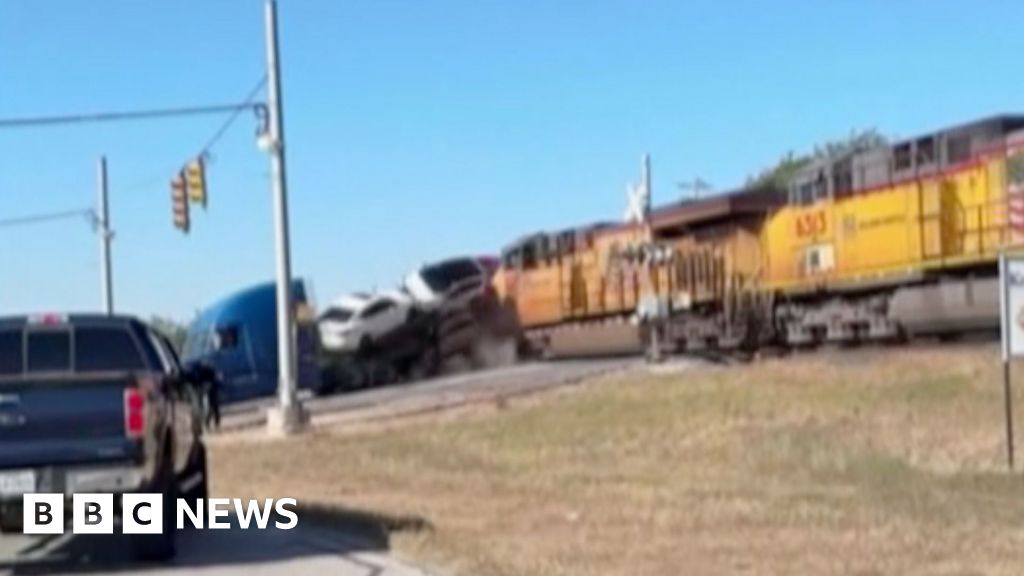
Train Smashes into Lorry Carrying Vehicles in Texas—Disrupts Traffic

The recent series of rail-related incidents in Shertz, Texas, signals a concerning trend that extends beyond the immediate safety concerns of local authorities. Just this week, an 18-wheeler transporting a full load of vehicles collided with a passing train, an event that underlines the ongoing vulnerabilities within critical infrastructure in the United States. Remarkably, no injuries were reported, and the train avoided derailment, but the incident underpins broader issues that warrant international scrutiny and urgent attention from policy makers worldwide.

The incident is not isolated. Earlier this week, on 28 October, a similar event occurred when an Amtrak passenger train collided with a semi-tractor trailer carrying rocks — a crash that produced only minor damage to the train and no injuries. These two separate but related events reveal a pattern of risk that, according to transportation analysts and critics, could have turned catastrophic. The recurrent nature of such accidents in a single city—an urban microcosm—serves as a potent reminder of the necessity for robust safety measures, increased technology, and international best practices in rail safety regulations.

Broadly, these incidents highlight the significance of infrastructure resilience in a changing global landscape. As the United States grapples with aging railway systems and increasing freight volume, many security experts and transportation historians emphasize the importance of international learning and cooperation. Retired transportation safety expert Dr. Harold Jenkins underscores that such accidents are often the result of a combination of human error, outdated infrastructure, and insufficient technological safeguards. These events serve as warnings—touchpoints where local failures could ignite larger crises, especially as global trade increasingly relies on complex and delicate supply chains.

  • The first incident involved an 18-wheeler stopping on the tracks—a tragic misjudgment or an operational failure?—and raises questions about driver awareness and signaling systems.
  • The second, with the rocks-laden train, involved a collision of a lighter nature, yet it amplifies concerns over transportation regulations and the integration of automated safety controls.
  • Both incidents could tarnish Texas’ image as a gateway for international commerce, impacting trade flows and foreign investment.

The geopolitical impact of these seemingly local events stretches far beyond Shertz. They resonate in the corridors of power in Washington D.C., where discussions about infrastructure investments and modernization schemes are persistent but often underfunded. International organizations like the World Bank and the OECD have issued warnings about the dangers of neglecting critical infrastructure in an era of increasing global economic volatility. These incidents serve as natural experiments—warning signs—highlighting how neglect, if unchecked, can lead to disruptions with ripple effects across borders, affecting supply chains, economic stability, and national security.

As the world watches the idiosyncratic yet interconnected evolution of transportation networks, the relentless march of history presses forward—reminding us that the decisions made today can reverberate through generations. Another collision, another wake-up call. The weight of these events is not merely local; it is a chapter in the ongoing saga of modern civilization’s struggle to balance progress with safety. The question remains: will urgent international cooperation and modernization efforts turn these harbingers of future calamities into catalysts for secures and resilient infrastructure—or are we destined to repeat history’s darker lessons in the shadow of complacency?

Tesla Issues Recall for 13,000 Model 3 and Y Vehicles: What Young Drivers Need to Know

The Latest Recall: Tesla’s Ongoing Battle with Vehicle Safety

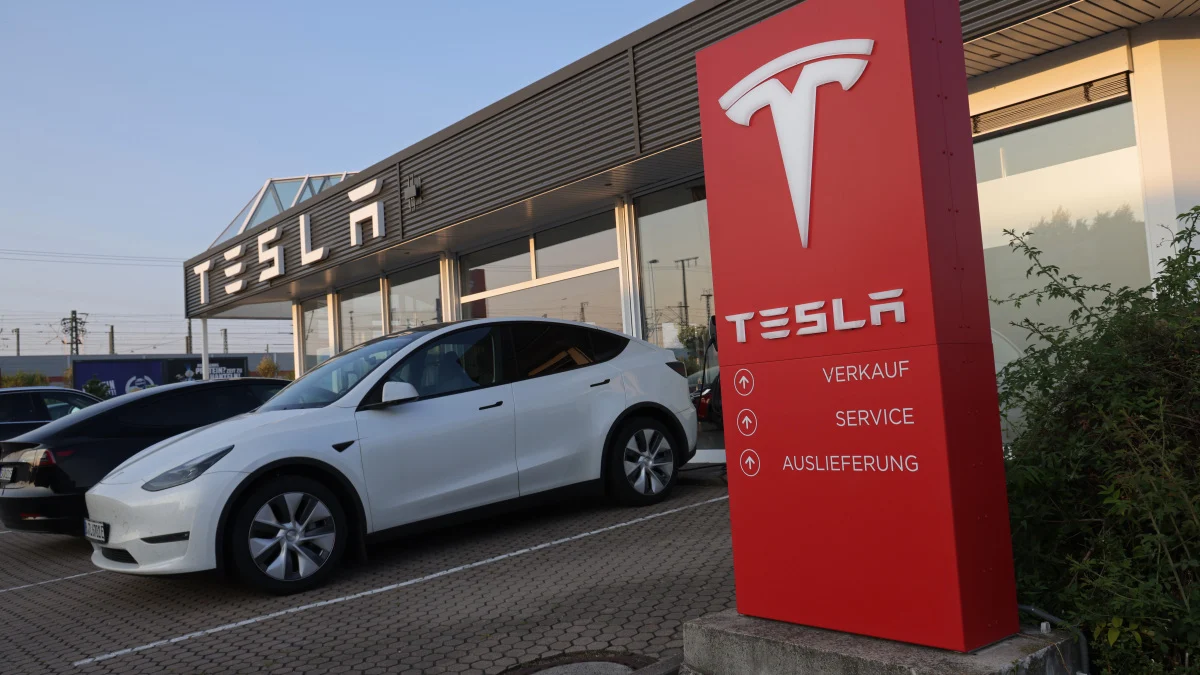
In what might seem like just another chapter in Tesla’s relentless push to dominate the electric vehicle market, reports from the National Highway Traffic Safety Administration (NHTSA) reveal a significant recall impacting over 13,000 Model 3 and Model Y vehicles manufactured between March and August 2025. While Tesla has previously built its reputation on cutting-edge innovation, this recall underscores an unsettling reality—even the most advanced tech vehicles are vulnerable to critical safety issues.

The problem, as detailed by NHTSA, stems from a glitch in the battery pack contactor, caused by a poor coil termination connection. This can lead to an unexpected loss of propulsion, presenting a clear safety concern for drivers and passengers alike. Interestingly, Tesla’s proactive stance—invoking a voluntary recall—demonstrates the company’s awareness of its societal responsibility, despite the fact that such recalls are not legally mandated. They plan to handle repairs by physically replacing the faulty contactors at service centers; a decision that highlights the importance of tangible safety fixes over mere software updates. As Elon Musk’s brand continues to evolve, this move reflects a broader shift: Tesla is increasingly being scrutinized for safety, transparency, and accountability—elements that resonate with a new generation of consumers who value trust as much as innovation.

Blood, Sweat, and Recalls: The Broader Impact on Culture and Consumer Trust

  • Ongoing safety concerns have cast a shadow over Tesla’s reputation, especially with prior issues involving the Cybertruck, such as the accelerator pedal lodging or exterior panels detaching during driving. These recurrent problems could be fueling a culture of skepticism among younger consumers who idolize the brand’s futuristic image but are increasingly wary of its reliability.
  • Influencers like Jonathon Ramsey and tech analysts point to Tesla’s growth as a double-edged sword—innovation coupled with growing scrutiny could define its future trajectory. Meanwhile, social movements emphasizing safety transparency are shaping how brands are held accountable in the digital age.
  • Yet, amidst these setbacks, Tesla’s ability to address issues head-on might be what preserves its cultural impact. For the youth, Tesla isn’t just a car brand; it symbolizes a movement toward sustainable progress and technological mastery. This intersection of societal ideals and product evolution continues to redefine the automotive lifestyle, transforming it from mere transportation to a statement of identity.

The Future of EVs and the Next Big Question

As Tesla navigates its latest safety hurdles, a compelling question emerges for consumers and industry watchers alike: Will these recurring recalls undermine the brand’s revolutionary standing, or will Tesla’s swift and transparent responses bolster its credibility in the long run? In a world increasingly driven by digital trust and social activism, the way Tesla handles these setbacks might determine whether the brand stays at the forefront of innovation or becomes a cautionary tale in corporate responsibility.

While the headlines focus on technical glitches, the bigger story is about our society’s evolving relationship with technology—how much risk are we willing to accept for the promise of a cleaner, more advanced future, and how will our expectations change as these innovations become more deeply embedded in our daily lives? The next chapter remains unwritten, but one thing is clear: the question of trust and safety will be central to defining the cultural landscape of electric vehicles for years to come.

Social Media Auto Publish Powered By : XYZScripts.com



