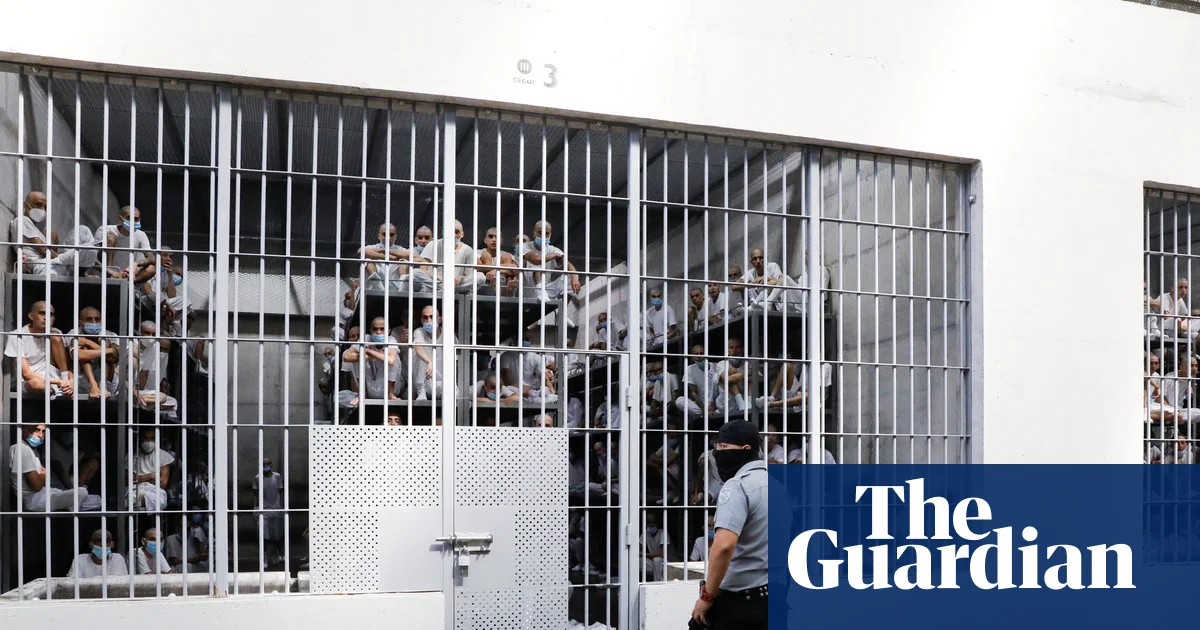

The ongoing controversy surrounding the treatment of Venezuelan migrants deported to El Salvador underscores a troubling shift in regional geopolitics and human rights accountability. A coalition of human rights organizations has filed a petition with the Inter-American Commission on Human Rights, exposing grave allegations against Salvadorian authorities for abuses against 18 Venezuelan men. These men, expelled by the United States to Salvador’s notorious Cecot facility, claim they endured torture, sexual assault, and medical neglect—a pattern of abuse detailed in testimonies and supported by medical corroboration. This case highlights the geopolitical impact of US and Salvadorian policy decisions, which some analysts warn may set a dangerous precedent for extrajudicial detention and international complicity in human rights violations.
The allegations expose a systematic pattern of mistreatment within Cecot, including beatings, humiliation, and deprivation of basic needs. The men, many of whom faced no criminal records before being expelled, describe prolonged physical and psychological trauma, with scars and post-traumatic stress persisting long after their release. “One man still has scars from shackles, a haunting reminder of what he endured,” reports one survivor, highlighting how detention conditions—windowless cells, constant bright lights, inadequate water, and food—violated fundamental human rights. Human rights groups and legal advocates emphasize that these abuses are not isolated incidents but part of broader violations linked to the US’s controversial use of the 1798 Alien Enemies Act. Critics argue that this law, invoked by the Trump administration to swiftly expel Venezuelan migrants, facilitated the transfer of individuals to countries with questionable human rights records, effectively sacrificing migrants’ dignity in the name of national security.
The fallout extends beyond individual suffering; it exposes a disturbing alliance between U.S. policies and Salvadorian authorities. Under President Nayib Bukele, El Salvador has escalated its suppression, enacting a “state of exception” since 2022 that allows mass detention without due process—impacting approximately 1.4% of its population. This autocratic turn raises alarms among international watchdogs, with critics warning that the government may be complicit in perpetuating abuses cloaked in the guise of security. The international community is divided, as some institutions hesitate to criticize a regime increasingly regarded as drifting toward authoritarianism, while others insist that accountability—whether through the Organization of American States or independent international courts—is imperative to uphold human rights standards.
As legal battles unfold within U.S. courts and international bodies, the weight of history bears heavily on current decisions. The United States’ role in enabling abuses by invoking wartime laws for deportation, combined with El Salvador’s current repression, challenges the legitimacy of regional human rights protections. While some jurisdictions have responded to international mandates, how El Salvador’s autocratic leadership chooses to position itself remains uncertain. Many believe that the outcome of these cases could redefine regional alliances and influence policies for decades to come. The story of these migrants—a microcosm of broader geopolitical struggles—is not yet written, but the message is clear: the shadows of past injustices linger, and history demands that they be confronted before shadows fully eclipse the future of justice and human dignity.