Matox News

Truth Over Trends, always!

Beyond the Buzz: Top THC Drinks for Chill Vibes and Good Times — Taste-Tested for the Modern Generation

Today’s lifestyle landscape is witnessing a significant shift, especially around the way younger generations approach leisure and wellness. Once dominated by traditional spirits and wine, social gatherings are increasingly embracing a new category: THC-infused beverages. This trend is about more than just flavor—it’s about inclusivity and redefining how we connect with social norms. While the legal landscape remains complex—marijuana still faces federal restrictions—an expanding number of states have opened the door for hemp-derived THC products, making these innovative drinks more accessible than ever before. Industry projections anticipate this category will reach $370 million in the coming years, a testament to how deeply embedded these products are becoming in millennial and Gen Z routines.

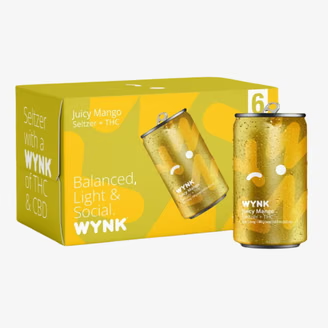
In this new era, infused drinks—ranging from seltzers to spirits—are hardly about simply getting high. Instead, they exemplify a \_shift in making wellness and leisure more thoughtfully crafted. Inspired by wellness experts such as Dr. Andrew Weil and cultural innovators like the founders of Houseplant, the focus is clearly on *quality, taste,* and *experience.* Many young consumers are replacing the excesses of traditional drinking with these low-dose, flavor-forward options. For example, brands like Wynk Juicy Mango and Cann’s Yuzu Elderflower are blending balanced doses of THC and CBD with refreshing flavors, offering a social-ready high that enhances relaxation or socializing without the usual haze or hangover.

The Leading Picks in THC-Infused Beverages

Wynk, for instance, has positioned itself as a nationwide accessible gateway into THC seltzers with its Juicy Mango flavor, a vibrant and refreshing choice that contains a modest 2.5mg to 10mg of THC, combined with CBD for a balanced experience. Its rapid onset time—roughly 10 to 15 minutes—allows users to enjoy social interactions and outdoor activities without the lengthy waiting associated with edibles. Meanwhile, brands like Cann focus on craft-flavored, *tasteful* options such as Yuzu Elderflower or Cranberry Sage, which are perfect for socializing or relaxing. With dosage ratios like 2mg THC to 4mg CBD, these drinks are engineered for a *smooth*, *mild high* that is ideal for daytime use or casual gatherings. Additionally, nonalcoholic spirits from companies like Nowadays offer flavorless, long-shelf-life tinctures that blend seamlessly into soft drinks, further expanding the options for those seeking a controlled, health-conscious alternative.

Beyond seltzers, the market has embraced nonalcoholic THC wines and spirits, such as Ayrloom Rosé, which channel the tart and bright flavors of traditional wines with the added bonus of controlled THC dosages. For aficionados seeking a genuine “spirits” experience without alcohol, MXXN’s Jalisco Agave offers a closer alternative to tequila—complete with natural flavor profiles and a 4mg THC inclusion per ounce, providing an easy way to craft nonalcoholic margaritas or tequila sunrises. Together, these options underscore a broader cultural shift \_where wellness, flavor, and social participation no longer rely solely on alcohol.\

While federal legality remains elusive, 24 states have legalized hemp-derived THC products, creating a patchwork of accessibility. From *California* and *Colorado* to *Vermont* and *Virginia*, young consumers are tapping into these legal provinces for new forms of social expression. Industry leaders hope that future federal regulations will streamline quality standards, preventing the market from being flooded with subpar or synthetic products that threaten the credibility of this burgeoning industry. Legalization is not just about compliance—it’s about integrity, safety, and ensuring that consumers can enjoy these innovative drinks confidently. As noted by wellness advocates such as Dr. Michael Moskowitz, responsible use is key, and education around dosage and effects remains paramount.

Ultimately, the rise of infused beverages represents more than a lifestyle tweak—it’s a cultural transformation. As younger audiences embrace these drinks as an inclusive way to enhance their social experiences and explore wellness, they are rewriting the traditional narratives of leisure. The ever-expanding options demonstrate that a *connected world* no longer relies solely on alcohol to facilitate community and relaxation. Instead, these products offer a pathway to *mindful enjoyment*, fostering a culture that values quality, flavor, and personal health. Lifestyle, like life itself, is a journey—an opportunity to explore, redefine, and embrace new horizons with confidence and clarity.
Room for the Moon pushes boundaries with thrilling, experimental pop vibes

Emerging Cultural Shifts Signal Broader Innovation in Tech and Business

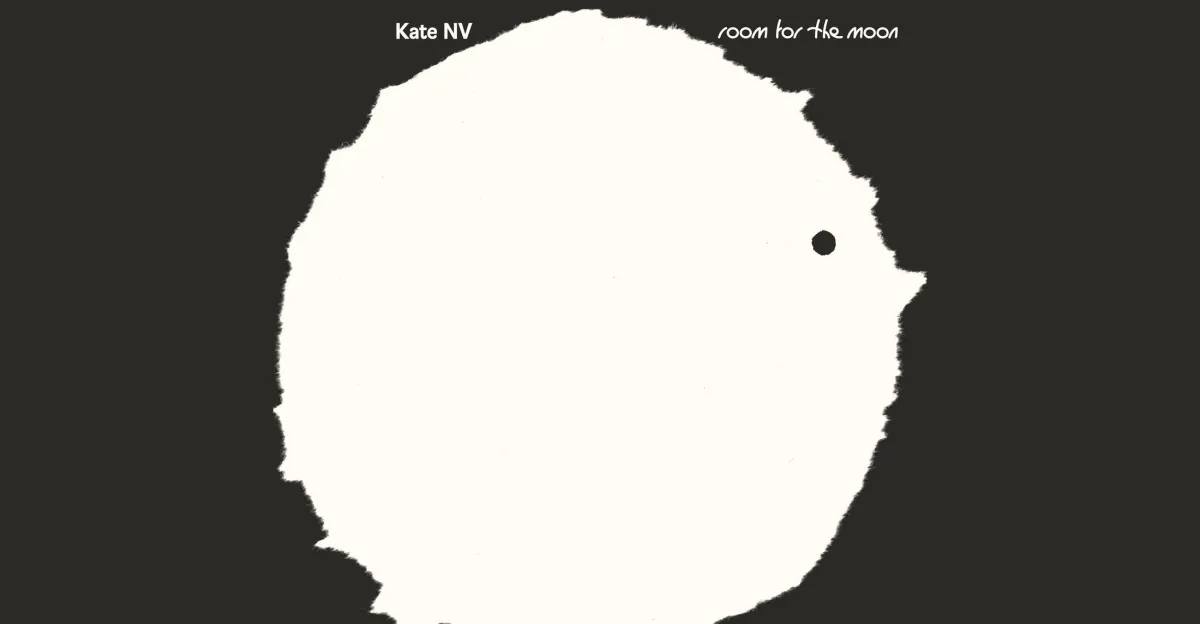
The recent resurgence of lunar-themed creativity, epitomized by the avant-garde album Room for the Moon by Russian artist Kate NV, underscores a broader pattern of disruption in both cultural industries and technology sectors. While much attention in recent years has been directed toward mission-driven space exploration—think NASA’s Artemis Program—the artistic response suggests a cultural pivot, leveraging innovative storytelling and audio design inspired by the moon’s mystique. This blend of nostalgia, whimsy, and technological experimentation points to a future where entertainment and tech are increasingly intertwined, fueling new markets and redefining consumer expectations.

In the realm of audio-visual innovation, artists like Kate NV push boundaries by combining whimsical storytelling with cutting-edge production techniques. Her album, influenced by Russian and Japanese pop from the 70s and 80s as well as children’s media, exemplifies an emerging trend—the fusion of retro aesthetics with modern electronic soundscapes. This trend aligns with predictions from industry think tanks like Gartner, which forecast that entertainment platforms integrating immersive sound and visual experiences will be key drivers of consumer engagement in the coming decade.

  • Features include proggy synths, reverberated drum machines, and eclectic instrumentation.
  • Creates immersive “fairytale” worlds accessible through digital streaming and VR technology.
  • Encourages developers to integrate artistic storytelling with interactive interfaces.

Moreover, these creative developments carry significant business implications. Companies that harness such *innovative content* will have the opportunity to lead in niche markets, while *large tech firms* seeking to innovate their content delivery will look to artists and creators whose work disrupts traditional boundaries.

The influence of these artistic innovations extends beyond culture into the strategic realms of tech development, where echoes of the ‘moonshot’ mentality continue to reshape industries. Innovators like Elon Musk and Peter Thiel emphasize how disruptive technology—such as AI, blockchain, and synthetic media—are revolutionizing existing markets. By positioning lunar and space-themed narratives as metaphors for technological aspiration, these developments serve as a rallying point for new business ventures, encouraging startups and established companies alike to pursue exploratory ambitions that were once confined to science fiction.

This convergence of artistic expression and technological disruption signals an urgent need for firms to adapt quickly, or risk obsolescence. As industry leaders continue to push the boundaries with innovations in autonomous systems, virtual reality, and AI-driven content, the underlying message remains clear: those who leverage disruptive ideas inspired by lunar and space themes will have a competitive edge in capturing the next generation of consumers and investors. The breakthrough artistic expressions symbolized by Kate NV’s album may seem niche, but they embody a fundamental shift—a signpost pointing at a future where creativity itself is an engine of technological progress and business agility.

In conclusion, the cultural and technological currents driving today’s innovation landscape demand urgent attention from industry stakeholders. As the line between art, science, and business continues to blur, embracing disruptive ideas—both on Earth and beyond—will be essential for leaders aiming to capitalize on the next wave of growth. The lunar metaphor extends beyond inspiration; it epitomizes humanity’s relentless pursuit of progress, urging us to confront tomorrow’s challenges with the same bold innovation that characterizes today’s emerging artistic and technological frontiers.

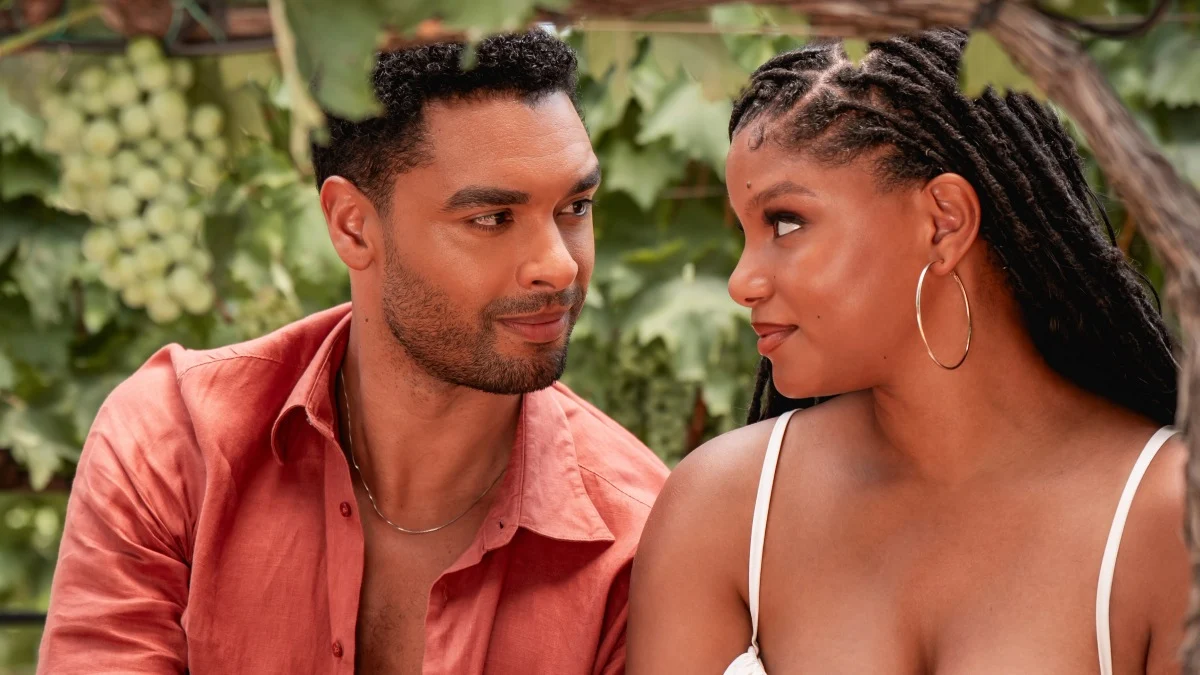
“You, Me & Tuscany”: Halle Bailey and Regé-Jean Page Bring Bright, Feel-Good Vibes to This Must-Watch Rom-Com for Young Trendsetters

As cherry blossom season blooms across the globe, a fascinating cultural shift is quietly taking root. While winter’s Heated Rivalry made us cozy and combattive from the comfort of our homes, this spring sees a new wave of inspiration: embracing classic romance amidst picturesque landscapes, especially in the evocative setting of Tuscany. The latest romantic comedy, You, Me & Tuscany, directed by Kat Coiro, taps into an age-old desire—fostering genuine human connections that transcend borders and societal expectations, all set against a sun-drenched Italian backdrop. This trend isn’t just about escapism; it’s a reflection of society’s longing for authenticity, emotional depth, and the celebration of cultural beauty.

Romance Reimagined: From Screen to Society

The cinematic influence of You, Me & Tuscany extends beyond mere entertainment. It symbolizes a cultural pivot towards valuing experiences that prioritize emotional vulnerability, scenic beauty, and local authenticity. The film’s narrative bears striking resemblance to the beloved 1995 rom-com While You Were Sleeping. Both movies revolve around a lonely young woman—Anna Bailey’s character—who dreams of a bigger life and finds herself entangled in a romantic quagmire involving rugged, yet charming Italian brothers. This juxtaposition of romantic idealism and cultural realism resonates deeply in today’s social climate, where virtual interactions are often replaced or supplemented by real-world connections and adventures. Influencers like Halle Bailey and Regé-Jean Page personify this shift, embodying the fresh, diverse faces of a rejuvenated romantic ideal that appeals to a younger, global demographic.

The Cultural and Social Impact

This renewed focus on romance and travel sparks a broader societal conversation. It underscores a collective desire to reconnect with authentic traditions—be it through culinary exploration, scenic adventures, or meaningful relationships. Trends such as

  • destination weddings in Italy
  • virtual wine tastings from vineyard tours
  • romantic weekend getaways inspired by cinematic portrayals

emerge as tangible expressions of this cultural revival. Influencers and sociologists alike highlight the significance of embracing local heritage and storytelling as pivotal components in shaping modern lifestyles. Hollywood’s portrayal of Italy as a romantic, culturally rich haven further fuels this movement—inviting audiences to envision their own stories unfolding beneath Tuscan sunsets.

The Future: More Than Just a Hollywood Dream?

While films like You, Me & Tuscany captivate with their charming cast and picturesque settings, the question remains: Are we witnessing the dawn of a true societal shift? Will the desire to find authentic love and adventure push more to adopt the romantic, experiential lifestyle that these stories celebrate? Or is this simply a fleeting trend—another way for culture to indulge in visual escapism? With social theorists raising questions about the long-term influence of such romantic narratives, one thing is clear: the next big question is whether this cinematic inspiration will translate into a broader movement that redefines how society values real-world connections over virtual ones, and adventure over routine. As younger generations seek purpose in meaningful relationships and cultural immersion, the future of this trend could very well be the next chapter in our collective story of love, life, and discovery.

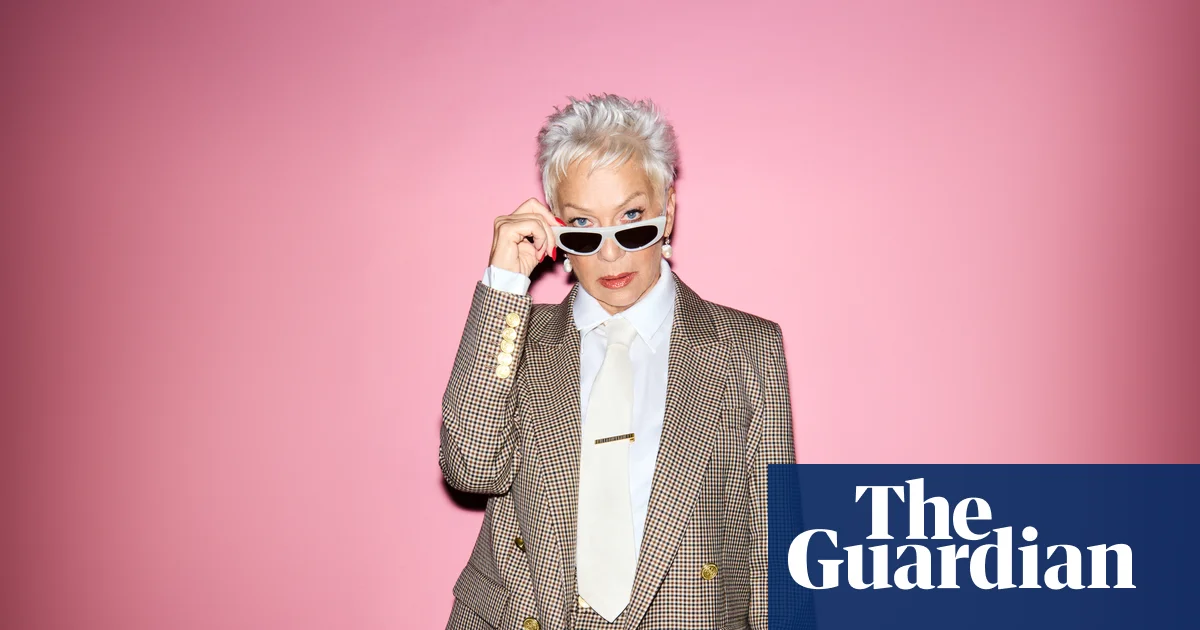
Denise Welch’s Bold Comeback: Embracing Change, Beating Depression, and Reclaiming Youthful Vibes

Denise Welch’s Revival: The Power of Reinvention in Today’s Culture

Once primarily recognized as a beloved soap star and outspoken personality, Denise Welch is experiencing a remarkable renaissance—both professionally and socially. Her return to acting, notably in Waterloo Road, along with her appearances in new series on Channel 4 like Tip Toe and Stepping Up, exemplifies a broader trend among veteran entertainers redefining their identities. Welch’s evolution from a tabloid fixture to a multifaceted cultural icon underscores a pivotal societal shift: the growing acceptance of age and vulnerability as elements of genuine authenticity. Her candid revelations about battling depression, addiction, and her role as a mother resonate powerfully with a generation craving transparency and realness.

In an era dominated by influencers and social media, Welch embodies a cultural impact that extends beyond traditional celebrity. She’s embraced a lifestyle of honest self-reflection, openly sharing her struggles with postnatal depression, ADHD, and sobriety, challenging the stereotypical norms of perfection often perpetuated by celebrity culture. According to sociologists tracking online movements, her narrative is integral to a society more willing to champion mental health awareness and resilience. Her participation in platforms celebrated by youth—like her fashion shoots for i-D magazine and the edgy personality she portrays in interviews—symbolizes a shift: the social relevance of being ‘vulnerable but victorious’ captures the zeitgeist.

From Tabloid to Trendsetting

  • Fashion as Expression: Welch’s fashion evolution—from vintage Chanel to stylish, vintage-inspired outfits—becomes a statement of confidence and individuality. Her playful embrace of high fashion, despite admitting she knows “nothing about it,” showcases a deliberate departure from the conformist standards that once overshadowed her. Influencers, like Matty Healy, have commented on her style, and Welch herself revels in the freedom that fashion offers to reinvent oneself at any age.
  • Social Relevance of Mental Health: Her openness about living with depression and ADHD, along with her previous substance abuse struggles, exemplifies a society gradually de-stigmatizing mental illness. Welch’s stories underscore the importance of candid conversations, especially among young audiences, who look up to figures risking vulnerability to promote authenticity.
  • Digital Age Resistance: Welch’s involvement in hun culture—described by her as ‘unfiltered and loved by the gays’—reflects a social phenomenon rooted in embracing bold personalities outside political correctness. Her humorous, unapologetic take on her identity demonstrates how digital communities celebrate personality over political conformity, fueling social discourse about the importance of self-acceptance.

Influencers and critics alike have recognized her as a symbol of a new era in celebrity—one rooted in honesty, resilience, and reinvention. Her narrative teeters between the harsh realities of mental health struggles and the joy of embracing one’s true self without shame. The question then emerges: as society champions these raw, authentic stories, could this be the next big trend in cultural influence? Is the shifting perception of celebrity into a more relatable, vulnerable figure a sign that society is truly moving toward a more inclusive understanding of strength?

The Future of Cultural Reinvention

Welch’s story prompts a larger conversation about the future trajectory of pop culture: will we see a move away from the traditional archetype of the untouchable celebrity to a model rooted in *relatability* and *truthfulness*? Her journey suggests that society is increasingly valuing human complexity over perfection. As Welch herself asks, “You can still have a wonderful life with mental illness,” this embodies a shift that could redefine public perception of wellbeing and success. The next big question becomes: how will this cultural shift influence the way new generations perceive resilience and authenticity? Will future icons be those who openly acknowledge their struggles, or will this remain a niche phenomenon?

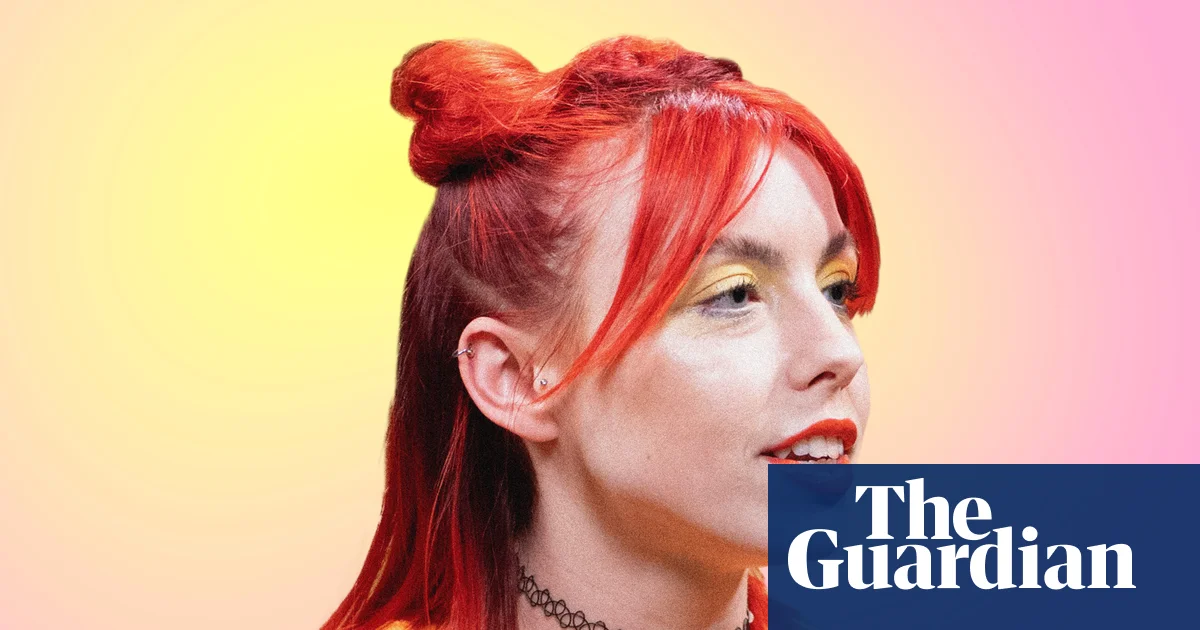
Jessie’s Traitors Makeup Unlocks the New Wave of Bold Beauty Vibes for Today’s Youth

In a cultural landscape where conformity often dominates social media feeds and pop culture, a rebellion against conventional beauty standards is emerging—fueled by a new wave of youth embracing bold, unorthodox makeup styles. Recent observations from the hit show The Traitors and viral TikTok trends highlight a shift where makeup is no longer just about looking “polished” but about expressing individuality and reclaiming the notion of beauty itself. Influencers like Garance Murru and makeup artists such as Sean Brady are leading a movement that questions the very fabric of societal beauty ideals—bringing “ugly makeup” back into the limelight.

This cultural shift transcends Instagram filters and Instagrammable perfection—it’s about challenging social biases and defining a new identity grounded in character and authenticity. Jessie Roux, a contestant on the show, exemplifies this new ethos, proudly sporting vibrant, mismatched eyeshadow shades like marigold orange and canary yellow, despite fears that her bold makeup might undermine her perceived trustworthiness. Her stance is a statement: “I love expressing myself through makeup, especially because my stammer sometimes makes it hard to show who I am.” In this context, makeup becomes a tool of empowerment, a shield against societal expectations, and a way to push beyond the superficial layers of appearance to showcase inner resilience and diversity of beauty.

Social media platforms such as TikTok have amplified this narrative, with users embracing *characterful* looks inspired by Jessie and artworks inspired by “bird of paradise” palettes. Trends include applying metallic shades in prosecco hues or decorating lips with fantastical color combos like sky blue paired with pillar-box red. Commentators are calling this the resurgence of character-driven beauty, a stark contrast to the “dewy” and “glossy” aesthetic that dominated recent years. Makeup artist Aoife Cullen notes this “swing back towards colour and individuality,” revealing that social media dialogue among makeup artists is fueling this “creative renaissance.”

This movement resonates deeply with the social relevance of shaping a society that values self-expression over mass appeal. It questions whether society’s obsession with “flawless” beauty is on the brink of transformation or simply a passing trend. As Cullen suggests, the key to embracing this shift lies in small steps — like changing your mascara color from black to plum, then to green, until you find what truly resonates with your personality. The message is clear: the boundaries of beauty are shifting, and the definition is becoming more inclusive of eccentricity and boldness. Jessie herself advocates for authenticity, emphasizing: “If you love colour, then go for it. It’s always better to be yourself than to follow the crowd.”

As this revolution in makeup style stretches beyond the runway and social media into everyday life, a compelling question emerges: are we witnessing a permanent cultural evolution or an ephemeral revolt? With influencers and sociologists alike pointing to the rise of “ugly beauty” as a critique of perfectionism, the next big question is whether society will continue to embrace this cultural bravado or revert to traditional standards once the novelty wears off. The answer may define whether this trend becomes a new normal—where self-expression and individuality carve out a more inclusive and authentic aesthetic for future generations.

Unveiling the Hidden Vibes of Turkey’s Iconic Cool Capital

Discovering Izmir: A City of Ancient Roots and Modern Resilience

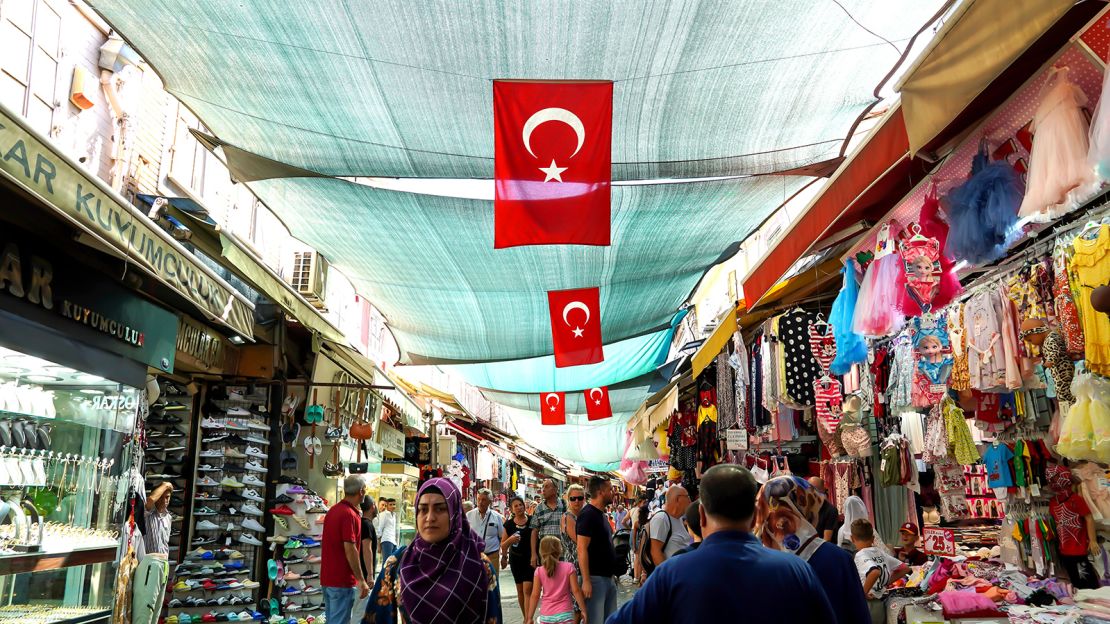
In the heart of the Levant, Izmir stands as a testament to centuries of cultural confluence and historical resilience. Once Turkey’s most cosmopolitan city, it was renowned over a century ago for its sophistication, with streets bustling with families from Greek, Armenian, Turkish, and Levantine backgrounds. The era of Parisian fashions, imported Munich beers, and elite schools marking the city’s golden age was abruptly halted in 1922 by devastating fires and political upheavals—yet Izmir’s spirit has refused to fade. Today, this ancient port city embraces a *vibrant blend* of history and modern lifestyle, inviting young explorers to discover its layered legacy while forging their own stories of inspiration.

Walking through Izmir today, the historical imprint is undeniable. The Kemeralti Bazaar, a labyrinth of covered streets and han inns, remains the pulsating heart of the city’s commerce and culture. Its architectures whisper tales of the Silk Road, once making Smyrna Quay the hub for merchants exchanging silk, spices, and exotic goods. Travel buffs and history enthusiasts should heed these echoes of the past, where traditional Turkish coffee still brews over hot coals in Kahveciler Sokağı, and relics like the copper bazaar tell stories of bygone eras. Beyond the bazaar, visitors can explore the Clock Tower in Konak Square, an Ottoman-era masterpiece influenced by North African and Andalusian styles. Its ornate architecture not only provides a scenic backdrop for social media but also embodies the city’s eclectic character—a comforting reminder that beauty often lies in the convergence of diverse influences.

Yet, Izmir is more than a city frozen in time; it is a narrative of revival and entrepreneurial vigor. The reclaimed waterfront along Smyrna Quay, now known as the Kordon promenade, serves as an open-air playground for young people and tourists alike. The promenade invites activities from jogging at dawn to biking amid sunset hues, fostering a wellness culture that values well-being over the mundane. Cultural landmarks like the Adal Sultan Clock Tower symbolize resilience, constructed in 1901 with influences spanning multiple continents, echoing the city’s history of multicultural exchange. Moreover, Izmir’s music scene flourishes through figures like Darío Moreno, a singer whose legendary recordings such as *“Ya Mustafa”* continue to inspire generations. Such stories underscore how personal passions—be it music, art, or street food—fuel the city’s modern heartbeat, making it an ideal destination for the youth seeking an authentic encounter with history while forging new paths toward health and happiness.

  • Explore local cafes serving Ottoman-style coffee over traditional copper cezves.
  • Take a day trip to Ephesus, where Roman streets and mosaics tell stories of Mediterranean trade and civilization.
  • Walk or cycle along the Gulf of Izmir, soaking in views that blend natural beauty with urban revival.
  • Visit hidden gems like Havra Sokak, where ancient synagogues stand as silent witnesses to centuries of multicultural coexistence.

Ultimately, Izmir exemplifies how a city can honor its storied past while embracing a future filled with vitality and youthful energy. Its resilience, driven by centuries of multicultural exchange, reminds us that even amid chaos, there is always an opportunity to rebuild and redefine one’s identity. For the young explorer, entrepreneur, or wellness seeker, Izmir offers a metaphorical journey—a personal odyssey through history, innovation, and lifestyle. As you stand on its shores or wander its ancient streets, you realize that lifestyle itself is an evolution—a continuous act of reclaiming, rediscovering, and celebrating the spirit of resilience. In this city of the phoenix, every moment becomes an invitation to craft your own narrative of strength and inspiration, one step at a time.

Hi-Fi Vibes: How Sound System Culture is Dominating UK Art and Fashion — Peter Doig on the Beat

The Rising Cultural Power of Sound Systems in Art and Fashion

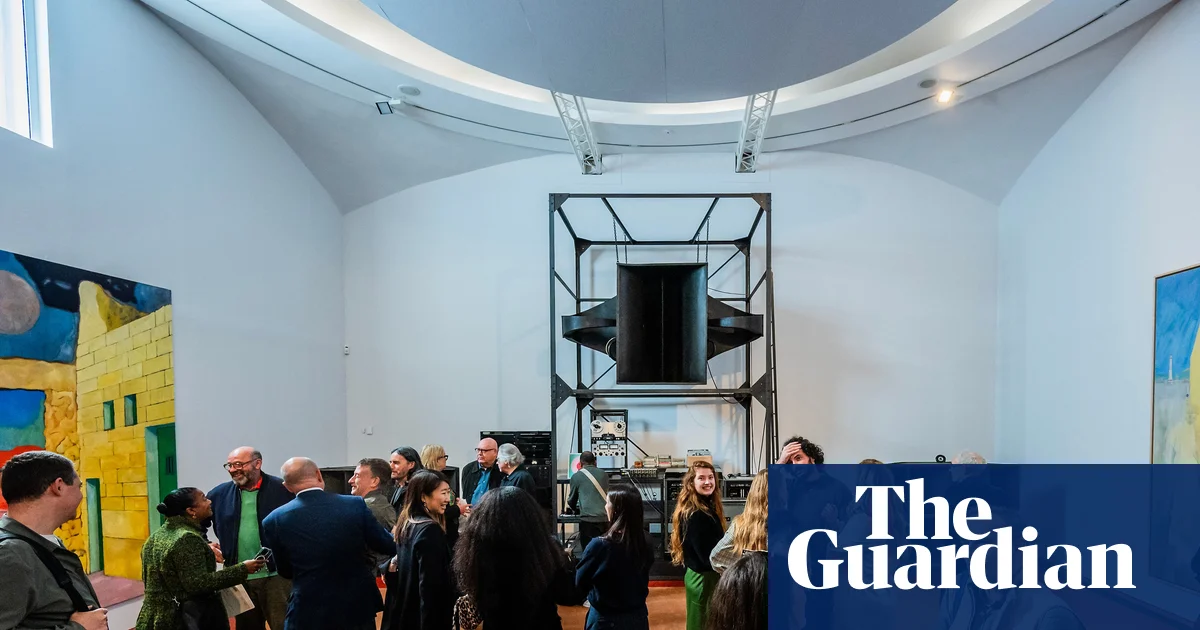
In recent years, high-end sound system culture has transcended its roots to become a defining element of contemporary art and fashion scenes. From Peter Doig’s innovative “House of Music” exhibition at the Serpentine Gallery to collaborations with iconic brands like Dior and Valentino, the integration of sophisticated audio technology is reshaping sensory experiences. Doig’s installation, which features vintage Western Electric and Bell Labs speakers alongside bespoke Klangfilm Euronor speakers acquired from Kraftwerk’s Florian Schneider, embodies this shift. His concern that visitors might question the purpose of music-enhanced art underscores a broader societal debate: is the fusion of auditory and visual culture merely a trend, or does it signal a profound cultural transformation?

This trend is aligned with a wider movement where the gallery space is no longer purely visual but becoming a listening environment. Across the UK, museums and galleries like Liverpool’s Walker Gallery and platforms such as V&A East are hosting sessions that emphasize the re-emergence of sound system culture—originally born in Jamaica in the 1950s and propelled into the UK by the Windrush generation. These sound systems are now acting as social catalysts, fostering community engagement and cultural dialogue. Sociologist Julian Henriques from Goldsmiths highlights that such initiatives are not only expanding audience reach but also challenging the traditionally male domain of sound system culture, paving the way for a more inclusive and diverse cultural landscape.

Beyond the art world, fashion houses have embraced high-fidelity audio as a symbol of modern prestige. Valentino’s flagship store in New York hosted a ten-hour listening session, while Stone Island’s collaboration with Friendly Pressure showcased the integration of sound systems into the fabric of design and retail experiences during Milan’s design week. This convergence of fashion and sound recalls Doig’s 2020 runway collaboration with Dior, where towering speaker stacks loomed over models on the runway, turning a simple walk into a sensory spectacle. As culture critic Suze Webb notes, speakers have become status symbols; “sound systems and quality hi-fi have over the last few years become cool and aspirational,” fueling a desire among the youth to embed sound into their social identities.

The Cultural Impact and Social Relevance

The increased visibility of sound system culture is not accidental but reflects a deeper social shift. More Black and Caribbean creatives are now in key roles within the global cultural economy, bringing authentic understanding and appreciation for the roots of this movement. Prof Julian Henriques emphasizes that while some of the radical roots may be fading, the widespread interest signals a positive cultural evolution. It’s about making sound a central medium of expression—reminding us that audio isn’t just background noise but a potent tool for resistance, presence, and community-building.

Influencers like Virgil Abloh, who was a DJ before transforming fashion, and emerging spaces like Devon Turnbull’s OJAS Listening Room, exemplify how deep-listening experiences are becoming mainstream. The question remains: as high-fidelity audio continues to grow in popularity, will we see a redefinition of social and cultural status centered around sound? Or will this wave of auditory innovation challenge our perceptions of art, identity, and even societal divides? In a culture obsessed with visual spectacle, one thing is clear—listening and sound are poised to become the next frontier in shaping collective identity and cultural power. The next big question might just be: how will society harness this heightened importance of sound in constructing a more unified or divided cultural future?

Unlock Your Music Scene: Ckord Connects You to Local Tunes and Artist Vibes!

The Rise of Ckord: A New Era in Live Music Experience

In an age where digital consumption has largely replaced traditional forms of entertainment, the return of live music events has become a vibrant trend among youth culture. Enter Ckord, the groundbreaking mobile platform designed to connect users with live music events in their area. With its focus on local performances, Ckord serves not only as a guide to concerts, shows, and gigs but also as a catalyst for a broader revival of community engagement and the shared social experience of music. This trend underscores a remarkable shift in the way young people are interacting with music and each other.

Gone are the days when discovering live performances meant laboring through local newspapers or browsing outdated flyers taped to telephone poles. Ckord leverages technology to streamline this process, allowing users to access a comprehensive list of events at their fingertips. Sociologist and cultural analyst Dr. Emma Wong notes that music is increasingly viewed as a communal experience rather than a passive activity. This suggests a demographic eager for engagement, an audience that craves not just entertainment but a sense of connection with their peers. By aggregating information on local events, Ckord allows users to not only find entertainment but also to cultivate a sense of belonging within their communities.

The implications of this trend are profound. As young individuals flock to live music events, they are likely to experience a resurgence in community spirit, akin to that seen during classic rock festivals of the 1960s and ’70s. It’s not just about the music; it’s about the shared energy, the collective vibe, and the unforgettable moments that occur when people gather. With the rise of Ckord, we see a return to an era where live performances serve as a focal point for social interaction. In an increasingly polarized world, this could signify a necessary remedy for social disconnection.

  • Ckord leads the charge in local music discovery.
  • It promotes community unity through shared experiences.
  • This trend could signal a revival of local arts and culture.
  • Youth engagement at live events is set to reshape consumer entertainment choices.

Yet, as this trend flourishes, one cannot help but ask: What lies ahead for platforms like Ckord? As more users adopt the app, will there be a corresponding rise in the quality of performances and local talent? Additionally, how will this influence the music industry at large—will we see a shift toward prioritizing local artists over mainstream icons? The next big question that arises is how our changing relationship with music and technology will redefine not just our entertainment choices, but our broader cultural landscape in the years to come. The future of live music could very well hinge on the answers to these questions, driving a new narrative that marries innovation and tradition in the ever-evolving world of youth culture.

Social Media Auto Publish Powered By : XYZScripts.com