Matox News

Truth Over Trends, always!

Growing Number of Girls Falling Victim to County Lines Exploitation, Data Reveals

Growing Crisis of County Lines Exploitation Among Girls

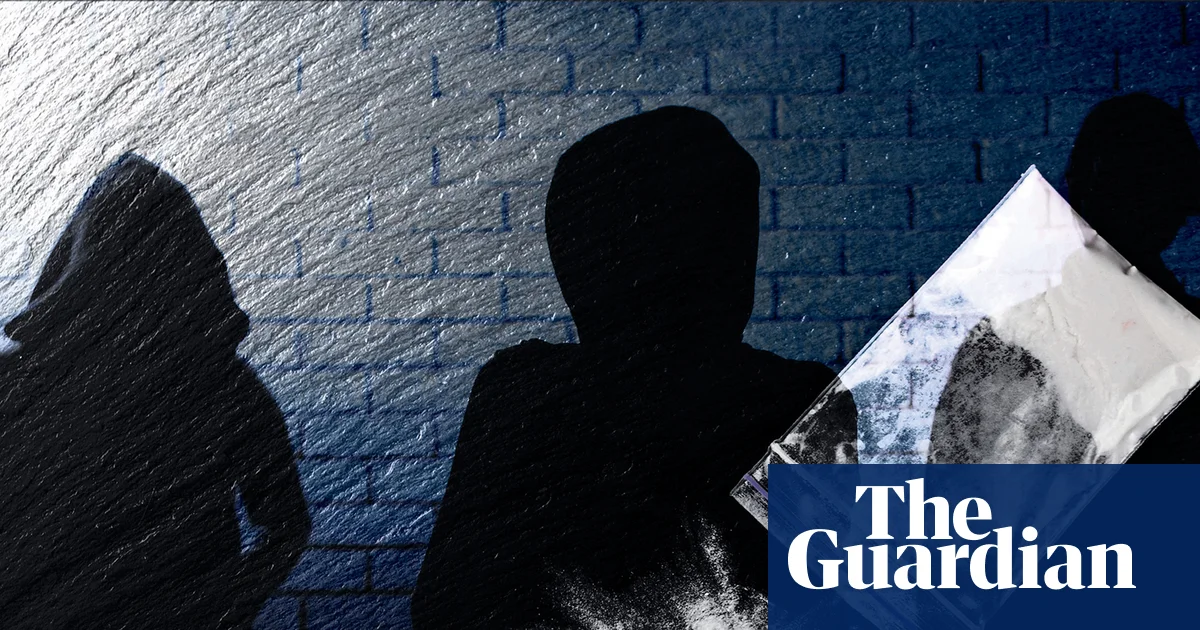
Recent statistics reveal a disturbing shift in the demographics of county lines exploitation, highlighting an increase in the number of girls and young women becoming victims of organized criminal networks. Data from Catch22, a leading charity supporting victims of modern slavery and exploitation, shows that these vulnerable girls now comprise 22% of its caseload in 2025—up from just 15% in the previous year. This alarming rise underscores the urgent need for society to recognize and address the gendered dimensions of exploitation that continue to operate under the radar.

Historically, county lines—the practice of drug gangs transporting illicit substances from urban to rural areas—has been stereotypically associated with young males. Yet, experts like sociologist Dr. Jane Matthews argue that this narrow perception obscures the experiences of girls who are groomed into criminal activity through emotional manipulation and social coercion. Such methods often mirror child sexual exploitation, wherein young girls are enticed into what they believe may be romantic relationships, only to find themselves trapped in a cycle of criminal involvement. This gendered understanding hampers recognition and support for girls, leaving them marginalized and disregarded in the fight against modern slavery.

The Hidden Toll on Families and Communities

The social fabric of families and communities bears the brunt of this exploitation. Families often struggle to detect early signs of grooming and manipulation, especially when exploitation occurs via social media platforms such as Snapchat, which gangs increasingly use to target children with additional vulnerabilities. Vulnerable youth—those experiencing mental health issues, substance misuse, or inadequate care arrangements—are more susceptible to grooming tactics, as highlighted by social commentators who warn of the long-term impact on mental health, educational attainment, and social mobility. The trauma inflicted upon victims reverberates beyond individual lives, weakening the resilience of entire communities and straining social support systems designed to protect at-risk youth.

The Government and Police Response: Progress and Challenges

  • In 2025, authorities successfully closed 2,740 county lines, charged 1,657 gang leaders, and seized 961 knives, reflecting a concerted effort to combat these networks.
  • The government plans to invest over £34 million in the county lines programme this year, aiming for greater disruption and victim support.
  • Police forces are prioritizing the disbandment of high-harm gangs, with an evolving approach to keep pace with ever-changing tactics.

However, critics like Marike van Harskamp argue that these efforts must be complemented by a gender-sensitive approach, recognizing that girls often fall through the cracks of current interventions. She emphasizes the necessity of framing county lines exploitation as a form of child abuse—an approach that could foster early intervention, better mental health support, and tailored rehabilitative services for victims. Van Harskamp warns that without addressing the underlying vulnerabilities—such as trauma, social exclusion, and lack of education—these cycles of exploitation will continue to trap future generations in a cycle of despair.

Reflections and Lamentations for Society’s Future

As the societal response evolves, the challenge remains rooted in understanding that these social issues are not isolated incidents but reflective of broader systemic failures—failures that allow exploitation to flourish in the shadows. From homes to schools and community centers, society must foster environments of safety and education, empowering young people with resilience and hope.

In contemplating these struggles, society reaches a poignant crossroads: continue to treat exploitation as an inconvenient flaw, or recognize it as a moral crisis demanding collective action. The hope lies in each community’s capacity to transform awareness into advocacy, in families’ perseverance to protect their children, and in policymakers’ resolve to craft solutions rooted in compassion and justice. Society’s true strength will be measured by its ability to heal these wounded threads and weave a future where no child is left behind in the shadows of exploitation.

Evidence Connects Sydney Kidnap Victim Chris Baghsarian, 85, to Burned Car as Search Persists

Embattled Australia Faces a Crisis with Broader Geopolitical Implications

In an unsettling turn of events, Australia is reeling after the kidnapping of 85-year-old Chris Baghsarian in what authorities believe to be a case of mistaken identity. The case, unfolding in the suburban landscapes of Sydney, has exposed more than just a personal tragedy; it underscores ongoing issues of criminality, law enforcement challenges, and the societal fractures that threaten to destabilize the nation. For over a week, forensic investigations have linked evidence from a burnt-out vehicle to a remote bushland area, where the elderly man had been held hostage, raising questions about the depth of organized crime infiltrating local communities.

While police have yet to confirm what precise evidence connects Baghsarian to the crime scene, authorities have indicated that a vehicle linked to the kidnapping was not entirely destroyed by fire, allowing forensic experts to establish crucial links. The fact that the car appeared in multiple locations, including Glenorie, suggests a calculated effort by the perpetrators to evade detection while highlighting how criminal networks exploit rural and suburban areas to hide illicit activities. It is a stark reminder that even a peaceful nation like Australia is vulnerable to covert operations that, if unchecked, could threaten its social fabric, especially as this case remains without a ransom demand or clear ties to organized underworld groups.

International Scope of Law Enforcement Struggles and Political Ramifications

Global analysts and criminal experts warn that Australia’s current predicament foreshadows a broader challenge faced by developed nations: the seepage of organized crime into civilian life, facilitated by weak borders, digital anonymity, and a lack of coordinated international strategies. The European Commission and Interpol have repeatedly emphasized that transnational crime syndicates now operate across borders with alarming agility, often turning local communities into battlegrounds. Analysts warn that if countries like Australia cannot enhance their investigative capabilities and international cooperation, their sovereignty and social order could be at grave risk.

The case also raises serious concerns about how decisions made in global and national policy impact societies at the grassroots level. The reluctance to openly confront criminal networks or implement comprehensive security reforms can embolden factions intent on destabilizing social trust. Furthermore, this incident exposes the limits of current law enforcement strategies, which are often hampered by bureaucratic hurdles, underfunding, or political hesitance, thereby enabling organized crooks to flourish in the shadows.

The Broader Geopolitical Impact and the Path Forward

This disturbing episode highlights a fragility that extends well beyond Australia. As international organizations like the United Nations and regional alliances grapple with the escalation of crime, terrorism, and illicit trade, the need for a fortified, coordinated approach becomes increasingly evident. Australia’s internal security failures could serve as a warning sign to other nations, prompting urgent calls for policies that prioritize border security, intelligence sharing, and community resilience. The ripple effects may well influence diplomatic relations, trade policies, and regional stability, especially if criminal enterprises find fertile ground in these nations’ social and political vulnerabilities.

Historians and security analysts warn that crises such as the Baghsarian kidnapping are chapters in a larger narrative of societal decline driven by unchecked criminal ambition and international neglect. As the authorities continue their search in the rugged Australian bush, the nation stands at a crossroads: either strengthen its defenses against insidious threats or risk surrendering its sovereignty to organized chaos. In the shadows, unseen forces watch, analyze, and adapt—leaving the final pages of this unfolding story unwritten but undeniably impactful, echoing across the corridors of power and history alike.

US Lawmakers Push to Free Double-Amputee Detention Victim in Georgia

In a clear demonstration of systemic flaws and human rights violations, the case of Rodney Taylor, a double amputee detained at the Stewart detention center in Georgia, has sparked unprecedented concern among members of Congress and international observers. Over several weeks, a coalition of 20 members of Congress, led by Representative Pramila Jayapal, has issued a stern appeal for his immediate release. Taylor’s plight highlights the disturbing consequences of America’s immigration enforcement policies—a situation that has been increasingly scrutinized amid reports of gross negligence and dehumanization. His health’s rapid deterioration, compounded by deplorable detention conditions, underscores a broader crisis in the U.S. immigration apparatus, signaling a failure to uphold basic human dignity.

The detailed account from Taylor’s wife, Mildred Danis-Taylor, and multiple experts exposes the grotesque realities faced by detainees like Taylor. His life-threatening issues include improperly fitted prosthetic limbs, high blood pressure, and debilitating bone spurs—all exacerbated by inadequate medical attention and substandard detention conditions. Reports from the Guardian reveal mold-infested showers, filth-covered floors, and inadequate sustenance, which collectively constitute a severe breach of health and human rights standards. Despite the gravity of his health issues and his ongoing pending application for U.S. residence, Taylor remains detained without bond, illustrating the systemic neglect and punitive approach that critics claim is entrenched within the system. The fact that so many lawmakers are advocating for his release is a rare convergence, illuminating the urgency and magnitude of this crisis—an effort to halt what many see as a pattern of repeated acts of “dehumanization” that are, in essence, violations of U.S. constitutional and international human rights commitments.

This case is not isolated but reflects a broader geopolitical impact on America’s standing on the global stage. Critics and analysts such as professors and international organizations have highlighted how systemic deficiencies—especially following policy rollbacks by the previous Trump administration, which decimated oversight agencies—have emboldened practices that devalue human life. Removal of oversight bodies like the Office for Civil Rights and Civil Liberties and the immigration detention ombudsman has created a landscape where abuse and neglect proliferate unchecked. As immigration enforcement morphs into a system driven by profit motives and dehumanizing rhetoric, the reputation of the United States as a defender of human rights faces severe jeopardy. The case of Rodney Taylor, amplified by international coverage and bipartisan concern, underscores how decision-making at the federal level resonates deeply across the nation and influences global perceptions of American justice and morality.

Ultimately, the unfolding story of Rodney Taylor’s suffering symbolizes a turning point—when the weight of history presses upon a nation grappling with its values and global responsibilities. His story serves as a stark reminder that no society can truly claim moral superiority when it allows its most vulnerable citizens to be discarded and forgotten. The critical question remains: will the authorities heed the outraged voices of lawmakers and independent observers, or will they continue down a path where human dignity is sacrificed in the name of strict immigration enforcement? History’s verdict, still unwritten, awaits with bated breath, as the consequences of today’s decisions ripple into the future—shaping whether America can truly reconcile its ideals with its actions or fade into a legacy of injustice and neglect.

Hertfordshire Police Admit Wrongful Arrest Over WhatsApp Message, Payout £20K to Victim

Recent events in Hertfordshire have underscored a troubling shift in societal trust and community cohesion. A couple, Rosalind Levine and Maxie Allen, experienced a wrongful arrest that has cast a shadow over their family life and the broader social fabric. The incident unfolded after the couple expressed concerns about their daughter’s primary school, including questioning staff recruitment practices and criticizing school leadership via a WhatsApp group. This digital dissent, seemingly dismissed as malicious communications by authorities, resulted in their being detained for 11 hours, an ordeal that has ignited debates about the boundaries of parental rights and police intervention.

Such cases reveal a disturbing connection between social tensions and institutional overreach. Sociologists like Dr. Emily Watson warn that when community members feel silenced or wrongly accused, it fosters an atmosphere of mistrust and alienation. Levine and Allen’s case illustrates how the misapplication of law enforcement can devastate families and diminish confidence in local institutions. The couple’s experience was marked not just by the wrongful arrest but also by the emotional toll of seeing their privacy violated, their reputation questioned, and their sense of security fractured—elements that ripple through every facet of family life. When public institutions fail to balance authority with accountability, the result is a fragmented society where conflicts become open wounds rather than opportunities for community growth.

The impact extends beyond individual families to the very heart of education and community relationships. The couple’s ban from Cowley Hill Primary School after raising legitimate concerns about their child’s well-being highlights a dangerous trend of authoritarian silencing of parental advocacy. Critics argue that such suppression not only dampens community input but also hampers the collaborative effort necessary for nurturing inclusive, adaptive learning environments. Social commentators, including historian Dr. Richard A. Lewis, emphasize that family engagement in schools is a cornerstone of social stability. When that engagement is met with punitive measures or misunderstood as threatening, it weakens the societal bonds that foster resilience and shared responsibility.

  • The police justified their actions by citing the unwarranted nature of the arrest, but the broader social issue remains unresolved: the erosion of trust between law enforcement and communities.
  • The school’s response to the protests reveals a prioritization of control over dialogue, risking deepening social tensions.
  • Families affected by these incidents face increased emotional distress, leading to long-term impacts on mental and physical health, and potentially, future generations’ perceptions of authority.

As social commentators and sociologists call for reform, the question remains: how can society rebuild trust and ensure that families are protected rather than persecuted when exercising their rights? It is essential to recognize that the core challenge lies in cultivating a culture of accountability, transparency, and empathy. Policymakers and educational leaders must acknowledge the human impact of their decisions and foster a community environment aligned with democratic ideals—one that respects diverse voices and promotes genuine dialogue. The tale of Levine and Allen leaves us with a haunting reminder that societal harmony depends on our collective capacity to confront injustice and to nurture the bonds that hold communities together.

In this era of social upheaval, where the lines between authority and community are blurred, hope resides in the very act of reflection and renewal. Society’s greatest strength lies in its resilience—the ability to transform adversity into a new foundation of understanding, fairness, and shared purpose. As families like Levine and Allen’s confront the shadows of injustice, they also become symbols of a society yearning for ethical integrity—a society that, if it dares to listen and learn, can build the future anew.

Social Media Auto Publish Powered By : XYZScripts.com