Matox News

Truth Over Trends, always!

Victoria Beckham Making a Bold Comeback in Chic Trousers and Party Looks at Paris Show

The Beckham empire continues to captivate the modern zeitgeist, demonstrating how a family brand can evolve beyond sports and fashion into a broader cultural phenomenon. Recently, Victoria Beckham showcased her new collection at Paris Fashion Week, seamlessly blending history, artistry, and social influence. Her inspiration from Tamara de Lempicka, the Polish art deco painter known for her sinuous lines and vibrant colors, underscores a broader trend of designers drawing from historical art to set contemporary style narratives. This collection’s sober tailoring paired with decadent party dresses not only pushes fashion boundaries but also reflects a subtle shift toward understated elegance—a move that resonates with a generation seeking authenticity over excess.

An intriguing aspect of this fashion evolution is the cultural impact of the Beckhams’ expanded brand identity. The recent surge in their US recognition — driven by David Beckham’s rise in MLS and Netflix’s documentary about Victoria’s entrepreneurial journey — signifies a strategic shift from celebrity to cultural iconography. Their influence now extends beyond the football field and runway, shaping lifestyle trends among youth and young adults who value both style and social relevance. The fashion line, once in peril with a debt of £54m, has rebounded spectacularly, thanks to a savvy expansion into makeup and beauty. In 2025, combined sales across fashion and beauty escalated by 19% to over $170 million, with profits quadrupling, marking a definitive turning point from near-collapse to industry contender. This resilience showcases a broader societal appetite for brands that combine heritage and modernity, blurring traditional lines of consumer allegiance.

The Beckham brand is also pushing ahead with international expansion, planning new store openings in New York and Paris later this year—despite setbacks such as the collapse of Saks department store, which previously was their primary U.S. retail partner. This illustrates a larger trend in the global retail landscape: brands that are adaptable, leveraging both physical and digital spaces to reach an increasingly image-conscious audience. As Victoria notes her affinity for classics like tailored trouser suits with pockets — “the pocket queen” — her designs subtly symbolize the empowerment, independence, and practicality that define modern youth culture. The collection’s focus on neutral tailoring and flowing color palettes signals a shift—away from ostentation—toward a more refined, conscious form of expression that aligns with contemporary sensibilities and social values.

Yet, beneath these outward shifts lies a compelling question: as brands like Victoria Beckham’s solidify their cultural relevance through art, fashion, and celebrity storytelling, what does this say about the future of status and identity? Will the next wave of youth-driven trends continue to be shaped by the intersection of art, entrepreneurial audacity, and social media influence? These are the questions the industry is beginning to ask itself, as the Beckham story — a perfect storm of family legacy, artistic inspiration, and entrepreneurial resilience — continues to unfold. The next chapter may hold even deeper transformations, forcing us to ask: can a brand remain both socially relevant and authentically modern, especially in an era where authenticity itself is a trending commodity?
Climate protesters score major victory against Victoria police over pepper spray use

Australia’s Climate Protest Victory Highlights Diverging Approaches to Civil Disobedience

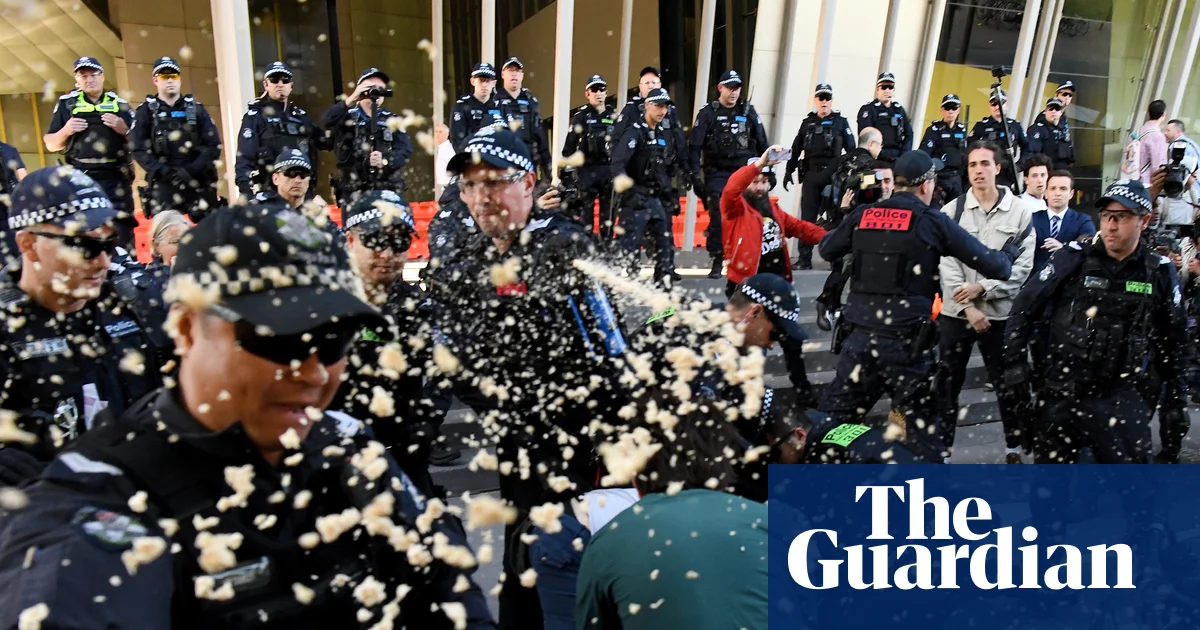
The recent ruling by the Supreme Court of Victoria in favor of climate activists against police over the use of oleoresin capsicum (OC) spray signals a significant shift in how nations are balancing security and civil liberties in an era marked by environmental activism. Protester Jordan Brown’s successful class action underscores the potential consequences of law enforcement policies in the face of growing social activism, especially when state institutions are called to account for perceived excessive force. The decision, awarding Brown $54,000 in damages, not only sets a legal precedent in Australia but also resonates on a broader international scale, prompting a reassessment of policing tactics during civil demonstrations.

Historically, many Western nations have grappled with the thorny question of maintaining order versus respecting citizens’ rights to dissent. As analyzed by international legal experts, the use of chemical agents like OC spray often becomes a flashpoint—balancing the necessity of crowd control against the risk of causing severe physical and psychological harm. The court’s judgment in this case reflects an increasing willingness to scrutinize police conduct more critically. By emphasizing the unlawful nature of the battery inflicted during the protest, Justice Claire Harris pointed out that force should be proportionate and justified—a clear warning to law enforcement agencies worldwide that excessive tactics risk legal repercussions and public backlash.

The incident in question took place outside Melbourne’s international mining conference, IMARC, in October 2019. Tensions erupted as police attempted to arrest two activists who climbed the Melbourne Exhibition and Convention Centre, with officers deploying OC spray on unarmed protesters who posed no immediate threat. The disproportionate application of force exemplifies a broader global debate: how governments and law enforcement recognize and respect the right to peaceful protest, especially in the context of burgeoning environmental movements. As international organizations such as Human Rights Watch continue to warn, heavy-handed police tactics can erode public trust and fuel social divisions, underlining the need for police reforms aligned with legal standards and human rights obligations.

More broadly, this case highlights the geopolitical impact of domestic policies and societal shifts, especially in resource-rich nations like Australia. The global community watches as climate activism intensifies, directly challenging economic interests tied to fossil fuels and mining sectors. Decisions like these ripple beyond national borders, influencing policy debates across Europe, Asia, and the Americas. Such rulings can embolden local activism, prompting governments to rethink their law enforcement mandates amid the climate crisis. As geopolitical analysts note, the increasing intersection of environmental activism and legal accountability signifies a potential turning point in how governments combine security measures with respect for democratic rights.

Looking into the future, legal experts suggest that this landmark case might serve as a catalyst for legislative reforms—limiting police discretion and embedding safeguards to prevent abuses during protests. However, critics warn that governments might respond by tightening security policies to prevent future disruptions, risking a cycle of escalation. As historians track the evolving landscape of civil rights and state authority, the ongoing negotiations between authority and activism continue to shape the fabric of societies worldwide. With every court decision and policy shift, we face the harrowing realization that the course of history is still being written—its pages filled with the enduring struggle for justice in a world teetering on the brink of environmental and societal upheaval.

Victoria Police's illegal weapon searches could impact hundreds of young people
Victoria Police’s illegal weapon searches could impact hundreds of young people

Victoria Police Faces Controversy Over Unauthorized Weapon Searches

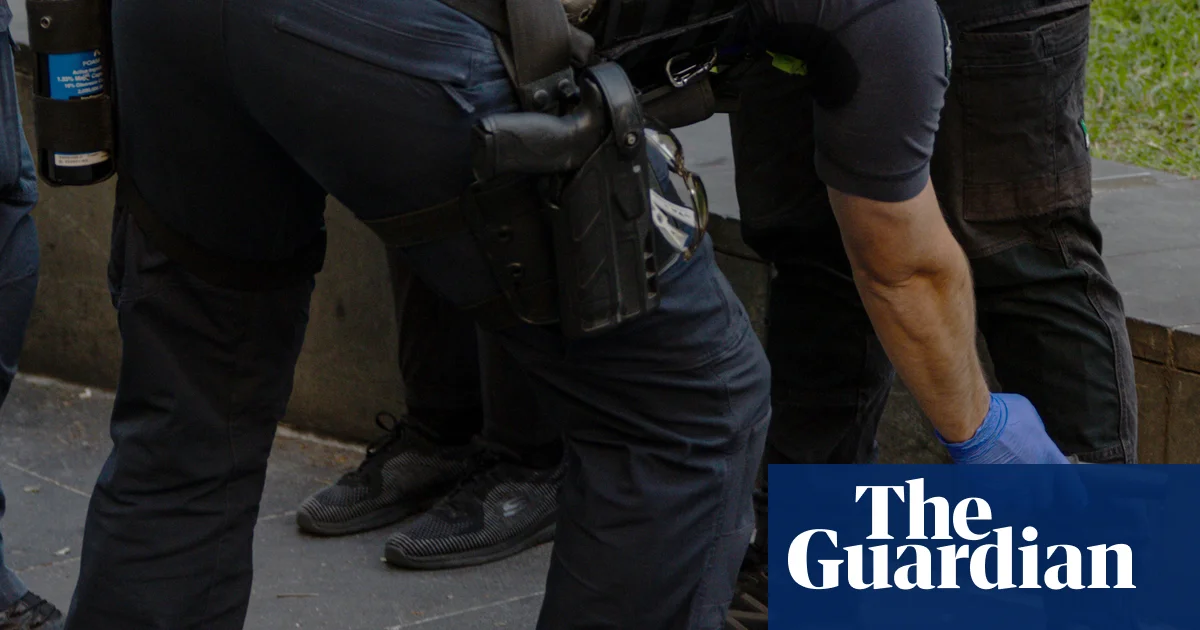
In a recent revelation that has sent shockwaves through Australia, the Victoria police force acknowledged a series of legal breaches involving its extensive weapon search operations. Over the past eight years, police conducted 23 separate searches under newly expanded powers, with some instances, according to internal audits, lacking proper legal authorization. This comes amidst growing international concern over law enforcement overreach and its implications for civil liberties in democratic societies.

The breaches primarily involve the misclassification of designated areas where searches occurred, failing to follow the strict legal requirements such as proper public notice published in the government gazette. Most of these operations targeted protests and public demonstrations, notably around Melbourne’s CBD. Sixteen of these searches were uncovered through internal audits between March 2017 and March 2025, triggering the police’s obligation to report non-compliance to the state’s anti-corruption watchdog. As analysts point out, these violations highlight the risks of legal loopholes being exploited under the guise of security, undermining public trust and accountability.

International and Domestic Reactions to Police Overreach

Global institutions and human rights advocates have expressed alarm over the implications of this incident. The United Nations Human Rights Office has repeatedly warned that broad police powers, particularly warrantless searches, must be balanced against civil liberties to prevent abuses. Historian and legal analyst Dr. James Thompson has remarked that the breach underscores the danger of “emergency powers becoming normalized, with oversight lagging behind rapid legislative changes.”

Within Australia, critics—led by organizations like the Centre Against Racial Profiling—argue that expanded powers disproportionately affect communities of color, fueling fears of racial profiling and systemic discrimination. Ilo Diaz, spokesperson for the group, argued that “these violations reveal an alarming lack of safeguards, and without rigorous oversight, communities of minority background will bear the brunt of unchecked police authority.” These criticisms come amidst broader debates about law enforcement accountability and the need for stronger legal protections against abuse.

The Broader Geopolitical and Societal Impact

This controversy in Victoria exemplifies a larger, international trend where governments are enacting or expanding powers for security agencies under the pretext of maintaining order. U.S. and European activists have raised similar concerns about warrantless searches and surveillance, emphasizing the potential erosion of civil liberties in the face of national security concerns that often serve as pretexts for broader authoritarian tendencies. The International Criminal Court and other multilateral bodies often cite such incidents as warning signs of democratic backsliding.

For Australia, a country increasingly aligned with Western security policies, this incident underscores the importance of international standards that safeguard personal freedoms even amidst crackdowns on violence and terrorism. Police reforms aimed at preventing future breaches are underway, but critics warn that without substantial oversight, these measures risk becoming mere formalities, allowing law enforcement to operate without accountability. As history warns us, the unchecked expansion of police powers often presages long-term societal divisions and instability, leaving future generations to grapple with a legacy of state overreach.

Standing at a Crossroads of Authority and Liberty

The unfolding events in Victoria serve as a stark chapter in an ongoing global narrative—the delicate balance between national security and civil liberties. As Victoria Police moves to rectify its legal breaches and reinforce its procedures, the broader question remains: how far should governments go in the name of safety? And at what point does the pursuit of order threaten the foundations of free society?

For now, the weight of history hangs heavy. The story of these unauthorized searches is not merely a local scandal but a reflection of a world where the lines between security, liberty, and authoritarianism are constantly redrawn. As societies watch with bated breath, the choices made today will define the future—whether as guardians of freedom or shadows of tyranny in the unfolding annals of history.

Prosecutors Question Manslaughter Charge Possibility if Greg Lynn Recalls High Country Murder Conviction — Victoria

International Focus Turns to Australian Judicial Controversy: The Greg Lynn Case and Its Global Significance

In what might seem like a local criminal case at first glance, Australia’s judicial proceedings involving Greg Lynn have unexpectedly garnered international attention, underscoring the profound geopolitical impact of judicial integrity and legal processes in the digital age. The Victorian court of appeal has recently intervened to clarify whether Lynn, convicted of murdering grandmother Carol Clay, should face a re-trial with the possibility of facing manslaughter charges instead of murder. This development not only raises questions about the fairness of the legal process but also spells out a broader narrative of how justice systems demonstrate societal values and international credibility in problems that transcend borders.

At the heart of this controversy is the careful scrutiny of prosecutorial conduct and trial fairness, with judges demanding clarity from the Office of Public Prosecutions (OPP). As Australia’s judiciary debates whether Lynn’s conviction was the result of procedural missteps, analysts and international observers recognize that such legal battles echo in the corridors of power across the U.S., Europe, and Asia. Indeed, the case has highlighted concerns regarding the integrity of criminal justice, especially where the prosecution’s tactics and the potential for wrongful convictions threaten to undermine public trust. The involvement of Australia’s appellate judiciary—comprising Justices Karin Emerton, Phillip Priest, and Peter Kidd—further reflects how legal processes are under close international scrutiny when they involve the potential for a retrial, appeals, and the reinterpretation of evidence.

According to respected legal analysts and historians, such judicial reviews serve as a testament to the principle that justice must be both robust and transparent, particularly when the case has images of violence and misconduct—elements that evoke fears of state overreach. The case has also become emblematic of broader debates on legal accountability, with critics warning that failure to ensure fair trials could damage Australia’s international reputation, especially within commonwealth and allied nations. Furthermore, the decision whether to alter charges from murder to manslaughter could set a legal precedent influencing criminal statutes worldwide, especially as nations grapple with how best to balance justice with societal safety.

As the case unfolds, the United Nations and international human rights organizations watch intently, emphasizing that the outcomes of such criminal proceedings are more than national matters—they reflect a nation’s adherence to just legal standards and respect for human rights. Historians note that judicial independence during politically or socially charged cases often defines a nation’s moral compass on the global stage. The final judgments and their implications may reverberate for generations—reminding the world that in the quest for justice, decisions made in courtrooms can ripple across borders, shaping international relations and societal perceptions of fairness and rule of law.

In the shadow of these proceedings, history continues its silent watch. The weight of past injustices and contemporary decisions hangs heavy in the air, as the Australian judiciary, like many before it, navigates the treacherous waters of truth, justice, and international consequence. As the court awaits its ruling, one thing remains clear: the narrative of justice and accountability in the 21st century is still being written—an enduring story where every verdict could tilt the delicate balance of global perceptions, and where the weight of history urges caution amid the unfolding human drama.

Queensland blackout hits thousands as Victoria faces fierce winds after record wet day

The Rising Tide of Extreme Weather: A Sign of Geopolitical and Societal Shifts

Recent severe weather events across Australia highlight a disturbing trend that extends beyond mere meteorological phenomena. In Queensland and Victoria, devastating thunderstorms have caused widespread power outages, structural damages, and dangerous hailstorms, signaling an urgent need for nations worldwide to reconsider their climate policies amidst the backdrop of unpredictable and worsening natural disasters. With wind gusts surpassing 109 km/h and hailstones reaching up to 7cm, the Australian experience underscores a pressing warning—the climate crisis is no longer a distant threat but an immediate challenge that threatens the social fabric and economic stability of nations.

These events carry potent geopolitical ramifications. As governments grapple with disaster response and climate adaptation, international organizations such as the United Nations are under scrutiny for their handling of climate change. Critics argue that the inertia at the global level hampers effective action, thereby exacerbating crises that follow natural calamities. Analysts warn that such failures may induce mass displacement, economic strain, and even geopolitical tensions, especially if climate-induced devastation destabilizes vulnerable regions. How nations respond now will determine their resilience in the face of climate turbulence — a fierce test of leadership and unity.

Disaster as a Catalyst for Social and Political Transformation

The Australian storm episodes also expose the vital role of national agencies in crisis management. In Victoria, over 1,300 households were plunged into darkness, and power infrastructure sustained “significant damage,” according to Energex, a prominent power distributor. The widespread outages reveal the fragility of aging infrastructure that struggles under extreme weather—a stark reminder that Western countries must prioritize resilient energy systems. Meanwhile, reports indicate that Victoria’s State Emergency Service (SES) received nearly 600 rescue requests, mainly involving building damages and downed trees, illustrating the human toll of these atmospheric disturbances. Hovering over these emergencies is the broader question of societal preparedness and the resilience of local communities confronting relentless storms.

Historians and analysts have pointed out that such acts of nature often serve as turning points—either to bolster resilience or to reveal systemic vulnerabilities. Some experts argue that these storms are a manifestation of the changing climate patterns, which are tied to policies and economic priorities. Countries that neglect these warnings risk facing a future where natural disasters intensify, creating ripple effects across politics, economies, and security. As global institutions debate solutions, the immediate reality persists: nature’s fury does not discriminate, and its impact on societies is profound, often accentuating existing social inequalities.

The International Stage: A Test of Leadership and Resolve

The situation in Australia is a microcosm of a larger, tumultuous geopolitical landscape. From the rising tensions in Eastern Europe to the strategic maneuvers in the Indo-Pacific, nations are finding their stabilizing forces tested. Climate-related disasters serve as a stark reminder that national security now intertwines with environmental sustainability. Countries such as China, the United States, and the European Union are under increasing pressure to lead global efforts—yet often struggle with competing interests and internal divisions.

International organizations must act decisively before climate disasters morph into security crises. This involves a coordinated approach—balancing climate mitigation with adaptation strategies—while holding accountable those nations that delay meaningful action. The potential for climate-driven conflicts over resources, migration, and strategic dominance grows with each passing event. As experts warn of the cascading consequences, the weight of history presses down: the coming decades will reveal whether humanity unites in shared purpose or succumbs to discord.

In the interconnected ballet of globals and nations, the recent Australian storms are more than natural calamities—they are a clarion call. A reminder that the choices made today—whether to invest in resilient infrastructure or to ignore climate warnings—will echo through the corridors of history. As the world watches, the question remains: will the lessons of these storms forge a new era of preparedness and cooperation, or will humanity again be blindsided by the tumult of a changing natural order? The pages of history are still being written, and the storm clouds gathering over Australia symbolize a broader, more urgent storm—one that will test the resolve of nations and societies in the battles yet to come.

Nine Bold Lessons from Victoria Beckham’s Docuseries: Why We Had to End the Wag Era

The Beckhams continue to demonstrate that their social influence extends far beyond footballs and pop lyrics into the realm of lifestyle and societal trends. Their recent public appearances and candid moments reveal more than just celebrity gossip — they signify a larger shift in how the modern elite approaches personal branding and social relevance. Victoria Beckham’s increasingly curated habits, from her exclusive choice of drinkware to her carefully orchestrated public image, underscore a move toward a calculated minimalism that resonates strongly with today’s youth. Gone are the days of cluttered kitchen cabinets filled with questionable novelty mugs; instead, Victoria seems to embrace a less-is-more ethos, sipping from sleek sippy cups and monogrammed glass straws, signals of a subtle yet deliberate redefinition of luxury and authenticity.

This behavior highlights a bigger societal trend among the young, affluent, and aspirational — a push toward authenticity, simplicity, and personalized branding. Influencers like Kim Kardashian and Harry Styles have popularized a style of self-presentation that aligns with this shift, emphasizing curated minimalism and individual expression over ostentation. For sociologists and analysts, such as Dr. Lisa Buchanan, this transition indicates a broader cultural pivot: the image of effortless, almost mundane luxury that speaks to a generation eager to reject excess but still crave exclusivity. Victoria’s subtle walk-through of her daily rituals—such as her strategic positioning beside David for camera optics or her choice to “bury her boobs” for sleek elegance—emphasize her mastery at blending high fashion with relatable authenticity. This is an era where celebrity is crafted through nuanced behavioral cues.

And let’s not overlook her cultural power plays. Her interactions with legendary designers like Donatella Versace and media icons such as Anna Wintour serve as deliberate signals of her influence and credibility within the fashion world. Even her unconventional fashion choices — like her decision to customize her wardrobe by shortening dresses or altering runway pieces — challenge traditional notions of authority in the industry. Meanwhile, her home life, including a £70,000 investment in plants and the construction of a mansion dubbed “Beckingham Palace”, showcases how her identity now extends into her personal habitat as an extension of her brand. These seemingly superficial details actually function as social signals, reinforcing her status as a mogul who can blend lifestyle trends with cultural authority.

Yet, beneath the polished veneer lies a compelling question: as Victoria and David continue to navigate their personal narratives — from playful teasing about modestly-sized “magnificent” assets to tearful tears over fashion mentorship — we are left to wonder what the next evolution of this celebrity lifestyle will be. Will the rising generation of young influencers and entrepreneurs embrace this curated simplicity as a new form of luxury? Or are these carefully constructed images destined to be replaced by authentic, raw expressions that challenge the very notion of celebrity as a constructed identity? The future of celebrity lifestyle trends remains a fascinating conversation — one that blurs the line between authentic individuality and calculated social positioning. As we watch Victoria Beckham redefine elegance, the core question for tomorrow’s tastemakers might just be: how much authenticity can this curated minimalism sustain in a world obsessed with genuine connection?

Social Media Auto Publish Powered By : XYZScripts.com