Matox News

Truth Over Trends, always!

Rivalry Sparks Youth Interest in Hockey — Is the Game Ready for the Next Generation?

Sports Industry Under the Microscope: Cultural Shifts and Technological Disruption

In a rapidly evolving landscape, the traditional sports industry is experiencing a transformation driven not just by technological innovation, but also by a critical reevaluation of its cultural norms. The NHL, often seen as a bastion of physicality and tradition, is now navigating the turbulent waters of inclusivity, social responsibility, and transparency. This shift is emblematic of a broader disruption rippling across sports, media, and associated industries—pointing toward a future where technology and societal values are increasingly intertwined in defining business success.

The league’s recent partnership with organizations like You Can Play, and the announcement of its upcoming Pride Cup, underscore its attempts to rebrand and redefine what it means to be inclusive. However, beneath the surface lies a debate about performative gestures versus genuine cultural change. Experts like Teresa Fowler and Tim Skuce, who have extensively studied hockey culture, argue that some initiatives remain superficial, masking deeper issues of toxicity and systemic misconduct—highlighted by revelations of hazing practices and mishandling of sensitive matters, such as sexual assault allegations involving Hockey Canada. These scandals threaten to undermine the league’s credibility, forcing a reckoning that could have long-term business repercussions.

Innovation and Disruption: Rethinking Sports Culture and Industry Norms

Amid this cultural upheaval, technology firms and data analytics giants are poised to reshape how sports organizations operate, engage audiences, and promote social values. The integration of advanced data analytics, artificial intelligence, and immersive media experiences—such as virtual reality—are enabling leagues to not only enhance fan engagement but also foster more inclusive environments. As Gartner and MIT researchers highlight, the ability to leverage big data to tackle issues like hazing, discrimination, and mental health is opening new avenues for social responsibility initiatives intertwined with business models.

This technological disruption is reaching beyond grassroots activism into core operational strategies. Player safety, mental health awareness, and inclusivity programs are becoming measurable and transparent, steering sports organizations toward accountability-driven models that appeal to younger, socially conscious audiences. The competition for market share is intensifying, with startups and tech giants vying to deliver innovative solutions that merge social impact with commercial viability.

Business Implications and Future Outlook

The increasing emphasis on social responsibility and cultural authenticity signals a fundamental shift in the business of sport. Legacy brands are under pressure to adapt or risk obsolescence. Companies like Nike and Adidas are already capitalizing on sports-led branding campaigns centered around diversity and inclusion, establishing a new paradigm where authenticity and innovation are key differentiators. Furthermore, as international markets such as Asia and Africa expand their engagement with Western sports leagues, the need for culturally sensitive and disruptive strategies becomes even more critical.

Looking ahead, the intersection of disruptive technology, evolving societal values, and market dynamics heralds an era where sports organizations must act swiftly to harness innovation and address systemic issues transparently. This is no longer merely about entertainment; it is increasingly about forging a brand that resonates with a globally connected, socially aware youth. The urgency is palpable—those who adapt to these seismic shifts will shape the future of entertainment, social influence, and global sports economics. Conversely, failure to innovate and authentically reform risks marginalization in an increasingly competitive, values-driven landscape.

Top Pokémon Cyber Monday Deals of 2025—Gear Up for the Perfect Gift!

Disruptive Innovation Reshapes the Tech Landscape: A Forward-Looking Perspective

In an era defined by relentless technological advancement, disruption remains the true engine of progress, forcing established players to adapt or face obsolescence. As legendary entrepreneurs like Elon Musk and Peter Thiel have long argued, the future belongs to those who innovate relentlessly and leverage emerging technologies. Recent developments in developer-centric AI, blockchain, and hybrid digital-physical platforms suggest we’re on the cusp of yet another paradigm shift that could redefine industries as diverse as manufacturing, entertainment, and finance.

In particular, the wartime surge in AI-powered platforms demonstrates a clear trajectory of disruption targeting traditional business models. Companies like OpenAI and Google DeepMind are pushing boundaries, creating AI capable of complex problem-solving that was previously unthinkable. Gartner’s latest reports warn that organizations slow to adopt such AI-driven solutions risk falling behind, unable to compete in a landscape that favors agility and innovation. The emergence of generative AI tools is especially noteworthy, promising to automate creative and strategic processes, thereby unleashing a new wave of productivity and business agility.

Meanwhile, in the realm of blockchain and decentralized finance, startups leveraging smart contract technology are disrupting banking and asset management. This wave of innovation hinges on transparency and trustless transactions—concepts that threaten to undermine legacy financial institutions. Industry analysts suggest that as DeFi matures, traditional banks will face shrinking margins unless they innovate in tandem, possibly by integrating blockchain-based solutions for decentralized identity and asset tracking. Furthermore, the development of cross-platform virtual worlds signals a transformational shift in entertainment and social engagement, where metaverse ecosystems could soon operate as the next major commercial frontier.

Technologically driven platforms such as MIT’s AI Lab and Elon Musk’s Neuralink are exemplars of the innovation-disruption nexus. These advanced systems promise profound implications for medicine, human-AI symbiosis, and personal productivity. However, industry insiders warn that inadequate regulation or ethical oversights could stall progress or lead to public backlash, emphasizing a need for responsible innovation. As such, forward-looking organizations should prioritize scalable, ethical AI frameworks to foster trust and sustainable growth.

Business Implications and the Path Forward

The integration of these emerging technologies is poised to create industry volatility but also unprecedented opportunities for disruptors. Enterprises willing to embrace rapid innovation will likely outmaneuver legacy firms, translating technology into competitive advantage. As the landscape evolves, startups and established corporations alike must invest in R&D and foster a culture of adaptive agility.

In a broader context, institutions like MIT are actively researching the societal impacts of AI, emphasizing the importance of responsible innovation. As Gartner forecasts suggest, the winners of this new era will combine disruption with strategic ethical considerations, leveraging disruptive technologies to create not just profits, but enduring value. The urgency for enterprises is clear: the future will favor those who understand and harness the disruptive power of innovation today.

As we stand on the precipice of this technological renaissance, the imperative for youth and industry leaders is to recognize the disruption wave as an opportunity rather than a threat. With rapid advancements in AI, blockchain, and digital ecosystems, a technology-driven revolution is imminent. The question remains: will you adapt and thrive, or fall behind in the dust of innovation’s wake? The future waits for no one—accelerate your journey into the disruptive frontier now.

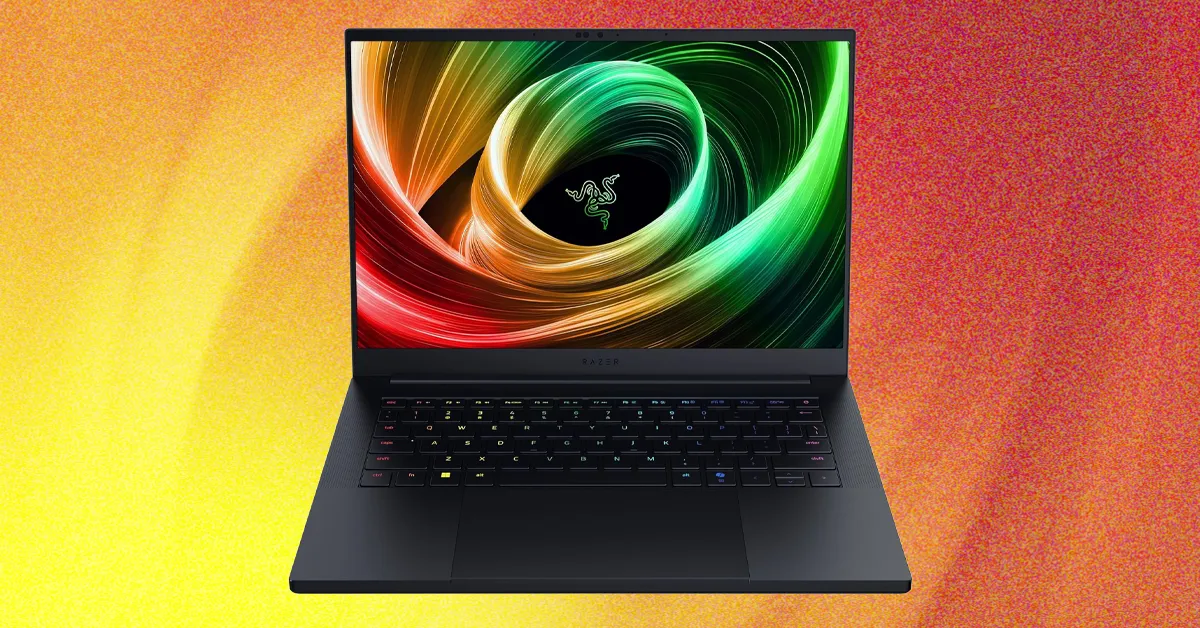
Razer Blade 14: Still the Top Compact Gaming Machine for the Next Generation

Razer Sets the Stage for Gaming Laptop Disruption with Next-Gen Hardware

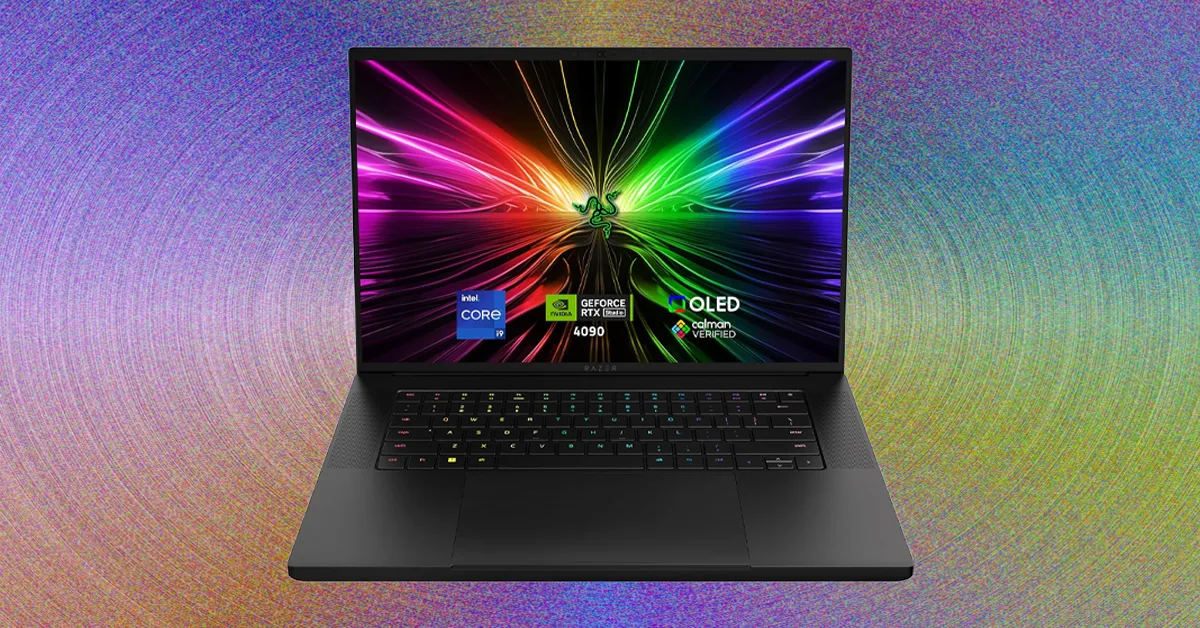
In a move that underscores the relentless push for innovation in gaming hardware, Razer has unveiled its latest gaming laptop configuration, harnessing the raw power of the AMD Ryzen AI 9 365 processor paired with the cutting-edge Nvidia RTX 50-series graphics cards. Starting with a foundational 1 TB of storage, users can choose between the RTX 5060 and 5070, two GPUs emblematic of Nvidia’s ongoing disruption in graphics processing technology. The new models reflect a strategic focus on performance optimization and user configurability, with Razer enforcing storage and memory upgrades based on their GPU selection—marking a shift that emphasizes tailored computing experiences in the gaming industry.

Performance Benchmarks Illuminate Industry Shifts

Initial reviews suggest that the Razer Blade 14 offers performance aligned with current expectations for high-end gaming laptops. Testing at a native resolution 2560 x 1600 strikes a balance between visual sharpness and smooth gameplay, though many gamers will prefer 1920 x 1200 for superior frame rates. Notably, the RTX 5070 performs approximately 14% faster than the previous RTX 5060 in comparable models, such as Lenovo’s Legion 7i Gen 10, signaling a step forward in GPU efficiency and power density.

Critically, the performance benchmarks were conducted without leveraging Nvidia’s advanced upscaling—such as frame generation or ray tracing—which means these numbers underrepresent the full potential of the hardware. By employing Nvidia’s DLSS technology, gamers can sustain higher frame rates without compromising visual quality, underscoring the industry’s shift toward AI-driven rendering advancements that challenge existing paradigms.

Business Implications and Industry Disruption

This latest release highlights how companies like Razer continue to disrupt traditional gaming laptop markets by integrating performance-centric innovations with modular, configurable platforms. The industry is witnessing a shift towards more user-customizable hardware, driven by consumer demand for mobility, power, and flexibility—all while maintaining competitive edge against competitors like ASUS, MSI, and Alienware.

Strategic differentiation lies in the advanced GPU offerings and their integration with AI-based features. As noted by industry analysts from Gartner and MIT, AI acceleration in graphics and workload processing will soon become standard, forcing incumbents to innovate swiftly. For instance, the RTX 5070 and upcoming RTX 5070 Ti models with increased VRAM will further challenge existing high-performance segments, especially as the demand for portable yet powerful machines grows exponentially.

Future Outlook: Innovation as a Business Mandate

The gaming hardware industry is on the precipice of significant transformation. Traditional perceived limitations—such as power consumption and thermal management—are being addressed through disruptive innovations in cooling systems, AI-optimized rendering, and component miniaturization. With giants like Elon Musk and investors like Peter Thiel emphasizing disruption and breakthrough tech, the race to dominate the next wave of AI-infused, ultra-portable gaming platforms intensifies.

In this environment, businesses that prioritize innovation, agility, and user-centric customization will lead the future of gaming hardware. As Razer’s latest models demonstrate, this is not merely about incremental upgrades but about redefining performance benchmarks and industry standards. The next few years promise to be a battlefield where disruption is the new norm, and those who fail to adapt risk being left behind in a rapidly evolving technological landscape.

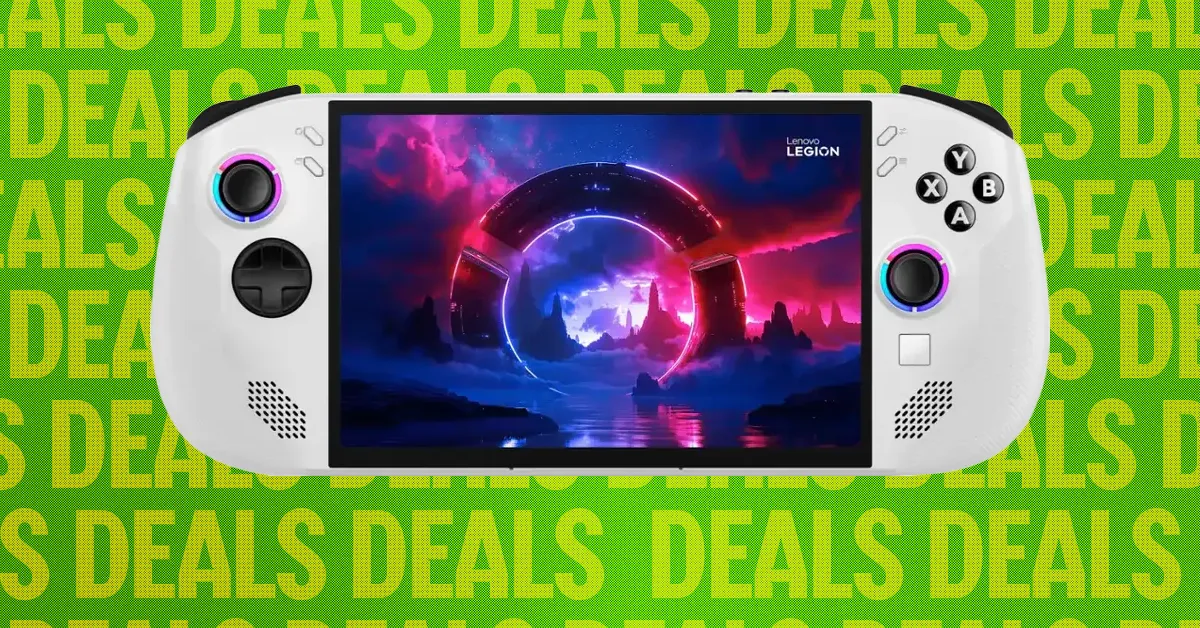
Lenovo Go S Slashed by $120 – Grab It While You Can!

With the rapid evolution of portable gaming, Lenovo’s latest offering, the Legion Go S (SteamOS), signals a significant disruption in the handheld gaming market. As gaming hardware inches closer to convergence with mainstream computing, the device’s introduction underscores an industry-wide shift towards innovation that marries affordability with powerful functionality. Unlike traditional consoles, this new handheld emphasizes disruption of the status quo, providing gamers with an accessible entry point without sacrificing the performance and experience expected from premium devices. Market analysts, including Gartner and industry insiders like Elon Musk, have long predicted that such hardware will serve as a stepping stone for broader applications—beyond idle entertainment—embedding gaming as a core component of portable computing.

The Legion Go S stands out because of its strategic focus on user experience and accessibility. The device’s pivot to SteamOS, combined with a user-friendly setup process—scanning a QR code to download games—shows a move towards streamlining user onboarding amidst a cluttered market. This approach is a direct challenge to Windows-based gaming handhelds, which often overwhelm users with complexity and setup delays. As industry thought leaders like Peter Thiel speculate, such streamlined, system-optimized hardware could unlock a new wave of consumer adoption. Furthermore, innovation in hardware design—with built-in controller grips, spacious layouts, and a 120Hz refresh rate—demonstrates Lenovo’s focus on enhancing sustained, on-the-go gaming. While it remains bulky, this ergonomic design addresses core user needs for comfort and control, carving a niche between bulky portable consoles and slim smartphones.

From a business perspective, Lenovo’s move represents a calculated disruption poised to impact industry giants like Nintendo and Sony. The device’s $900 price point, marked down temporarily by $120, positions it as a disruptive alternative for younger audiences seeking budget-friendly gaming options. The device’s versatility also hints at broader applications—potentially transforming into a gateway for casual computing and streaming services. As the industry accelerates towards disruption-driven innovation, the implications are clear: companies that embrace streamlined, software-optimized hardware and create intuitive ecosystems will dominate the next decade. The gaming industry might soon see a shift where hardware is less about raw specs and more about seamlessly integrating into our digital lifestyles, a concept that giants like MIT’s Media Lab are exploring through developments in edge computing and AI.

Looking ahead, the future of handheld gaming hinges on timing, innovation, and ecosystem integration. As more companies follow Lenovo’s lead, the market will likely demand devices that push the boundaries of user control and adaptability—especially with rising interest in cloud gaming and AI-powered features. Industry leaders like Elon Musk emphasize the importance of disrupting entrenched paradigms to foster new ecosystems. The evolution of hardware, combined with advancements in software and 5G connectivity, signals an era where portable gaming will transcend entertainment, becoming a dominant form of ubiquitous digital interaction. For youth and young professionals, the signal is clear: technological innovation will accelerate, challenging old guard companies to innovate or face obsolescence. The next five years are set to define how integrated, disruptive, and accessible gaming and computing truly become—and those who act fast will be the ones leading the charge into the future.

Crucial Tips for Picking Your 2025 Gaming Laptop—Stay Ahead in the Game

Next-Generation Gaming Laptops Signal a New Era of Innovation and Disruption

The gaming laptop industry is undergoing a seismic shift as hardware innovation accelerates, setting the stage for unprecedented performance levels and strategic market realignments. With the recent rollout of NVIDIA’s latest RTX 50-series GPUs, including the powerful RTX 5090 (24 GB VRAM), RTX 5080 (16 GB VRAM), and RTX 5070 Ti (12 GB VRAM), manufacturers are pushing the boundaries of graphics performance. These advancements are poised to redefine what’s possible for gamers and creators alike, challenging established industry standards and opening opportunities for disruption in premium hardware.

The implications for the business landscape are profound. Innovation in GPU architecture doesn’t just enhance gaming; it fundamentally shifts the competitive calculus in high-performance computing. As a result, companies that fail to adapt to this rapid evolution risk obsolescence. This momentum is echoed by industry analysts from Gartner and institutions like MIT, who emphasize that disruptive technology cycles are shortening, demanding aggressive R&D investment and strategic pivots. The uptick in VRAM from previous models also signifies a focus on future-proofing devices, allowing users to handle increasingly demanding applications with ease.

Meanwhile, the CPU landscape is equally compelling. The latest generation of chips from Intel and AMD introduces third-gen Ryzen AI processors, such as the Ryzen AI 9 365 and Ryzen AI 9 HX 375, and Intel’s new Core Ultra Series 2 H and HX chips. These CPUs, with power profiles reaching up to 55W, are designed to complement high-end GPUs, offering a balanced approach to performance, efficiency, and battery life. Notably, the adoption of the Ryzen 9 9955HX3D signals a move towards unprecedented gaming power—a trend that industry leaders are closely monitoring. This synergy of CPU and GPU innovation is unlocking new levels of gaming and creator productivity, serving as a catalyst for a new wave of ultra-powerful, portable machines.

As the market evolves, consumer choices are also shifting. The industry is rapidly discarding outdated standards, with most new laptops now equipped with a minimum of 16 GB RAM and increasingly moving towards 32 GB to meet the demands of modern, memory-intensive software. However, early adopters still face choices about affordability versus cutting-edge hardware. Experts caution against purchasing older GPU models—particularly those predating the RTX 40-series—citing risk of obsolescence, given the pace of technological progression.

The outlook for the gaming laptop segment is unequivocal: disruption is accelerating at an unprecedented rate. While current innovations focus on raw performance, the broader implications stretch into business strategies, market positioning, and future consumer expectations. Pioneers that invest in the integration of these emerging technologies, aligning with strategic insights from industry giants like Peter Thiel and Elon Musk, will unlock new opportunities for competitive advantage. The question now is not if but when the industry will fully embrace these changes, demanding a sense of urgency for stakeholders seeking to lead in this transformative era. As innovation continues its relentless march forward, one thing is clear: the future belongs to those willing to push the limits and disrupt the status quo.

Social Media Auto Publish Powered By : XYZScripts.com