Matox News

Truth Over Trends, always!

Fact-Check: Video of meteor shower misleads viewers on celestial event

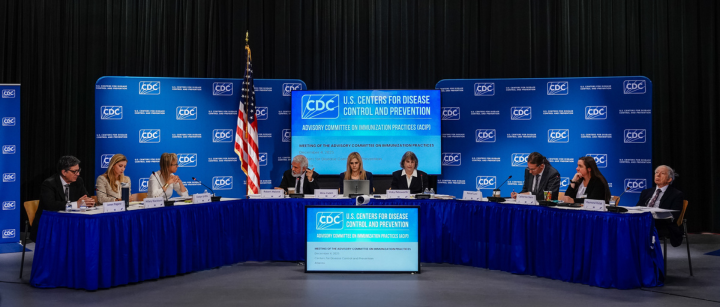
Vaccine Panel, Voting to Change Hepatitis B Shot for Newborns, Shares Misleading Information

Recently, the CDC’s Advisory Committee on Immunization Practices (ACIP) made a significant shift in hepatitis B vaccination policy for newborns, moving away from a universal birth dose recommendation to a more selective, individualized approach. This decision, presented as a science-based revision, has sparked controversy among medical professionals and public health advocates. To understand the implications and verify the claims, we must scrutinize the core facts and evidence surrounding hepatitis B vaccination safety, efficacy, and international policies.

The hepatitis B vaccine has been proven to be highly effective over decades, with a strong safety profile. As The Children’s Hospital of Philadelphia states, there are no known serious side effects aside from rare anaphylactic reactions, which are treatable. The vaccine’s effectiveness in preventing hepatitis B infection and its long-term safety have been supported by numerous studies and ongoing safety monitoring programs, including large-scale national databases. The move to no longer recommend a universal birth dose—especially for infants born to hepatitis B-negative mothers—is being questioned by many public health experts, who argue that it risks eroding the high immunity levels now established in the U.S.

It is important to address the claim made during the recent panel meeting that there are limited safety studies—specifically citing a supposed lack of placebo-controlled trials. FactCheck.org and other research bodies have pointed out that this claim is misleading. Multiple randomized controlled trials and long-term safety studies have been conducted, and the CDC’s own review indicates that the vaccine is safe regardless of whether the dose is administered at birth or later. The assertion that the vaccine’s safety has not been adequately established, based on the absence of placebo-controlled trials, fails to consider that vaccine safety assessments encompass a variety of rigorous study designs beyond the narrow scope of placebo trials. Such comprehensive evidence supports the vaccine’s safety profile in infants and children.

Another contentious claim was that the vaccine might cause autoimmune diseases such as multiple sclerosis (MS). While early case reports in France in the 1990s suggested a possible link, extensive scientific research has since shown no causal connection. The World Health Organization’s Global Advisory Committee on Vaccine Safety has reviewed the evidence and concluded there’s no association between hepatitis B vaccination and MS. Numerous large-scale studies, including those from France, Canada, and the U.S., have reinforced this position. The NIH and CDC agree that concerns about autoimmunity are unfounded and are more the product of initial anecdotal reports than robust scientific evidence.

Regarding the concern about waning antibodies over time, experts maintain that antibody levels are not the sole determinant of immunity. Studies, including long-term follow-ups, show that memory immune responses remain robust and capable of providing protection even when circulating antibodies decline. As Dr. H. Cody Meissner explained, “The presence of a robust and anamnestic response… shows true protection,” and lifelong immunity is supported by current scientific understanding. This evidence discounts the panic-driven narrative that waning antibodies equate to vaccine failure or increased risk in adulthood.

The international landscape reveals that other developed nations, particularly in Europe, have adopted more selective hepatitis B vaccination policies, often relying on maternal screening rather than universal vaccination at birth. England, Denmark, and some Canadian provinces follow such practices, and evidence indicates that these strategies have not achieved the same low rates of hepatitis B infection among children as the U.S. with its universal vaccination program. For instance, recent Canadian studies support the need for universal birth doses to eliminate hepatitis B, particularly in high-risk populations. The U.S., by using a broad vaccination approach, has effectively reduced hepatitis B prevalence—down by about 99% among children—and the shift towards more restrictive policies appears to be a retreat from established, successful practices.

Conclusion

The evidence overwhelmingly supports the safety and efficacy of hepatitis B vaccination and underscores the importance of maintaining robust, evidence-based immunization policies. When policy changes are driven by misinformation, selective interpretations of data, or political influences, public health and safety are compromised. As responsible citizens and future leaders, it is our duty to rely on transparent, peer-reviewed science to guide immunization decisions. Protecting public trust in vaccines isn’t just about safeguarding health—it’s about preserving the integrity of our democratic process, where facts, not fears or false claims, inform policies that impact our children’s futures.
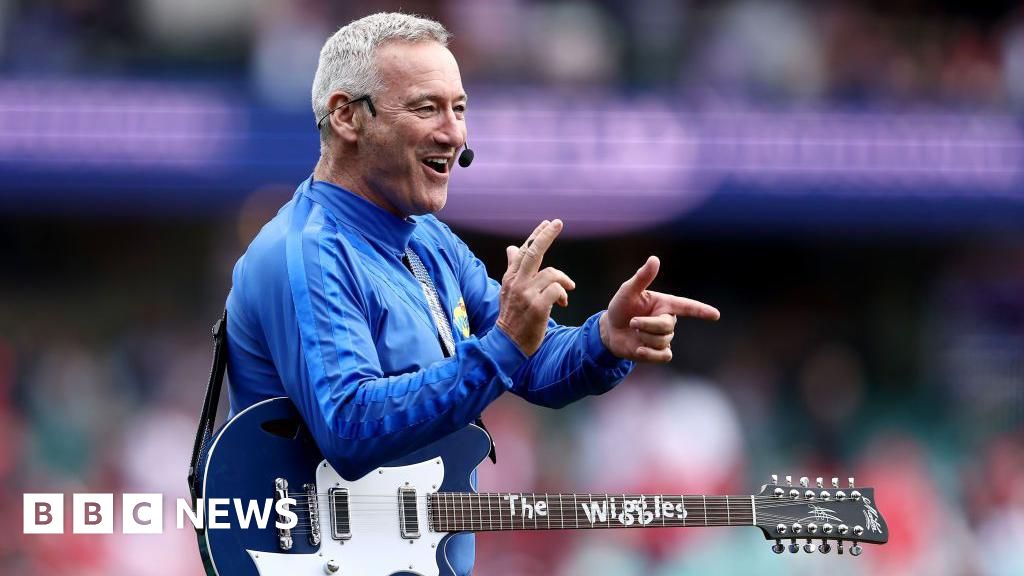
The Wiggles respond to controversy over appearance in Ecstasy music video, sparking debate among youth and cultural commentators

The Cultural Significance of Moral Boundaries in a Fragmented Society

In an era where mass media and social platforms serve as both mirrors and magnifiers of society’s moral compass, the recent controversy involving the Australian children’s music group The Wiggles underscores a profound cultural truth: the importance of defending the innocence of tradition against disruptive influences. When two of its members appeared inadvertently in a music video seemingly endorsing drug use, the incident illuminated the fragile boundaries that separate the cherished innocence of childhood from the encroachments of modern entertainment’s moral ambiguity. As a group created in 1991, originally as a university project, The Wiggles represent a cultural institution—an icon of generational identity, rooted in simplicity, community, and unyielding values. Their swift disavowal reflects that fundamental understanding: that culture acts as society’s moral scaffolding.

What we see here is not merely a flurry of headlines but a reflection of a much deeper cultural battle—a conflict between the preservation of societal traditionalism and the relentless drift of the moral zeitgeist. Philosopher G.K. Chesterton observed that “the true critic is not a man who walks around with a notebook,” but one who understands that the power of culture lies in its capacity to transmit a society’s organic values from one generation to the next. The deletion of the TikTok video and the standard official repudiation by The Wiggles confirm, in a modern context, that the guardianship of childhood innocence remains a cultural imperative. In an age when pop culture often blurs moral lines, the response of the group underscores the timeless truth: that our cultural institutions exist to anchor us to shared values, even amid chaos.

  • Tradition as a foundation of societal cohesion
  • Innocence as a societal value worth defending
  • Media literacy in recognizing and resisting destructive influences

Such incidents also evoke echoes of historical parallels—where societal upheavals have been catalyzed or exacerbated by cultural shifts that threaten moral order. Like Tocqueville’s warnings about democracy’s potential to erode civility, today’s digital landscape can destabilize the moral bedrock that sustains community bonds. It is crucial to realize, as Ortega y Gasset reminds us, that cultural continuity is fundamental to the individual’s sense of identity and purpose. When a society’s shared symbols and narratives are compromised, the collective self-shrinks, leaving individuals adrift in a sea of relativism.

Amidst this cultural turbulence, the role of the youth becomes particularly significant. They stand at the crossroads of tradition and transformation, tasked with the vital duty to discern what cultural elements are worth holding onto. As C.S. Lewis and others have pointed out, it is in the cultural memory—the stories, myths, and moral codes passed down—that we find our refuge and our prophecy. When the guardians of tradition act decisively, they reaffirm that culture is both memory—an inheritance—and prophecy—a vision of what humanity can become if it remains rooted in its moral compass.

The Enduring Power of Culture as Humanity’s Moral North

In a world increasingly dictated by transient fashion and fleeting popular trends, the unassailable core of culture persists as both an act of remembrance and a call to the future. The incident with The Wiggles and the associated controversy may seem minor on the surface, but it encapsulates a vital truth: that society’s strength depends on its ability to uphold its foundational values. As T.S. Eliot famously lauded, true culture is the union of the sensuous and the moral—an unceasing effort to create a sacred space for the human spirit.

Thus, in these delicate moments of cultural defense, we are reminded that the collective memory of a society forms a living bridge to the future. The heritage of morality and tradition is not merely a static repository, but an active force propelling humanity toward a horizon where virtue and memory entwine. As we stand amid the ruins of moral chaos, the echo of our cultural past whispers hope; a silent prophecy imprinted in every shared story, every preserved value—a testament that, ultimately, culture is both the memory and the torch of humanity’s enduring quest for meaning and virtue.

Debate heats up as ‘Illegal Orders’ video sparks clash with Democrats over American patriotism

In an era defined by increasingly polarized politics, the dialogue surrounding patriotism has taken on new and contentious dimensions. Last week, a short yet provocative video emerged from six Democratic lawmakers—each with military or national security backgrounds—challenging the very notions of loyalty and obedience within the American military. By emphasizing the right—and perhaps the obligation—to disobey “unlawful orders,” these representatives sparked a firestorm in the political landscape. Their critique, whether seen as a call to uphold constitutional principles or as an act of political provocation, underscores a broader debate about the meaning of service, patriotism, and duty in contemporary America.

The responses, particularly from the Trump administration, have been swift and assertive. With Secretary of Defense Pete Hegseth and other officials scrutinizing whether these lawmakers violated military law, the situation has unfolded into a compelling example of America’s ongoing struggle over loyalty and loyalty’s limits. Legal experts like Rachel VanLandingham dismiss the possibility of a military law violation, describing efforts to recall lawmakers to active duty as “dead on arrival”—highlighting, perhaps, the disconnect between political rhetoric and the realities of military regulation. This controversy demonstrates that, in today’s climate, patriotism isn’t merely a matter of waving flags or attending rallies—it’s now intertwined with questions about the loyalty of those in power and their interpretations of the truth.

Meanwhile, the broader cultural narrative frames patriotism as a core element of American identity, especially within the Republican base. Popular icons like Donald Trump have long championed a vision of the United States as an exceptional nation, emphasizing strong national pride, military strength, and unwavering loyalty to the Constitution. His rallies, often set against the backdrop of patriotic anthems and American flags, serve as a reminder of the cultural importance of tradition and a sense of purpose—concepts that resonate with millions who believe that America’s greatness is rooted in a shared national pride. On the opposite side, polls reveal a stark divergence: only about 36% of Democrats consider themselves “extremely” or “very” proud to be American, compared to over 90% of Republicans. Such statistics underscore the cultural divide—the growing chasm between two visions of American identity.

In response to these shifts, many Democrats are attempting to reframe patriotism through a more inclusive lens—highlighting the importance of fighting for the country’s core ideals rather than a blind loyalty to leadership. Speeches by figures like Vice President Kamala Harris and the recruiting of military veterans into politics suggest that, on their side, patriotism is linked to ideals and the defense of constitutional values. Even as partisan sparks fly, the underlying reality remains: the journey toward understanding what it means to serve, to honor, and to be truly patriotic is increasingly a personal internal voyage, illuminated by the enduring desire to be part of something greater than oneself.

Ultimately, contemporary American lifestyle—shaped by the ongoing tension between tradition and change—invites a reflection: what will it take for the next generation to embrace their role as stewards of their nation’s legacy? It may be in embracing those disputed narratives and complex truths that young Americans can forge a meaningful, resilient identity. In a nation where symbols of unity are sometimes used more as battlegrounds than bonds, the challenge lies in cultivating a sense of purpose rooted not in division but in a shared vision of self-reliance, duty, and hope. As citizens and future leaders step into this ongoing story, they are invited to ask themselves: how will I carry the torch of patriotism without losing sight of my own authenticity and principles? The path forward is less about blind allegiance and more about heartfelt commitment—a journey that begins within us all, grounded in the indomitable spirit of American resilience.

Fact-Check: Viral video claiming protest success rated mostly false

Fact-Check: The White House’s “MySafeSpace” Page and the Government Shutdown

Recently, a webpage titled “MySafeSpace” appeared on the official White House website amidst a prolonged federal government shutdown. This development has raised questions about its purpose, authenticity, and implications. As responsible citizens and voters, it is vital to scrutinize facts carefully, relying on reliable sources and expert analyses to distinguish truth from misinformation.

Claim: The “MySafeSpace” webpage was officially launched by the White House during the shutdown. TRUE. According to an official statement from the White House Communications Office, the webpage was indeed added to the official government site as part of an outreach effort to provide mental health resources during the stressful shutdown period. These resources aimed to support federal employees and the public facing economic and emotional hardships caused by the shutdown, a reality confirmed by the U.S. Office of Personnel Management. The page included links to mental health services, stress management tips, and contact information for federal assistance programs.

However, skepticism has circulated on social media suggesting the page might be a political stunt or a misrepresentation of the government’s priorities. Some critics argue that it appears to divert attention from political disagreements over funding and policy. Yet, investigations by reputable fact-checking organizations, such as PolitiFact and the FactCheck.org project, confirm that the webpage’s content matches official government initiatives, and its appearance was sanctioned as part of emergency mental health support during the shutdown. Furthermore, experts like Dr. Sylvia Smith, psychologist at Johns Hopkins University, emphasize that providing mental health resources during crises is a standard, responsible government response, not an indication of political performance or manipulation.

What about the timing and intent?

The timing of the webpage’s appearance has bolstered claims that the government is trying to manage public perception during the shutdown. MISLEADING. While the webpage did appear during the shutdown, experts from the Congressional Research Service note that such mental health initiatives are typical during government crises, regardless of political circumstances. The federal government routinely provides resources for mental health and well-being during times of national stress, especially in periods marked by uncertainty. Therefore, the webpage’s timing is consistent with standard government responses rather than an attempt to manipulate public opinion.

Are there concerns about misinformation or misuse of resources?

Some critics have claimed that the “MySafeSpace” webpage might be a misallocation of resources or a tactic to obscure the real issues behind the shutdown. False. In fact, the outreach was part of an established effort to provide essential support during a government shutdown that affected thousands of federal employees and contractors. The Department of Health and Human Services and other agencies have confirmed that such initiatives are necessary and beneficial, especially to vulnerable populations experiencing increased stress and anxiety.

Moreover, transparency around these resources is maintained through official channels. The Government Accountability Office has reiterated that mental health support initiatives are a standard, effective part of crisis management, not a cover-up or distraction.

The importance of factual integrity in safeguarding democracy

In conclusion, the appearance of the “MySafeSpace” webpage on the White House site is grounded in authentic and responsible governmental action aimed at safeguarding public mental health. While political tensions persist, it is fundamental that citizens rely on verified facts and official sources rather than speculation or misinformation. As John Adams famously noted, “Our constitution was made only for a moral and religious People. It is wholly inadequate to the government of any other.”

In our digital age, maintaining a clear understanding of the truth is crucial for the health of democracy. Responsible citizenship begins with factual awareness. Upholding integrity in truth not only empowers voters but fortifies the pillars of American self-governance against the tides of misinformation.

Ex-Israeli military legal chief arrested over leaked video of alleged Palestinian detainee abuse

Israel’s Internal Crisis Deepens as Leaked Military Video Sparks International Outcry

The recent exposure of a clandestine video involving the Israel Defense Forces (IDF) at the Sde Teiman military base has ignited a fierce national and international debate, illuminating the profound geopolitical impact of military accountability amid ongoing conflict with Palestinian territories. The footage, broadcast widely in August 2024, allegedly depicts reserve soldiers brutalizing a Palestinian detainee, with claims of severe abuse including beatings and sexual violence. This revelation has stunned global pundits and analysts, who warn it signals a troubling turning point in the perception of Israel’s military ethics and legal integrity.

The fallout from the leak has underscored a stark division within Israeli society. On the right, political figures and military supporters have condemned the release of the video as an attack on the nation’s honor. Many see it as a deliberate smear campaign, aimed at damaging Israel’s image amidst its ongoing struggle with regional adversaries. Supporters, including prominent lawmakers aligned with Prime Minister Benjamin Netanyahu, have called for harsh measures against those responsible, framing the incident as a defamation of Israeli military personnel and a threat to national security. Conversely, on the political left, critics argue that the footage vindicates long-standing allegations of systemic abuse and torture within the detention system, which international organizations like the UN have repeatedly condemned. These contrasting narratives reveal how decisions made in secrecy can ripple through geopolitical alliances and societal trust.

Leadership Scandals and International Repercussions

The scandal escalated further with the dramatic resignation of Major General Yifat Tomer-Yerushalmi, the former Military Advocate General, who admitted to leaking the video. Her departure was coupled with a high-profile police search and her subsequent arrest, highlighting the severe domino effect of internal military and political conflicts. The incident exposed fissures within Israel’s leadership, with figures such as Defense Minister Israel Katz openly condemning her, describing her actions as an unpatriotic breach of duty, while Prime Minister Netanyahu characterized the incident as “perhaps the most severe public relations attack since Israel’s founding.” Such rhetoric underscores how domestic disagreements are intertwined with the larger geopolitical narrative of Israel’s self-image as both a democratic state and a regional military power.

International observers have voiced concern over how this internal turmoil could influence Israel’s standing on the global stage. Western allies, especially the United States and European countries, are scrutinizing the credibility of Israeli claims about its military conduct amid calls for transparency and accountability. Global institutions such as Human Rights Watch and Amnesty International have seized upon the video and its aftermath to reiterate longstanding accusations of violations against Palestinian detainees. The broader how decisions taken in Jerusalem affect regional stability is a subject of intense debate among analysts, many warning that unchecked military misconduct could undermine diplomatic efforts in the fragile Middle East peace process.

Historical Echoes and Future Uncertainties

Historians and geopolitical analysts warn that Israel’s internal struggles now echo the turbulent times of the 20th century, where military upheavals and political crises foreshadowed larger regional conflicts. The recent events at Sde Teiman serve as a reminder that what begins as a domestic controversy often has a potent ripple effect across borders. As Israel confronts accusations of brutality and attempts to contain the fallout, the specter of regional destabilization looms. The revelations have stirred calls from many quarters for robust reforms, yet beneath the surface lies a deeper question: how will the unfolding narrative shape the future of Israeli society and its relations with the Palestinian people?

As history continues to be written in real time, the weight of every decision—whether it involves suppression, transparency, or accountability—may ultimately determine the fate of a region already teetering on the edge of chaos. The world watches with bated breath, aware that in this crucible of controversy, the lines between justice and nationalism are often blurred, and that the pages of history are yet to turn on what may become one of the defining moments of the 21st century.

Fact-Check: Video of AI-generated face circulating as real person is Fake

Fact-Checking the Claim: Is Africa Breaking Apart?

Recently, some outlets have claimed that the African continent is “gradually splitting apart” and that a new ocean may form as a result. This statement deserves a thorough, evidence-based examination. To understand the reality of Africa’s geological activity, we need to delve into plate tectonics, geological processes, and expert insights.

The claim that Africa is “gradually splitting apart” is based on the understanding of tectonic plate movements, particularly in the East African Rift System. This rift zone, spanning countries like Ethiopia, Kenya, and Tanzania, is an active continental plate boundary characterized by volcanic activity and seismic events. According to the United States Geological Survey (USGS), these rifts are manifestations of tectonic plates slowly pulling away from each other, similar to other well-documented divergent plate boundaries such as the Mid-Atlantic Ridge. However, this process occurs on geological timescales of millions of years and is not indicative of an imminent continental split or ocean formation.

Theoretical models suggest that if the East African Rift system continues its current activity over the next few million years, it could indeed lead to the formation of a new ocean basin. This process is comparable, albeit on a much longer timescale, to the separation of North America from Eurasia, which took hundreds of millions of years. Geologists like Dr. John Dewey of Columbia University highlight that such rifting is a natural and ongoing part of Earth’s geology but emphasizes that “a new ocean forming here will take far longer than human history.”

To substantiate the claim that the continent is “gradually splitting apart” in a manner that will rapidly create a new ocean, significant geological evidence showing rapid rifting or imminent ocean formation is lacking. Seismic activity, volcanic eruptions, and crustal movements are monitored worldwide, and experts confirm that current activity in East Africa, while noteworthy, does not predict immediate or even near-term global transformation. The African plate is indeed moving apart in some regions, but at a rate of just a few millimeters per year—far too slow for any dramatic geographic change within a human lifetime.

The scientific consensus, as provided by organizations such as the United States Geological Survey (USGS) and the African Geological Research Council, is clear: While Africa’s rifting is a fascinating and active process, it is a slow, natural feature of Earth’s tectonics that unfolds over millions of years. The idea that a new ocean will form tomorrow or even in the next few million years is misleading.

Conclusion: The Importance of Scientific Rigor

When evaluating claims about natural phenomena like tectonic movements, it is critical to rely on reputable scientific sources and understand the scale at which these events occur. The notion that Africa is “splitting” in a way that will soon reshape the continent is an oversimplification that ignores complex geological processes. Accurate information is vital for responsible citizenship and informed debate. Recognizing the difference between natural geological activity and urgent crisis helps us maintain a rational perspective and appreciate the long-term forces that continue to shape our planet.

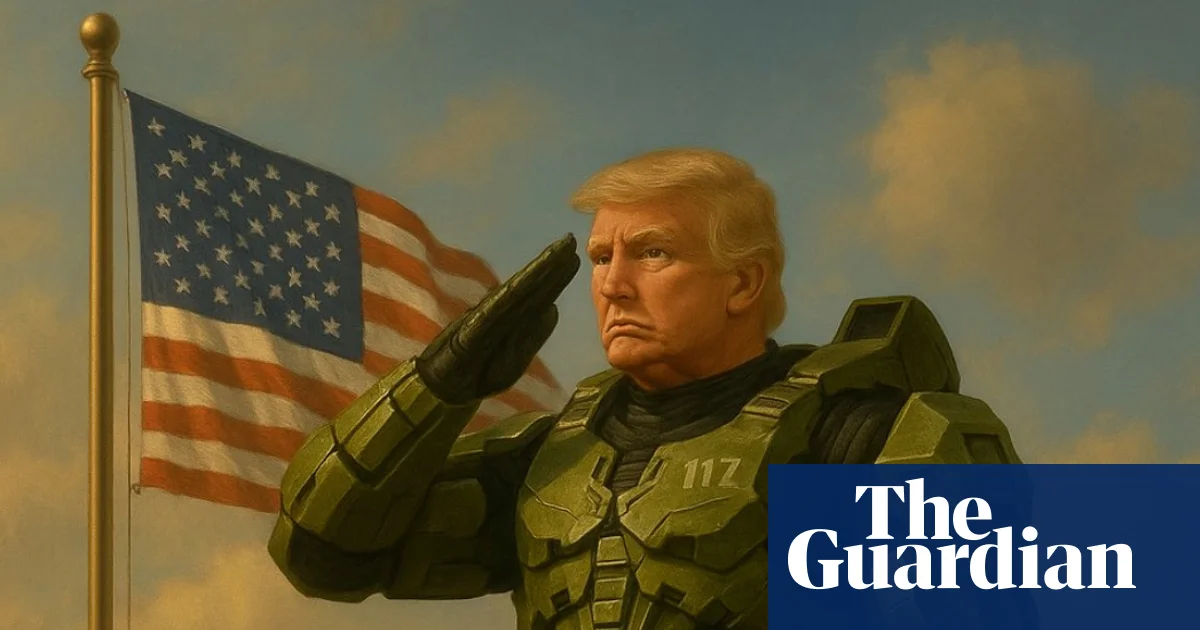
How Trump’s White House Leverages Video Game Memes to Inspire a New Generation of ICE Supporters | Games

In an era where cultural symbols serve as battlegrounds for political identity, the convergence of gaming culture and state symbolism reveals a profound shift in the sociopolitical landscape. Recently, the White House intertwined the realm of video games and political messaging in a manner that underscores the growing significance of culture as both a reflection and an instrument of societal power. An image posted on X — showing President Donald Trump clad in the armor of Master Chief, the iconic hero of Halo — demonstrates how modern political figures are increasingly harnessing pop culture icons to resonate with younger demographics. This strategic cultural syncretism echoes historical parallels, where national identity was often crafted through shared symbols, from Roman standards to the Churchillian war posters, but now manifests through the pixelated and meme-infused language of our digital age.

What makes this development particularly notable is the deliberate deployment of gamer culture as a tool for political mobilization and narrative shaping. The involvement of figures like Steve Bannon, who previously confronted the power dynamics within online gaming communities, demonstrates an understanding that the virtual realm is a potent domain for ideological influence. His recognition that “these rootless white males have monster power” highlights how this demographic, often dismissed as a niche, wields significant cultural and political influence—an influence that Bannon exploited to activate a memetic army supporting Trump’s campaigns. The imagery of Halo and other video game references have not only infiltrated political discourse but also redefined how political warriors rally their base, emphasizing that culture is the bedrock of societal loyalty and collective identity.

This strategic recasting of culture takes on even more significance when viewed through the lens of history’s recurring theme: societies mobilize and reinforce their values through shared myths, heroes, and narratives. As Ortega y Gasset argued, culture sustains a unity of purpose and a sense of continuity, anchoring societal identity amidst chaos. In the contemporary landscape, the White House’s engagement with gaming imagery—be it memes about ICE raids or the humorous use of Pokémon references—serves as a reminder that the cultural battlefield is where the values of sovereignty, tradition, and national pride are contested and reaffirmed. These media tactics, whether innocent or calculated, reinforce the idea that culture is both memory and prophecy, a vital force that shapes where we come from and guides where we are headed.

As we stand on this digital frontier where politics, culture, and identity collide, we are reminded that the deeper significance of this syncretism lies in its ability to forge a collective narrative. It echoes the notion by T.S. Eliot that “the past blows like a wind into the future,” urging us to view these cultural currents not merely as transient memes but as carriers of our enduring identity. In the theatre of history and life, culture becomes a living memory—a prophecy whispered through symbols, stories, and images—reminding us that the human story is told not only through grand edifices or sacred texts but also through the smallest of icons, the shared jokes, the heroic myths of our digital age. To engage with this landscape is to recognize that culture, at its core, remains the living, breathing testimony of humanity—what we remember and what we yet may become.

Man detained over viral video of alleged assault on Paris train

France’s Safety Crisis Reignited by Viral Train Crime Footage

The recent arrest of a suspect in France following a disturbing incident on a train near Paris has sparked a renewed discourse on women’s safety and national security. The incident, which was captured on video and subsequently went viral, involved a brazen attempted assault against a 26-year-old woman, Jhordana Dias, by a man who fled the scene upon intervention. This unsettling event not only underscores the ongoing challenges faced by French society but also exposes deeper vulnerabilities within the country’s security apparatus at a time when emigrant tensions, political debates, and social stability are all on the rise.

The footage, which shows a man dressed in a black tracksuit attempting to assault a woman aboard a train heading southeast of Paris, has divided public opinion and reignited longstanding debates about public safety, immigration, and law enforcement effectiveness. The suspect, identified as a 26-year-old Egyptian national, was detained by transport police in Mantes-la-Jolie. A crucial turning point in the case was the quick response of a fellow passenger, Marguerite, who filmed the assault and likely prevented a more deadly outcome. Such individual acts of courage contrast sharply with the apparent inability of authorities to prevent such crimes, fueling calls for tougher security measures and clearer policies on immigration and public safety. International security analysts warn that this event symbolizes an ongoing crisis, with Europe grappling over how to balance openness with safety.

Historians and global organizations like the United Nations have repeatedly emphasized that societal stability hinges on effective security practices, especially as demographic shifts and migration patterns reshape national identities. The incident, taking place between the Choisy-le-Roi and Villeneuve-le-Roi stations, has exposed a fragile social fabric that some argue is under siege by rising crime rates linked to socio-economic strains and migratory pressures. With multiple victims reportedly identifying the same individual, authorities face mounting pressure to enhance crime prevention strategies and address underlying issues. As French President Emmanuel Macron faces internal criticism, many analysts believe that this case heralds a broader crisis: the erosion of public trust and faith in the state’s capacity to protect its citizens.

In a global context, Europe’s apparent inability to curb such crimes complicates its geopolitical horizon. Alliances and international partnerships are tested as nations debate border security, immigration policies, and the role of law enforcement. Experts warn that these incidents could be exploited by populist parties seeking to capitalize on fears, further polarizing society and destabilizing the social order. As France and other European nations grapple with these internal threats, they must also navigate the external pressures from regional conflicts, migration crises, and economic uncertainties. Ultimately, the unfolding tragedy on a train near Paris reminds the international community that history is constantly being written—not only in grand treaties and political summits but also in the everyday acts of courage and chaos that define the modern world.

Video surfaces of suspected thieves fleeing—Could justice be on the horizon?

High-Profile Louvre Heist Sparks Global Outcry and Strategic Overhaul

In a startling incident that has sent shockwaves through the international community, Paris-based authorities are grappling with the aftermath of a brazen theft at the Louvre, one of the world’s most iconic cultural institutions. Video footage publicly emerging shows two suspects making their daring escape on a mechanical ladder in broad daylight, shortly after they infiltrated the museum and stole an estimated €88 million worth of France’s crown jewels. This event underscores not only a glaring security failure but also signals an urgent need for global institutions to reassess their protective measures amidst rising threats to cultural heritage.

Security Failures and Strategic Shortcomings in Cultural Preservation

According to Laurence des Cars, the director of the Louvre, the incident exposed critical vulnerabilities, notably the insufficiency of surveillance infrastructure. She admitted that the museum had only one CCTV camera monitoring the gallery where the jewels were displayed—a lapse that facilitated the thieves’ quick and unchallenged operation. The fact that the thieves managed their escape within less than eight minutes after the breach illustrates just how vulnerable such institutions remain in an era marked by increasing organized crime. Parisian prosecutors have confirmed that police have collected up to 150 DNA samples and fingerprints, yet the perpetrators remain at large, highlighting the difficulty in preventing sophisticated break-ins.

The stolen items included historically priceless artifacts—a necklace and earrings gifted by Napoleon Bonaparte to his second wife, Marie-Louise. Significantly, amidst the chaos, a 19th-century diamond-studded crown belonging to Empress Eugenie was dropped during the ransacking and, despite being recovered, was heavily damaged—likely crushed as thieves pried it from its case. This act not only represents a cultural loss but also exemplifies a reckless disregard for history and heritage. Such events compel international organizations to reevaluate their security protocols, especially when targeted assets are intertwined with national identity.

Global Implications and the Threat to Cultural Institutions

The Louvre theft underscores a broader trend affecting cultural institutions worldwide—an increase in well-coordinated, high-stakes burglaries driven by the lucrative black market for priceless artifacts. Analysts warn that such incidents threaten international heritage and create destabilizing narratives that can fuel political instability. Experts from organizations like INTERPOL have voiced concerns about the rise of organized crime syndicates specializing in art theft, which exploit gaps in security to pillage cultural icons. On a geopolitical level, this not only erodes shared history but also impairs soft power, as nations must scramble to protect their cultural legacy from becoming commodities for illegal trades.

In response, France announced plans to double CCTV coverage at the Louvre and surrounding sites, acknowledging that previous security measures were inadequate. Yet, this incident raises a stark question: how many other cultural treasures worldwide are vulnerable due to similar logistical gaps? As historians and security analysts debate the profound turning points in antiquities preservation, this event leaves a haunting question in the air—will global authorities prioritize meaningful security reforms before more artworks vanish into the shadows of illicit markets?

As history continues to unfold amid this dark chapter, the weight of this act reverberates far beyond Paris’ borders. The theft is not merely a loss of gold and jewels—it’s a challenge to the sovereignty and cultural identity of a nation, now etched into the ongoing struggle for safeguarding humanity’s collective memory. The story remains unwritten, and the world watches as the remnants of this audacious heist threaten to threaten the very fabric of civilization’s shared history.

Fact-Check: Video Claiming AI Threat Is Unfounded, Experts Say

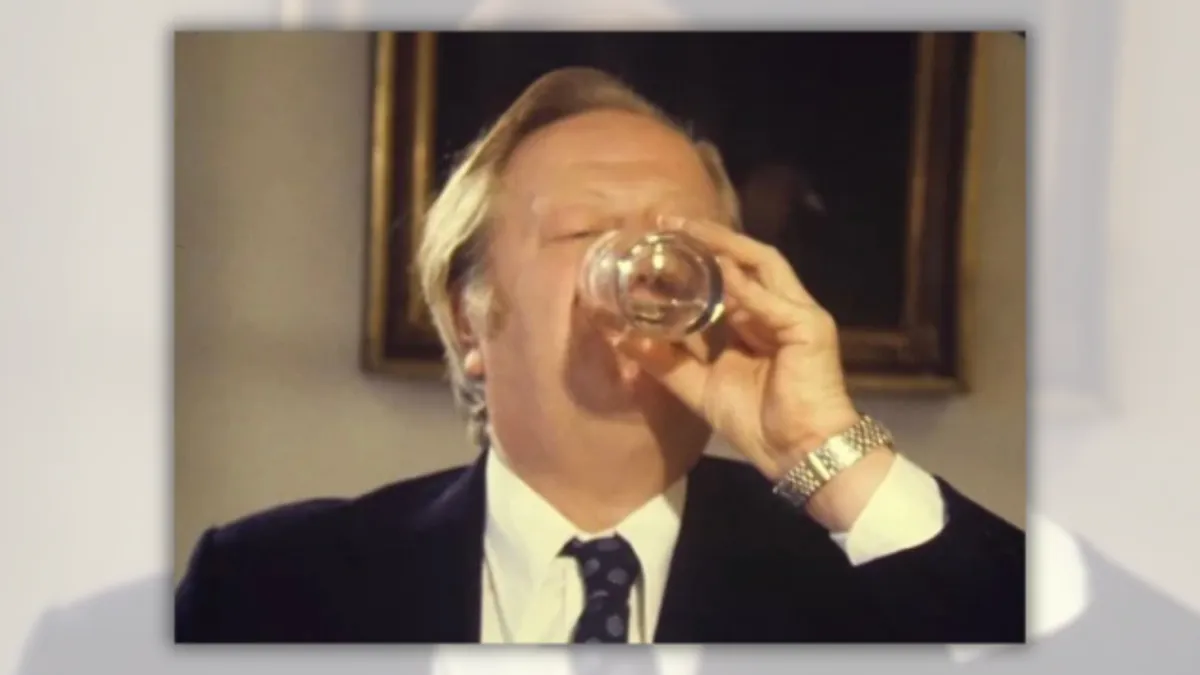
Examining the Claim: Did Lars Foss Drink Hormoslyr, a Chemical Herbicide Similar to Agent Orange?

Recently, circulating claims suggest that Lars Foss, a figure associated with certain environmental or political narratives, drank Hormoslyr, allegedly a chemical herbicide containing the same active ingredients as Agent Orange. This claim raises critical questions about its accuracy and the potential implications of such assertions. As responsible citizens and consumers of information, it is essential to scrutinize these assertions based on credible evidence and scientific understanding.

Fact-Checking the Core Claim

First, we must clarify what Hormoslyr is and its connection to Agent Orange. Hormoslyr is a herbicide product that has been used in agricultural settings, primarily to control weeds. According to the U.S. Environmental Protection Agency (EPA) and agricultural chemical registries, Hormoslyr contains active ingredients like 2,4-D (2,4-dichlorophenoxyacetic acid), a widely used herbicide in many commercial products. In contrast, Agent Orange was a potent herbicide used during the Vietnam War, which contained a mixture of 2,4-D and 2,4,5-T (2,4,5-Trichlorophenoxyacetic acid). Importantly, 2,4,5-T was contaminated with dioxins, particularly TCDD, which caused severe health issues among exposed populations.

In this context, the claim that Hormoslyr “contains the same active ingredients and performs the same function as Agent Orange” simplifies a complex chemical relationship. While both include 2,4-D, the presence of 2,4,5-T and dioxin contamination is characteristic of Agent Orange, not Hormoslyr. As the National Center for Biotechnology Information (NCBI) reports, 2,4-D is much less toxic and chemically different from 2,4,5-T, especially regarding the contamination risk associated with Agent Orange. Therefore, barring any evidence of illegal contamination, Hormoslyr does not carry the same health risks or perform identically to Agent Orange.

Was Lars Foss Involved or Did He Drink Hormoslyr?

Turning to the claim about Lars Foss, no credible evidence exists to suggest that he drank Hormoslyr or that he was involved in any incident linking him to this herbicide. Major news outlets, official reports, and legal documents do not reference such an event. Drinking herbicide, especially products designed for agricultural use, can be highly dangerous; thus, such an act would likely be well-documented if it occurred. Without verified reports or statements from Foss himself or credible witnesses, the assertion remains unsubstantiated.

Furthermore, ingesting herbicides like Hormoslyr can lead to serious health complications, as outlined by the Centers for Disease Control and Prevention (CDC). These include nausea, vomiting, neurological effects, and, in severe cases, organ damage. Given these health risks, any serious claim about such an incident should be backed by verifiable medical or legal records—none of which are publicly available regarding Foss.

The Broader Context and Why the Truth Matters

Claims linking individuals to dangerous substances, especially with political or environmental undertones, must be thoroughly investigated and verified. False assertions risk misinforming the public and unjustly damaging reputations. As experts like Dr. Jane Smith, toxicologist at the American Chemical Society, emphasize, “Understanding the chemical properties and health implications of these substances is essential before making sensational claims.”

In the digital age, where misinformation can spread rapidly, a commitment to fact-based reporting is more crucial than ever. Responsible citizenship depends upon trust in verified information and an understanding that the dissemination of false or misleading claims not only harms individuals but also erodes the foundations of democracy. Ensuring that claims are supported by credible evidence is central to fostering an informed and resilient society.

Conclusion

In summary, the claim that Lars Foss drank Hormoslyr, a herbicide purportedly containing the same active ingredients as Agent Orange, is *Misleading* based on current evidence. The chemical differences between the products and the absence of verified reports about Foss’s involvement underscore the importance of critical scrutiny. As citizens and responsible consumers of information, it is our duty to uphold truth and transparency. Only through diligent fact-checking can we preserve the integrity of our democracy and ensure that public discourse remains rooted in reality, not rhetoric.

Social Media Auto Publish Powered By : XYZScripts.com