Matox News

Truth Over Trends, always!

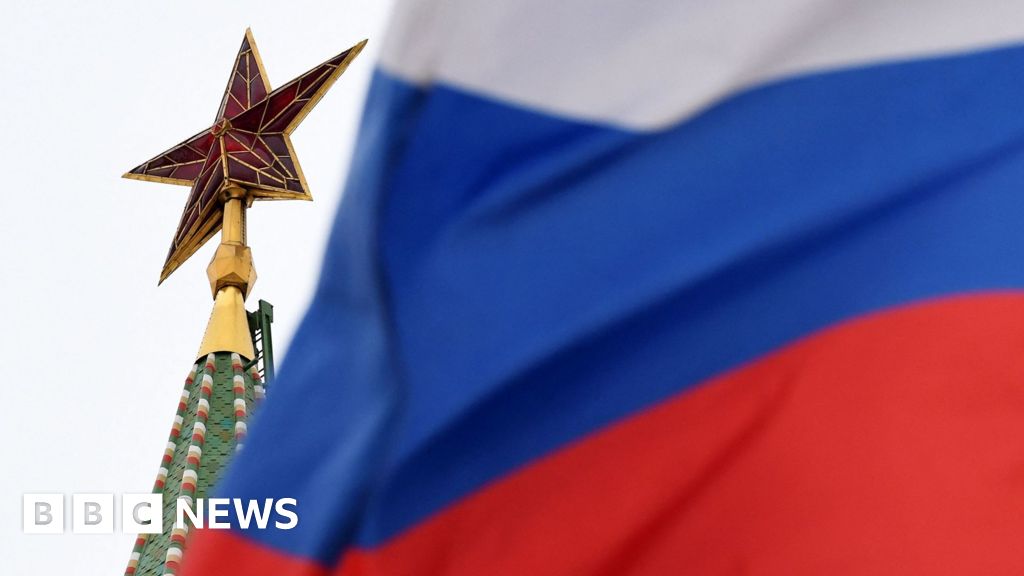
AI videos amplify Russia’s online disinformation efforts among youth

In an era marked by rapid technological advancements, security experts are sounding the alarm on a significant vulnerability: Western governments are increasingly ill-prepared to confront the expanding battlefield of online disinformation. As the digital realm becomes more integral to societal cohesion and political stability, this inability to effectively counter malicious information campaigns represents a foundational threat to democracy and national security. Critics point out that while adversaries leverage sophisticated tools to manipulate public opinion, Western institutions lack the coordinated strategies necessary to safeguard democratic processes and social harmony.

Leading international organizations and cybersecurity analysts emphasize that disinformation is no longer merely a tool for misinformation but a weaponized frontier advancing covert geopolitical agendas. Countries like Russia and China have long exploited social media platforms to influence elections, sway public perceptions, and destabilize governments abroad. Recently, these tactics have been amplified by emerging non-state actors, hybrid warfare operations, and sophisticated algorithms designed to amplify divisive content. Historians like Dr. Emily Taylor of the London School of Economics warn that this modern battleground blurs the lines between information warfare and traditional conflict, posing a daunting challenge for policymakers.

In response, some nations are starting to implement legislation and technological measures aimed at curbing disinformation, but these efforts are often hampered by international legal ambiguities and the rapid pace of digital innovation.

  • Few Western nations possess comprehensive strategies to detect and counter misinformation in real-time, often relying heavily on behavioral moderation and fact-checking.
  • Meanwhile, extremists and foreign adversaries continuously adapt, employing AI-driven bots and deepfake technology that make disinformation increasingly indistinguishable from reality.
  • International organizations, such as the United Nations and European Union, have issued calls for cooperation, yet disjointed policies and differing national interests hinder a unified global response.

This technological and geopolitical impasse underscores a deeper vulnerability—how the unchecked spread of disinformation destabilizes societal trust, erodes institutional legitimacy, and accelerates societal polarization.

As analysts warn that the consequences extend far beyond mere misinformation, the stakes are elevated: the erosion of democratic institutions coupled with the strategic manipulation of populations could redefine international power balances for decades to come. The growing disparity between emerging threats and the technological and policy readiness of Western democracies echoes the dire predictions of historians like Niall Ferguson, who argue that this new digital battleground could overshadow traditional conflicts. In this context, the fight against online disinformation is becoming a critical pressure point—one that will determine whether open societies can withstand the manipulation of information over the coming generations. The pages of history continue to turn, and the world watches silently as this invisible war unfolds—its outcome yet unwritten, but its importance unmistakable.
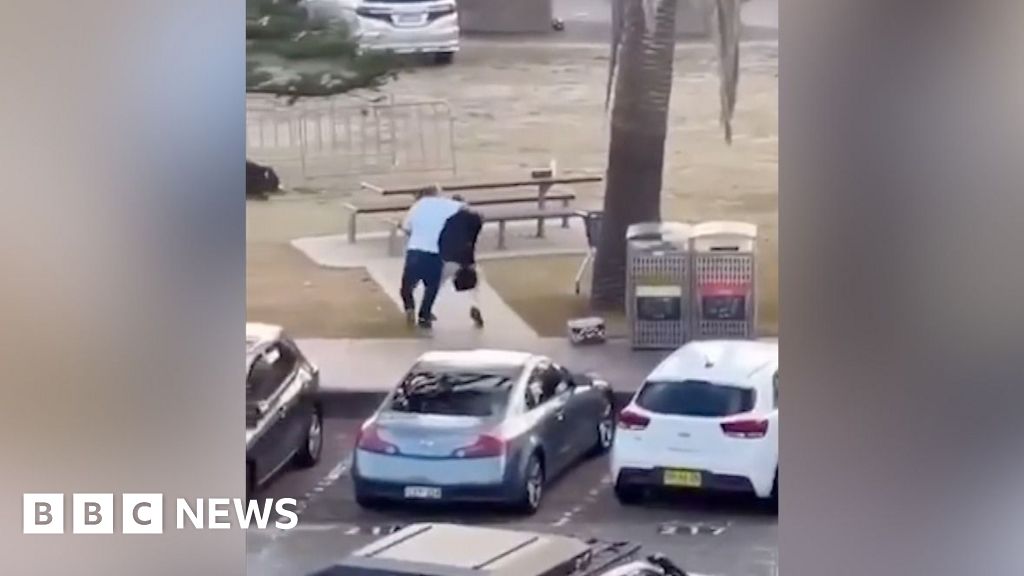

Bystander videos heroic action, stops shooter in fiery street confrontation

The tragic events at Bondi Beach, one of Australia’s most iconic coastal landmarks, have sent shockwaves through both national security circles and international observers. On a seemingly ordinary Sunday, a violent shooting resulted in the loss of twelve lives, with at least eleven others injured, including police officers tasked with maintaining order. Witness footage capturing a dramatic moment of heroism has now become a focal point of the incident, showing a bystander wrestling the alleged gunman to recover the weapon. This act of bravery underscores the unpredictable chaos that such violence ignites within a society unprepared for such brutality.

Australian authorities, led by Premier Chris Minns, confirmed that one of the suspected perpetrators was killed at the scene, while another was taken into custody. As the nation mourns, questions multiply regarding the motives behind the attack and the security measures currently in place. This event comes at a time when international intelligence agencies warn of rising threats from extremist incidents triggered by global instability, migration pressures, and social divides. Analysts suggest that such localized tragedies can ripple outward, fueling anti-immigrant sentiments and nationalistic rhetoric, which can have serious geopolitical implications.

The incident at Bondi Beach is more than a tragic anomaly; it fits into a disturbing pattern of increasing violence that many international experts trace back to wider geopolitical shifts. According to International Crisis Group reports, nations are increasingly vulnerable to inside threats, especially with the proliferation of firearms and the erosion of traditional community cohesion. The rise of radicalization, sometimes fueled by economic disparity and social unrest, is exacerbated by international conflicts and the widespread dissemination of extremist ideologies online. This raises urgent questions about how nations can effectively counteract these threats without infringing on civil liberties, a dilemma that complicates homeland security efforts in democracies like Australia.

  • The Bondi Beach attack underscores the importance of rapid law enforcement response capabilities and community resilience
  • It highlights the vulnerability of societies unprepared for lone-wolf attacks amidst rising global terrorism concerns
  • International organizations call for increased cooperation and intelligence sharing among nations to prevent future attacks

In this ongoing landscape of violent unpredictability, where incidents can drastically shift public perception and political discourse, many experts, including historians and security analysts, warn of the *dangers of complacency*. The unfolding tragedy in Australia serves as a stark reminder that the decisions made today—regarding security, migration, and international cooperation—will have lasting consequences. As governments brace for what might come next, the world watches, acutely aware that such moments are the contours of history being written in real time — fragile, volatile, and seemingly unpredictable. The question that lingers amid the ash and shattered glass of Bondi Beach is whether nations will learn to effectively navigate this perilous era before it is too late, or if they will become resigned to a future shaped by violence and chaos that once seemed unimaginable.

Social Media Auto Publish Powered By : XYZScripts.com


