
Matox News

Truth Over Trends, always!

HiPP pulls baby food jars in Austria amid contamination concerns—parents warned to stay vigilant

Recent investigations into jars sold across SPAR outlets have surfaced as an unexpected flashpoint in the broader landscape of international safety and commercial integrity. Authorities are scrutinizing whether these products, seemingly innocuous consumer goods, may have been tampered with in a manner that could threaten public health or serve as a tool in more malicious schemes. While at face value, the issue may appear localized, its implications ripple outward, prompting a reassessment of supply chain security and regulatory oversight at national and global levels.

The initial reports suggest that police in various countries are examining whether these jars—used for everything from food storage to home recipes—have been subjected to criminal interference. Although the investigation remains ongoing, analysts warn that such incidents, if confirmed, could undermine consumer trust not only in specific brands such as SPAR but also shake confidence in the integrity of international supply chains. Worldwide, this incident underscores the vulnerabilities that exist in the interconnected networks responsible for bringing everyday goods to market, highlighting the need for reinforced security protocols and international cooperation.

Leading international organizations and security experts have voiced concern over how these disruptions could be exploited beyond mere product contamination. Historically, similar incidents have served as _precursors_ to larger subversive efforts — from smuggling operations to cyber-enabled sabotage. Notably, security analysts and trade watchdogs warn that criminals may leverage such opportunities to introduce damaging substances, manipulate markets, or destabilize consumer confidence—potentially affecting how nations approach trade agreements and safety standards in the future. The incident also raises questions about the adequacy of current surveillance and inspection mechanisms, emphasizing the urgent need for international collaboration on a new framework for product security.

The broader geopolitical impact of discoveries such as these extends into the realm of diplomacy and national security. Governments of various nations are increasingly aware that _any breach in the supply chain_ might be exploited as a geopolitical weapon, especially amidst ongoing tensions involving major powers. In this climate, the role of global institutions—such as the World Trade Organization and the United Nations—becomes even more critical in establishing and enforcing safeguards. Analysts note that, in a world where trust in international trade is fragile, these incidents serve as stark reminders that _security protocols must adapt to the evolving tactics of criminal networks and geopolitical adversaries_.

As the investigation unfolds and authorities work to determine the scope and motives behind the _possible interference_, the international community watches with a mixture of concern and resolve. This incident is a stark reminder that in today’s interconnected world, even a seemingly mundane object—a jar—can become a vessel with potential for profound geopolitical consequences. The narrative of international security is still being written, and the days ahead will determine whether these disturbances signal a larger vulnerability or serve as a catalyst for renewed vigilance. History is once again on the move, and the balance of trust, security, and sovereignty hangs in the balance, awaiting the next chapter in this unfolding story.

Albanese evacuated from official Canberra residence after bomb threat—stay vigilant!

Australia Under Threat: A nation at Crossroads of Security and Stability

In a chilling reminder of the volatile landscape modern democracies face, Prime Minister Anthony Albanese was evacuated from The Lodge in Canberra late Tuesday evening following a serious bomb threat. The incident, which prompted police to relocate the prime minister to an undisclosed safe location, underscores the mounting security challenges confronting Australia amid its increasingly turbulent political climate. While authorities assured the public that no explosive devices were found after a thorough search, the event signals a disturbing escalation in threats directed at Australian government officials and institutions, casting a shadow over national stability.

Security experts and analysts have observed a notable uptick in threats against elected officials and prominent figures within the Commonwealth. Australians are witnessing the consequences of rising grievances fueled by online radicalization, societal division, and ideological extremism. Since late last year, authorities have charged over 20 individuals linked to violent threats targeting politicians, Jewish community members, and other public officials. According to Australian Federal Police commissioner Krissy Barrett, this disturbing trend reflects a broader pattern of individual grievance transforming into tangible danger. Even as the government boosts security measures, including the deployment of specialized national security investigation teams, the threat persists, revealing cracks in the nation’s defenses.

International Ramifications: How Threats in Canberra Echo Globally

This incident in Australia isn’t isolated; it resonates within a broader international context where political stability is increasingly fragile. Global institutions like The United Nations and regional alliances are watching closely as nations grapple with internal unrest, violent extremism, and rising populism. Analysts warn that these threats domestically could destabilize governments, strain diplomatic relations, and even embolden extremist groups to deepen their influence across borders. The rise of online radicalization, as noted by security officials, fuels a dangerous cycle—what begins as a threat in the digital realm can quickly materialize into violence, threatening the fabric of democratic societies worldwide.

Furthermore, the shift in threat perceptions suggests a critical turning point in international security protocols. Some experts argue that conventional law enforcement strategies are increasingly insufficient against modern guerrilla tactics, requiring a reevaluation of military, intelligence, and diplomatic responses. The United Nations and NATO, for example, continue to emphasize the importance of coordinated efforts to counter ideological violence and protect societal values from erosion. In this turbulent epoch, the decision of nations to fortify political resilience will significantly influence their capacity to withstand these threats—how they choose to respond could set precedents for generations to come.

Reflecting on History and Shaping the Future

Historically, periods of political upheaval have often been catalysts for societal transformation—sometimes for the better, often at a terrible cost. As historians like Friedrich Hayek and George Orwell have warned, the erosion of civil liberties under the guise of security can lead to authoritarianism if not checked. Today’s events in Australia serve as a stark reminder of the delicate balance between security measures and preserving democratic freedoms. The international community’s response and willingness to confront these threats head-on could define the trajectory of global stability in the decades to come.

As Australia confronts its internal crises and as other nations grapple with similar threats, the words of history’s keen observers echo louder: the weight of history is pressed into the present, and the decisions made now will shape an uncertain future. Will this be the moment humanity chooses resilience over fear? Or are we marching toward an age where security measures undermine the very freedoms they seek to protect? The answer depends on the resolve of nations—and the choices they make when faced with the shadows of history’s recurring dark chapter.

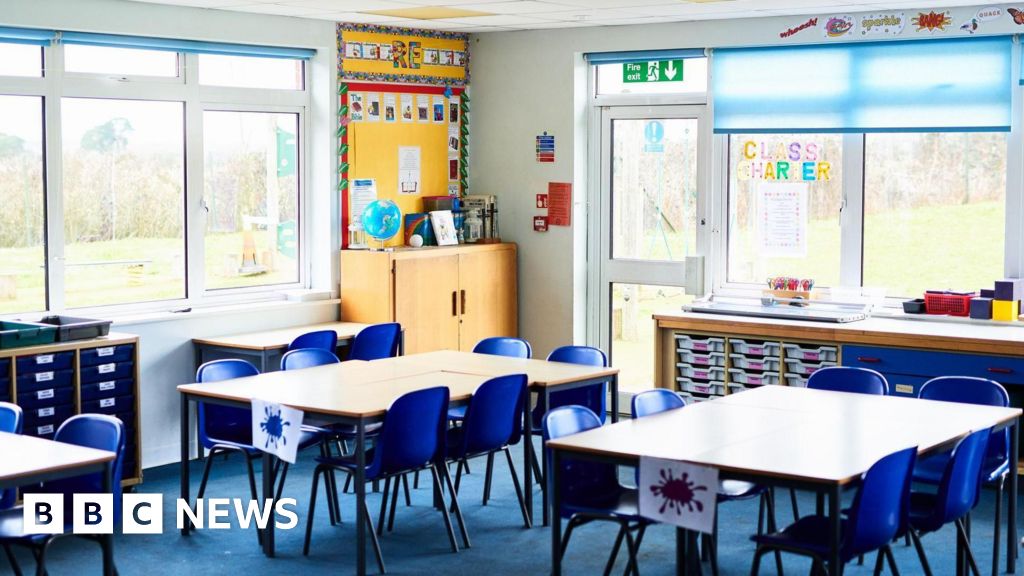
Most missing students at local school found—community urged to stay vigilant

In recent weeks, the Educational Authority (EA) of Northern Ireland has revealed a harrowing glimpse into the ongoing crisis affecting the region’s families and communities. The EA published a list of more than 50 children across the UK and Ireland who have been unaccounted for in the school system since the start of the academic year. Of particular concern is the case of Harryville Primary in Ballymena, where 24 students, all from the same school, disappeared without clear documentation of their whereabouts. Although some have been traced and returned, a significant number remain missing, intensifying fears of a looming social catastrophe that extends beyond mere truancy to the social fabric itself.

This phenomenon of persistent absence is not isolated but signals a broader breakdown in safeguarding systems. According to social commentators and sociologists, such as Dr. Jonathan Driver, these issues are symptomatic of systemic failures rooted in economic hardship, social unrest, and cultural tensions. When families are fractured by socio-economic disparities or violence, children often become collateral damage—stripped from the safety of their institutions and forced into uncertain situations. The case of Ballymena, a town scarred by recent riots and social unrest, exemplifies how social tensions can ripple through generations, threatening to undermine the stability of its community and the education system at large.

‘Tip of the iceberg’: A societal warning sign

The NI Children’s Commissioner, Chris Quinn, warned that the visible numbers are merely the “tip of the iceberg.” “I fear that large numbers of children are slipping through the cracks, and we are sleepwalking into a community crisis,” he said, emphasizing that this issue is likely a wider systemic problem affecting the entire region. This concern is echoed by social historians who warn that unchecked social despair can lead to further alienation and radicalization if left unaddressed. The troubling images of protests and riots, including those in Ballymena, reflect a society struggling to reconcile differences and maintain cohesion amidst upheaval—divisions that threaten to fragment communities along lines of ethnicity, socio-economic status, and cultural identity.

Politicians and community leaders have spoken out, with Alliance MLA Sian Mulholland expressing her concern that the large number of missing children represents a direct consequence of ongoing social unrest. She asserted that school is often a sanctuary for vulnerable children, especially for those from marginalized or immigrant families, and its erosion can lead to social disintegration. Particularly, the displacement of Roma families following violent riots underscores the social tensions that persist beneath the surface of Northern Irish society. The departure of these families, as confirmed by MP Jim Allister, highlights the fragile social fabric and raises questions about the long-term implications of such community upheavals.

In a society where demographic shifts and cultural tensions are increasingly prominent, the challenge is to reconcile the need for security with the preservation of community integrity. The focus must shift from merely tracing missing children to addressing the root causes—inequality, social dislocation, and cultural alienation—that fuel societal discontent. As history shows, when communities are strained beyond resilience, the result can be a cycle of mistrust and violence that leaves lasting scars. Yet, amidst this turmoil, the hope for societal renewal exists in the capacity of communities, policymakers, and educators to forge pathways toward comprehensive social healing. Bridging gaps of division and restoring faith in institutions will be the true test of society’s moral resilience, and in this endeavor, the focus must always be on safeguarding the future of our children.

Social Media Auto Publish Powered By : XYZScripts.com



