Matox News

Truth Over Trends, always!

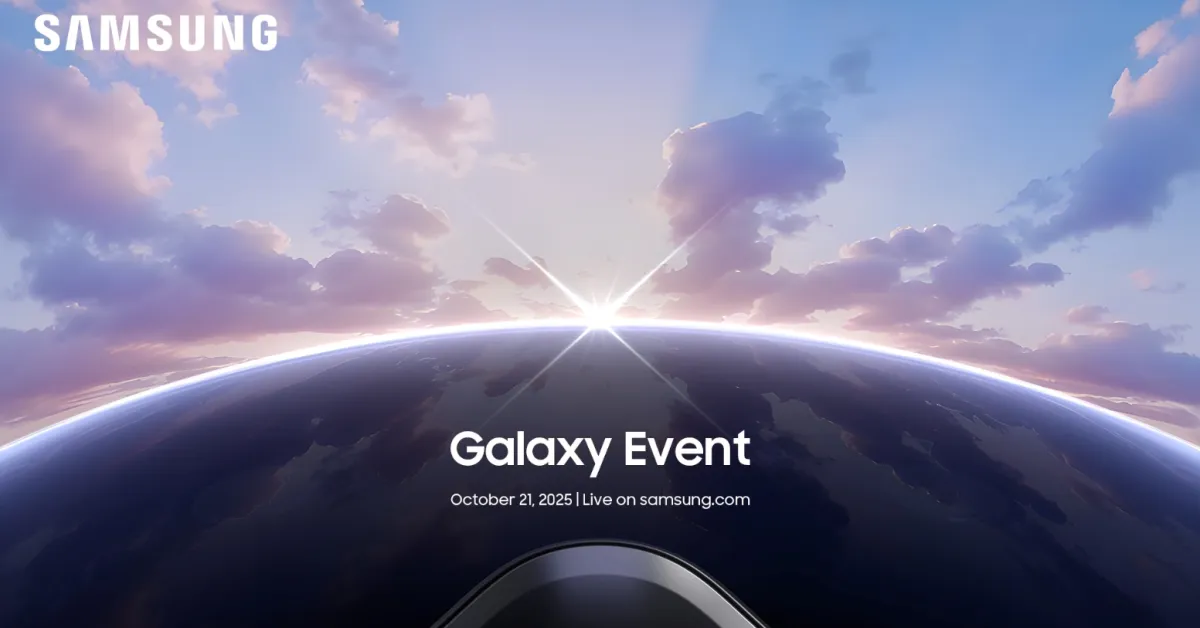
Samsung drops sneak peek: Moohan headset arriving next week.

The upcoming reveal of Samsung’s Project Moohan signals a pivotal moment in the evolution of mixed reality (XR) technology. Scheduled for October 21st during the “Worlds Wide Open” Galaxy event, this headset aims to harness the innovative Android XR platform, a collaborative development by tech giants Samsung, Google, and Qualcomm. The initiative marks a serious push toward scaling XR across diverse form factors, with the explicit goal of making AI-integrated immersive experiences a cornerstone of everyday life. This strategic move could fundamentally reshape how consumers and businesses interact with digital environments, steepening the disruption curve in the XR space.

Initial hands-on impressions, gained by industry journalist Victoria Song late in 2024, suggest that Android XR is designed with broad utility and seamless integration in mind, positioning it as an open and scalable platform. Samsung claims that Project Moohan “blends everyday utility with immersive new experiences,” highlighting an industry trend where XR moves beyond niche applications towards mainstream adoption. The implications for business are profound; companies that adopt this technology could significantly enhance remote collaboration, training, and consumer engagement — fueling a new era where immersive AI-driven content becomes standard in both professional and entertainment sectors. As this device is poised for a full launch, analysts from Gartner emphasize that this development could accelerate market consolidation, forcing other tech giants like Apple and Meta to innovate more aggressively to remain competitive.

The industry’s attention is also on Apple’s anticipated upgrade to its Vision Pro, reportedly featuring a faster chip and possibly a new headset design. FCC filings have already hinted at a new Vision Pro model, prompting speculation about Apple’s strategic pivot towards lighter, more user-friendly smart glasses — a shift confirmed by reports of sidelined work on a less bulky headset. This move signifies a broader industry disruption, where headsets become less invasive and more integrated into daily wearables, shifting the paradigm from isolated devices to a ubiquitous digital overlay. Industry experts like Elon Musk and Peter Thiel have long warned of the importance of disruption as a driver of innovation, and the imminent competition in XR hardware underscores the emerging landscape where innovation is expected to accelerate exponentially.

Looking forward, the combination of Samsung’s tailored XR ecosystem and Apple’s pursuit of smarter, lighter glasses indicates a transformative phase in immersive technology. The fact that industry leaders are now investing heavily in AI-powered, scalable XR solutions highlights a future where digital and physical worlds converge seamlessly. Organizations, developers, and consumers must prepare for an impending era where immersive AI is not just a novelty but an essential element of everyday business and social interaction. The race to dominate the XR ecosystem is heating up, and those who innovate rapidly will define the next chapter of technological disruption and digital transformation, leaving competitors in the dust as the future of mixed reality unfolds.”
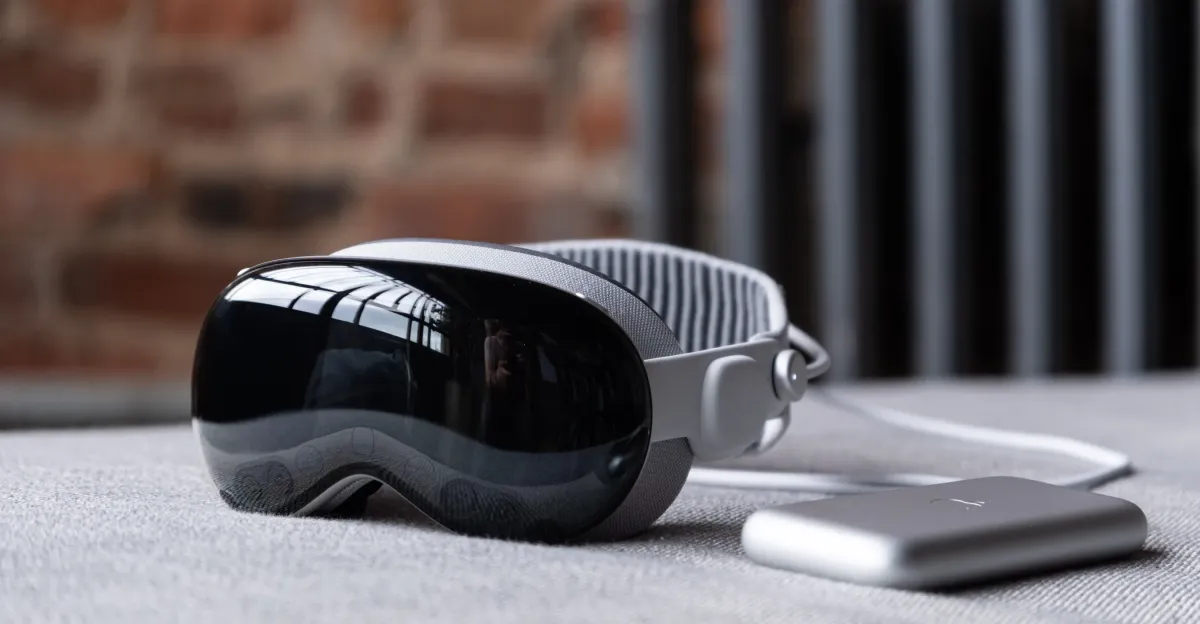

Apple shifts focus from lighter Vision Pro to prioritize smarter glasses for the future

Apple Accelerates Smart Glasses Development Amid Strategic Industry Shifts

In a bold move signaling its strategic pivot toward augmented reality and AI-driven wearables, Apple is intensifying its development efforts on next-generation smart glasses, potentially disrupting current market leaders such as Meta with its Ray-Ban and Oakley smart eyewear. Reports from Bloomberg indicate that Apple has shelved plans for a lighter, less ambitious Vision Pro headset in order to focus on a more versatile smart glasses platform. This decision underscores a broader industry trend where immersive AR hardware takes precedence over traditional VR headsets, emphasizing innovation driven by AI integration and user-centric design.

According to industry insiders, Apple’s new glasses will feature multiple models, including at least one with a display capable of challenging Meta’s Ray-Ban Display. The glasses are expected to include speakers, cameras, and multiple style options, with a heavy reliance on voice interaction and AI. Early prototypes suggest a strategic focus on seamless, hands-free operation, leaving behind the bulky headsets of past generations. Notably, Apple is also developing a dedicated chip to power these devices, a move previously highlighted by Bloomberg as part of its larger push for specialized hardware that enhances performance and energy efficiency.\nThis emphasis on custom silicon aligns with insights from market analysts at Gartner, who highlight that hardware specialization is a key driver of disruptors in the wearable tech space. Competition from Meta, which has already integrated AR features into its glasses, shows that Apple aims to leapfrog with superior hardware capabilities and software integration.

Meanwhile, Apple’s abandonment of plans for a lighter Vision Pro headset in favor of heavier, more feature-rich glasses hints at industry-wide shifts in consumer preferences. Reports suggest a “modest refresh” of the Vision Pro is still on the horizon, potentially launching as early as the end of this year, but overall focus is hastening toward AR glasses that incorporate AI and augmented reality in everyday life. This pivot further signifies a market in flux, where augmented reality’s disruption potential could redefine the fundamental engagement models in tech, from entertainment to enterprise applications. Regulatory filings recently uncovered point toward a new iteration of the Vision Pro, indicating Apple’s continued commitment to both VR and AR markets. Yet, experts like Peter Thiel warn that “the path of robust, AI-driven wearables is fraught with technical and regulatory challenges,” emphasizing the urgency for tech firms to innovate aggressively and stay ahead of the curve or risk obsolescence.

Looking ahead, the thriving smart glasses market is poised for explosive growth, driven by innovations in AI, hardware specialization, and user experience. As Apple doubles down on this frontier, industry observers recognize that disruption is imminent. Companies that fail to develop compelling, integrated AR wearables risk falling behind in a landscape increasingly dominated by AI-driven ecosystems. The next half-decade promises to be a pivotal period where innovation, strategic vision, and market agility will determine the leaders of the next generation of technology—a future where immersive, AI-enhanced wearables could become as ubiquitous as smartphones today. Time is of the essence—those who lead now will shape the trajectory of tech for decades to come.

Social Media Auto Publish Powered By : XYZScripts.com


