
Unpacking the CDC’s Recent Vaccine Schedule Changes: What Facts Are Being Overlooked?
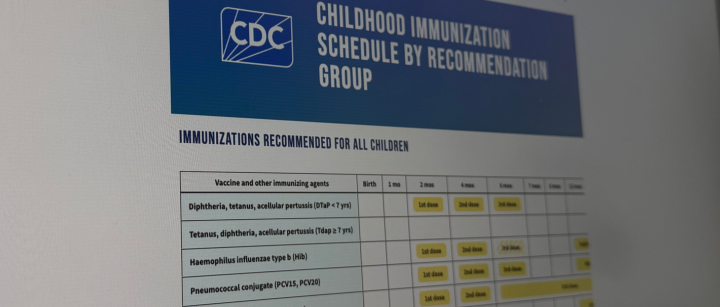
The recent overhaul of the childhood vaccine schedule by the Centers for Disease Control and Prevention (CDC) has sparked widespread discussion, with many questioning the motivations and the data behind these decisions. Notably, CDC Acting Director Jim O’Neill signed a memo on January 5th eliminating routine recommendations for vaccines against six diseases, shifting much of the responsibility for vaccination decisions from universal mandates to shared clinical decision-making. This shift, justified by officials as aligning with international consensus, warrants a closer examination of the underlying data, the process of decision-making, and the potential impacts on public health.
Primarily, the CDC’s new approach recommends vaccines against 11 diseases rather than 17. It is accurate that this reduction is driven by evaluations aiming to prioritize vaccines based on current disease prevalence, safety profiles, and international standards. However, claims surrounding the safety and efficacy of the vaccines that are no longer recommended universally are more complex. For example, the CDC and HHS officials justify the change citing a 33-page assessment prepared by political appointees, including Dr. Tracy Beth Høeg and biostatistician Martin Kulldorff. Critics argue that this document and the process contrast sharply with the traditional, transparent, evidence-based approach historically employed by the CDC’s Advisory Committee on Immunization Practices (ACIP), which involves rigorous review by multiple multiple experts across unique medical specialties.
Analyzing the Evidence and Process Behind the Changes
- The CDC’s past process entailed months of evidence review, expert consultations, and public input before modifying schedule recommendations, ensuring decisions were rooted in robust scientific consensus.
- The recent memo, in contrast, bypassed the ACIP’s usual procedures, leading critics—like pediatric vaccine expert Dr. Paul Offit—to suggest that these decisions lacked the transparency and broad expert consensus that historically guided vaccine policy.
- The assessment utilized by HHS was authored mainly by political appointees rather than panels of independent experts, raising questions about the objectivity of the findings used to justify the schedule change.
Further complicating the issue, officials made claims that some vaccines—such as rotavirus, hepatitis A, meningococcal disease, and influenza—are less necessary given current disease trends. For example, the HHS described rotavirus as causing “almost no risk of mortality or chronic morbidity”—a statement that critics argue downplays the vaccine’s proven benefits. Prior to the vaccine’s widespread use, CDC data indicated that rotavirus caused between 55,000 to 70,000 hospitalizations annually, with hundreds of children dying from the disease. Dr. Paul Offit, a well-respected vaccine inventor and pediatrician, emphasizes that rotavirus vaccines have significantly reduced suffering, with tangible decreases in hospitalizations and severe dehydration cases.
Implications for Public Health and Vaccine Safety
The central concern among public health experts is whether these schedule modifications compromise disease prevention efforts. While some of the diseases are now rare in high-income countries, many experts believe that vaccination remains crucial for maintaining low incidence and preventing outbreaks. Dr. David Stephens of Emory University asserts that even with low current incidence, routine vaccination provides “significant herd immunity,” protecting unvaccinated populations and reducing the risk of disease resurgence. International comparisons, like those cited by HHS, are often presented as evidence that reduced vaccination strategies do not lead to higher disease rates; however, experts such as Dr. Jaime Fergie highlight that declines in disease incidence often predate vaccination programs, underscoring the multifaceted nature of disease control.
Regarding safety, critics contend that the assertion that safety data are limited without placebo-controlled trials is misleading. Dr. Noele Nelson from Cornell University confirms that hepatitis A vaccine trials were properly conducted, with no severe adverse events reported. Furthermore, the existing body of surveillance data affirms that vaccines like hepatitis A are very safe, with benefits far outweighing risks—contradicting assertions that safety is inadequately established, often made by anti-vaccine advocates.
The Broader Responsibility of Truth in Today’s Public Discourse
In sum, the CDC’s recent schedule change, driven by a new process that sidesteps traditional expert consensus and transparent review, calls for informed, responsible journalism and public understanding.
It is vital that we rely on factual, scientific evidence to guide health choices, especially when it comes to protecting vulnerable children. Vaccines have historically been among the most effective tools in preventing infectious disease and safeguarding public health. Disregarding the wealth of data demonstrating their safety and efficacy risks undermining the foundation of informed democracy and responsible citizenship.
Ensuring that decisions about health policies are rooted in scientifically sound evidence—not political or ideological agendas—is essential to preserve trust, protect public health, and uphold the democratic principles that underpin our society.