Matox News

Truth Over Trends, always!

China Launches First Talent Visa as U.S. H-1B Limits Climb

China’s New Visa Program Signals Strategic Push for Global Tech Talent

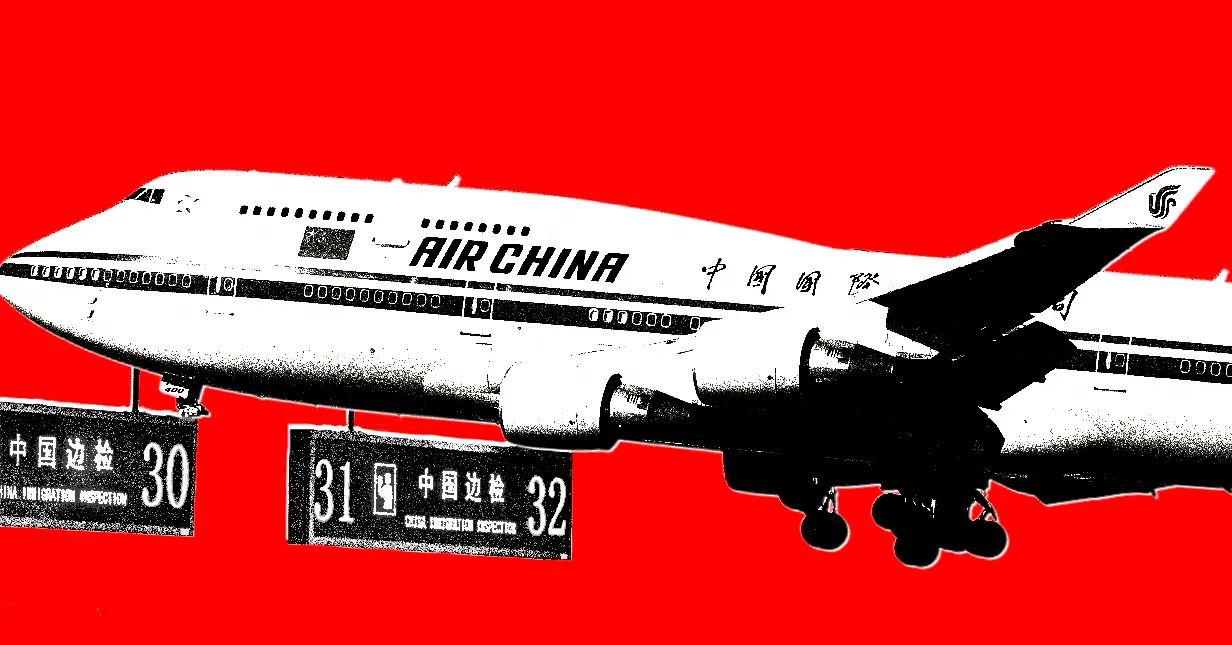
In a bold move demonstrating disruption and modernization, China has launched the K visa initiative, explicitly designed to attract young STEM professionals from top universities worldwide. The policy, unveiled amid rising youth unemployment and mounting international competition for technical talent, marks a strategic shift in China’s approach to fostering innovation-driven growth. While it echoes the US’s H-1B system on the surface, China underscores that its program primarily aims to facilitate international exchange and cooperation rather than simply staffing its industries.

The launch of the K visa signifies more than just a talent acquisition effort; it symbolizes a broader industry disruption—particularly in the global race for next-generation technologies. Industry analysts suggest this move could recalibrate the balance of technological innovation, positioning China as an increasingly attractive hub for scientific research and development. Experts like Gartner and MIT researchers warn that this could accelerate China’s ascent as a dominant player in AI, biotech, and quantum computing—areas crucial for future economic dominance. The implications for business leaders are clear: companies aiming to stay ahead must now consider China not just as a manufacturing powerhouse but as a key innovator and partner in STEM collaborations.

Disruption and Industry Shifts

The K visa’s arrival has generated a complex landscape of competitive disruption and geopolitical tension. While President Trump’s policies have tightened visa restrictions in the US, China’s more open stance is reshaping the global talent pipeline, creating a market shift that could favor Chinese innovation hubs over traditional Western centers. This move is part of a broader agenda to diminish reliance on foreign talent—yet paradoxically, it leverages international expertise to bolster domestic capabilities. It signals a paradigm shift: nations are now competing not just through tariffs or economic sanctions but via **human capital and technological collaboration**.

  • Enhanced pathways for foreign STEM professionals to study, work, and innovate in China
  • Potential acceleration of China’s leadership in emerging tech sectors
  • Intensified competition with Western nations for top-tier talent pools
  • Risks of social backlash and nationalistic resistance, indicating complex political undercurrents

However, industry insiders warn that the program’s success hinges on carefully balancing international openness with nationalism, as social media buzz reveals resistance rooted in fears of job displacement and cultural marginalization. Critics highlight that the backlash, often tinged with nationalist rhetoric, could hamper China’s efforts to establish a sustainable innovative ecosystem. Still, the Chinese government remains committed to this strategic push, signaling a clear message to the global tech community: the quest for technological supremacy is now fought on human resource fronts.

Looking Ahead: Urgency in the Tech Race

This evolving scenario places the global tech landscape at a tipping point. As Peter Thiel and other visionary investors emphasize, the future belongs to those who can attract and mobilize talent at scale. Countries that succeed in doing so—whether through policies like China’s K visa or similar initiatives—will set the tone for decades to come. The window for Western nations to innovate proactively and foster open yet strategic talent pipelines is closing fast. The pursuit of disruption and frontier innovation demands action now, as the fusion of talent and technology becomes the defining arena of global power.

In this high-stakes environment, staying ahead requires not only technological breakthroughs but also innovation in talent acquisition and mobility strategies. The race for supremacy in the tech economy is accelerating, and the nations that recognize this shift earliest will shape the future landscape of global influence and prosperity. The time to act is now—disrupt or be left behind.
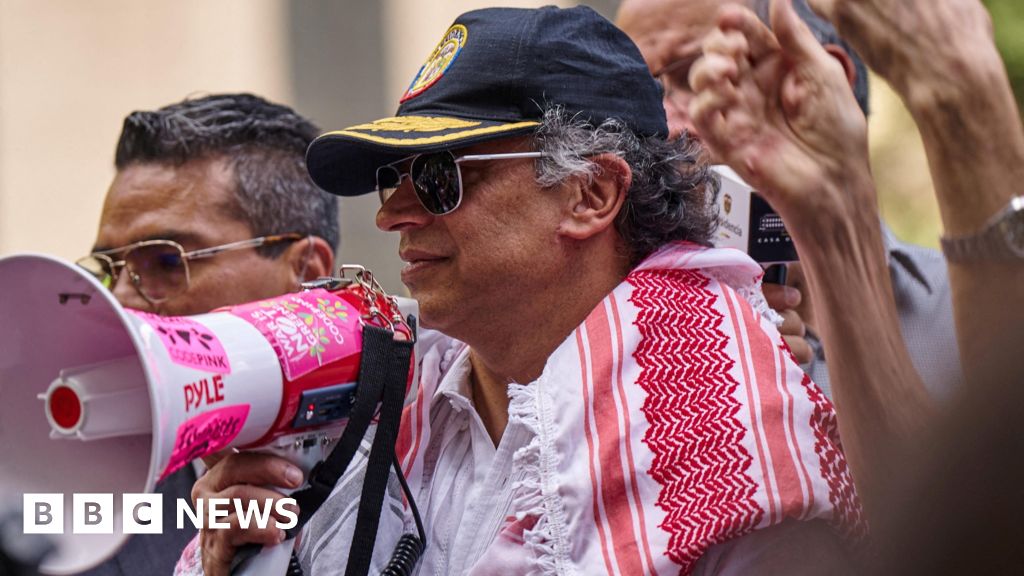
US cancels Colombian president’s visa following UN trip

International Tensions Escalate: Colombia’s President Gustavo Petro Faces US Visa Revocation Amid Bold Calls for Disobedience

In a striking move that underscores the shifting sands of global geopolitics, Colombia‘s President Gustavo Petro has found himself at the center of an intense diplomatic storm after urging US soldiers to disobey orders from Donald Trump. The former senator and leader of Colombia’s first left-wing government made incendiary remarks during a speech at the UN in New York, calling for a “world salvation army” to liberate Palestine. As Petro implored US soldiers to “disobey Trump’s order,” the US State Department responded swiftly, vowing to revoke his visa—an action that marks a rare diplomatic escalation within the hemispheric relationship.

Petro’s remarks, delivered amidst a pro-Palestinian protest, were characterized by American officials as “reckless and incendiary,” sparking outrage at the highest levels of US diplomacy. His plea to soldiers to “not point rifles at humanity” and to turn their guns instead toward “tyrants” echoes a broader narrative that challenges the existing US-led order. Historically, such rhetoric—particularly when it involves urging soldiers to disobey commands—can threaten diplomatic stability and alter perceptions of US influence in Latin America. Analyzing this development, experts like geopolitical analyst Dr. Karen Mitchell suggest that Petro’s speech reflects a growing dissatisfaction with US foreign policy—especially its aggressive anti-drug operations in Latin America, which Petro has criticized as tools of American domination rather than genuine efforts to combat narcotics. This exchange reveals a possible turning point as Latin American leaders become increasingly vocal in opposing US interventions, risking diplomatic isolation to assert their sovereignty.

The diplomatic fallout extends beyond mere rhetoric.

  • Petro’s visa revocation, announced as he was returning to Bogotá, sets a precedent of punitive measures against leaders critical of US foreign policy.
  • Colombia’s Interior Minister, Armando Benedetti, went further, claiming that Israeli Prime Minister Benjamin Netanyahu should have faced similar visa restrictions—a pointed comment aimed at highlighting perceived double standards.
  • Relations between Colombia and Washington have been strained, especially after Petro’s recent critical comments at the UN, alleging that US strategies in Latin America serve to “control through violence” rather than genuine development. These sentiments echo a broader skepticism rooted in historical grievances over interventionist tactics and the US’s role in shaping Latin America’s political landscape.

Meanwhile, the global stage is witnessing a wider contest for influence, with international organizations and historians warning that these disputes transcend diplomatic rhetoric. The US’s decision to deny visas to Palestinian President Mahmoud Abbas and several officials—despite customary diplomatic privileges—further exemplifies the ongoing shift in US engagement, marking a move toward more aggressive stances on its perceived adversaries. This diplomatic tug-of-war underscores how political decisions here have the power to reshape alliances, fuel regional instability, and redefine sovereignty. As Petro’s calls for disobedience reverberate through international corridors, the world watches, realizing that these acts of defiance, while seemingly isolated, threaten to fracture the current global order. In the unfolding narrative of history—bit by bit, decision by decision—the stage is set for a new era of contestation over sovereignty, influence, and the future trajectory of international relations. The question remains: will the currents of change turn toward chaos or renewal? The answer lies ahead, in the unresolved chapters of a world still waiting to be written.

Social Media Auto Publish Powered By : XYZScripts.com



