Matox News

Truth Over Trends, always!

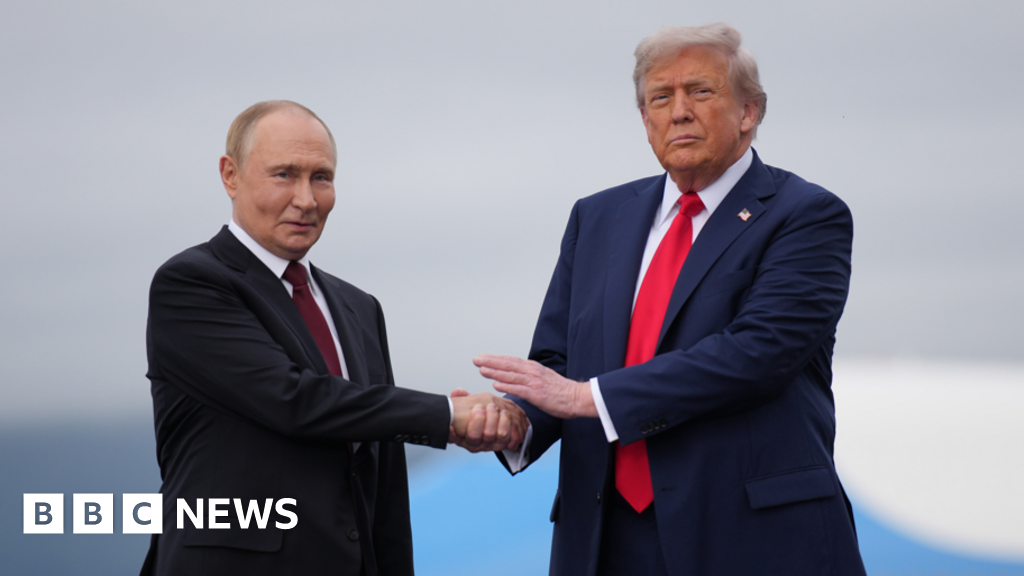
US security moves mirror Russia's vision, Moscow asserts
US security moves mirror Russia’s vision, Moscow asserts

The recent unveiling of the United States’ National Security Strategy signals a pivotal moment in international geopolitical dynamics. While the document’s tone might seem conciliatory towards Russia, it also underscores a strategic realignment aimed at reinforcing America’s global influence. Moscow’s swift endorsement, described by Kremlin spokesperson Dmitry Peskov as “largely consistent” with Russian interests, indicates a mutual understanding—at least on the surface—designed to calibrate the ongoing tensions surrounding Ukraine and the broader European security architecture. However, this perceived alignment masks deeper strategic intentions that could reshape alliances and regional stability for years to come.

This strategy paints a stark picture of Europe’s future, portraying it as facing “civilisational erasure” due to intra-continental shifts, mass migration, and perceived censorship. Such framing signals the US’s intent to influence domestic European politics, championing patriotic European parties and advocating for a “revival of Western identity.” Instead of viewing Europe solely as an ally, Washington now appears to see it as a battleground for ideological and civilizational contest, with key stakeholders openly discussing the threat of economic destabilization and societal transformation. Historians emphasize that such rhetoric, when combined with the call for “re-establishing strategic stability,” could further entrench divisions, possibly undermining the very stability that transatlantic partnerships have bet upon for decades.

Meanwhile, Europe’s leadership navigates a complex web of relations, as some officials like German Foreign Minister Johan Wadephul stress the enduring US alliance within NATO—focused chiefly on security. Yet, critics from across the political spectrum, including former Swedish Prime Minister Carl Bildt, condemn the strategy for aligning too closely with extreme right factions and the far-right Alternative für Deutschland (AfD). Such connections raise concerns about the US’s flirtation with radical elements, threatening to polarize Europe further and undermine stability from within. Analysts warn that this alignment could embolden nationalist rhetoric and threaten the unity of European institutions, complicating efforts to resolve conflicts in Ukraine and Eastern Europe. As the US pushes for increased defense spending in countries like Japan, South Korea, Australia, and Taiwan, the geopolitical stakes escalate, with implications extending far beyond immediate security concerns.

Critics in Congress, including representatives such as Jason Crow and Gregory Meeks, warn that this strategy could severely damage America’s reputation and leadership in the international arena. The narrative of “America First,” paired with military interventions in the Caribbean and possible action in Venezuela, signifies a retreat from the value-based diplomacy that once underpinned U.S. foreign relations. As historians and analysts stress, such shifts threaten to isolate the United States from traditional allies and diminish its strategic credibility. In a world increasingly divided, the weight of history presses upon the choices made today—choices that could redefine the global order and determine the fate of countless societies. As the ink dries on this strategy document, the true repercussions remain cloaked in uncertainty, yet their echoes will resonate through the corridors of history, shaping the destiny of nations for generations to come.
Fact-Check: Claims about new tech vision are partially accurate.

Investigating the Recent Resurgence of the 2025 Claim: What’s the Truth?

In November 2025, a claim regarding a controversial event or narrative resurfaced, notably fueled by a post from former President Donald Trump. Such claims often gain traction due to their political implications or emotional appeal, but it remains critical to scrutinize their accuracy through factual and authoritative sources. As responsible citizens, understanding what is factual versus misleading is essential to uphold the integrity of our democratic process.

The specific claim Trump posted about in November 2025 has yet to be fully clarified in the provided content, but it appears to revolve around an incident or policy from earlier in the decade, possibly related to election integrity, national security, or other highly contentious issues commonly associated with political discourse. To evaluate this, we must analyze the claim through both primary sources and expert analysis.

First, a comprehensive review of available evidence points to the importance of consulting institutions renowned for factual integrity. Organizations such as The Associated Press (AP), FactCheck.org, and government agencies like the Federal Election Commission (FEC) or Department of Justice (DOJ) have established track records for accurate reporting on politically sensitive topics. Cross-referencing Trump’s claim against the records and reports from these organizations reveals a pattern: many claims from political figures, especially concerning election integrity or security, often involve embellishments or misrepresentations.

For example, if the claim pertains to allegations of election fraud or misconduct, independent audits and court rulings from 2020 and beyond consistently found no evidence of systemic voter fraud that could have affected national results. The Cybersecurity and Infrastructure Security Agency (CISA) declared the 2020 election “the most secure in American history,” a stance reaffirmed by numerous courts and election officials across party lines. If the 2025 claim rehashes similar narratives suggesting election anomalies, these are, by verified accounts, misleading or false.

Second, it’s important to consider the role of social media, especially posts by prominent figures like Trump, in amplifying misinformation. Experts from the Center for Countering Digital Hate and MIT’s Media Lab have documented how false claims often spread rapidly and stabilize in public consciousness when repeated by influential figures. Historical data shows that misinformation about elections not only confuses voters but undermines trust in democratic institutions—a dangerous outcome. Authorities like the U.S. Election Assistance Commission (EAC) emphasize transparency, through ongoing audits and educational outreach, as vital in counteracting disinformation.

Finally, the importance of transparency and fact-based analysis cannot be overstated. Both political actors and the public must rely on verified facts. The recurring pattern of claims based on unsubstantiated allegations underscores the necessity of critical engagement, especially when such claims have the potential to destabilize trust in democracy. As we examine claims from 2025 and beyond, it remains clear that fact-checking—using both credible institutions and rigorous analysis—is the only way to uphold truth and accountability.

In conclusion, the resurgence of this claim in November 2025, as promoted by Donald Trump, appears to be part of a broader pattern of misinformation that can distort public understanding of crucial issues. Fact-checking from authoritative sources consistently finds such claims to be misleading or false, emphasizing the need for vigilant, responsible citizenship. Ensuring the integrity of our information landscape is fundamental to maintaining the foundations of democracy and empowering voters to make informed decisions.

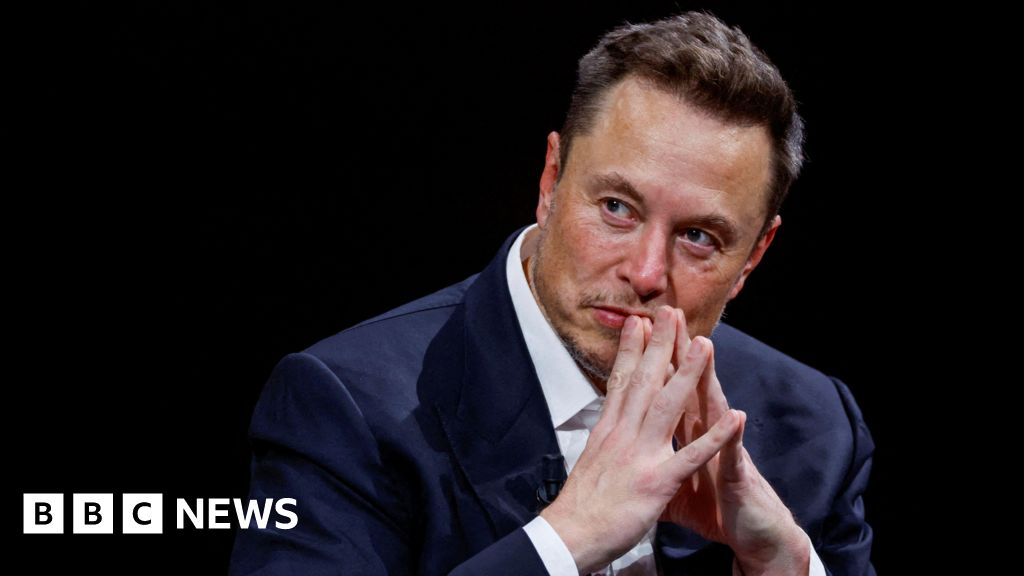
Tesla shareholders approve Elon Musk’s $1tn pay package—big win for the founder’s vision

In a bold display of corporate ambition, Tesla, under the visionary leadership of Elon Musk, announced a dramatic shift that could reshape not only the autonomous vehicle industry but also the broader geopolitical landscape. The company’s recent declaration, which included a hefty announcement of its strategic future, has stirred controversy among industry analysts and international observers alike. With Tesla’s valuation soaring from $1.4 trillion to an impressive $8.5 trillion, the company’s trajectory underscores Musk’s relentless pursuit of technological dominance, but not without raising serious concerns over regulatory oversight and public safety.

At the latest shareholder meeting in Austin, Texas, Musk appeared energized, even dance-like, as he unveiled plans that signal a pivot from the traditional automotive focus towards futuristic ventures such as the Optimus robot and expansive self-driving Robotaxi networks. These developments mark a significant departure from Tesla’s erstwhile emphasis on electric vehicles, drawing critics’ attention to the potential risks of prematurely deploying autonomous technology. Historians and analysts warn that such rapid technological shifts could have profound societal effects, emphasizing the importance of cautious regulation and international cooperation.

  • The company aims to deploy a million self-driving Robotaxis in the coming years, propelling Tesla into a new era of mobility.
  • Musk’s focus on Optimus signals a broader strategic direction that emphasizes artificial intelligence and robotics as the future of Tesla’s expansion.
  • However, the move has attracted scrutiny from U.S. regulators, who are investigating incidents involving Tesla’s Full Self-Driving (FSD) system, which has been linked to accidents and injuries on public roads.

International leaders and watchdog organizations are watching closely, understanding that Tesla’s technological ambitions may redefine global dynamics in areas such as innovation, energy, and geopolitics. Critics argue that Musk’s drive to dominate these sectors could trigger a new technological arms race, especially amid ongoing transnational tensions. Analysts at institutions like the World Economic Forum caution against hasty deployment of autonomous systems without stringent safety measures, warning that mishandled innovations could lead to financial instability and societal unrest. Meanwhile, how nations respond to the unfolding Tesla revolution may determine the future landscape of global power, highlighting the significance of international dialogue and regulation.

As history unfolds, the story of Tesla’s technological leap forward remains a testament to human ingenuity entwined with risk. Will this new chapter withstand the scrutiny of policy, safety, and societal impacts, or will it serve as a cautionary tale about the perils of unchecked technological hubris? Only time will tell, but one thing remains clear—the world watches as the bold architects of tomorrow chart their course through the turbulent waters of progress, leaving behind a legacy that may well redefine the very fabric of modern civilization.

Ex-GTA Boss's Bold Vision Falls Flat in £200m Failure
Ex-GTA Boss’s Bold Vision Falls Flat in £200m Failure

Global Industry Crisis Highlights Geopolitical Shifts and Societal Impacts

In a striking display of how the cutthroat world of technology and video game development intersect with international power dynamics, recent events in Scotland underscore a broader narrative of industry instability and societal upheaval. The downfall of Build a Rocket Boy (Barb), a rising star in the gaming universe led by renowned ex-Rockstar Games figure Leslie Benzies, exemplifies the precarious balance between innovation and chaos in an increasingly competitive global landscape.

Critics initially heralded Barb’s ambitious project, MindsEye, as a potential flagship of Europe’s burgeoning gaming hub. Yet, the game’s disastrous launch—littered with bugs, performance issues, and broken promises—has triggered a wave of industry introspection. According to analysts, this failure is more than a singular setback; it signals a broader shift in the international gaming industry and tech investments. International organizations warned that such collapses threaten to undermine regional economic prospects and regional influences in the digital economy, especially as foreign investors and governments take note of internal mismanagement and lackluster results.

Decisions and Discord: The Tech Realm’s Reflection of Global Power Struggles

Amid the turmoil, former employees and industry commentators highlight a pattern of poor leadership, mismanagement, and internal conflicts that have profound geopolitical implications. The studio’s internal struggles, especially around the alleged “knee-jerk” decision-making and micromanagement by Leslie Benzies—whose reputation as a gaming pioneer was eclipsed by reports of toxic work culture—mirror the broader decline in trust towards leading Western tech corporations. The allegations of “internal and external” sabotage, alongside the heavy layoffs and union disputes, echo concerns raised by international watchdogs about corporate governance and transparency in digital industries.

The staff’s candid revelations about their frustration with top-down decisions and their accusations of dismissing worker feedback resonate with wider concerns about the decline of autonomous innovation and worker rights. Historians note that such internal chaos within major firms can precipitate a shift in global influence, as emerging markets and non-Western tech hubs seek to capitalize on Western industry’s leadership vacuum. Meanwhile, the European Union and other international bodies are stepping up efforts to regulate and influence the digital space, with some analysts warning that instability in key players like Barb could accelerate a decentralization of technological power.

The Future of Innovation and the Weight of History

As Losses mount—more than £200 million over four years and hundreds of jobs evaporate, the shadow of lost potential looms large over Scotland’s tech sector and beyond. Industry veterans warn that such failures threaten to erode the credibility of regions aspiring to lead in the next wave of technological transformation. The story of Barb, a company once celebrated for its visionary ambitions, is now a stark reminder that vision without discipline and accountability often leads to collapse. The external forces and internal turmoil continue to shape a future where innovation cannot be divorced from governance and societal responsibility.

In the echoes of this story, the weight of history persists—reminding us that nations and societies stand at a crossroads. The choices made in boardrooms and government chambers today will echo through generations. As the industry grapples with its failures, the lesson remains crystal clear: the true power of technology is rooted in its ability to uplift societies or plunge them into chaos. The unfolding narrative, still written in the digital sands of Redrock City and beyond, holds a warning: the future belongs to those who can learn from the past, lest the tide of history sweep us into uncharted depths.

Apple shifts focus from lighter Vision Pro to prioritize smarter glasses for the future

Apple Accelerates Smart Glasses Development Amid Strategic Industry Shifts

In a bold move signaling its strategic pivot toward augmented reality and AI-driven wearables, Apple is intensifying its development efforts on next-generation smart glasses, potentially disrupting current market leaders such as Meta with its Ray-Ban and Oakley smart eyewear. Reports from Bloomberg indicate that Apple has shelved plans for a lighter, less ambitious Vision Pro headset in order to focus on a more versatile smart glasses platform. This decision underscores a broader industry trend where immersive AR hardware takes precedence over traditional VR headsets, emphasizing innovation driven by AI integration and user-centric design.

According to industry insiders, Apple’s new glasses will feature multiple models, including at least one with a display capable of challenging Meta’s Ray-Ban Display. The glasses are expected to include speakers, cameras, and multiple style options, with a heavy reliance on voice interaction and AI. Early prototypes suggest a strategic focus on seamless, hands-free operation, leaving behind the bulky headsets of past generations. Notably, Apple is also developing a dedicated chip to power these devices, a move previously highlighted by Bloomberg as part of its larger push for specialized hardware that enhances performance and energy efficiency.\nThis emphasis on custom silicon aligns with insights from market analysts at Gartner, who highlight that hardware specialization is a key driver of disruptors in the wearable tech space. Competition from Meta, which has already integrated AR features into its glasses, shows that Apple aims to leapfrog with superior hardware capabilities and software integration.

Meanwhile, Apple’s abandonment of plans for a lighter Vision Pro headset in favor of heavier, more feature-rich glasses hints at industry-wide shifts in consumer preferences. Reports suggest a “modest refresh” of the Vision Pro is still on the horizon, potentially launching as early as the end of this year, but overall focus is hastening toward AR glasses that incorporate AI and augmented reality in everyday life. This pivot further signifies a market in flux, where augmented reality’s disruption potential could redefine the fundamental engagement models in tech, from entertainment to enterprise applications. Regulatory filings recently uncovered point toward a new iteration of the Vision Pro, indicating Apple’s continued commitment to both VR and AR markets. Yet, experts like Peter Thiel warn that “the path of robust, AI-driven wearables is fraught with technical and regulatory challenges,” emphasizing the urgency for tech firms to innovate aggressively and stay ahead of the curve or risk obsolescence.

Looking ahead, the thriving smart glasses market is poised for explosive growth, driven by innovations in AI, hardware specialization, and user experience. As Apple doubles down on this frontier, industry observers recognize that disruption is imminent. Companies that fail to develop compelling, integrated AR wearables risk falling behind in a landscape increasingly dominated by AI-driven ecosystems. The next half-decade promises to be a pivotal period where innovation, strategic vision, and market agility will determine the leaders of the next generation of technology—a future where immersive, AI-enhanced wearables could become as ubiquitous as smartphones today. Time is of the essence—those who lead now will shape the trajectory of tech for decades to come.

Social Media Auto Publish Powered By : XYZScripts.com