Matox News

Truth Over Trends, always!

Vance and Rubio Slam Israeli Parliament’s West Bank Annexation Vote

The recent actions within Israel’s parliament have ignited a new wave of diplomatic tension that could reshape the Middle East’s fragile landscape. On Wednesday, far-right factions in the Knesset advanced a bill that grants preliminary approval for applying Israeli law in the occupied West Bank. This territory, captured during the 1967 Six-Day War, is home to approximately 700,000 Jewish settlers amidst a Palestinian population of roughly 3.3 million. International law, supported by an advisory opinion from the International Court of Justice last year, deem settlements illegal—yet Israel continues to bolster its presence, constructing about 160 settlements to date. The bill’s passage, with a narrow 25–24 vote, signals a potential shift in the longstanding policy of maintaining the status quo, a move that critics warn could ignite renewed regional instability.

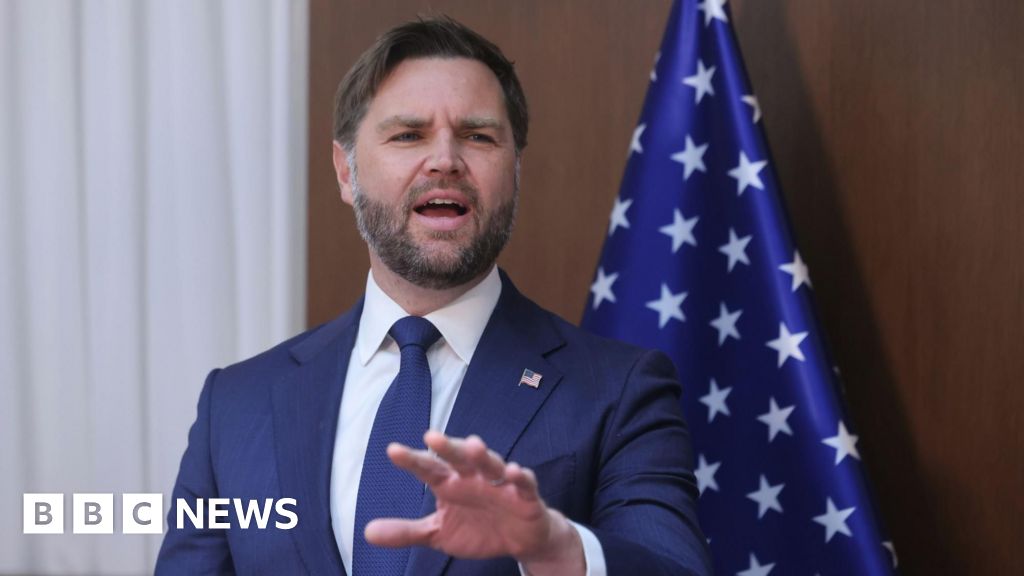
Global reaction has been swift and unequivocal, especially from the United States. Vice President JD Vance dismissed the bill as a “very stupid political stunt,” underscoring that the move undermines prospects for peace. Secretary of State Marco Rubio also cautioned that annexation could jeopardize President Donald Trump’s efforts to broker peace in Gaza, aligning with the broader U.S. stance against unilateral territorial changes in the West Bank. The U.S. role, perceived by many as Israel’s most vital diplomatic shield, remains pivotal. It highlights how American influence continues to shape the geopolitical balance—where every decision by Israel carries the potential to destabilize or bolster regional security. The stark warnings from Washington reflect the understanding that a shift in control over the West Bank would ripple across borders, potentially reigniting conflicts that have simmered for decades.

Meanwhile, Israel’s Prime Minister Benjamin Netanyahu characterized the bill as a “deliberate political provocation,” emphasizing that his government does not support immediate annexation, citing existing U.S. policy that opposes such measures. Despite ultra-nationalist factions within the coalition pushing for outright annexation, Netanyahu’s cautious stance reveals an attempt to balance domestic factions with international diplomacy. However, the move has drawn sharp criticism from the Palestinian Foreign Ministry, which condemned the bill as a violation of their aspirations for sovereignty. The geopolitical consequences of this maneuver could punctuate the ongoing conflict, possibly pushing the prospects for a comprehensive resolution further out of reach, while intensifying the rhetoric surrounding Israeli-Palestinian tensions.

As the international community watches uneasily, the echoes of history resound—reminding us that bold moves often precipitate deeper chaos. The Middle East remains at a critical juncture, where every decision not only shapes the future of millions but also influences the global balance of power. With the United Nations and other international watchdogs sounding alarms, the possibility of longstanding peace slipping into further disorder underscores a sobering truth: as history unfolds in the corridors of power, the world teeters on the precipice of change that will define generations to come. The question remains—how much longer can the ticking clock of diplomacy hold against the drums of conflict?

Congressional leaders still gridlocked as vote looms

As the United States teeters on the brink of a prolonged partial government shutdown, the global community watches with cautious concern. The growing political impasse between Democratic and Republican leaders underscores the fragility of American domestic stability, which inherently influences regional and international geopolitical dynamics. With the next voting day looming, negotiations remain deadlocked over key issues, primarily healthcare funding and budget allocations—a struggle that has escalated into a nationwide crisis—highlighting the extent to which internal discord can destabilize the world’s largest economy and military superpower.

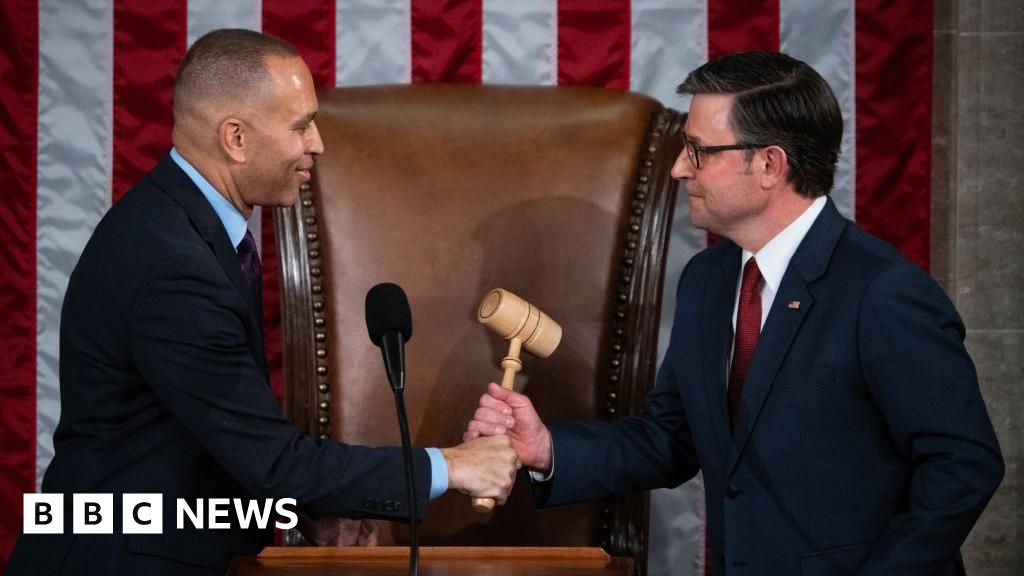
In the current standoff, House Speaker Mike Johnson and Democrat Hakeem Jeffries have publicly exchanged accusations, each blaming the other for the deadlock. The crux of the dispute revolves around the healthcare sector, with Democrats insisting on extending Affordable Care Act subsidies and reversing Medicaid cuts, viewing this as vital to protecting millions of Americans. Conversely, Republicans criticize the Democratic proposal, claiming that it includes excessive spending and addresses unfounded concerns, such as the perceived misuse of Medicaid by undocumented immigrants—an assertion vehemently denied by Democratic leaders. These partisan exchanges exemplify how internal American politics have become a battleground capable of disrupting global markets, especially as the Senate, wielding its slender majority, struggles to pass crucial funding bills requiring a supermajority of 60 votes.

The geopolitical impact of this domestic turmoil extends beyond America’s borders. The polling data from CBS reveals that 80% of Americans fear the economic repercussions of the shutdown, and international markets are closely monitoring the situation as a harbinger of potential volatility. Historian and global analyst commentary warns that sustained austerity measures or government closures could erode America’s credibility on the world stage, affecting everything from diplomatic negotiations to military commitments. Meanwhile, President Donald Trump’s threats of mass layoffs and service cuts, justified as measures to root out waste and fraud, risk precipitating a humanitarian and economic crisis, which could further erode America’s global image. As Johnson and other Republican leaders call for a return to negotiations, the world watches as the United States grapples with its internal demons, risking a slide into chaos that could redefine international alliances and economic relations for years to come.

In this unfolding scenario, the very fabric of American societal stability hangs in the balance, echoing the caution that history’s most tumultuous moments have imparted. If the shutdown persists, it could serve as a stark reminder that no nation—no matter how powerful—stands immune to internal strife or the fallout from political misjudgments. As the world looks on, the question remains: will this crisis forge a path toward renewed unity or deepen the fissures that threaten to unravel the American experiment itself? With each passing day, the weight of history becomes heavier, for the decisions made now will echo in the annals of the future—emphasizing that in the arena of geopolitics, internal discord is often the precursor to historic transformations, with consequences that stretch across continents and generations.

Australia News: Albanese rules out republic vote after meeting with King Charles

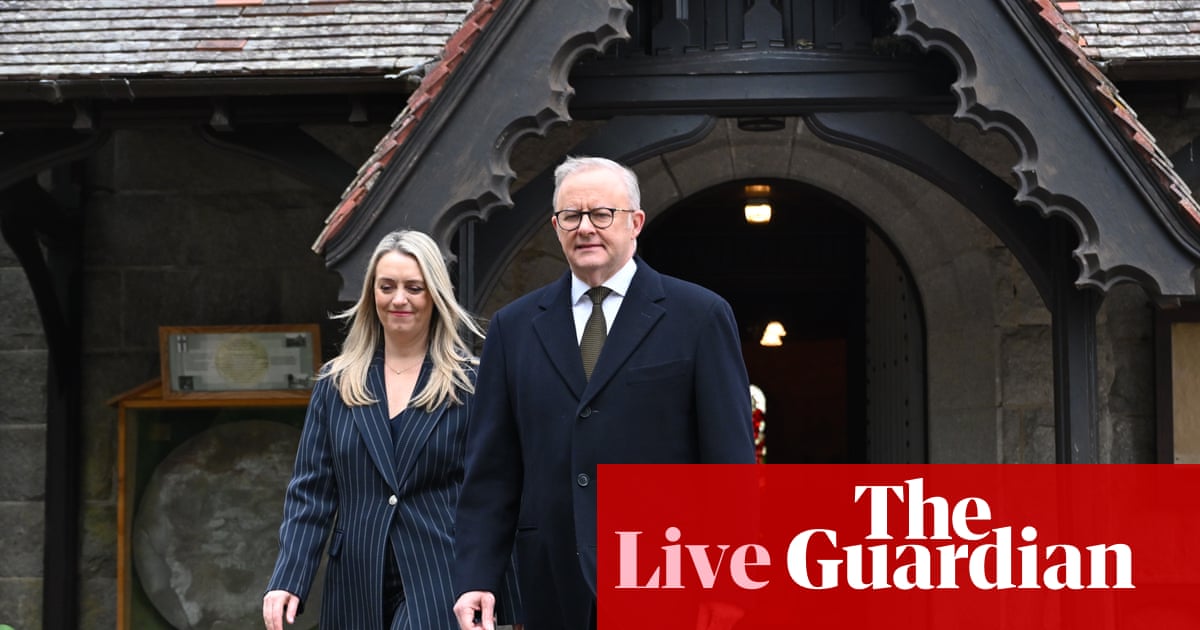
In an era defined by rapid geopolitical shifts and surging international tensions, Anthony Albanese, the Prime Minister of Australia, has recently positioned himself at the heart of global diplomacy. His week of international engagements culminated in a historic visit to the Scottish Highlands, where he met with King Charles at Balmoral Castle. This meeting symbolizes not only a strengthening of diplomatic ties between Australia and the British monarchy but also signals Australia’s ongoing effort to assert its global presence amidst rising geopolitical upheaval. Albanese’s visit highlights a nation eager to balance historical ties with strategic interests, especially as alliances such as AUKUS and the shifting dynamics within world powers reshape international order.

The details of Albanese’s conversations with the monarch remain under strict protocol, cloaked in diplomatic discretion. Yet, official statements mention discussions on world affairs, emphasizing the country’s engagement with broader global issues. This diplomatic outreach coincides with Albanese’s broader international itinerary, which included addressing the United Nations and briefly engaging with US President Donald Trump. Analysts from the International Crisis Group and geopolitical experts suggest that such interactions reflect Australia’s intent to elevate its voice on issues like regional security, resource management, and adherence to international rules of law. As the world faces conflicts like the Ukraine crisis and regional disputes in the Indo-Pacific, Australia’s diplomatic posture appears aimed at reinforcing alliances and asserting sovereignty in a turbulent geopolitical landscape.

Meanwhile, domestic politics intertwine with these international maneuvers. Albanese’s firm stance against holding a referendum on Australia becoming a republic signifies a focus on stability and national identity, contrasting with his earlier openness to the idea. Critics from opposition factions, including Senator Michaelia Cash, critique his international diplomatic commitments, arguing that excessive overseas engagement might detract from pressing domestic issues such as the cost of living and national economic resilience. These criticisms underscore a broader debate on how nations prioritize their global strategy while maintaining societal stability. Yet, veteran political observers warn that such disputes could overshadow the country’s long-term strategic interests, especially as geopolitical tensions escalate.

Historians and analysts warn that the unfolding decisions and diplomatic nuances of today may well echo through future generations as a pivotal chapter in Australia’s national and international history. Albanese’s measured approach aims to forge a balanced path—asserting Australian sovereignty, cultivating strategic international alliances, and maintaining constitutional stability. In a world where ideals are often challenged by realpolitik, the choices made now will determine whether this young nation can punch above its weight or become hidden beneath global conflicts and shifting alliances. As diplomats and citizens alike watch these unfolding events, history quietly witnesses the emergence of a new global landscape, where the balance of power is neither fixed nor predictable—yet forever in flux, shaping the course of nations and societies for decades to come.

Social Media Auto Publish Powered By : XYZScripts.com