Matox News

Truth Over Trends, always!

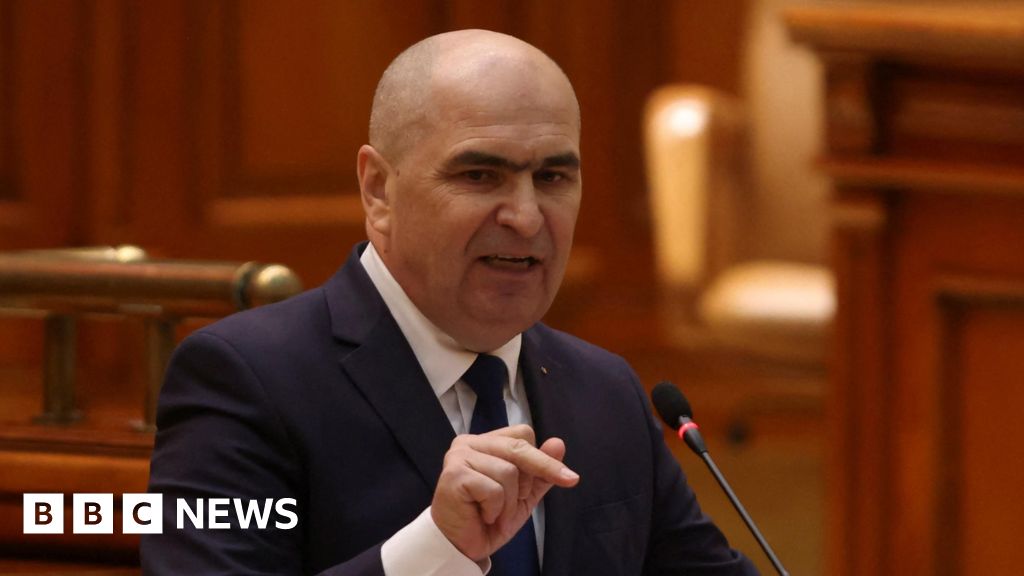
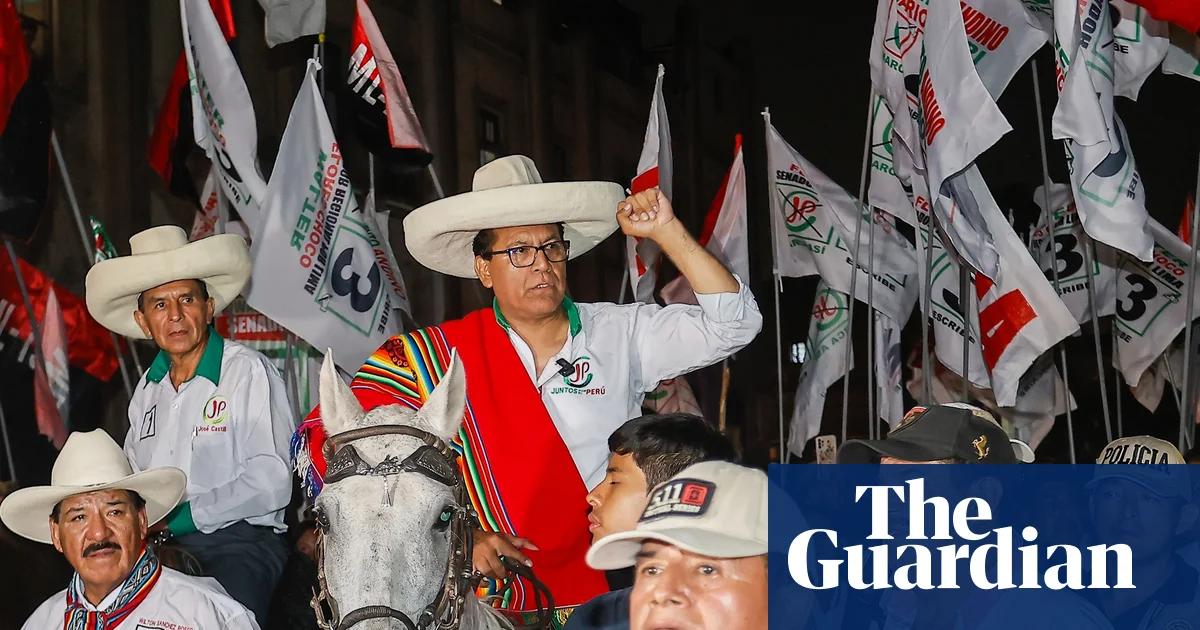
Peruvians Vote to End Year of Political Turmoil

As Peru heads to the polls on Sunday, the nation stands on the brink of what could be a defining moment in its turbulent political history. The country, suffering from deep-rooted systemic instability, is grappling with a record 35 presidential candidates vying for power amidst a landscape rife with corruption, surging crime, and waning trust in institutions. The recent upheavals have created a perfect storm where the long-standing crisis of governance threatens to reshape the country’s future while exposing the vulnerabilities in Peru’s fragile political fabric.

  • The upcoming election is a reflection of the country’s frustration with corruption, with four former presidents currently jailed, most linked to bribes involving the multinational construction giant Odebrecht.
  • Record homicide and extortion rates highlight the urgent need for effective leadership, yet none of the candidates currently polls above 15%, suggesting a turbulent path to a clear outcome.
  • Analysts warn that the election’s unpredictability could lead to a runoff on 7 June, with surprises possibly emerging at the last minute, highlighting the volatile nature of Peru’s political landscape.

Among the contenders, Keiko Fujimori, the daughter of the former autocrat Alberto Fujimori, continues to hold a narrow lead in polls. Her repeated bids for the presidency, marked by a legacy tied to a controversial past, symbolize Peru’s ongoing struggle with its collective memory and the enduring influence of political dynasties. Meanwhile, populist figures such as Lima’s former mayor Ricardo Belmont have gained ground with promises of “hugs not bullets,” appealing to the youth and marginalized voters disillusioned with traditional politics. Analyst Gonzalo Banda remarks that Belmont’s anti-establishment stance indicates a broader dissatisfaction, capturing votes across the ideological spectrum, even as his rhetoric sometimes veers into xenophobia and sexism, further complicating the nation’s path forward.

The election also features candidates with more radical platforms, such as Jorge Nieto, a former defense minister promoting centrist policies, and Álvarez, a comedian turned political outsider who advocates for tough-on-crime measures reminiscent of Nayib Bukele in El Salvador. The emergence of a celebrity candidate who employs humor as a form of political critique underscores a broader frustration—many Peruvians feel alienated from the traditional political elite, perceiving their leaders as disconnected from the country’s urgent needs. This landscape of fractured trust signifies a deep crisis in the social contract, with nobody currently representing a renaissance capable of restoring hope or stability.

International observers, including scholars from University College London and organizations like the United Nations, warn that Peru’s choice in this election will have profound geopolitical impact. A government viewed as driftless or susceptible to populist demagoguery could embolden similar movements across the region, destabilizing a vital corridor of South America. Furthermore, the international community’s response to Peru’s political chaos will test the resilience of democratic institutions amidst a tide of discontent that threatens to spill beyond national borders. History’s pen is poised to write a chapter of upheaval and renewal—yet the outcome remains shrouded in uncertainty, leaving the world to witness the unfolding drama of a nation fighting to find its voice once more.

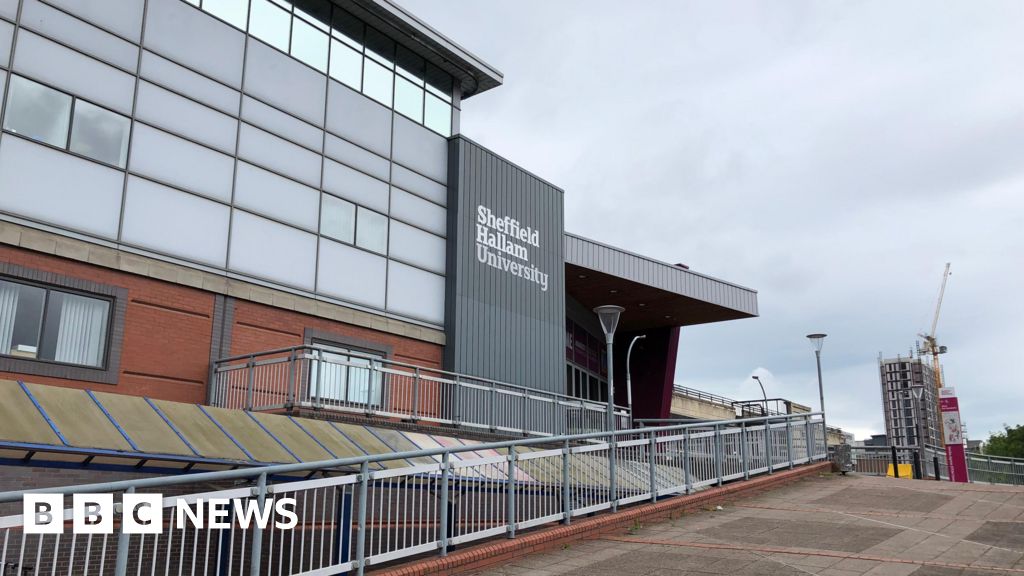
University Jobs Under Threat as Strike Vote Looms—Time to Stand Up

Impacts of University Funding Cuts on Society and Communities

The University and College Union has recently raised concerns over proposed funding cuts that threaten to weaken the foundational appeal of higher education institutions. These reductions, rooted in broader economic austerity measures, threaten to undermine not only the quality of academic offerings but also the social fabric that university communities foster. As universities serve as gateways for diverse demographic groups and catalysts for social mobility, such cuts pose a risk of deepening existing social disparities and fragmenting the fabric of our communities.

At the heart of the debate lie the repercussions for families, students, and educators. When funding diminishes, universities often resort to increased tuition fees, reduced course offerings, and cutbacks on essential student services. This cascade of austerity impacts families who may already grapple with economic hardships, placing higher education beyond their reach and fueling a cycle of marginalization. The social commentator Dr. Maria Lopez emphasizes that maintaining equitable access to education is crucial—not merely as an economic investment but as a moral imperative for societal cohesion. The erosion of educational quality and accessibility, she argues, threatens to create a generation divided along economic lines, weakening the social alliances that hold communities together.

Historians and sociologists note that universities have historically functioned as microcosms of societal diversity, fostering cross-cultural dialogue and social integration. Demographic shifts, driven by immigration and generational change, have enriched campus life, promoting inclusivity and mutual understanding. However, budget constraints threaten these social gains, risking a return to an era where access to higher education was a privilege reserved for the few. The social inequities exacerbated by such policies can ripple outward, trapping families in cycles of poverty and exclusion, thereby impeding societal progress at large. The potential decline in university appeal could deepen regional disparities and diminish the economic vitality of neighboring communities that rely on student populations and academic institutions as engines of growth.

  • Reduced funding may lead to layoffs for academic and support staff, weakening the campus environment and diminishing student support systems.
  • Financial barriers could discourage talented students from underprivileged backgrounds from pursuing higher education, creating a less diverse and dynamic society.
  • The decline in university programs and research initiatives could hamper innovation, with broad implications for societal advancement.

Solutions to this pressing challenge involve both political will and societal action. Advocates call for alternative funding models that prioritize public investment in education as a national priority. Community-led initiatives, public-private partnerships, and targeted grants could help sustain essential services and maintain the diverse, inclusive environments that universities are meant to be. As the sociologist Prof. Alan Mitchell notes, fostering resilient educational ecosystems is vital for nurturing the next generation of leaders capable of addressing complex social issues.

Ultimately, the societal fabric is woven from the aspirations, struggles, and successes of its communities. As families, educators, and students stand at a crossroads, the challenge is clear: preserve the cornerstone institutions that serve as beacons of opportunity. If society can muster the collective will to invest in educational equity and social cohesion, there remains hope—hope that future generations will inherit a society where knowledge is a bridge, not a barrier, and where hope persists amid ongoing struggle. For in the end, societal transformation begins not with grand gestures but with the quiet resolve to nurture the roots of community—roots that can withstand the storms of austerity and emerge stronger, more united, and more just.

Oscars 2026: Cast Your Vote and Shape the Future of Hollywood’s Biggest Night

In an epoch where the conflation of spectacle and illusion threatens to eclipse the foundational role of culture as society’s ethical and moral compass, the upcoming cinematic reflections encapsulated in the 2026 Oscars ballot serve as a potent reminder. As Ortega y Gasset profoundingly asserted, “man is himself a manufacture, a work-in-progress, and his culture—his way of life—is the blueprint of this ongoing construction.” The films nominated—ranging from “Bugonia” to “Sinners”—are not mere entertainment but manifestations of societal soul-searching; they uphold the enduring link between art and national as well as individual identity. Here, the cinematic arts serve as both reflection and prophecy, echoing a cultural heritage that defines, sustains, and often challenges the collective conscience.

In a world increasingly dominated by superficial trends, the cultural role played by revered artists and movements assumes a vital importance. As T.S. Eliot observed, “Poetry and art are the memory of humanity, the hauntings of our collective consciousness,” and so the categories and themes of this year’s nominees—be it the profound narrative of “Frankenstein” or the poignant human stories in “Sentimental Value”—serve as a testament to the resilience of cultural memory. The meticulous craftsmanship highlighted in distinctions such as production design or cinematography underscores the enduring value placed on tradition, precision, and aesthetic excellence. These elements, woven into the very fabric of societal identity, remind us that culture is not a fleeting sensation but a foundational pillar that shapes our understanding of ourselves and our future.

By engaging with stories that often confront the shadows of history—such as “The Secret Agent” or “Mr. Nobody Against Putin”—modern cinema reminds us that every cultural act bears a moral and philosophical weight. Much like those who, in the past, recognized the significance of cultural continuity, contemporary artists serve as custodians of a tradition—a tradition that Chesterton described as maintaining the “truth of identity amidst the chaos of modernity.” They interpret the human condition, offering both solace and challenge to society. As Tocqueville warned, the potential for culture to foster a civilization of individual greatness or mediocrity hinges on our collective will to cherish and preserve what is worth fighting for—a moral and artistic legacy rooted in the remembrance of our shared human narrative.

In essence, culture’s ultimate power resides in its capacity to serve as both memory and prophecy—a wellspring of human hope and resilience. The spirit of art compels us to scrutinize not only where we have come from but where we are heading. As the stars of cinema bring forth these visions, they remind us that tradition is not static but dynamic; it bends and expands, mirroring the human soul’s perennial quest for meaning. In that dance of memory and prophecy, culture bears witness to our humanity, whispering that we are both the heirs and prophets of our destiny—writers of the future inscribed upon the foundations of our collective past.

California Bill Would Keep ICE Away from Polling Places—Protecting Your Vote

California’s Bold Move to Safeguard Voting Rights in a Divided America

In an era where the United States remains polarized, the recent introduction of a bill in California reflects a decisive stance on safeguarding electoral integrity amidst mounting tensions. Sponsored by state senator Tom Umberg and co-authored by Sabrina Cervantes, this legislation aims to protect voters by barring federal immigration agents, notably ICE, from stationing themselves near polling places during the upcoming midterm elections. The bill explicitly forbids federal agents from conducting enforcement actions within 200 feet of voting locations, citing concerns about potential intimidation and interference. This move underscores how domestic policy decisions are intertwined with international narratives about sovereignty and the preservation of democratic norms.

The legislation arrives in a context where former President Donald Trump and right-wing figures like Steve Bannon have amplified narratives alleging widespread voter fraud—claims that have repeatedly been debunked but continue to fuel political strategies. Trump’s call for voters to “nationalize” and “take over” voting in at least 15 locations reflects an alarming willingness to blur the lines between federal authority and partisan interests. These claims, dismissed by election security experts and international observers, serve as a pretext for advocates like California’s lawmakers to assert state-level protections against what they see as federal overreach. Analysts warn that such rhetoric threatens to undermine confidence in electoral processes, with long-term impacts on the stability of democratic institutions.

Adding geopolitical weight to the debate, international organizations have expressed concern about the potential erosion of electoral legitimacy driven by internal conflicts and misinformation campaigns. Historians note that extreme measures taken to manipulate or influence elections often echo tactics used by authoritarian regimes to consolidate power. The bill’s expansion of buffer zones and voting protections signals a commitment to uphold democratic principles, yet critics argue it also feeds into a narrative of crisis—one that could justify further federal intervention or inspire similar measures across other U.S. states. As the country teeters on the edge of an electoral precipice, the decisions made today could reverberate through generations, shaping how sovereign nations grapple with internal conflicts and external pressures alike.

International observers and political analysts emphasize that the stakes extend beyond California’s borders. The geopolitical impact of these domestic policies is profound: they exemplify a broader trend where internal disputes over sovereignty influence global perceptions of America’s stability. Historically, moments of internal strife, whether through civil war or political crises, have had ripple effects that reach far into international stability. As U.S. leaders prepare for a fiercely contested midterm season, the unfolding story of electoral security and federal-state conflicts remains a dramatic testament to the fragile architecture of democracy itself. The pages of history continue to turn, and with each chapter, the weight of human aspiration and the specter of authoritarian temptation hang in the balance, warning the world that the fight for free elections is a battle for the soul of nations.

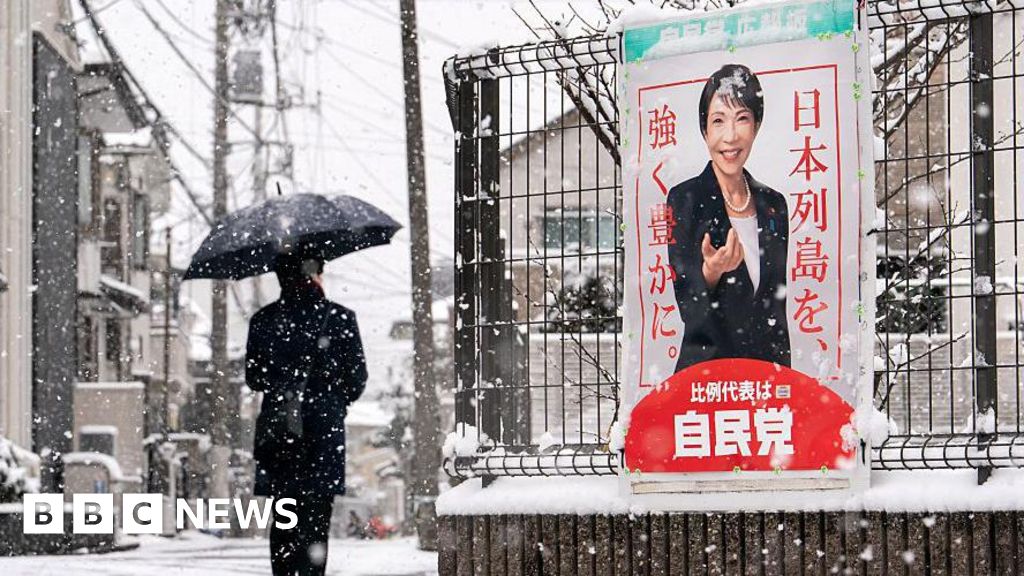
Japanese youth rally through snow to cast decisive vote in snap election

In a recent surge of political momentum, Japan’s latest polls indicate that a coalition led by Takaichi is poised to secure a decisive victory in the upcoming national elections. This development signals not only a significant shift within Japan’s domestic political landscape but also carries profound geopolitical implications that extend well beyond its shores. Analysts and international observers are closely monitoring this turn of events, recognizing that the outcome of this election could influence the balance of power across the Indo-Pacific region and reshape regional diplomacy.

The coalition’s lead is attributed to a combination of nationalistic rhetoric, economic strategy, and a stance towards regional security that emphasizes a strengthened military posture. Historically, Japan has balanced its pacifist constitution with a progressively assertive foreign policy, but this shift under Takaichi signifies a more explicit commitment to expanding military capabilities and reaffirming its role as a key regional security player. International organizations and historians suggest that such a trajectory might challenge the longstanding diplomatic practices of the region, especially when considering the tense relationship with China and North Korea. The victory, if confirmed, would likely embolden the coalition’s efforts to revise defense policies, potentially triggering a regional arms race and prompting neighboring nations to bolster their own military defenses.

Furthermore, this political momentum must be understood in the context of broader shifts within global geopolitics. The escalation of tensions in Taiwan, the persistent threat posed by North Korea’s missile tests, and increased assertiveness from Beijing have collectively contributed to a strategic recalibration. Experts from institutions like the International Institute for Strategic Studies have warned that a more militarily confident Japan could alter the delicate balance of power in Asia, complicating diplomatic efforts aimed at stability and security. As such, the possible shift in leadership and policy may serve as a catalyst for regional realignment, with alliances being tested and new fault lines emerging.

Historic voices remind us that the course of nations often hinges on these pivotal moments—moments that forge the future trajectory of peace, conflict, and diplomacy. If Takaichi’s coalition achieves the predicted mandate, the geopolitical landscape of the Indo-Pacific could be irrevocably reshaped. The international community now watches with bated breath, recognizing that we are at a juncture where decisions taken today echo through history, forging pathways that could either lead to stability or ignite the flames of a new regional confrontation. As history continues to be written in the corridors of power and the battlefields of diplomacy, one thing remains certain: the continent’s future hangs in the balance, and the weight of what comes next will be carried by nations and societies for generations to come.

House prepares to vote on shutdown-ending deal as Democrats face division — US politics update | 2025 government showdown

As the United States grapples with its historic government shutdown, global signposts indicate that the geopolitical landscape is entering a new and unpredictable chapter. The recent developments within the US Congress—notably the relentless 50+ days of government paralysis followed by a tentative short-term funding deal—highlight the profound partisan divisions and influence of political factions. Such internal strife, as analysts suggest, does not occur in a vacuum but reverberates around the world, affecting strategic alliances, economic stability, and regional security.

The Joe Biden administration’s handling of the shutdown, coupled with the fiery debates over healthcare subsidies, underscore a broader trend of internal dissonance that echoes across democracies committed to reforms. Meanwhile, the European Union and NATO members watch intently, recognizing that chaos within America’s core institutions compromises collective security. As political commentator and international strategic think tanks warn, the present chaos could weaken the world’s most powerful democracy’s capacity to project power, defend its allies, and uphold a rules-based order.

Meanwhile, abroad, Israel faces its own diplomatic turmoil as President Isaac Herzog receives a letter from Donald Trump urging him to pardon the controversial Benjamin Netanyahu. The plea, based on a perception that legal proceedings against Netanyahu are politically motivated, exemplifies how domestic political battles in one nation can influence geopolitically sensitive decisions. The ongoing trials of Netanyahu, accused in corruption cases, demonstrate how internal legal processes can impact international alliances, especially with a staunch U.S. ally historically central to the Middle East’s stability. Historians argue that such interventions, whether perceived as support or interference, often shape diplomatic landscapes for decades.

Further afield, unprecedented reports allege that Venezuelans deported by the Trump administration to El Salvador endured systematic torture, including sexual assault, and inhumane detention conditions. This revelation shines a stark light on the unresolved dark chapters of U.S. immigration policy, linking human rights abuses to the broader narrative of American influence in Central America. Such actions, condemned by human rights organizations like HRW, threaten to tarnish the global image of the U.S., as critics warn that the patterns of brutality and disregard for international law undermine the moral authority used to justify its foreign policy agenda.

Analyzing these interconnected crises, international relations experts argue that the ripple effects of internal American disputes—from congressional gridlock to diplomatic negotiations—shape the destiny of nations and influence the societal stability of democracies worldwide. As international institutions and watchdogs sound warnings about the erosion of legal norms and human rights, history presses on, reminding us that these moments are not isolated but part of an ongoing, tumultuous saga that tests the very fabric of civilisation. On the horizon, as political leaders, military strategists, and citizens grapple with these unfolding events, one truth remains clear: the choices made today will echo across generations, and the weight of history continues to press down as the future’s blueprint is inscribed with both hope and peril.

US Senate Moves Toward Vote to End Historic 2025 Federal Shutdown

US Political Deadlock Threatens Broader Stability and Global Markets

The United States finds itself at a critical juncture as the 40-day federal shutdown continues to demonstrate the deepening partisan divide within its borders. The US Senate is now on the brink of an historic vote aimed at reopening the government, but the negotiations reveal far more than mere government funding. Underneath the surface, this impasse underscores a broader struggle over the nation’s policy direction, especially concerning healthcare and fiscal responsibility. The looming possibility of a temporary stopgap measure, combined with politically contentious negotiations over the Affordable Care Act subsidies, highlights how internal U.S. politics are increasingly driven by intra-party brinkmanship, with real-world consequences for millions of Americans.

Key players like Senate Democrats and House Republicans are engaged in a high-stakes chess match, with each side wielding leverage over the other. Democrats demand the extension of healthcare subsidies, framing the issue as a matter of protecting vulnerable populations—a stance endorsed by many analysts and human rights organizations who warn of a looming healthcare crisis. Conversely, Republicans like Mike Johnson, the House speaker, refuse to extend these subsidies without concessions, often citing concerns over government spending and the avoidance of what they term “costly entitlements.” The dispute has turned the legislative process into a battleground, threatening not only domestic stability but also challenging vertical and horizontal trust in U.S. democratic institutions. As historians warn, prolonged political crises such as these can erode the nation’s political capital, with skies darker than ever over Washington’s ability to govern effectively.

The repercussions, however, extend well beyond America’s borders. A key geopolitical impact involves the destabilization of global markets, especially as international investors grow wary of a nation beset by internal chaos. The US plays an outsized role as a global economic leader; disruptions here ripple through currencies, stock markets, and foreign alliances. Numerous analysts suggest that the prolonged shutdown could threaten the stability of allied economies, particularly those closely linked through trade and security agreements. The ongoing chaos also complicates diplomatic negotiations with China, Russia, and other major powers—each watching to exploit any perceived weakness. The World Bank and IMF have issued cautious statements, warning that internal US conflicts risk undermining global economic resilience, particularly in fragile emerging markets.

Despite the political theatrics, the real at-risk group is the average American citizen. Reports indicate that federal workers and families relying on social programs like SNAP are suffering mounting hardships, with food insecurity spreading. The crescendo of this crisis may well mark a turning point in US social policy: many experts warn that if the current trajectory persists, a more divided and socio-economically fractured society will emerge. International voices—notably from OECD member nations—point out that internal US instability feeds into a global narrative of declining American influence. As history looms large, the question persists: will bipartisan leaders be able to craft solutions to heal their fractured nation or will enduring conflict cast a dark shadow over the unfolding pages of history?

In the final analysis, the US political crisis encapsulates an era of uncertainty, one in which decisions made within Capitol Hill ripple outward with profound implications. As negotiations hang in the balance, the world watches, waiting for the moment when American democracy will either pull back from the brink or succumb to the chaos of internal strife. The story of this shutdown is not merely a domestic tale but a powerful reminder of how fragile the fabric of international stability remains when the world’s beacon of democracy falters—an uncertain future now, etched into the annals of history.

Senate to vote on stopping illegal war against Venezuela — US politics update

As the world watches in increasing concern, the geopolitical landscape in the Western Hemisphere is rapidly transforming into a theater of heightened conflict and strategic maneuvering. At the forefront is the United States, embroiled in a complex web of military posturing, congressional power struggles, and economic warfare, all with profound implications for regional stability and global diplomacy.

Recent developments reveal a concerted effort by the Trump administration to leverage military force, particularly in Venezuela. Reports indicate that discussions within the US government are gravitating toward authorizing land strikes—a move that would sharply escalate the ongoing covert and overt conflicts in the region. The Senate is now poised to vote on bipartisan legislation aimed at barring President Trump from initiating unauthorized military actions against Venezuela, a clear sign of growing congressional concern over unchecked executive power. Such legislation from Senators like Tim Kaine and Adam Schiff, along with Rand Paul’s support, underscores the deep bipartisan unease about the administration’s push for military intervention. Meanwhile, reports of aggressive US military deployments—including an aircraft carrier heading to South American waters and deadly strikes on alleged drug vessels—point to a hardening US posture that many analysts see as a replay of past interventions like Panama in 1989. The echoes of Operation Just Cause are unmistakable as the US seems determined to destabilize the Maduro regime, a move critics argue is driven more by strategic interests than genuine concern for regional sovereignty.

This militarization coincides with an aggressive economic stance. The US Supreme Court recently questioned the legality of Donald Trump’s tariffs imposed under the International Emergency Economic Powers Act (IEEPA). Even the high court’s conservative supermajority appeared skeptical about the president’s authority to levy duties not explicitly authorized by Congress, raising questions about the legality of economic sanctions that have far-reaching effects. Analysts warn that, regardless of the court’s ultimate ruling, these unilateral measures weaken international economic stability and further erode the balance of powers between branches of government. Simultaneously, the ongoing government shutdown threatens to disrupt vital infrastructure, with potential cuts to flights and public services that directly impact both domestic and international mobility, economic stability, and regional security.

On the diplomatic front, Trump’s engagement with China took a notable turn as he reportedly appealed to Xi Jinping to intervene in the case of jailed Hong Kong media tycoon Jimmy Lai. This move signals a broader strategy to simultaneously project US influence and influence global perceptions of China’s internal governance. Meanwhile, the internal chaos within the US government—marked by protests from furloughed workers and legal challenges over detention conditions—exposes a nation divided against itself, with its institutions strained by persistent partisan battles. Historians and international bodies warn that such internal disarray complicates the US’s ability to project power and uphold international commitments, risking a decline in global influence and credibility.

As the chaos unfolds, so too does history a new chapter—one where America’s future remains uncertain, its choices echoing through the corridors of power and the streets of Venezuela, Panama, and beyond. The decisions made today are not just about policy—they are the shaping of a new geopolitical reality, whose true impact will be measured by the stones we cast into the waters of history. In this unfolding drama, the specter of conflict and the struggle for influence loom large, with each gamble drawing the world closer to a precipice. The weight of history presses heavily upon the present—what legacy will today’s leaders leave in the sands of tomorrow?

US Elections 2025 Kickoff: Youth Vote at the Forefront as Americans Head to the Polls in Key States

International Eyes on United States as Crucial Elections Reshape Global Power Dynamics

Across the world, political analysts and international observers are keenly tracking the U.S. elections taking place on November 4, 2025. These elections are more than national affairs; they are a testament to the internal strife and shifting allegiances within America, a country whose decisions reverberate through every continent. Close attention is paid to how the results could influence geopolitical stability, alliances, and global economic trends. Leading voices in international diplomacy warn that the outcome may redefine America’s role on the world stage, especially amid mounting tensions with rival superpowers and fragile regional hotspots.

Renowned historians and policy analysts, such as Dr. Amanda Liu of the International Security Council, emphasize that this election could mark a decisive turn toward either renewed American interventionism or a retreat into isolationism—choices that will inevitably shape international relations. As the U.S. grapples with high-stakes local elections in New York City, New Jersey, Virginia, and California, the implications extend far beyond domestic borders. Reports suggest that global powers are already calibrating their diplomatic strategies based on potential shifts in American foreign policy, particularly when it comes to trade, military commitments, and climate change agreements.

  • In California, voters could reshuffle congressional maps, effectively tilting the balance of power, to counteract gerrymandered districts that favor Republicans.
  • The volcanic political contest in New York City sees a democratic socialist, Zohran Mamdani, poised for victory over the ex-governor Andrew Cuomo, a development that could propel left-wing policies onto a broad urban platform with repercussions for national policy debates.
  • High-stakes gubernatorial elections in Virginia and New Jersey are perceived as a barometer for voters’ confidence in President Biden, potentially influencing the trajectory of the current administration’s foreign initiatives.

International organizations, including the United Nations, have issued cautious statements, urging the U.S. to uphold democratic norms regardless of the outcome. Yet, many seasoned analysts warn that the political instability and increased polarization threaten the very fabric of American diplomacy. The geopolitical landscape could face turbulence, especially if the electoral results catalyze an era of heightened partisan contention—an example, critics argue, of how internal divisions undermine America’s credibility and strategic partnerships worldwide.

This unfolding chapter is not lost on Russia, China, and other global rivals who tirelessly monitor American politics for signs of weakness or resurgence. Their diplomats and intelligence agencies interpret every vote as a potential shift in the balance of global power, preparing for recalibrations of their own foreign policies in anticipation of the coming administration. As Russian foreign policy analysts note, “The stability of the U.S. political system remains a cornerstone of world order; any cracks could be exploited by adversaries.”

As history continues to unfold, the outcome of these elections may set in motion a cascade of events—some predictable, others unforeseen. While the world watches with bated breath, the very fabric of global diplomacy awaits a new chapter—where decision-makers in capitals from Brussels to Beijing grapple with the echoes of a nation at a crossroads. Will the tide turn toward renewed American assertiveness or a cautious withdrawal? Only time will tell, but the burden of history presses ever heavier with each ballot cast in the shadow of the future of world order.

Caerphilly Byelection: Labour, Plaid, and Reform UK clash as key Welsh vote hits the finish line

Caerphilly Byelection Sparks Critical Shifts in Welsh and UK Politics

The Caerphilly byelection, recently concluded with a voter turnout exceeding 50.43%, has captured the world’s attention as a potentially defining moment in Welsh politics. Historically, voter engagement in such devolved elections has been modest, with prior turnouts seldom crossing the 50% threshold, making this election a significant anomaly. Experts note that this heralds an era where direct democratic participation in Wales might be on the rise, thereby intensifying the stakes for political factions vying for influence.

At its core, the outcome of this byelection is seen as a barometer for the larger geopolitical impact on UK politics. The possible loss of the Caerphilly seat by Labour, the longstanding dominant force in Welsh governance since 1999, would not merely be a local concern. It signifies a broader disenchantment with the party’s performance both at Westminster and Cardiff, which has opened space for insurgent parties like Reform UK and Plaid Cymru to challenge the status quo. As analysts warn, if Reform manages to replicate its recent gains, it could destabilize the traditional political landscape, pushing the UK closer to a new, more fractured political era.

Fierce Campaigns Echo Broader Ideological Battles

The election, called due to the death of Hefin Wyn David, underscores the mounting ideological struggle within Wales—between those advocating for continued devolution and independence, and reformers promising constitutional overhaul. Nigel Farage and his Reform UK team invested heavily, pledging to “throw everything” into the contest, notably capitalizing on voter dissatisfaction with established parties. Meanwhile, Plaid Cymru seeks to solidify its claim as the primary nationalist voice, emphasizing their focus on a future independent Wales and presenting themselves as the alternative to what they depict as Labour’s waning influence.

Additionally, the battle witnessed energetic grassroots activism, with Lindsay Whittle of Plaid describing the campaign as “really energetic,” further indicating that the fight over Welsh sovereignty and societal direction is far from settled. Several internationals, including political historians, see this contest as a potential bellwether for the upcoming full Senedd elections, where the real redefinition of Welsh autonomy could crystallize. This contest, therefore, is not merely a local election but a proxy for future societal shifts, impacting the British Isles’ political architecture.

Societal Underpinnings and Future Forecasts

Despite the fierce political rhetoric, some fear that polarization and societal division lie beneath the surface of these electoral battles. The reports of intimidation tactics—such as attacks on Reform UK candidates’ properties—and controversies over campaign rhetoric indicate a volatile atmosphere. Yet, this tumult reflects a deeper undercurrent: a society grappling with change, identity, and the future of its governance. As Sharon Walker, an international political analyst, suggests, the political shift in Caerphilly could serve as a touchstone influencing debates across the UK on national identity, sovereignty, and social cohesion.

The story of this election remains unwritten as vote counting continues and the nation watches with bated breath. If the results favor Plaid Cymru or Reform UK, the landscape of Welsh and UK policy-making may be forever altered, ushering in an unprecedented chapter where allegiance and ideology are re-scribed anew. In this unfolding saga, history is not merely being watched—it’s actively being made, and the world must brace for the seismic implications that are yet to come.

Social Media Auto Publish Powered By : XYZScripts.com