Matox News

Truth Over Trends, always!

Virginia voters approve new congressional maps, signaling a shift away from Trump influences

Redistricting Battles Shift the Geopolitical Landscape in the United States

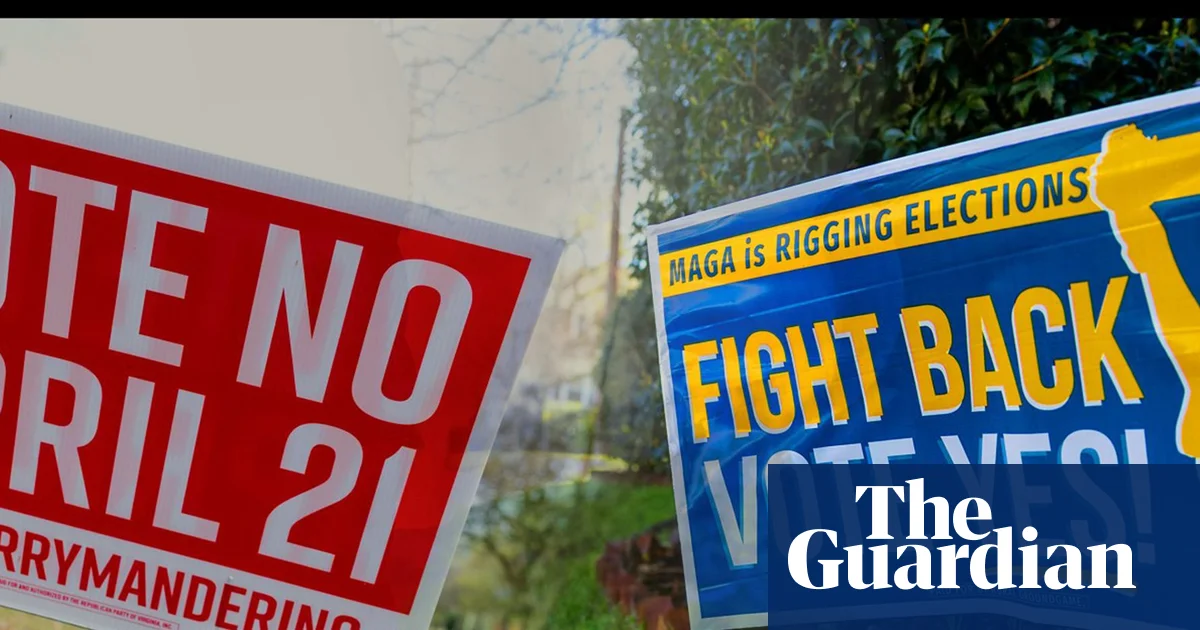
The recent redistricting decisions across key battleground states in the United States underscore the ongoing *battle* over control of Congress, with profound geopolitical implications. In Virginia, voters approved new congressional maps aimed at boosting Democratic prospects in the upcoming midterm elections. This development forms part of a broader strategic chess match, where each side attempts to influence the balance of power in Washington through manipulated district boundaries. Such efforts are not merely local political maneuvers—they resonate globally, showcasing how **domestic electoral processes** can ripple outward, affecting international perceptions of stability and governance.

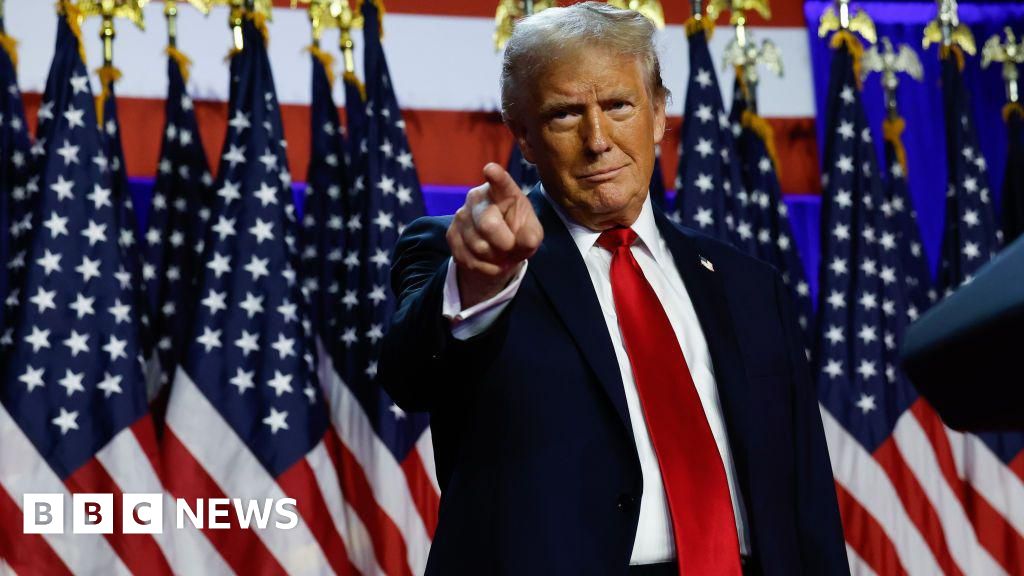
Initiated by the aftermath of former President Donald Trump’s attempts to leverage *redistricting tactics* to preserve control over Congress, the map changes reflect a broader geopolitical narrative of partisan rivalry and institutional influence. After Trump’s proxy efforts in Texas to redraw lines and oust Democratic lawmakers, California and Virginia followed suit with their own measures, setting the stage for a heated contest over *who controls the narrative and, ultimately, policymaking*. Analysts and historians, like Dr. Emily Carter from the International Policy Institute, emphasize that these map redraws serve as *turning points*—where domestic political battles could influence broader international stability if unchecked.

The **U.S.** is witnessing a strategic battle that extends beyond borders, with international organizations warning of *potential destabilization* should partisan redistricting become unchecked. The success of Virginia’s referendum—supporting *nonpartisan redistricting*—might embolden other states to resist partisan manipulation. Notably, this victory has garnered reactions from influential figures, including Barack Obama, who celebrated the outcome and its implications for fair electoral processes. Meanwhile, Republican leaders such as Ron DeSantis are positioning themselves to capitalize on the momentum, with plans to redraw Florida’s districts in the upcoming special legislative session. *This potential shift could reshuffle the political deck and influence U.S. foreign policy*, especially as the country faces mounting international challenges.

Moreover, the direct *geopolitical impact* of redistricting is evident in the escalating rhetoric from both sides. House Democratic leader Hakeem Jeffries issued stern warnings to Republican efforts in Florida, emphasizing that corruption of the electoral process would only create \“more prime-pick up opportunities for Democrats\”. Such statements illustrate the high stakes involved—*a battle over ideological dominance that could determine America’s role on the world stage*. With Missouri, North Carolina, and Utah also engaging in redistricting, the political landscape remains dynamic, while international observers watch keenly, aware that **internal american politics** often set the tone for global alignments in a turbulent geopolitical epoch.

As history prepares to write its next chapter, the recent wave of redistricting decisions exemplifies how the resilience of democratic processes is often tested amid fierce ideological rivalries. The outcome of these battles may well foretell the future shape of America’s domestic and international policy landscape. In a world where the *fate of nations hinges on a line on a map*, the unfolding redistricting saga stands as a stark reminder: history remains an ongoing story, and its next pages are yet to be written, shaped by choices made today.

Italian PM slams Trump for ‘unacceptable’ Pope criticism—young voters watch closely

The intricate web of international relations remains under intense scrutiny as recent developments highlight the ongoing rift between key global powers and longstanding alliances. Italy’s Prime Minister and the United States President continue to maintain a strategic partnership rooted in shared geopolitical interests, yet recent diplomatic tensions threaten to reshape the delicate balance of influence in Europe and beyond. Central to this emerging conflict is the unresolved dispute with Pope Leo XIV, whose authority and moral standing are now being challenged by the US leadership’s refusal to issue an apology.

The controversy centers around an episode in which President Trump, representing the United States, declined to issue an apology to the pope, whom he described in unflattering terms as “very weak.” This defiance has enraged elements within the Vatican, and analysts warn that such a stance risks inflaming longstanding tensions between secular state interests and the religious authority of the Holy See. Historically, the Vatican’s diplomatic influence has transcended formal politics, shaping moral and ethical debates within international forums. Trump’s refusal signals a broader shift toward unapologetic nationalism and a reluctance to defer to institutional moral authority on global stages, a move that some observers warn could undermine diplomatic norms established in the post-World War II era.

Meanwhile, Italy’s Prime Minister has found himself caught in the crossfire, bridging the interests of a committed Western alliance and the political realities of maintaining good diplomatic ties with the Vatican. Italian officials, known for their historically close ties to Catholic institutions, have expressed disappointment over Trump’s attitude, emphasizing the importance of maintaining respect for religious sovereignty. Political analysts suggest that this episode underscores the shifting landscape of international diplomacy, where alliances are tested by cultural and moral clashes as much as by strategic interests. The European Union and **NATO** members watch anxiously as the US’s stance toward religious institutions and diplomatic protocol begins to reshape alliance dynamics.

The global geopolitical impact of this controversy extends beyond just Italy and the Vatican. The refusal to apologize signals a potential realignment in diplomatic posture—marked by a willingness among Western powers to prioritize national interests over longstanding diplomatic courtesies. This shift could embolden other nations to challenge traditional norms, risking greater instability in international relations. Historians caution that this episode may be remembered as a turning point—an era where the foundations of diplomatic diplomacy, based on mutual respect and tradition, are fundamentally challenged. It poses serious questions about how global institutions such as the UN or the World Court will respond to the erosion of diplomatic decorum that has historically served as the bedrock of international peace and cooperation.

As history continues to unfold, a stark reality remains—the decisions made in these tense moments will resonate for generations. The weight of that history is not merely measured in diplomatic cables or official statements but in the lives of ordinary citizens whose futures hang in the balance of shifting alliances and unyielding national pride. The world watches with bated breath as the pages of a new chapter are written, where old alliances are tested, and new divides are etched into the geopolitical landscape. Whether history will see these events as a catalyst for inevitable fragmentation or a prompt for renewed dialogue remains uncertain—but one thing is clear: in the great narrative of global power, this is a crucial turning point.”

Muslim Voters Shift from Labour to the Greens: A Sign of Changing Society

Rising Social Tensions and Demographic Shifts Reshape Communities, Families, and Education in Britain

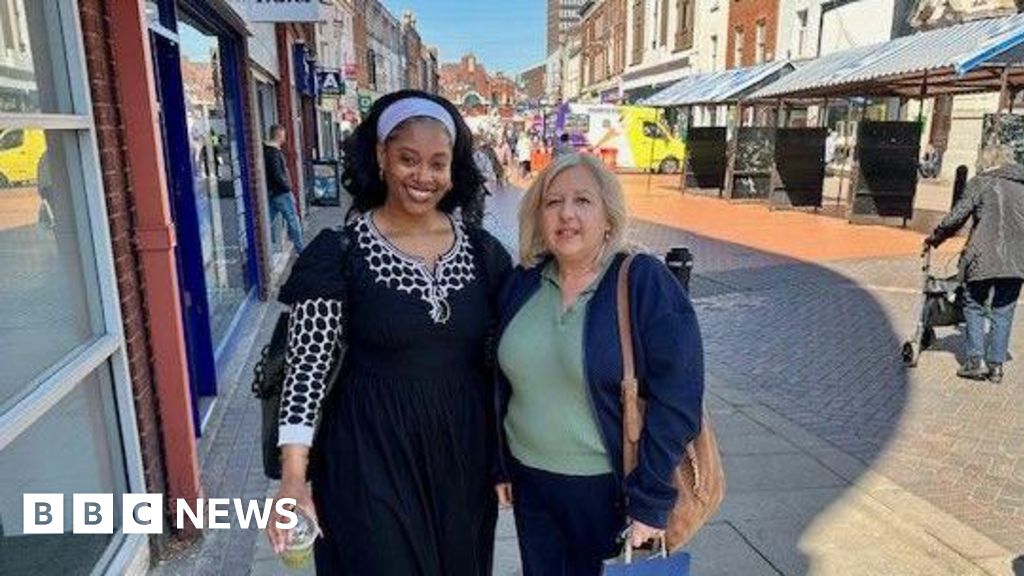
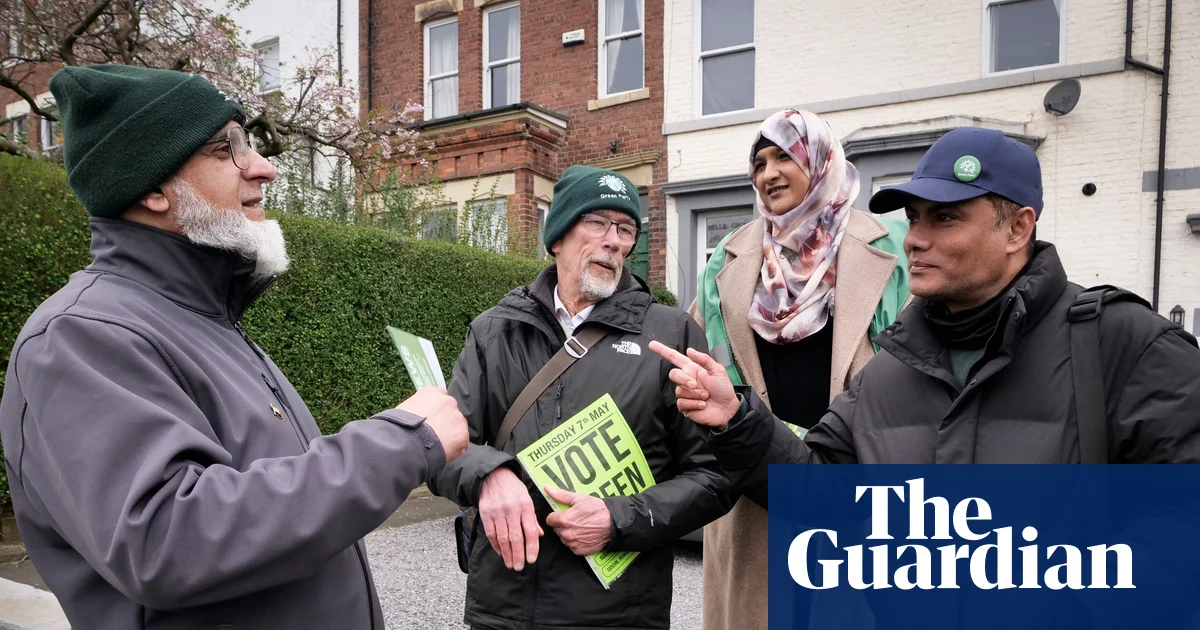
The demographic landscape of Britain is undergoing profound transformation, with Muslim communities increasingly asserting political influence while traditional working-class neighborhoods experience a sense of disconnection and abandonment. Sociologists warn that these social shifts are not merely external phenomena but deeply affect the fabric of families, education, and community cohesion. As communities become more diverse, issues surrounding identity, support, and political representation are at the forefront of societal change. The voices of individuals like Mohammed Suleman and Khaled Musharraf exemplify how demographic evolution fosters new political alliances and social activism, often motivated by shared concerns such as rising racial tensions and climate change.

The rise of political activism among Muslim voters reveals a departure from long-standing party loyalties, with data indicating waning support for traditional parties like Labour. Muslim voters now question whether their needs and voices are truly recognized by mainstream institutions. Surveys from Labour Muslim Network highlight this growing discontent: disapproval of Labour’s effectiveness in representing Muslim interests jumped from 46.8% in 2020 to 63% in 2022. This shift, accentuated by episodes of racial violence and heightened fears of discrimination and marginalization, has shifted many Muslims toward parties that they see as more aligned with their interests, including the Green Party. Supporters such as Musharraf argue that issues like climate justice resonate deeply with Muslim communities, especially those impacted directly by environmental crises back home.

This evolving political landscape reflects broader social tensions and cultural shifts that ripple into family units and local communities. The effects on families are multifaceted: increased feelings of alienation among younger generations, a rise in activism, and an urgent demand for representation and respect. In places like Walker, where tradition once maintained social cohesion through faith and industry, residents express a sense of loss and disconnection, often hanging British flags alongside signs of economic deprivation. Campaigns led by figures like Matt Williams and grassroots movements reveal a community desperate for true change and social recognition. The challenges here are compounded by a lack of opportunities and the erosion of social supports, which historically kept these communities united.

Despite the narrative of division, many activists believe there remains hope for societal transformation, rooted in community-led initiatives and moral resistance. Figures like Begum challenge stereotypes, advocating for respect grounded in faith and shared human dignity. Her defense against accusations of oppressive customs illustrates the importance of understanding and challenging prejudice at its root, emphasizing the moral necessity of supporting families against social marginalization. As social commentators debate the future of multicultural Britain, the critical question remains: will these communities be recognized and empowered, or will they continue to drift apart, fractured by neglect and prejudice? In times of upheaval, societal resilience hinges on our collective capacity to listen, to bridge divides, and to restore the bonds that sustain families, education, and community life. Only through such unity can society hope to face its challenges—not with despair, but with a renewed conviction that change begins within each shared home and school, shaping a future rooted in justice and compassion.

London voters might regret backing Reform or Greens in local polls, warns Sadiq Khan | 2026 Elections

Shifting Political Sands and Social Tensions in London

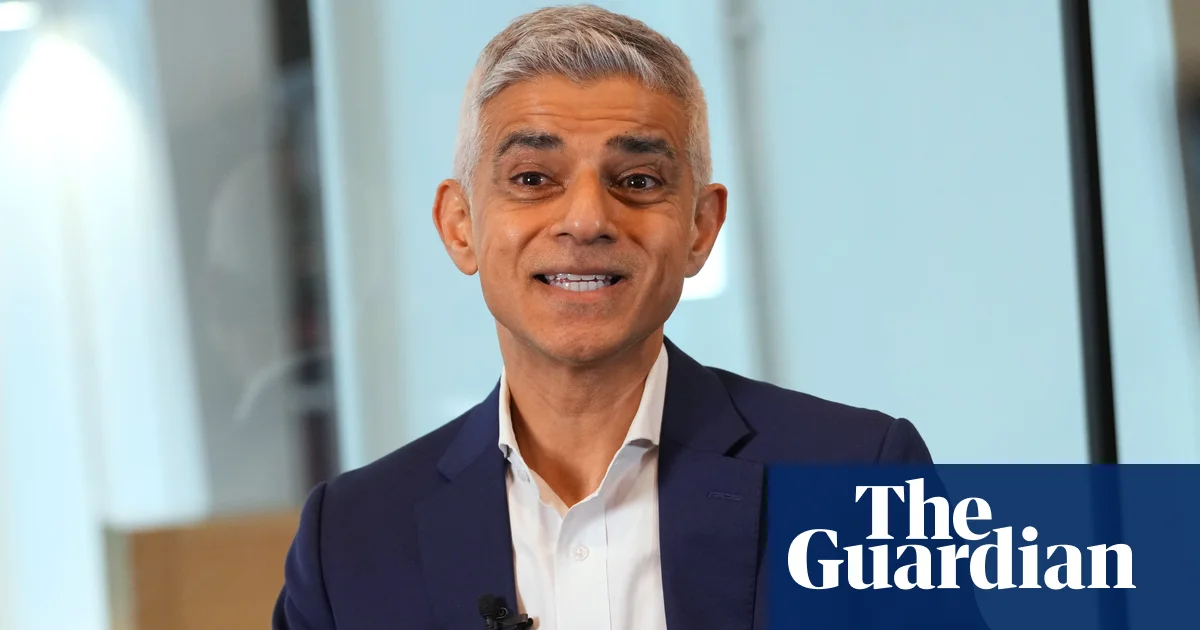
As London approaches its local elections on 7 May, a noticeable demographic and ideological shift is sweeping through the city’s working-class and middle-class communities alike. Mayor Sadiq Khan has publicly acknowledged the growing disenchantment among some former Labour supporters who are now considering alternative parties such as the Greens or Reform. This evolving landscape signals a deeper societal question: how do families and communities reconcile their desire for effective local governance with changing political allegiances rooted in frustration or disillusionment? Historically, sociologists like Richard Sennett have emphasized how social cohesion is often tested in times of political upheaval, exposing cracks in the traditional bonds that hold communities together.

The cultural shifts are further exemplified by the shifting allegiances within the city’s inner boroughs, where longstanding Labour councillors face the possibility of defeat. Khan’s tone hints at a concern that a move toward protest or protest-led councils may undermine tangible progress, questioning whether more upheaval will truly benefit those in localities most in need. Critics argue that this political volatility stems from a broader societal discontent with bureaucratic inertia—a phenomenon sociologists describe as the “politics of frustration,” where voters seek change but remain unconvinced by the alternatives, risking a cycle of instability that impacts families’ access to services, education, and essential support systems.

The societal upheaval extends beyond electoral politics into international relations and broader geopolitical nightmares. Khan has criticized US military interventions and the ongoing conflicts involving Iran and Israel, emphasizing the moral and human consequences. He pointedly questions the justification for war, highlighting the fragile morality underpinning many of these international decisions. Such stance underscores a societal tension: how does a government balance global activism with the pressing needs of its own communities? It is a dilemma that impacts families torn between economic survival and ethical commitments, raising questions about how our society navigates the moral complexities in a hyperconnected world.

Moving forward, the societal challenge remains: how do communities foster resilience amidst upheavals—be they political, cultural, or international? Sociologists like Arlie Hochschild have argued that cultural tensions rooted in identity often mirror economic and social disparities, creating fertile ground for divisiveness. Yet, amid these challenges, hope persists. Societal transformation depends on building bridges across divides, fostering dialogue that recognizes shared values, and empowering young people to shape a future rooted in justice, stability, and renewed community bonds. As citizens face the uncertainties ahead, society’s greatest strength may lie in its capacity for resilience and renewal—turning the tide against discord towards a horizon where collective growth paves the way for a society that truly reflects its diverse aspirations and moral commitments.

French Voters Divide as Right Seeks Control of Paris

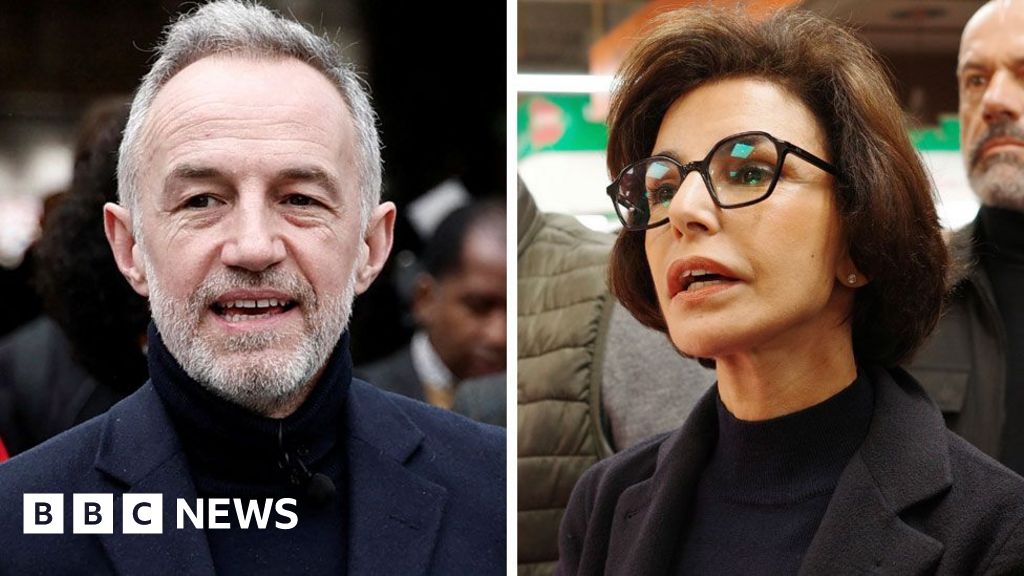
The geopolitical landscape is once again on the cusp of transformation as national elections approach and polling data underscores the changing tides of political influence across multiple regions. In a recent survey, electoral forecasts have revealed that all leading candidates, except for Mariani, are garnering more than 10% of the vote, a crucial threshold to qualify for the runoff elections. This divergence signals a potential realignment of political forces and highlights the strategic importance of alliances. In such a landscape, candidates with less than 10% support, like Mariani, face a critical decision point: if he surpasses a modest 5% threshold, he could become a kingmaker by forming alliances—an influential move capable of shaping the nation’s political future.

This political scenario embodies a broader international impact that stretches beyond national borders. Analysts warn that the outcome of this election could ripple through regional alliances, trade deals, and even security frameworks. As international organizations monitor these developments, experts caution that the decisions made by these political contenders will influence macro-level geopolitics, affecting everything from diplomatic relations to economic stability. The strategic plays underway are not merely domestic—they are intertwined with the global competition for influence, especially in a world where power balances are shifting rapidly amidst ongoing conflicts and economic uncertainties.

Historian and geopolitical analyst Dr. Elena Korsakov emphasizes that history demonstrates the significance of coalition formations in shaping a nation’s destiny. “In many instances, the smaller, seemingly insignificant candidates can turn out to be pivotal players,” she explains, highlighting how political maneuvering often determines the direction of entire regions. The potential for a candidate like Mariani—initially seen as a fringe figure—to leverage just over 5% of support into strategic alliances exemplifies this principle. Such decisions could alter the trajectory of national policy—shifting priorities on international collaboration, military partnerships, or economic policies—impacting populations and societies well beyond the electoral contest itself.

The global community remains vigilant. International bodies, diplomatic entities, and strategic think tanks analyze each development for signs of larger shifts that could influence global stability. As history has shown, the outcome of these elections could serve as a turning point—either reinforcing existing alliances or catalyzing new power blocs. With every ballot cast and every alliance forged or broken, the threads of history are being woven into a complex and uncertain tapestry. The world watches with bated breath, pondering: how will these internal political currents ultimately reshape the geopolitical map — and what new conflicts or opportunities will emerge from the ashes of old paradigms?

Milei's bold 'chainsaw' approach scores major victory among youth voters
Milei’s bold ‘chainsaw’ approach scores major victory among youth voters

In what could be one of the most significant electoral shifts in South America this decade, Argentina has once again placed itself at a pivotal crossroads. The recent midterm elections saw a resounding victory for President Javier Milei and his party, La Libertad Avanza. By securing nearly 41% of the vote and dominating both chambers of Congress, Milei’s movement signifies a dramatic rejection of the traditional Peronist, welfare-centered economic model that has long defined the nation’s political landscape. His radical approach, characterized by *swift austerity measures*, has resonated with voters desperate for change amid spiraling inflation, crumbling public services, and rising unemployment. Yet, this swing toward radical market reforms not only alters domestic policy but also sends ripples across the geopolitical fabric of the continent and beyond.

Some analysts argue that Milei’s electoral surge signals a broader ideological shift within Latin America. As historians and international economists highlight, the continent has long grappled with the consequences of expansive government spending, debt reliance, and inflationary policies. Milei’s “chainsaw” tactics—his vow to drastically cut state spending—echo a global movement favoring free markets over government intervention, a stance now reinforced by his recent sweeping victory. The U.S. has openly expressed support, with former President Donald Trump praising Milei and hinting that American financial aid—potentially up to $40 billion—is contingent upon Milei’s political momentum. Such foreign backing raises alarms about external influence, with critics warning it could distort Argentina’s sovereignty and escalate tensions within the region—particularly with governments wary of U.S. interference.

For Argentina, this electoral outcome is a sharp departure from its historical reliance on populist policies. Milei’s government now faces the daunting challenge of balancing its radical reforms with the very social stability it claims to restore. Voters and social advocates are voicing concern over job losses, diminished social services, and a looming recession—crises their predecessors’ policies failed to address. Despite the market optimism following the vote, fears persist about economic overreach and the fragility of this newfound political stance. As international organizations warn of potential debt payment crises and dwindling reserves, the nation’s future hangs in the balance. What is undeniable is that, **once more, Argentina stands as a symbol of the continent’s deepening ideological contest—between the old populist order and a bold, untested free-market revolution**.

With the winds of change sweeping through the Andes, the unfolding story of Argentina represents much more than a national election outcome—it echoes across borders. The decisions taken today by Milei and his supporters will memorialize a chapter in history that shapes the region’s economic destiny, threatening to sway nations caught between tradition and transformation. As powerful forces converge, the question remains: will the electorate feel the promised benefits of these reforms, or will the price of upheaval prove too great? The pages of history continue to turn, leaving the world watching, as an unfolding narrative of resistance, resilience, and revolution continues to be written—one political upheaval at a time.

Young voters deliver big win as Catherine Connolly secures Ireland presidency

Ireland’s Political Landscape Shifts as Independent Candidate Catherine Connolly Wins Landslide Presidential Victory

In a landmark election that signifies a profound shift in Ireland’s political and social fabric, Catherine Connolly, an independent leftwing candidate and former barrister, has secured an outright majority in a landslide victory, winning over 63% of the first-preference votes. Her victory, declared at Dublin Castle amidst subdued voter turnout of 46%, encapsulates growing disenchantment with the traditional center-right parties—Fine Gael and Fianna Fáil—and underscores a population yearning for genuine change. Her campaign, bolstered by a rare united front of leftwing parties and resonant social media activism, challenges the long-standing status quo, urging Ireland to reassess its values and international stance. With her election, Ireland’s presidency enters a new era—one that, despite the largely ceremonial role, symbolizes a significant indicator of societal momentum towards progressive reform.

While the office of the president in Ireland remains largely symbolic, Connolly’s victory carries critical geopolitical implications. She promises to uphold Irish neutrality, distancing herself from what she labels as western “militarism,” and has openly criticized the involvement of the UK and US in contentious issues such as the Gaza conflict. Her stance aligns with a broader desire among many Irish citizens to forge an independent foreign policy—one less entangled with US-led military interventions and more focused on promoting peace and humanitarian values. International analysts and historians note that her assertion of sovereignty, combined with her vocal criticism of Western militarism, could influence Ireland’s diplomatic relationships, particularly with the United States and European Union members, fostering a more nuanced stance that prioritizes peace over military alliances.

The geopolitical impact extends beyond Ireland’s borders into regional stability, as Connolly’s positioning may inspire similar shifts among other smaller nations seeking to recalibrate their international engagements. Her advocacy for climate action and social justice resonates with a generation distrustful of entrenched politics and globalist agendas. As she embarks on her seven-year term, her potential to become a vocal moral voice on the international stage could reshape Ireland’s role within global institutions, emphasizing diplomacy and humanitarianism over alignment with hegemonic powers. Yet, some caution that her outspoken views, especially regarding the United States and European solidarity, could provoke friction, risking diplomatic isolation in an interconnected world already rife with tensions.

Driven by a wave of public frustration over the nation’s housing crisis and rising living costs, Connolly’s ascent is also a reflection of youth and urban discontent. Her campaign capitalized on social media platforms and cultural endorsements from artists such as Kneecap and the Mary Wallopers, capturing a narrative of hope and change that had previously been dismissed as marginal. Critics warn that her radical rhetoric and outspoken stance against established alliances might complicate Ireland’s diplomatic priorities, particularly in navigating its traditionally close relationship with the U.S. and European partners. Nevertheless, her victory signals a pivotal moment—where societal voices seeking justice, sovereignty, and peace take center stage, setting a course that history will continue to record and ponder. As the world watches Ireland’s evolving political story, it remains to be seen whether her presidency will mark the dawn of a new international chapter or become a cautionary tale of polarization’s toll on diplomacy. The pages of history, after all, are still being written, and Ireland’s next chapter is only beginning to unfold.

Understanding the Respect for Marriage Act’s key details for young voters

The recent unity demonstrated between Republican and Democratic lawmakers to safeguard same-sex marriage marks a significant shift in the American political landscape. Historically, these two parties have often stood on opposite ends of cultural and legislative debates, yet in this instance, shared concerns over the potential destabilization of marriage rights have catalyzed bipartisan cooperation. The image of legislators rallying to defend a core social institution highlights how power struggles in Congress are increasingly influenced by public sentiment and constitutional interpretations. This alliance emphasizes a recognition that values held by the people, especially around family and identity, remain deeply intertwined with political legitimacy.

At the heart of this debate lies the judicial activism of the Supreme Court, which has raised fears among advocates of traditional institutions and certain constitutional scholars who draw parallels to historical court overreach. Critics argue that the current federal judiciary may be veering away from the original intent of the Constitution, asserting that the Court’s role should be confined within a strict interpretative framework. Notably, constitutional theorists like Robert Bork and the originalists echo sentiments warning against unwarranted judicial expansion, emphasizing that marriage laws are culturally rooted and not merely legal constructs to be redefined at the Court’s whim. Consequently, the bipartisan effort to protect same-sex marriage acts as a bulwark against what some see as the Court’s encroachment into social fabric—the ultimate battle between judicial activism and popular sovereignty.

This power struggle has profound implications for the people’s sovereignty. When legislation is threatened by an overreaching judiciary, it reflects a deeper clash over who holds the ultimate authority: the elected representatives of the people or appointed judges interpreting law in a way that can upend societal norms. As seen in historical parallels such as the debates surrounding Brown v. Board or the Supreme Court’s decisions on civil rights, the outcome of such conflicts often shapes national destiny. Political leaders now face the challenge of balancing constitutional fidelity with the will of their constituents—each decision, each legislation, becoming a stroke on the canvas of history. The current bipartisan move to protect marriage rights echoes the age-old narrative: the struggle for control over defining societal values lies at the heart of political power.

In essence, politics remains the stage where destiny is written, a continuous interplay where power, ideology, and societal values collide and collide again. Today’s debate over marriage rights exemplifies how decisions in the corridors of power ripple outward, directly shaping individual lives and collective identities. Whether this unity persists or fractures under future political winds, the underlying truth endures: the battle for the nation’s soul is ongoing, and in that battle, history’s pen remains mightier than ever. Ultimately, politics is not merely a game of numbers or policy—it is the forge where the future itself is tempered, contesting the essence of what it means to be a society and a people destined for their own unfolding story.

Social Media Auto Publish Powered By : XYZScripts.com