Matox News

Truth Over Trends, always!

Booking.com reveals hackers stole user data—urgent wake-up call for digital security

Booking.com Data Breach Signals Broader Risks in the Digital Travel Ecosystem

The recent confirmation by Booking.com of a cybersecurity breach underscores the critical importance of robust security measures in the rapidly evolving travel technology sector. The global hospitality giant disclosed that hackers may have accessed personal data—including names, emails, physical addresses, phone numbers, and booking details—raising urgent questions about the safety of consumer information amid a broader landscape of digital disruption. This incident exemplifies how innovative threats are outpacing traditional defenses, forcing companies and regulators to rethink cybersecurity strategies within the context of a hyper-connected industry.

While Booking.com asserts that no financial information was compromised, the breach highlights an emerging pattern of exploiting stolen personal data for targeted phishing and stalking campaigns. As TechCrunch reports, hackers are leveraging these breaches to send sophisticated phishing messages, highlighting the delicate balance between digital convenience and security. The increasing sophistication of cyber threats is compelling industry leaders and analysts—such as Gartner and MIT—to emphasize that disruption in cybersecurity is inevitable, but the key is resilience and rapid adaptation. This incident vividly illustrates that tech innovation must be paired with equally innovative security measures to safeguard consumer trust in an age where data is the new currency.

Disruption in Hospitality Tech: From Spyware to Data Sovereignty Challenges

The breach also echoes a disturbing trend from 2024, where security firm TechCrunch uncovered instances of consumer-grade spyware infecting hotels’ computer systems, including a case involving a victim logged into their Booking.com administration portal. The infiltrations involved stalkerware capable of capturing screenshots and potentially siphoning sensitive data, revealing a disturbing shift towards covert monitoring tools in the hospitality technology ecosystem. Such breaches threaten to undermine the entire foundation of trust necessary for the industry’s digital transformation and threaten to disrupt the seamless experience that consumers now expect.

These developments are pushing the industry to accelerate innovation in cybersecurity infrastructure. Experts warn that without leveraging emerging technologies—such as AI-powered threat detection and blockchain-based data integrity—companies risk falling behind malicious actors who are deploying increasingly disruptive tactics. The company’s own data shows over 6.8 billion customers have trusted their platform since 2010, emphasizing that maintaining consumer confidence depends on proactive security innovation rather than reactive measures.

Future Outlook: Innovation and Urgency in Managing Industry Disruption

The implications of this recent breach extend beyond just Booking.com and serve as a clarion call for the full digital travel ecosystem. Industry analysts, including those from MIT and Peter Thiel’s venture capital firm, emphasize that disruption driven by cyber threats and technological innovation will define the coming decade. Companies that fail to implement cutting-edge security protocols risk not just financial loss but long-term erosion of brand trust. As innovation accelerates, so too does the imperative for regulatory frameworks to evolve—ensuring consumer data sovereignty and securing the digital backbone of global travel.

In the face of these challenges, the industry must prioritize blockchain solutions for data integrity, harness AI to predict and mitigate threats preemptively, and foster a culture of cybersecurity resilience woven into the fabric of each technological advance. The recent breaches highlight an urgent landscape: disruptors and defenders are engaged in a high-stakes battle for control over the digital infrastructure. As corporate pioneers and policymakers race to stay ahead, one thing remains certain—the future of travel tech hinges on innovation, security, and unwavering agility.

Tiger Woods Faces DUI Charges After Crash: A Wake-Up Call for Young Drivers

In an era where international attention often centers around high-profile legal incidents, the recent crash involving Tiger Woods on Beach Road in Jupiter Island underscores the far-reaching geopolitical impact of individual events that transcend national borders. While the incident itself involves an American sports icon, its ripple effects extend into the broader fabric of global perceptions surrounding law enforcement, accountability, and the complex intersection of fame and state authority. According to Sheriff Budensiek, Woods was involved in an incident following an alleged attempt to overtake a pressure cleaner truck at high speed, which led to a series of investigations and legal proceedings that resonate beyond local jurisdiction.

  • The sheriff disclosed that Woods exhibited signs of impairment, but tests at the scene indicated a “triple zero” breathalyser result, complicating the narrative and raising questions about investigative procedures.
  • Woods refused a urine test, invoking his legal rights, which has resulted in charges for refusal rather than impairment — a legal distinction that complicates accountability.
  • President Donald Trump publicly expressed sympathy, emphasizing the personal toll of the incident, illustrating how high-profile cases in the U.S. attract international cultural and political attention.

Analysts and international observers highlight that such incidents, especially involving revered figures like Woods, influence societal expectations of celebrity conduct and state authority. As historian Mark Levinson points out, “The manner in which authorities handle allegations against prominent individuals becomes a mirror reflecting national values and legal standards.” This case exemplifies the ongoing tension between individual rights and societal interests—particularly how authorities navigate investigations involving iconic personalities. Moreover, with investigations suggesting Woods was “cooperative but trying not to incriminate himself,” the case underscores the delicate balance law enforcement must maintain between due process and public sentiment.

In a broader context, this incident also exposes the potential risks of drug or alcohol impairment in an era of growing scrutiny and legal reform. The refusal to submit a urine test, while legally permissible, leaves a void in definitive evidence and may influence future policy adjustments concerning impaired driving. The incident’s narrative, amplified by media coverage, stimulates debate over the consistent application of justice, the role of personal privacy, and the influence of fame in legal outcomes. The accident’s implications ripple into international discussions on law enforcement standards, the influence of social stature on justice, and the societal values that prioritize celebrity over accountability.

As global institutions continue to analyze and respond to these rapid developments, the event remains a poignant example of how individual moments can shape history. The unfolding story of Woods’ legal predicament is a stark reminder that behind the veneer of fame lies a fragile veneer of societal justice—an ongoing narrative where personal conduct, legal integrity, and international perception collide. With Woods set to be released on bond and facing misdemeanors, the incident leaves the world pondering: how will this story, a microcosm of societal values and power, ultimately influence the international dialogue on justice, celebrity, and the rule of law?

At 56, I Lost My Hearing—A Wake-Up Call on Society’s Neglect of Aging and Deafness

In a rapidly changing society, social cohesion hinges on our collective ability to bridge communication gaps that threaten to fracture communities and divide families. The story of Deborah’s experience — a woman who, at age 56, found herself grappling with sudden, profound hearing loss — illustrates a pervasive yet overlooked crisis that transcends individual hardship. Her journey underscores a crucial societal issue: despite advancements in medical technology and understanding, the barriers that prevent equitable access to hearing care persist, often fueled by a healthcare system driven more by profit than compassion. When insurance companies deny coverage for critical procedures and devices, families face not only financial ruin but also devastating social isolation, which in turn weakens the fabric of our communities.

This crisis is not isolated. According to sociologists like Dr. Susan K. Gardner, the societal consequences of untreated hearing loss are staggering — from increased loneliness to diminished participation in educational and communal activities, disrupting the very foundations upon which families and communities are built. For Deborah, the denial of her surgery and hearing aids meant months of silence, profound loneliness, and a shrinking social circle. The inability to communicate effectively with loved ones or participate fully in society erodes not only individual well-being but also the interconnected trust that sustains communities. As many as 48 million Americans are impacted by hearing loss, and yet, systemic inequities continue to silence millions more, amplifying their struggles while society turns a deaf ear to their needs.

Adding to this social adversity are cultural shifts and demographic changes that demand a reevaluation of how we approach neurodiversity, language, and accessibility. The example of Martha’s Vineyard, where generations grew up learning and signing in MVSL, demonstrates that fully integrated deaf and hearing communities are achievable. Their success stems from early cultural integration and a shared language—traits that could serve as a blueprint for broader, national inclusion. Society’s failure to adopt similar strategies leaves many deaf individuals isolated and marginalized, often unaware that solutions are possible. Policymakers and social institutions must prioritize initiatives that promote early language education, expanded insurance coverage, and the integration of AI-powered technologies—ensuring that the social fabric is woven with threads of understanding rather than strands of silence.

Ultimately, the moral imperative of society lies in recognizing that deafness is an unsolved problem of communication—one that we choose each day not to resolve. Every missed opportunity for early intervention, every denied coverage, and every societal neglect to foster inclusivity compounds the challenge. But hope remains. Through legislation that mandates coverage for hearing health, investments in innovative AI solutions, and widespread efforts to teach sign language, society can turn the tide. In doing so, we do not merely restore the ability to hear; we restore voices, relationships, and the unity of our shared humanity. As Deborah’s story demonstrates, when we commit to bridging the deaf-hearing divide, we revive the promise that every individual, regardless of their physical limitations, can participate in the symphony of society—listening, speaking, and ultimately, belonging.

Survey: Young Brits hesitating to see GPs — a wake-up call for society

Public Distrust in Healthcare System Sparks Social and Community Concerns

Recent surveys across the United Kingdom reveal a profound erosion of trust in the NHS and its ability to serve the populace effectively. Nearly half of the population choose to delay or avoid contact with their family doctors when illness strikes, citing fears of inaccessible appointments. This widespread reluctance underscores a troubling shift in cultural perceptions of the healthcare system, with many believing that seeking medical help may yield little or no immediate benefit. Sociologists have long warned that such demographic and cultural changes threaten the fabric of community health, placing families at increased risk of untreated medical conditions that could have been mitigated with timely intervention.

The moral and human impacts of this crisis are significant. When individuals opt to manage ailments themselves or simply wait for symptoms to subside, it often results in deteriorated health, burdening families with unforeseen emotional and financial strains. The decline in public confidence is compounded by persistent perceptions of long waits and systemic inefficiency. According to health think tanks, approximately 27% of people try to self-manage their ailments, worrying that even if they seek help, the NHS might deny timely access due to overburdened services.

Furthermore, the crisis extends beyond primary care to emergency services. Data reveal that **one-third of Britons** have avoided going to A&E despite urgent needs, driven by expectations of excessive waiting times. Such delays not only compromise individual wellbeing but also burden the entire society, with patients potentially arriving in more critical states or suffering preventable complications. This erosion of trust threatens to fracture the social morale that underpins community resilience, especially as families witness loved ones suffer in silence. Historians like Peter M. Ward have observed that persistent neglect and systemic failure can create societal cynicism, making collective action on health policies increasingly difficult.

The government’s recent initiatives, such as the introduction of a new GP contract aimed at providing same-day urgent care, are intended to reverse these trends. However, public skepticism remains high. Critics warn that policymakers might be overestimating their capacity to meet the urgent needs of the populace, risking further widening the gap between expectations and reality. Meanwhile, health professionals express concerns that these reforms could impose even greater pressures on already overstretched general practitioners, threatening the long-term viability of family medicine as a pillar of community health.

In contemplating the societal repercussions of this crisis, it becomes clear that families, schools, and communities are interconnected in a web of hesitations, fears, and systemic shortcomings. When trust in healthcare wanes, the ramifications ripple outward, affecting everything from educational outcomes as children grapple with untreated illnesses, to the economic stability of families burdened by preventable health emergencies. Yet, amid this bleak landscape, there lies a potent hope: as social commentators and community leaders advocate for renewed investment and reform, society’s resilience and capacity to heal itself remain steadfast. Society stands at a crossroads—its future dependent on whether it can transform systemic failures into a renewed collective trust and a healthier, more hopeful tomorrow.

Andrew’s Arrest Exposes US Silence on Epstein Files — A Wake-Up Call for Britain

Global Power Shaken as Epstein Scandal Exposes Deep-Seated International Elite

The recent release of the epstein files has ignited a firestorm across nations, revealing a shocking tapestry of corruption, abuse, and elite complicity that spans continents. While countries like Britain and Australia grapple with scandals involving high-profile figures and international alliances, the United States remains notably aloof. Officials and analysts alike are left questioning the true scope of accountability and the efficacy of justice—or the stark absence of it.

Contrasting sharply with the relentless pursuit of justice in Britain—where figures such as former Prime Minister Tony Blair’s associate Peter Mandelson have come under police investigation—the U.S. appears paralyzed by political caution or active cover-ups. In the aftermath of the Epstein revelations, only Ghislaine Maxwell has faced formal justice, sentenced to 20 years for trafficking minors. Meanwhile, numerous high-profile Americans, including Bill Gates and figures linked to the 2028 LA Olympics, have distanced themselves from the scandal—yet remain uncharged. This disparity underscores a critical geopolitical impact: the fragile credibility of American institutions in confronting its own power elite.

As reports detail how U.S. officials and prominent personalities maintained close ties with Epstein after his 2008 conviction, critics continually assert that **the “Epstein class”**—a network of politicians, financiers, and celebrities—enjoys privilege and impunity. Senator Ruben Gallego explicitly blamed President Trump for obstructing justice, comparing America’s attitude to that of nations that hold their elites to account. Such claims highlight the alarming divergence in standards: where other countries are aggressively pursuing accountability, the U.S. remains politically hesitant, if not complicit.

Furthermore, international media and analysts suggest that this silence and inaction serve as a warning—a sign that the American power structure is deeply entangled in a web of secrecy and self-preservation.

  • Britain’s Prime Minister Keir Starmer had to confront questions about his own judgment due to his close association with Peter Mandelson.
  • In the United States, political officials such as Howard Lutnick have attempted to deny associations, yet internal emails reveal contradictory evidence of continued contact.
  • Meanwhile, the upcoming congressional hearings threaten to expose a different, far darker chapter of this saga—one where justice might finally pierce through the veil of privilege.

Historians and international watchdogs warn that the justice lag in the United States risks turning this scandal into a story of institutional decay. The unfolding investigations could mark a turning point—not only in the pursuit of justice for Epstein’s victims but in re-examining the unchecked power that shields the elite. As the echoes of this scandal continue to resonate worldwide, the stage is set for a dramatic reckoning—one that may define the trajectory of justice for generations to come. Yet, the question remains: will history record this as a wake-up call or another chapter of lost opportunity? Only time will unveil how deep America’s legacy of secrecy truly runs, and whether the winds of change can finally sweep through the corridors of its most powerful institutions.

Grey’s Anatomy Star Eric Dane, 53, Succumbs to ALS—A Wake-Up Call for Younger Audiences

In a stark reminder of the human toll inflicted by neurodegenerative diseases, the recent announcement of the actor, renowned for his starring role in HBO’s Euphoria, battling the most common form of motor neurone disease (MND), has sent shockwaves across international communities. This illness, often referred to as amyotrophic lateral sclerosis (ALS), continues to challenge nations, health organizations, and scientific research communities worldwide. The actor’s openness has humanized a condition that remains shrouded in uncertainty and despair, emphasizing the universal nature of this modern health crisis.

Motor neurone diseases are a class of neurodegenerative disorders characterized by the progressive loss of motor neurons—specialized nerve cells in the brain and spinal cord responsible for voluntary muscle activity. Despite advances in medicine, the precise causes remain elusive, with global research efforts hampered by limited funding, insufficient understanding, and complex pathology. As international agencies and medical institutions grapple with these challenges, the geopolitical impact becomes evident: certain nations are better equipped to lead breakthroughs, while others face exacerbated health inequalities. Countries like the United States, the United Kingdom, and multiple European nations continue to invest heavily in research initiatives; meanwhile, developing nations struggle with basic healthcare access, underscoring disparities that influence global health outcomes.

Historians and analysis from organizations such as the World Health Organization (WHO) highlight that the societal and economic consequences of neurodegenerative diseases extend beyond individual suffering, impacting healthcare systems, caregiving networks, and national productivity. The recent case of the actor underscores how international attention can catalyze funding, research, and awareness campaigns. Yet, critics argue that preventative measures remain underfunded and underprioritized on the global stage, with many policies outdated or ineffective. As the disease progresses in celebrities and public figures, there is a poignant reminder that this affliction does not discriminate—the vulnerable and the powerful alike face similar battles, shaking societal perceptions and urging action from policymakers and global health agencies.

Looking ahead, the strategic decisions made by nations, combined with the international community’s commitment to scientific innovation and ethical research, will shape humanity’s response to this incurable foe. Scientists warn that without a decisive shift in global investment and cooperation, ALS may continue to claim lives at an alarming rate, leaving families devastated and societies strained. The recent case study of this prominent figure acts as a catalyst for renewed urgency—urging governments, corporations, and individuals alike to recognize the urgent need for breakthroughs. History is watching, and the weight of choices made today will determine whether future generations will face the same relentless disease or finally overcome the darkness it casts upon humanity. The unfolding chapter is a stark reminder that humanity’s resilience is measured not only by the wars fought or the economies built, but by the unwavering pursuit of knowledge amid the shadows of despair.

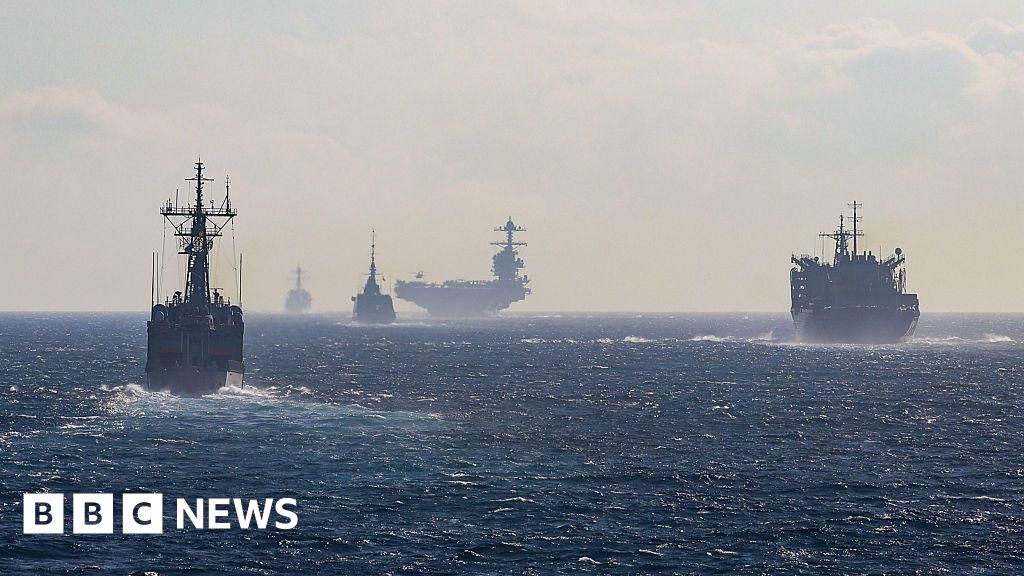
US Navy ships collide off South America — a wake-up call for maritime safety

The unfolding narrative of recent military activity underscores an ongoing shift in international power dynamics, highlighting how U.S. military operations continue to influence regional stability. According to official reports, two individuals involved in the operation sustained minor injuries and remain in stable condition, a detail that underscores the relatively controlled nature of the incident. While the injuries are minor, the implications of this event reverberate far beyond the immediate vicinity, touching upon broader strategic concerns and diplomatic repercussions in an increasingly complex geopolitical arena.

Experts and analysts from various international institutions are closely monitoring how such incidents fit into the larger tapestry of posturing and power projection by global superpowers. Historians like Dr. Julia Schneider, renowned for her work on military conflicts, warn that even seemingly minor engagements can serve as barometers for escalating tensions. The U.S. military has repeatedly emphasized its commitment to operational safety and stability, yet critics contend that such actions risk unintended escalation, especially in volatile regions where alliances are fragile and rivalries are intensifying. Although the injuries were minor, the incident raises questions about the precision and prudence of military interventions in sensitive zones.

The geopolitical impact of this event resonates across nations harboring stakes in regional security. The recently heightened tension underscores the importance of diplomatic channels and multilateral agreements, such as the fragile ceasefire agreements and international treaties designed to prevent open conflict. As international organizations like the United Nations seek to mediate, many analysts suggest that such incidents threaten to undo years of diplomatic progress, exacerbating fears of a broader regional escalation. Historically, similar events have often served as turning points, leading to wider conflicts or renewed arms races, as witnessed during the Cold War era. The delicate balance of power hangs in the balance, with each side reassessing its position and strategy in real time.

Looking ahead, the ramifications of this incident extend into societal contexts, as populations on all sides grapple with the realities of ongoing conflict and military intervention. Governments are under increasing pressure to justify their actions to domestic audiences, framing these operations as necessary for security and national interest. Meanwhile, international observers warn that decisions made today could incite hardened attitudes and escalate military confrontations. This moment in history remains a pivotal point where diplomacy, military prudence, and national interests intersect, shaping the course of the 21st century. As history’s pen continues to write, the weight of unresolved conflicts and potential confrontations looms large on the horizon—reminding us that every small incident carries the seed of a future determined by today’s choices.

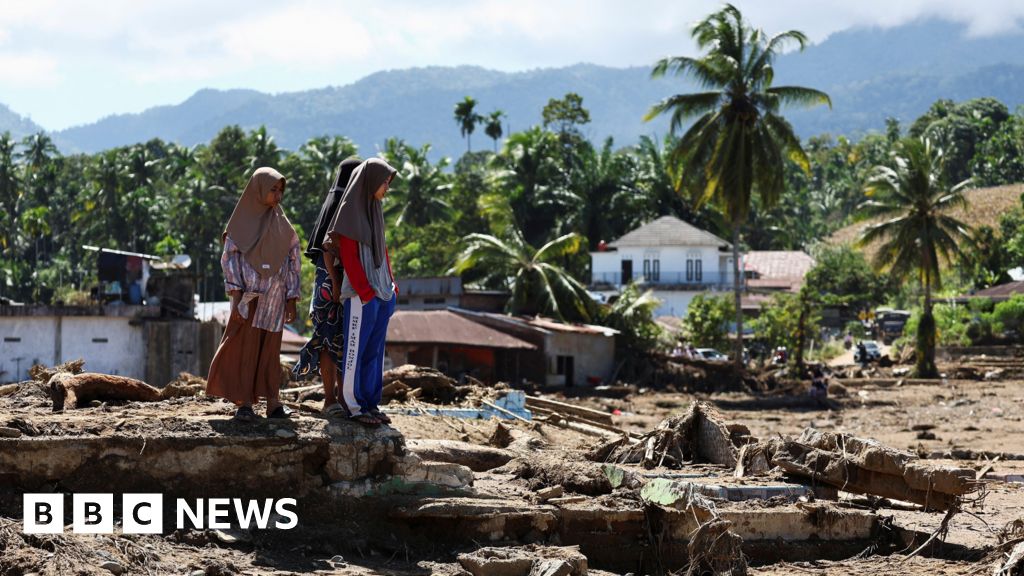
Floods in Indonesia claim over 500 lives — a tragic wake-up call for action

Indonesia is currently grappling with a devastating natural disaster that underscores the growing **geopolitical impact** of climate-related events. Over the past week, **floods caused by a rare cyclone over the Malacca Strait** have resulted in the deaths of more than 500 individuals, with the toll expected to rise as rescue operations struggle to reach the worst-affected provinces. As the world’s fourth-most populous nation, **Indonesia’s** turmoil resonates well beyond its borders, reflecting broader regional vulnerabilities and the global challenge of climate adaptation. This tragedy highlights how nature’s fury is no longer confined to isolated zones but now reshapes geopolitical stability and socio-economic fabric in Southeast Asia. Governments and international organizations worldwide are analyzing the aftermath to gauge future risks and the adequacy of disaster response mechanisms amid accelerating climate change.

Across **Aceh, North Sumatra, and West Sumatra**, thousands remain cut off from essential supplies, with many victims living in conditions marked by absolute despair. Amidst mudslides, washed-away bridges, and impassable roads, rescue workers face immense difficulty in delivering aid, exacerbating the crisis. Historians and analysts warn that modern Southeast Asia’s vulnerability to such floods is intensifying because of **climate change**, which scientists claim is making storms more intense and frequent. The Indonesian government’s response, led by President Prabowo Subianto, emphasizes national resilience but is criticized by some for bureaucratic delays hampering immediate aid deployment. This event serves as a stark reminder of **how decisions or lack thereof** on environmental policies can directly affect millions, transforming environmental disasters into security and political crises. The **International Panel on Climate Change (IPCC)** has previously warned that a warming planet will only magnify these events, requiring urgent global cooperation and strategic foresight.

As this climate catastrophe unfolds, the *regional geopolitical landscape* is also shifting. Countries like **Malaysia, Thailand, and Sri Lanka**, all experiencing their own severe weather episodes recently, exemplify a pattern where **climate disruptions** threaten regional stability. Borders are blurred as migrant flows and resource shortages intensify, and competition for aid and influence among nations becomes palpable. In this climate era, every severe storm underscores the importance of regional alliances and international support, but also exposes gaps in disaster preparedness and climate resilience. Meanwhile, *analysts* from institutions like the **World Meteorological Organization** contend that such events are accelerate due to **human activity**, making climate diplomacy an urgent geopolitical issue that transcends national borders. This interconnected crisis demands strategic, multilateral approaches—yet it also raises questions about sovereignty and the ability of governments to protect their populations from these rapidly escalating threats.

As the dust settles over Indonesia’s flooded landscapes, history’s grand narrative continues to unfold. The current catastrophe is not just a tragedy—it is a warning from the natural world, a call for unity in the face of mounting adversity. The *coming years* will determine whether nations can learn from this disaster and forge resilient pathways forward or fall victim to the chaos that unchecked climate change can bring. In the shadow of this unfolding crisis, the global community faces a stark choice: adapt and prepare or watch as the edge of history rewrites itself amid relentless storms and rising seas. The echoes of this crisis will resonate far beyond the flooded plains of Indonesia, resonating as a critical turning point in the ongoing story of humanity’s struggle with nature’s unleashed power.

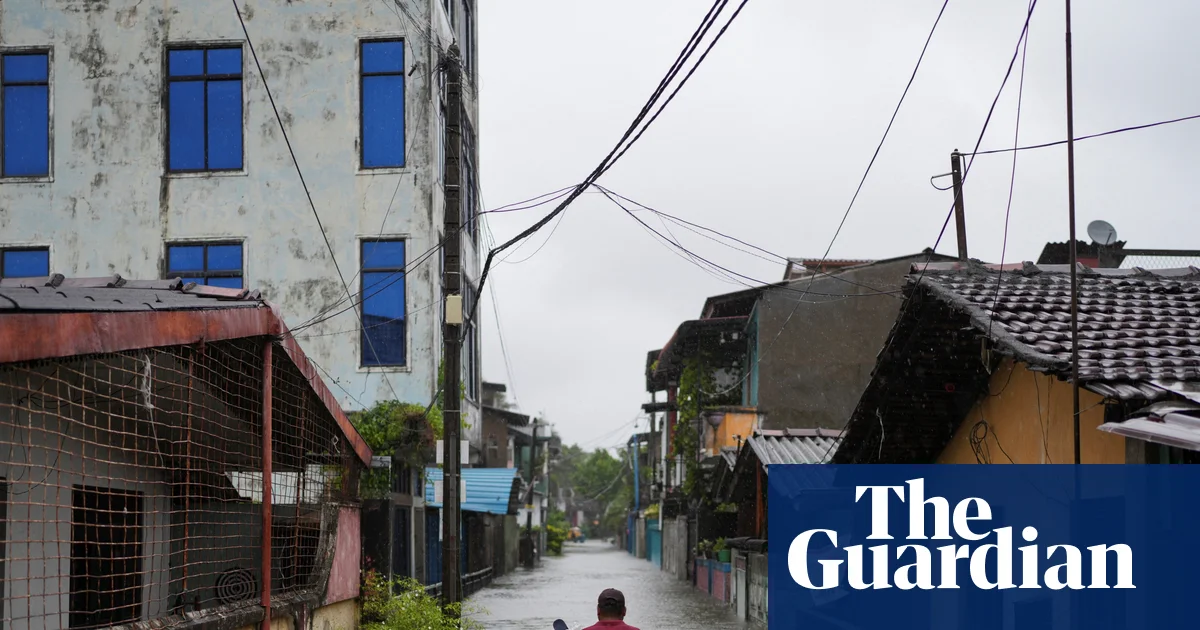
Sri Lanka's Floods and Landslides Claim 153 Lives—A Stark Wake-Up Call for National Resilience
Sri Lanka’s Floods and Landslides Claim 153 Lives—A Stark Wake-Up Call for National Resilience

In recent weeks, Sri Lanka has experienced catastrophic flooding triggered by the relentless force of Cyclone Ditwah. Torrential rains, breaking records during the island’s northeast monsoon season, have inflicted widespread devastation across the nation, leaving a trail of death, displacement, and economic upheaval. Official reports confirm that at least 153 lives have been lost, with approximately 191 individuals still missing, underscoring the grave human toll of this natural disaster. The Disaster Management Centre (DMC) reports an urgent rescue operation involving thousands of soldiers and police personnel, who have evacuated over 78,000 people from submerged areas to safer refuges—an action that highlights the severity of the crisis and the resilience of Sri Lanka’s security forces under mounting pressure.

Historically, Sri Lanka faces recurrent floods during its monsoon season, yet the current disaster surpasses prior calamities, drawing concern from global analysts and climate experts. As climate change accelerates, scientists warn of increasingly unpredictable weather patterns, with some referencing the 2003 floods—considered the worst of the 21st century—set to be eclipsed by recent events. The flooding area includes critical regions such as the district of Kurunegala, and the densely populated outskirts of Colombo, where the Kelani River burst its banks, forcing residents to evacuate to temporary shelters. Notably, the rescue of stranded civilians, including international tourists, demonstrates both the human drama and the logistical chaos, with helicopters and naval boats working tirelessly amid gale-force winds and rising waters.

International responses have begun to mobilize, with neighboring India providing immediate aid and supplies, a move that reflects the geopolitical reality of regional cooperation primarily driven by mutual interests. Prime Minister Narendra Modi expressed condolences and reassured allies that New Delhi stands ready to extend further assistance as the crisis unfold. Nevertheless, international organizations and seasoned analysts underscore that such floods are symptomatic of a deeper, systemic vulnerability—how nations manage their environment and climate policies determines not just local resilience but global stability. Decisions made today regarding climate adaptation and disaster preparedness will influence the geopolitical landscape for decades, prompting commentators to warn that neglecting these challenges threatens to destabilize entire regions.

As the waters recede, Sri Lanka faces a critical juncture in its national story—a stark reminder that climate-induced disasters are no longer distant threats but imminent realities shaping international diplomacy, economic stability, and social cohesion. Historians and environmental experts warn that neglecting the lessons of this catastrophe may leave future generations unprepared for a planet increasingly plagued by unpredictable weather extremes. In the unfolding chapters of this global crisis, Sri Lanka’s suffering serves as a haunting prelude: unless decisive action is taken, the devastating power of nature will continue to rewrite the rules of geopolitics and human endurance, leaving the weight of history to judge whether mankind has learned or continued its perilous drift toward climate catastrophe.

Four Killed in Nighttime Strikes on Neighborhoods—A Wake-Up Call for Our Streets

The recent surge in hostilities between Russia and Ukraine underscores the volatile state of Eastern Europe’s geopolitical landscape. Overnight drone strikes launched by both nations have resulted in tragic casualties and widespread destruction, highlighting a relentless cycle of violence that threatens regional stability. Kyiv reported a “massive” Russian drone assault targeting the Ukrainian capital, causing fatalities, injuries, and damaging critical infrastructure. Meanwhile, Moscow’s accusations of Ukrainian strikes in the Rostov region reveal how this conflict has expanded beyond conventional borders, with civilian lives caught in the crossfire.

This deteriorating situation follows palpable shifts in diplomatic negotiations. Ukrainian President Volodymyr Zelensky welcomed proposed modifications to a controversial 28-point peace plan brokered with the backing of the United States. However, these adjustments were swiftly dismissed by the Kremlin as “completely unconstructive,” exposing deep fissures in the international effort to forge a sustainable resolution. Analysts from the International Crisis Group warn that such dismissals portend a scenario where diplomatic efforts remain deadlocked, prolonging the suffering on the ground and entrenching divisions among allies.

Furthermore, the recent attacks underscore how disrupted energy and civil infrastructure amplify the war’s toll on societies. Kyiv’s authorities have reported multiple residential high-rises ablaze, with emergency services evacuating countless residents amidst ongoing threats. Ukraine’s energy ministry announced a “massive, combined enemy attack” targeting vital electrical and water supplies, a move that risks plunging the nation into deeper hardship during winter. These actions reflect not just military strategies but also a calculated effort to undermine Ukraine’s resilience, a move widely condemned by global observers. The impact of such destruction reverberates beyond immediate casualties, threatening to destabilize civilian life, hinder recovery, and test the endurance of the Ukrainian people.

On the geopolitical stage, the events illuminate how Russia and Ukraine serve as pivots in a broader contest involving Western allies and Eastern powers. US policymakers, including White House spokesperson Karoline Leavitt, express cautious optimism about the diplomatic process, citing hope that a comprehensive plan may eventually materialize. Yet, historical analysts warn that the war’s escalation, combined with entrenched national interests, could entrench a protracted conflict with unpredictable outcomes. Some experts interpret this turmoil as a pivotal moment—the potential for a breakthrough or the slide into further chaos—hinges on external diplomatic finesse and internal resolve.

As the frontlines continue to shift and the war’s toll mounts, the international community faces a profound moral and strategic dilemma. The story unfolding in Ukraine is not just a regional conflict but a defining chapter in the 21st century’s geopolitical narrative. Each decision, each strike, and each diplomatic gesture writes a new line in the chronicles of history—an unfolding drama where the weight of nations and the hopes of millions hang precariously in the balance. The shadows of this crisis threaten to shape the landscape of global power, with consequences echoing long after the fighting ceases, leaving future generations to grapple with the scars of today’s choices, while the world watches in tense anticipation of what tomorrow may bring.

Social Media Auto Publish Powered By : XYZScripts.com