Matox News

Truth Over Trends, always!

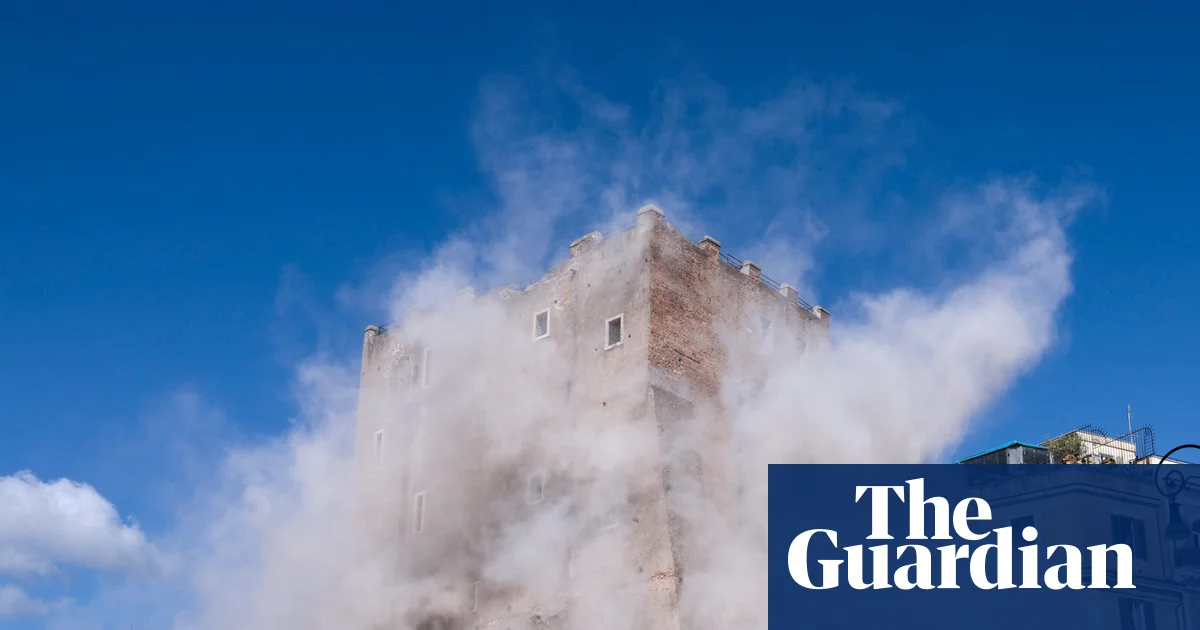
Rome: Medieval Tower Collapses, Traps Worker and Injures One—A Wake-Up Call for Heritage Safety

The recent partial collapse of the Torre dei Conti in Rome has sent shockwaves through the international community, highlighting ongoing risks associated with the preservation of historic architecture amid modern renovation efforts. The medieval tower, located near the Roman Forum, experienced a devastating sequence of collapses during scheduled restoration work, trapping individuals inside and forcing a complex rescue operation that continues into the late hours. The incident sheds light on the fragile balance between preserving history and ensuring safety, an issue that is gaining prominence among policymakers across the European Union and beyond.

  • The tower, built in the 13th century by Richard Conti, was already a damaged relic, severely affected by the 1349 earthquake and subsequent structural failures in later centuries.
  • EU funds designated for post-pandemic recovery are now being used to finance the ongoing restoration, aiming to preserve its heritage while upgrading safety standards.
  • The collapse not only resulted in injuries but also raised urgent questions regarding the efficacy of international heritage protection funding and oversight.

International historians and analysts view this event as a stark reminder of the geopolitical risks inherent in heritage conservation. Some experts warn that the mismanagement or underfunding of such projects could lead to further tragedies and the irreversible loss of cultural landmarks. The incident has prompted calls for greater transparency and accountability in how funds are allocated and how safety is prioritized in historic restorations across Europe and the Mediterranean. According to the World Heritage Organization, the incident underscores an urgent need for standardized international protocols to prevent similar failures in other historic sites—an effort that could redefine how nations approach conservation in the 21st century.

The Italian government, under pressure from both domestic and international voices, has condemned the failures that led to the collapse, with Rome’s mayor, Roberto Gualtieri, emphasizing that safety remains the top priority. Meanwhile, Italy’s culture minister, Alessandro Giuli, has announced an extensive review of all ongoing restoration projects nationwide. This crisis, at its core, exposes larger geopolitical issues—namely, how European nations leverage their cultural heritage amid economic pressures and the push for modernization. Critics argue that prioritizing quick restoration under EU fiscal constraints might compromise safety and preservation standards, a debate that echoes across borders where cultural identity and national pride intertwine with economic realities.

As rescue workers tirelessly attempt to save trapped individuals beneath the rubble, the incident leaves a haunting question: How robust is the safety infrastructure protecting Europe’s ancient treasures? While the rescue operation continues amid the risk of further collapses, the incident’s broader implications are yet to be fully understood. It marks a pivotal moment that could influence international policies on heritage preservation and safety standards, shaping the future of cultural conservation amidst economic austerity and political tension. With history unfolding in real-time, the affected communities and nations are called to confront a profound truth: in safeguarding the past, humanity must also confront its responsibilities to prevent tragedies rooted in neglect and haste. The echoes of this disaster will reverberate through history, reminding us that some stories are too precious to lose—yet, too often, are lost because of human oversight and geopolitical indifference.

Big explosion at Tennessee military plant shakes nearby homes—a wake-up call for safety

Explosion at Tennessee Military Explosives Facility Sparks International Concerns

The recent blast at Accurate Energetic Systems in rural Tennessee marks a troubling escalation in domestic security threats and raises questions about the stability of critical infrastructure within the United States. The powerful explosion, which shook homes miles away and sent debris flying across the site, is a stark reminder of the ongoing vulnerabilities faced by nations dependent on complex military supply chains. While initial reports confirm that emergency responders are still assessing the situation, the incident’s ripple effects are already being felt beyond local borders, as international security analysts speculate on potential geopolitical ramifications.

The incident took place at a key site near Bucksnort, approximately 60 miles southwest of Nashville. Experts suggest that the blast’s magnitude signals not only potential safety lapses but also a concerning deterioration of domestic defense preparedness. Historically, such incidents—especially at military-grade manufacturing facilities—are rare but carry profound implications. They signal vulnerabilities that could be exploited by adversaries or malicious actors, especially amid rising global tensions. Prominent geopolitical analysts have pointed to this event as a warning shot, illustrating how fragile the perceived safety of critical production sites really is in an increasingly uncertain global landscape.

International Implications and Rising Tensions

While the United States deals with this localized industrial incident, the global geopolitical stage is simmering with conflicts, disputes, and strategic shifts. Organizations such as NATO and the United Nations continuously monitor how domestic vulnerabilities could impact international stability. Historically, events like these—when they occur within controlled military productions—offer insights into a nation’s ability to withstand internal threats. The timing of this explosion is particularly notable in an era where international powers are increasingly concerned about proliferation, sabotage, and cyber-attacks aimed at undermining national security.

Recently, Russia and China have stepped up efforts to leverage internal vulnerabilities within Western alliances, emphasizing the importance of resilient infrastructure. Such incidents in the United States could be exploited by hostile foreign powers or terrorist organizations seeking to erode confidence in American security measures. The international community is thus paying keen attention, with some analysts warning that this is *not* merely an industrial accident but potentially a sign of deeper, more insidious threats that are actively evolving in the shadows of global diplomacy.

Consequences for Society and Policy

  • The blast raises urgent questions about industrial safety regulations and the adequacy of security protocols protecting military manufacturing sites—crucial for national defense.
  • The incident underscores the importance of robust intelligence and surveillance to prevent sabotage or malicious infiltration of strategic facilities, especially amid a wave of cyber and physical threats.
  • It signals to allied nations that internal stability and security are essential pillars for maintaining global influence and protecting shared values against rising authoritarian challenges.

While authorities investigate the cause of the explosion, the world watches with a sense of foreboding. This event serves as a stark warning that, as the global order shifts and chaos looms in geopolitical arenas from the South China Sea to Eastern Europe, the foundations of national security are more vulnerable than ever. The echoes of this blast will resonate through diplomatic corridors and military strategy rooms for years to come, shaping policy and perception in a world where stability is fragile and history is still being written.

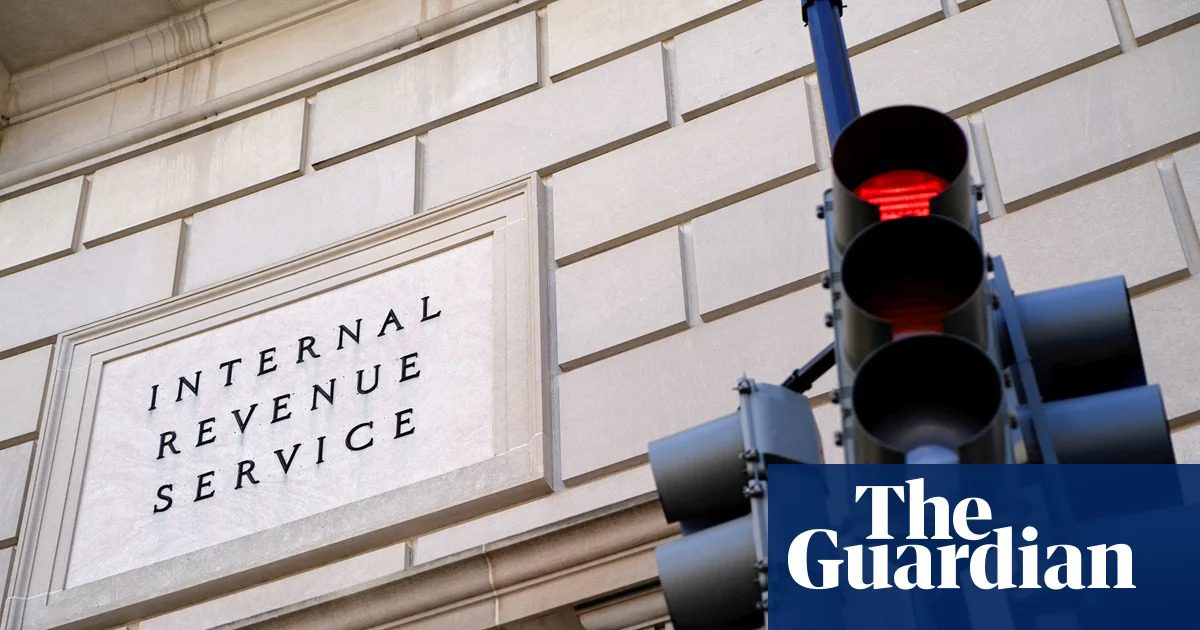
IRS to Lay Off Half Its Staff Amid Government Shutdown—A Wake-Up Call for Fiscal Responsibility

The United States continues to grapple with a prolonged government shutdown, an event that once again exposes the fragility of its bureaucratic machinery and signals potentially more profound repercussions on the global stage. As the Internal Revenue Service (IRS) announces it will furlough nearly 34,000 employees — approximately 53.6% of its workforce — the ripple effects are felt not only within domestic borders but across international economic networks. With vital tax enforcement and financial oversight hamstrung, analysts warn that global financial markets and diplomatic relations could become increasingly volatile.

The decision by the IRS comes amidst a broader political standoff in Washington over budget allocations, which has forced the federal government into a shutdown scenario. This internal crisis intensifies questions about the stability of American governance at a time when the nation’s geopolitical influence appears to be waning. The furlough, effective from October 8, leaves only about 39,870 employees working, as the agency warns of potentially increased delays in tax processing, enforcement, and taxpayer assistance. For an economy that claims to be the world’s financial nucleus, such disruptions underscore how internal political discord can weaken global standing.

International institutions and foreign governments are closely monitoring the fallout. The International Monetary Fund and World Bank have issued cautious statements, emphasizing that the United States’ political gridlock fosters **uncertainty** that could hinder emerging markets and global trade agreements. With the U.S. fiscal posture appearing increasingly unstable, countries dependent on dollar reserves and international commerce face mounting risks. Meanwhile, critics within global geopolitics warn that ongoing internal chaos may embolden adversaries, fueling narratives that America’s capacity to lead on the world stage is compromised.

  • A day after the furlough announcement, a White House memo suggested that furloughed federal employees, including those in the IRS, might not receive back pay, contradicting the protections established by the *Government Employee Fair Treatment Act of 2019*. Such conflicting signals intensify fears of escalating internal discord, which could serve as a strategic advantage for geopolitical rivals like China and Russia.
  • Historians point out that previous shutdowns have historically exposed the vulnerabilities in the American political system, but this instance’s broader economic implications are far more significant in an interconnected era where national security, trade, and diplomacy are inseparable.

As the crisis deepens, the global community watches intently. The echoes of internal strife in America serve as a sober reminder that the decisions made within the corridors of power resonate far beyond national borders. With each day that the government remains paralyzed, the world witnesses a chapter of internal disarray threatening to reshape the geopolitical landscape itself — a narrative still being written in the shadow of a nation that once stood as an unmatched superpower. History’s judgment, waiting patiently at the crossroads, will weigh heavily on those who choose to ignore the signs of an empire in peril, as the unfolding story bears the weight of the future.

Social Media Auto Publish Powered By : XYZScripts.com