Matox News

Truth Over Trends, always!

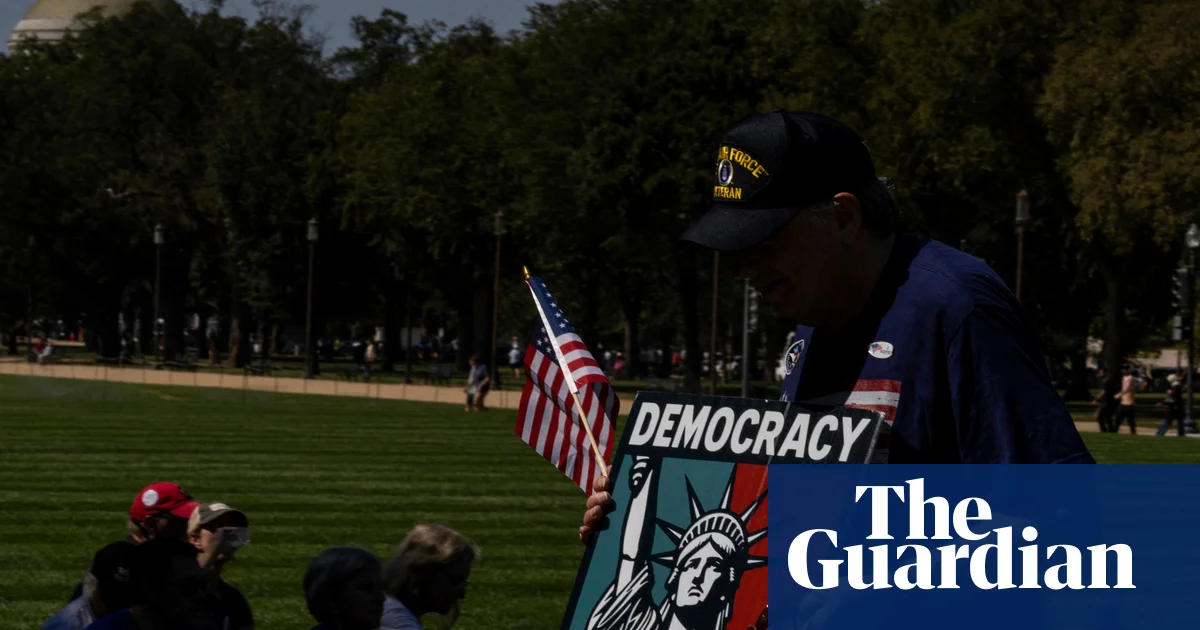
Former Officials Warn: US Headed Toward Authoritarianism Under Trump Era

The United States, long heralded as the beacon of democracy, now faces sobering internal challenges that threaten to reshape its constitutional fabric. A recent assessment by a coalition of former US intelligence and national security officials paints a stark picture: the country is “on a trajectory” toward authoritarianism. Drawing from the methods once used to evaluate foreign democracies, the report titled “Accelerating Authoritarian Dynamics” warns that democratization in the US is now in jeopardy. Despite the outward appearance of electoral processes and judicial institutions, the assessment concludes that systematic manipulation—fueled by unchecked executive power—threatens the core principles of checks and balances that have long defined the nation’s political identity.

This internal crisis echoes historical patterns observed during periods of upheaval worldwide. Analysts warn that what is unfolding in the US resembles what scholars call “competitive authoritarianism”, where elections continue but are marred by tactics designed to weaken opposition and control institutions. The current trajectory, accelerated under Donald Trump’s administration, has seen clear strategies to ensure loyalty within federal agencies, influence the judiciary, and undermine independent watchdogs. The assessment highlights how figures within the White House have consistently tested legal and constitutional boundaries—from deploying federal troops in cities to aggressive purging of officials deemed disloyal. Such moves recall authoritarian playbooks designed to concentrate power and erode civil liberties from within.

Global observers and democracy scholars worldwide are watching with concern. International organizations have issued warnings that the US‘s democratic backslide could have ripple effects across democracies everywhere, especially as other nations face rising populism and executive overreach. The European Union and OECD, for instance, are scrutinizing America’s internal shifts, emphasizing that how decisions are made at home influences global stability and societal trust. Historians caution that if these trends continue unchecked, the US could be headed toward a period of political instability reminiscent of years marked by civil unrest and institutional decay. Meanwhile, the implications for the world stage are profound: a weakened democratic superpower may embolden autocratic regimes elsewhere to tighten their grip on power, undermining international stability.

As the report underscores, the fundamental question remains: how can America reverse its decline? With a society polarized and institutions under assault, the international community faces a defining moment. Will internal resistance to authoritarian drift — from grassroots movements, civic society, and political leaders dedicated to preserving democratic values — rise to challenge this ominous trend? Or will recent actions, like politically motivated indictments and executive overreach, entrench a new normal where liberty is sacrificed on the altar of power? History’s pen is poised, history is still unwritten, and the weight of the future rests on whether the US can reclaim its democratic destiny before it is lost forever.
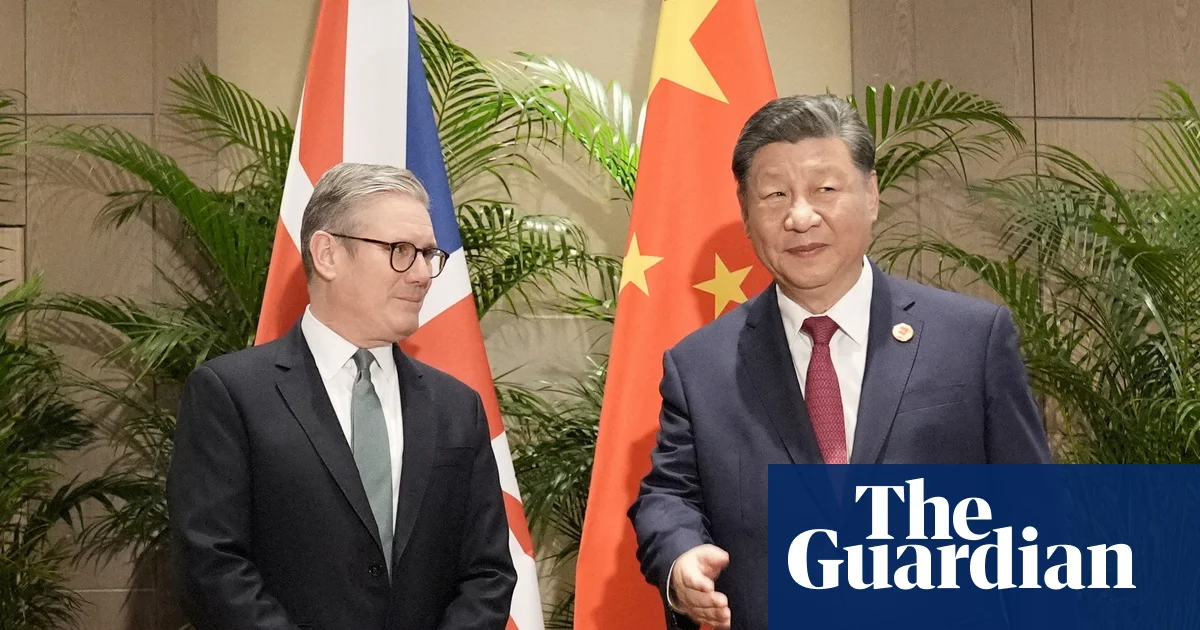
Ministers gear up for China visits amid spying trial backlash, Labour critics warn

The United Kingdom is charting a precarious course in its renewed engagement with China amidst the turbulence of global power shifts and internal controversy. Despite simmering tensions sparked by the recent abandonment of espionage charges against two individuals accused of spying for Beijing, UK ministers have signaled a strategic intention to resume high-level talks before the year’s end. This includes plans for Jonathan Powell, the national security adviser, to visit Beijing in November—an effort aimed at fostering a “long-term and strategic” relationship, as emphasized by government officials. Such moves are not merely diplomatic gestures but carry profound geopolitical impact, signaling the UK’s attempt to balance economic interests with national security concerns amid China’s global rise.

This renewed diplomatic pursuit comes at a critical juncture. While official statements insist that engagement is rooted in “UK interests,” critics argue that this signals a recalibration—possibly a capitulation—to Beijing’s influence. Notably, the recent controversy involving the dismantling of charges against individuals linked to espionage suggests a possible diplomatic *trade-off*. Leaders like Keir Starmer are navigating a complex landscape, balancing the desire to reopen channels with fears of China’s expansionist reach and surveillance overtures. Many analysts, including security experts and historians, warn that this strategy risks emboldening Beijing at a time when U.S.-China tensions are intensifying. Global institutions such as the IMF and diplomatic commentators have voiced concerns that the UK’s embrace could undermine the collective effort to contain China’s geopolitical ambitions, thereby threatening regional stability.

Furthermore, these diplomatic overtures extend beyond government talks. Key figures like Rachel Reeves and Oliver Robbins have undertaken visits to China, promoting economic investment and revitalizing bilateral ties. Reeves’s recent involvement in unveiling £600 million of Chinese-backed investments underscores Britain’s attempt to capitalize on economic opportunities—yet such moves are fraught with risks. Chinese officials have openly communicated their displeasure over UK restrictions targeting their security apparatus, warning of potential retaliation that could destabilize diplomatic efforts. As international organizations track this evolving saga, they emphasize that decisions made today will shape the future of global power dynamics, with the UK caught squarely in the crossfire of a new Cold War landscape.

The unfolding developments evoke reflections from foreign policy analysts and historians who see this as a defining moment in 21st-century geopolitics. The last British Prime Minister to visit ChinaTheresa May in 2018—once spoke optimistically about a “golden era,” yet recent events reveal how swiftly that narrative has unraveled. The proximity of Kemi Badenoch and other senior officials to the Chinese government indicates a profound shift, perhaps towards a pragmatic yet perilous engagement policy. As Starmer’s alleged plans for a bilateral visit in February and Trump’s own sudden interest in China demonstrate, the global chessboard is realigning rapidly, with the UK positioning itself delicately amidst the rising tide of Chinese influence.

In the shadow of these high-stakes negotiations, history warns that such pivotal moments are often fraught with unforeseen consequences. The decisions taken in Parliament’s chambers and diplomatic suites will resonate through decades, shaping the balance of power in the Indo-Pacific and beyond. As the world watches, the UK’s future hinges on whether these diplomatic gambits will uphold sovereignty and security or succumb to the seductive allure of economic gains at a perilous geopolitical cost. The pages of history are turning once more, and the weight of global destiny hangs in the balance—an intricate dance of strategy, influence, and power, with the world on the edge of a new epoch.”

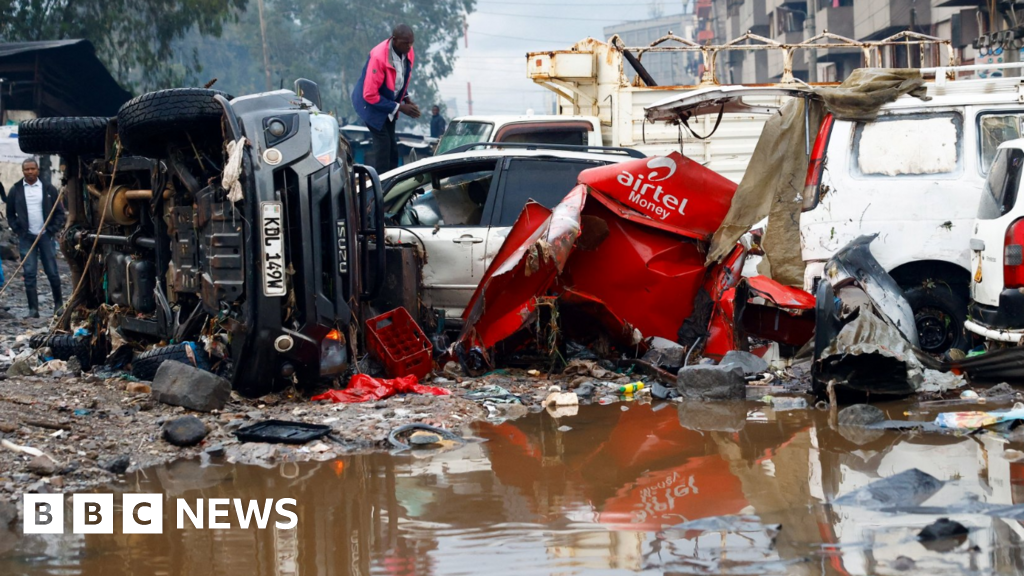
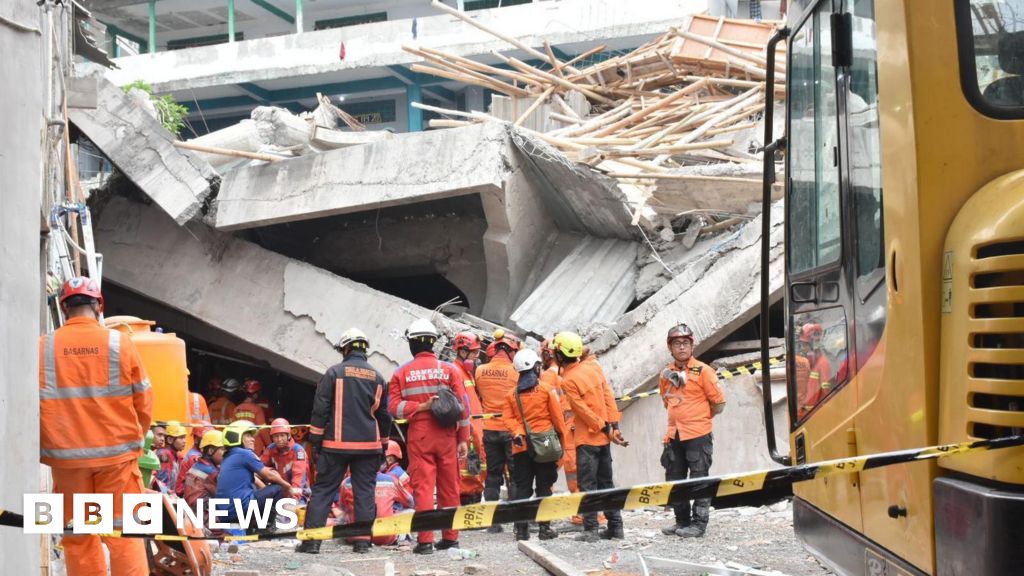
Scores feared dead as school building collapses, authorities warn

The recent tragedy in Indonesia, where a collapsed Islamic boarding school has left at least five students dead and over 100 injured, underscores a critical moment in the nation’s ongoing safety and governance struggles. The incident, centered in the town of Sidoarjo, reveals the dangerous consequences of unchecked construction practices and regulatory failures. The building’s collapse, caused by the addition of two unsafe floors to an under-constructed foundation, highlights the larger issues Indonesia faces in terms of infrastructure development and regulatory oversight, issues that resonate across many developing nations in Southeast Asia.

Despite the international outcry and efforts of rescue teams using thermal drones and heavy machinery, the possibility of finding survivors has diminished. The disaster management agency (BNBP) announced that *no signs of life* were detected in the debris, a heartbreaking entry point into the larger conversation about safety standards and government accountability. Experts and analysts warn that such tragedies reflect deeper systemic flaws—poor enforcement of building codes, corruption, and the prioritization of economic gains over safety—threatening societal stability and the legacy of governance in the region. The incident also serves as a stark reminder of the. *fragility of human life* amidst rapid urban proliferation and construction without appropriate oversight.

On a broader geopolitical level, the incident in Indonesia acts as a clarion call to regional institutions and international partners. While those involved are primarily concerned with immediate rescue operations, critical analysis from organizations like the World Bank and international human rights groups emphasize that long-term safety reforms are necessary for social progress. Such disasters threaten to undermine the legitimacy of local authorities and fuel public distrust in state institutions, which are often seen as ineffective or corrupt. These events have repercussions beyond national borders; they feed into regional narratives about governance, sovereignty, and the need for vigilant oversight as urban populations swell. How nations respond—by tightening regulations, improving safety standards, and ensuring transparency—will determine their standing on the global stage.

Historian and policy analysts stress that this incident is no isolated event but part of a broader pattern affecting many countries committed to rapid development amid legacy issues of governance and accountability. The tragic collapse in Indonesia symbolizes a moment where history is still being written—where the choices to reform or ignore safety standards could have lasting consequences. As rescue teams turn their tools towards removing debris, the world watches and waits, acutely aware that the true test lies ahead: whether this tragedy will catalyze meaningful change or become yet another chapter of neglect in the overarching narrative of progress and safety. In this unfolding history, every decision, every policy, and every effort to secure the safety of the vulnerable will leave an indelible mark on the fabric of society.

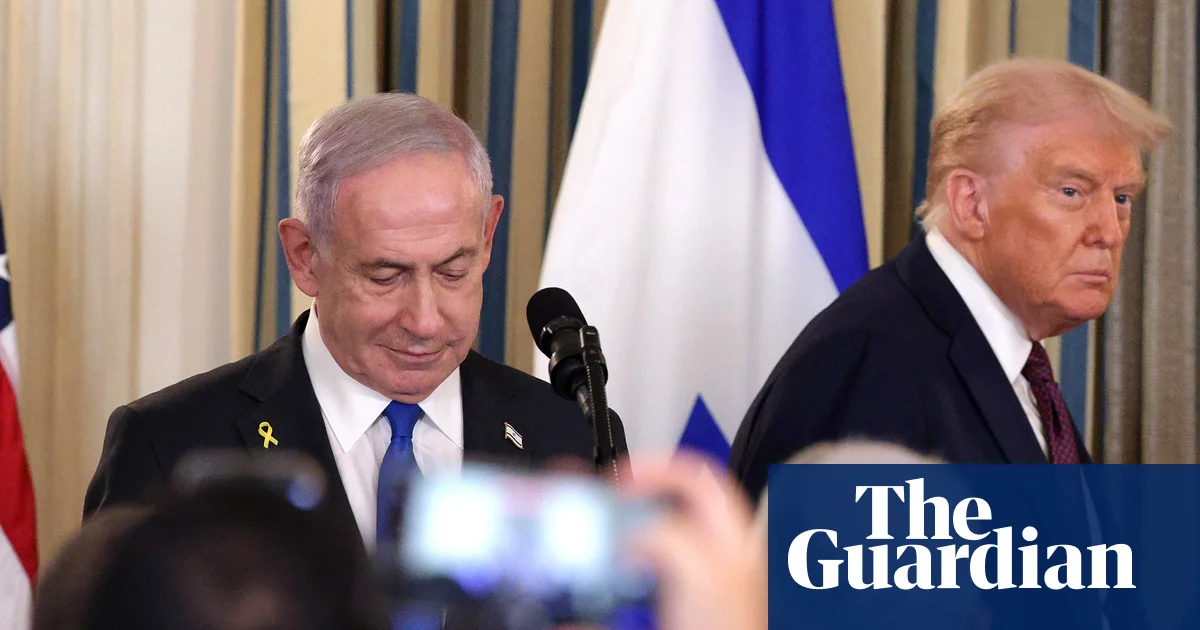
Trump and Netanyahu warn Hamas: Embrace Gaza peace or face tough consequences

In a striking display of international power dynamics, President Donald Trump alongside Israeli Prime Minister Benjamin Netanyahu recently unveiled a controversial 20-point peace plan targeting the Gaza conflict. This strategic overture, announced amidst a diplomatic backdrop of flags and guarded optimism, signals a significant moment for U.S. foreign policy and Israel’s security calculus. While the plan is portrayed as a “historic breakthrough,” critics and analysts alike question its legitimacy, especially given the conspicuous absence of formal consultation with Hamas. The militant group’s leadership remains largely out of the loop, with officials like Mahmoud Mardawi claiming they haven’t even received the proposal, raising allegations of a top-down approach driven more by regional power plays than genuine peace negotiations.

The blueprint calls for an immediate ceasefire, the exchange of hostages, a phased Israeli withdrawal from Gaza, and the disarmament of Hamas—a move that could shift the regional playing field. Trump’s inclusion of a “Board of Peace,” headed by himself and featuring figures like former UK Prime Minister Tony Blair, exemplifies an unprecedented push for international oversight, potentially sidelining existing Palestinian political structures. This has sparked fierce debate about how such a plan might reshape the geopolitical landscape—effectively replacing traditional Palestinian authority with a new governance model under Western oversight. Governments and observers warn that such a move risks inflaming tensions further, with many wary that it may deepen the divide between Palestinians and the broader Arab world, echoing historical warnings from scholars like Noam Chomsky on Western interventions.”

Meanwhile, Netanyahu’s firm stance on the situation underscores Israel’s unwavering desire for preemptive security. His ominous declaration that “Gaza will be demilitarized” and that Israel will “finish the job” if Hamas refuses peace terms demonstrates the Israeli leadership’s intent to reassert dominance over Gaza, regardless of international objections. The geopolitical impact of these words signals an intent to eliminate Hamas as a political entity, but it also risks igniting a broader regional conflict. This approach has implications beyond Gaza, influencing the stability of neighboring countries and potentially leading to a new level of Middle Eastern volatility that experts warn could engulf the broader region in flames. International organizations like the UN have already voiced concerns about humanitarian consequences, as Israel’s military operations have devastated Gaza’s infrastructure, exacerbating an already dire humanitarian crisis.

As history unfolds, the reintegration of Gaza into the regional and global fold remains uncertain. The absence of Hamas from the peace process raises questions about the future legitimacy of any agreement, and the potential for repeated cycles of violence persists. The shifting alliances, the high-stakes negotiations, and the threat of full-scale warfare cast a long shadow over the Middle East’s stability. With navies and tanks entrenched within Gaza’s ruins and diplomatic channels strained to breaking, the region teeters on a knife’s edge. The world watches as the epic saga of power, resistance, and diplomacy confronts its next chapter—an enduring reminder that history’s most pivotal moments often come not with clarity, but with the deafening weight of uncertainty.”

Social Media Auto Publish Powered By : XYZScripts.com