Matox News

Truth Over Trends, always!

Albanese’s approval of Queensland coal mine expansion threatens ecosystems and worsens climate crisis, scientists warn

In a move that underscores the ongoing global clash between economic development and environmental conservation, the Albanese government recently approved the expansion of the Middlemount coalmine in Queensland. Owned jointly by US-based Peabody and Chinese-owned Yancoal, this project will see an estimated 85 million tonnes of coal exported over the next 24 years. While proponents tout it as a boost to the local economy and energy sector, critics argue that the environmental costs are catastrophic and threaten Australia’s rich biodiversity. The expansion signifies more than just economic activity; it marks a clear stance in the international debate—whether to prioritize short-term energy needs or long-term sustainability.

Conservationists and environmental experts have raised urgent alarms over the project’s implications for native wildlife, particularly the threatened koalas and greater gliders. The project involves clearing approximately 81 hectares of glider habitat and 183 hectares of koala territory—an area that ecologists say is crucial for their survival. Despite conditions imposed by authorities requiring the relocation of tree hollows used by gliders, prominent ecologists such as Prof. Euan Ritchie and Prof. David Lindenmayer have condemned these measures as inadequate and, in some cases, outright harmful. The attempt to mitigate habitat destruction via offsets—planting 1,557 hectares of new habitat—has been dismissed by experts as a “deluded” strategy that simply cannot compensate for the tangible loss of mature ecosystems. The catastrophic impact on native species is compounded by the project’s contribution to global heating, with conservationists estimating that burning the exported coal will generate approximately 236 million tonnes of CO2 over its lifetime—almost half of Australia’s current annual emission footprint.

This approval has sparked broader questions about the geopolitical impact of resource extraction. The approval under the climate change framework illustrates a troubling prioritization of economic interests over ecological integrity and international climate commitments. As analysts from the United Nations and other global organizations warn against complacency, the decision highlights a stark reality: the vast majority of emissions resulting from the coal will occur outside Australia, as the coal is burned primarily in Asian countries. Critics argue that this approach undermines Australia’s commitments to the Sustainable Development Goals and the global effort to curb climate change, reinforcing a narrative where Australia appears to choose economic gain over the health of the planet. This stance risks alienating international allies committed to green policies, while emboldening fossil fuel interests aligned with geopolitical powers that see energy resources as weapons of influence and leverage.

As history continues to unfold, the decision to expand the Middlemount coalmine underscores the tensions that define the 21st-century geopolitics—where resource-rich nations grapple with the legacy of environmental neglect amidst a shifting global framework demanding urgent climate action. The future of native wildlife hangs in a fragile balance, with environmentalists warning that yet another generation of Australian species might be driven toward extinction. Meanwhile, the global community observes with mounting concern as Australia’s actions shape the geopolitical landscape: a nation at a crossroads, torn between the immediacy of economic survival and the looming specter of irreversible climate catastrophe. Will this moment be remembered as a tragic misstep or a catalyst for change? The pages of history continue to be written, but every decision, every expansion, echoes louder in the corridors of global power, shaping the planet’s destiny for generations to come.

Israeli Airstrikes Kill 21 in Gaza as Crossings at Rafah Stall, Palestinian Officials Warn

Intensified Violence and Political Stalemates in Gaza Signal Deepening Regional Instability

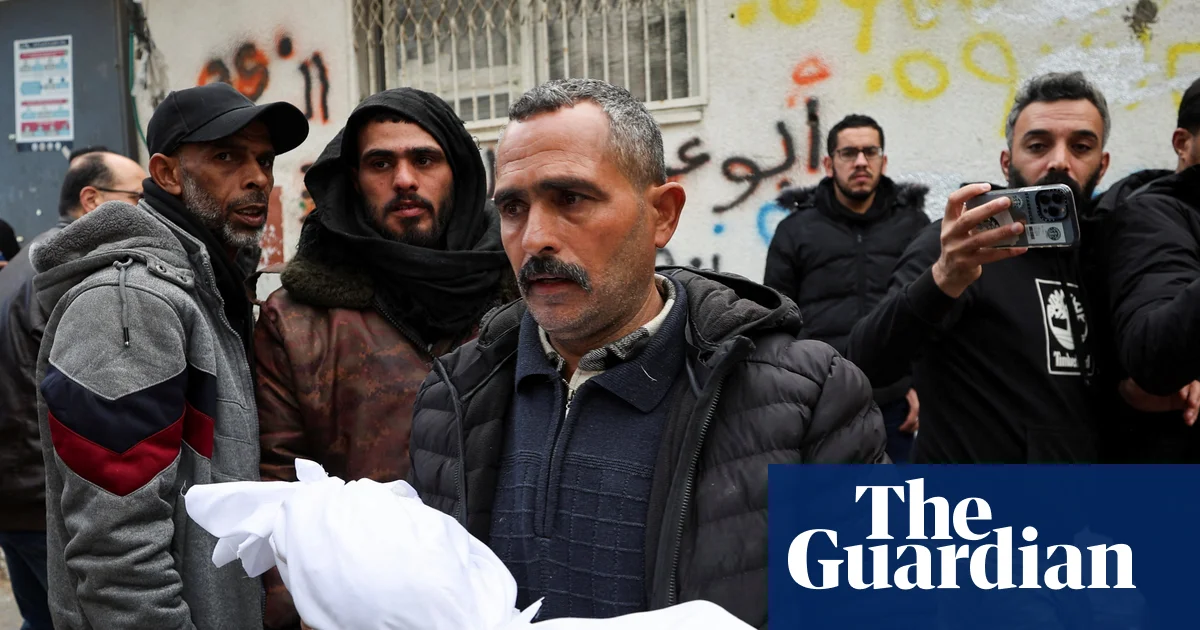
The recent surge of Israeli military operations in Gaza has again highlighted the fragile state of peace in one of the most volatile regions of the world. According to reports, Israeli tank shelling and airstrikes have resulted in at least 21 fatalities, including children and women, underscoring the devastating human toll of ongoing hostilities. In a tragic sequence of events, even medical personnel responding to initial casualties were killed by subsequent strikes, exemplifying the relentless brutality faced by civilians caught in the crossfire. These strikes targeted Gaza City and Khan Younis after an alleged attack on Israeli soldiers by Palestinian gunmen, prompting Israel to justify its defensive actions. Historians and analysts note that these incidents reflect a pattern of escalating violence that significantly complicates diplomatic efforts to establish sustainable peace, especially as the ceasefire remains fragile and frequently violated.

The geopolitical impact of these hostilities extends beyond the immediate borderlands. Israel claims that its military operations are justified, but the continued civilian casualties and destruction of infrastructure in Gaza intensify international concerns regarding human rights and stability. Gaza’s health system is under enormous strain; reports suggest that over 556 Palestinians have been killed since a prior ceasefire—most civilians—while Israeli casualties remain comparatively low. The international community, including human rights groups and UN agencies, warns that the cycle of violence risks igniting broader regional instability. As the United States and European nations call for de-escalation, critics argue that such calls ignore the deeper geopolitical issues—namely, the unresolved status of Gaza’s governance, the Israeli occupation, and the disarmament of Hamas—whose future remains uncertain amid persistent conflict.

Meanwhile, amid the ongoing violence, a crucial element of the ceasefire—the Rafah border crossing—has faced renewed closures, impeding vital humanitarian aid and medical evacuations for Gaza’s besieged population. Although the crossing partly reopened earlier, Israel has halted all crossings citing security concerns. Reports from sources in Egypt indicate ongoing diplomatic efforts to reopen Rafah; however, the decision underscores the deep mistrust and strategic calculations that continue to undermine peace initiatives. The World Health Organization and Egyptian officials have expressed frustration over the delays, which threaten to exacerbate the humanitarian crisis. As Gaza’s hospitals report waiting patients unable to cross, analysts warn that such restrictions may fuel further resentment and radicalization, making lasting peace even more elusive.

Specialists and regional commentators note that the October ceasefire, brokered under the auspices of U.S. diplomacy and the Trump administration’s plan, has yet to translate into substantive political progress. Key issues—namely the withdrawal of Israeli forces from Gaza’s occupied regions and the disarmament of Hamas—remain unresolved. As violence continues to erupt daily, critics argue these unresolved matters threaten to unravel the fragile peace framework, possibly plunging the region into broader conflict. Historian Robert Kaplan warns that without decisive political action, Gaza is set on a perilous path toward further devastation, its residents condemned to an endless cycle of suffering and strife.

As the conflict spills into another day of violence, the weight of history presses down heavily. The world watches as this small strip of land becomes a crucible where the fates of nations hang in delicate balance. Will diplomacy prevail, or will the lines of conflict deepen into a new and possibly irreparable chapter? The story of Gaza is still being written—its future uncertain, its lessons profound—and the world’s response may ultimately shape the course of history. The echoes of this crisis remind us that beneath the surface of geopolitics lie human beings enduring the consequences of decisions made by global powers, forever etched in the annals of history.

Doctors warn NHS postcode lottery is blocking youth’s access to new cancer treatments

Postcode Lottery in Cancer Treatment Sparks Societal Concerns

In the heart of England’s healthcare system, a troubling divide has emerged—a deepening postcode lottery that determines access to cutting-edge cancer treatments. The Royal College of Radiologists and Radiotherapy UK warn that many cancer patients are being denied access to innovative radiotherapy options such as stereotactic ablative body radiotherapy (SABR) and molecular radiotherapy (MRT), treatments proven to improve survival rates and reduce side effects. These procedures, widely available in other developed nations, are hampered by bureaucratic red tape and an archaic funding system within the NHS. Such disparities threaten to fracture the fabric of equitable healthcare, impacting families, communities, and the very moral fabric of society that aspires to provide everyone with a fair shot at life.

This disparity in treatment access underscores a broader societal failure where social inequalities expand beyond socioeconomic boundaries and into healthcare outcomes. As sociologists like Charles Murray have argued, a society’s strength hinges on its ability to provide equal opportunities—not just economically, but morally through access to essential services like healthcare. The current system, plagued by complex funding policies, restricts the availability of advanced treatments to a handful of hospitals that can afford the £250,000 equipment costs—costs that are often covered by charities rather than the NHS. Consequently, patients in more deprived areas are left with outdated therapies or, tragically, to seek private treatment, creating a two-tier system that fosters social division and erodes societal trust.

This issue resonates deeply within families, where the ripple effect of healthcare disparities influences not only health outcomes but societal stability. Children grow up witnessing inequalities, fostering resentment and disengagement from the common good. The lack of uniform access hampers the collective effort to reduce cancer mortality, which in Britain remains high compared to other countries, despite the UK’s reputation as a leader in medical research. The slow rollout of advanced radiotherapy techniques is emblematic of bureaucratic inertia, which, according to social critic Dr. Nicky Thorp, means we are “missing out on treatments that could treat cancer more effectively, with fewer side effects, and over fewer doses.” Such delays threaten to turn cancer into an unforgiving shadow looming over families, disproportionately impacting those in underserved areas, thus widening societal rifts.

Describing the situation as a “postcode lottery,” Professor Pat Price highlights how the broken funding system perpetuates fundamental inequalities. She emphasizes that the UK’s poor cancer survival rates stem from a failure of policy and resource allocation, not a lack of knowledge or technology. The challenge lies in transitioning from an outdated tariff system that disincentivizes hospitals from adopting newer treatments—an issue that needs urgent reform. As Cancer Research UK points out, the consequences are stark: despite being a global leader in cancer research, Britain’s survival rates lag behind other countries, a reflection of systemic failures that damage not just lives but societal cohesion. Here too, the moral question arises: should healthcare depend on where one lives, or should advancements be available to all by virtue of being citizens? The answer must echo through the halls of policymakers, urging a movement toward true national health equity.

While NHS England asserts that its upcoming cancer plan aims to make these novel treatments more accessible, critics remain cautious. The hope for a future where every hospital offers these life-saving options is buoyed by the moral imperative to provide equal care, but tangible change depends on substantial funding and systemic overhaul. As society faces this ongoing crisis, a reflection surfaces: societal health isn’t solely measured in medical statistics, but in the resilience of families, the strength of communities, and the moral commitment of a nation to protect its most vulnerable. Society’s challenge, then, is not merely technological progress but a collective resolve to bridge divides, to champion fairness, and to forge a future where opportunity and care are not dictated by postcode but are a shared inheritance for all.

Postpartum Bleeding Risks Hit Five-Year High for Women in England, Hospitals Warn

In a development that sends shockwaves through the international community, England is witnessing a disturbing rise in postpartum haemorrhage instances, marking the highest level in five years. Recent NHS figures reveal a 19% increase in women experiencing severe bleeding after childbirth, escalating from 27 per 1,000 births in 2020 to 32 per 1,000 this year. The data underscores an alarming trend amidst a backdrop of declining overall birth numbers, with some experts linking this surge to the complex realities of modern childbirth. How these internal health crises unfold within the UK reflects broader challenges faced by developed nations—balancing healthcare quality with rising socio-economic pressures— and has distinct geopolitical impact because the UK’s health system is a key indicator of Western stability and social cohesion.

  • Despite fewer births, the record number of postpartum bleeding incidents signifies a concerning deterioration in care quality and safety standards.
  • Critics argue that longstanding failures to implement reforms have left hospitals ill-prepared for modern childbirth complexities.
  • As the findings draw widespread public and political concern, calls for urgent intervention grow, stirring a debate about priorities amidst austerity and political upheaval.

International analysts, including prominent health policy experts and historians of the NHS, highlight the deeper implications of this crisis. The Royal College of Obstetricians and Gynaecologists has pointed out that the increase is partly attributable to factors such as obesity and older maternal age—both linked with higher risks of complications. Nonetheless, critics argue that systemic issues—such as staffing shortages, underfunding, and insufficient oversight—are exacerbating an already dire situation. The failure to effectively respond to decades of warnings and recommendations is seen as an insult to families who face the trauma of childbirth without adequate safety nets, potentially fueling the erosion of trust in Britain’s once-vabled universal healthcare model. The future of NHS maternity services hangs in the balance, with policies and reforms that are long overdue.

The political landscape responds vigorously to the crisis. The Liberal Democrats have issued a stark call for a comprehensive “maternity rescue plan” aimed at bringing all hospitals up to the recognized standards of safety and quality. Their demands are reinforced by statements from Valerie Amos—the government-commissioned inquiry chair—describing the neglect of past recommendations as “staggering.” In a situation where the failure to act could have deadly consequences, the government has announced a rapid review of maternity services and the formation of a new national maternity and neonatal taskforce. Such steps symbolize an acknowledgment of the systemic cracks that threaten to widen, framing the ongoing debate about health security not just as a national concern but as a reflection of Western societal resilience as a whole.

As the world watches, the unfolding crisis in England becomes a testament to the fragile nature of modern welfare states. The erosion of maternity safety standards is more than a domestic issue; it signifies a potential turning point for healthcare policies across the West. Historians warn that the delays in reform could leave a legacy of tragedy, etched into the collective memory for generations. The weight of that history bears heavily on policymakers and society alike—reminding us that the true measure of a nation lies not only in its power or prestige but in its capacity to protect its most vulnerable. The coming weeks will reveal whether decisive action can stem this tide of decline or if, indeed, this is only the beginning of a more profound unraveling of societal standards—an enduring chapter in the unfolding narrative of a world at risk of losing its moral compass amid systemic neglect.

UK Charities Warn Youth Gambling Crisis Could Cut Off Crucial Help Amid Funding Overhaul

Social Crisis Looms as Funding Cuts Threaten Gambling Addiction Support

In our society, the silent toll of addiction continues to ripple through families and communities, exposing deep vulnerabilities that often go unnoticed until tragedy strikes. The recent overhaul of gambling sector funding in the UK has ignited alarm among charities and social commentators, revealing how policy shifts can inadvertently jeopardize crucial life-saving services. Once sustained largely via voluntary contributions from casinos and bookmakers—about 0.1% of their takings—the burden has now shifted to a mandated levy of up to 1.1%, aiming to generate approximately £100 million annually. While this appears as a committed effort to address the growing problem of gambling addiction, experts warn that delays and lack of clear government guidance threaten to unravel the very infrastructure designed to protect vulnerable individuals.

At the heart of this crisis is a fundamental question: how do we reconcile economic policy with social responsibility? The Department for Culture, Media and Sport oversees the new levy process, yet charities such as GamCare and Gordon Moody warn that the transition period could leave hundreds of addicts without essential support. Victoria Corbishley, CEO of GamCare, emphasized, “The uncertainty is causing challenges. We don’t know what commissioners want from April onwards. It jeopardizes services, especially smaller organizations that many depend on for direct support.” Such cultural shifts signify more than bureaucratic adjustments—they threaten the moral fabric of social safety nets designed to extend hope and recovery to those in despair.

For families impacted by gambling addiction, these issues are more than administrative. They are human stories of lost careers, shattered relationships, and lives at risk. Alex, a 41-year-old former teacher, recounts how support from Gordon Moody transformed his life after a period of destructive gambling led him to contemplate ending his own life. His voice underscores a bleak reality: without ongoing support, suicide rates could increase—an outcome society must urgently prevent. Yet, the new funding model’s short-term disruptions pose the risk of leaving many unable to access vital treatment. Gordon Moody’s spokesperson highlighted how “shifting the goalposts” at short notice worsens the crisis, emphasizing the need for interim funding to safeguard human lives.

Social commentators and sociologists like Dr. Samuel Perry have long argued that social stability relies on resilient institutions that prioritize human dignity. The ongoing crisis exemplifies how demographic and cultural shifts can expose the cracks in societal safety structures, especially for vulnerable youth and emotionally fragile communities. As we observe this unfolding landscape, many wonder if policymakers truly grasp the moral imperative to protect the marginalized. For society to heal and progress, it must invest not only in economic solutions but also in the moral fabric that holds families and communities together—faith, support systems, and accessible treatment that affirm human worth.

In the twilight of these challenges, society faces a stark choice: continue down a path of bureaucratic neglect or unite in a collective effort to restore the values of compassion and responsibility. The hope lies in recognizing that behind every statistic is a person—facing their fiercest battles, yearning for dignity, and deserving of a society that cares enough to act decisively. Only by addressing these social issues with unwavering commitment can we aspire to forge a future where renewal prevails over neglect, and hope becomes the foundation for lasting societal change.

Parents Warn Society Ignored Early Signs Before London Nursery Worker Abuse Arrest

Protecting Society’s Future: The Imperative of Safer Childhood Environments

In recent months, the harrowing revelations about Vincent Chan, a nursery worker at a leading chain, have cast a stark light on systemic failures in safeguarding our most vulnerable citizens—children. The disturbing allegations that concerns raised by parents were dismissed, coupled with the perpetrator’s subsequent conviction for multiple sexual offenses against children aged only two to four, underscore the critical need to scrutinize and reform how society protects its innocent future. As sociologists such as Dr. David Finkelhor argue, the trust we place in institutions like nurseries is foundational to societal stability, yet failures in oversight threaten to unravel this trust entirely.

Behind closed doors, the innocence of childhood is being compromised, revealing unsettling issues in cultural attitudes towards safety and accountability. The case has revealed not only individual misconduct but also systemic lapses. Reports indicate that concerns voiced by parents—those who entrust their children to these institutions—were seemingly overlooked or dismissed. Alison Millar, legal representative for many affected families, expressed their profound disgust, recounting stories of children returning home with injuries or exhibiting behavioral issues, often blamed on inappropriate behavior by staff. Families are now questioning whether vivid signs of neglect or misconduct should have prompted earlier intervention. These concerns echo a broader social debate, highlighted by sociologists like Dr. Christopher Jencks, about the adequacy of current social safeguards and the prioritization of profit over children’s welfare amidst a climate of deregulated childcare services.

  • Questions about staff vetting procedures have emerged, especially relating to employees like Alison Whateley, who was recorded sharing her own admission of pedophilia before her arrest in 2017.
  • The case has prompted a governmental review, promising measures such as increased CCTV use within nurseries to prevent future atrocities.
  • Despite assurances, critics argue that such procedural reforms often lag behind the urgency of social needs, exposing children to ongoing risks.

In a society where familial bonds are the first line of defense, the failure of institutions to safeguard children under their care reverberates profoundly through families, educational systems, and communities. The moral fabric of society is tested as public confidence diminishes, and the sacred trust placed in caregiving institutions becomes frayed. As historian Carol Delaney notes, social cohesion depends heavily on collective moral responsibility, which must be renewed through transparent accountability mechanisms. The recent tragedy serves as a stark reminder that societal neglect not only endangers individual lives but threatens to erode the foundational structures that uphold community well-being. Moving forward, society must prioritize not only legislative reforms but also foster a cultural shift where safeguarding children is regarded as a moral imperative embedded deeply within our collective conscience.

Ultimately, the story of Vincent Chan confronts a society at a crossroads—a society that must decide whether to respond with complacency or with renewed vigour for justice and child protection. As communities remain haunted by the memory of ignored warnings and systemic failures, hope persists in the possibility of transformation. In the quiet strength of families, schools, and social institutions, there lies a steadfast promise: that a society capable of acknowledging its flaws can also be resilient enough to rebuild itself anew—where safety, dignity, and innocence are not just ideals but living realities for every child, in every home, and in every community. Society’s true legacy will be measured not by the failures we endure but by the unwavering resolve to forge a future where every child’s smile is safeguarded from harm, and every voice is heard when it cries for help.

Doctors warn NHS test delays threaten hundreds of thousands in England

UK Healthcare Crisis: Widespread Test Delays Threaten Patient Outcomes

The United Kingdom currently faces a troubling healthcare crisis that underscores the cracks in its once-lauded National Health Service (NHS). According to recent data analyzed by the Royal College of Radiologists (RCR), nearly 400,000 patients—specifically 386,849 in September—are waiting more than six weeks for essential diagnostic tests such as CT scans, MRIs, ultrasounds, and other critical assessments needed to identify life-threatening conditions. These delays are more than mere inconveniences; they pose genuine risks to patient health, with some potentially facing preventable deaths due to late diagnoses.

This crisis is further compounded by official targets set by NHS England, which aims to limit waits of over six weeks to less than 20% of all patients by 2027. Yet, as the Royal College reports, nearly half (46%) of trusts are failing to meet even this reduced benchmark, highlighting a healthcare system in crisis. With many hospital trusts unable to meet their own standards since 2015, the delays reflect deeper systemic issues—including chronic radiologist shortages and inadequate healthcare funding—further exacerbating a situation where timely diagnosis can mean the difference between life and death. As Dr. Stephen Harden, president of the RCR, emphasized, “Any delay to accessing treatment can worsen health outcomes and even lead to preventable deaths.”

Broader Implications: How Internal Failures Signal Geopolitical Consequences

The unfolding UK healthcare crisis has judged the nation’s social and political fabric as fragile, while casting a shadow over the government’s reputation and impacting societal trust. International observers, including global health analysts and historians, warn that such systemic failures are indicative of larger governance issues. The Department of Health and Social Care claims to have inherited a “broken NHS” but asserts that recent reforms and investments—albeit insufficient—are turning the tide. Nevertheless, critics and independent organizations such as the Institute for Fiscal Studies have cast doubt on future promises, especially their bold pledge to restore an 18-week maximum waiting period for hospital care by 2029—a goal increasingly viewed as overly optimistic given the persistent backlog.

These internal failures do not exist in isolation; they ripple into the international arena by affecting the UK’s standing as an advocate for health security and stability. As population health declines due to untreated diseases, the United Kingdom’s influence wanes. Furthermore, the ongoing healthcare quandary underscores the critical importance of not only military and economic strength but also resilient public health systems—an insight that international point-men like the World Health Organization recognize, especially amidst emerging global health threats.

Historical Context and Future Outlook

Medical historians often cite the UK’s NHS as a beacon of socialized medicine, but recent trends demonstrate that even the most revered institutions are susceptible to resource misallocation and political neglect. This crisis reflects a broader tale of national priorities shifting away from patient-centered care toward bureaucratic and financial constraints. As analysts observe, if the UK’s healthcare system continues to falter, it risks becoming a cautionary tale of social decline, with its societal fabric unraveling under the weight of unmet needs and lost trust.

The warnings issued by think tanks and independent analysts point toward an ominous future where the repercussions of delayed diagnoses and inadequate treatment could escalate into a broader humanitarian catastrophe. The fight for better healthcare is now intertwined with national sovereignty, economic stability, and international influence. As Britain grapples with internal failures, the pressing question remains: how will history judge this chapter—whether as a moment of decline or a catalyst for reform? The answer lies just beyond the horizon, waiting to be written in the blood and resilience of a nation at a crossroads, teetering on the brink of an uncertain future, where the weight of mounting failures drags the last remnants of trust into an uncertain abyss.

Experts warn missed diagnoses of treatable male infertility are driving avoidable IVF use, harming society’s future.

The Hidden Crisis of Male Infertility: A Society Overlooking a Critical Social Issue

In recent years, national health initiatives have begun to shine a light on male health issues, but the problem of male infertility remains disturbingly under-researched and misunderstood. Despite men contributing to 50% of all infertility cases, families, educators, and communities alike are failing to recognize the significance of this silent crisis. Societies that neglect this aspect of reproductive health risk losing a pillar of their social fabric—families and the future generations they aspire to nurture. According to experts like Vaibhav Modgil, an honorary clinical professor and consultant urological surgeon, the ignorance surrounding male infertility is not just a medical issue but a social dilemma rooted in inadequate funding, misperceptions, and systemic neglect.

The lack of comprehensive education and public awareness translates into tangible hardships for families. When couples face infertility, women often become the focus of testing and treatment, while men are left without basic diagnostics or knowledge about how lifestyle factors—such as heat exposure, smoking, or poor diet—damage sperm quality. As Dr. Michael Carroll notes, the societal tendency to view fertility as exclusively a woman’s concern perpetuates outdated stereotypes and leaves men’s health issues in the shadows. This imbalance not only hampers effective treatment but also inflicts mental trauma on men who grapple with feelings of inadequacy or societal stigma—wounds that can run deep and affect community cohesion and individual well-being.

Efforts by public health officials to address this issue are emerging, with the recent publication of a Men’s Health Strategy that promises to catalyze change. However, critics argue that policy gaps and insufficient funding keep the problem entrenched. The National Institute for Health and Care Excellence is updating guidelines to recommend more extensive testing for men, but much more is needed. As social commentators have observed, the true challenge lies in shifting cultural perceptions—expecting society to acknowledge that men’s health matters equally and to confront the stereotypes that hinder access to care. Without a comprehensive approach that includes education, medical research, and community awareness, the cycle will persist, and families will continue to bear the emotional and financial costs of infertility.

Recognizing that health disparities affect entire communities, many argue for an urgent cultural transformation. As studies reflect, 80.6% of GPs have received no formal education on male fertility, and 97% cannot accurately examine for varicocele—yet, these are simple, treatable conditions within reach if adequate resources and awareness are in place. Reformative action would not only improve individual outcomes but also serve the broader societal goal of strengthening the family’s foundation. The societal narrative must evolve from viewing fertility solely as a woman’s issue to understanding it as a shared responsibility and societal concern—one that cuts directly into the moral fabric of community life, impacting young families’ hopes and futures. Hope lies in our collective will to understand, educate, and innovate; society’s strength will be measured by how effectively it supports its most vulnerable members both morally and practically, nurturing families rather than neglecting them in silence.

Fundraisers warn: Gaza donations plummet after ceasefire—society risks setbacks

Amidst the lingering shadows of conflict, the plight of families in Gaza has become a stark mirror of how global social and financial support wanes in the face of shifting geopolitical narratives. Despite the ongoing humanitarian crisis—marked by widespread displacement, destroyed infrastructure, and the vulnerable struggle for basic necessities—the steady flow of aid and donations has experienced a disturbing decline. This decline not only jeopardizes immediate survival but also threatens to unravel the social fabric of a community already stretched to its breaking point. The withdrawal of support underscores a broader societal challenge: how international communities prioritize crises and the moral responsibility institutions and individuals bear in times of waning public interest.

Research by social commentators and sociologists warns us that the decline in aid—whether through charitable donations or governmental funding—does more than affect immediate relief efforts; it reverberates through families and communities. As Megan Hall, a volunteer who manages dozens of mutual aid funds for Palestinian families, warns, “mutual aid has kept people alive for two years. And now going into winter, many don’t even have winter clothing or blankets.” This grassroots resilience is often overlooked in public discourse, yet its collapse signifies a breakdown in communal support systems, forcing families to face brutal winters, hunger, and displacement with increasingly limited resources. Denied timely aid, families are pushed onto the brink, their collective trauma magnified by the erosion of hope and community ties.

Compounding this crisis is a demographic crisis. Over 70% of Gaza’s population—nearly 1.9 million people—live in conditions where they are exposed to the elements, with infrastructure virtually decimated, and healthcare systems in ruins, according to SARI Global. The displacement and recurrent trauma have degraded communal resilience, especially among the vulnerable. The sociologist Dr. Samuel Hernandez notes, “When social cohesion is damaged—when families are displaced repeatedly—the cycles of despair deepen, and the ability to rebuild disappears.” The fabric of society itself is fraying, as families face the unimaginable: eviction, hunger, and the loss of loved ones—all compounded by the lack of sustained external support.

At its core, this crisis challenges the very essence of society’s moral compass. How can a global community, with all its resources, turn away when faces are hungry, children are cold, and families live in the rubble of their former homes? Fundraisers and humanitarian organizations emphasize that a decline in support does not mean the crisis has ended; rather, it signals a moral failing—a waning sense of shared responsibility. As Oxfam and Save the Children warn, the cold calculus of aid disbursement often ignores the human toll of neglect. The question for society becomes: will we witness the silent erosion of aid and let the suffering of Gaza’s children become another forgotten chapter? Or will we rally to restore support, recognizing that social solidarity is the true measure of moral progress? The challenge before us is not merely one of logistics but a moral choice—to sustain hope amid the ashes and trench the tides of despair. Society’s future depends on this resolve, for in every displaced family, in every child’s trembling breath, lays the reflection of our collective humanity—and a hope that even in darkness, change is possible.

Here's a revised version of the headline with a moderate right-wing, youth-oriented tone:
"Experts Warn: Signs of Domestic Violence Homicides Like Hannah Clarke’s Are Predictable — Queensland Needs Action"
Here’s a revised version of the headline with a moderate right-wing, youth-oriented tone: “Experts Warn: Signs of Domestic Violence Homicides Like Hannah Clarke’s Are Predictable — Queensland Needs Action”

International Crisis Unfolds as Domestic Violence Homicides Illuminate Global Failures

In a stark reminder of a pervasive social scourge, recent investigations and reports shed light on disturbing patterns of domestic violence and institutional inertia that claim lives across nations. Careful analysis by researchers, international governments, and advocacy groups underscores a sobering truth: the inability or unwillingness of authorities to adequately respond continues to cost lives, especially among women and vulnerable populations. As headlines from Australia portray tragic cases of loss, the global geopolitical impact of such failures reverberates, demanding urgent institutional reforms.

In Queensland, statistical data reveals that nearly half of women murdered by intimate partners had prior police interactions, often marked by misidentification or dismissive responses. Lawmakers recently introduced laws to extend police powers, allowing for year-long protection notices—yet critics argue this risks further misclassification of victims as offenders. This legislative shift could deepen mistrust between victims and law enforcement, reinforcing a dangerous cycle of neglect and victim-blaming. International analysts, including experts at Human Rights Watch, warn that such measures may inadvertently entrench systemic biases, undermining the very protection the laws intend to provide.

Meanwhile, in Australia, a two-year investigation by Guardian Australia uncovers failures in police responses to domestic violence that have resulted in preventable deaths. Cases like Hannah Clarke, who foresaw her fate but lived in fear for weeks, highlight the tragic disconnect between victims’ intuition and authorities’ actions. Historians and social scientists warn that ignoring such patterns reinforces a broader societal failure—one where cultural and institutional apathy subtly sustain violence at the margins of society. The failure to implement lasting reform echoes historical warnings from experts like historian Dr. Lisa Tilley, who argues that ignoring domestic violence fosters a “culture of silence and complicity” with deadly consequences.

Global Repercussions and Calls for Societal Action

Beyond Australia, nations across the United Kingdom, United States, and beyond face similar crises. Advocacy groups report that despite reforms, many victims remain trapped in abusive cycles, with law enforcement responses often falling short. International organizations like the United Nations issue stark warnings about the rise of domestic violence amidst economic downturns and social upheavals. The geopolitical impact of such widespread failures is profound: societies weaken, social trust erodes, and the cycle of violence persists—unabated and unchallenged.

Many experts argue that the root cause lies in societal complacency and a failure of leadership to confront culturally ingrained misogyny and coercive control. As analysts at the International Crisis Group highlight, the failure of police and political will in tackling the underlying causes fuels ongoing tragedies. Daily, women’s cries for help go unheard, a fact lamented by social workers and legal advocates alike. The systemic problem demands not just policy change but a fundamental cultural shift—one that requires entire communities to stand against violence and to defend agency and dignity for all victims.

The Unfolding Chapter of Justice and Responsibility

As history watches, the tragic stories of Hannah Clarke and Kardell Lomas mark more than isolated incidents—they are emblematic of a society at a crossroads. Decisions made in legislative chambers, police precincts, and community dialogues will determine whether this pattern of decline continues or if, finally, a decisive turn toward justice takes hold. This is a defining moment in the ongoing fight to protect the most vulnerable and to hold systems accountable.

Standing on this precipice, history’s pen waits for the actions that will redefine the future. Will nations heed the warnings, reform their institutions, and restore faith in justice? Or will the pages of history be stained with further preventable loss, as the silent toll of ignored cries continues to mount? The answer lies just ahead—wrapped in the collective will of societies that refuse to turn away from the truth.

Social Media Auto Publish Powered By : XYZScripts.com