Matox News

Truth Over Trends, always!

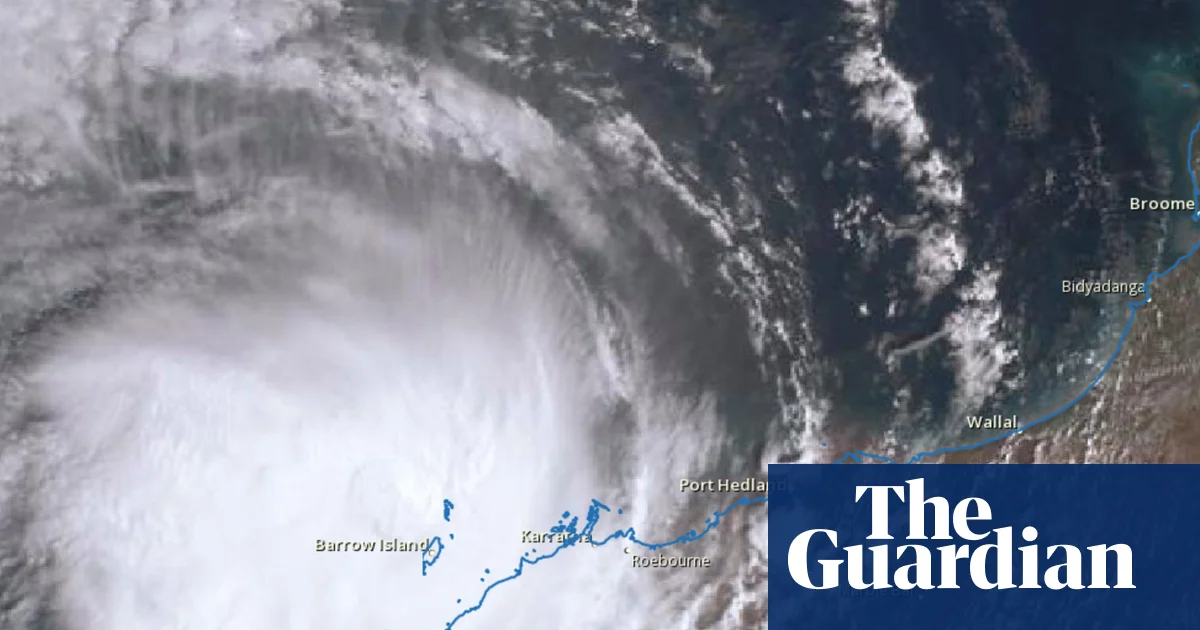
Pilbara residents warned: Tropical Cyclone Mitchell unleashes fierce winds, shelter now urged

The Unfolding Power of Nature: Cyclone Mitchell Threatens Australia’s Pilbara Coast

Amidst the shifting global climate landscape, Severe Tropical Cyclone Mitchell presents a stark reminder of nature’s raw power and its geopolitical implications. Currently approaching the Pilbara coast of Australia, this cyclone is forecasted to sustain its intense category 3 status as it barrels southward along the western coast, forcing governments and communities into emergency preparedness. According to the Bureau of Meteorology, Mitchell’s winds are surging at 120 km/h near its center, with gusts soaring up to 165 km/h, highlighting the severity and danger posed to coastal regions.

This impending landfall serves as a pivotal moment in the ongoing discussion about climate resilience and international security. Australia’s strategic ports and critical infrastructure in the Pilbara are vulnerable to the widespread damage that such storms can inflict, with authorities mobilizing evacuation centers and issuing cyclone emergency warnings from Dampier to Onslow. Historically, these regions are susceptible not only to natural disasters but also to the socio-economic repercussions that follow. As noted by analysts, the increasing frequency and severity of these events, potentially amplified by climate change, threaten to destabilize local economies and strain national resources. Future international cooperation on climate resilience measures will undoubtedly influence the hemisphere’s geopolitical stability, especially as alarms about rising sea levels and destructive weather patterns grow louder.

Global Climate Dynamics and Regional Security

The impact of Cyclone Mitchell extends beyond the immediate danger zone, symbolizing broader geopolitical shifts driven by climate phenomena. The recurring pattern of tropical cyclones in Australia, including recent passings by Fina, Hayley, Koji, and Luana, underlines a complex narrative—fewer storms may form in a warming climate, but the proportion of severe events is projected to increase, according to international climate assessments. This alignment of evidence has prompted warnings from climate scientists and international organizations such as the United Nations that climate-induced disasters will become more unpredictable and devastating, reshaping geopolitical landscapes.

The widespread hazards caused by Mitchell—such as flash flooding, high tides, and infrastructure threats—are a stark manifestation of how natural calamities can destabilize societies. Historically, nations with vulnerable infrastructure and limited emergency response capacity find themselves at increased risk, fueling regional instability. Recognized analysts emphasize that climate change acts as a threat multiplier in geopolitics, exacerbating existing tensions and displacing populations, thus impacting international security. The interdependence of nations now hinges on their ability to adapt to these evolving environmental threats, which signal a shift in global power dynamics. The decisions made today—whether to invest in climate mitigation or to ignore the warnings—will determine the stability of future generations.

Turning Point or Tipping the Balance?

As the cyclone’s wrath approaches and the world watches, the question remains whether humanity will heed the rising alarms or continue down a path of shortsightedness. Historians and climate experts warn that this is a turning point: a moment where international cooperation and immediate action could either fortify societies against future storms or leave them vulnerable to an uncertain, more violent climate regime. The unfolding events in Australia reflect a broader narrative—one where natural forces test human resilience and geopolitical resolve. The legacy of today’s decisions will either be one of adaptation and strength or of chaos and catastrophe, etching their mark into the pages of history as the planet’s turbulent climate saga continues to unfold.

Londoners warned: Watch out for scam messages following council cyberattack

In an era marked by increasing digital dependency, cyber-attacks have become a potent weapon wielded not only by criminal gangs but also reflecting wider geopolitical tensions. Recent events in London, where three councils—including Royal Borough of Kensington and Chelsea (RBKC)—confirmed they had fallen victim to cyber breaches, underscore the vulnerability of local government services in a digital age. These breaches, linked to sophisticated malware, have reportedly compromised “historical data,” igniting fears over the potential exposure of personal and financial information for upwards of 147,500 residents. Governments worldwide are scrambling to counter such threats, recognizing that the repercussions extend beyond local inconveniences and threaten the integrity of national security frameworks.

  • The affected councils have reported significant operational disruptions, with some systems offline for weeks, highlighting a pattern seen across the UK, which has faced a surge in ransomware incidents. Public sector entities, traditionally seen as less targeted, are now prime objectives, with global analysts warning of a shift in cyber warfare strategy.
  • While there is no definitive confirmation that ransomware was involved in the London attacks, the modus operandi mirrors well-documented tactics of gangs based in the Soviet Union. These criminal enterprises often demand cryptocurrency ransoms, effectively making extortion a lucrative international enterprise.
  • Authorities, including the National Crime Agency and Metropolitan Police, are collaborating to identify and neutralize the perpetrators. Yet, experts argue that such incidents are signals of a broader geopolitical crisis, where cyber offensives are becoming tools of statecraft, influencing societal stability and international relations.

Global institutions such as NATO and the European Union watch these developments with growing concern, recognizing that cyberwarfare has evolved into a new front in the contest for global dominance. As analysts like Dr. James Baker point out, “In geopolitical terms, these attacks could be precursors to larger plans involving espionage, disruption, or even kinetic conflict, with digital battlegrounds serving as standoff zones.” The United States and Russia are already engaged in an opaque and escalating cyber rivalry, which has reached the doorstep of small municipalities and major nations alike. It acts as a stark warning: the security architecture that many nations depend upon is more fragile than ever.

In the face of these mounting threats, governments are called to reevaluate their cybersecurity policies, emphasizing resilience and rapid response. Yet the bigger picture remains troubling; as historical and modern analysts warn, these digital conflicts threaten to redefine sovereignty and societal trust. The ripple effect of a local cyber breach can echo into international diplomacy, economic stability, and public confidence in institutions. As history’s grand narrative continues to unfold, one thing is clear: humanity stands at a crossroads, where the decisions made today will shape the balance of power and societal harmony in the decades to come. The digital battleground is no longer a distant frontier—it is now the heart of our collective security, and the weight of history bears heavily upon all who govern in this new era.

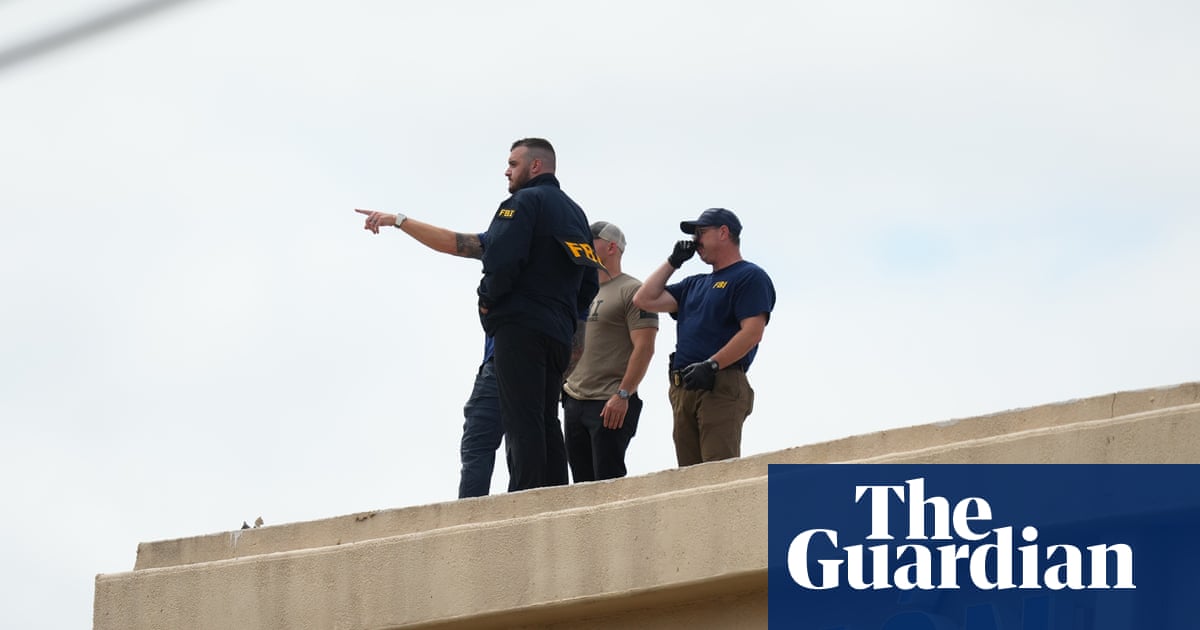
Dallas Ice shooting suspect planned attack, FBI warns—youth warned to stay alert

In recent days, the United States has faced a stark reminder of the rising tide of political violence and internal strife. The shocking attack on an Immigration and Customs Enforcement (ICE) detention facility in Dallas underscores the deepening divisions within American society—a nation torn between lawlessness and the rule of law. The FBI disclosed that the suspect, identified as 29-year-old Joshua Jahn, meticulously planned the assault, even deploying a ladder and a high-powered rifle with sniper capabilities. Such details reveal an alarming degree of premeditation, emphasizing that the incident was not an impulsive act but a calculated strike against the very institutions meant to uphold national sovereignty and law enforcement integrity. As analysts from think tanks warn, these acts threaten to destabilize America’s internal security and fuel further polarization, which, if left unaddressed, could usher in an era of increasing chaos and societal fracture.

The geopolitical impact of this domestic crisis extends far beyond U.S. borders. As the Biden administration struggles to manage a surge in political extremism, international observers from Russia to China, along with global organizations such as the United Nations, are watching with concern. The incident comes amid a backdrop of strained global relations, where weak governance in the USA fuels skepticism about American leadership and stability. The rhetoric surrounding the attack, with former President Donald Trump and right-wing commentators framing it as a consequence of what they label as “radical left” policies, exemplifies how domestic issues are increasingly intertwined with international perceptions of American strength. The potential for such violence to influence foreign policy and global stability remains a key concern, particularly as nations contend with their own internal conflicts and the erosion of traditional security paradigms.

Notably, this attack appears to be a manifestation of rising militant tensions fueled by intense partisan conflicts and an emboldening of radical elements. Historians caution that in times of social upheaval, acts of targeted violence against government institutions are often precursors to broader destabilization. Various analysts from NATO to the European Union have warned that the ongoing polarization within the USA may serve as a blueprint for others who seek to undermine Western cohesion. The suspect’s expressed hatred for the federal government, along with notes indicating an intent to instill terror among ICE agents, reveal troubling ideological undercurrents that could inspire copycat violence internationally. These dynamics threaten to ripple outward, challenging the stability of democracies around the world. As the global community observes the U.S. domestic crisis unfolding, the need for decisive leadership becomes undeniable.

Ultimately, the Dallas shooting encapsulates a pivotal moment—an ongoing chapter of history still being written. With each act of violence, the fragile fabric of societal trust is further frayed, pushing nations to confront uncomfortable truths about internal divisions and external instability. The world watches breathlessly, aware that such acts of terrorism, rooted in hatred and ideological extremism, have consequences far beyond national borders. As leaders debate solutions, the weight of history presses down: will the United States emerge resilient, or will this be a harbinger of a new era of chaos? The answer remains unwritten, but the shadows cast by this violence will surely shape the pages of history for generations to come.

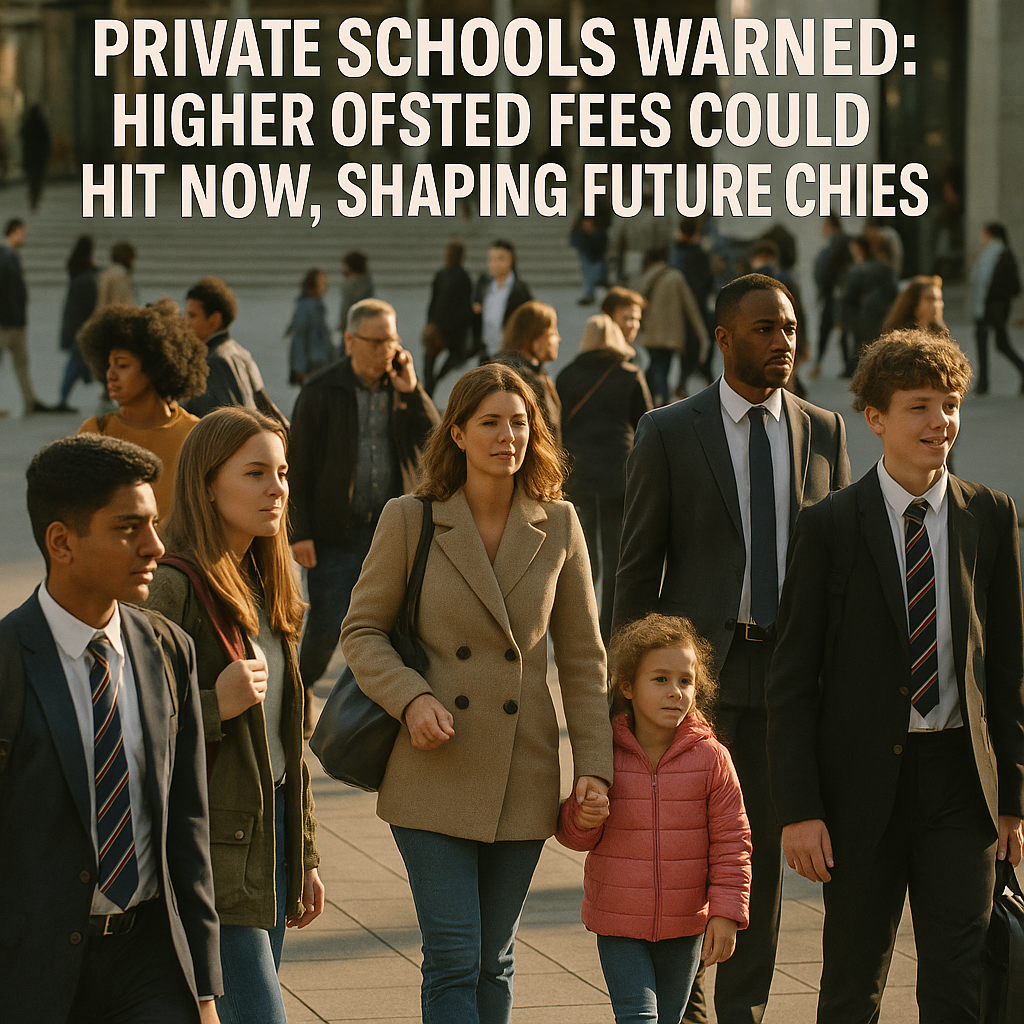
Private Schools Warned: Higher Ofsted Fees Could Hit Now, Shaping Future Choices

Societal Divide Deepens: The Impact of Private School Policies on Families and Communities

In recent months, the fractures within the fabric of British society have become more evident, as government and educational authorities grapple with the future of private education. The Department for Education (DfE) has proposed increased fees for Ofsted inspections of private schools, a move seen by many as a step toward economic fairness but criticized by others as a threat to exclusive community benefits. Currently, the regulator’s inspection costs are partially subsidized by taxpayers; however, the DfE suggests that private institutions should shoulder more of this burden, claiming that the taxpayer shouldn’t be subsidizing private businesses in this way. This policy shift raises questions about the social cohesion of communities and the role of private institutions within the broader society, especially given their historic role in perpetuating class distinctions and access to elite education.

Private schools inspected by Ofsted—those classified as “non-association”—comprise a significant portion of England’s independent educational landscape, with nearly half the 1,150 inspected institutions being specialized schools catering to pupils with disabilities and special educational needs. These smaller institutions serve as vital anchors for families seeking tailored education for their children—but looming financial pressures threaten their sustainability. The DfE’s proposal to increase fees over the next five years, climbing for schools with 150–399 pupils from £2,500 to £3,300, is part of a broader initiative to channel additional funds into **state school excellence**. Education Secretary Bridget Phillipson insists this approach is aimed at “driving up standards for children in state schools,” but critics argue it risks widening the social divide—thereby impacting family choices, community stability, and the very fabric of local life.

  • The financial burden on private schools could escalate, potentially making it more difficult for families already under economic strain to access these institutions.
  • Such shifts may incentivize educational consolidation, reducing the diversity of school options within communities.
  • The ongoing VAT on school fees and legal disputes over discrimination allegations compound the economic pressures faced by families and institutions alike.

This evolving landscape underscores how social and economic policies directly influence families and community dynamics. The higher fees could deepen existing inequalities, positioning private institutions as increasingly exclusive enclaves while challenging the principles of equal opportunity. Experiencing socioeconomic and cultural transformations, society faces the challenge of balancing meritocracy with accessibility. Sociologists like Charles Murray have long argued that education serves as a cornerstone of societal mobility; yet, policies that threaten to make private education more inaccessible risk entrenching disparities that threaten to undermine social cohesion. As families navigate these shifting currents, their choices and opportunities are being reshaped, impacting generations to come.

Reflecting on these societal shifts demands more than policy adjustments; it calls for a collective moral reconceptualization of what it means to foster an equitable society. The true test lies not merely in economic recalibrations but in nurturing a social fabric where opportunity and dignity for every family remain attainable. However, as history reminds us, societal transformations are seldom smooth, and the resilience of community bonds will be challenged amid economic austerity and cultural shifts. Yet, with deliberate effort and moral clarity, society can forge pathways that bridge divides, ensuring that future generations inherit not a fragmented landscape but a resilient, inclusive, and hopeful society.

Social Media Auto Publish Powered By : XYZScripts.com