Matox News

Truth Over Trends, always!

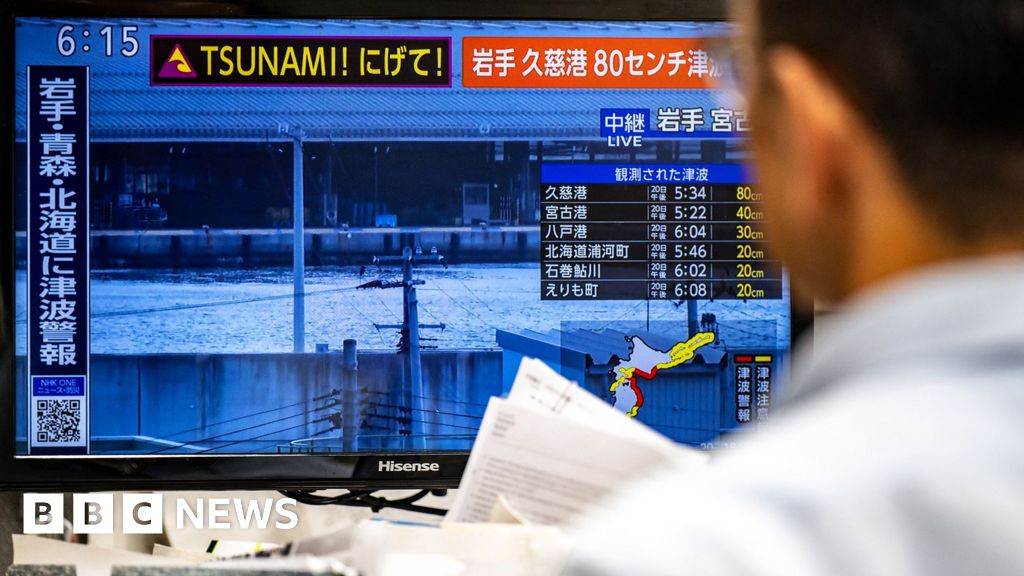
Japan on edge as second 'huge' quake Threatens After Tsunami Warning Lifted
Japan on edge as second ‘huge’ quake Threatens After Tsunami Warning Lifted

In a stark alert that has captured the world’s attention, Japan’s Meteorological Agency has issued a warning of a potential significantly stronger earthquake likely to strike within the next week. This warning marks a critical moment for one of the world’s most earthquake-prone nations, where geological instability has long shaped its social, economic, and political landscape. As governments and international agencies scramble to prepare, the geopolitical ramifications extend well beyond Japan’s shores, reverberating through global markets and shifting regional alliances.

Historically, Japan’s recurrent tremors have prompted a global response rooted in resilience and technological innovation. The country’s meticulous disaster preparedness programs, which include advanced early warning systems, evacuation protocols, and resilient infrastructure, are tested anew. However, an anticipated magnitude escalation raises questions about the sufficiency of current measures and highlights the importance of international cooperation. Analysts from the International Seismological Centre warn that the impending quake could trigger cascading effects, including regional tsunamis and widespread infrastructural damage. Such outcomes threaten not only local communities but also vital supply chains that sustain the economic stability of the Asia-Pacific region.

This seismic uncertainty strikes at the core of regional security concerns. Countries such as South Korea, China, and Russia are carefully monitoring Japan’s situation, cognizant that a major quake could destabilize the delicate balance of influence in East Asia. The regional power dynamics could shift dramatically depending on how authorities respond and whether natural disaster management intersects with geopolitical interests. Some experts suggest that a major quake might exacerbate Japan’s call for increased military readiness and emergency aid cooperation, thereby influencing regional alliances in ways that could redefine the post-World War II security architecture.

Moreover, the international community’s response to Japan’s impending crisis encapsulates a broader narrative of geopolitical importance and societal resilience. As Japan navigates this natural threat, global organizations like the United Nations and neighboring nations are under pressure to coordinate aid, share intelligence, and reinforce disaster preparedness programs. Historians and geopolitical analysts point to past events where such natural calamities have either fostered greater regional solidarity or, conversely, exposed fragilities that fuel geopolitical conflicts. The looming threat underscores that in today’s interconnected world, natural disasters are no longer isolated incidents— their impacts reverberate far beyond the initial quake, shaping the fate of nations.

As the earth beneath Japan quietly rumbles in anticipation, the world stands at a precipice where history is still unwritten. The coming days will reveal whether human ingenuity and collective will can withstand the wrath of nature, or whether this natural upheaval will serve as a stark reminder of our vulnerability in the face of uncontrollable forces. The weight of history presses heavily on Japan’s shoulders, as it heeds the warning of a possible *greater catastrophe*, bearing witness to a moment that could redefine the destiny of the region — a silent prelude to a tragedy waiting just beneath the surface.

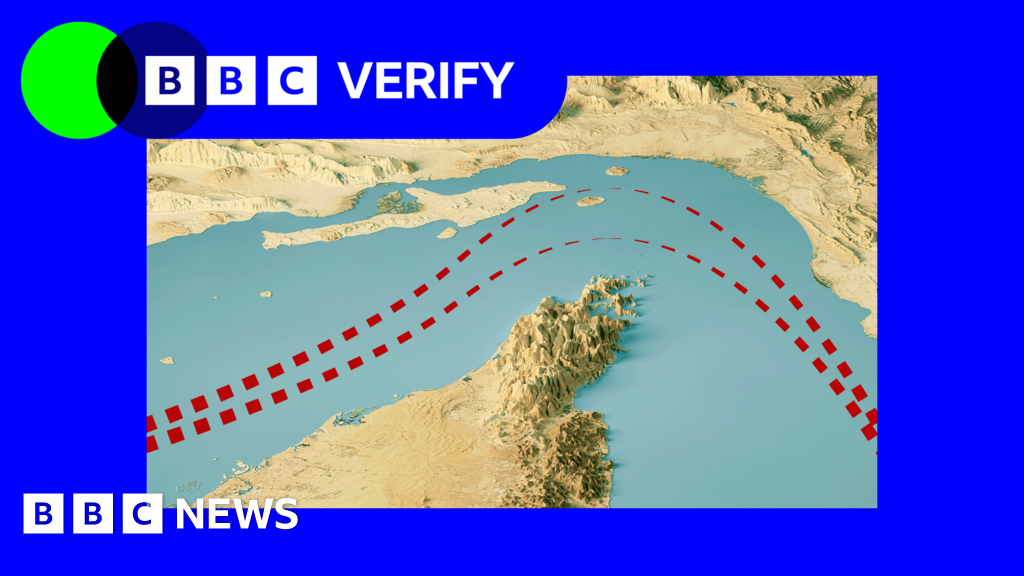
Iran’s Warning in Strait of Hormuz Sparks Fresh Shipping Concerns

The recent upheaval in the Strait of Hormuz has triggered a seismic shift in international markets, illustrating the fragile interdependence of the global economy. Over the past five weeks, disruptions—caused by tensions between Iran and regional allies—have sent shockwaves across financial systems worldwide. The narrow waterway, only about 33 kilometers (21 miles) across at its tightest point, has become a critical choke point for nearly one-fifth of all global oil trade, making its stability a matter of international concern. As energy prices spike and supply chains strain under the pressure, analysts warn that this crisis underscores how geopolitics directly influences daily life, from fuel costs to consumer goods.

The situation has intensified fears of broader conflict, with Western nations and Middle Eastern powers seemingly entangled in a dangerous game of brinkmanship. Many experts, including respected geopolitical analysts and historians, point out that the escalating tensions are not isolated but part of a larger struggle for regional dominance, driven by fears over Iran’s nuclear ambitions and the strategic importance of maritime control. The International Maritime Organization, while calling for de-escalation, recognizes that the narrow strait acts as a vital artery for global energy flows, rendering any blockage a potential economic catastrophe. While some nations attempt diplomatic efforts, the risk of miscalculation remains high, with the threat of conflict casting a shadow over international stability.

Beyond immediate economic impacts, international institutions and alliances are recalibrating their strategic calculations. The United Nations has expressed concern, urging restraint, but many analysts suggest that the crisis reveals lessons long buried in history—how small flashpoints can ignite larger conflicts with far-reaching consequences. Countries such as Saudi Arabia and Israel are closely monitoring developments, aware that regional instability could undermine their security and economic interests. The crisis also reveals the undercurrents of a new world order emerging, where the control of vital shipping lanes becomes as crucial as conventional military strength, pushing nations into a zero-sum game of influence and power.

As the world holds its breath, the unfolding events on this narrow waterway serve as a stark reminder: in an interconnected global system, even the smallest geographic chokepoint can shape history. With each tense diplomatic exchange and military maneuver, the fabric of peace frays further, weaving in new threads of uncertainty. The decisions made today—whether to escalate, negotiate, or retreat—will echo through generations to come. History whispers of conflicts sparked over strategic waterways, and as the world watches this delicate balance teeter on the brink, it becomes clear that the true weight of these moments will be measured by how nations manage the perilous path ahead—because in the chess game of geopolitics, the stakes could not be higher.

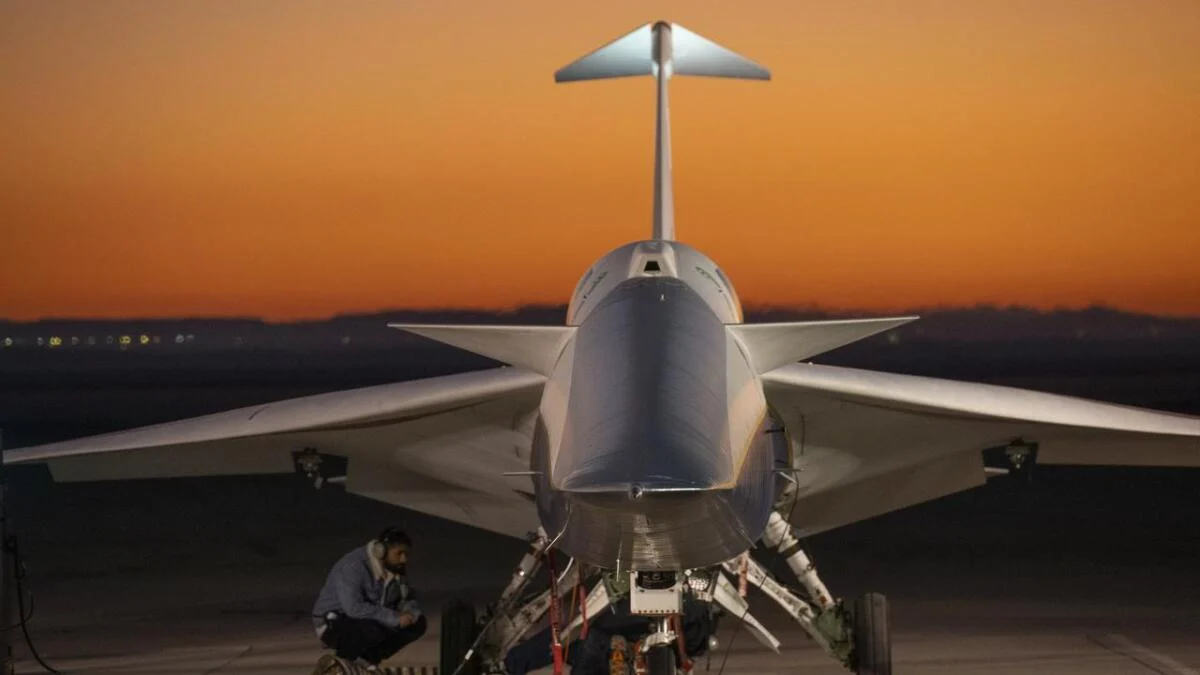
NASA’s Experimental Supersonic Jet Makes Surprising Early Landing Following System Warning

The Rise of Quiet Supersonic Flight: NASA’s X-59 and Its Cultural Impact

In an era where speed often symbolizes progress, NASA’s latest milestone with the X-59 supersonic jet signals a transformative shift in aerospace innovation—one centered not just on breaking barriers, but on redefining societal norms surrounding sound pollution. While the jet has only completed brief test flights—such as its second run on March 20, which was cut short after nine minutes—the implications resonate far beyond the runway. This project embodies the modern push towards faster, more efficient travel that adheres to evolving standards of environmental and social responsibility.

The X-59 represents more than a high-speed aircraft; it signals a major cultural shift in how society perceives technological progress. Traditionally, supersonic jets like the Concorde introduced a new era of luxury and rapid transit but were hampered by the notorious sonic boom—a disruptive shockwave that made routine overland flights impossible, and spurred government bans. NASA’s innovation, built in partnership with Lockheed Martin, is aimed at achieving Mach 1.4 speeds (~925 mph) that produce only a gentle thump. This would fundamentally challenge the existing restrictions, paving the way for a new wave of commercial travel that could shatter the time barrier, with a New York to L.A. flight slashed from over five hours to under three.

  • Traditional supersonic aircraft create disruptive booms—an environmental and societal obstacle.
  • NASA’s X-59 aims for a quiet sonic thump, potentially revolutionizing overland supersonic flight.
  • Early test flights focus on system stability, with upcoming higher-speed tests planned.

This emerging technology is capturing the social imagination and setting cultural trends that extend beyond aviation enthusiasts. Influencers and industry analysts herald it as a herald of the next frontier of lifestyle convenience. The anticipation of faster connectivity feeds into a broader societal desire for instantaneous experiences, influencing everything from how younger generations perceive transportation to their expectations of efficiency. Scholars like sociologist Dr. Emily Harper argue that this trend reflects a society “eager to shed the constraints of time,” pushing the boundaries of what’s possible in the quest for speed and sustainability.

Though still in its experimental phase, the project’s impact is as much about cultural shift as technological breakthrough. With over 100 planned test flights and an industry waiting eagerly for regulatory approval, the question becomes less about if supersonic travel will return, and more about how it will change our social fabric. Will the pursuit of faster, quieter flight lead to a new era where overpopulated urban centers are interconnected within hours? Or will it raise new questions regarding environmental impacts and urban regulation? The next chapter of this story hinges on the societal response to these advances, making it the next big question in aviation history.

West Coast braces for intense spring heatwave—early warning sign for a tough season

In a stark manifestation of climate volatility, the United States is currently experiencing a relentless barrage of extreme weather phenomena that span from coast to coast. These conditions, characterized by scorching heat waves in the Southwest and record-breaking cold snap in the Northeast, underscore the escalating challenges confronting nations around the world. According to recent reports from the National Weather Service and climate analysts, such anomalies are not isolated incidents but signals of a broader, more destabilizing pattern driven by ongoing climate change. The societal and geopolitical implications of this phenomenon are profound, offering both a warning and an urgent call for international cooperative responses.

***U**nprecedented heat waves have swept through regions like California and Arizona, pushing temperatures well above historical averages. Simultaneously, other parts of the country, including the Midwest and Atlantic Coast, have been battered by frigid temperatures and severe winter storms. This juxtaposition of extremes is placing immense stress on infrastructure, agriculture, and public health—a trend affirmed by experts at the World Meteorological Organization. Beyond immediate impacts, these weather fluctuations threaten to exacerbate existing socio-economic disparities, impacting vulnerable communities most severely, and complicating national security considerations. The scale and frequency of such events have led many, including historian Dr. Samuel Carter, to warn that humanity stands at a critical juncture where climate resilience must become a central pillar of policy.

On the geopolitical realm, the disruption caused by extreme weather is rippling through international relations. Countries heavily dependent on stable climatic conditions for food security and resource extraction find themselves at increased risk of conflict. For instance, vulnerable regions in Africa and South Asia are already experiencing food shortages and displacement, consequences that are magnified by the erratic weather patterns originating from shifting atmospheric currents. Meanwhile, the U.S. itself faces internal pressure to prioritize climate adaptation strategies. The ongoing domestic chaos underscores how environmental disturbances are intertwined with broader issues like economic stability, migration, and even geopolitical power dynamics. The European Union and China, two major players in the international arena, have voiced commitments to climate actions, yet critics argue these pledges fall short of the scale needed to counteract the escalating crisis.

This series of weather extremes serves as a clear warning: the decisions taken today will shape the course of history. As international institutions like the United Nations call for urgent climate action, strategic alliances are being tested and formed around the reality that climate instability undermines global security. Some analysts, such as Dr. Helen Martinez of the International Crisis Group, emphasize that climate-induced upheaval could foster regional conflicts, undermine national sovereignty, and accelerate migration flows, thereby destabilizing societies worldwide. In this context, history’s most pivotal moments are often marked by responses—whether bold or complacent—that determine the future of civilizations. As the nation grapples with its own climate crises, the message is unmistakable: the time for debate has long passed, and decisive action is urgently needed, lest we allow these natural upheavals to rewrite our collective destiny.

In this unfolding saga, the United States stands at a crossroads where the past’s comfort must give way to the hard realities of the present. Every weather anomaly is a chapter in a story still being written—one shaped by decisions made not just within national borders, but across an interconnected globe. As history watches, the challenge remains: will the enduring spirit of resilience triumph over the storms of change, or will humanity become mere witnesses to an era defined by chaos? The hourglass continues to run, and the weight of history presses ever heavier as the world braces for what is yet to come.

Trump issues warning to Netflix: Remove leading Democrat or face consequences

Controversy Sparks New Chapter in Global Media and Power Politics

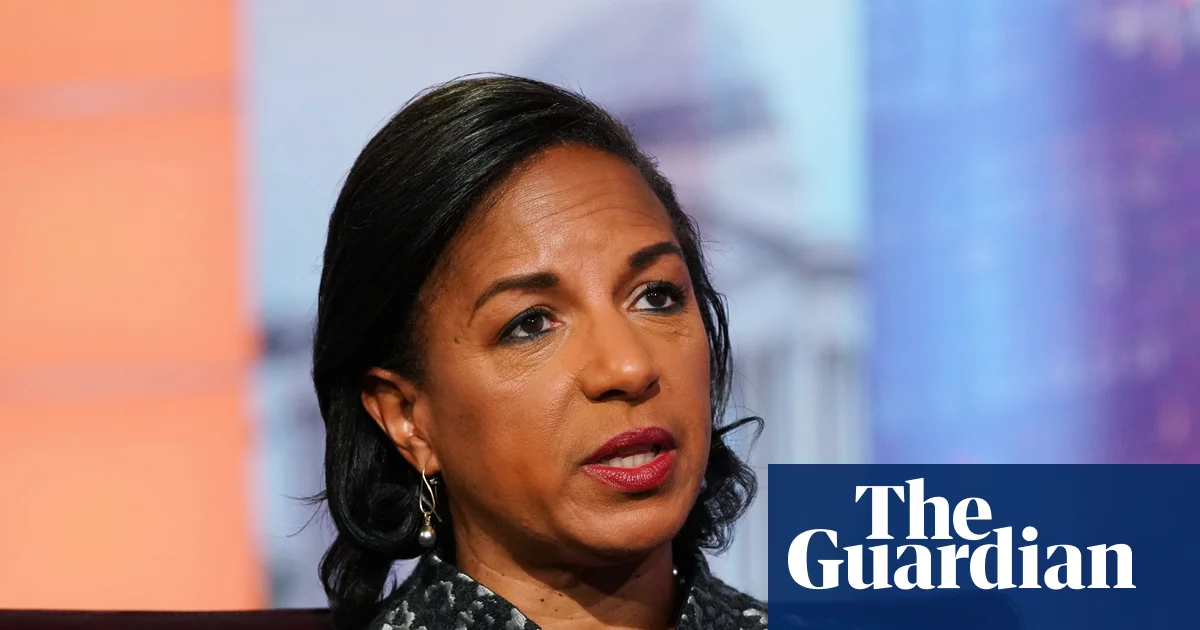
In an extraordinary display of interconnected power struggles, United States President Donald Trump has issued a direct threat to Netflix demanding the removal of Susan Rice from its board amidst a fierce corporate battle for control over Warner Bros Discovery (WBD). These comments, posted on his Truth Social platform, mark a bold intervention into not only entertainment industry politics but also reflect broader geopolitical tensions amidst the ongoing global realignment of influence. Former White House officials, besides Rice, have become pawns in an ideological clash that threatens to draw international attention, especially as major corporations become conduits for political agendas.

The backdrop to this controversy is the fierce bid war between Netflix and Paramount Skydance to acquire WBD’s lucrative assets, including the rights to iconic franchises like Harry Potter, Batman, and Superman, alongside streaming powerhouses such as HBO and its acclaimed series like Game of Thrones. Analysts warn that whether this deal goes through could have a profound impact on global media landscapes, creating a media titan wielding unprecedented influence over international narratives and cultural exports. This move reflects the consolidation of soft power through corporate dominance and exemplifies how economic leverage translates into geopolitical muscle. Washington’s stance suggests that any acquisition must receive federal regulatory approval, but Trump’s inflammatory comments serve to politicize the process and undermine international confidence in free-market principles, revealing a dangerous intersection of commerce and political vendettas.

The scandal deepens as Rice, an influential figure who served under Barack Obama and currently maintains a position on Netflix’s governance committee, became a target of Trump’s vitriol. His assertion that her “power is gone” and questioning her remuneration reveal a broader ideological battle—one where media influence is seen as a battleground for ideological dominance. Prominent international researchers and think tanks warn that the politicization of corporate governance and media assets fuels instability, potentially fostering regional conflicts as nations react to perceived external interference. Meanwhile, US political factions are divided, and global forces watch with caution as the tendency for such high-profile disputes to spill across borders grows ever more evident.

This unfolding saga is more than a battle over assets; it signals a pivot point in the rendering of geopolitical influence. The clash involving United States domestic politics, international media, and corporate sovereignty underscores a future in which economic powerhouses seek to shape global narratives and societal values. As global institutions remain watchful, historians like Fukuyama and Huntington warn that the lines between cultural influence and geopolitical strategy continue to blur, risking an era torn between the forces of capitalism and nationalist fervor. The next chapter in this fight for control may well determine if the world is steering toward a new era of unprecedented corporate domination, or if resistance by societies and nation-states will carve out a space for independence amid the chaos.

As the curtains close, the story remains unevenly written, with history once again echoing into the uncertain future. The question lingers—how will this battle for control over the streams of information and cultural icons ultimately reshape our global order? Only time will reveal whether these power plays forge a new era of dominant media empires or ignite a reckoning that reshapes sovereignty itself. For now, the world watches and waits, aware that history is not just being written—it is being violently reshaped, one deal, one tweet, one moment at a time.

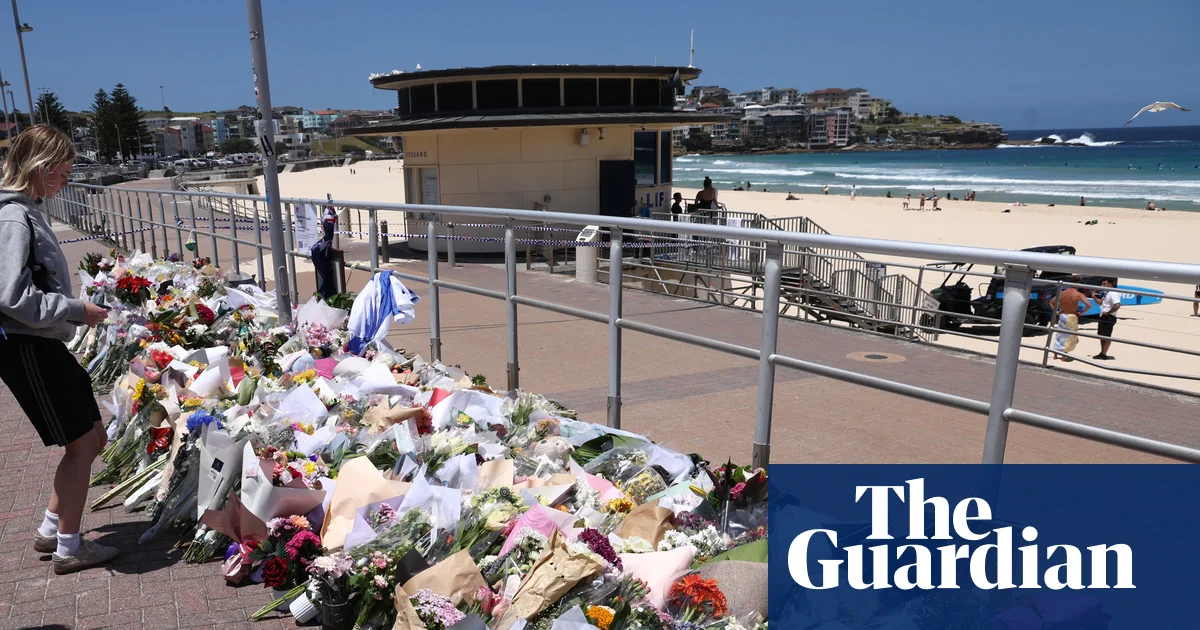
ABC Highlights Ex-ASI Operative’s Warning on Bondi Attack Radicalization Despite Agency Criticism

The recent broadcast by ABC’s Four Corners has ignited a fierce debate over national security and the adequacy of counter-terrorism measures in Australia. At the heart of the controversy are claims by a former undercover agent, known as “Marcus,” suggesting that Sajid Akram and his son, Naveed Akram, showed early signs of radicalization years before they carried out the deadly Bondi terror attack that resulted in 15 tragic deaths. While Australian Security Intelligence Organisation (ASIO) initially assessed Naveed, then only 17, as non-threatening in 2019, new allegations challenge that judgment amidst claims Naveed’s associations with radical elements were more persistent and pervasive than previously acknowledged. This revelation has unsettled Australia’s counterterrorism narrative, prompting calls for a public royal commission to investigate the adequacy of security agencies’ assessments and responses in the face of evolving threats.

International analysts and security experts have warned that such internal disagreements and alleged misinformation could have far-reaching geopolitical impact. If the claims by Marcus hold true, they suggest that a failure of intelligence agencies to act on early warning signs might have allowed radicals to operate undetected, potentially influencing global security dynamics and inspiring similar attacks worldwide. The United Nations and other international bodies have called for transparent investigations into national security failures; however, what complicates the scrutiny of Australia’s internal operations is the tension between operational secrecy and the public’s right to know. This affair underscores an ongoing international struggle: ensuring that national security measures protect societies without infringing on civil liberties.

Adding to the complexity, Prime Minister Anthony Albanese announced a royal commission to assess the circumstances surrounding the Bondi attack, with a particular focus on antisemitism and how societal divisions can be exploited by extremist factions. Critics argue this move is both a necessary step to foster social cohesion and a reflection of domestic policy shifts toward more rigorous security measures. Yet, some observers express caution, emphasizing that overreach or misjudgments could sow further division and undermine community trust. Historian Dr. Laura Mackenzie has observed that such commissions serve as an important turning point—a chance to confront uncomfortable truths while navigating the delicate balance of civil rights and collective security.

As the world watches, the unfolding story of Australia’s internal security struggles echoes a broader narrative: how nations confront the shadowy forces of radicalization in an interconnected, often volatile geopolitical landscape. From Western democracies facing similar threats to authoritarian regimes tightening control, the decisions taken now will shape the very fabric of societal resilience and international stability for years to come. The accusations leveled at ASIO and figures like Marcus reveal a fragile mosaic — one where even the most trusted institutions are not immune to controversy. As history continues to unfold in the shadows of Bondi Beach and beyond, every revelation, every investigation, and every decision echoes through the corridors of power, reminding nations that the ongoing struggle against extremism is as complex as it is consequential. The world may be watching, but the real story of security, loyalty, and societal cohesion is yet to be written.”

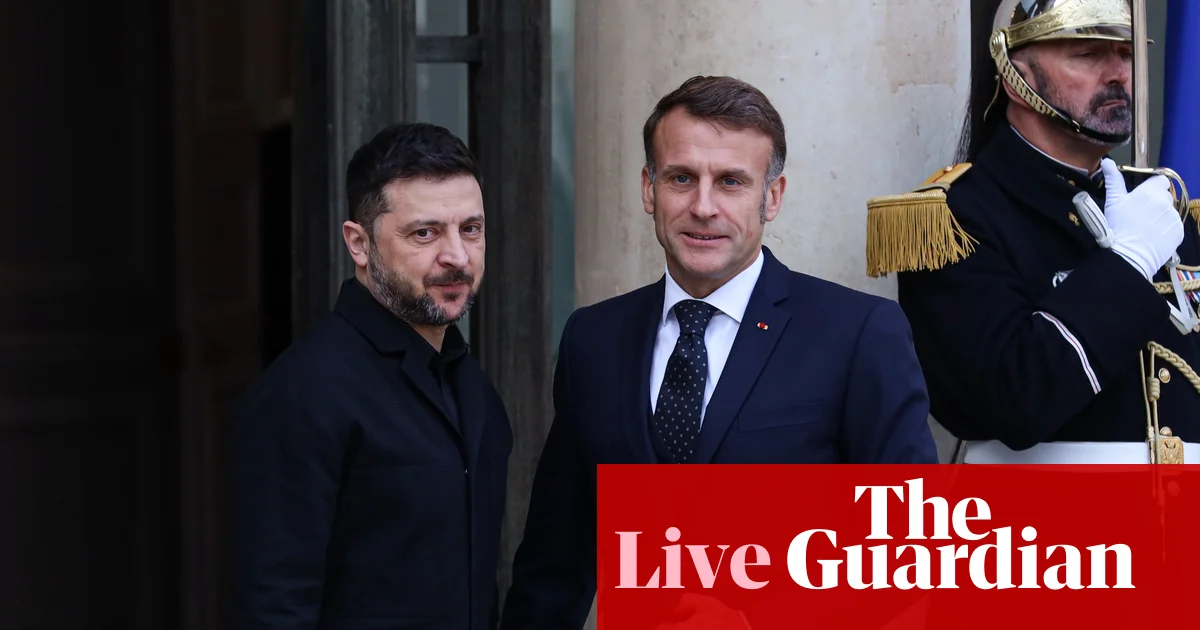
Ukraine War Updates: Macron denies warning Kyiv of US betrayal—what’s really going on?

In a world vigilantly watching the shifting tapestry of international power, recent developments reveal a landscape fraught with tension and strategic recalibration. France’s President Emmanuel Macron has publicly dismissed reports suggesting he warned of possible US betrayal in the ongoing support for Ukraine. During a diplomatic visit to China, Macron emphasized that unity between Europe and the United States is crucial for sustaining Ukraine’s defense efforts. Yet, behind closed doors, reports from German Spiegel have surfaced, citing confidential conversations where European leaders voiced skepticism of US-mediated peace negotiations with Russia. Such discrepancies signal a brewing rift within Western alliances—an echo of doubts that could fracture the unified front in Europe’s most pivotal geopolitical challenge in decades.

Meanwhile, Germany’s parliament has approved a controversial new military service law to bolster its armed forces amid increasing Russian aggression. The legislation sets ambitious targets, aiming to expand military personnel to 260,000 active soldiers by 2035—an unmistakable message that Western capitals are preparing for a protracted confrontation. On the eastern front, Russia has assertively captured the village of Bezimiane in Donetsk, declaring control over 85% of the region. President Vladimir Putin has dismissed any prospects of compromise, insisting that Ukrainian troops either surrender or face violent annexation. Such stark declarations underscore Putin’s resolve to reclaim disputed territories by force, turning the conflict into a brutal struggle for what remains of Ukraine’s eastern lands, which Moscow considers vital.

The geopolitical ripple effects are profoundly felt beyond Ukraine’s borders. India and Russia have strengthened their alliance, with Putin reaffirming continued energy exports and expanding trade beyond oil and defense—a clear signal to the West amid increasing sanctions and diplomatic marginalization. Conversely, Western efforts are focused on a fragile attempt to aid Ukraine financially, exemplified by Sweden‘s decision to prioritize direct support, pledging over $1 billion in aid to Ukraine while cutting development aid to other nations. These shifts reveal a multipolar world where alliances are tested, and strategic interests clash over whether to support Kiev or pursue accelerated regional alliances that could shift the balance of global power.

Above all, the cascading consequences of these decisions reveal a pivotal climax in the unfolding drama of geopolitics. As Vladimir Putin presses his territorial ambitions, and European nations grapple with internal political debates and external threats, history bears witness to a period of profound instability. The diplomatic stratagems, military mobilizations, and shifting alliances are not merely fleeting news but chapters in an ongoing saga—each move sowing seeds that will determine the course of history. The world stands at the crossroads, where the choices of today will echo into the future, leaving us all to ponder the legacy of this turbulent era: a moment when the balance between peace and conflict teeters on a razor’s edge, and the weight of history continues to unfold.

Will Ireland's new warning labels finally curb youth drinking?
Will Ireland’s new warning labels finally curb youth drinking?

In a move that underscores how domestic policies intertwine with international trade dynamics, Ireland has delayed the compulsory enforcement of new alcohol warning labels until 2028. Originally signed into law in 2023, these labels aim to combat the nation’s pervasive drinking culture by highlighting the severe health risks linked to alcohol consumption. However, the Irish government cites uncertainty within the global trading environment as the reason for postponing their mandatory adoption, a decision that has ignited debates about the influence of multinational beverage companies on policy decisions and public health priorities versus commercial interests.

Historians and analysts widely observe that Ireland’s social fabric has been historically woven with or around alcohol—particularly in the form of pints at local pubs, traditional music, and community gatherings. According to public health groups, 75% of Irish youth aged 15-24 now consume alcohol regularly, with binge drinking among the highest in Europe. Despite decreasing overall consumption over the past quarter-century, recent studies indicate that early alcohol use and hazardous drinking patterns among youth remain stubbornly high, driven by cultural acceptance and social norms. The new labels, which explicitly state that drinking causes liver disease and certain cancers, are seen by some as a necessary measure—yet their delayed enforcement exemplifies the power of the alcohol industry lobby and its influence on policy within the European Union’s legal framework.

International organizations such as the World Health Organization have been vocal about the importance of health warnings to curb alcohol-related harm, warning that without decisive action, societies risk a future burdened by preventable diseases. Nevertheless, Ireland’s situation highlights a critical dilemma faced by many nations: how to balance public health initiatives with economic interests. The decision to defer the labels has been condemned by advocates who argue that it is an example of regulatory capture—where entrenched commercial interests influence policymaking—jeopardizing the country’s health future. Meanwhile, industry representatives have called for harmonized EU-wide standards, fearing that piecemeal regulations hamper trade and competitiveness. This ongoing tension exemplifies the geopolitical impact of such decisions, as countries navigate the complex landscape of international trade agreements, health regulations, and corporate influence.

As Irish youth continue to consume alcohol at high rates—despite increased awareness and warning labels—the broader question remains: how resilient are societal norms against the pressures of globalization and corporate lobbying? In Dublin’s bustling streets and vibrant pubs, where social life often revolves around alcohol, many young people like Jack admit they flirt with the idea of sobriety but find it difficult to detach from culturally ingrained patterns. Meanwhile, as the government delays, some health advocates warn that history is watching, and future generations may bear the cost of today’s deferred action. With each passing year, society inches closer to a pivotal crossroads—will it be the moment to confront the deep-seated cultural affinity for alcohol, or will it succumb to the economic forces that threaten to drown out public health priorities? Only time will tell, but the story of Ireland’s drinking culture and its influence on policy decisions remains a stark reminder that history is a battleground where societal values are continually tested and rewritten.

Former House Speaker Warns Greene’s Departure Signals GOP Warning Sign for Future Success

The recent upheavals on Capitol Hill and the evolving international diplomacy around the Ukraine conflict underscore a tumultuous chapter in U.S. and global geopolitics. As Marjorie Taylor Greene abruptly resigned from her congressional seat, analysts highlight this as a critical indicator—an emblem of the escalating internal crises within the GOP. Her departure signals a broader pattern of instability, with over twenty-two House Republicans already announcing retirements or plans to forgo re-election next year. Such mass withdrawals depict a party on the brink, fractured by internal divisions and teetering amidst impending electoral battles, which could fundamentally reshape America’s political landscape.

Beyond domestic upheavals, the international chessboard remains equally volatile. The Kremlin has confirmed that Steve Witkoff will return to Moscow next week, hinting at renewed efforts to broker peace in Ukraine. This follows reports of a leaked recording in which Witkoff advised Russia’s Yuri Ushakov on how to pitch a peace deal to Donald Trump. The recording reveals a hands-on diplomatic approach—one that many experts interpret as a testament to the fragile and complex negotiations underway. Furthermore, the US has rolled out a markedly concessionary peace plan, aimed at appeasing Russia and European stakeholders, but it risks further entrenching divisions, especially if those compromises undermine Ukrainian sovereignty.

The geopolitical impact of these intertwined developments is profound.

  • On one side, the U.S. appears to be shifting towards a more pragmatic, yet controversial stance, risking accusations of appeasement amid its support for Ukraine.
  • On the other, Russia’s diplomatic overtures—guided by a perceived desire to leverage the US’s internal discord—highlight Moscow’s strategic patience and its ongoing ambitions to weaken Western unity.
  • Within America, the Republican Party’s internal turmoil and leadership struggles threaten to weaken the United States’ global influence, particularly just as adversaries like China and Russia recalibrate their own geopolitical strategies.

International organizations and military analysts warn that decisions made in these critical moments will resonate through history, shaping the future of Western dominance and extending the shadows of conflict into the coming decades. As experts like prominent historians observe, the current period bears the hallmarks of a historic turning point—one where internal discord, diplomatic machinations, and strategic negotiations collide with unpredictable outcomes. The choices of today could either solidify a new era of resilience or usher in a perilous downslide into escalating conflict and chaos.

Indeed, as history unfurls its latest chapter, one cannot help but consider the weight of the decisions being made—in Capitol Hill, in Moscow, and amidst the Kremlin’s corridors of power. The tipping point may be just beyond the horizon, and the next move in this high-stakes game will determine the course of the world’s future, leaving us all to wonder: in this new epoch of geopolitical upheaval, what will be written into the annals of history, and what will be swept aside in the relentless tide of change? The stakes are clear—they are nothing less than the destiny of nations and the legacy we leave behind.

US military in Kyiv amid Europe’s warning on Russia’s peace proposal

International Power Struggles Intensify Amid Ukraine Crisis

The United States has dispatched its most senior military officials to Ukraine in what appears to be a significant escalation in diplomatic efforts. Senior Pentagon officials, including Army Secretary Dan Driscoll and top military commanders, arrived in Kyiv amidst reports of behind-the-scenes negotiations aiming to broker a peace plan. This unprecedented visit underscores a rising geopolitical contest involving Washington, Moscow, and Kyiv, with the stakes extending far beyond Ukraine’s borders. Analysts emphasize that the presence of such high-ranking officials signals a deliberate attempt by the US to influence the course of the conflict, potentially shaping future borders and alliances in Eastern Europe.

Meanwhile, reports have surfaced of a clandestine draft 28-point plan crafted jointly by American and Russian intermediaries. Details suggest this proposal would require Kyiv to cede territories in the Donbas region, dramatically reduce its armed forces, and relinquish some military capabilities—a series of concessions that Ukrainian President Zelensky and his government have categorically rejected. Experts, including seasoned analysts from international think tanks, warn that such concessions could merely serve as a prelude to Moscow’s broader strategic aims—eroding Ukrainian sovereignty and reasserting Russian dominance in the region. The absence of formal participation from EU officials in these negotiations raises fears that the proposed framework might be significantly skewed in favor of Moscow, further destabilizing the fragile balance of power in Europe.

The European Union, worried about the potential erosion of Ukraine’s sovereignty, has voiced stern warnings. EU foreign policy chief Kaja Kallas emphasized that any lasting peace must involve Ukrainian consensus and European backing, dismissing the notion that Kyiv should accept capitulation. Concurrently, French Foreign Minister Jean-Noël Barrot reiterated the unwavering stance that Ukraine “does not want any form of capitulation.” This resistance highlights the broader geopolitical impact: a divided Western stance on how best to support Ukraine’s independence while avoiding outright capitulation to Russia’s demands. Meanwhile, Moscow continues to discredit talks, with Kremlin spokesman Dmitry Peskov denying that any formal negotiations are ongoing, though reports suggest secret meetings and backchannel talks are intensifying.

In the midst of diplomatic tension, Ukrainian cities remain under brutal attack. On Wednesday, Ternopil suffered a devastating missile and drone strike, killing at least 26 civilians and leaving many more missing. This ongoing assault underscores the high human cost of the conflict and raises questions about the real intentions behind these diplomatic maneuverings. While Kyiv’s leadership has firmly stated its refusal to surrender territory, the relentless violence illustrates that the war’s conclusion remains elusive. As President Zelensky observed from Turkey, the conflict’s humanity is being sacrificed on the altar of geopolitical power plays, and the world bears witness to a brutal chapter yet unresolved.

History’s pages are turning in Ukraine, with the trajectory of the conflict potentially steering the future of Europe and global order. As the US and Russia trace tentative pathways toward a resolution—with concessions that threaten to redefine sovereignty—the weight of this moment echoes through history. The choices made today could either restore peace or deepen the scars of a war that endures in the memories of a battered nation. As the shadows of history unfurl, the world stands at a precipice, watching with bated breath as the delicate balance of power teeters, and the fate of Ukraine hangs in the balance—untainted, unresolved, and waiting for the next chapter to be written.

Social Media Auto Publish Powered By : XYZScripts.com