Matox News

Truth Over Trends, always!

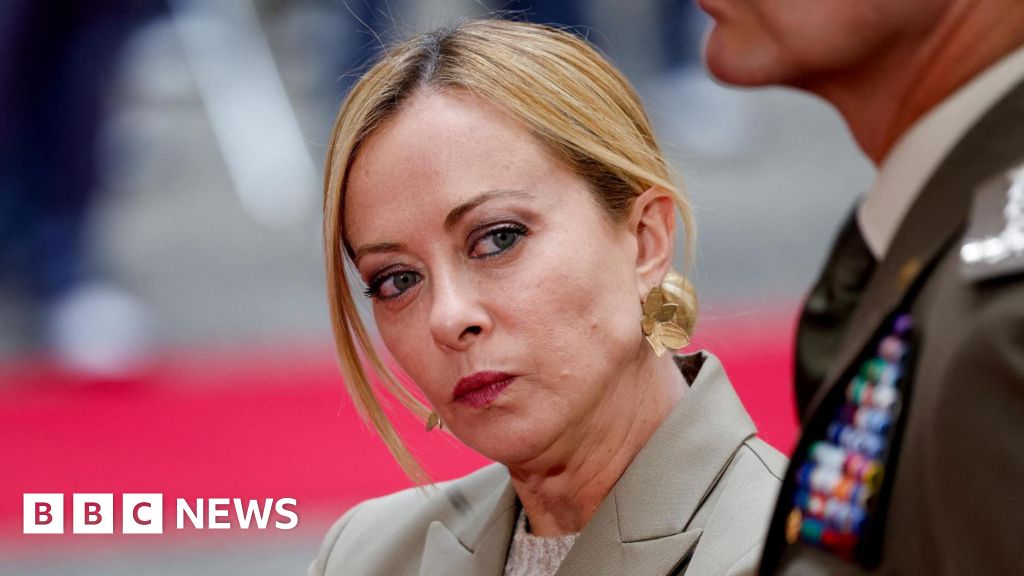
Italy’s PM warns Gaza flotilla: Stop or threaten peace progress

Global Tensions Flare as Italy Intervenes in Gaza Aid Flotilla Crisis

The recent efforts by Italy to navigate the complex and dangerous terrain of the Gaza conflict underscore the precarious nature of international diplomacy amid ongoing violence. Prime Minister Giorgia Meloni has publicly condemned the Global Sumud Flotilla (GSF), a convoy of over 40 ships carrying humanitarian aid, which was making its way toward Gaza in defiance of Israeli restrictions. Meloni’s call for the flotilla to halt, coupled with the deployment of an Italian naval frigate to intercept the vessels, signals a provocative stance that could have significant geopolitical impact. Meloni warns that the flotilla’s actions are a potential pretext for escalation, threatening to derail a fragile US-led peace proposal aimed at ending the brutal conflict.

The U.S. has recently stepped into the fray with a proposal that offers a semblance of hope—a framework for an immediate ceasefire, the release of hostages, and a pathway toward peace. However, such diplomatic initiatives are often fragile and easily undermined. Some analysts argue that Iran and pro-Hamas factions are exploiting these international efforts to prolong their influence and meddle further in the region’s affairs. Meanwhile, Israel insists that the flotilla is a Hamas operation disguised as humanitarian outreach, a claim that remains unsubstantiated but fuels international skepticism. The flotilla’s leaders, including climate activist Greta Thunberg and political figures from Europe, have declared their intent to press on despite military threats, emphasizing that their mission is rooted in urgent humanitarian concerns rather than publicity.

This confrontation holds broad consequences for global stability. As historians and international organizations warn, the unfolding event risks becoming a catalyst for larger regional conflict. Italy’s naval deployment, sanctioned by the government amid reports of drone activity and unidentified vessels approaching the flotilla, raises questions about international rules of engagement and the potential for violence. The recent drone attacks and communication jamming incident, officially condemned by Italy and Spain, indicate a dangerous escalation that could spark a wider conflict, with Middle Eastern and European nations watching anxiously. The potential for miscalculation in these tense moments threatens to ignite a conflict that could further destabilize the region for generations to come.

As the world watches, the choices made by nation-states and international bodies will write new chapters in the history of the Middle East, chapters etched in the blood and resilience of its people. With each diplomatic move, each vessel that risks crossing the line, the memory of past conflicts looms large. The weight of history presses on the shoulders of leaders who must navigate a treacherous web of alliances, enmities, and ideals. How this story unfolds remains uncertain, but its trajectory will undoubtedly shape the future geopolitical landscape—an enduring testament to a region perched on the edge of turmoil, where the next turn of the page could herald an era of renewed conflict or fragile peace. And as the flotilla presses onward into the storm, the question remains: will humanity learn the lessons of the past, or will this be another chapter in an ongoing cycle of violence that history will not soon forget?
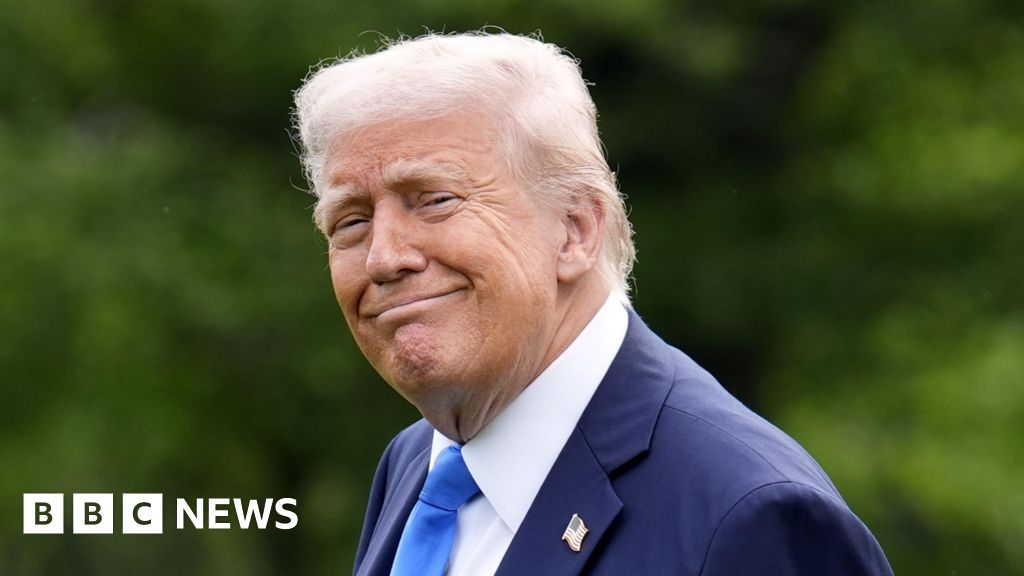

Trump warns of 100% tariffs on foreign films, challenging international Hollywood influence

In an increasingly protectionist global landscape, President Donald Trump has once again raised eyebrows with his vocal threat to impose a 100% tariff on all films not produced within the United States. Citing what he claims to be a long-standing loss of national cultural dominance, Trump asserts that the American film industry has been “stolen” by foreign nations, particularly criticizing California’s leadership as inefficient in protecting this industry. His plan, announced amid a broader wave of tariffs on pharmaceuticals and household goods, exemplifies an aggressive posture aimed at revitalizing American cultural exports but raises complex questions about the international repercussions of such protectionism.

Analysts and industry insiders doubt the feasibility and effectiveness of Trump’s proposal. Dan Coatsworth, an investment analyst at AJ Bell, pointed out that tariffs traditionally target tangible goods, complicating their application to creative content such as movies and streaming shows. Furthermore, many filmmakers already opt to shoot abroad for economic reasons, taking advantage of attractive tax incentives in countries like Canada, Australia, and New Zealand. According to industry research firm ProdPro, although the U.S. remains a major global production hub with a last year’s spending of approximately $14.54 billion, this figure has declined by 26% since 2022, signaling a shift in the center of film production power.

This looming threat of tariffs has significant geopolitical consequences. If implemented, it could trigger retaliatory measures from other nations eager to protect their own burgeoning film industries, turning the global entertainment landscape into a contested arena akin to classic trade wars. China, India, and European countries, which are investing heavily in domestic creators, could leverage cultural policies to safeguard their markets. The World Trade Organization (WTO) might become a forum for diplomatic clashes if the U.S. attempts to enforce such tariffs, forcing a reevaluation of international trade agreements that have traditionally prioritized free exchange of cultural and economic goods.

The decision also raises serious questions about how such measures would impact societal perceptions and the spread of cultural values. Many fear that a purely American-made film industry might foster insularity, limiting global narratives to a Western-centric perspective. Yet, *some officials and analysts* argue that this move could energize the U.S. cultural sector by prioritizing domestic content and fostering a renewed sense of national identity. Historically, this debate echoes past trade disputes and cultural policies where the balance between protectionism and open market exchange significantly shaped international relations. As history reminds us, revolutionary shifts often come with unintended consequences—whether economic, cultural, or geopolitical.

As the world watches, the weight of history hangs heavy in the balance. Will the United States pivot toward cultural nationalism with tariffs that threaten to reshape Hollywood and global entertainment, or will economic pragmatism prevail? The answers lie beyond trade figures and industry reports—embedded in the unfolding narrative of a nation seeking to redefine its cultural sovereignty amidst the turbulence of international diplomacy. In this saga, the ultimate outcome remains uncertain, a reminder that decisions taken now will echo through the corridors of history, impacting societies, economies, and the cultural fabric of nations for generations to come.

Kyiv suffers major Russian strike, mayor warns

The recent escalation of hostilities in Ukraine has once again thrust the continent into the forefront of international concern. Over a 12-hour period, Russian forces launched an unprecedented aerial barrage, utilizing nearly 600 drones and dozens of missiles across seven regions, including Kyiv, Zaporizhzhia, Khmelnytskyi, Sumy, Mykolaiv, Chernihiv, and Odesa. This relentless attack resulted in the death of at least four civilians, including a 12-year-old girl, and injured dozens more, illustrating the brutal nature of Russia’s ongoing invasion. Such a major assault highlights the severity of this conflict’s third year and signals that Moscow remains committed to its military campaign, despite international condemnations and mounting sanctions.

Ukrainian President Volodymyr Zelensky described the bombardment as “vile,” emphasizing that many projectiles targeted critical civilian infrastructure, such as Kyiv’s Institute of Cardiology, factories, and residential buildings. The attack, which also injured three children and resulted in the death of a 59-year-old man in Sumy, demonstrates how deeply intertwined the conflict’s repercussions are for daily life. Zelensky issued a stern warning, asserting that Ukraine would retaliate to “force diplomacy” and called on its allies in Europe and America to provide stronger support. This plea underscores the broader geopolitical impact: a persistent conflict that risks drawing NATO into a larger confrontation and forcing global powers to reassess their commitments to regional stability.

Meanwhile, the wider international response reveals a landscape fraught with tension and uncertainty. Russia, on its part, continues to deny responsibility for recent incursions into Denmark, Estonia, and Romania, claiming no intent to attack NATO or EU countries but warning of a “decisive response” to any aggression against Moscow. Analysts warn that these provocations are part of a calculated strategy to test the resolve of Western military alliances, while Russia’s Foreign Minister Sergei Lavrov asserts that Moscow’s actions are defensive rather than offensive, aiming to protect its interests amidst what it perceives as encroaching NATO expansion. European nations, under the shadow of these threats, have responded by bolstering their defenses and increasing NATO’s eastern presence, as the alliance seeks to deter further Russian aggression. Yet, the risk remains palpable, with some voices, including Donald Trump, suggesting that NATO nations should shoot down Russian aircraft if necessary, revealing a growing divide over how to confront Moscow’s assertiveness.

Underpinning all of this is a shifting global strategic landscape where the decisions of Moscow, Washington, and European capitals are shaping the contours of 21st-century geopolitics. Historians and international analysts warn that the current trajectory could lead to a broader conflict, especially if diplomatic efforts continue to falter and the cycle of escalation persists. The recent drone and missile strikes, combined with NATO’s increased military activity in Eastern Europe, create a tense climate teetering on the edge of a much larger confrontation. As the world watches this unfolding drama, the weight of history presses down—each decision, each attack, each diplomatic maneuver could determine the future of not just Ukraine but global peace and stability. With tensions reaching this critical juncture, the question remains: will diplomacy prevail or will the chaos of war reshape the European continent once and for all, writing yet another chapter in the tumultuous saga of human conflict?

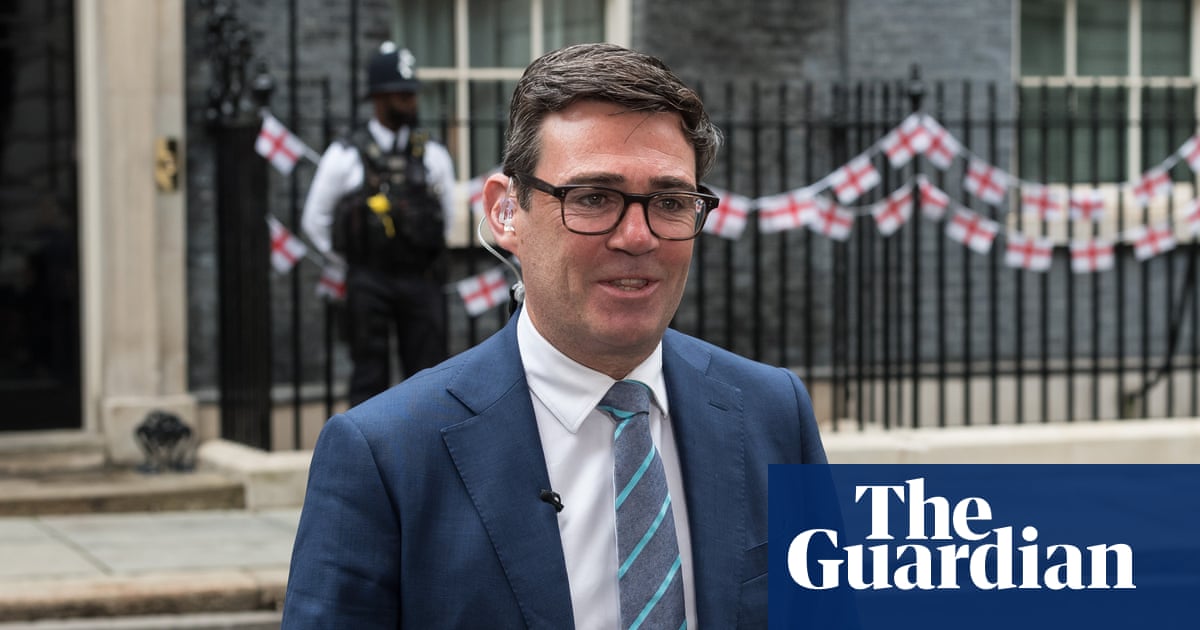
Andy Burnham warns investors: UK must stop relying on foreign lenders to stay strong

In a striking development that underscores the fragile state of Britain’s economic and political landscape, recent comments by Andy Burnham, the mayor of Greater Manchester, have sparked intense debate on both domestic and international stages. Burnham, a prominent figure within the Labour Party, has called for an end to the UK’s dependence on foreign lenders, advocating for measures such as increased taxation, public housing programs, and the nationalization of utilities to fund expanded public services. However, his stance has met with fierce resistance from City investors and international lenders, who warn that such policies could exacerbate the UK’s debt problems and trigger a renewed bond market crisis.

Global Financial Instability and the UK’s Mounting Debt Concerns

As yields on UK government bonds soar, reaching levels not seen since early September, the financial markets are visibly uneasy. The interest rate on 10-year bonds has climbed to 4.726%, while long-term 30-year gilt yields have surged to 5.54%, approaching a 27-year high. Analysts such as Kathleen Brooks, head of research at XTB, warn that these rising yields reflect mounting political risks and lacked confidence among international lenders. Historically, the UK’s 10-year yield was less than 1% in 2021, highlighting a stark shift driven by recent political discourse and fiscal uncertainty.

Historian and financial analysts emphasize that bond markets are often a mirror for a nation’s broader geopolitical stability and fiscal prudence. The escalation in borrowing costs signals more than just economic worries; it represents a deeper concern regarding Britain’s political direction—one that could have wide-reaching geopolitical repercussions. Rising debt costs constrain government options, forcing future leaders to navigate a treacherous landscape of fiscal austerity or confront the economic chaos that may follow from reckless spending or destabilizing policies.

Implications for United Kingdom’s Geopolitical and Economic Futures

The current crisis also underscores the broader vulnerabilities of the West’s fiscal model—particularly as London’s leadership debates how to fund expansionist social agendas amidst global economic turbulence. The specter of a bond market crisis rekindles memories of past financial upheavals, raising questions about London’s ability to maintain its status as a global financial hub. Meanwhile, the possibility of Burnham’s colleagues, including whispers of a challenge to Sir Keir Starmer’s leadership, indicates internal party divisions that threaten to destabilize the UK’s political fabric even further.

  • The UK’s fiscal trajectory is now under intense scrutiny from international financial institutions.
  • Growing bond yields threaten to spill over into higher borrowing costs for consumers and businesses alike.
  • Political rhetoric, especially from figures like Burnham, risks inflaming market fears, potentially accelerating economic destabilization.

These developments unfold at a critical juncture for Britain, with history warning that unsustainable debt levels and political missteps can quickly spiral into larger crises that reverberate globally. Analysts observe that, as the UK navigates this tumult, the challenges faced are emblematic of a shifting international order where economic resilience and political stability are now inextricably linked.

As markets tremble and leaders ponder their next move, the unfolding narrative of Britain’s economic saga leaves us with a haunting realization: the decisions made today will write the chapters of tomorrow’s history, shaping the geopolitical landscape for generations to come. The weight of this unfolding story rests heavily on the future—not just of a nation, but of a world awaiting the next move in a game of high-stakes financial diplomacy and political resolve.

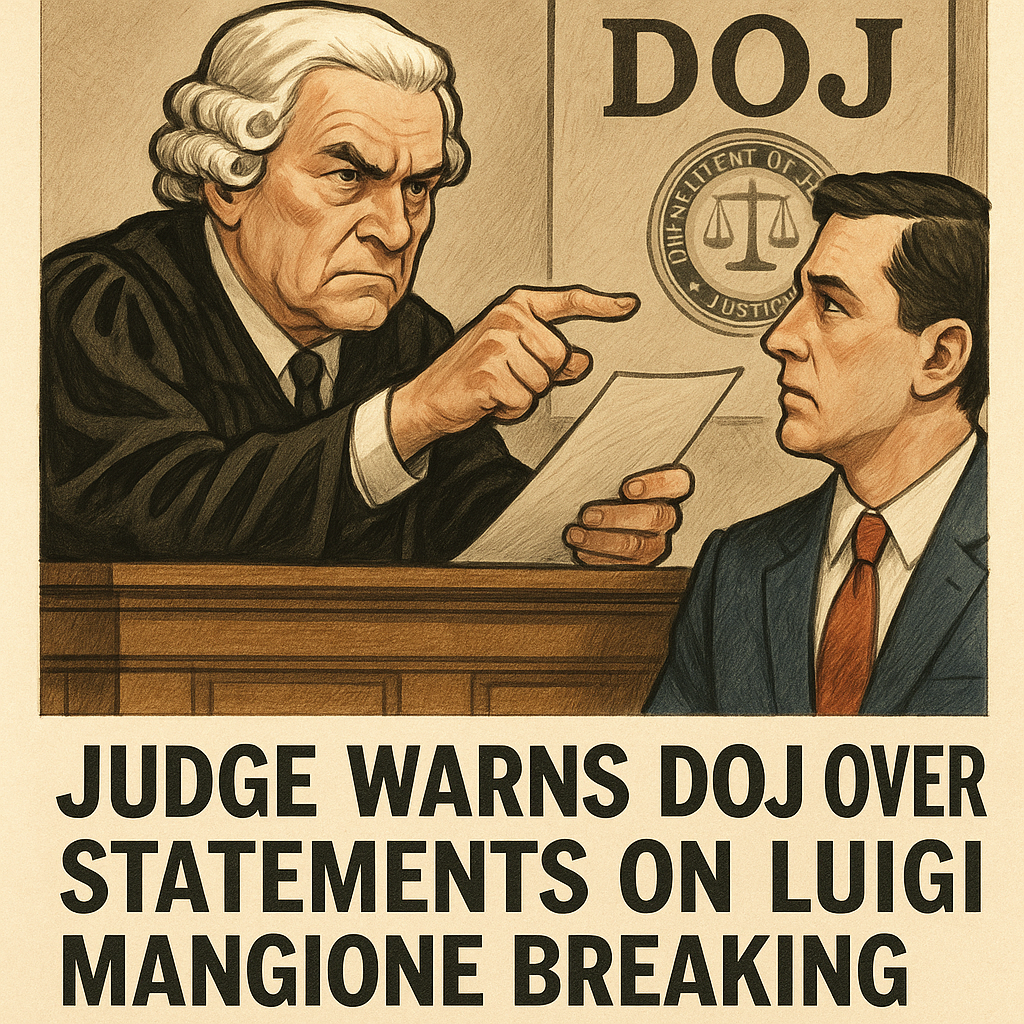
Judge warns DOJ over statements on Luigi Mangione breaking court rules

The unfolding controversy surrounding the Department of Justice’s (DOJ) handling of Luigi Mangione has cast a stark light on the intricate power struggles shaping American governance today. As the federal court, under the guidance of U.S. District Judge Margaret Garnett, suggests that DOJ officials may have violated established court protocols, it becomes evident that the boundaries between executive authority and judicial independence are under acute stress. Judge Garnett’s explicit caution — warning prosecutors about potential sanctions for continued public misconduct — underscores a broader conflict: the tension between prosecutorial discretion and the judiciary’s role as a neutral arbiter. This situation exemplifies the enduring debate about whether institutions thrive under clear boundaries or unravel when those borders are disregarded by powerful actors seeking to influence outcomes.

At the heart of this dispute lies a fundamental question of who holds the ultimate authority in the rule of law. The Biden-era DOJ, often seen as an extension of the executive branch’s expansive ambitions, appears to be embroiled in a struggle for control over narrative and influence, particularly when it involves politically sensitive figures. Historical parallels emerge when considering the Watergate era, where executive overreach provoked an unparalleled constitutional confrontation. Today, prosecutors’ attempts to publicly discuss sensitive legal matters—potentially a breach of protocol—highlight how decision-making processes are shifting, challenging the traditional separation of powers. Such confrontations are less about the individual case and more about who ultimately decides what justice looks like in a system still haunted by the echoes of political intervention.

The power struggle extends beyond mere procedural disputes, touching on the core of what it means for the people to be governed. Justice experts warn that consistent *public undermining of court authority* sets dangerous precedents, eroding the foundational tenets of constitutional law, which emphasize the independence of judiciary institutions. These actions reveal a strategic push by some within the DOJ to influence public perception and sway judicial proceedings—an effort to shape policy landscapes through raw political pressure. When legal processes become battlegrounds for partisan advantage, the consequences ripple outwards, threatening to diminish public trust and destabilize the delicate balance designed by America’s founders. Such struggles form the battleground where power is contested and the destiny of civic order is written.

Ultimately, this ongoing saga underscores a critical truth about politics: it is less a realm of fixed ideals and more a theater where the forces of authority clash, often with decisive, society-wide repercussions. As constitutional giants like **Alexander Hamilton** once argued, the strength of America’s republic resides in the careful orchestration of **separated powers**, yet those boundaries are consistently tested under the weight of ambition and influence. The legal skirmish over Mangione is symbolic of a larger epoch — one where internal conflict and strategic decision-making threaten to reshape the very fabric of American governance. For the watchers of history and future architects of policy, it is evident that in the theater of politics, the stage is where destinies are written, often with the ink of contention and the pen of power.

Social Media Auto Publish Powered By : XYZScripts.com