Matox News

Truth Over Trends, always!

Reform’s Benefit Cuts Could Spark Trade War with EU, Labour Warns

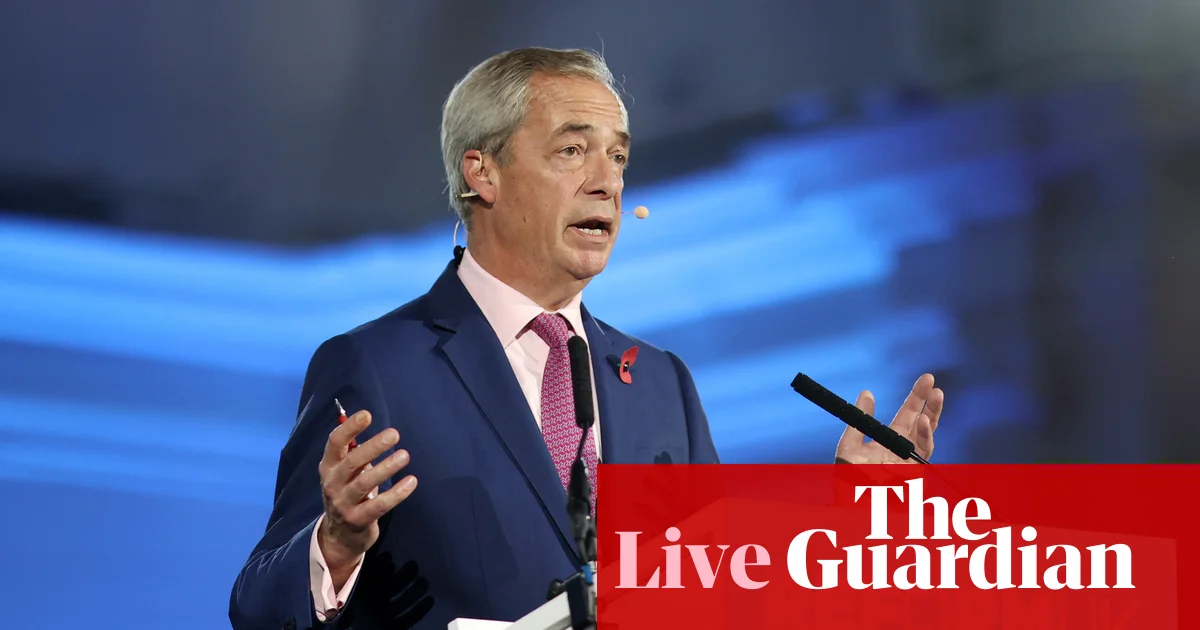
As the world continues to grapple with the aftermath of widespread political shifts and economic realignments, recent developments underscore a powerful surge of nationalist sentiments and protectionist policies that threaten the stability of traditional international alliances. The United Kingdom, for instance, stands at a nexus of these forces. The recent proposal by Nigel Farage, leader of Reform UK, to implement sweeping immigration and benefits reforms highlights this trend. These policies aim at removing the rights of EU nationals to claim benefits and increasing NHS surcharges, all purportedly to balance the nation’s finances. However, analysts warn that such measures could ignite a trade war with Europe, reminiscent of the Brexit dynamics that radically reshaped Britain’s relationship with its continental neighbors.

  • Farage’s proposals to slash benefits for EU nationals and hike visa costs are driven by a calculated desire to appeal to populist voters but raise significant geopolitical consequences. The potential breach of post-Brexit trade agreements, as indicated by Labour critics, could provoke retaliatory tariffs and other trade barriers, destabilizing the UK’s vital economic ties with the EU. Historian Dr. Mark Stevenson notes that “such unilateral moves, couched in nationalist rhetoric, risk unraveling decades of integration and economic cooperation.”
  • This wave of protectionism aligns with rising nationalist policies across Europe, exemplified by France’s far-right National Rally backing a wealth tax on the very rich—an approach Farage staunchly opposes, citing fears of high earners fleeing Britain. Nonetheless, polls demonstrate that a majority of Reform UK voters support a one-off wealth tax, revealing a societal undercurrent favoring redistribution measures that challenge free-market principles.

Meanwhile, the UK’s internal debates mirror these international tensions. Labour leaders, such as Steve Reed, have unequivocally stated that the proposed reforms would breach international trade commitments and could precipitate a trade conflict with Europe. The risks are exacerbated by the recent disclosure of rising net migration figures, which, despite declining estimates, factor heavily into the political calculus. The International Organization for Migration’s recent reports emphasize that such figures influence national policies, often stoking fears of cultural dilution—a narrative exploited by parties advocating strict border controls.

As Keir Starmer and other international leaders convene in European capitals, the emerging geopolitical landscape is fraught with uncertainties. The return of protectionist ideologies signifies a decisive shift away from multilateralism, threatening a new era of economic nationalism that could define the 21st century. This unfolding chapter underscores a critical point: decisions made in the corridors of power today will either forge a path toward renewed cooperation or plunge nations into prolonged confrontation. The weight of history presses heavily on this moment—each policy, each alliance, each confrontation writing a new narrative of global power and societal resilience.
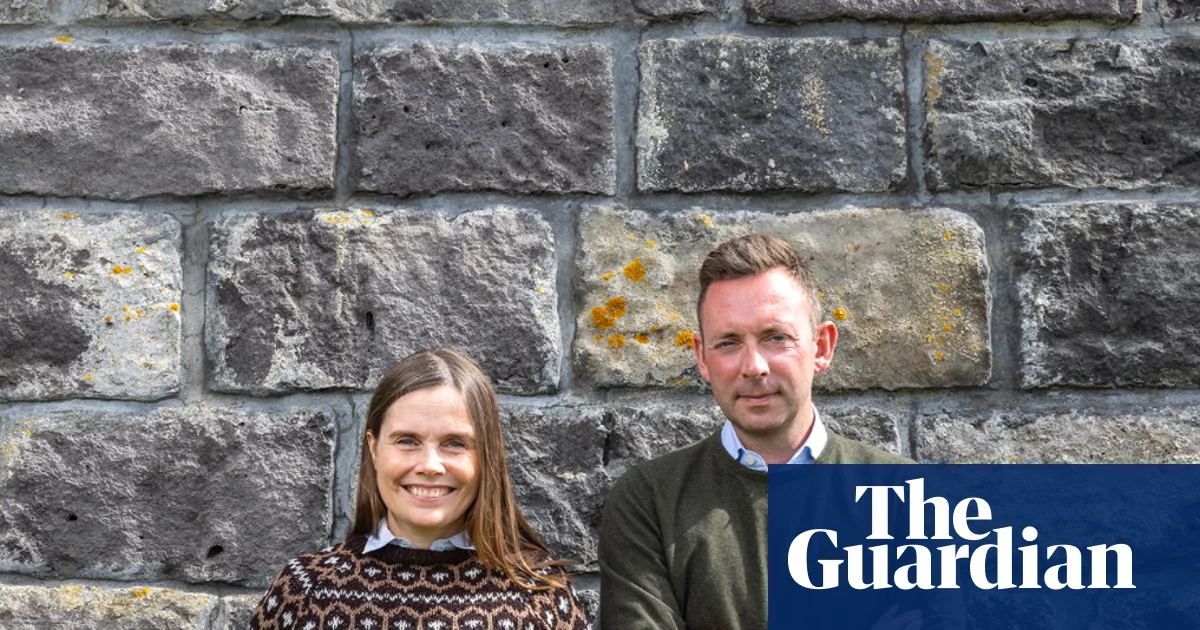
Former PM warns: AI and English media threaten Icelandic future

The threat to Icelandic language sovereignty has recently been highlighted by Iceland’s former Prime Minister Katrín Jakobsdóttir. In a striking warning, she articulated concerns that the rapid rise of artificial intelligence (AI) and the dominance of English media could result in the wipeout of Icelandic within a single generation. This crisis underscores a broader geopolitical impact where cultural hegemony driven by digital globalization poses an existential threat to the world’s less-used languages. With only about 350,000 speakers, Icelandic is not just a linguistic asset but a repository of centuries of human thought and cultural heritage, an attribute that many analysts argue is essential for national identity and societal resilience.

Jakobsdóttir’s concerns echo a pattern witnessed throughout history, where dominant powers have historically absorbed or suppressed local languages and cultures—most notably during Iceland’s colonial period under Danish rule. “We have seen that before here in Iceland,” she pointed out, referencing how Danish influence nearly altered the language. However, she advocates for a proactive approach, emphasizing that the fate of a nation can be decided by how it preserves and promotes its unique language. International organizations, such as UNESCO, have long recognized this issue, warning that the erosion of linguistic diversity is closely tied to the marginalization of cultural diversity and human knowledge. Iceland’s recent efforts, including the partnership with Anthropic for a nationwide AI education pilot, represent a strategic pivot aimed at ensuring the digital age does not essentially erase or distort the Icelandic linguistic heritage.

The core challenge lies in how AI models are trained. Critics—both within and outside Iceland—highlight that language models often lean heavily on English and other dominant languages, inadvertently marginalizing smaller linguistic communities. Ragnar Jónasson, Jakobsdóttir’s co-author and a renowned Icelandic author, warned that we are just a generation away from losing this language entirely due to the pervasive influence of online platforms where English reigns supreme. He emphasizes that young Icelanders are increasingly conversing in English and consuming media primarily in that language. Such trends threaten to turn Icelandic into a relic, a phenomenon not unfamiliar in regions where language shifts occurred post-colonization or under global cultural influence. According to historians like Guðmundur Hálfdánarson, without deliberate preservation efforts, this linguistic shift could accelerate swiftly, mirroring events during the Danish rule.

These developments carry profound geopolitical implications. As nations grapple with digital transformation, the question arises: should states invest in unilateral measures to safeguard their native languages, or will they succumb to the inevitable tide of globalization? Jakobsdóttir’s perspective suggests that the preservation of language entails defending the very way a nation thinks and perceives itself. Her concern is that losing Icelandic would not only mean losing words but would threaten the collective identity. The debate echoes global tensions where cultural sovereignty is increasingly threatened by technological and economic forces aligned with Western dominance. In this unfolding story of Earth’s diverse civilizations, Iceland’s fight encapsulates a larger struggle—a battle to retain not just words but the stories, identities, and ideologies that have shaped nations for centuries. As history continues to unfold, the question remains whether the preservation of language will become a symbolic act or a catalyst for a broader movement against cultural erasure, leaving humanity to ponder whether the uniqueness of every tongue can withstand the onslaught of relentless digital globalization.

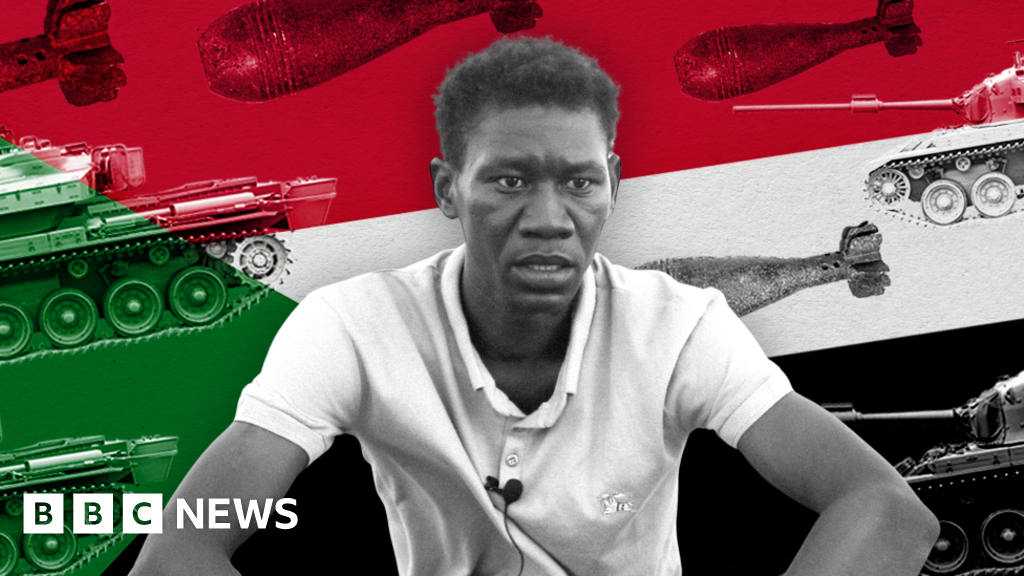
El-Fasher hospital worker warns of chilling terror ahead of suspected massacre exit

The ongoing Sudanese civil conflict has reached a catastrophic turning point with reports of mass atrocities in the city of el-Fasher. Since April 2023, a brutal power struggle between the Sudanese army and the Rapid Support Forces (RSF) has torn a nation apart, plunging countless lives into chaos, suffering, and despair. The recent escalation, especially in the western region, exposes a heartbreaking decline of humanity amid an already fragile geopolitical landscape. An eyewitness account from Abdu-Rabbu Ahmed, a doctor who survived the massacre at the Saudi Hospital, describes scenes of terror — bodies burned and buried in makeshift graves, hospitals devastated, and families shattered by violence. As analysts from international organizations highlight, this conflict is more than a domestic power struggle; it threatens regional stability and underscores the dangerous consequences when geopolitical interests collide with human rights.

Growing evidence indicates that the fighting has resulted in widespread atrocities, with satellite imagery suggesting the possibility of mass graves in el-Fasher’s hospitals and surrounding areas. Humanitarian agencies, such as the World Health Organization, condemn these acts as atrocities, while the RSF dismisses such allegations as propaganda, claiming all hospitals are abandoned. However, firsthand reports tell a starkly different story: witnesses describe bodies being dumped and set ablaze, medical staff kidnapped, and innocent civilians killed indiscriminately. These narratives, corroborated by satellite data and investigative footage, paint a grim picture of a city under siege. Historians and military analysts warn that such patterns of violence could establish a dangerous precedent for future conflicts in Africa and beyond, potentially destabilizing fragile states and encouraging similar tactics in regional insurgencies.

The geopolitical impact of this crisis extends far beyond Sudan’s borders. As neighboring nations grapple with the influx of refugees and displaced persons, global powers are divided in their responses, with some calling for intervention and others urging caution. The United Nations and regional bodies face mounting pressure to broker ceasefires, but institutional paralysis often hampers decisive action. Meanwhile, broader geopolitical interests — including strategic alliances, resource control, and influence over the Horn of Africa — complicate efforts to stabilize the country. Critics argue that foreign governments, by engaging in selective diplomacy, inadvertently embolden factions such as the RSF, worsening the humanitarian catastrophe. The loss of hope among Sudanese civilians, like Abdu-Rabbu Ahmed, serves as a stark warning of how international indifference can accelerate societal collapse. As the world’s gaze remains fixed on the unfolding chaos, many ask: how much longer can this cycle of violence continue before it tears the region apart?

The appalling images and testimonies emerge amid warnings from historians and political analysts that Sudan’s disintegration could ignite regional conflicts, drawing in rival states and creating a breeding ground for terrorism. The escalation demonstrates how international decisions—whether through embargos, peacekeeping missions, or diplomatic intervention—directly affect societal stability and the safety of millions. The conflict’s recent atrocities serve as a brutal reminder that the weight of history continues to unfurl, with each passing day shaping the future of a nation and the broader geopolitical universe. As Sudan’s cities burn and families flee, the silent question lingers: will the international community step up, or will Sudan be consigned to the pages of history as another victim of failed diplomacy and moral neglect?

Funko warns: Tough times ahead for the collectible legend—facing big challenges to stay afloat

Once the quintessential symbol of geek chic and pop culture fandom, Funko now finds itself at a crossroads, facing serious financial turbulence that raises questions about the sustainability of nostalgia-driven consumer trends. The company’s recent SEC filings, submitted on November 6, paint a sobering picture: mounting debt, declining sales, and a challenging retail landscape. Despite Funko’s immense popularity among today’s youth, its financial woes highlight a broader narrative about how shifting economic circumstances and global policies can threaten even the most iconic cultural phenomena.

Historically, Funko’s collectible confections—especially its Pop! Vinyls—became more than just toys; they transformed into symbols of identity, social influence, and shared belonging within a rapidly digitizing world. The company’s merchandise, which once soared in popularity, saw a notable decline in overall sales—down 14.3% domestically and 20.1% internationally in the third quarter. Yet, amidst this decline, some pockets of resilience remain. For instance, Funko reports strong sales of its Bitty POP! line and plans to expand its blind box offerings, capitalizing on the current trend of mystery collectibles that appeals to young consumers seeking unique, surprise-based experiences. Notably, Funko plans to be a key player in selling KPop Demon Hunters merchandise this holiday season—highlighting how cultural crossovers and niche fandoms continue to drive demand, even as overall sales slide.

The social relevance of Funko’s story extends beyond mere merchandise. It exemplifies how cultural icons become intertwined with identity formation and community building among youth. Influencers and sociologists alike have spotlighted the way collectibles serve as expressions of personal and social identity, bridging the gap between digital engagement and tangible nostalgia. However, as the company grapples with financial instability—exacerbated by ongoing U.S. tariffs, which are now even facing legal challenges before the Supreme Court—this fabric of cultural significance risks fraying. Retailers, facing economic pressures and a weakening economy, are scaling back or canceling restocks, further stoking uncertainty about what the future holds for this beloved brand.

  • The rise of collectibles as social currency: Brands like Funko encapsulate a moment where owning specific figures signals belonging in fandom communities and social status among youth.
  • Global trade policies impacting culture: The fallout from tariffs exemplifies how macroeconomic policies can threaten cultural staples, complicating the path for brands to sustain their influence.
  • Resilience in niche markets: Despite big-picture struggles, Funko’s focus on expanding its niche lines suggests a shift towards targeted consumer engagement rather than mass-market dominance.

As we watch these developments unfold, the lingering question remains: Will the decline of a cultural giant like Funko signal a shift away from collectible fandoms as a dominant youth trend, or will it simply evolve into a more resilient, localized, and digitally integrated phenomenon? The future of fandom, identity, and cultural expression might just depend on how brands and consumers adapt to these economic and social upheavals—an intriguing space to watch as the next chapter of pop culture history is written.

Transport Secretary warns shutdown could ground US flights to a trickle, sparking concerns for travelers and the economy

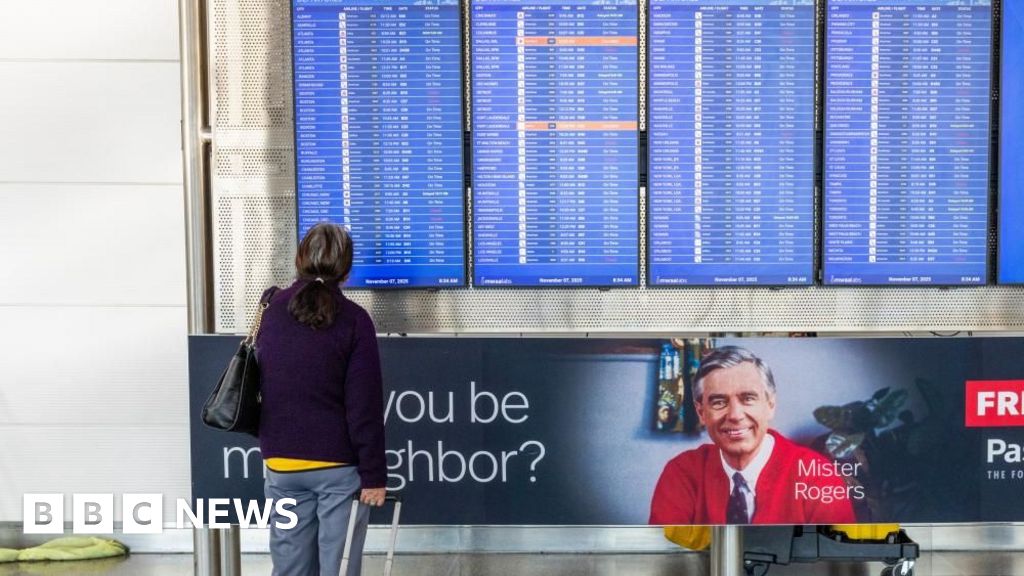
The ongoing US government shutdown has entered its 40th day, marking the longest in American history and sending ripple effects across the socio-economic fabric of the nation. As federal workers face unpaid wages and essential services grind to a halt, the transportation sector bears the brunt of the crisis. Thousands of flights are canceled or delayed daily, with the Federal Aviation Administration (@FAA@) announcing capacity reductions of up to 10% at major airports, such as Newark. These measures are driven by fatigued air traffic controllers, many of whom are working without pay—raising urgent safety concerns and exposing the weaknesses of bureaucratic gridlock.

Analysts and international observers warn that without swift resolution, the impact on the global economy could deepen. Flight delays and cancellations serve as a stark reminder of how domestic political stalemates threaten to destabilize global markets and international travel. US lawmakers are under pressure, with the Senate convening in a rare weekend session, attempting to broker a deal that could temporarily end this impasse. However, the core dispute remains entrenched, with Democrats demanding policy concessions tied to healthcare funding, and Republicans insisting on pure budget measures without additional policy layers. As President Donald Trump proposes redirecting relief funds directly to Americans’ health insurance, global financial markets watch nervously, understanding that timely compromise is paramount to prevent economic contagion.

This crisis highlights the deep fissures in the American political landscape—fissures that have far-reaching geopolitical impact. While Washington grapples with its stalemate, China and Russia observe closely, noting America’s internal divisions and the potential for weakened global influence. The shutdown also reveals the fragility of public trust in democratic institutions, with historians warning that prolonged crises may erode societal resilience and foster disillusionment among youth and working-class Americans. Meanwhile, international organizations like the IMF warn that such internal turmoil could serve as a distraction from pressing global issues, including geopolitical conflicts and economic reforms.

As the hours tick by and the nation stands on the brink of further chaos, the weight of history presses heavily on decision-makers. The words of analysts echo—the prolonged deadlock not only jeopardizes national stability but also threatens to reshape the international order. With each delay, the story of a nation divided unfolds anew, leaving the future tangled in uncertainty and the past whispering warning signs. The question remains: will this chapter in history’s relentless unfolding be resolved in time, or will it become yet another symbol of a lingering, unresolved crisis that stains the legacy of a once-powerful superpower?

Lenzie School Fire: Serious Risk to Students’ Safety, Report Warns

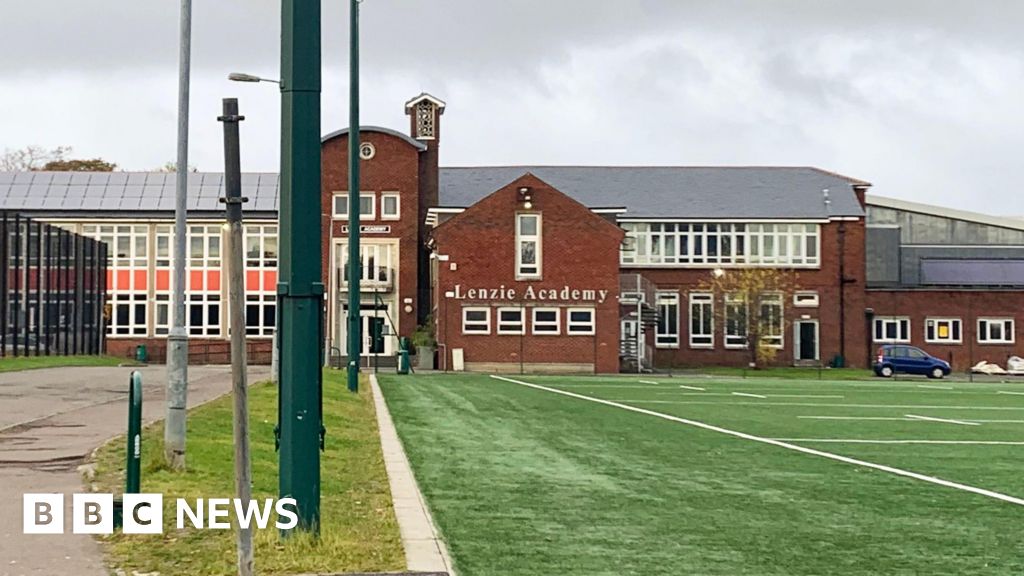
The state of student safety and school infrastructure continues to be a pressing societal concern, especially as recent reports reveal alarming deficiencies within Lenzie Academy, a prominent secondary school serving over 1,300 pupils in East Dunbartonshire. An independent fire risk assessment, conducted by the council’s fire safety team, uncovered a series of dangerous conditions that not only threaten the physical safety of students and staff but also highlight broader issues of underinvestment, neglect, and systemic failure in local education infrastructure. These findings concern the community at large, shedding light on the direct impact social issues have on families, educational equality, and community resilience.

Among the most critical issues identified in the report are fire safety hazards—notably, fire exits that are not immediately operable, fire doors with damaged self-closers, and missing or broken glass panes. Such deficiencies reflect more than technical oversights; they embody a perceived prioritization of administrative neglect that jeopardizes lives during emergencies. The report’s 25 recommendations, including upgrading fire doors to ensure at least 30 minutes of fire resistance and properly storing combustible materials, underscore the urgency with which these risks need to be addressed. Sociologists like Dr. Lisa Miller argue that inadequate safety measures in schools directly undermine the moral fabric of our society by signaling a disregard for the safety of future generations, eroding trust in our public institutions.

This situation is compounded by the decades of underinvestment and systemic neglect pointed out by parents and teachers alike. A parent, speaking anonymously, accused local authorities of ‘years of neglect and underinvestment,’ emphasizing that Lenzie Academy has been left in a state of disrepair while other schools have received rebuilding efforts. Teachers’ union representatives describe conditions within the school as dangerous and unacceptable, citing not only fire hazards but also water leaks, missing ceiling tiles, and poor building security. This entrenched neglect reveals the societal challenge of ensuring equitable investment in educational infrastructure — a fundamental responsibility that affects families’ access to safe, quality education and the community’s sense of social cohesion.

While officials from East Dunbartonshire Council assert that safety remains a priority and that immediate remedial actions are underway, critics contend that these measures are merely reactive rather than systemic. The challenge remains: how can local governments foster a culture of proactive maintenance and accountability when budget constraints and bureaucratic inertia hinder progress? Social commentators warn that such neglect fosters distrust and disengagement among youth, threatening societal cohesion over time. However, there remains hope. By prioritizing community involvement, transparent accountability, and targeted funding, it is possible to turn these failing infrastructures into symbols of resilience and hope. As the social fabric is woven through each brick and beam we invest in, society’s true strength will be measured in how we repair what is broken and nurture what is fragile. Society’s challenge—and its potential—is etched into the walls of Lenzie Academy; the question now is whether we will choose to rebuild with purpose, ensuring that no child’s safety is compromised in the pursuit of austerity.

Starmer warns: No consensus left on climate fight, youth should stay alert

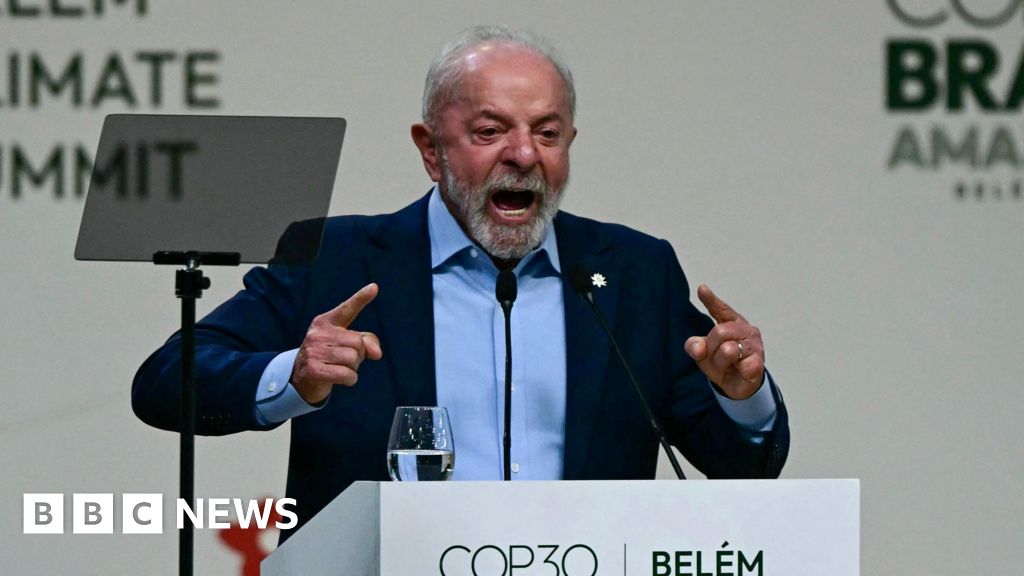
Belém, Brazil—As the COP30 climate summit unfolds amidst unprecedented global chaos, the world’s most influential nations are diverging sharply on how to address the existential threat of global warming. With President Lula da Silva warning of “extremist forces” fabricating fake news to condemn future generations to a planet forever altered by climate change, the summit is rapidly transforming into a battleground of conflicting narratives and geopolitical interests. Despite his passionate plea, the summit witnesses a perplexing retreat from collective action, with many leading nations conspicuously absent and even the host country’s flagship initiatives facing withdrawal. As given by international analysts, such divisions threaten to undermine any meaningful progress, leaving the world on a perilous trajectory toward climate chaos.

The absence of key players—the United States, Russia, China, and India—casts a long shadow over global consensus on climate policy. President Trump’s dismissive stance—calling climate change “the greatest con job”—has reverberated through diplomatic corridors, emboldening skeptics and delaying decisive action. Meanwhile, UK Prime Minister Sir Keir Starmer openly acknowledged that the once-unified support for climate initiatives has frayed, lamenting that “today, however, sadly that consensus is gone.” Such statements starkly highlight how internal political shifts and *geopolitical conflicts* are fueling a dangerous impasse. At the heart of the negotiations lies the critical question of how to fund climate mitigation efforts, particularly in defending vital rainforest ecosystems that act as “the planet’s lungs,” as experts like environmental historian Dr. Alan Smith emphasize. Yet, the UK’s decision to withdraw from the $125 billion rainforest protection fund—despite its earlier leadership—underscores a betrayal of international commitments.

As the summit progresses, the tone remains urgent but fractured. The rainforests cover a mere 6% of the Earth’s landmass but hold half of the planet’s species and billions of tons of carbon. The Prince of Wales and other observers warn that failure to protect these ecosystems risks pushing future societies toward ecological collapse. Prince William called for “urgent optimism,” urging nations to rise above their differences and act—yet the reality on the ground tells a different story. Destructive weather events—like Hurricane Melissa, which caused catastrophic damage across the Caribbean—serve as sobering reminders that climate impacts are already claiming lives and destroying communities. Scientists at Imperial College have warned that climate change heightened the rainfall from Hurricane Melissa by 16%, exposing the catastrophic potential of continued inaction. The question remains whether this summit will be remembered as a turning point or merely another chapter in the relentless saga of diplomatic stalemate.

Historically, these international rifts serve as a stark warning for future generations. Academics like Dr. Maria Lopez argue that the decisions made in Belém could either be a testament to humanity’s resolve or a lamentable capitulation. The unfolding story of COP30 is a testament to the ongoing struggle between geopolitical self-interest and the moral responsibility to safeguard our planet’s future. As history writes its next chapter, the world must reckon with the fact that the decisive moments of this summit—and perhaps the century—are now in the making. The shadow of this generation’s decisions will linger long after the final declaration, shaping the scarred landscape of history itself.

NHS staff battle rising racism reminiscent of the 70s and 80s, warns Wes Streeting

Resurgence of Racism and Its Impact on Society

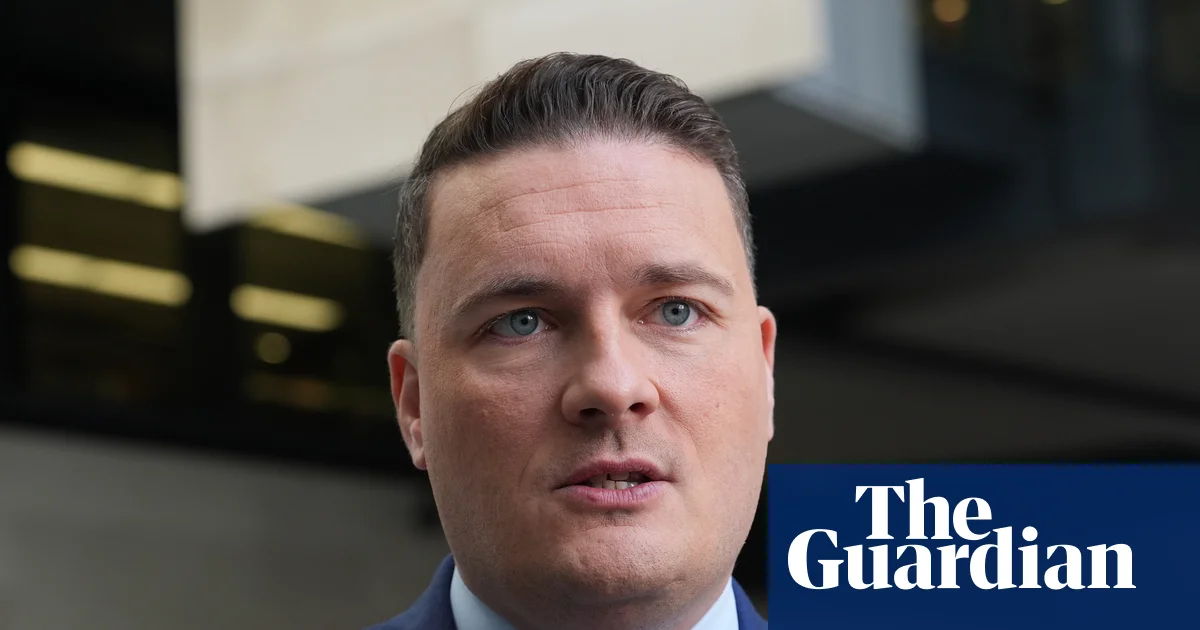
In recent times, Britain faces a troubling resurgence of racial hostility reminiscent of the 1970s and 1980s. This unsettling trend, characterized by verbal and physical abuse, is not confined to isolated incidents but has seeped into the very fabric of society, affecting families, education, and community cohesion. As sociologists like David Goodhart warn, such demographic shifts and political rhetoric have emboldened prejudiced sentiments that threaten to erode the social fabric that binds us. Teachers, healthcare workers, and ordinary citizens alike are now witnessing a disturbing normalization of such ugly racial discrimination. This social regression not only fosters division but also undermines the moral fabric of the nation, leaving vulnerable communities feeling increasingly alienated and unprotected.

The NHS as a Microcosm of Broader Society

The NHS, often viewed as a cornerstone of British society, now faces a surge in racist incidents that stand as a stark mirror of wider societal tensions. According to prominent social commentators and reports from the Royal College of Nursing, the increasing frequency of abuse directed at healthcare staff—especially nurses and doctors—reflects a broader decline in social civility grounded in prejudiced attitudes. NHS staff, representing a remarkably diverse workforce, are confronting harassment that not only impacts their well-being but also poses risks to families and communities relying on essential healthcare services. The situation is compounded by political rhetoric that often fuels anti-migrant sentiments, emboldening racialized hostility. Historian Heather MacDonald warns that when prejudice becomes normalized in institutions, the societal consequences ripple outward, tearing at the shared social fabric that binds our communities and impacting the generations of families who depend on fairness and dignity in public services.

Strain on Healthcare and Its Consequences

  • Multiple hospitals in England are experiencing unprecedented demand, leading to ‘critical incident’ declarations, especially in Bristol and Weston-super-Mare.
  • Record numbers of patients now face dangerously long waits, with some aged 90 and above waiting over 12 hours in A&E—an ordeal that risks deterioration of health and increased mortality.
  • The approaching winter, coupled with a ‘triple whammy’ of flu, Covid, and industrial action, threatens to overwhelm already strained NHS resources, risking harm to vulnerable populations and family units.
  • Resident doctors plan to strike in protest of pay disparities, risking further disruption of care, which is already compromised by staff shortages and surging demands.

Addressing these challenges requires a recognition that _social cohesion and respect for public institutions are vital_ to overcoming such crises. Sociologist Dr. John Macionis emphasizes that societal resilience depends on fostering empathy and accountability. In validating the struggles of NHS staff and confronting the prejudices underlying aggressive behaviors, society must reaffirm its commitment to fairness, respect, and the collective well-being of families and communities.

A Path Forward: Embracing Society’s Moral Heart

In the face of social tensions and institutional stress, Britain stands at a crossroads. The troubling rise of racism and the ongoing strain on healthcare threaten to fracture the social unity that has historically sustained the nation. Yet, society also bears the moral imperative and the collective strength to forge a more inclusive, resilient future. As social commentators like Phillips and sociologist Putnam suggest, revitalizing community ties and promoting narratives of shared responsibility can heal societal wounds. Healing begins with recognizing the dignity of every individual, supporting institutions that serve as pillars of social justice, and fostering a culture where respect and unity are not just ideals but lived realities. Our societal challenges are formidable, but the hope of transformation remains—a testament to society’s enduring capacity for renewal and moral awakening, if only we choose to uphold the values that make us truly human.

Trump warns: Funding New York City could be tough if Mamdani wins mayor’s race

In the midst of political upheaval and shifting attitudes toward governance, New York City stands at a crossroads that exemplifies the broader ideological debates facing many urban centers in America today. With the upcoming mayoral race featuring innovative young candidates like Mamdani, the city is witnessing a vibrant movement that challenges traditional political paradigms. Mamdani, a 34-year-old state assemblyman, captured the imagination of many New Yorkers by positioning himself as a fresh voice committed to _restoring dignity_ and _empowering communities_. His victory in the Democratic primary signals a potential _cultural shift_—a move away from the old guard of political complacency to a more _youth-driven_ and _values-centered_ leadership.

The frontrunners’ contrasting visions underscore a broader theme: the importance of personal impact—not just on policy, but on the _lifestyle_ and _well-being_ of residents. While political discourse often fixates on budgets and legislation, the deeper ripple effect can be seen in how a city’s leadership influences everything from _public safety_ to _urban renewal_. Mamdani’s approach emphasizes _community dignity_, aiming to create an urban environment where everyone feels _valued_ and _safe_. This resonates with many young Americans who seek _authenticity_ and _accountability_ from their leaders, inspired by thought leaders like Jordan Peterson and organizations such as the Claremont Institute, which advocate _values-driven_ governance and _cultural renewal_.

On the other hand, the political landscape is tinged with echoes of the past, with figures like Andrew Cuomo remaining in the mix, positioning himself as a seasoned advocate during his tenure as governor. Yet, the contrast between the two candidates highlights a significant _lifestyle change_—a departure from _elite decision-making_ toward _grassroots engagement_. As debates unfold about federal funding and policies, the underlying question is: how will leadership influence not just the city’s finances, but its _cultural fabric_? The city’s $7.4 billion in federal funding exemplifies the sizable stakes involved, but more crucial is whom the city chooses to serve as its _moral compass_ and _visionary guide_. This dynamic underscores the vital role of _personal impact_: whether city officials foster _inclusivity_ and _liberty_ or succumb to _bureaucratic stagnation_.

  • Embrace the _power of community_—engage locally to understand your city’s unique _identity_.
  • Stay informed about _political shifts_ that influence your _quality of life_ and _personal wellbeing_.
  • Support leaders who prioritize _authenticity_, _dignity_, and _accountability_ in governance.

As the city’s narrative continues to unfold, it challenges each individual to reflect on what _leadership_ truly means in _everyday life_. The choices made today—be it at the ballot box or in everyday community engagement—shape a _culture of resilience_ and _hope_. For young Americans embracing the _lifestyle_ of self-empowerment and _public responsibility_, the future of New York is more than just a political story—it’s a collective _journey_ toward _renewed purpose_ and _lifestyle evolution_. In this ongoing _narrative of transformation_, the lessons are clear: _leadership rooted in integrity, connectedness, and vision_ can spark a _lifestyle revolution_, inspiring generations to believe in _the power of community_ and _their own capacity to effect change_.

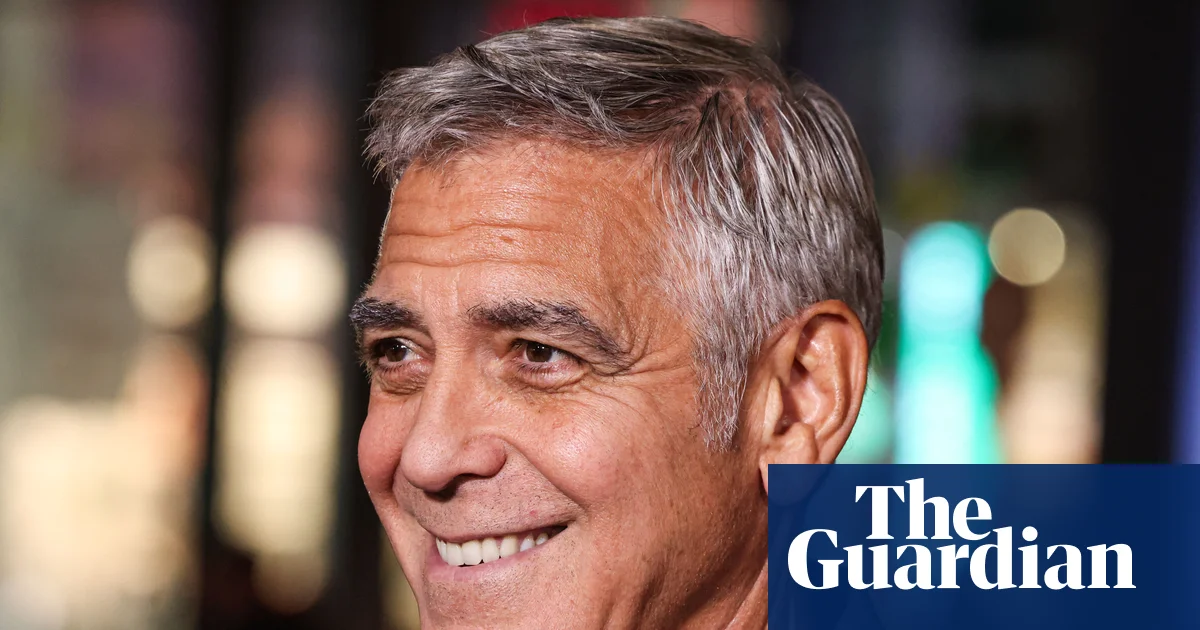
George Clooney Warns: Dropping Biden for Harris Was a Misstep

Global Implications of Domestic Political Shifts in the United States

In a remarkable display of internal discord within the Democratic Party, recent events have underscored the profound geopolitical impact of America’s shifting political landscape. The outspoken actor and activist George Clooney publicly criticized the party’s decision to renominate Kamala Harris as the Democratic candidate for the 2024 presidential election. Clooney’s assertion that the nomination was a “mistake” highlights a fissure growing within American political ranks, a fissure that could have ripple effects well beyond national borders. As he expressed regret over the absence of a primary process to challenge Harris, Clooney subtly questioned the durability of the current Democratic leadership’s strategy, hinting at the potential for wider instability in Washington.

His candid comments came amidst a backdrop of widespread concern among analysts who warn that Biden’s perceived decline and the party’s controversial nomination process threaten to undermine America’s global standing. Historically, United States elections have been pivotal, shaping international alliances and economic policies worldwide. The decision to forego a competitive primary—an attempt at party unity, as some officials argue—may instead fracture the very fabric of American society and influence the geo-strategic balance. Particularly, how the U.S. handles internal dissent now could serve as a harbinger for its ability to lead on global challenges.

Meanwhile, the internal saga has devolved into personal attacks, with Hunter Biden publicly dismissing Clooney’s critique with uncensored hostility. This public spat underscores a broader theme: the erosion of civility in political discourse—yet it masks a deeper question of policy direction and international influence. Critics, including some historians and international observers, warn that such internal chaos may embolden adversaries like China and Russia, who are watching carefully to exploit perceived vulnerabilities in American leadership. Decisions made behind closed doors today could ultimately influence the future of global security, trade, and diplomatic relations for generations to come.

Rising Dissent and Its Global Consequences

  • In July, Hunter Biden’s profanity-laced interview criticizing Clooney revealed the deep divisions within emerging political narratives about America’s leadership, encapsulating a nation at a crossroads.
  • Harris’s own reflections in her book, “107 Days,” exposed her awareness of her delicate political position, recognizing the potential harm to national unity should her candidacy be challenged from within.

International institutions and political analysts have long warned that fractured democracies pose risks to global stability. The United Nations, for example, has emphasized that enduring democracy depends on transparency, accountability, and internal cohesion—all elements that appear strained in the current American scenario. As the geopolitical focus pivots toward Asia, the Middle East, and Eastern Europe, America’s internal turmoil serves as a cautionary tale about the importance of strong, decisive leadership at home. With international crises mounting—climate change, ISIS resurgence, and economic instability—the risk of distraction and disunity undermine America’s capacity to lead effectively.

The history books may record this an era of betrayal of democratic ideals, where internal discord amid high-stakes elections fractured both society and the balance of power. As global powers recalibrate their strategies, the American story continues to unfold—its next chapters determined not only by the outcomes of elections but by how it navigates the aftermath of its own internal divisions. In the shadows of the White House, decisions ripple outward, shaping the future of nations and civilizations—an unfolding saga still deeply embedded in the fabric of history itself.

Social Media Auto Publish Powered By : XYZScripts.com