
Environmental Concerns and Geopolitical Implications of the Wasteful Christmas Season
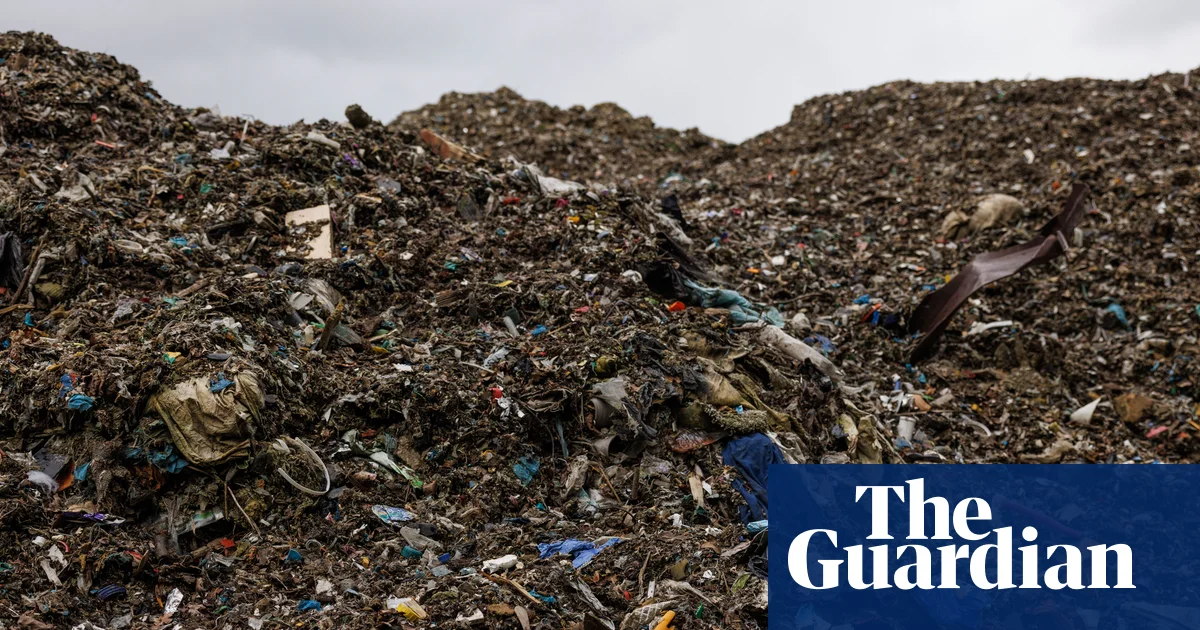
As London citizens bid farewell to another festive season, recent findings by the non-profit group Material Focus reveal a troubling trend that extends beyond individual consumer habits. An estimated 168 million light-up Christmas items and “fast-tech” gifts have been discarded across the UK just in the past year. This staggering figure, extrapolated from survey data, underscores a significant waste problem that:not only strains environmental resources but also highlights a global issue of reckless consumerism in the face of climate crises and international waste management challenges.
The report indicates that Brits spent approximately £1.7 billion on holiday lighting, including 39 million sets of fairy lights, alongside millions of garlands, wreaths, snow globes, and animated figures. While these items symbolize the holiday spirit for many, their disposability raises questions about the long-term impacts on the environment. The problem is compounded by the way these items are powered—often non-recyclable batteries that, once improperly disposed of, can cause dangerous fires in bins and waste centers. The incident rate of battery-related fires has surged by **71%** over the past year, emphasizing how poor disposal practices can escalate into serious safety hazards and environmental damage.
This pattern of irresponsibility has broader **geopolitical impact**—particularly in regions where waste management infrastructure is inadequate or poorly enforced. International organizations like the United Nations warn that electronic waste is the fastest-growing waste stream globally. A separate study estimates that **1.1 billion** electrical items and **450 million** batteries are irresponsibly discarded each year worldwide, often ending up in developing nations where environmental standards are woefully lax. These practices not only threaten public health but also propagate a cycle of environmental degradation, contributing to climate change and destabilizing social structures. As global citizens, policymakers and governments must confront the environmental fallout of consumer culture and address the international flow of electronic waste.
Prominent analysts, such as environmental historian Dr. Jane Williams, argue that the disposable culture fostered during festive seasons is symptomatic of a broader societal tendency toward overconsumption. She emphasizes that *“unless nations implement strict recycling regulations and promote durable, repairable products, the mounting waste will continue to have devastating global consequences.”* The UK’s efforts to promote responsible disposal—via campaigns urging proper recycling of electricals and batteries—are a phase in a larger international uphill battle against waste proliferation. The call for local accountability echoes at the global level, where international treaties and agreements must evolve to combat the rising tide of **e-waste** and prevent environmental crises that threaten to destabilize both economies and societies.
As the world stands at this crossroads, with humanity grappling with both the tangible and intangible scars of consumer excess, history reminds us of the urgent need for systemic change. Decisions made now—regarding waste management, international cooperation, and individual responsibility—will echo for generations. The dark shadow of a planet burdened by discarded light-ups and fast tech becomes a stark symbol of how fleeting traditions can have lasting, irreversible consequences. The unfolding story of environmental neglect, driven by the consumerist urges of today’s holiday season, leaves us with a haunting question: will we choose to break free from the cycle of waste and forge a sustainable path, or will history remember this as the moment when recklessness tipped the scales beyond repair?