Matox News

Truth Over Trends, always!

Moto Watch Review: The Power Moves of Polar-Inspired Tech

Motorola’s CMF Watch 3 Pro: A New Challenger in the Competitive Wearables Space

The wearable technology sector continues to demonstrate remarkable innovation, with industry giants and startups alike pushing the boundaries of what consumer electronics can achieve. Recently, Motorola entered this fiercely competitive landscape with its latest offering, the CMF Watch 3 Pro. Billed as an affordable, stylish, Android-compatible smartwatch, it aims to challenge established players like Apple, Samsung, and Garmin. According to early reviews from tech analysts, the device showcases the disruptive potential of hardware integration paired with modern software, although it still has some notable limitations that could influence its market penetration.

One of the core advantages of the CMF Watch 3 Pro lies in its strategic cost positioning combined with solid functionality. It features parameters such as sleep tracking, heart rate monitoring, and stress measurement, with initial comparisons indicating close accuracy to premium models like the Oura Ring 4. Analysts, including Gartner and MIT’s Media Lab, note that major players in the wearables market are increasingly focusing on data integration and seamless user experience to disrupt traditional fitness devices. Motorola’s choice to incorporate a well-designed, yet affordable product underscores this trend—offering consumers a “good enough” device that does not compromise essential features, yet is accessible.

However, despite its innovative intent, the device’s hardware limitations could hinder its disruptive prospects. Especially glaring is the onboard GPS functionality. The device’s slow satellite connection and inconsistent performance outside diminish its appeal as a true fitness companion—particularly when reliable location tracking is a key market differentiator. The device’s processor, deliberately undisclosed by Motorola, appears to struggle with rapid satellite acquisition, a flaw that consumer reviews describe as frustrating, impacting the overall user experience. Such hardware inefficiencies—common in lower-tier wearables—highlight a critical business challenge: balancing cost constraints with performance demands in an industry that is rapidly evolving toward precision.

The experience of review analysts further underscores this disruptive tension. Despite the device’s attractive design and promising feature set, issues like overly sensitive screens and accidental activations threaten user satisfaction. This emphasizes an overarching industry trend: hardware refinement is crucial for establishing market dominance amidst fierce competition. Companies like Apple and Samsung continually push advancements in sensor sensitivity and UI design, setting high standards for emerging competitors. Motorola’s potential in this space hinges on addressing these hardware issues swiftly and innovating beyond mere feature inclusion—further reinforcing that disruption requires not only price competitiveness but also technological excellence.

Looking ahead, the wearables industry is poised for a significant shift driven by the convergence of AI, sensor technology, and 5G connectivity. Industry experts like Peter Thiel have predicted that next-generation devices will serve as the nexus of lifestyle, health, and AI-powered analytics, transforming how consumers interact with their personal data. Motorola’s move into this space signals the beginning of a new wave of disruptive innovation, where smaller players can challenge dominant incumbents by leveraging cost-effective yet capable hardware and sophisticated software integration. The market’s future will depend on how effectively manufacturers can resolve hardware shortcomings and harness emerging technologies to offer compelling, breakthrough features—turning these devices into indispensable health and productivity tools.

Stakeholders across the tech ecosystem must remain vigilant, as the race to dominate this space intensifies. With major innovations around the corner, it’s clear that the current state of wearable technology is just the beginning. With upcoming advancements in AI, sensor innovation, and connectivity, the industry is on the cusp of a transformation—where disruption will be measured not just in features, but in the quality and reliability of the user experience itself. For companies willing to innovate and iterate rapidly, the opportunity to redefine health, fitness, and lifestyle tracking has never been greater—and time is of the essence for stakeholders eager to secure market leadership in this fast-evolving technological frontier.

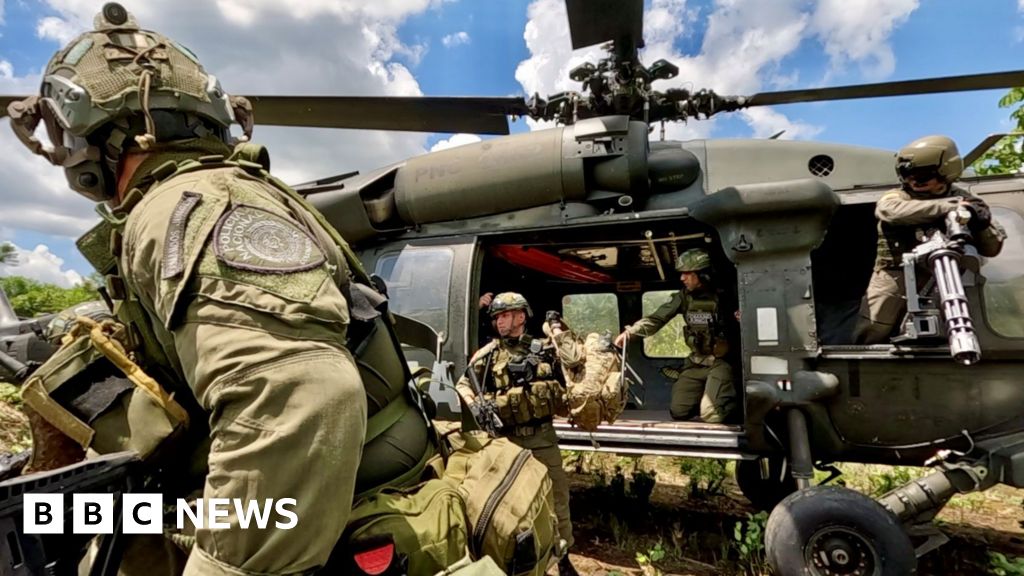
Watch: BBC Reports on Colombian Commandos Staying Strong Against Persistent Drug Gangs

US-Colombia Summit Highlights Strategic Shifts in Latin America

In a significant display of diplomacy and alliance-building, President Joe Biden of the United States and President Gustavo Petro of Colombia recently convened to address shared challenges in the region, with a particular focus on regional security and drug trafficking. These high-level talks mark a renewed commitment from two nations deeply intertwined through history, now confronting contemporary issues with strategic resolve.

The summit occurred amidst an evolving geopolitical landscape, where the U.S. aims to assert its influence in Latin America against a backdrop of rising regional powers and shifting alliances. Critics argue that the meeting underscored the importance of maintaining American dominance through strategic partnerships, especially at a time when drug trafficking remains a persistent threat to stability and public health. The leaders discussed plans to bolster cooperation, including enhanced intelligence sharing, military aid, and joint operations targeting narcotrafficking networks.

In tandem with diplomatic engagements, on-the-ground intelligence operations continue to play a critical role. Recently, journalist Orla Guerin reported from within a Colombian police unit tasked with locating and destroying clandestine jungle cocaine labs—these remote operations are emblematic of the ongoing efforts to dismantle drug trafficking infrastructure. Such units face harsh terrain and sophisticated enemy defenses, illustrating the intensity of the clandestine battle that threatens to spill over international borders. Analysts suggest that these actions are crucial, not only for regional stability but also in curbing the flow of illegal substances into the United States and beyond.

Implications for Regional Security and International Relations

  • Enhanced cooperation between the U.S. and Colombia signals a strategic pivot toward more active counter-narcotics campaigns that incorporate both military and socio-economic measures.
  • The ongoing fight against drug cartels underscores the need for a comprehensive approach—military strikes, community engagement, and international legal cooperation—to effectively weaken these criminal networks.
  • Global institutions, such as the United Nations Office on Drugs and Crime, warn that failure to address these issues could lead to increased violence, migration crises, and regional destabilization, threatening broader international stability.

Internationally, the geopolitical impact of these developments extends beyond Latin America. As the U.S. seeks to maintain influence, some observers highlight the risk of militarization fueling local unrest or empowering authoritarian tendencies, especially in countries like Colombia where government legitimacy remains fragile. Historians and regional analysts caution that the decisions made today could shape the geopolitical fabric for decades to come. Should these collaborative efforts succeed, they could serve as a model for international cooperation against transnational crime. However, failure to adapt strategies or address socio-economic root causes risks entrenching instability and chaos.

As history continues to unfold in the dense jungles and political chambers of Latin America, the weight of choice hangs heavily. The battle against narco-trafficking is more than a fight over illegal substances; it is a defining moment to demonstrate resolve, sovereignty, and the capacity to shape the future. The world watches as these nations forge a fragile path toward stability—an uncertain journey marked by perseverance, diplomacy, and the relentless pursuit of order amid chaos. The next chapter remains unwritten, but its implications will resonate across generations to come.

Smart Ring Watch: Your All-in-One Heart, Sleep, and Fitness Tracker for the Modern Youth

The wearable technology landscape is experiencing a significant disruption with the launch of the Fusion ring watch, an innovative product that is redefining accessible health & fitness tracking in a compact form factor. Priced competitively at $49.99—a stark contrast to traditional counterparts from brands like Casio and Timex, which retail above $100—the Fusion leverages cutting-edge miniaturized display and sensor technology to deliver a multifunctional device in a sleek, ring-shaped form. The introduction of this product signals a strategic move toward democratizing wearable tech, disrupting established industry giants that have historically dominated the premium segment.

The Fusion’s standout feature is its 0.49-inch OLED screen, which offers a crisp display for time, date, and health metrics. This compact yet powerful display challenges the notion that functionality must come at the expense of style or size. Equipped with an optical heart rate sensor and a suite of motion sensors capable of tracking over 100 different sports, this device exemplifies disruption through miniaturization. Its impressive battery life of approximately five days of active usage and up to eight days on standby ensures extended utility, a crucial criterion in consumer adoption. Such tech innovations are poised to warp the traditional wearable market, pushing other brands to innovate beyond basic smartwatches and fitness bands.

Industry analysts, including Gartner and researchers from MIT, emphasize that this product heralds an era where wearable devices are becoming more integrated into daily life through seamless form factors. Innovation driven by miniaturization and multi-sensor integration places a premium on features traditionally reserved for larger devices, now condensed into a ring — a radical shift in hardware design paradigms. This product’s breakthrough challenges the established notion that advanced health metrics and comprehensive monitoring require bulk and cost. It also opens pathways for business model innovation, with potential for integration into broader health ecosystems, enterprise wellness programs, and even fashion tech. Tech giants and startups alike are closely monitoring this development, recognizing that the next frontier lies in pervasive, unobtrusive biometrics tracking.

Looking ahead, the advent of products like the Fusion ring reveals a broader trend: disruption driven by innovation, affordability, and user-centric design. As Peter Thiel and Elon Musk have often cautioned, the future belongs to those who dare to reimagine possible, and this device exemplifies that philosophy — blending hardware prowess with urban, youth-oriented aesthetics. With other tech incumbents facing rising pressure to redefine their offerings, market competitors must adapt quickly. As the industry accelerates toward a future where wearable tech is ubiquitous and invisible, stakeholders must embrace the urgency of innovation — or risk being left behind. The next chapter of wearables is being written today, and it’s characterized by agility, disruption, and unrelenting ambition.

Europe & US watch Russia’s reply to Ukraine peace plan—hope and tension grow

In a striking move that underscores the shifting tides of international power, top European officials convened this Tuesday in The Hague to establish an unprecedented international reparations body aimed at compensating Ukraine over Russia’s ongoing invasion. This initiative, authorized at a high-level summit, marks a significant escalation in Western strategy by formalizing how reparations claims will be assessed and potentially paid out. The International Claims Commission for Ukraine will serve as the tribunal to evaluate tens of thousands of claims from individuals and organizations, with a goal of quantifying the economic and social damage inflicted by Moscow’s military aggression. Its inception is being coordinated through the Council of Europe, reflecting an intent to mobilize European institutions to enforce accountability on an unprecedented scale.

This development arrives amidst a series of high-stakes diplomatic maneuvers, with Ukrainian President Volodymyr Zelensky actively touring Europe to rally support for the utilization of frozen Russian assets—an effort that has garnered widespread support among European nations. As Zelensky addresses parliaments and meets with government leaders, the European political landscape is shifting toward a stance of collective accountability, signaling a decisive move away from previous cautious diplomacy. These efforts are compounded by summits such as the Eastern Flank Summit in Helsinki, bringing together Nordics, Baltics, Balkan, and Eastern European leaders to strategize a united front. International analysts suggest that this coordinated approach could redefine the geopolitical impact of Europe’s response, further entrenching divisions and alliances that will shape the continent’s future stability.

Meanwhile, Moscow’s reaction remains coldly dismissive. Deputy foreign minister Sergei Ryabkov stated that Russia has yet to comprehend the details of these Western initiatives, emphasizing Moscow’s firm stance against any territorial concessions. His comments reflect an entrenched position that rejects compliance with Western demands; rather, Russia appears poised to hold its line, banking on the possibility of diplomatic stalemate and Western fatigue. The notably positive tone among US and European officials—highlighted by comments about “tremendous support”—places additional pressure on Moscow, which faces the dilemma of either engaging with these demands or risking further diplomatic alienation. The delicate dance of diplomacy now hinges on Moscow’s first official response, which many international observers believe could either soften or harden the ongoing conflict, with the potential to send shockwaves through global geopolitics.

The classic narrative of a conflict in flux reaches a tense crescendo as history continues to be written. How Russia responds to these Western moves will determine whether this ongoing crisis spirals further into a broader confrontation or begins to find an elusive path towards peace—yet, the very fabric of international diplomacy feels strained beneath the heavy weight of unresolved tensions. As the echoes of diplomatic dialogue reverberate across Europe, one thing remains clear: the decisions made in the coming days will carve the future of an entire continent, and perhaps, the course of global history itself, for generations to come.

Threshold: The Youth-Led Choir Raising Voices for Change — Watch Now

In an era marked by rapid technological advancement and shifting cultural mores, the human experience of death remains a profound societal challenge. Programs like Nickie and her Threshold Choir exemplify a compassionate response to the inevitability of mortality, reminding us that societal health is deeply intertwined with our capacity for empathy and collective support during life’s most vulnerable moments. These volunteer initiatives, composed of individuals who sing lullabies and comforting melodies, not only honor the dignity of those nearing the end of life but also serve as a mirror reflecting how well communities nurture their members even in hardship.

Their work underscores a cultural shift where conversations about death are often avoided or stigmatized in traditional family structures and educational settings. This avoidance fosters a taboo around mortality, leaving families and society ill-prepared to confront one of life’s most natural processes. Sociologists like Dr. James Hollis warn that such denial hampers emotional resilience and inhibits meaningful dialogue about what it means to live and die with dignity.

  • Families often find themselves unprepared for end-of-life decisions, leading to unnecessary suffering or conflict.
  • Educational institutions rarely incorporate death education, preventing young generations from developing healthier attitudes toward mortality.
  • Communities lacking structured support systems for the dying diminish the collective capacity for empathy and shared mourning.

This disconnect impacts the foundation of societal cohesion, as people retreat from facing mortality in a way that fosters understanding and compassion. Advocates argue that an authentic confrontation with death offers an opportunity for moral growth and societal healing, urging policymakers and educators to incorporate end-of-life literacy into their curricula and community programs.

Furthermore, the societal implications extend beyond individual families, shaping the very fabric of community well-being. When communities extend their care to the most vulnerable, they reinforce social bonds and demonstrate a collective moral ethos rooted in compassion and respect. Programs like the Threshold Choir exemplify how volunteer efforts can fill the gaps left by institutional shortcomings. Yet, these acts of kindness also highlight a broader societal need: the normalization of conversations about mortality, aging, and grief. Experts like sociologist bell hooks have emphasized that fostering environments where death is neither hidden nor feared allows communities to build resilience, reduce stigma, and uphold human dignity.

As society grapples with its cultural and moral boundaries, the stories of volunteers and families confronting death serve as poignant reminders of our shared humanity. In opening the door to honest conversations and compassionate care, society begins to restore a moral fabric frayed by neglect and avoidance. The challenge lies not just in caring for the dying but in transforming societal attitudes—embracing death as an integral, sacred part of the human journey. Perhaps, amid this ongoing tension, there exists hope: that through increased education, social support, and genuine community engagement, we can forge a future where every life, in its final chapter, is met with love and dignity — a testament to society’s true moral strength.

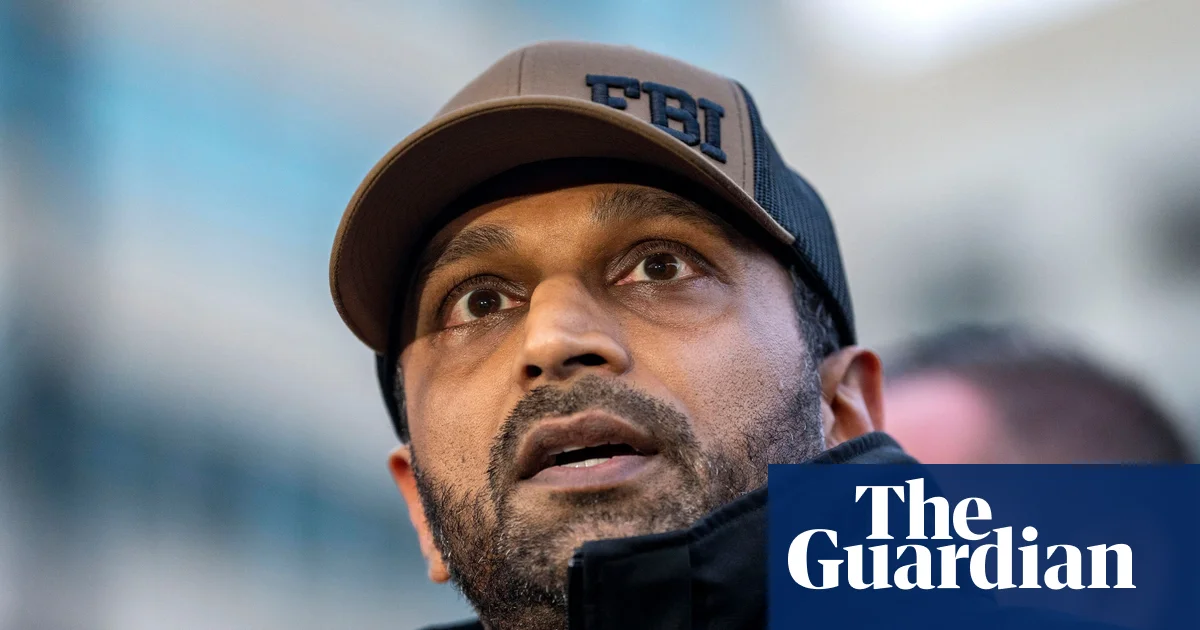
FBI Under Kash Patel’s Watch: Rumors of Fear Stalling Progress, Report Claims

Internal Crisis at the FBI: A Glimpse into U.S. Federal Collapse and Its Global Ramifications

The recent revelations about the Federal Bureau of Investigation (FBI) portray an agency in disarray under the leadership of Kash Patel, painting a troubling picture of internal paralysis, morale plummeting, and a leadership seemingly overwhelmed by the complex demands of modern federal law enforcement. According to a leaked 115-page report compiled by a coalition of retired and active FBI agents, the agency is considered a “rudderless ship,” with staff plagued by fear and a crippling lack of initiative. Such internal strife raises fundamental questions about the state of American federal institutions and their capacity to uphold law & order, especially at a time when global stability hinges on reliable, strong alliances.

This crisis transcends domestic concerns, as international partners grow increasingly wary of U.S. credibility. The report indicates that allied law enforcement and intelligence agencies are worried that the perceived chaos could undermine decades of international cooperation. Analysts emphasize that trust among global allies, especially those involved in counterterrorism and intelligence sharing, is fragile and cannot withstand internal upheaval in American institutions. When a major domestic agency like the FBI falters, it sends ripples across the entire international security architecture—potentially creating a vacuum for adversaries and rogue states to exploit. The report further warns that “long-term damage” to international partnerships may have irreversible consequences, especially if internal divisions stymie Washington’s ability to project stability and leadership on the world stage.

Within the United States, the public trust in federal law enforcement is already strained. The report criticizes Patel’s leadership for lacking experience and for fostering a climate of fear, with managers hesitant to take initiative without explicit directives, effectively turning the bureau into a bureaucratic shell vulnerable to political manipulation. Numerous experts, including prominent historians and security analysts, warn that such internal vulnerabilities are symptomatic of broader erosion in U.S. institutions—a decay that “undermines the very foundations of American sovereignty”. The controversy around Patel’s tenure mirrors a larger trend of political weaponization of federal agencies, which many argue compromises their ability to serve as neutral arbiters of justice. This erosion of institutional integrity risks tarnishing America’s global image as a defender of rule of law and constitutional order.

Cases of misconduct and mismanagement—such as controversial decisions to withhold sensitive information and interpersonal conflicts, including Patel’s allegedly inflammatory outbursts—further fuel concerns about the quality of leadership. Critics point out that such internal discord feeds into the narrative of decline and chaos that adversaries and skeptics are eager to exploit. Yet, amidst these crises, some voices within the political establishment defend Patel, emphasizing efforts to rollback divisive social policies and strengthen immigration enforcement. Nevertheless, the underlying warning remains clear: unless the U.S. can restore confidence and restore order within its premier law enforcement agency, the nation risks becoming a fractured pillar in the global arena—a development that history will remember as a turning point in America’s internal and international decline. The weight of this unfolding story will ultimately depend on whether Washington can stem the tide of internal disorder before it becomes an irreversible chapter in history.

Londoners warned: Watch out for scam messages following council cyberattack

In an era marked by increasing digital dependency, cyber-attacks have become a potent weapon wielded not only by criminal gangs but also reflecting wider geopolitical tensions. Recent events in London, where three councils—including Royal Borough of Kensington and Chelsea (RBKC)—confirmed they had fallen victim to cyber breaches, underscore the vulnerability of local government services in a digital age. These breaches, linked to sophisticated malware, have reportedly compromised “historical data,” igniting fears over the potential exposure of personal and financial information for upwards of 147,500 residents. Governments worldwide are scrambling to counter such threats, recognizing that the repercussions extend beyond local inconveniences and threaten the integrity of national security frameworks.

  • The affected councils have reported significant operational disruptions, with some systems offline for weeks, highlighting a pattern seen across the UK, which has faced a surge in ransomware incidents. Public sector entities, traditionally seen as less targeted, are now prime objectives, with global analysts warning of a shift in cyber warfare strategy.
  • While there is no definitive confirmation that ransomware was involved in the London attacks, the modus operandi mirrors well-documented tactics of gangs based in the Soviet Union. These criminal enterprises often demand cryptocurrency ransoms, effectively making extortion a lucrative international enterprise.
  • Authorities, including the National Crime Agency and Metropolitan Police, are collaborating to identify and neutralize the perpetrators. Yet, experts argue that such incidents are signals of a broader geopolitical crisis, where cyber offensives are becoming tools of statecraft, influencing societal stability and international relations.

Global institutions such as NATO and the European Union watch these developments with growing concern, recognizing that cyberwarfare has evolved into a new front in the contest for global dominance. As analysts like Dr. James Baker point out, “In geopolitical terms, these attacks could be precursors to larger plans involving espionage, disruption, or even kinetic conflict, with digital battlegrounds serving as standoff zones.” The United States and Russia are already engaged in an opaque and escalating cyber rivalry, which has reached the doorstep of small municipalities and major nations alike. It acts as a stark warning: the security architecture that many nations depend upon is more fragile than ever.

In the face of these mounting threats, governments are called to reevaluate their cybersecurity policies, emphasizing resilience and rapid response. Yet the bigger picture remains troubling; as historical and modern analysts warn, these digital conflicts threaten to redefine sovereignty and societal trust. The ripple effect of a local cyber breach can echo into international diplomacy, economic stability, and public confidence in institutions. As history’s grand narrative continues to unfold, one thing is clear: humanity stands at a crossroads, where the decisions made today will shape the balance of power and societal harmony in the decades to come. The digital battleground is no longer a distant frontier—it is now the heart of our collective security, and the weight of history bears heavily upon all who govern in this new era.

Who truly vetted Afghan evacuees during Biden's watch?
Who truly vetted Afghan evacuees during Biden’s watch?

The recent violent incident in Washington DC, where two National Guard members were shot—one of whom tragically succumbed—has ignited a fierce national debate over how the United States handles Afghan refugees and vetting protocols. The suspect, identified as Rahmanullah Lakanwal, entered the country under the Operation Allies Welcome scheme, a Biden-era initiative aimed at resettling vulnerable Afghans following the Taliban’s return to power in August 2021. While the current administration insists that the vetting process was rigorous and multi-layered, critics from the opposition, including prominent Republicans, argue that chaos and insufficient screening have left the nation vulnerable to threats emerging from within. Such events underscore a critical geopolitical impact—shaping public perception, influencing policy, and testing America’s commitments to both its national security and international obligations.

The scheme, launched ostensibly to quickly resettle those most at risk from Taliban reprisals, was heralded as a humanitarian effort by President Biden and his administration. However, the aftermath has been clouded by reports suggesting a less than perfect vetting process. The US Department of Homeland Security claimed that evacuees, including Lakanwal, arrived with “unvetted” backgrounds, raising concern among security analysts and officials. Critics point out that the vetting process, which involved biometric data collection and background checks by agencies such as the FBI and the National Counterterrorism Center, was compromised by systemic issues—such as incomplete data and lax procedures during the chaotic evacuation. A 2022 audit by the Office of Inspector General highlighted that vital information about some evacuees was inaccurate, leading to concerns that potentially dangerous individuals may have slipped through the cracks. According to security expert analysis, these pitfalls in the vetting cascade have contributed to a fragile national security environment, as underscored by recent events.

Internationally, the geopolitical impact of the US’s handling of Afghan refugees extends far beyond America’s borders. Critics, including former President Trump, argue that the Biden administration’s policies created vulnerabilities that enemies could exploit. The disputed claim that Lakanwal was “unvetted” and potentially dangerous feeds into fears of a “Trojan horse” scenario, which opponents equate with a weakening of America’s border integrity. The narrative has been amplified by claims—though lacking transparency—by Republican officials that individuals like Lakanwal were allowed into the country without proper screening. As analysts from international organizations warn, such vulnerabilities could embolden hostile nations and terrorist groups, undermining $ecurity alliances and destabilizing regions across the globe. The debate reflects a broader contest between humanitarian obligations and national sovereignty—a line that international advocates warn is increasingly fragile amid rising threats.

As the story unfolds, the crisis extends into the realm of history and future policy. How nations respond to these challenges will likely define the next decade—shaping whether America’s promise of refuge withstands the weight of threats internal and external. Renowned historians and security experts have warned that the decisions made now will be scrutinized by generations to come. The tragic shooting in Washington serves as a stark reminder that the battle for security versus openness is ongoing, with the weight of that decision bearing heavily on the fate of nations and societies worldwide. The pages of history are still being written, and in the shadows of this incident lie the unresolved questions of trust, vetting, and the true cost of compassion in a perilous age—leaving us to ponder whether the next chapter will see a renewed resolve or a further unraveling of security in the face of complex geopolitics.

This Thanksgiving: Michael Burry vs. Nvidia — The Tech Showdown to Watch

Market Disruption or Inevitable Bubble? Michael Burry’s Fight Against Nvidia Sparks Industry Debate

In the fiercely competitive landscape of AI infrastructure and semiconductor innovation, Michael Burry, the renowned investor famed for predicting the 2008 financial crisis, has shifted his focus to a new battleground: Nvidia. His recent crusade, characterized by public skepticism and aggressive betting against the company, signals a potential disruption of one of the most valuable firms in tech history. Nvidia’s meteoric rise, account­ing for a $4.5 trillion market cap and a twelvefold increase since early 2023, underscores just how deeply entrenched the company has become in the AI revolution. But Burry’s noise, amplified by social media and investor forums, threatens to challenge Nvidia’s dominance by sowing seeds of doubt amid a market increasingly dependent on AI’s disruptive promise.

Many industry observers are paying close attention to Burry’s strategic push, which is more than just a typical skeptic’s rant. His recent move to deregister his investment firm and launch a subscription newsletter, “Cassandra Unchained”, signals a deliberate effort to influence market sentiment amid what he perceives as dangerous overexuberance. His firm belief is that current AI investments, especially in firms like OpenAI and Nvidia, mirror the late 1990s tech bubble—specifically Cisco’s overexpansion, where unnecessary infrastructure led to a 75% stock crash. The implications for Nvidia are clear: if such skepticism gains ground, it could trigger a re-evaluation of AI giants’ valuations, severely disrupting the current tech frenzy.

Despite Nvidia’s recent solid earnings and amplified market position, the company faces a significant challenge from critics like Burry, who argue that the AI boom’s valuation metrics may be fundamentally flawed. Nvidia responded swiftly, publishing a detailed seven-page memo disputing Burry’s claims, including miscalculations related to stock buyback figures and employee compensation norms. Yet, Burry remains undeterred, comparing Nvidia’s overbuilt infrastructure to the collapse of Cisco in the late 1990s—a cautionary tale of overinvestment and subsequent market correction. Such narratives threaten to ignite a shift in investor sentiment, transforming belief in AI’s endless growth potential into a volatile market bubble.

Implications for Industry and Business Strategy

As the AI arms race accelerates, industry leaders and institutional investors are faced with a fundamental question: are current valuations justified, or are we witnessing the makings of a bubble poised to burst? Key players must now assess their strategic positions within this disruptive wave.

  • Innovation is now driven by rapid, capital-intensive infrastructure builds, with Nvidia leading the charge in processing power.
  • Disruption could be imminent if skeptics successfully orchestrate a confidence crisis, reminding markets of past tech overhypes.
  • Generational shifts via public narratives—like Burry’s—could recalibrate investor risk appetite, pushing firms to re-evaluate long-term AI investments.

Institutional analysts such as Gartner and MIT researchers are emphasizing the importance of careful valuation metrics amidst this hype cycle, warning that *”the AI frenzy may be masking underlying overcapacity.”* As the market faces this potential correction, the strategic implications are clear: disruption is inevitable when confidence in fundamental value erodes, creating opportunities for agile competitors and cautionary lessons for incumbents. For Nvidia and the broader AI ecosystem, the immediate future hinges on whether skepticism will turn into a self-fulfilling prophecy, or if the underlying innovation can withstand the mounting doubts.

Looking Ahead: Urgency in the Age of Disruption

The recent developments with Burry highlight an urgent market dynamic: in an era of unprecedented technological transformation, the line between innovation-driven growth and speculative excess is razor-thin. As critics leverage platforms with massive followings, the risk of a confidence crash escalates. If history is any guide, a wave of skepticism can accelerate a collapse, regardless of underlying fundamentals. Companies like Nvidia must now demonstrate tangible, long-term value amidst this turbulent environment. The question remains: Will the AI revolution continue unchecked, or are we at the cusp of a correction that could redefine industry norms forever? The clock is ticking, and market players cannot afford to ignore the simmering tension beneath the surface of this technological gold rush.

China-Japan Tensions Rise Over Taiwan: What Youth Should Watch

In an era defined by shifting alliances and rising assertiveness among global powers, Japan and China have entered a dangerous phase of diplomatic clash, with significant geopolitical impact that reverberates well beyond their mutual borders. This week, tensions escalated dramatically after Japanese Prime Minister Sanae Takaichi made remarks about Japan’s possible response to a hypothetical Chinese attack on Taiwan, prompting a fierce rebuke from Beijing. China has since urged its citizens not to travel to Japan and has summoned Japan’s ambassador in Beijing, signaling a deliberate escalation designed to intimidate and deter what China perceives as provocations that threaten its core national interests.

The incident reveals a broader struggle rooted in longstanding animosities, dating back to conflicts in the 19th century and the scars of Japan’s brutal wartime aggression in China during World War II. Historians and international analysts warn that such historical grievances continue to fuel suspicion and hostility, complicating efforts toward détente. The specific trigger, however, lies in Prime Minister Takaichi’s assertion that Japan could deploy its self-defense forces if China attacked Taiwan—an explicit departure from Japan’s long-standing policy of “strategic ambiguity.” This policy has kept the region relatively stable by avoiding overt commitments that could provoke China—a strategy that Washington and Tokyo have upheld to prevent triggers of larger conflict. Yet Takaichi’s hawkish stance aligns with Japan’s recent shift toward increased defense spending, a move seen by many as a response to China’s growing military assertiveness and regional ambitions.

What happened? A timeline

  • The current tensions originated during a Japanese parliamentary debate when Takaichi responded to a question about what circumstances regarding Taiwan could threaten Japan’s survival.
  • She stated that “battleships and the use of force” could trigger Japan’s self-defense protocols, a statement that China labeled “egregious” and “highly inappropriate.”
  • Tokyo promptly lodged protests against Beijing, which responded with its own diplomatic protests and warnings, including a warning from China’s foreign ministry that Japan was “playing with fire” and risking severe consequences.
  • Meanwhile, Takaichi refused to retract her remarks, remaining steadfast in her position that Japan’s stance on Taiwan has not changed, despite the diplomatic fallout.
  • In the aftermath, Beijing’s foreign ministry reiterated that Taiwan is “China’s Taiwan,” directly accusing Japan of interfering in what Beijing views as its inner affairs. China’s Vice Foreign Minister Sun Weidong summoned Japan’s ambassador, warning of “extreme consequences” should tensions escalate further.

International organizations and defense analysts warn that these exchanges symbolize a potential escalation toward a broader confrontation that could destabilize the Indo-Pacific region. The United States, meanwhile, maintains a policy of deliberate ambiguity regarding Taiwan’s defense, while strengthening ties with Japan—its closest Asian ally. The U.S. position remains cautious, yet publicly ambiguous, designed to deter China from considering military action. This delicate balance of power underscores the importance of regional security frameworks, yet also reveals their fragility in times of rising nationalism and strategic competitions.

Most worrisome is the influence of historic grievances and the rise of hawkish leaders like Takaichi, who advocates for closer military cooperation with the United States and rejects Japan’s traditional restraint on military engagement. Analysts warn that such bold policies increase the risk of miscalculation, especially as China refocuses its military doctrine on reunification with Taiwan by any means necessary. As tensions simmer, the region approaches a critical juncture, where historical scars are reopening and alliances are being tested in the crucible of modern geopolitics. The prevailing question remains—will diplomacy prevail or will the shadows of history ignite a conflict that could reshape the world order?

In the unfolding pages of history, the ink is still wet, and the future remains unwritten. The world watches as Asia’s giants inch closer to a crisis that could ignite the entire global stage, forcing nations and societies into decisions that may echo for generations. As the echoes of past atrocities and betrayals reverberate across the ocean, humanity stands on the brink of an uncertain tomorrow—hope fighting to survive amidst the specter of renewed war.

Social Media Auto Publish Powered By : XYZScripts.com