Matox News

Truth Over Trends, always!

This week’s top steals: Google Pixel Watch 3 and Anker’s dual-headed USB-C cable—gear up smart!

Emerging Trends Signal Disruption in Consumer Tech Industry

In an era marked by rapid technological innovation and market disruption, companies are leveraging new hardware and software advancements to secure their footholds in a fiercely competitive landscape. Google’s Pixel Watch 3 exemplifies this shift, showcasing not only the integration of Wear OS 6 with revolutionary AI features but also emphasizing the importance of health-centric wearables in the evolving ecosystem of Android devices. As Victoria Song highlights in her recent review, the watch’s extended battery life, seamless integration with Pixel devices, and multi-functional capabilities—including remote Google TV control and offline navigation—highlight how Google is positioning itself to challenge established players like Samsung and Apple.

Beyond smartwatches, accessory innovators such as Anker and Microsoft are driving disruption in the accessory and gaming markets. Anker’s new 2-in-1 USB-C cable restructures charging logistics, allowing consumers to charge multiple devices simultaneously with peak power throughput when paired with a 140W adapter, such as Apple’s latest offering. This move not only signifies a technological leap but also signals a shift towards more efficient, space-saving… device management—crucial in a market where productivity and convenience are paramount. Meanwhile, Microsoft’s Xbox Wireless Controller, now retailing at record lows, underscores how timeless hardware design—founded on user comfort and durability—continues to influence the gaming industry.

Implications for Business and Industry Leaders

These innovations are emblematic of a broader industry trend that favors disruption over tradition. Tech giants and startups alike recognize that differentiation now hinges on integrated ecosystems. For instance, Google’s push into AI-powered health tracking and software-driven updates reflect an understanding that continuous innovation is essential for maintaining competitive advantage. Analysts from Gartner suggest the wearables and accessories markets could see compound annual growth exceeding 20% over the next five years, driven by consumer desire for smarter, more interconnected devices.

Such market shifts compel established companies to reevaluate their strategies, while new entrants capitalize on niche innovations. The business implications are profound, including heightened patent activity, strategic acquisitions, and a focus on AI-driven feature development. As industry leaders like Elon Musk and Peter Thiel emphasize, disruption in technology not only challenges the status quo but also creates enormous opportunities for those who can harness these innovations swiftly and effectively. Competition will intensify, and companies must prioritize agility and strategic foresight to avoid being rendered obsolete.

Looking Forward: Seizing the Future of Tech Innovation

As we look ahead, one thing remains clear: The technological landscape is undergoing a fundamental transformation, driven by rapid advances in AI, wearable tech, and smart accessories. Industry insiders warn that failing to innovate could leave legacy companies trailing behind more agile disruptors. The convergence of hardware and software, exemplified by products like the Pixel Watch 3 and Anker’s new charging solutions, signals an era where disruptive innovations will redefine consumer expectations and redefine market winners.

For young entrepreneurs and established players alike, the challenge is to anticipate, adapt, and accelerate amidst this dynamic upheaval. In a world where technology is no longer an enabler but a core differentiator, the race for innovation is more urgent than ever, and those who capitalize on emerging trends now will shape the digital economy of tomorrow.

COROS NOMAD Unleashes Next-Level Navigation with Offline Maps — The Ultimate Watch for Trendsetting Adventurers

In a world increasingly obsessed with exploring the outdoors and embracing an active lifestyle, the COROS NOMAD is emerging as a symbol of how technology is reshaping our engagement with nature. This innovative smartwatch isn’t just a device for telling time—it’s a game-changer in outdoor navigation. Its lightweight design, combined with the powerful integration of full offline mapping, has caught the attention of trend-savvy consumers and outdoor enthusiasts alike, signaling a shift in how society perceives adventure and self-sufficiency.

What makes the NOMAD stand out is its ability to provide **detailed navigational information without reliance on cellular networks**. Unlike conventional smartwatches that depend on connected devices or Wi-Fi, this watch operates independently, giving users the confidence to venture into remote wilderness areas. This feature has catapulted it into the cultural lexicon as a symbol of independence and resilience. Influencer explorers, such as renowned outdoor adventurer Jessica Green, have leveraged the device for their expeditions, showcasing the blend of rugged utility with modern tech. Sociologists highlight that this meld of nature and innovation reflects a broader societal desire to reclaim agency over our environment, especially in a digital age which often feels overly connected and over-controlled.

The social relevance of this trend extends beyond outdoor recreation. It taps into a collective longing for authenticity, adventure, and self-reliance—values that resonate strongly among the youth. As urban environments become more saturated, the aspirational pull of raw, unfiltered nature is fueling a cultural shift, with consumers seeking gear that underscores this lifestyle. This isn’t merely about having the latest gadget; it’s about _how_ that gadget symbolizes a larger narrative of independence and self-empowerment. Top trend reports note that brands like Coros are not just selling a product but propagating a cultural movement—one that embraces active, minimalist, yet tech-savvy lifestyles.

  • The integration of detailed offline maps into wearable tech
  • The rise of adventure-driven social media content
  • The growing influence of outdoor lifestyle influencers
  • The redefinition of rugged masculinity and femininity in modern society
  • The shift towards sustainable and self-sufficient outdoor gear

As analysts suggest, this trend mirrors shifts in societal attitudes—moving away from dependency on technological infrastructure and toward fostering personal resilience. The NOMAD, with its sleek design and comprehensive offline capabilities, exemplifies how product innovation can serve as a cultural catalyst. It’s effectively transforming the outdoor experience into a statement of individual grit, appealing especially to a generation that values authenticity and self-determination. This empowerment theme echoes broader societal debates on independence, technology, and the reimagining of adventure in the 21st century.

However, as the popularity of such devices soars, a provocative question emerges: _Could this embrace of individual survival technology mark a larger societal pivot away from centralized systems altogether?_ The next big challenge may involve how these gadgets influence our collective understanding of community, safety, and reliance on infrastructure. If more young explorers begin to trust their own navigation skills over traditional tools, what does this mean for the future of outdoor recreation and our social fabric? As the boundaries between technology and society continue to blur, viewers are left pondering whether this trend is merely a passing fascination or the dawn of a new era of resilient, tech-powered individualism.

Upcoming Stars Shine: Meet the Breakthrough Athletes to Watch This Season!

Tragedy Strikes: Ex-LSU Star Kyren Lacy Allegedly Linked to Fatal Crash

In a harrowing turn of events, Louisiana State Police have released video footage and records related to a fatal crash that took place in December 2024, allegedly involving former LSU football player Kyren Lacy. The incident has shed light on the potentially devastating consequences that can accompany life off the field for young athletes. As a celebrated player for the LSU Tigers, Lacy had garnered much attention during his time with the team, yet this tragic incident casts a shadow on what was once a promising sports career.

The video footage shows critical moments leading up to the accident, allowing investigators to piece together a narrative of events that resulted in the tragic loss of life. Officers stress the importance of understanding the dangerous combination of speed and impaired decision-making, which can prove fatal on the roads. Commentator and former athlete Chris Doleman shared, “It’s a heart-wrenching reminder of the realities young stars face. They must find the right coaching both on and off the field.”

As the legal proceedings unfold, the football community is left to grapple with significant questions about accountability and mentorship for young athletes. Player safety extends beyond the gridiron; it encompasses the values instilled in players regarding responsibility and choices made in their daily lives. Lacy’s journey serves as a poignant reminder that the lessons of discipline and respect taught on the field are just as crucial in life. The narrative that evolves from this situation will undoubtedly resonate with aspiring athletes and fans alike.

In conclusion, while LSU football has brought many joyous moments, this incident highlights that sports carry profound responsibilities. As we reflect on the legacy of young athletes, it is imperative to remember that their journeys are about much more than games won or lost. The fabric of sports is woven with the threads of community, character, and, most importantly, unity. In times of turmoil, sports remind us of our shared humanity and the importance of making choices that honor the values we cherish both on and off the field. It is in our collective resolve that we find strength and inspiration, echoing the spirit of sport as a true unifying force.

Source link

Monday Briefing: Is Kemi Badenoch’s Conservative push risking the party’s survival? | Leadership Watch

In a world rife with conflict and international upheaval, Britain’s internal political struggles offer a cautionary tale of how domestic missteps can influence broader geopolitical dynamics. As Kemi Badenoch publicly commits to leaving the European Convention on Human Rights (ECHR) and hints at revisiting international treaties to bolster the Conservative Party’s waning support, global observers watch with a mix of concern and skepticism. Such policies, driven by populist rhetoric, threaten to destabilize Britain’s standing within Europe and could set a dangerous precedent for nations contemplating similar nationalist shifts. Analysts warn that these decisions, while domestically popular among certain factions, risk isolating the UK from longstanding alliances and diminish its influence on international legal frameworks.

Meanwhile, across the world, the Israel-Gaza conflict continues to shape regional stability. Negotiations in Cairo aim to broker the release of hostages held by Hamas, as Israel’s relentless strikes deepen tensions and casualties in Gaza. This confrontation is not isolated; it reverberates through the Middle East’s geopolitical fabric, challenging the United States’ and Europe’s diplomatic efforts to contain the violence. Never before has a regional conflict held such potential to spill beyond borders, drawing in global powers and testing international institutions’ resolve. The United Nations and other bodies remain hamstrung by geopolitical interests—weakening their ability to enforce peace—highlighting once again how international diplomacy is often a chess game manipulated by larger powers’ strategic interests rather than genuine peacekeeping efforts.

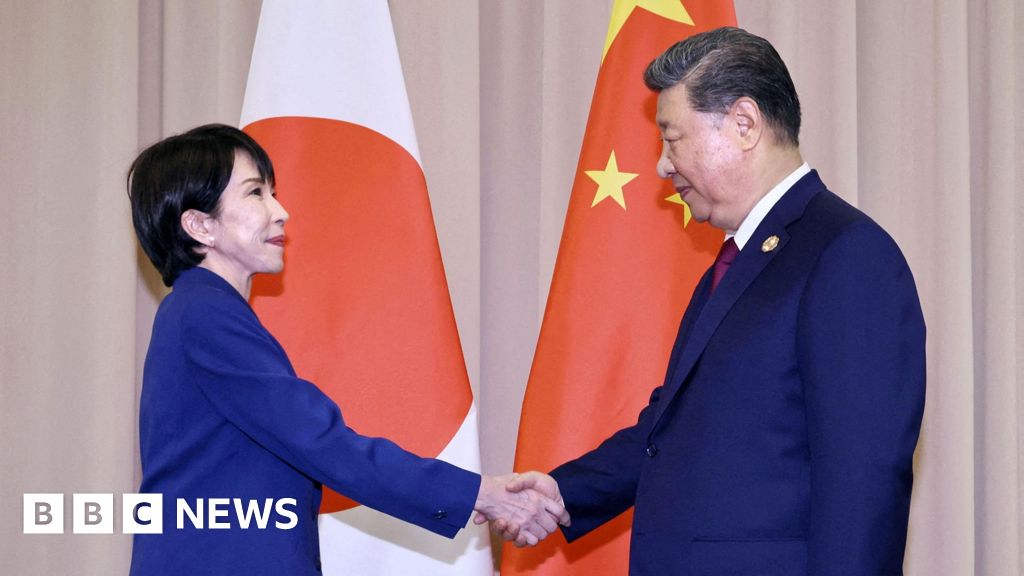
In China, the rhetoric of retaliation and threat of reprisals against the UK signals a new era of global tension. The Chinese government’s warning against targeted actions under foreign influence rules underscores how Beijing perceives Western efforts to limit its influence as provocations worthy of pushback. Such moves threaten to accelerate the uprising of a new Cold War, where economic and military rivalry undermines global stability. International organizations, such as the World Trade Organization (WTO) and G20, find themselves caught in the crossfire, struggling to mediate between the rising powers. The balance of influence is shifting, with China’s resurgence challenging the post-World War II order, affecting countless societies that rely on fragile international cooperation.

Adding to the chaos, the Syria elections amidst a war-torn landscape reflect a fragile attempt at democratic normalization. Yet, critics, including United Nations observers, warn that the elections are heavily biased in favor of interim authorities, deepening divisions rather than fostering reconciliation. This approach exemplifies how fragile state institutions, weakened by prolonged conflict, are exploited by regional and global actors pursuing strategic goals. The future of Syria remains uncertain, with persistent violence and disillusionment causing ripple effects across the Middle East and beyond, undermining prospects for regional stability and peace.

Domestically, the UK faces rising utility bills, economic uncertainty, and political disarray. The financial struggles of the Tory party reflect a wider crisis of confidence in Western democratic institutions, where declining voter engagement and party memberships threaten the very foundations of governance. These internal fractures, when combined with foreign policy uncertainties, underscore how decisions made within national borders ripple outward—shaping the geopolitical landscape and influencing the course of history. As nations grapple with these complex challenges, the world watches—and waits—knowing that each decision today writes the pages of a history still being penned. The fate of small nations and mighty superpowers alike hang in a delicate balance—an unfolding story where the line between stability and chaos is razor-thin, and the echoes of these choices will resonate for generations to come.

Danish Military Bases Spotted Under Drone Watch Amid Rising Air Tensions

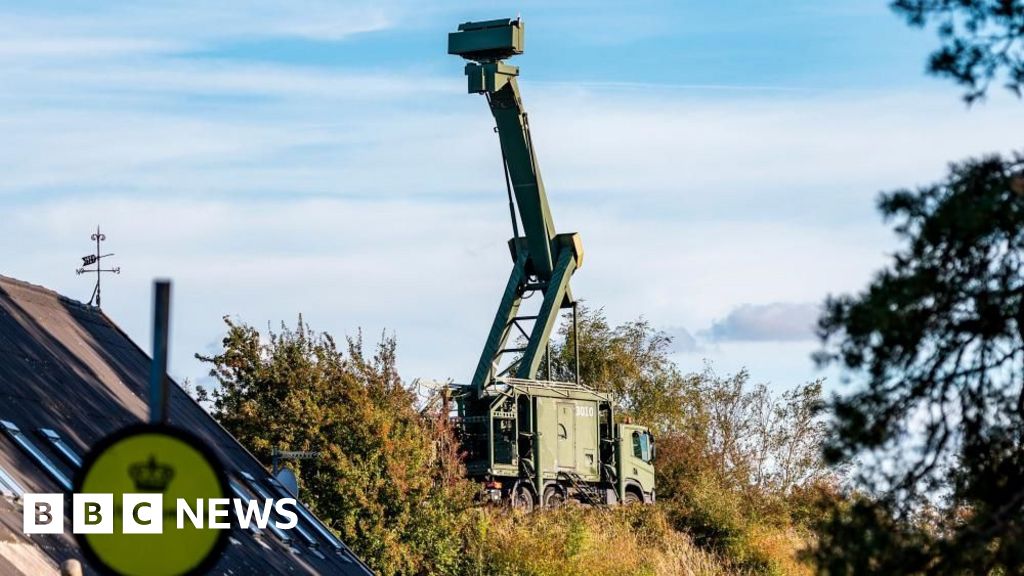
Recent sightings of unidentified drones near military and civil infrastructure across Denmark, Germany, Norway, and Lithuania have sent shockwaves through an increasingly tense European security landscape. The series of incursions, notably the drone activity above key military bases like Karup airbase in Denmark, align with a disturbing pattern of aerial disruptions that threaten the stability of the continent. These events come just days after major airports in the region, including Copenhagen and Oslo, experienced temporary closures due to drone activity, highlighting vulnerabilities within civilian and military airspace alike.

Analysts suggest that these incidents are part of a broader hybrid attack, a sophisticated blend of military and non-military tactics designed to destabilize and undermine interconnected security systems. The Danish Defense Ministry has cautiously refrained from accusing any state actor, though some officials hint at the possibility of Russian involvement. This suspicion is fueled by recent heightened tensions between Russia and NATO allies, with Eastern European countries such as Estonia and Poland reporting similar incursions involving Russian drones and fighter jets. The North Atlantic Treaty Organization (NATO) has responded with urgent consultations, as fears grow that Moscow may be engaging in a broader strategy of indirect aggression, leveraging these covert operations to weaken Western unity and sow discord in the heart of Europe.

Government officials and international organizations warn that these drone incursions signal a new phase in hybrid warfare, where the battlefield extends beyond traditional combat zones to include the cloud of technological vulnerabilities that modern societies have come to depend upon. German Interior Minister Alexander Dobrindt has emphasized the high threat level, ordering further investigations and regional discussions on how to counteract this rising threat. Meanwhile, U.S. and European security analysts cite the increasing frequency of such incidents as a warning that the age of aerial proxy conflicts has arrived, demanding a coordinated, strategic response to prevent escalation into overt conflict.

As Russian officials vehemently deny involvement, dismissing allegations as “absurd provocations”, the weight of history and recent events suggest a more complex reality. Past accusations of hybrid assaults, coupled with Russia’s openly strategic posture in Eastern Europe, leave many experts questioning whether these violations are a form of weaponized diplomacy. The unfolding drama in Northern Europe encapsulates a larger narrative of geopolitical rivalry, where control of information, airspace, and influence determines the fate of nations. The world watches as the specter of war, cloaked in the shadows of digital and aerial warfare, lingers just beyond the horizon, leaving humanity at a perilous crossroads where every decision could tip the balance towards peace or chaos. The consequences of these silent battles will echo through history, shaping the legacy of this turbulent era.

Social Media Auto Publish Powered By : XYZScripts.com