Matox News

Truth Over Trends, always!

Super Bowl 2026: How to Catch Bad Bunny’s Epic Live Performance and Ride the Trend Wave

While football may not be everyone’s cup of tea, one universal language that continues to captivate diverse audiences worldwide is music. And this year, the spotlight is squarely on Bad Bunny, whose upcoming Super Bowl LX halftime show is poised to be more than just a musical performance — it’s a cultural event that bridges generations and demographics. As the reigning king of Latin trap and reggaeton, Bad Bunny has morphed beyond music into a social force, embodying shifting attitudes among youth and influencing mainstream trends.

The Super Bowl, long celebrated as a sporting spectacle, has also become a canvas for cultural icons and social commentary. With its _cultural impact_ increasingly rooted in diverse performances, the halftime show is now a key moment for social relevance. This year’s lineup featuring Bad Bunny highlights a broader societal shift towards embracing multicultural and cross-genre influences. Influencers like TikTok creators and music analysts emphasize how his presence not only boosts viewership but also signals an ongoing _shift in social norms_ — where youthful, globalized voices are gaining prominence in traditional arenas.

Moreover, the social relevance of this trend isn’t just about entertainment but about identity and representation. Bad Bunny has consistently challenged stereotypes by integrating gender-fluid fashion, outspoken advocacy for social justice, and a rebellious attitude that resonates with young audiences seeking authenticity. Sociologists note that his rising popularity exemplifies a _redefinition of masculinity and cultural expression_ among the youth, making him more than a music icon — he’s a movement catalyst. As the cultural landscape continues to evolve, the question arises: how will this influence future trends in entertainment and societal norms?

From influencers to sociologists, there’s a consensus that Bad Bunny‘s appearance at the Super Bowl is a sign of things to come — a merging of sport, music, and social activism that could redefine what it means to be a cultural icon in the digital age. Yet, the next big question remains: is this shift sustainable or just a passing wave driven by viral moments? As audiences grow more socially conscious and craving authenticity, the answer to that question could shape the next era of youth-driven cultural influence. Regardless, the world will be watching, and for many, this Super Bowl halftime will be remembered as much for the spectacle as for its emblematic role in this ongoing societal shift.


Levi’s Gains Big in UK as Celeb-endorsed Denim Revival Sparks Style Wave

Once dismissed as a nostalgic relic of the 90s, denim is experiencing a renaissance among today’s youth, driven by a complex blend of cultural nostalgia and evolving fashion trends. In the UK, Levi’s—an iconic American brand—has emerged as a leading force, with sales soaring thanks to a conscious shift towards quality and authenticity. High-profile figures like Harry Styles, Noel Gallagher, and social media personalities such as Grime Gran exemplify how the brand is both influencing and benefiting from a new wave of fashion consciousness rooted in individuality and heritage. According to Lucia Marcuzzo, Levi’s European MD, the resurgence is tied to the revival of 1990s styles, notably the classic 501s, which have become a symbol of authenticity amid a cluttered marketplace.

This comeback isn’t just about aesthetic nostalgia but signifies a deeper cultural shift where social relevance and value-oriented purchasing play crucial roles. Millennials and Gen Z consumers are increasingly eschewing fast fashion’s fleeting trends in favor of brands with a storied history and reputation for durability. Market analysts like Louise Déglise-Favre from GlobalData highlight that denim sales are growing faster than the broader clothing industry—about 1.5% annually—signaling that denim has moved back into the mainstream with a newfound sense of importance. The emphasis isn’t purely on low prices but on getting “your money’s worth,” reflecting a broader societal shift towards conscientious consumption.

The social impact of this trend extends beyond mere clothing. Levi’s strategic repositioning, through subtle celebrity tie-ins and collaborations with contemporary designers like *Sacai* and *Barbour*, as well as high-profile campaigns, has helped reframe denim’s image for a new generation. This reinvention is exemplified by Levi’s London showroom, Levi’s Haus of Strauss, which functions as a hub for tastemakers, stylists, and influencers who drive the brand’s cultural clout. Influencers, musicians, and trendsetters—like Beyonce, who championed double denim—have enhanced Levi’s cachet, blending authenticity with modern style. Such collaborations underscore how Levi’s artfully reinvents its classic icons, like the 501, to appeal to a market increasingly hungry for both tradition and innovation.

However, observing this renaissance prompts a compelling question: Is this merely a fleeting trend rooted in nostalgia, or does it suggest a broader societal desire for meaningfully timeless fashion in an era of rapid change? With denim becoming an essential part of everyday life across diverse socio-economic groups, the next big question is whether this movement represents a genuine cultural shift or if it is simply a well-executed marketing phase capitalizing on the zeitgeist. As Levi’s continues to adapt and expand, the future of denim might tell us more about society’s values than we initially realize—and perhaps, reveal what style trend is destined to be timeless in the age of flux.

Jessie’s Traitors Makeup Unlocks the New Wave of Bold Beauty Vibes for Today’s Youth

In a cultural landscape where conformity often dominates social media feeds and pop culture, a rebellion against conventional beauty standards is emerging—fueled by a new wave of youth embracing bold, unorthodox makeup styles. Recent observations from the hit show The Traitors and viral TikTok trends highlight a shift where makeup is no longer just about looking “polished” but about expressing individuality and reclaiming the notion of beauty itself. Influencers like Garance Murru and makeup artists such as Sean Brady are leading a movement that questions the very fabric of societal beauty ideals—bringing “ugly makeup” back into the limelight.

This cultural shift transcends Instagram filters and Instagrammable perfection—it’s about challenging social biases and defining a new identity grounded in character and authenticity. Jessie Roux, a contestant on the show, exemplifies this new ethos, proudly sporting vibrant, mismatched eyeshadow shades like marigold orange and canary yellow, despite fears that her bold makeup might undermine her perceived trustworthiness. Her stance is a statement: “I love expressing myself through makeup, especially because my stammer sometimes makes it hard to show who I am.” In this context, makeup becomes a tool of empowerment, a shield against societal expectations, and a way to push beyond the superficial layers of appearance to showcase inner resilience and diversity of beauty.

Social media platforms such as TikTok have amplified this narrative, with users embracing *characterful* looks inspired by Jessie and artworks inspired by “bird of paradise” palettes. Trends include applying metallic shades in prosecco hues or decorating lips with fantastical color combos like sky blue paired with pillar-box red. Commentators are calling this the resurgence of character-driven beauty, a stark contrast to the “dewy” and “glossy” aesthetic that dominated recent years. Makeup artist Aoife Cullen notes this “swing back towards colour and individuality,” revealing that social media dialogue among makeup artists is fueling this “creative renaissance.”

This movement resonates deeply with the social relevance of shaping a society that values self-expression over mass appeal. It questions whether society’s obsession with “flawless” beauty is on the brink of transformation or simply a passing trend. As Cullen suggests, the key to embracing this shift lies in small steps — like changing your mascara color from black to plum, then to green, until you find what truly resonates with your personality. The message is clear: the boundaries of beauty are shifting, and the definition is becoming more inclusive of eccentricity and boldness. Jessie herself advocates for authenticity, emphasizing: “If you love colour, then go for it. It’s always better to be yourself than to follow the crowd.”

As this revolution in makeup style stretches beyond the runway and social media into everyday life, a compelling question emerges: are we witnessing a permanent cultural evolution or an ephemeral revolt? With influencers and sociologists alike pointing to the rise of “ugly beauty” as a critique of perfectionism, the next big question is whether society will continue to embrace this cultural bravado or revert to traditional standards once the novelty wears off. The answer may define whether this trend becomes a new normal—where self-expression and individuality carve out a more inclusive and authentic aesthetic for future generations.

Founder revolutionizes firefighting, now mining AI gold for the next-gen tech wave

HEN Technologies Unveils Next-Gen Fire Suppression System with Smart Data Capabilities

Emerging as a formidable contender in the realm of industrial innovation, HEN Technologies is revolutionizing fire suppression and water management through groundbreaking sensor-driven, predictive systems. Founded in June 2020, the company has levered a diverse technological background—including nanotech, solar, semiconductors, and automotive—to develop a portfolio of intelligent water control devices. These tools are not just hardware; they are catalysts for disrupting the entrenched firefighting and municipal water systems, with far-reaching business implications for military, emergency, and industrial sectors globally.

Innovation at the Core: From Nozzles to Data Ecosystems

  • Utilizes custom-designed circuit boards embedded with sensors and powerful computing units—including Nvidia Orion Nano processors—transforming basic hardware into connected, smart systems.
  • Develops precise, adaptive water nozzles capable of controlling droplet size, managing velocity, and resisting wind, enhancing firefighting efficiency in high-stakes scenarios.
  • Expands into a portfolio of flow control and monitoring devices—such as Stream IQ and discharge systems—integrating real-time data streams for operational insights.

The innovation is embodied in HEN’s system architecture, which employs sensors at the pump level to act as virtual sensors in the nozzle, capturing detailed data about water flow, pressure, and environmental conditions. This data not only optimizes firefighting efforts but also creates a valuable multi-modal data pipeline that has attracted significant investor interest, including a recent $20 million Series A round led by O’Neil Strategic Capital. According to industry experts, this level of integrated data infrastructure positions HEN as a potential pioneer for predictive analytics—crucial for advanced AI systems that construct dynamic models of physical environments.

Disruption and Business Implications: Beyond Firefighting

HEN’s platform is poised to disrupt traditional emergency response and municipal water management by enabling predictive analytics and resource optimization. Its devices gather critical data on water usage, environmental conditions, and system performance—information that has historically been difficult to access in real time. This data ecosystem could revolutionize how agencies like the DHS NERIS program and international defense organizations approach emergency readiness, disaster mitigation, and resource allocation.

The company’s strategic move into qualified federal procurement channels, such as GSA approval, signals a deliberate push toward scale within government contracting, turning this technological disruption into a sustainable business model. Fire departments routinely replace thousands of aging engines annually; HEN’s intelligent hardware offers recurring revenue opportunities from hardware sales complemented by ongoing data contracts—an attractive prospect for investors driven to capitalize on the growing need for smart city infrastructure.

The Road Ahead: Data as the Future Currency

While hardware sales currently fuel revenue growth—$200,000 in Q2 2023 skyrocketed to over $20 million forecasted for this year—the real value lies in the data generated. As analysts at Gartner and MIT emphasize, the future belongs to companies that can harness real-world data for AI-driven predictive systems. Companies building sophisticated world models, especially in emergency management and robotics, will pay a premium for the high-fidelity, multimodal physics data generated by HEN’s deployments.

With a talented team drawn from Tesla, Apple, NASA, and Microsoft, HEN is positioning itself as a critical enabler of these emerging AI applications, which require granular, real-time data to operate effectively in unpredictable, high-stakes environments. As government agencies and private industries increasingly adopt such systems, HEN’s strategic focus on robust hardware, data pipelines, and institutional penetration signals a fast-approaching industry inflection point. Companies ignoring the looming disruption risk falling behind in the race for the next-generation of intelligent, connected infrastructure—making early adoption not just advantageous but essential.

In this rapidly evolving landscape, the message is clear: the convergence of sensor technology, AI, and real-time data is giving rise to a new wave of disruptive innovation. HEN’s success, fueled by visionary engineering and strategic investor backing, exemplifies how the future of infrastructure resilience and emergency response will be driven by those who master the art of data collection and intelligent control. The race to dominate this space is just heating up, and forward-looking companies must move swiftly to capture the immense opportunities ahead.

Monaco Yacht Show Doubles Down: Global Turmoil Can’t Sink the Luxury Wave

Living Large in Monaco: The Resilient Allure of Superyachts

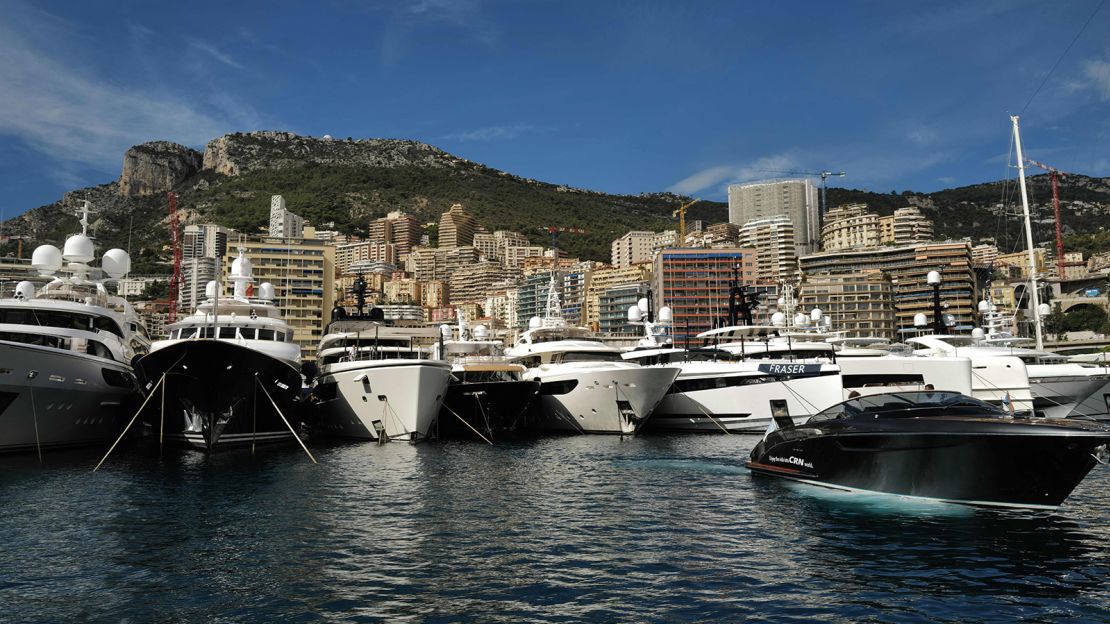
In a world beset by international conflict, rising energy prices, and lingering pandemic uncertainties, one of the most captivating spectacles continues to defy global turmoil: the Monaco Yacht Show. This annual event, held in the glamorous Mediterranean enclave, showcases some of the world’s most extravagant and technologically advanced superyachts ranging up to over 100 meters in length. Despite a backdrop of geopolitical anxiety, the event attracted a record-breaking assembly of luxury vessels, a testament to the resilience and enduring allure of luxury lifestyle.

The Monaco Yacht Show exemplifies how wellness and leisure pursuits remain pillars of personal well-being for the wealthy and aspirational alike. As Johan Pizzardini, the show’s communications head, notes, all of the world’s leading superyacht brands and the latest models were present, including 118 magnificent vessels with a combined value near $3.8 billion. Even amidst economic uncertainty, luxury yacht ordering remains robust, with new entries like the record-breaking AHPO, a 115.1-meter giant from German builder Lürssen, making waves in the industry. The message is clear: for the elite, investment in personal escape—whether by land or sea—continues to be a priority, fostering a culture centered around self-optimization and life’s pleasures.

Emergence of New Buyers and Design Innovations

This year’s event showcased a shift in buyer demographics. Not only seasoned yacht owners but also first-time luxury yacht buyers are making splashes with their debut vessels. New models like the 60-meter Lusine from Dutch shipyard Heesen, which boasts exquisite interiors by Sinot Yacht Architecture, exemplify this trend. Interior design experts such as Ron Holland and Francesco Paszkowski continue to elevate yacht aesthetics, blending functional luxury with cutting-edge sustainability. For many, this pursuit is more than ostentation: it’s about creating personal sanctuaries that promote mental/physical health and inspire.

Innovations like hybrids and eco-conscious propulsion systems reflect a _growing emphasis on environmental responsibility_. Tankoa’s Kinda, with its hybrid engine modes, encapsulates this commitment—combining power, efficiency, and a respect for nature. Such focus aligns with wellness experts advocating for a sustainable lifestyle that harmonizes indulgence with planetary stewardship, showing how luxury can coexist with _\u201cmindful living\u201d_ principles.

Industry Confidence and Investment in Dreamscapes

Despite recent sanctions impacting the Russian superyacht industry, the global order book remains strong. CEOs like Arthur Brouwer of Heesen report record orders, with over 1,000 superyachts under construction worldwide—a 24% increase from the previous year. This surge illustrates a confident market driven by a pandemic-inspired mindset: a desire to seize the moment and embrace personal freedom through luxurious escapism. For many, these vessels are more than assets—they are floating retreats that foster community, rejuvenation, and escape into wellness.

Moreover, the event revealed an ever-expanding array of custom features—from vibrant murals and opulent materials like mother-of-pearl and rare woods, to innovative amenities such as onboard gyms, massage salons, and helipads. These details exemplify how personalized experiences and lifestyle upgrades are shaping a new era of private luxury. Industry leaders emphasize that even in uncertain times, the quest for personal excellence remains a steadfast pursuit, fueling continued shipbuilding and innovation.

This glamorous gathering in Monaco reminds us that lifestyle is an ongoing voyage—a pursuit of balance, beauty, and strength amid the chaos. Like the majestic vessels that glide through azure waters, our own journeys are marked by resilience, innovation, and a relentless pursuit of betterment. In embracing these ideals, we discover that luxury isn’t just about material wealth—it’s about cultivating inner peace and creating spaces where one can truly thrive. As the world sways with uncertainty, the message is clear: through vision, craftsmanship, and a bold yearning for living fully, the journey to personal fulfillment continues unabated.

The rise of the ‘scam state’: Southeast Asia’s booming illegal industry and the new wave of cybercrime targeting youth

Unmasking the Monster: How Southeast Asia’s Scam Industry Threatens Power and Prosperity

In recent years, cryptic economic undercurrents have surged beneath the surface of southeast Asia’s vibrant landscape, revealing a dark infrastructure that is reshaping not only regional stability but also defining issues of personal security and economic freedom. The dramatic demolition of KK Park, one of the continent’s notorious “scam centres,” signifies a fragile attempt to open a window into this clandestine world—a world rooted deeply in _conflict zones_ and _lawless borders_, where opulence and impunity walk hand in hand. These hubs, often sprawling and openly visible, symbolize the extent to which corruption and illicit financial networks have become intertwined with state power, painting a narrative of *blatant impunity* that is hard to ignore.

What makes this industry particularly insidious is its *evolution* from simple phishing scams to an *industrial-scale political economy.* Experts like Jacob Sims, a Harvard fellow specializing in cybercrime, describe a shift where online fraud has transformed into a *massive illicit market*, grossing hundreds of billions annually—roughly mirroring the drug trade in scope. The industry relies heavily on _advanced technologies_ such as generative AI, deepfake video calls, mirrored websites, and *sophisticated misinformation tactics* to manipulate victims globally. Recent estimates reveal that, in 2024, cyber scams in the Mekong sub-region generate about $44 billion annually, representing 40% of the formal economy—making it not just a criminal enterprise but an *economy unto itself*. Such figures underscore a stark reality: these illicit networks are *driving regional economic shifts* and exerting *enormous influence* over policy and governance.

This rise has serious personal implications for individuals worldwide—victims entrapped in “pig-butchering” scams, where authentic relationships are cultivated online before victims are pressured into fraudulent investments, often in cryptocurrencies. The regret and financial devastation for victims are profound, with many losing *more than half of their net worth*, sometimes totaling hundreds of thousands of pounds. This *human toll* reveals how *technology* and *greed* have become tools for exploitation, fueled by scammers who harness deepfake videos and AI translation to deceive even the most cautious. From a personal health perspective, such scams foster stress, anxiety, and financial strain, reinforcing a need for better *digital literacy* and *preventive education*. To truly understand and combat this industry, awareness must extend beyond borders, involving clients worldwide and policymakers committed to rooting out these *global illicit networks*.

Despite efforts to dismantle these operations, their **publicly visible** scale and *interwoven political connections* suggest a disturbing compromise of sovereignty and law enforcement. Experts argue that visible scams are often mere *”performative”* acts—aimed at appeasing international pressure without risking the fundamental interests of powerful *criminal-elite networks*. The ongoing existence of enormous compounds, diplomatic cover-ups, and *state co-optation* signals a *systematic failure*—a reflection of a *scam industry* that has become entrenched, profiting off *conflict*, *border chaos*, and *weak governance*. This situation demands a reassessment of our *values* and *priorities*, emphasizing that the fight against such corruption must also be a personal journey—one of resilience, knowledge, and refusal to accept *an economy of exploitation*.

Reflection

As society stands at this crossroads, the path forward invites each of us to consider how our choices—whether in safeguarding our digital lives or advocating for *transparency*—connect to the broader narrative of _power, integrity,_ and _independent prosperity_. The story of Southeast Asia’s scam industry is not just about illicit money—it’s a lesson in vigilance and responsibility, urging us to embrace a lifestyle rooted in _truth_, _empowerment_, and _ethical awareness_. The challenge remains: will we continue to be passive spectators, or will we become active participants in fostering a world where *justice and integrity* hold sway? The journey of lifestyle, after all, is a reflection of our collective willingness to uphold these principles, transforming us from bystanders to builders of a resilient future.

Key Takeaways:

  • Understand the scope: The scam industry is a major economic driver in the region, comparable in size to the illicit drug market.
  • Stay vigilant: Technological advancements make scams more sophisticated—education and awareness are your best defenses.
  • Recognize the systemic issues: Many scam hubs operate with state complicity, highlighting the importance of advocacy and international pressure.
  • Personal impact matters: protection of personal wealth and mental health should be prioritized amid these evolving threats.
Russia hits Kyiv with deadly strikes in new wave, officials warn

In a devastating escalation of the ongoing conflict in Ukraine, Kyiv has been battered by a wave of Russian drone and missile strikes, resulting in the deaths of three civilians and the injury of over 26 others. Kyiv’s mayor, Vitaliy Klitschko, described the attacks as “massive,” highlighting how residential neighborhoods, hospitals, and critical infrastructure have come under relentless assault. As explosions shook the city’s core, Kyiv’s energy infrastructure suffered severe damage, leaving parts of the city without heat—a bleak reminder of how war inflicts suffering beyond the battlefield. Emergency responders rescued dozens, including victims trapped beneath rubble, emphasizing the human toll of what Moscow claims are targeted military operations, but which Ukrainians see as deliberate acts of terror aimed at civilian populations.

While Russia asserts that its attacks aim to cripple Ukrainian military capabilities, Western analysts remain skeptical. The international community widely views this surge in airstrikes as a deliberate effort to destabilize Ukraine’s resilience—particularly by targeting energy networks that sustain civilian life and undermine morale. Ukrainian President Volodymyr Zelensky responded by demanding “no exceptions” to Western sanctions on Russian energy exports—an urgent call to weaken Russia’s economic backbone. This comes amidst a broader pattern of Moscow’s strategy: deploying drones and guided bombs to weaken Ukraine’s infrastructure, disrupt daily life, and garner pressure for negotiations on Moscow’s terms. Such tactics are reminiscent of a war of attrition where civilian suffering potentially serves as leverage, raising alarms about the broader geopolitical impact on regional stability.

The North Atlantic Treaty Organization (NATO), along with the United States, continues to monitor developments closely. NATO officials have condemned the recent strikes, emphasizing their support for Ukraine’s sovereignty and condemning Russia’s apparent escalation. The turning point came when the U.S., under President Donald Trump’s administration, initially imposed sanctions targeting Russian energy—yet, recent exemptions granted to Hungary reveal a nuanced and evolving geopolitical calculus. Analysts warn that Russia’s repeated targeting of energy infrastructure signifies an attempt to exhaust Ukraine’s civilian resilience and complicate Western efforts to sustain robust support. Additionally, Russia’s claims that these strikes are aimed at “military” targets are increasingly viewed as disingenuous, especially as civilians suffer the consequences.

Historically, conflicts of this nature have underscored a broader strategic contest—one where energy politics, alliances, and military might intersect with societal resilience. As the United Nations and international watchdogs issue warnings about escalating violence, the narrative is shifting toward a larger, more ominous story: a geopolitical chessboard where each strike and diplomatic move could have far-reaching consequences. The future of Ukraine, and indeed the stability of Europe, hangs in the balance, with each side trying to shape the narrative—while the echoes of destruction reverberate through history’s unfolding pages. As Kyiv’s skies burn and civilans endure, the world watches a relentless drama of power, endurance, and the high stakes of a war that threatens to redefine the global order—if not for today, then for generations to come.

NVIDIA, Qualcomm Team Up with US & Indian VCs to Power India’s Next Deep Tech Wave

India’s Deep Tech Ecosystem Gets a Major Boost with US-India Coalition

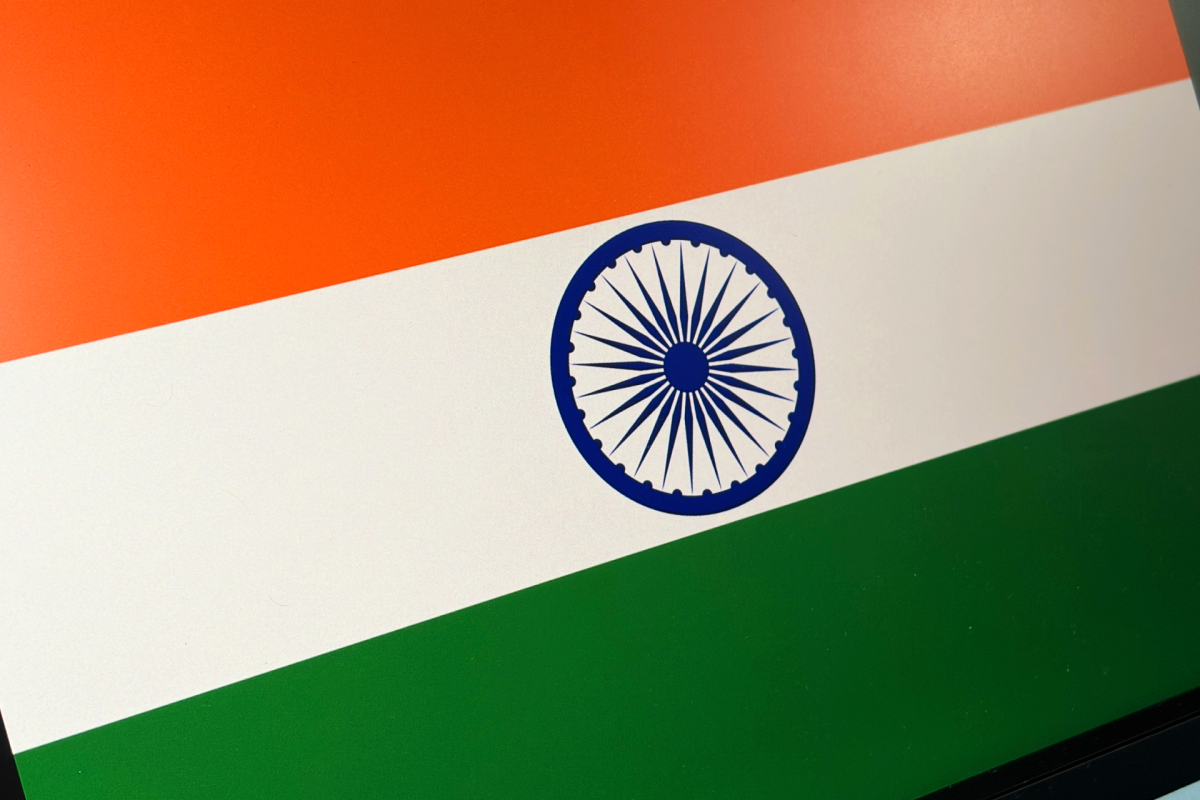
In a significant move toward disruption of traditional markets and the acceleration of technological sovereignty, major players like NVIDIA and Qualcomm Ventures have joined forces with leading Indian venture firms to bolster India’s deep tech startup scene. Launching in September with over $1 billion in commitments, this coalition signifies a strategic pivot aimed at fostering innovation in areas such as satellite technology, semiconductor design, and quantum computing. Known for transforming industries through breakthroughs like AI accelerators and advanced chipsets, NVIDIA’s involvement as a strategic advisor—without direct funding—underscore the increasing importance of technical mentorship and ecosystem validation.

Indian startups have already demonstrated remarkable growth, boasting over 180,000 enterprises and more than 120 unicorns, yet a gap persists in capital dedicated to *fundamental infrastructure-scale innovations*. These ventures require long-term investments, often facing reluctance from risk-averse venture capitalists favoring proven, lower-risk models. This market gap is crucial for future global leadership and technological sovereignty, especially as major economies race to dominate core sectors such as biotech, space tech, and AI. The latest alliance, led by the India Deep Tech Alliance (IDTA), aims to fill this void by integrating capital, mentorship, and access to networks for startups involved in these high-impact domains.

Strategic Partnerships and Policy Acceleration

  • Participation from top U.S. and Indian investors, including Accel, Blume Ventures, and YourNest Venture Capital.
  • NVIDIA’s contribution as a technical guide will facilitate best practices in AI and accelerated computing deployment.
  • Qualcomm Ventures extends beyond funding to help startups leverage their internal expertise and network, emphasizing business disruption at the infrastructure level.
  • The Indian government’s recent ₹1 trillion (approximately $12 billion) Research, Development, and Innovation (RDI) scheme aims to empower long-term projects in key sectors like space, quantum, and biotechnology, positioning India as a burgeoning epicenter of deep tech innovation.

Experts such as Elon Musk and Peter Thiel have long emphasized the importance of building an ecosystem capable of sustaining disruptive innovation. The coalition’s strategy aligns with this vision, recognizing that *role models and substantial investment* are necessary to propel India into a new era of high-tech manufacturing and innovation. The alliance’s collaborative policy efforts could catalyze India’s emergence as a global hub for frontier technology, challenging incumbents in Silicon Valley and Shenzhen.

Implications for the Global Tech Landscape

While India’s deep-tech funding rose 78% year-over-year to $1.6 billion in 2024, disparities with mature markets remain stark. The new coalition and India’s proactive government initiatives could serve as catalysts to bridge that gap, drawing increased global capital and corporate interest. As MIT researchers note, ecosystems built on a foundation of strategic mentorship and long-term vision tend to produce market-changing companies within a decade. The current momentum indicates a potential surge in Indian-based, science- and tech-heavy firms that will become mainstays on global exchanges.

This shift signals a time-sensitive race for technological leadership; companies and nations that act decisively now will shape the future of innovation and economic power. With the participation of industry giants like NVIDIA and Qualcomm, combined with supportive government policies, India is poised to become a dominant player in the emerging frontier sectors. Tech entrepreneurs and investors alike must recognize that **the next wave of industry disruption is already under way**, and strategic engagement today will determine who leads tomorrow.

Mosquitoes Strike Iceland for the First Time After Record Heat Wave

Record-Breaking Heatwave in Iceland Sparks Unforeseen Ecological Shift

In a startling development that underscores the profound effects of climate change on fragile ecosystems, Iceland has recorded the first-ever discovery of mosquitoes within its borders. Historically a haven of icy detachment, the once-impregnable barrier against these pests has been broken by this year’s unprecedented heatwave. Local insect enthusiast Bjorn Hjaltason identified and captured two female mosquitoes and one male, later confirmed by the Icelandic Institute of Natural History as Culiseta annulata, a resilient species capable of surviving frigid winters. This event has sent ripples through environmental circles and geopolitical analysts alike, spotlighting the tangible consequences of a scorching climate that now approaches Iceland’s northern shores.

Prior to this year, Iceland remained one of only two mosquito-free zones globally, with the only other being Antarctica. The cold climate and distinct ecological conditions historically prevented mosquitoes from establishing a foothold. However, the recent series of heatwaves—an anomaly according to the Met Office—have shattered previous temperature records, with May highs exceeding 20°C (68°F) and peaking at an all-time high of 26.6°C (79.8°F) at Eglisstaðir Airport. Such dramatic shifts are emblematic of the larger, more ominous trend of global warming, which the UN’s climate body affirms as driven by human activity. As global temperatures climb, scientists warn of destabilized ecosystems and unforeseen biological invasions, challenges that nations are increasingly ill-prepared to handle.

  • The key event: The first confirmed mosquito presence in Iceland amid record-breaking heat, signaling a disturbing ecological breach.
  • Potential consequences: Expansion of insect-borne diseases, disruption of local fauna, and strain on natural resources.
  • Broader implications: The event is a stark illustration of how climate change accelerates the erosion of natural barriers that historically protected regions like Iceland and Antarctica.

International organizations and experts are taking notice. Critics argue that these developments underscore the urgent need for a coordinated global response to climate change, focusing on both mitigation and adaptation. Historians and environmental analysts warn that this incident foreshadows a new era—one in which the impacts of human pollution and carbon emissions reach into the most remote corners of the world, rewriting the script of nature’s historical boundaries. The question now is whether nations will recognize the gravity of these signs or dismiss them as isolated anomalies. With each passing year marked by record heat and ecological upheaval, the line between natural resilience and human-inflicted vulnerability continues to blur.

As the story unfolds, Iceland stands as a stark symbol—a fragile outpost on the frontlines of a warming planet. The insect’s invasion, while seemingly minor, may herald a larger, more dangerous trend of ecological unravelling that knows no borders. The discovery leaves us with a haunting image: a once-untouched icy haven gradually succumbing to the relentless march of warming tides. Humanity, standing at a crossroads, must confront whether this is the prelude to a new world order—one shaped by climate-driven upheaval or the dawn of decisive action to halt the chaos. The weight of history is still being written, and the next chapter could determine whether the icy wilderness remains a sanctuary or succumbs to the scars of human neglect.

Europe’s coolest capital is leveling up—stay ahead of the vibe wave

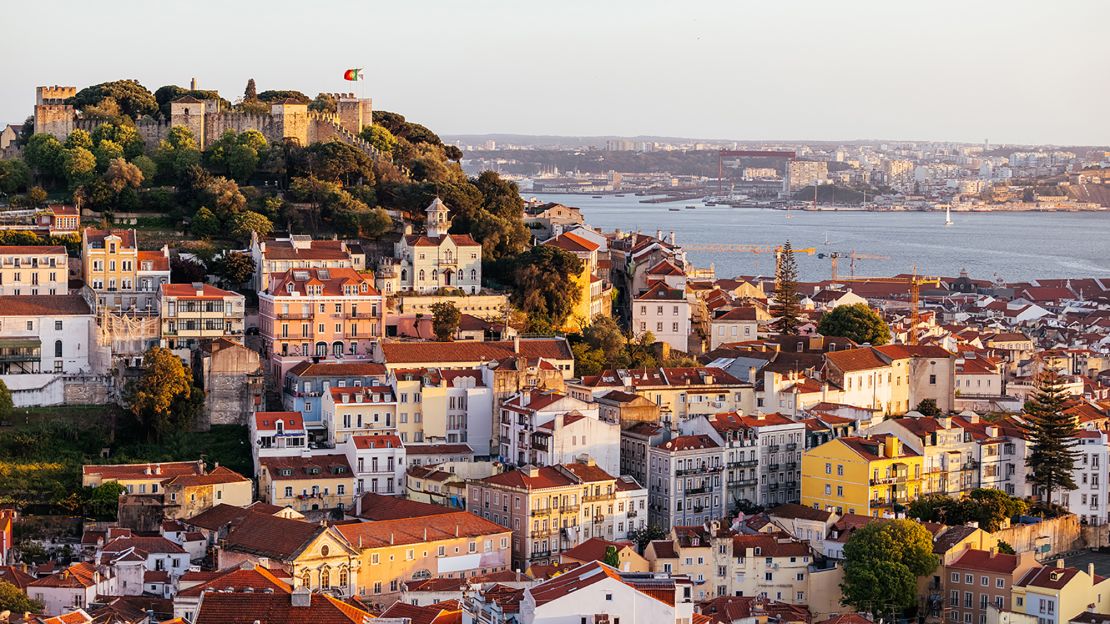
In recent years, Lisbon has experienced a remarkable renaissance, transforming from a classic European capital into a hub of youthful energy, multicultural flair, and entrepreneurial spirit. This vibrant city, perched high above the River Tagus and winding into the hills, now draws the world’s young travelers, digital nomads, and cultural explorers seeking a dynamic lifestyle destination. With its affordable rents, electrifying nightlife, and a rich tapestry of streets brimming with tradition, Lisbon exemplifies the compelling shift towards an urban renaissance that combines historical reverence with modern vitality.

The pulse of Lisbon’s revival is felt not just on the streets but deep within its culture and cuisine. The city’s local pride shines through when you walk its neighborhoods—the Belem district’s famed pastel de nata pastries, Fado singers in Alfama echoing romantic tales, and gatherings celebrating their patron saint, St. Anthony, with sardines and local wine spilling into the alleys. This city’s confidence is evident in its residents, who are now embracing their Portuguese identity unapologetically. Local authorities and cultural figures, like renowned chef José Avillez, highlight how in the midst of modern innovation, the soul of Portugal’s culinary art remains rooted in essential ingredients, simple love, and a уважениеrespect for tradition.

The city’s seafaring history is equally central to its identity. Lisbon’s connection to the Atlantic Ocean persists along its wide riverbanks and historic monuments like the Padrão dos Descobrimentos. This long-standing maritime pride is embodied by modern explorers such as solo sailor Ricardo Diniz, who continues the legacy of Portuguese adventurers with every voyage. The spirit of discovery fuels Lisbon’s ongoing narrative—a narrative not merely of exploration but of pride in cultural resilience and entrepreneurial spirit. The city’s resurgence has been fueled, in part, by outsiders—travelers, entrepreneurs, and expats—who fall in love with its confidence and authenticity, and spread the city’s newfound reputation globally.

  • Visit local markets and taste the fresh sardines during the Festival of St. Anthony for an authentic experience.
  • Explore Lisbon’s historic districts such as Alfama and Mouraria, where music, history, and tradition intertwine.
  • Indulge in Portuguese cuisine, from Michelin-starred restaurants to humble cevicherias, celebrating a culinary soul that marries tradition with creativity.

For many, Lisbon’s story isn’t solely about tourism but about a lifestyle shift—a conscious embrace of a life that balances the past with the present. Influenced by cultural icons and wellness experts advocating for a mindful and connected lifestyle, young people are finding that this city offers more than just scenic beauty; it offers a journey of self-discovery. From its historic maritime museums to its contemporary art galleries and lively cafes, Lisbon invites its visitors to reflect on what it truly means to be proud of one’s roots while courageously stepping into the future. As the city continues to evolve, it reminds us that a community’s spirit and history are not nostalgic relics but the foundation of a vibrant, inspiring life tomorrow.

Social Media Auto Publish Powered By : XYZScripts.com