Matox News

Truth Over Trends, always!

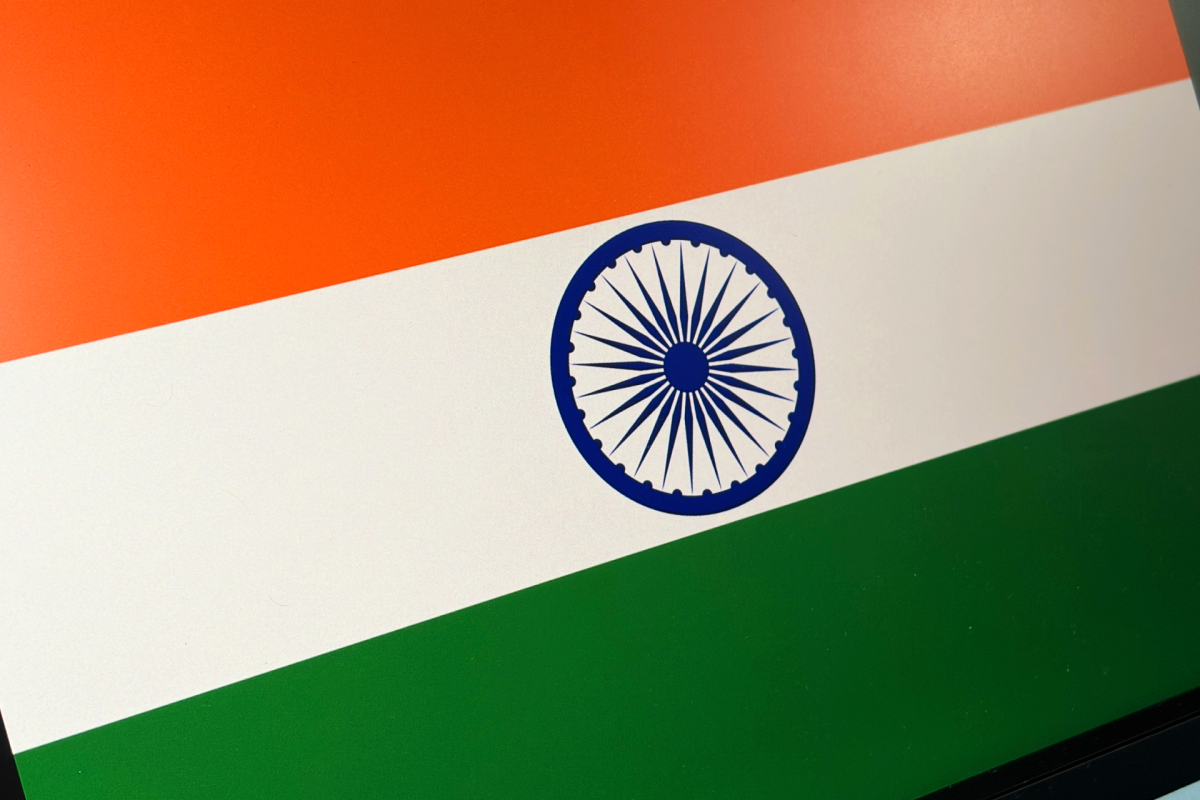
NVIDIA, Qualcomm Team Up with US & Indian VCs to Power India’s Next Deep Tech Wave

India’s Deep Tech Ecosystem Gets a Major Boost with US-India Coalition

In a significant move toward disruption of traditional markets and the acceleration of technological sovereignty, major players like NVIDIA and Qualcomm Ventures have joined forces with leading Indian venture firms to bolster India’s deep tech startup scene. Launching in September with over $1 billion in commitments, this coalition signifies a strategic pivot aimed at fostering innovation in areas such as satellite technology, semiconductor design, and quantum computing. Known for transforming industries through breakthroughs like AI accelerators and advanced chipsets, NVIDIA’s involvement as a strategic advisor—without direct funding—underscore the increasing importance of technical mentorship and ecosystem validation.

Indian startups have already demonstrated remarkable growth, boasting over 180,000 enterprises and more than 120 unicorns, yet a gap persists in capital dedicated to *fundamental infrastructure-scale innovations*. These ventures require long-term investments, often facing reluctance from risk-averse venture capitalists favoring proven, lower-risk models. This market gap is crucial for future global leadership and technological sovereignty, especially as major economies race to dominate core sectors such as biotech, space tech, and AI. The latest alliance, led by the India Deep Tech Alliance (IDTA), aims to fill this void by integrating capital, mentorship, and access to networks for startups involved in these high-impact domains.

Strategic Partnerships and Policy Acceleration

  • Participation from top U.S. and Indian investors, including Accel, Blume Ventures, and YourNest Venture Capital.
  • NVIDIA’s contribution as a technical guide will facilitate best practices in AI and accelerated computing deployment.
  • Qualcomm Ventures extends beyond funding to help startups leverage their internal expertise and network, emphasizing business disruption at the infrastructure level.
  • The Indian government’s recent ₹1 trillion (approximately $12 billion) Research, Development, and Innovation (RDI) scheme aims to empower long-term projects in key sectors like space, quantum, and biotechnology, positioning India as a burgeoning epicenter of deep tech innovation.

Experts such as Elon Musk and Peter Thiel have long emphasized the importance of building an ecosystem capable of sustaining disruptive innovation. The coalition’s strategy aligns with this vision, recognizing that *role models and substantial investment* are necessary to propel India into a new era of high-tech manufacturing and innovation. The alliance’s collaborative policy efforts could catalyze India’s emergence as a global hub for frontier technology, challenging incumbents in Silicon Valley and Shenzhen.

Implications for the Global Tech Landscape

While India’s deep-tech funding rose 78% year-over-year to $1.6 billion in 2024, disparities with mature markets remain stark. The new coalition and India’s proactive government initiatives could serve as catalysts to bridge that gap, drawing increased global capital and corporate interest. As MIT researchers note, ecosystems built on a foundation of strategic mentorship and long-term vision tend to produce market-changing companies within a decade. The current momentum indicates a potential surge in Indian-based, science- and tech-heavy firms that will become mainstays on global exchanges.

This shift signals a time-sensitive race for technological leadership; companies and nations that act decisively now will shape the future of innovation and economic power. With the participation of industry giants like NVIDIA and Qualcomm, combined with supportive government policies, India is poised to become a dominant player in the emerging frontier sectors. Tech entrepreneurs and investors alike must recognize that **the next wave of industry disruption is already under way**, and strategic engagement today will determine who leads tomorrow.

Mosquitoes Strike Iceland for the First Time After Record Heat Wave

Record-Breaking Heatwave in Iceland Sparks Unforeseen Ecological Shift

In a startling development that underscores the profound effects of climate change on fragile ecosystems, Iceland has recorded the first-ever discovery of mosquitoes within its borders. Historically a haven of icy detachment, the once-impregnable barrier against these pests has been broken by this year’s unprecedented heatwave. Local insect enthusiast Bjorn Hjaltason identified and captured two female mosquitoes and one male, later confirmed by the Icelandic Institute of Natural History as Culiseta annulata, a resilient species capable of surviving frigid winters. This event has sent ripples through environmental circles and geopolitical analysts alike, spotlighting the tangible consequences of a scorching climate that now approaches Iceland’s northern shores.

Prior to this year, Iceland remained one of only two mosquito-free zones globally, with the only other being Antarctica. The cold climate and distinct ecological conditions historically prevented mosquitoes from establishing a foothold. However, the recent series of heatwaves—an anomaly according to the Met Office—have shattered previous temperature records, with May highs exceeding 20°C (68°F) and peaking at an all-time high of 26.6°C (79.8°F) at Eglisstaðir Airport. Such dramatic shifts are emblematic of the larger, more ominous trend of global warming, which the UN’s climate body affirms as driven by human activity. As global temperatures climb, scientists warn of destabilized ecosystems and unforeseen biological invasions, challenges that nations are increasingly ill-prepared to handle.

  • The key event: The first confirmed mosquito presence in Iceland amid record-breaking heat, signaling a disturbing ecological breach.
  • Potential consequences: Expansion of insect-borne diseases, disruption of local fauna, and strain on natural resources.
  • Broader implications: The event is a stark illustration of how climate change accelerates the erosion of natural barriers that historically protected regions like Iceland and Antarctica.

International organizations and experts are taking notice. Critics argue that these developments underscore the urgent need for a coordinated global response to climate change, focusing on both mitigation and adaptation. Historians and environmental analysts warn that this incident foreshadows a new era—one in which the impacts of human pollution and carbon emissions reach into the most remote corners of the world, rewriting the script of nature’s historical boundaries. The question now is whether nations will recognize the gravity of these signs or dismiss them as isolated anomalies. With each passing year marked by record heat and ecological upheaval, the line between natural resilience and human-inflicted vulnerability continues to blur.

As the story unfolds, Iceland stands as a stark symbol—a fragile outpost on the frontlines of a warming planet. The insect’s invasion, while seemingly minor, may herald a larger, more dangerous trend of ecological unravelling that knows no borders. The discovery leaves us with a haunting image: a once-untouched icy haven gradually succumbing to the relentless march of warming tides. Humanity, standing at a crossroads, must confront whether this is the prelude to a new world order—one shaped by climate-driven upheaval or the dawn of decisive action to halt the chaos. The weight of history is still being written, and the next chapter could determine whether the icy wilderness remains a sanctuary or succumbs to the scars of human neglect.

Europe’s coolest capital is leveling up—stay ahead of the vibe wave

In recent years, Lisbon has experienced a remarkable renaissance, transforming from a classic European capital into a hub of youthful energy, multicultural flair, and entrepreneurial spirit. This vibrant city, perched high above the River Tagus and winding into the hills, now draws the world’s young travelers, digital nomads, and cultural explorers seeking a dynamic lifestyle destination. With its affordable rents, electrifying nightlife, and a rich tapestry of streets brimming with tradition, Lisbon exemplifies the compelling shift towards an urban renaissance that combines historical reverence with modern vitality.

The pulse of Lisbon’s revival is felt not just on the streets but deep within its culture and cuisine. The city’s local pride shines through when you walk its neighborhoods—the Belem district’s famed pastel de nata pastries, Fado singers in Alfama echoing romantic tales, and gatherings celebrating their patron saint, St. Anthony, with sardines and local wine spilling into the alleys. This city’s confidence is evident in its residents, who are now embracing their Portuguese identity unapologetically. Local authorities and cultural figures, like renowned chef José Avillez, highlight how in the midst of modern innovation, the soul of Portugal’s culinary art remains rooted in essential ingredients, simple love, and a уважениеrespect for tradition.

The city’s seafaring history is equally central to its identity. Lisbon’s connection to the Atlantic Ocean persists along its wide riverbanks and historic monuments like the Padrão dos Descobrimentos. This long-standing maritime pride is embodied by modern explorers such as solo sailor Ricardo Diniz, who continues the legacy of Portuguese adventurers with every voyage. The spirit of discovery fuels Lisbon’s ongoing narrative—a narrative not merely of exploration but of pride in cultural resilience and entrepreneurial spirit. The city’s resurgence has been fueled, in part, by outsiders—travelers, entrepreneurs, and expats—who fall in love with its confidence and authenticity, and spread the city’s newfound reputation globally.

  • Visit local markets and taste the fresh sardines during the Festival of St. Anthony for an authentic experience.
  • Explore Lisbon’s historic districts such as Alfama and Mouraria, where music, history, and tradition intertwine.
  • Indulge in Portuguese cuisine, from Michelin-starred restaurants to humble cevicherias, celebrating a culinary soul that marries tradition with creativity.

For many, Lisbon’s story isn’t solely about tourism but about a lifestyle shift—a conscious embrace of a life that balances the past with the present. Influenced by cultural icons and wellness experts advocating for a mindful and connected lifestyle, young people are finding that this city offers more than just scenic beauty; it offers a journey of self-discovery. From its historic maritime museums to its contemporary art galleries and lively cafes, Lisbon invites its visitors to reflect on what it truly means to be proud of one’s roots while courageously stepping into the future. As the city continues to evolve, it reminds us that a community’s spirit and history are not nostalgic relics but the foundation of a vibrant, inspiring life tomorrow.

Anthropic Drops Claude Haiku 4.5: Smarter, Cheaper, and Faster—The New Wave in AI!

In a landscape increasingly shaped by technological innovation, Artificial Intelligence (AI) remains at the forefront of cultural transformation. This week, the announcement of Anthropic’s Claude Haiku 4.5 marks a significant milestone—not only for AI development but also for its societal role. Designed for speed, affordability, and safety, this latest iteration of a compact yet powerful AI model showcases the industry’s relentless pursuit of making AI more accessible and practical for everyday use. With performance matching that of models twice as large but at a fraction of the cost, Haiku 4.5 symbolizes a democratization of AI technology that could redefine how youth and consumers interact with digital content and tools.

The cultural impact of this development is profound. For a generation that’s grown up immersed in technology, the blending of AI into daily life isn’t just about convenience—it’s about shaping their social narrative. Influencers and young creators are increasingly adopting AI tools like Claude to generate content, code, and ideas, effectively transforming how trends emerge and evolve. Interviews with sociologists highlight that this shift fosters a new form of digital literacy, where navigating AI-human collaboration becomes a key social skill. Moreover, the affordability and speed of Haiku 4.5 mean that even small creators can participate in the AI-powered content boom, making the AI ecosystem more inclusive and vibrant than ever before.

However, the timing of this launch is far from accidental. The broader political landscape around AI is tumultuous. Reports from Bloomberg reveal that Anthropic has found itself in the crosshairs of critics—particularly from the Trump-era AI czar, David Sacks, who has accused the company of “regulatory capture” due to their support for California’s new AI transparency law. This controversy underscores a social relevance: AI is no longer just a technological issue but a heated societal debate about regulation, safety, and the future of free enterprise in the digital age. As CEO Jack Clark points out, despite criticism, Anthropic remains aligned with the White House on responsible innovation, hinting at a future where AI safety and progress might be seen as complementary rather than conflicting.

  • AI accessibility: Lowering costs makes AI tools attainable for a broader demographic, especially youth eager to leverage the latest tech in creative pursuits.
  • Content creation revolution: Young influencers are increasingly integrating AI into their workflows, fostering a cultural shift towards digital craftsmanship.
  • Political and societal debates: The ongoing struggle between regulation and innovation reflects a society still grappling with what responsible AI development truly entails.

As we look toward the future, one must ask: Will AI, exemplified by breakthroughs like Claude Haiku 4.5, serve as a unifying force that bridges societal divides or deepen existing fractures through regulatory confrontations and ideological battles? The next chapter of AI’s cultural impact hinges on this pivotal question—one that will determine whether the digital revolution continues to empower youth and creators or stalls amid political discord. Ultimately, the trajectory of AI’s influence is still unwritten, but the, next big question might be whether society is ready to embrace AI as a shared, responsible tool—balancing innovation with safety in a digitally-driven future.

Bad Bunny Sparks MAGA Frenzy Amid Youth Wave

Innovation at the Intersection of Culture and Business

Over the past year, emerging trends in technology and entertainment reveal a clear shift toward disruption and cultural resonance. A prime example is the strategic partnership between the NFL and Bad Bunny, a move that exemplifies how traditional industries recognize the necessity of integrating cutting-edge cultural icons to stay relevant on the global stage. This collaboration signifies more than just an entertainment stunt; it embodies a deliberate effort to rebrand the league and tap into the fastest-growing demographic segments, particularly the Hispanic market.

Recognized as the most streamed artist worldwide from 2020 to 2022, Bad Bunny has become a pivotal figure in reshaping the entertainment landscape. His influence, fueled by innovation in digital distribution and social engagement, exemplifies how disruption in the entertainment industry leads to new revenue streams and audience segmentation. The NFL’s calculated move to secure such a global icon signals a broader shift: traditional sports franchises are now leveraging cultural relevance and social identity to amplify their brand equity and ensure sustainable growth in a rapidly evolving marketplace.

Technological Innovation Driving Cultural Relevance

This strategic synergy is reinforced by an industry-wide emphasis on integrating technological advancements to enhance engagement and appeal. For example, Gartner highlights how live streaming, augmented reality, and personalized content delivery are transforming how audiences connect with their favorite sports and entertainment icons. Such innovations not only facilitate global outreach but also enable brands like the NFL to harness data-driven insights for targeted marketing campaigns.

The NFL’s partnership with Jay-Z’s Roc Nation exemplifies this approach—melding cultural influence with technological sophistication to produce content that sparks social dialogue. Kendrick Lamar’s politically charged 2024 Super Bowl halftime show epitomized risk-taking—using American symbolism for critique—demonstrating that disruption in content can be a potent tool for media engagement and societal reflection. These shifts underscore the industry’s recognition that standing still is tantamount to losing market relevance, especially among younger, digitally-native audiences.

Business Implications and Industry Transformation

  • Traditional media consumption models are being challenged by interactive and immersive formats that promote engagement beyond the screen.
  • Brands that adopt a platform-agnostic approach—integrating music, sports, and social activism—gain a competitive edge by building authentic connections with diverse demographic groups.
  • The emphasis on representation and inclusion is no longer peripheral but central to marketing strategies, serving both cultural and shareholder value.

As expert analysts from institutions such as MIT and Forrester observe, these shifts are indicative of a new paradigm—where innovation and social relevance drive consumer loyalty and revenue in tandem. The rapid pace of technological evolution demands that industry players, from sports leagues to entertainment giants, prioritize agility and cultural intelligence. The next decade promises a landscape where disruption will be the norm, and those who fail to adapt risk obsolescence.

In conclusion, the convergence of technological innovation, cultural disruption, and strategic business positioning sets the stage for a future where industries are more interconnected, competitive, and dynamic than ever before. As figures like Elon Musk and Peter Thiel have long emphasized, embracing change is not optional—it’s essential for survival. The challenge now lies in leveraging these shifts swiftly and decisively, or else being left behind in the wake of relentless progress.

Social Media Auto Publish Powered By : XYZScripts.com