
Matox News

Truth Over Trends, always!

Anthropic Drops Claude Haiku 4.5: Smarter, Cheaper, and Faster—The New Wave in AI!

In a landscape increasingly shaped by technological innovation, Artificial Intelligence (AI) remains at the forefront of cultural transformation. This week, the announcement of Anthropic’s Claude Haiku 4.5 marks a significant milestone—not only for AI development but also for its societal role. Designed for speed, affordability, and safety, this latest iteration of a compact yet powerful AI model showcases the industry’s relentless pursuit of making AI more accessible and practical for everyday use. With performance matching that of models twice as large but at a fraction of the cost, Haiku 4.5 symbolizes a democratization of AI technology that could redefine how youth and consumers interact with digital content and tools.

The cultural impact of this development is profound. For a generation that’s grown up immersed in technology, the blending of AI into daily life isn’t just about convenience—it’s about shaping their social narrative. Influencers and young creators are increasingly adopting AI tools like Claude to generate content, code, and ideas, effectively transforming how trends emerge and evolve. Interviews with sociologists highlight that this shift fosters a new form of digital literacy, where navigating AI-human collaboration becomes a key social skill. Moreover, the affordability and speed of Haiku 4.5 mean that even small creators can participate in the AI-powered content boom, making the AI ecosystem more inclusive and vibrant than ever before.

However, the timing of this launch is far from accidental. The broader political landscape around AI is tumultuous. Reports from Bloomberg reveal that Anthropic has found itself in the crosshairs of critics—particularly from the Trump-era AI czar, David Sacks, who has accused the company of “regulatory capture” due to their support for California’s new AI transparency law. This controversy underscores a social relevance: AI is no longer just a technological issue but a heated societal debate about regulation, safety, and the future of free enterprise in the digital age. As CEO Jack Clark points out, despite criticism, Anthropic remains aligned with the White House on responsible innovation, hinting at a future where AI safety and progress might be seen as complementary rather than conflicting.

  • AI accessibility: Lowering costs makes AI tools attainable for a broader demographic, especially youth eager to leverage the latest tech in creative pursuits.
  • Content creation revolution: Young influencers are increasingly integrating AI into their workflows, fostering a cultural shift towards digital craftsmanship.
  • Political and societal debates: The ongoing struggle between regulation and innovation reflects a society still grappling with what responsible AI development truly entails.

As we look toward the future, one must ask: Will AI, exemplified by breakthroughs like Claude Haiku 4.5, serve as a unifying force that bridges societal divides or deepen existing fractures through regulatory confrontations and ideological battles? The next chapter of AI’s cultural impact hinges on this pivotal question—one that will determine whether the digital revolution continues to empower youth and creators or stalls amid political discord. Ultimately, the trajectory of AI’s influence is still unwritten, but the, next big question might be whether society is ready to embrace AI as a shared, responsible tool—balancing innovation with safety in a digitally-driven future.
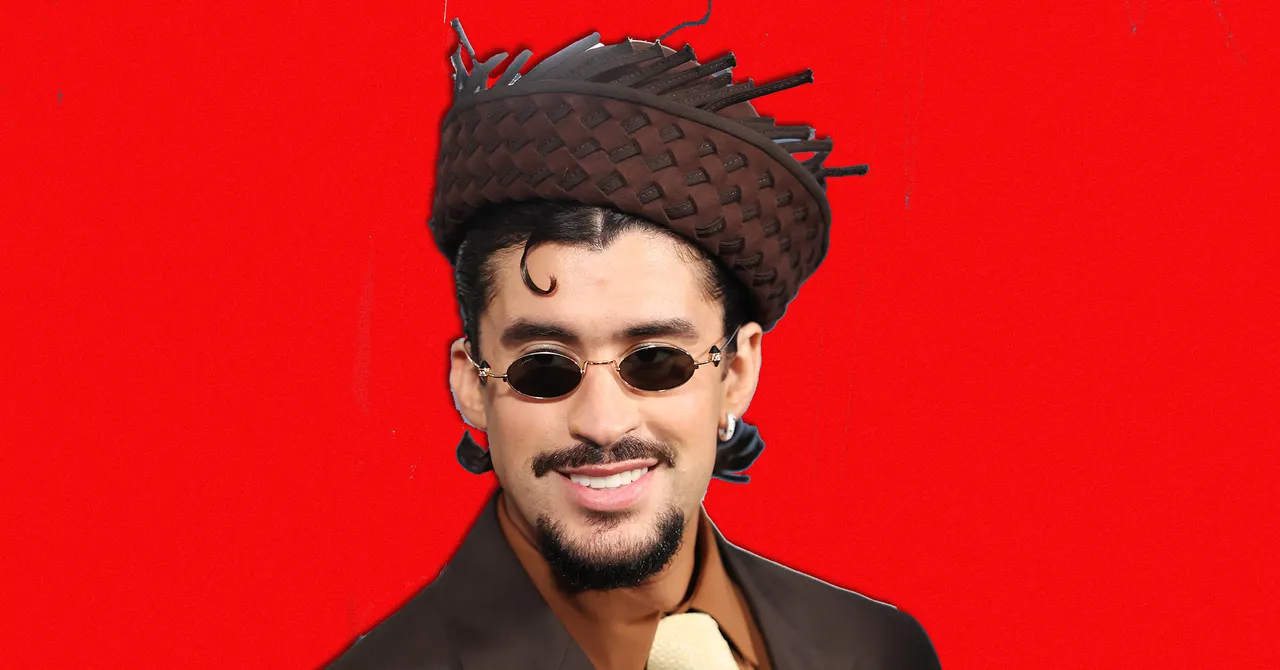
Bad Bunny Sparks MAGA Frenzy Amid Youth Wave

Innovation at the Intersection of Culture and Business

Over the past year, emerging trends in technology and entertainment reveal a clear shift toward disruption and cultural resonance. A prime example is the strategic partnership between the NFL and Bad Bunny, a move that exemplifies how traditional industries recognize the necessity of integrating cutting-edge cultural icons to stay relevant on the global stage. This collaboration signifies more than just an entertainment stunt; it embodies a deliberate effort to rebrand the league and tap into the fastest-growing demographic segments, particularly the Hispanic market.

Recognized as the most streamed artist worldwide from 2020 to 2022, Bad Bunny has become a pivotal figure in reshaping the entertainment landscape. His influence, fueled by innovation in digital distribution and social engagement, exemplifies how disruption in the entertainment industry leads to new revenue streams and audience segmentation. The NFL’s calculated move to secure such a global icon signals a broader shift: traditional sports franchises are now leveraging cultural relevance and social identity to amplify their brand equity and ensure sustainable growth in a rapidly evolving marketplace.

Technological Innovation Driving Cultural Relevance

This strategic synergy is reinforced by an industry-wide emphasis on integrating technological advancements to enhance engagement and appeal. For example, Gartner highlights how live streaming, augmented reality, and personalized content delivery are transforming how audiences connect with their favorite sports and entertainment icons. Such innovations not only facilitate global outreach but also enable brands like the NFL to harness data-driven insights for targeted marketing campaigns.

The NFL’s partnership with Jay-Z’s Roc Nation exemplifies this approach—melding cultural influence with technological sophistication to produce content that sparks social dialogue. Kendrick Lamar’s politically charged 2024 Super Bowl halftime show epitomized risk-taking—using American symbolism for critique—demonstrating that disruption in content can be a potent tool for media engagement and societal reflection. These shifts underscore the industry’s recognition that standing still is tantamount to losing market relevance, especially among younger, digitally-native audiences.

Business Implications and Industry Transformation

  • Traditional media consumption models are being challenged by interactive and immersive formats that promote engagement beyond the screen.
  • Brands that adopt a platform-agnostic approach—integrating music, sports, and social activism—gain a competitive edge by building authentic connections with diverse demographic groups.
  • The emphasis on representation and inclusion is no longer peripheral but central to marketing strategies, serving both cultural and shareholder value.

As expert analysts from institutions such as MIT and Forrester observe, these shifts are indicative of a new paradigm—where innovation and social relevance drive consumer loyalty and revenue in tandem. The rapid pace of technological evolution demands that industry players, from sports leagues to entertainment giants, prioritize agility and cultural intelligence. The next decade promises a landscape where disruption will be the norm, and those who fail to adapt risk obsolescence.

In conclusion, the convergence of technological innovation, cultural disruption, and strategic business positioning sets the stage for a future where industries are more interconnected, competitive, and dynamic than ever before. As figures like Elon Musk and Peter Thiel have long emphasized, embracing change is not optional—it’s essential for survival. The challenge now lies in leveraging these shifts swiftly and decisively, or else being left behind in the wake of relentless progress.

Social Media Auto Publish Powered By : XYZScripts.com



