Matox News

Truth Over Trends, always!

Israeli Strikes Trigger Wave of Chaos in Lebanon

In a dramatic escalation that threatens to reshape the geopolitical landscape of the Middle East, Israel launched a sweeping military assault against Lebanon on 8 April 2026, just hours after US President Donald Trump announced a tentative ceasefire between the United States, Israel, and Iran. The timing of these events underscores the fragile and volatile nature of regional diplomacy, where even diplomatic overtures can be swiftly overshadowed by renewed violence. Israel claimed to have targeted 100 sites within a mere ten minutes, shattering hopes of a pause in hostilities and amplifying the risk of a wider regional confrontation.

This latest chapter in the ongoing conflict between Israel and Hezbollah, the Lebanese militia armed and financed by Iran, began on 2 March after Hezbollah launched rockets into Israeli territory. Israel responded with an aggressive campaign of aerial bombardments and a ground invasion of southern Lebanon, reigniting a conflict that has already claimed over 2,600 lives in Lebanon, according to the country’s health authorities. As Lebanon’s towns and villages grapple with destruction and displacement—roughly one-fifth of the population forced to flee—the consequences extend far beyond the battlefield, destabilizing an already fragile nation and alarming international observers.

From the perspective of global analysts and historians, the recent violence signals a critical turning point in the regional power struggle. Many experts warn that this renewed conflict could spiral into a much broader war, destabilizing the entire Middle East. The United Nations and regional powers face mounting pressure to intervene, yet the path to de-escalation remains elusive amidst entrenched geopolitical interests. Lebanese society is caught in the crossfire, suffering profound human toll, as families mourn loved ones and communities struggle to recover amid the chaos. This surge of violence is not merely a local tragedy but a stark reminder of how decisions made in distant capitals resonate across borders, fueling instability and endangering global peace.

The geopolitical impact of this escalation extends beyond Lebanon and Israel, touching the core of international diplomacy and security alliances. The United States, under President Trump’s administration, appeared to aim for a moment of diplomatic respite, yet the subsequent attack exposes underlying tensions and unresolved conflicts that threaten the fragile balance of power in the region. Analysts argue that the rapid escalation demonstrates how calculated military actions can undermine diplomatic efforts, forcing nations into dangerous standoffs that are difficult to unravel. The international community, including NATO and the European Union, is now faced with the urgent question: how to prevent an all-out regional war?

As the dust settles and the world watches with apprehension, history continues to unfold in real time. The conflict’s ramifications could ripple across Africa, Europe, and beyond, as global powers recalibrate their strategies in a region that remains one of the most volatile on Earth. Ultimately, the decisions made today will echo through history—either as moments of courageous diplomacy or tragic failures to prevent catastrophe. And so, the race against time persists, with the shadows of war lengthening over a world desperately longing for peace, yet teetering on the edge of chaos—the weight of history unmistakably pressing down on the fabric of global stability.
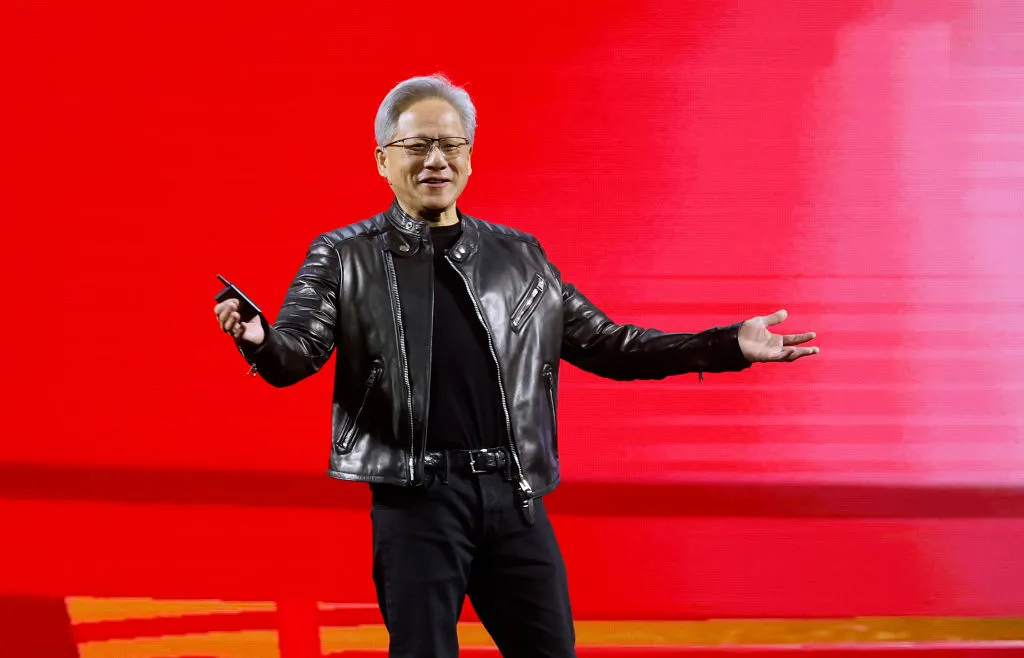
Nvidia’s Jensen Huang: AI isn’t stealing jobs—it’s creating a wave of new opportunities for youth

AI Industry Gains Momentum as Innovation Drives Economic Rebirth

In an era marked by rapid technological upheaval, artificial intelligence continues to redefine the landscape of industry and employment. During a recent high-profile discussion hosted by the Milken Institute, Jensen Huang, CEO of Nvidia, dismissed doomsday scenarios claiming AI will displace millions of jobs. Instead, Huang articulated a compelling vision of AI as a catalyst for industrial re-industrialization and job creation within the United States.

This perspective emphasizes a crucial paradigm shift: AI as an innovation engine rather than a harbinger of economic collapse. Huang highlighted that the hardware manufacturing sector, central to AI infrastructure, is experiencing a renaissance with new factories requiring skilled labor. It signifies a shift towards AI-powered manufacturing and infrastructure, creating opportunities that could revitalise American competitiveness. Financial analysts from institutions like Gartner continually underline this disruptive momentum, forecasting that AI’s integration could generate millions of new jobs, even as it automates others. Such disruption underscores an urgent need for industries and education systems to adapt quickly.

Market Shifts and Industry Dynamics Signal a New Era of Disruption

While concerns loom around job displacement—with estimates suggesting up to 15% of current roles might be affected in the near future—industry leaders like Huang warn against succumbing to fearmongering. He cautioned that exaggerated narratives—often fueled by the AI industry itself—risk discouraging societal engagement with transformative technology. Many critics argue that this hyperbole acts as a marketing gimmick, blinding policy and industry leaders to the genuine potential of AI to bolster productivity and economic resilience.

Key advancements include the acceleration of GPU development and edge AI solutions, fueling innovative applications across sectors. Disruptive startups, backed by industry giants and venture capital, are creating new ecosystems where rapid iteration in AI models directly influences market share and technological dominance. Notably, MIT research and firms like OpenAI are pushing the boundaries, democratizing AI access, and catalyzing industry-wide transformations. This wave of innovation signals a strategic pivot for business leaders seeking to leverage AI for competitive advantage.

The Business Implications and Future Trajectory

As AI continues its ascent, the economic implications are profound. The proliferation of AI hardware, the emergence of new AI-driven business models, and the push for domestic AI manufacturing are setting the stage for a reshaped global economy. Industry insiders and analysts argue that the current trajectory underscores a pivotal moment in history—where American leadership in tech and innovation could determine future competitiveness.

Looking ahead, the upcoming Techcrunch event in San Francisco, October 13-15, 2026, is poised to showcase these breakthroughs and debate policy pathways that enable AI’s growth while safeguarding employment. The pressing task for policymakers, business leaders, and innovators is to grasp this momentum — fueling disruptive innovation and fostering an environment where AI’s benefits outweigh its risks. Urgency is key: the window to shape an AI-driven economy that enhances national strength and preserves stability is rapidly closing. Future success hinges on decisive action today, as the age of AI isn’t just on the horizon—it’s unfolding before our eyes.

Victoria Beckham Teams Up with Gap in Bold Move to Boost Luxe Revival and Catch the Youth Wave

Once the quintessential symbol of 80s and early 2000s casual style, Gap has long faced challenges in maintaining its cultural relevance amid changing fashion trends and market pressures. After nearly three decades of decline, the retailer is making a calculated leap back into the spotlight by embracing a more premium, design-led approach. This strategic pivot signals an important shift in cultural dynamics: the blurring lines between high street staples and luxury fashion, reshaping societal perceptions of affordable style. The move is not just about rejuvenating a brand, but about re-establishing its social relevance as a trendsetter for young, style-conscious consumers.

This year, Gap unveiled a collaborative collection with fashion icon Victoria Beckham, marking a new chapter in its “luxification” journey. The 38-piece collection features reimagined classics—denim, shirting, outerwear—through Beckham’s refined design eye. Priced from £25 to £250, the collection balances accessible luxury with aspirational appeal, aimed at a brisk new demographic: younger shoppers who crave both high quality and a sense of belonging to a trend). Pieces like a tailored denim jacket and crisp white T-shirts are rooted in Beckham’s own wardrobe and seen regularly on high-profile runways, positioning Gap as a gateway to high fashion without the high-end price tag.

By integrating pieces reminiscent of 90s style—such as capri pants inspired by Sarah Jessica Parker’s Gap ad—and adding a modern twist with Beckham’s branding, the collection champions cultural nostalgia while pushing fashion forward. The collaboration also extends Gap’s influence beyond its traditional scope, tapping into the network of celebrities and influencers like Anne Hathaway and Timothée Chalamet, who have been spotted in the brand. The strategy, championed by CEO Richard Dickson, reflects a broader industry trend: the disappearance of the traditional luxury/fast fashion hierarchy. As Catherine Shuttleworth notes, collaborations like these are now seen as strategic growth platforms, driving both brand relevance and customer engagement in a competitive landscape.

Gap’s renewed focus on quality and design signals a shift in consumer behavior—particularly among young, price-conscious shoppers seeking products that offer a sense of style, exclusivity, and social validation. This isn’t just about reselling basics; it’s about creating a sustainable identity that balances affordability with a luxury aesthetic. Meanwhile, competing brands like Uniqlo and Cos are already capitalizing on this “affordable aspiration” market, and Gap appears eager to redefine itself as a contender in this emerging space. The success of Gap’s long-term collaborations and its ability to consistently deliver on product quality will determine whether this resurgence is more than just a fleeting trend—it could redefine the future of affordable luxury on the high street.

Yet amid this revival, a next big question emerges: as Gap steps into this nouvelle era of fashion, will it manage to maintain authentic cultural influence while balancing the demands for rapid trend responsiveness? If fashion influencers and sociologists like Shoshana Zuboff are right, the question isn’t just about clothing anymore—it’s about how brands can cultivate genuine connections in a digital age obsessed with authenticity. The future of Gap’s strategy might depend less on collaborations and more on whether it can craft an authentic cultural identity that resonates deeply with a generation seeking more than just style but a sense of belonging—an aspect that could determine if this revival is merely temporary or a true reawakening of an American icon.

The Fresh Style No One’s Talking About: ‘Euphoria’’s New Aesthetic Wave

In recent years, youth culture has undergone a fascinating transformation, fueled by the visual and thematic evolution of popular media. One standout example is HBO Max’s ‘Euphoria’, a series that has captured the zeitgeist of Gen Z with its raw depiction of adolescence, but now, the show is embracing a new aesthetic—a Western-inspired vibe that signals a broader shift in lifestyle and cultural expressions among young audiences.

Leading fashion and wellness experts have observed that this aesthetic shift is more than superficial style. It’s a reflection of *a desire for authenticity and individuality* amid a landscape saturated with rapid digital trends. The show’s recent season introduces a visual palette that combines rugged western motifs with contemporary streetwear, symbolizing a fusion of tradition and modernity. This blend encourages young viewers to embrace a lifestyle of adventure, resilience, and self-exploration—values that resonate deeply with the current wellness movement focused on **personal health, mental clarity**, and **outdoor leisure**. Such trends are echoed in the writings of wellness influencers like Dr. Josh Axe or author Jay Shetty, who emphasize that lifestyle choices rooted in nature and authenticity can foster a stronger sense of purpose.

Beyond fashion, this shift also prompts a reexamination of how youth engage with wellness. The wellness renaissance among young adults now champions outdoor activities—hiking, camping, and horseback riding—as essential components of mental health. They seek immersive experiences that reconnect them with nature, fostering resilience and emotional well-being in an increasingly digital world. This movement aligns with the broader cultural narrative that values *self-reliance* and *personal sovereignty*, reminiscent of frontier spirit but adapted for today’s digital age. Travel tips for embracing this lifestyle include exploring National Parks, engaging in community outdoor projects, and practicing mindfulness amidst natural surroundings.

Ultimately, the journey of embracing an evolving lifestyle in tune with cultural shifts offers more than mere aesthetics. It provides a framework for personal impact: health, leisure, inspiration, and the cultivation of an authentic identity. As young minds look to redefine what it means to be resilient and true to oneself, they’re shaping a future where values of freedom, exploration, and wellness are at the forefront. The story of ‘Euphoria’s’ new aesthetic isn’t just about style—it’s a mirror reflecting a generation unafraid to forge its own path, blending tradition with innovation. This narrative reminds us all that embracing change is, in itself, a form of empowerment, encouraging each of us to see our lifestyle as a continuous journey of reinvention and discovery.

  • Explore outdoor adventures that challenge and inspire you
  • Incorporate wellness routines rooted in nature—like mindful hikes or meditation outdoors
  • Stay authentic to your personal style, blending influences and traditions
  • Prioritize mental health and resilience as core aspects of your lifestyle journey
Chinese brain-tech startup Gestala launches with $21M boost, sparking youth innovation wave

Innovation at the Forefront of Neurotech: Gestala Secures Record-Breaking Funding in China’s Brain-Computer Interface Sector

In an extraordinary display of investor confidence, Gestala has raised an impressive $21.6 million (CN¥150 million) within just two months of launching, positioning itself as a major disruptor in China’s burgeoning brain-computer interface (BCI) industry. This funding round, co-led by prominent financial players Guosheng Capital and Dalton Venture, with participation from several key institutions including Tsing Song Capital and Gobi Ventures, has set a new milestone as the largest early-stage investment in China’s BCI arena. With investor commitments surpassing $58 million, the industry’s appetite for groundbreaking neurotechnology is clear and expanding rapidly.

Innovation and speed are now defining the competitive landscape. Gestala is pioneering ultrasound-based brain-computer interface (BCI) systems, a technology believed to revolutionize how humans interact with neural signals. Unlike traditional invasive methods that involve surgery, ultrasound offers a non-invasive alternative capable of monitoring and stimulating deep neural circuits with precision. This approach could drastically lower the risks associated with brain implants, thereby opening up BCI applications to broader populations. By leveraging China’s efficient supply chains and integrated manufacturing ecosystem, Gestala aims to accelerate from prototype to scale, targeting commercialization within the next year—a timeline that could give it a competitive edge against global rivals, many of whom are still in early R&D phases.

Market Implications and Strategic Expansion in Neurotech

The global BCI market is experiencing a surge driven by advancements in ultrasound technology, with major players like OpenAI-backed Merge Labs leading the charge outside China. Gartner analysts highlight that these innovations are fundamentally disruptive, with the potential to reshape sectors from healthcare to gaming. Gestala plans to develop its first-generation prototype by year’s end and is actively expanding its R&D team from 15 to 35 personnel, underscoring an aggressive move towards rapid commercialization. The company’s strategic focus on developing a “Ultrasound Brain Bank” signals its intent to create large, high-quality datasets, crucial for training AI models and bolstering future diagnostics—a move aligned with global trends in AI-driven healthcare.

  • Medical Applications: Chronic pain management, mental health (depression, PTSD, autism), stroke rehabilitation
  • Long-Term Goals: Neurodegenerative diseases such as Alzheimer’s, Parkinson’s, and tremors
  • Operational Strategy: Leveraging China’s manufacturing scale for speed and cost efficiency, reducing clinical trial costs by up to 80%

Despite rising geopolitical tensions, Peng, founder and CEO of Gestala, emphasizes the importance of international collaboration, advocating a partnership model where the U.S. and China combine large-scale clinical research capacity with top-tier scientific talent. This cooperation could potentially accelerate breakthroughs, echoing industry experts’ warnings that hardware and AI integration must navigate geopolitical hurdles but also unlock unprecedented innovation in neural science.

Looking ahead, the implications for disruption are profound. With a blend of innovative ultrasound tech, strategic manufacturing, and data-rich AI models, Gestala is positioning itself at the vanguard of the next wave of neurotechnology. As global investors and industry giants race to decode the brain’s complexities, the urgency to stay ahead becomes critical. The next 12 to 24 months are poised to determine whether non-invasive ultrasound BCI can break through regulatory, technical, and geopolitical barriers—and, in doing so, reshape the very fabric of human-machine interaction for generations to come.

Super Bowl 2026: How to Catch Bad Bunny’s Epic Live Performance and Ride the Trend Wave

While football may not be everyone’s cup of tea, one universal language that continues to captivate diverse audiences worldwide is music. And this year, the spotlight is squarely on Bad Bunny, whose upcoming Super Bowl LX halftime show is poised to be more than just a musical performance — it’s a cultural event that bridges generations and demographics. As the reigning king of Latin trap and reggaeton, Bad Bunny has morphed beyond music into a social force, embodying shifting attitudes among youth and influencing mainstream trends.

The Super Bowl, long celebrated as a sporting spectacle, has also become a canvas for cultural icons and social commentary. With its _cultural impact_ increasingly rooted in diverse performances, the halftime show is now a key moment for social relevance. This year’s lineup featuring Bad Bunny highlights a broader societal shift towards embracing multicultural and cross-genre influences. Influencers like TikTok creators and music analysts emphasize how his presence not only boosts viewership but also signals an ongoing _shift in social norms_ — where youthful, globalized voices are gaining prominence in traditional arenas.

Moreover, the social relevance of this trend isn’t just about entertainment but about identity and representation. Bad Bunny has consistently challenged stereotypes by integrating gender-fluid fashion, outspoken advocacy for social justice, and a rebellious attitude that resonates with young audiences seeking authenticity. Sociologists note that his rising popularity exemplifies a _redefinition of masculinity and cultural expression_ among the youth, making him more than a music icon — he’s a movement catalyst. As the cultural landscape continues to evolve, the question arises: how will this influence future trends in entertainment and societal norms?

From influencers to sociologists, there’s a consensus that Bad Bunny‘s appearance at the Super Bowl is a sign of things to come — a merging of sport, music, and social activism that could redefine what it means to be a cultural icon in the digital age. Yet, the next big question remains: is this shift sustainable or just a passing wave driven by viral moments? As audiences grow more socially conscious and craving authenticity, the answer to that question could shape the next era of youth-driven cultural influence. Regardless, the world will be watching, and for many, this Super Bowl halftime will be remembered as much for the spectacle as for its emblematic role in this ongoing societal shift.

Levi’s Gains Big in UK as Celeb-endorsed Denim Revival Sparks Style Wave

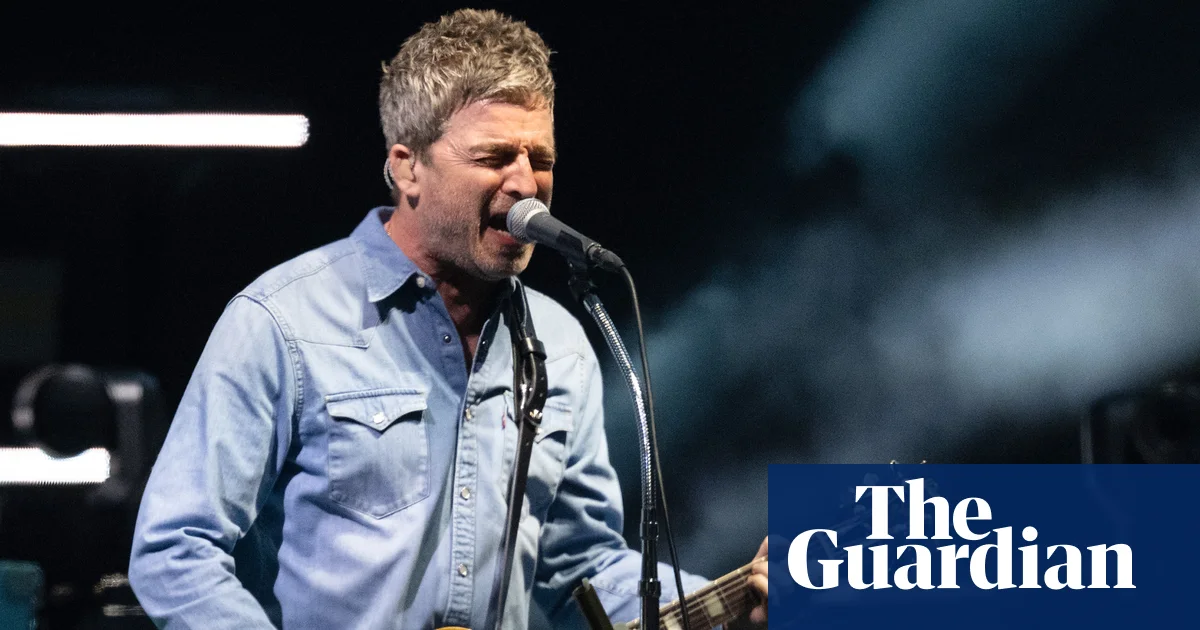
Once dismissed as a nostalgic relic of the 90s, denim is experiencing a renaissance among today’s youth, driven by a complex blend of cultural nostalgia and evolving fashion trends. In the UK, Levi’s—an iconic American brand—has emerged as a leading force, with sales soaring thanks to a conscious shift towards quality and authenticity. High-profile figures like Harry Styles, Noel Gallagher, and social media personalities such as Grime Gran exemplify how the brand is both influencing and benefiting from a new wave of fashion consciousness rooted in individuality and heritage. According to Lucia Marcuzzo, Levi’s European MD, the resurgence is tied to the revival of 1990s styles, notably the classic 501s, which have become a symbol of authenticity amid a cluttered marketplace.

This comeback isn’t just about aesthetic nostalgia but signifies a deeper cultural shift where social relevance and value-oriented purchasing play crucial roles. Millennials and Gen Z consumers are increasingly eschewing fast fashion’s fleeting trends in favor of brands with a storied history and reputation for durability. Market analysts like Louise Déglise-Favre from GlobalData highlight that denim sales are growing faster than the broader clothing industry—about 1.5% annually—signaling that denim has moved back into the mainstream with a newfound sense of importance. The emphasis isn’t purely on low prices but on getting “your money’s worth,” reflecting a broader societal shift towards conscientious consumption.

The social impact of this trend extends beyond mere clothing. Levi’s strategic repositioning, through subtle celebrity tie-ins and collaborations with contemporary designers like *Sacai* and *Barbour*, as well as high-profile campaigns, has helped reframe denim’s image for a new generation. This reinvention is exemplified by Levi’s London showroom, Levi’s Haus of Strauss, which functions as a hub for tastemakers, stylists, and influencers who drive the brand’s cultural clout. Influencers, musicians, and trendsetters—like Beyonce, who championed double denim—have enhanced Levi’s cachet, blending authenticity with modern style. Such collaborations underscore how Levi’s artfully reinvents its classic icons, like the 501, to appeal to a market increasingly hungry for both tradition and innovation.

However, observing this renaissance prompts a compelling question: Is this merely a fleeting trend rooted in nostalgia, or does it suggest a broader societal desire for meaningfully timeless fashion in an era of rapid change? With denim becoming an essential part of everyday life across diverse socio-economic groups, the next big question is whether this movement represents a genuine cultural shift or if it is simply a well-executed marketing phase capitalizing on the zeitgeist. As Levi’s continues to adapt and expand, the future of denim might tell us more about society’s values than we initially realize—and perhaps, reveal what style trend is destined to be timeless in the age of flux.

Jessie’s Traitors Makeup Unlocks the New Wave of Bold Beauty Vibes for Today’s Youth

In a cultural landscape where conformity often dominates social media feeds and pop culture, a rebellion against conventional beauty standards is emerging—fueled by a new wave of youth embracing bold, unorthodox makeup styles. Recent observations from the hit show The Traitors and viral TikTok trends highlight a shift where makeup is no longer just about looking “polished” but about expressing individuality and reclaiming the notion of beauty itself. Influencers like Garance Murru and makeup artists such as Sean Brady are leading a movement that questions the very fabric of societal beauty ideals—bringing “ugly makeup” back into the limelight.

This cultural shift transcends Instagram filters and Instagrammable perfection—it’s about challenging social biases and defining a new identity grounded in character and authenticity. Jessie Roux, a contestant on the show, exemplifies this new ethos, proudly sporting vibrant, mismatched eyeshadow shades like marigold orange and canary yellow, despite fears that her bold makeup might undermine her perceived trustworthiness. Her stance is a statement: “I love expressing myself through makeup, especially because my stammer sometimes makes it hard to show who I am.” In this context, makeup becomes a tool of empowerment, a shield against societal expectations, and a way to push beyond the superficial layers of appearance to showcase inner resilience and diversity of beauty.

Social media platforms such as TikTok have amplified this narrative, with users embracing *characterful* looks inspired by Jessie and artworks inspired by “bird of paradise” palettes. Trends include applying metallic shades in prosecco hues or decorating lips with fantastical color combos like sky blue paired with pillar-box red. Commentators are calling this the resurgence of character-driven beauty, a stark contrast to the “dewy” and “glossy” aesthetic that dominated recent years. Makeup artist Aoife Cullen notes this “swing back towards colour and individuality,” revealing that social media dialogue among makeup artists is fueling this “creative renaissance.”

This movement resonates deeply with the social relevance of shaping a society that values self-expression over mass appeal. It questions whether society’s obsession with “flawless” beauty is on the brink of transformation or simply a passing trend. As Cullen suggests, the key to embracing this shift lies in small steps — like changing your mascara color from black to plum, then to green, until you find what truly resonates with your personality. The message is clear: the boundaries of beauty are shifting, and the definition is becoming more inclusive of eccentricity and boldness. Jessie herself advocates for authenticity, emphasizing: “If you love colour, then go for it. It’s always better to be yourself than to follow the crowd.”

As this revolution in makeup style stretches beyond the runway and social media into everyday life, a compelling question emerges: are we witnessing a permanent cultural evolution or an ephemeral revolt? With influencers and sociologists alike pointing to the rise of “ugly beauty” as a critique of perfectionism, the next big question is whether society will continue to embrace this cultural bravado or revert to traditional standards once the novelty wears off. The answer may define whether this trend becomes a new normal—where self-expression and individuality carve out a more inclusive and authentic aesthetic for future generations.

Founder revolutionizes firefighting, now mining AI gold for the next-gen tech wave

HEN Technologies Unveils Next-Gen Fire Suppression System with Smart Data Capabilities

Emerging as a formidable contender in the realm of industrial innovation, HEN Technologies is revolutionizing fire suppression and water management through groundbreaking sensor-driven, predictive systems. Founded in June 2020, the company has levered a diverse technological background—including nanotech, solar, semiconductors, and automotive—to develop a portfolio of intelligent water control devices. These tools are not just hardware; they are catalysts for disrupting the entrenched firefighting and municipal water systems, with far-reaching business implications for military, emergency, and industrial sectors globally.

Innovation at the Core: From Nozzles to Data Ecosystems

  • Utilizes custom-designed circuit boards embedded with sensors and powerful computing units—including Nvidia Orion Nano processors—transforming basic hardware into connected, smart systems.
  • Develops precise, adaptive water nozzles capable of controlling droplet size, managing velocity, and resisting wind, enhancing firefighting efficiency in high-stakes scenarios.
  • Expands into a portfolio of flow control and monitoring devices—such as Stream IQ and discharge systems—integrating real-time data streams for operational insights.

The innovation is embodied in HEN’s system architecture, which employs sensors at the pump level to act as virtual sensors in the nozzle, capturing detailed data about water flow, pressure, and environmental conditions. This data not only optimizes firefighting efforts but also creates a valuable multi-modal data pipeline that has attracted significant investor interest, including a recent $20 million Series A round led by O’Neil Strategic Capital. According to industry experts, this level of integrated data infrastructure positions HEN as a potential pioneer for predictive analytics—crucial for advanced AI systems that construct dynamic models of physical environments.

Disruption and Business Implications: Beyond Firefighting

HEN’s platform is poised to disrupt traditional emergency response and municipal water management by enabling predictive analytics and resource optimization. Its devices gather critical data on water usage, environmental conditions, and system performance—information that has historically been difficult to access in real time. This data ecosystem could revolutionize how agencies like the DHS NERIS program and international defense organizations approach emergency readiness, disaster mitigation, and resource allocation.

The company’s strategic move into qualified federal procurement channels, such as GSA approval, signals a deliberate push toward scale within government contracting, turning this technological disruption into a sustainable business model. Fire departments routinely replace thousands of aging engines annually; HEN’s intelligent hardware offers recurring revenue opportunities from hardware sales complemented by ongoing data contracts—an attractive prospect for investors driven to capitalize on the growing need for smart city infrastructure.

The Road Ahead: Data as the Future Currency

While hardware sales currently fuel revenue growth—$200,000 in Q2 2023 skyrocketed to over $20 million forecasted for this year—the real value lies in the data generated. As analysts at Gartner and MIT emphasize, the future belongs to companies that can harness real-world data for AI-driven predictive systems. Companies building sophisticated world models, especially in emergency management and robotics, will pay a premium for the high-fidelity, multimodal physics data generated by HEN’s deployments.

With a talented team drawn from Tesla, Apple, NASA, and Microsoft, HEN is positioning itself as a critical enabler of these emerging AI applications, which require granular, real-time data to operate effectively in unpredictable, high-stakes environments. As government agencies and private industries increasingly adopt such systems, HEN’s strategic focus on robust hardware, data pipelines, and institutional penetration signals a fast-approaching industry inflection point. Companies ignoring the looming disruption risk falling behind in the race for the next-generation of intelligent, connected infrastructure—making early adoption not just advantageous but essential.

In this rapidly evolving landscape, the message is clear: the convergence of sensor technology, AI, and real-time data is giving rise to a new wave of disruptive innovation. HEN’s success, fueled by visionary engineering and strategic investor backing, exemplifies how the future of infrastructure resilience and emergency response will be driven by those who master the art of data collection and intelligent control. The race to dominate this space is just heating up, and forward-looking companies must move swiftly to capture the immense opportunities ahead.

Monaco Yacht Show Doubles Down: Global Turmoil Can’t Sink the Luxury Wave

Living Large in Monaco: The Resilient Allure of Superyachts

In a world beset by international conflict, rising energy prices, and lingering pandemic uncertainties, one of the most captivating spectacles continues to defy global turmoil: the Monaco Yacht Show. This annual event, held in the glamorous Mediterranean enclave, showcases some of the world’s most extravagant and technologically advanced superyachts ranging up to over 100 meters in length. Despite a backdrop of geopolitical anxiety, the event attracted a record-breaking assembly of luxury vessels, a testament to the resilience and enduring allure of luxury lifestyle.

The Monaco Yacht Show exemplifies how wellness and leisure pursuits remain pillars of personal well-being for the wealthy and aspirational alike. As Johan Pizzardini, the show’s communications head, notes, all of the world’s leading superyacht brands and the latest models were present, including 118 magnificent vessels with a combined value near $3.8 billion. Even amidst economic uncertainty, luxury yacht ordering remains robust, with new entries like the record-breaking AHPO, a 115.1-meter giant from German builder Lürssen, making waves in the industry. The message is clear: for the elite, investment in personal escape—whether by land or sea—continues to be a priority, fostering a culture centered around self-optimization and life’s pleasures.

Emergence of New Buyers and Design Innovations

This year’s event showcased a shift in buyer demographics. Not only seasoned yacht owners but also first-time luxury yacht buyers are making splashes with their debut vessels. New models like the 60-meter Lusine from Dutch shipyard Heesen, which boasts exquisite interiors by Sinot Yacht Architecture, exemplify this trend. Interior design experts such as Ron Holland and Francesco Paszkowski continue to elevate yacht aesthetics, blending functional luxury with cutting-edge sustainability. For many, this pursuit is more than ostentation: it’s about creating personal sanctuaries that promote mental/physical health and inspire.

Innovations like hybrids and eco-conscious propulsion systems reflect a _growing emphasis on environmental responsibility_. Tankoa’s Kinda, with its hybrid engine modes, encapsulates this commitment—combining power, efficiency, and a respect for nature. Such focus aligns with wellness experts advocating for a sustainable lifestyle that harmonizes indulgence with planetary stewardship, showing how luxury can coexist with _\u201cmindful living\u201d_ principles.

Industry Confidence and Investment in Dreamscapes

Despite recent sanctions impacting the Russian superyacht industry, the global order book remains strong. CEOs like Arthur Brouwer of Heesen report record orders, with over 1,000 superyachts under construction worldwide—a 24% increase from the previous year. This surge illustrates a confident market driven by a pandemic-inspired mindset: a desire to seize the moment and embrace personal freedom through luxurious escapism. For many, these vessels are more than assets—they are floating retreats that foster community, rejuvenation, and escape into wellness.

Moreover, the event revealed an ever-expanding array of custom features—from vibrant murals and opulent materials like mother-of-pearl and rare woods, to innovative amenities such as onboard gyms, massage salons, and helipads. These details exemplify how personalized experiences and lifestyle upgrades are shaping a new era of private luxury. Industry leaders emphasize that even in uncertain times, the quest for personal excellence remains a steadfast pursuit, fueling continued shipbuilding and innovation.

This glamorous gathering in Monaco reminds us that lifestyle is an ongoing voyage—a pursuit of balance, beauty, and strength amid the chaos. Like the majestic vessels that glide through azure waters, our own journeys are marked by resilience, innovation, and a relentless pursuit of betterment. In embracing these ideals, we discover that luxury isn’t just about material wealth—it’s about cultivating inner peace and creating spaces where one can truly thrive. As the world sways with uncertainty, the message is clear: through vision, craftsmanship, and a bold yearning for living fully, the journey to personal fulfillment continues unabated.

Social Media Auto Publish Powered By : XYZScripts.com