Matox News

Truth Over Trends, always!

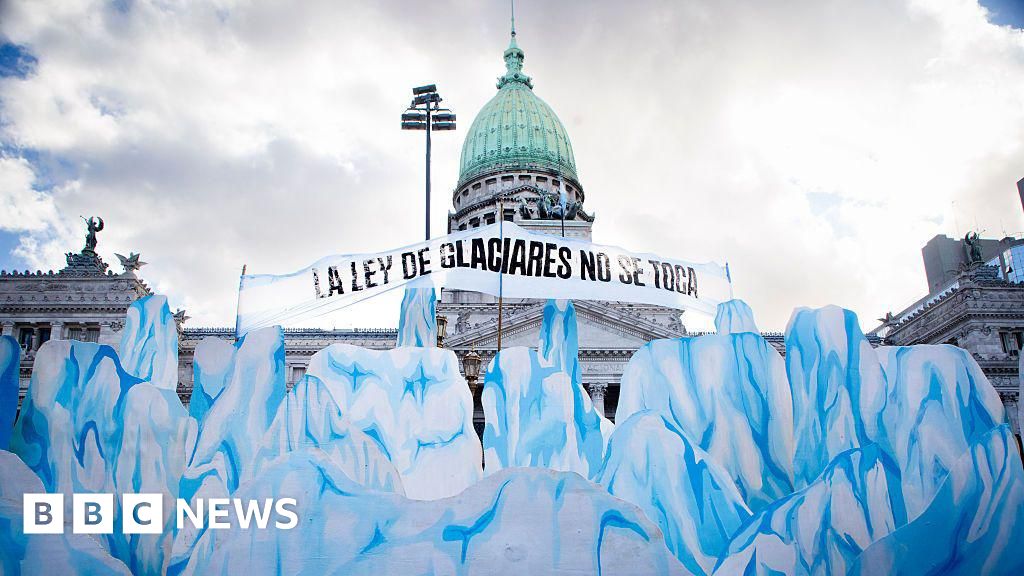
Argentina weakens glacier protections with new bill aimed at resource development

In a defining moment for Argentina‘s resource management, governors from the mineral-rich provinces of Catamarca, Jujuy, Salta, Mendoza, and San Juan have publicly expressed their support for a landmark bill aimed at overhauling the country’s extractive laws. This move signals a significant shift in domestic policy, with regional leaders advocating for reforms that they argue are necessary to foster sustainable economic growth. Their backing underscores a broader divergence from the 2010 Glacier Law, which historically prioritized environmental preservation over resource exploitation, often stymieing the development of lucrative mineral deposits.

The original Glacier Law, enacted to protect critical glacial regions, has long been a contentious topic among nationalists and economic advocates who consider it an obstacle to vital industrial development. Critics, often from the environmental sector, warn that loosening restrictions could result in irreparable ecological damage, especially to fragile glacial landscapes. However, regional authorities emphasize that their support for the new bill aims to balance environmental safeguards with economic imperatives, advocating that “promoting a sustainable economic development of the provinces and the nation should not compromise the well-being of future generations.” Such rhetoric signals a strategic shift towards leveraging Argentina’s abundant mineral wealth, particularly in sectors like lithium, copper, and other critical raw materials for the global green economy.

International analysts and historians point to this moment as a critical turning point in Argentina’s national development strategy. The move aligns with a pattern seen across resource-dependent nations where regional governments seek autonomy to pursue economic opportunities that have the potential to transform local communities and reshape national geopolitical influence. The International Monetary Fund (IMF) and other global bodies have long warned that mismanagement or overly restrictive policies could hinder the country’s economic resilience in an increasingly competitive global market. The regional push for reform could likely force the central government to re-evaluate its stance, setting the stage for a new era of resource-driven growth or conflict over sovereignty and environmental responsibility.

This legislative shift also bears significant geopolitical implications. As Argentina moves to bolster its domestic mineral industries, it could reposition itself as a key player in the international supply chain for critical minerals—resources vital for emerging technologies and renewable energy systems. The decision holds the potential to elevate the nation’s standing among resource-exporting countries, intensifying competition with larger powers like China, Russia, and Chile. Yet, critics caution that such rapid development might come with social costs, including displacement of indigenous communities, environmental degradation, and increased regional tensions—issues closely monitored by international NGOs and policy think tanks.

As the debate intensifies, the world watches with bated breath. Will Argentina harness its mineral wealth to propel itself into a new economic prominence, or will it succumb to environmental catastrophe and internecine conflicts? The path taken by its leaders today will indelibly write the next chapter in the history of Latin America’s resource politics. Under the weight of history and the promise of wealth, a nation stands at the crossroads—its destiny still unfolding amidst the echoes of progress and the shadows of past mistakes.


Starmer's Crisis Threat Fades, But His Hold on Power Still Weakens
Starmer’s Crisis Threat Fades, But His Hold on Power Still Weakens

UK Leadership Crisis: The Fight for Political Survival in Westminster

The recent turmoil within the United Kingdom government exposes more than just internal party conflicts; it signals a broader geopolitical shift that reverberates far beyond the island nation’s shores. Focusing on Prime Minister Keir Starmer’s ongoing struggle to maintain authority, political analysts observe that his leadership’s fragility is emblematic of a wider crisis of confidence in Western political centers. As the opposition Labour Party confronts historic lows in polling and internal divisions, the international community risks underestimating the potential for this domestic upheaval to destabilize the UK’s role on the world stage.

This British political volatile environment follows a familiar pattern seen in recent history, where leadership challenges sprout amidst crises, yet often result in significant geopolitical consequences. Recall the fate of Boris Johnson, who faced mounting pressure from within his own ranks before ultimately resigning. Such shifts send ripples across the North Atlantic Treaty Organization (NATO), affecting the UK’s commitments and strategic posture. International diplomats and analysts warn that political infighting, particularly when driven by internal scandals or leadership doubts, could weaken the UK’s alliances and its capacity for global influence at a critical juncture, especially with tensions rising over Ukrainian security and Pacific alliances.

Significantly, the internal debates over the direction of Labour and the Conservative parties reflect deeper societal divisions rooted in economic dissatisfaction and generational shifts. As historians and policy analysts note, momentum for drastic political change often accelerates when governments appear disconnected from the core issues facing their populations. The upcoming byelection in Gorton and Denton on 26 February will serve as a barometer for public sentiment—a vote that could see Labour languishing in third place, risking further disillusionment. This electoral duel highlights how decisions within Westminsternot only determine domestic governance but also influence international perceptions of stability in an era marked by geopolitical unpredictability.

As international organizations monitor these developments, there is a consensus that the UK’s internal politics are a mirror for broader global uncertainties. Critics suggest that Starmer’s leadership may hinge on whether he manages to leverage this moment of crisis into a reset—a chance to reinvent Labour with a more progressive, globally aligned agenda. Yet, the potential for internal upheaval to spiral into wider instability remains real. Much like the collapsing dominoes of past geopolitical crises, the task ahead is fraught with risks—risks that could see the UK’s influence diminish if weak leadership persists.

Conclusion: History’s Unfolding Drama

With the shadows of opportunity and disaster converging in Westminster, the weight of history presses down on the present. The decisions made by UK politicians today will resonate through the corridors of power and shape the global order tomorrow. As the world watches, the question remains—not merely, “Is it over?” but whether this chapter will be remembered as the dawn of renewed strength or the twilight of a waning empire.

Social Media Auto Publish Powered By : XYZScripts.com


