
Matox News

Truth Over Trends, always!

Senate Rejects Bernie Sanders’ Push to Halt US Weapon Sales to Israel

In a dramatic display of shifting American political sentiment, United States senators have recently engaged in a constitutional debate over arms sales to Israel. Bernie Sanders led a bipartisan charge to halt the sale of critical military equipment—bulldozers and bombs—highlighting a growing faction among Democrats that seeks to impose stricter limits on U.S. foreign military aid. This effort, though ultimately unsuccessful, underscores a broader reevaluation within the chamber, influenced by mounting public disillusionment and evolving geopolitical realities. With 40 senators supporting Sanders’ resolution, it signals a notable change from previous votes—only 15 members supported similar measures in April—reflecting a shifting tide among America’s younger voters and progressive circles, increasingly scrutinizing Washington’s unwavering support for Israel amidst recent conflicts.

The core of this debate centers on how decisions made in Washington resonate globally. Analysts warn that America’s continued military backing for Israel, particularly amidst ongoing conflicts in Gaza and Lebanon, influences regional stability and impacts international perceptions of U.S. foreign policy. As the U.S. struggles with its role as an overt supporter of Israeli military actions, especially in densely populated areas with high civilian casualties, critics argue that America’s military aid often exacerbates humanitarian crises. Prominent organizations, including J Street and Jewish Voice for Peace, have publicly condemned the sale of specific munitions, emphasizing their use in land and aerial assaults that displace thousands. Historians and foreign policy analysts contend that these arms transfers contribute to a cycle of violence, fostering long-term regional instability and undermining America’s moral authority in the Muslim world.

In the broader geopolitical landscape, these congressional battles are not isolated. U.S.-Israel relations are often characterized by substantial political influence from groups like AIPAC, which has poured tens of millions of dollars into shaping U.S. elections. At a pivotal moment ahead of the 2024 elections, the bipartisan pushback signifies a potential realignment of American political priorities. Meanwhile, the Middle East remains a chessboard for global powers—<>with Iran and regional actors watching closely. The decisions made in Washington will directly influence conflict trajectories—either fanning the flames of instability or creating avenues for diplomatic resolution. As U.S. policymakers grapple with balancing strategic alliances against moral imperatives, international organizations warn that ongoing arms sales risk further entrenching regional deadlock and complicating peace efforts.

The escalation of congressional debates signals more than just legislative wrangling; it echoes the rising demand for accountability from the American electorate—especially youth voters increasingly disillusioned with foreign entanglements and covert agendas. The persistent scorn directed at Benjamin Netanyahu’s government over its recent actions in Gaza and Lebanon, coupled with the debates over military aid, exemplifies the shifting winds in U.S. foreign policy. The outcome of these votes—ostensibly mere legislative acts—resonate as a defiant message that the era of unchallenged militarism may be drawing to a close. As history watches, the continent-sized shadows cast by these decisions stretch across generations, etching new chapters into the unfolding narrative of American influence and moral responsibility.
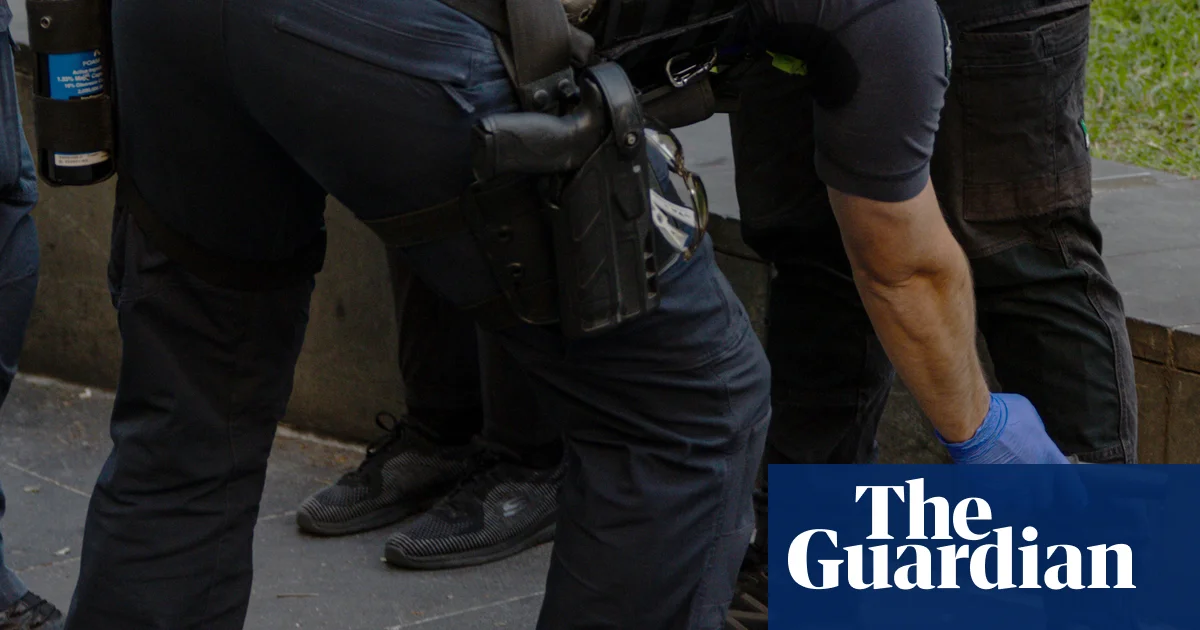

Victoria Police's illegal weapon searches could impact hundreds of young people
Victoria Police’s illegal weapon searches could impact hundreds of young people

Victoria Police Faces Controversy Over Unauthorized Weapon Searches

In a recent revelation that has sent shockwaves through Australia, the Victoria police force acknowledged a series of legal breaches involving its extensive weapon search operations. Over the past eight years, police conducted 23 separate searches under newly expanded powers, with some instances, according to internal audits, lacking proper legal authorization. This comes amidst growing international concern over law enforcement overreach and its implications for civil liberties in democratic societies.

The breaches primarily involve the misclassification of designated areas where searches occurred, failing to follow the strict legal requirements such as proper public notice published in the government gazette. Most of these operations targeted protests and public demonstrations, notably around Melbourne’s CBD. Sixteen of these searches were uncovered through internal audits between March 2017 and March 2025, triggering the police’s obligation to report non-compliance to the state’s anti-corruption watchdog. As analysts point out, these violations highlight the risks of legal loopholes being exploited under the guise of security, undermining public trust and accountability.

International and Domestic Reactions to Police Overreach

Global institutions and human rights advocates have expressed alarm over the implications of this incident. The United Nations Human Rights Office has repeatedly warned that broad police powers, particularly warrantless searches, must be balanced against civil liberties to prevent abuses. Historian and legal analyst Dr. James Thompson has remarked that the breach underscores the danger of “emergency powers becoming normalized, with oversight lagging behind rapid legislative changes.”

Within Australia, critics—led by organizations like the Centre Against Racial Profiling—argue that expanded powers disproportionately affect communities of color, fueling fears of racial profiling and systemic discrimination. Ilo Diaz, spokesperson for the group, argued that “these violations reveal an alarming lack of safeguards, and without rigorous oversight, communities of minority background will bear the brunt of unchecked police authority.” These criticisms come amidst broader debates about law enforcement accountability and the need for stronger legal protections against abuse.

The Broader Geopolitical and Societal Impact

This controversy in Victoria exemplifies a larger, international trend where governments are enacting or expanding powers for security agencies under the pretext of maintaining order. U.S. and European activists have raised similar concerns about warrantless searches and surveillance, emphasizing the potential erosion of civil liberties in the face of national security concerns that often serve as pretexts for broader authoritarian tendencies. The International Criminal Court and other multilateral bodies often cite such incidents as warning signs of democratic backsliding.

For Australia, a country increasingly aligned with Western security policies, this incident underscores the importance of international standards that safeguard personal freedoms even amidst crackdowns on violence and terrorism. Police reforms aimed at preventing future breaches are underway, but critics warn that without substantial oversight, these measures risk becoming mere formalities, allowing law enforcement to operate without accountability. As history warns us, the unchecked expansion of police powers often presages long-term societal divisions and instability, leaving future generations to grapple with a legacy of state overreach.

Standing at a Crossroads of Authority and Liberty

The unfolding events in Victoria serve as a stark chapter in an ongoing global narrative—the delicate balance between national security and civil liberties. As Victoria Police moves to rectify its legal breaches and reinforce its procedures, the broader question remains: how far should governments go in the name of safety? And at what point does the pursuit of order threaten the foundations of free society?

For now, the weight of history hangs heavy. The story of these unauthorized searches is not merely a local scandal but a reflection of a world where the lines between security, liberty, and authoritarianism are constantly redrawn. As societies watch with bated breath, the choices made today will define the future—whether as guardians of freedom or shadows of tyranny in the unfolding annals of history.

Social Media Auto Publish Powered By : XYZScripts.com


