Matox News

Truth Over Trends, always!

Moto Watch Review: The Power Moves of Polar-Inspired Tech

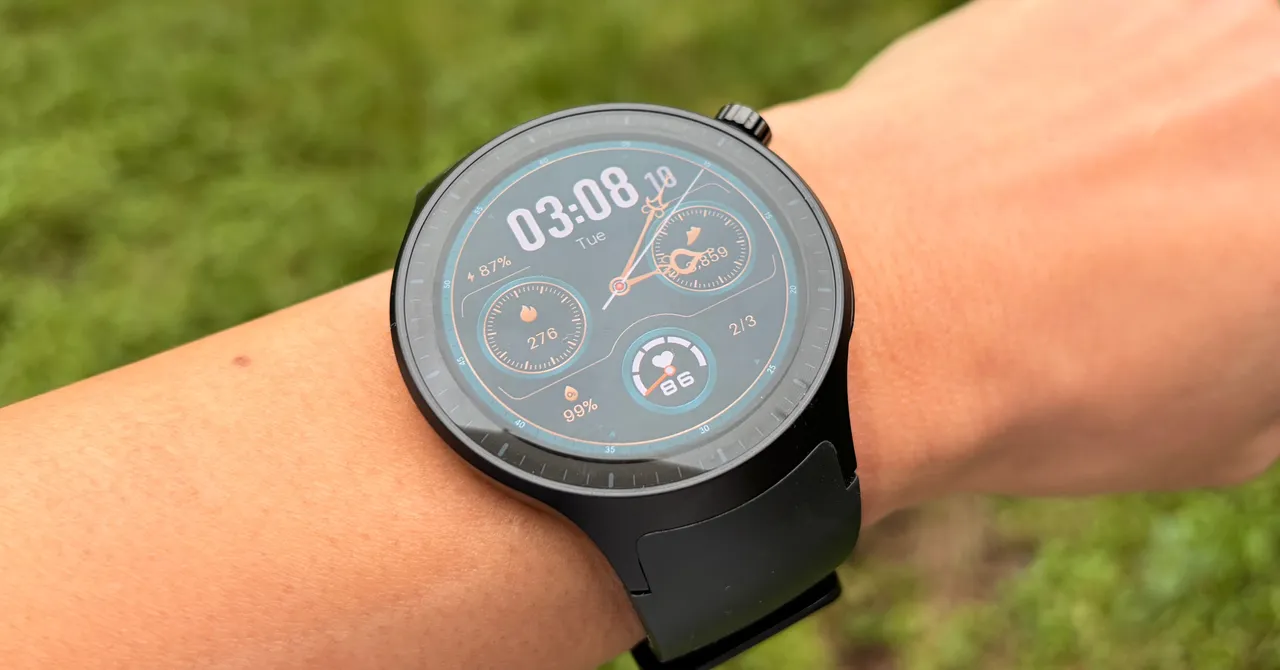
Motorola’s CMF Watch 3 Pro: A New Challenger in the Competitive Wearables Space

The wearable technology sector continues to demonstrate remarkable innovation, with industry giants and startups alike pushing the boundaries of what consumer electronics can achieve. Recently, Motorola entered this fiercely competitive landscape with its latest offering, the CMF Watch 3 Pro. Billed as an affordable, stylish, Android-compatible smartwatch, it aims to challenge established players like Apple, Samsung, and Garmin. According to early reviews from tech analysts, the device showcases the disruptive potential of hardware integration paired with modern software, although it still has some notable limitations that could influence its market penetration.

One of the core advantages of the CMF Watch 3 Pro lies in its strategic cost positioning combined with solid functionality. It features parameters such as sleep tracking, heart rate monitoring, and stress measurement, with initial comparisons indicating close accuracy to premium models like the Oura Ring 4. Analysts, including Gartner and MIT’s Media Lab, note that major players in the wearables market are increasingly focusing on data integration and seamless user experience to disrupt traditional fitness devices. Motorola’s choice to incorporate a well-designed, yet affordable product underscores this trend—offering consumers a “good enough” device that does not compromise essential features, yet is accessible.

However, despite its innovative intent, the device’s hardware limitations could hinder its disruptive prospects. Especially glaring is the onboard GPS functionality. The device’s slow satellite connection and inconsistent performance outside diminish its appeal as a true fitness companion—particularly when reliable location tracking is a key market differentiator. The device’s processor, deliberately undisclosed by Motorola, appears to struggle with rapid satellite acquisition, a flaw that consumer reviews describe as frustrating, impacting the overall user experience. Such hardware inefficiencies—common in lower-tier wearables—highlight a critical business challenge: balancing cost constraints with performance demands in an industry that is rapidly evolving toward precision.

The experience of review analysts further underscores this disruptive tension. Despite the device’s attractive design and promising feature set, issues like overly sensitive screens and accidental activations threaten user satisfaction. This emphasizes an overarching industry trend: hardware refinement is crucial for establishing market dominance amidst fierce competition. Companies like Apple and Samsung continually push advancements in sensor sensitivity and UI design, setting high standards for emerging competitors. Motorola’s potential in this space hinges on addressing these hardware issues swiftly and innovating beyond mere feature inclusion—further reinforcing that disruption requires not only price competitiveness but also technological excellence.

Looking ahead, the wearables industry is poised for a significant shift driven by the convergence of AI, sensor technology, and 5G connectivity. Industry experts like Peter Thiel have predicted that next-generation devices will serve as the nexus of lifestyle, health, and AI-powered analytics, transforming how consumers interact with their personal data. Motorola’s move into this space signals the beginning of a new wave of disruptive innovation, where smaller players can challenge dominant incumbents by leveraging cost-effective yet capable hardware and sophisticated software integration. The market’s future will depend on how effectively manufacturers can resolve hardware shortcomings and harness emerging technologies to offer compelling, breakthrough features—turning these devices into indispensable health and productivity tools.

Stakeholders across the tech ecosystem must remain vigilant, as the race to dominate this space intensifies. With major innovations around the corner, it’s clear that the current state of wearable technology is just the beginning. With upcoming advancements in AI, sensor innovation, and connectivity, the industry is on the cusp of a transformation—where disruption will be measured not just in features, but in the quality and reliability of the user experience itself. For companies willing to innovate and iterate rapidly, the opportunity to redefine health, fitness, and lifestyle tracking has never been greater—and time is of the essence for stakeholders eager to secure market leadership in this fast-evolving technological frontier.
Top 5 Posture Correctors to Keep You Sharp in 2025

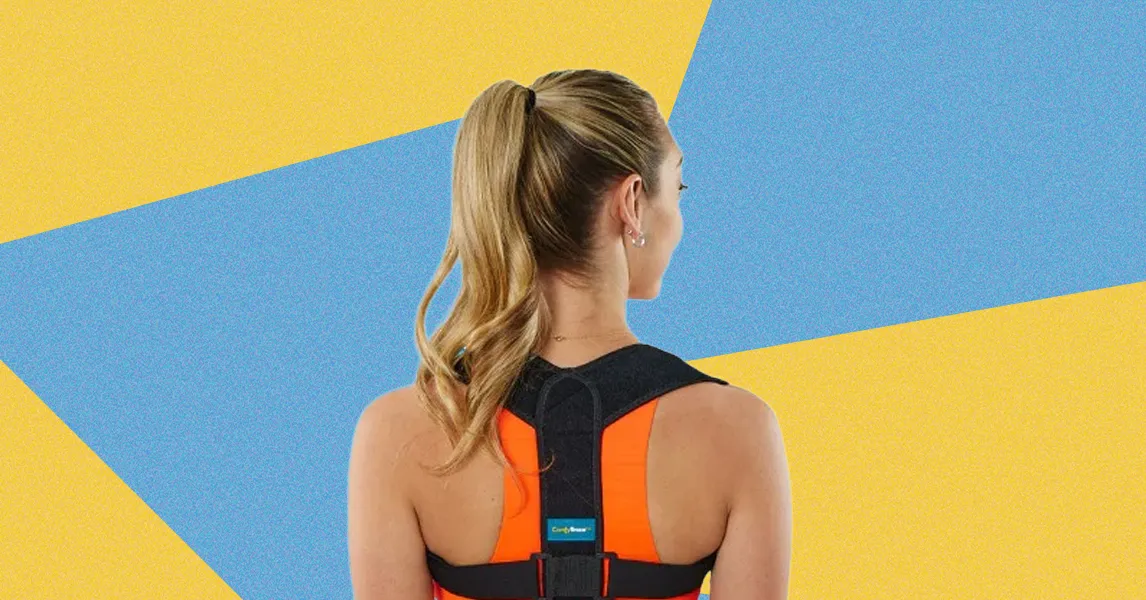
Breakthrough in Wearable Technology: The Power Bra by Forme Set to Reshape Posture Correction Market

In a compelling demonstration of disruptive innovation, Forme, a forward-thinking health and wellness brand, has launched the Power Bra, a smart wearable designed to improve posture while integrating seamlessly into daily life. Originally conceived by orthopedic surgeon Stephen Liu to aid his mother’s health, the device exemplifies how medical-grade technology can be brought into mainstream fashion. Its debut signals a notable shift towards combining health, tech, and fashion industries in pursuit of personalized, user-friendly health solutions.

This launch is more than just a product debut; it signals significant business implications for established players in the posture correction space and wearable tech ecosystem. Unlike traditional braces or correction devices, the Power Bra leverages advanced materials and ergonomic design for comfort and style, challenging older, less versatile solutions. The device offers sizing from XS to 3XL and cups from A to F, illustrating a strategic move to capture a broad demographic, aligning with trends noted by industry analysts like Gartner focusing on inclusive health tech products. The brand’s recommendation to stretch armholes before use reflects attention to user experience—key for mass adoption in a market increasingly driven by feedback-driven updates.

Innovation at the Forefront of Wearable Tech

The Power Bra encapsulates several technology milestones that mark a significant leap forward in disrupting traditional health wearables. Its design combines orthopedic principles with fashionable aesthetics, opening avenues for wearables to be less stigmatized and more integrated into everyday routines. Experts from MIT highlight that such innovations can transform how consumers approach physical health, positioning technology as not just functional but also an essential lifestyle component.

Its potential business impact is profound. As young, tech-savvy consumers demand smarter, more comfortable, and discreet health solutions, brands like Forme anticipate capturing substantial market share. Moreover, the Power Bra’s success could pave the way for further integration of AI-driven diagnostics, real-time feedback, and machine learning algorithms to tailor posture correction, echoing forecasts by industry leaders like Peter Thiel who emphasize the importance of tech-driven healthcare evolution.

Looking Ahead: The Future of Wearable Healthcare

The launch of the Power Bra signifies a broader trend of disruption in personal health management through wearable innovation. As market leaders and startups alike race to develop next-generation health tech, the focus shifts towards hyper-personalization, comfort, and style. The challenge remains in ensuring affordability and scalability, but the current trajectory indicates an increasingly rapid pace of innovation that could redefine the consumer health industry within the next decade.

To stay ahead in this fast-evolving landscape, companies must leverage emerging technologies, deepen consumer insights, and foster robust partnerships with healthcare providers. The potential to combine AI, IoT, and biomechanics in health wearables opens a new frontier for disruptive wins and business expansion. As noted by industry analysts, those who innovate swiftly and focus on user-centric design will forge the future of health tech—making adaptation not just advantageous but vital.

In sum, the Power Bra exemplifies the transformative power of innovation, signaling an era where health solutions are no longer solely medical but seamlessly integrated into our daily fashion statements. For investors, entrepreneurs, and consumers alike, the message is clear: the future of health tech is now, and rushing to adapt will be essential in capturing the opportunities ahead.

Amazfit T-Rex 3 Pro: Tough Outdoor Gear That Just Doesn’t Coast

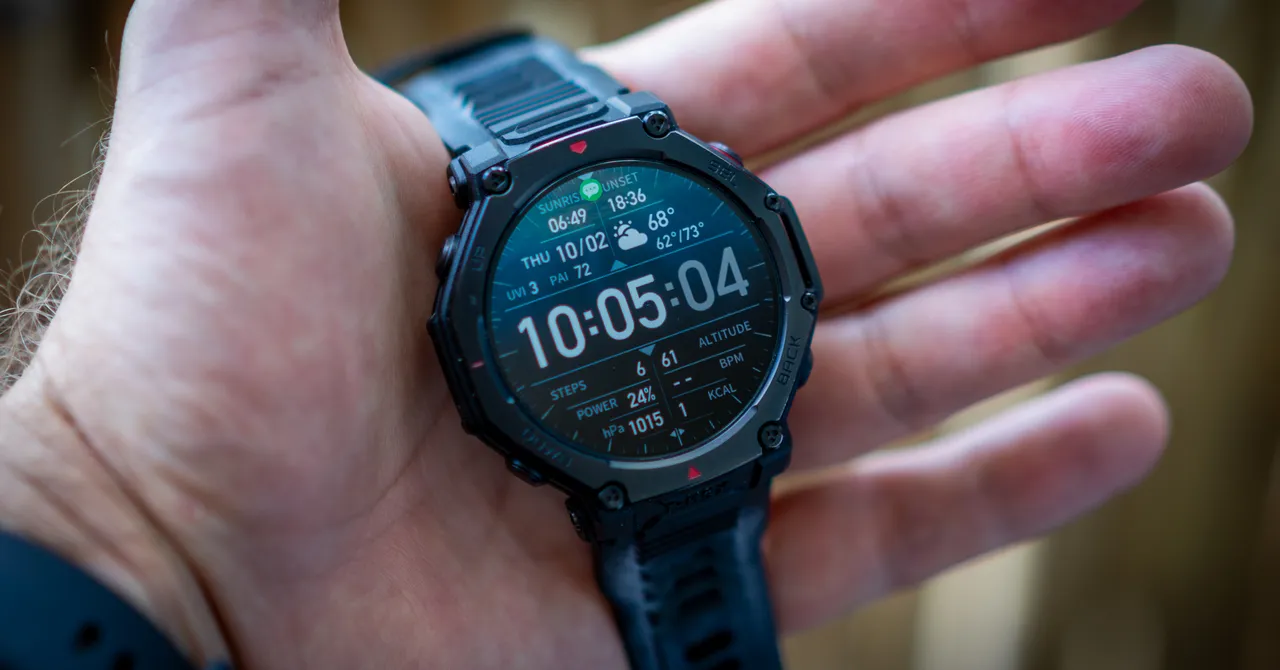
Tech Disruption Continues: Amazfit TRex 3 Pro Fails to Meet Expectations in Market-Defining Wearable Segment

In the rapidly evolving world of wearable technology, innovation is often touted as the main driver of competitiveness. However, recent reviews of the Amazfit TRex 3 Pro reveal that despite its promising feature set, the device struggles with implementation, casting a shadow over the company’s perceived market leadership in outdoor and sports watches. While touted for offline routing and outdoor activity metrics, user experiences highlight significant shortcomings that threaten its disruptive potential in this segment. Analysts note that this underscores a broader industry trend — rapid feature proliferation without ensuring core functionality, leading to consumer skepticism and operational risks, especially as competitors like Garmin and Apple refine their offerings.

The device’s offline routing capability epitomizes the gaming industry’s push towards seamless, high-precision navigation tools for adventure-seekers and fitness enthusiasts alike. However, the reality falls short of expectations. Reviewers detail persistent failures in route creation—often limited to short distances—and bizarre recommendations such as running on one of the country’s busiest highways, Interstate 405. This exposes a critical gap in disruption-driven innovation—the promise of smart features that integrate smoothly with user needs remains unfulfilled. For industries betting on the next wave of wearable tech, such gaps may deter early adopters, risking market share erosion when competitors deliver truly reliable solutions.

Beyond navigation, the device faces industry-wide challenges related to software completeness and interface polish. Despite the hype around fitness and activity tracking, features such as strength training recognition remain unreliable, as surfacing issues highlight a disconnect between R&D ambitions and product execution.

  • Incomplete translation and interface bugs
  • Limited activity recognition
  • Questionable usability in real-world scenarios

These shortcomings come at a crucial time when market leaders like Samsung and Fitbit continue to push comprehensive, integrated platforms that combine hardware prowess with enhanced AI-driven insights. The lesson for emerging players: innovation alone cannot substitute for meticulous testing and user-centered design. Disruption only occurs if new entrants can deliver on their promises without compromise.

Nevertheless, not all is lost for the Amazfit brand in this segment. Notable features such as an LED flashlight, basic notification display, and quick-response messaging for Android users highlight that the company is attuned to evolving consumer needs. Experts from MIT and industry analysts like Peter Thiel suggest that a strategic focus on niche, high-impact innovations—such as durable ruggedness and advanced battery life—may yet carve a competitive edge. The key takeaway for the youth market and innovators is the emphasis on “finish the job”: iteration, testing, and aligning features with genuine user needs — crucial for disrupting entrenched giants.

Looking ahead, this case exemplifies a broader market imperative: the race to redefine what wearables can do is far from over. As Elon Musk frequently warns, “speed isn’t enough; reliability is everything.” The future belongs to those who can marry cutting-edge features with rock-solid dependability, all while disrupting traditional paradigms. For the tech-savvy youth and fast-moving startups alike, the message is clear—disruption demands more than buzzwords and early prototypes. It requires relentless execution, user trust, and a keen eye on practical utility. As industry giants continue to innovate, those who master the fine balance between innovation and execution will ultimately dictate the future landscape of wearable technology. Time is of the essence; the next leap forward is just around the corner.

Social Media Auto Publish Powered By : XYZScripts.com



