
Meta’s Oakley Meta HSTN: Disrupting Wearable Tech Market with Innovation & Disruption
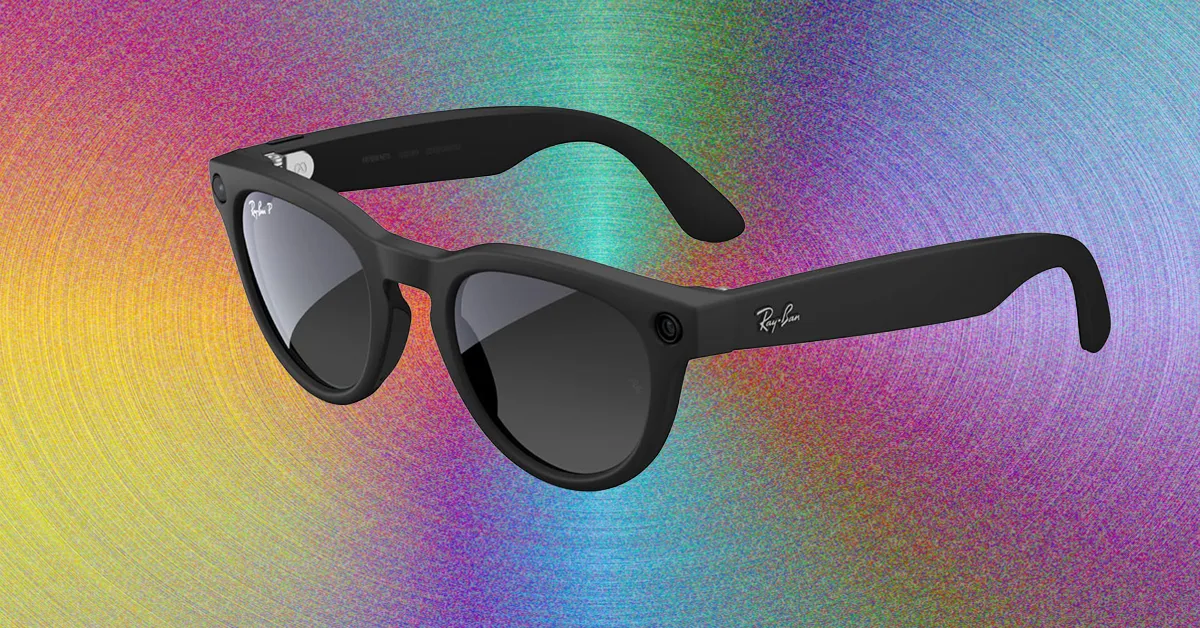
In a bold move that exemplifies the relentless push for innovation in wearable technology, Meta has unveiled a new line of high-performance smart glasses—the Oakley Meta HSTN. These devices are not just another iteration of augmented eyewear; they represent a strategic disruption targeting outdoor enthusiasts, athletes, and social influencers alike. By seamlessly integrating with platforms like Strava and Apple Music, Meta is demonstrating that the future of wearable technology hinges on robust ecosystem integration—an essential for capturing consumer loyalty in an increasingly competitive landscape.
Meta’s move signals a clear industry shift, emphasizing versatility and immersion in outdoor and sports activities. The Oakley Meta Vanguard smart glasses, introduced last year, are designed as multifaceted devices—combining high-end sports sunglasses, workout headphones, and even action cameras. Unlike traditional devices constrained by single-functionality, these glasses embody the ongoing trend of disrupting standalone device markets. Analysts from Gartner emphasize that such convergence of functionalities can redefine consumer expectations, forcing incumbents to innovate or risk obsolescence. The Vanguard’s innovative camera placement—on the bridge of the nose—eliminates fisheye distortion, signaling Meta’s focus on enhanced user experience through technical refinement.
The business implications are significant. As Meta continues to craft devices tailored for athletes, content creators, and influencers, the market approach appears to favor disruption through high-end hardware paired with intelligent AI integration. Features like auto-capture enabled via Garmin watches showcase an emerging trend: smart devices that automate and streamline content creation, empowering users to produce professional-quality material effortlessly. This convergence creates an ecosystem where hardware and AI work symbiotically—a strategy that none of the Big Tech companies previously masterfully executed at this scale. Such innovations threaten traditional camera and audio markets and signal new revenue streams rooted in subscription services, platform lock-in, and data monetization.
Looking forward, industry leaders like Elon Musk and Peter Thiel are watching this evolution closely, recognizing that the integration of AI and hardware is fundamentally transforming consumer behavior and commerce. MIT researchers have highlighted how these disruptions accelerate adoption of AR/VR workflows, with Meta’s advancements setting a new benchmark in wearable tech design and functionality. Time is now for competitors to adapt or face being left behind. As the race for dominance in smart wearables intensifies, the real question is how fast these innovations can scale and integrate into our daily lives—raising both opportunities and urgent calls for strategic agility within the tech sector.