Matox News

Truth Over Trends, always!

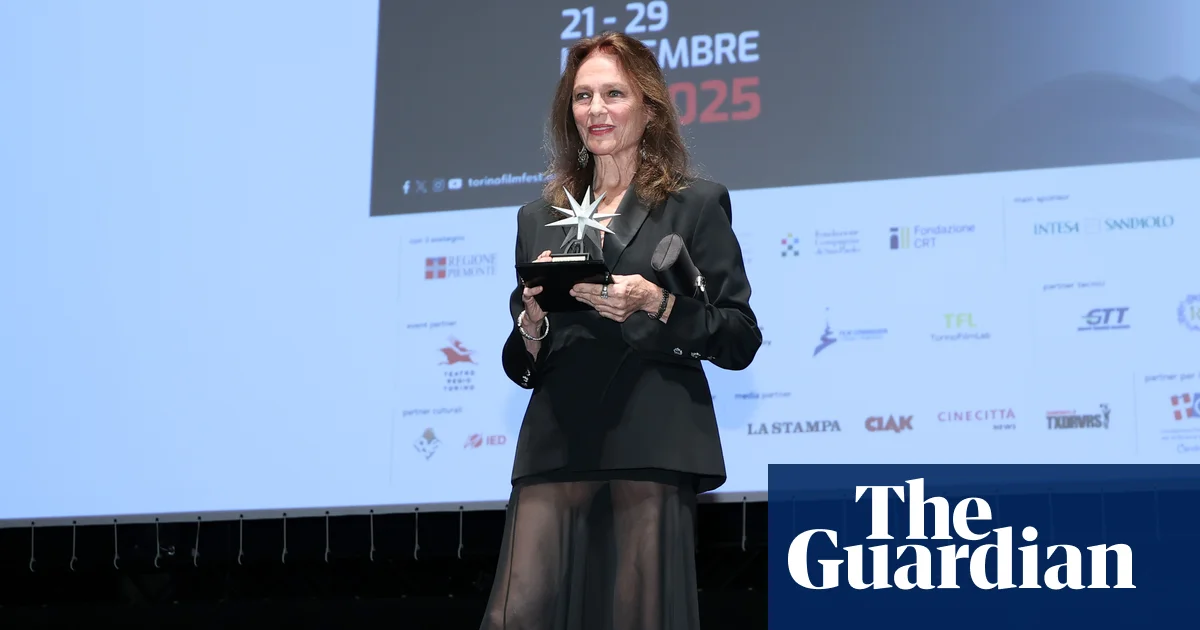
Stylish and bold, but always classy: sheer skirts punch above their weight in youth fashion trends

In an era where extreme fashion trends often push the boundaries of everyday wear, a compelling shift is quietly reshaping the style landscape. Enter the sheer skirt, a versatile piece that combines daring transparency with an innate sense of modern sophistication. While the concept of naked dressing—wearing transparent or minimal attire on red carpets—still turns heads at events like Cannes, today’s fashion scene is embracing a more accessible, yet equally impactful, alternative. This trend is bridging the gap between high-octane runway statements and wearable street style, signaling a societal shift toward more nuanced expressions of individuality.

What makes the sheer skirt particularly noteworthy is its cultural and social relevance. With appearances on influential runways at brands like Chanel and Simone Rocha, and celebrities such as Jacqueline Bisset and Victoria Beckham sporting them at high-profile events and casual outings alike, the sheer skirt has transcended its initial novelty status. It’s not just a passing trend; it symbolizes a broader movement emphasizing layered, multi-dimensional fashion. According to sociologists and trend analysts, this shift mirrors society’s fascination with reinterpreting classic femininity and masculinity through the lens of subtle transparency, allowing wearers to convey confidence without fully revealing themselves. The trend’s popularity on platforms like Depop, with searches up nearly 100% since January, underlines its burgeoning appeal across generations, especially among youth eager to express their bold individuality within a socially conscious framework.

Experts like Gaëlle Drevet, founder of The Frankie Shop, highlight how the perceived balance of daring and subtlety makes the sheer skirt a modern staple. Drevet notes that their bestselling Peri skirt exemplifies this, striking a “sexiness” that remains approachable. Meanwhile, Karin Gustafsson, creative director of Cos, attributes its rising popularity to the “underwear as outerwear” trend” and a fresh approach to layering, especially with transparent fabrics that radiate color and light. This desire for innovation in self-expression is also reflected in how fashion-forward individuals imagine pairing sheer skirts with winter-ready pieces, such as turtlenecks, tights, and boots—making transparency a year-round statement of style.

Interestingly, the appeal isn’t solely rooted in exposing skin. Many see the sheer skirt as an elegant tool to hint at sensuality—a delicate balance that allows women to “show their legs without showing,” as Gustafsson describes it. This shift indicates a broader cultural conversation about the power of modesty and confidence in fashion. As layering becomes more sophisticated, the sheer skirt offers a platform for personal storytelling through style, emphasizing that fashion’s next frontier isn’t about revealing everything but about revealing just enough. So, as we enjoy this low-key revolution in the wardrobe, one glaring question remains: Will future trends continue to blur the lines, making transparency and layering not just a temporary phase but the next permanent evolution in how society defines beauty and self-expression? Only time will tell, but one thing is clear—fashion’s willingness to experiment with boundaries reveals much more than just style; it reflects a society increasingly eager to challenge norms and redefine identity.
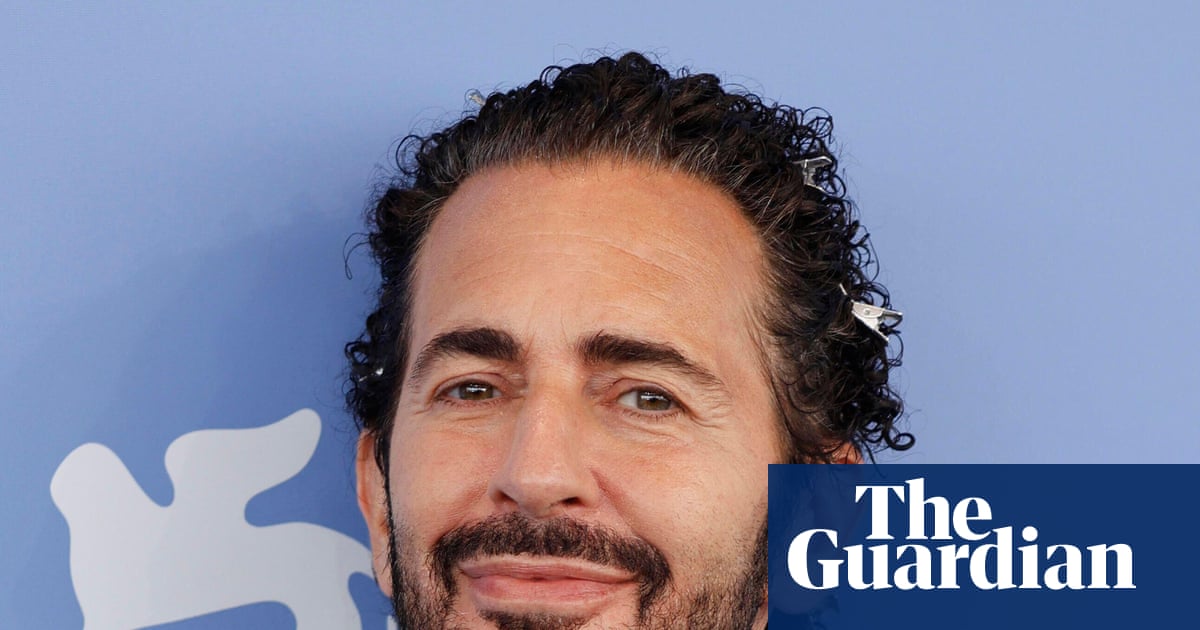

Social media and weight loss meds fuel UK surge in male and 40s facelifts—why more young guys are chasing the trend

In recent years, a quiet revolution has taken hold among the young and the ambitious: facelifts are no longer the exclusive domain of Hollywood starlets or aging celebrities. Society’s shifting standards of beauty, combined with radical innovations in surgical techniques, have made cosmetic procedures more accessible and appealing to a broader demographic. According to the British Association of Aesthetic Plastic Surgeons, the number of facelifts performed in the UK has swollen by 8% in 2024, with a striking 26% increase among men alone. This trend signals not just a superficial obsession with youth but a deeper cultural shift in how society perceives vitality, success, and self-confidence.

Experts such as Nora Nugent, president of Baaps, emphasize that the appeal of modern facelifts lies in their ability to deliver natural and durable results without the relentless maintenance that fillers demand. This quest for longevity and authenticity feeds into a broader societal narrative: the desire to age gracefully without surrendering to the ravages of time or societal pressure. With technological innovations like endoscopic “scarless” facelifts and multifactorial techniques targeting deeper facial structures, surgical options have become less invasive and more tailored to individual needs. These advancements not only enhance the aesthetic outcomes but also bolster the social acceptability of getting cosmetic procedures—transforming what was once taboo into a normative lifestyle choice.

However, beneath the surface of this trend lies a more complex social narrative. As psychologist Helena Lewis-Smith points out, “appearance pressure in society has never been stronger”. Public figures like Kris Jenner, who openly speak about aging and cosmetic enhancements, serve as influential role models that normalize procedures. The messaging resonates especially with the younger generation, who are racking up surgical stats at an unprecedented rate. Importantly, this phenomenon isn’t solely about vanity; many view these procedures as a form of self-care, resilience, and societal capital. Yet, critics express concern about the risks—scarring, nerve damage, and the misconception that these surgeries are risk-free or quick fixes. Medical professionals warn that facelifts, while increasingly refined, remain major surgeries requiring psychological assessments and a commitment to long-term health.

On a social level, the normalization of cosmetic procedures raises pertinent questions about the future of youth culture, societal standards of beauty, and the commodification of self-image. The rise of weight loss drugs like Ozempic has added another layer to this dynamic—rapid fat loss often leaves faces looking gaunt, prompting a surge in both facial and body contouring surgeries. Is this relentless pursuit of perfection creating a new form of societal discontent or merely empowering individuals to take control of their appearance? As social media amplifies this conversation, the next big question becomes: are we witnessing the emergence of a society where leaving aging behind becomes less an aspiration and more a cultural mandate?

Social Media Auto Publish Powered By : XYZScripts.com


