Matox News

Truth Over Trends, always!

Pepsi pulls Wireless sponsorship after Kanye West controversy

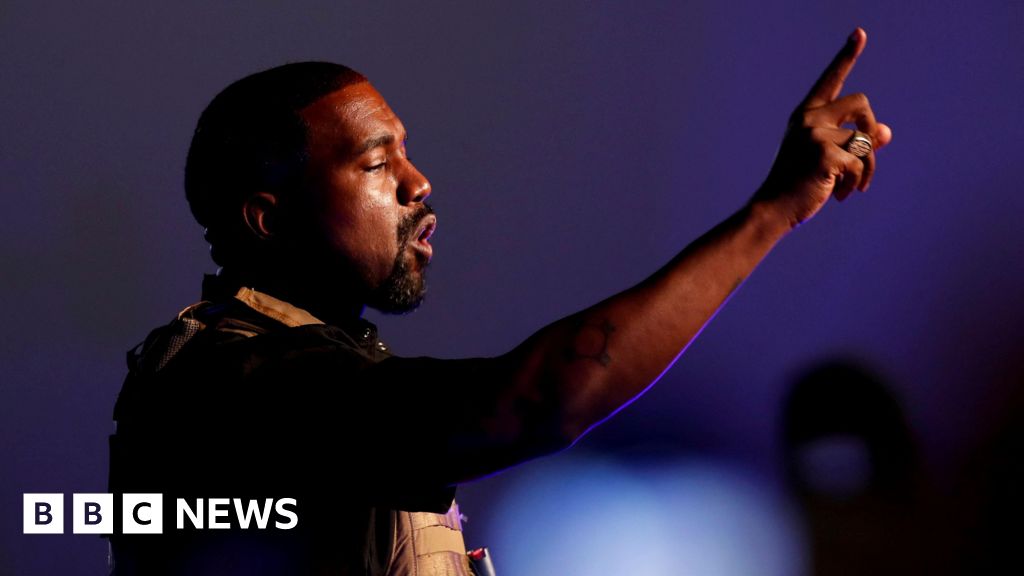
In a clear illustration of how geopolitical shifts and cultural conflicts intertwine, recent developments in the United Kingdom have sparked a broader debate about social values, security, and the influence of international figures. The controversy surrounding Kanye West—also known as Ye—and his scheduled performance at London’s Wireless Festival underscores the power of public morality and national security considerations in shaping cultural events. Major sponsors such as Pepsi have distanced themselves, citing moral and reputational concerns, which reflects a broader international trend: the economic and diplomatic implications of associating with controversial figures are reaching new heights.

  • West’s history of making antisemitic remarks, including a song titled Heil Hitler, and public admiration for Adolf Hitler, has led UK authorities and societal leaders to question the appropriateness of his presence during a time of heightened sensitivity and ongoing debates over free speech versus hate speech.
  • Prime Minister Keir Starmer has publicly condemned the booking, emphasizing that antisemitism “is genuinely abhorrent” and insisting that Britain must remain a society where minorities, especially Jewish communities, feel safe and protected.
  • The Home Office, abiding by UK immigration and conduct policies, is reportedly considering whether West can be excluded from entry, citing the potential for his conduct abroad to threaten societal cohesion—highlighting a pivotal shift in how nations regulate international figures based on perceived ideological threats.

At the international level, watchdog organizations like the Jewish Leadership Council and the Board of Deputies of British Jews have labeled the festival’s decision to feature West as “deeply irresponsible” amidst ongoing attacks on the Jewish community. This international scrutiny exemplifies how domestic decisions on cultural figures can reverberate globally, affecting diplomatic relations, especially when intertwined with Europe’s increasing vigilance against antisemitism. Historians and analysts warn that such controversies serve as a turning point—highlighting the delicate balance between protecting societal values and preserving artistic freedom in a rapidly changing geopolitical landscape.

More broadly, the incident illuminates the escalating use of cultural and moral gatekeeping as instruments of foreign policy and social stability. Countries are progressively adopting stricter entry policies, with officials citing character, conduct, and associations as criteria for denying visas, thereby extending their sovereignty into the realm of individual morality beyond traditional security concerns. The UK’s example offers a cautionary tale: How the decisions of one nation to accept or exclude polarizing cultural figures can influence diplomatic alliances, economic investments, and societal cohesion on a global stage. As historians examine this unfolding drama, one thing remains clear—the cultural battles of today will undoubtedly shape the geopolitical landscape of tomorrow.

In the shadow of these tensions, the story of Kanye West’s potentially canceled UK appearance is more than a controversy about music or morality; it is a reflection of a world where ideological conflicts and cultural identities collide with economic interests and national security. As the dust settles, one question endures: Who writes the future of society—those who uphold the values of tolerance and security, or those who risk everything for the fleeting specter of controversy? The answer, like history itself, is still being written—yet its consequences will echo through the corridors of power for generations to come.
Israeli settlers escalate West Bank assaults amid indifferent security forces

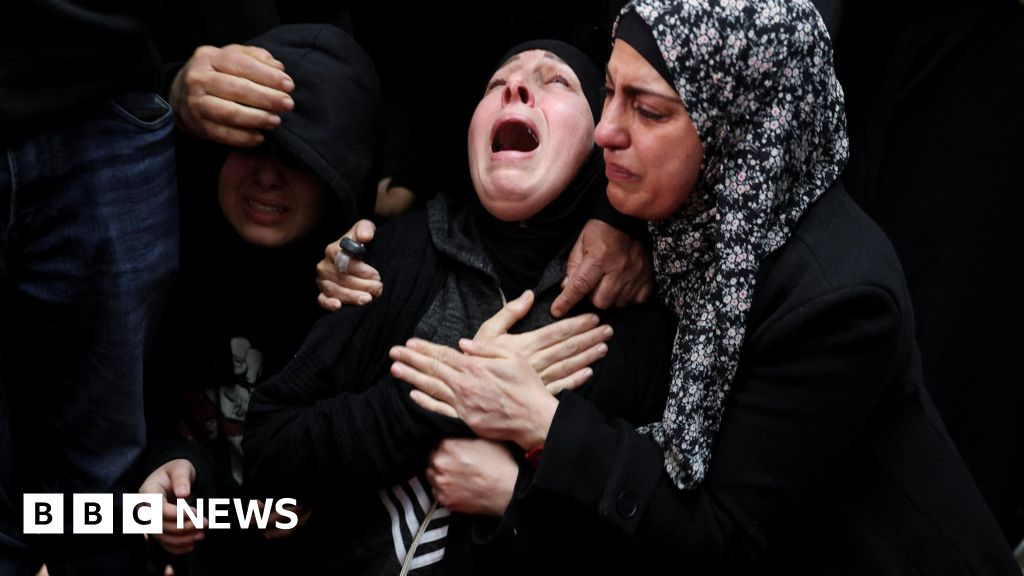
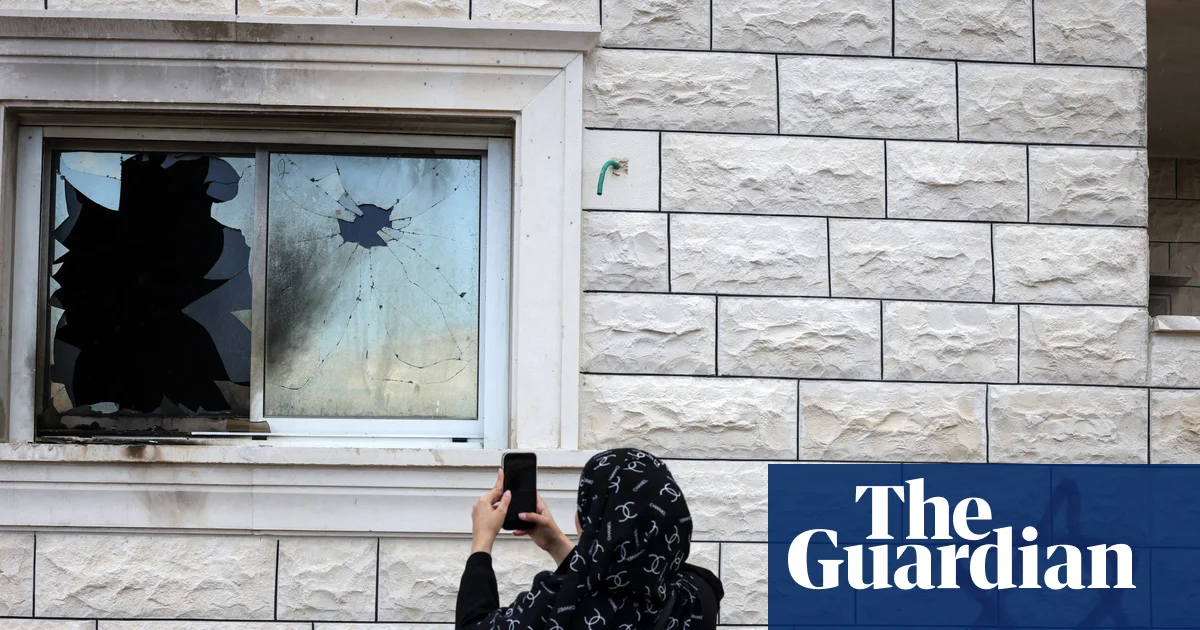
The situation in the West Bank continues to escalate, exposing a volatile chapter in the ongoing Israeli-Palestinian conflict that bears profound geopolitical repercussions. Reports of widespread settler violence—attacks involving arson, vandalism, and physical assaults—underscore a disturbing pattern of escalation that challenges international calls for stability and peace. Over recent days, Israeli settlers have reportedly carried out coordinated raids across at least half a dozen Palestinian communities, inflicting injuries and destruction, while Israeli forces have largely remained passive or complicit in allowing these acts to unfold unchecked.

  • Settlers targeted homes and vehicles in communities such as al-Fandaqumiya, Seilat al-Dahr, Masafer Yatta, Qaryout, and Jaloud. Witnesses describe scenes of chaos and destruction, with multiple homes burned, residents injured, and hundreds of vehicles vandalized or torched.
  • These incidents have coincided with key religious and national observances like Eid al-Fitr, marking a period traditionally associated with peace and reflection, yet now overshadowed by violence and lawlessness.
  • The UN and human rights organizations like B’Tselem have condemned the Israeli government’s apparent complicity—arguing it enables settler violence as part of a broader strategy to forcibly displace Palestinians and expand territorial claims.

Amid this climate of unchecked violence, international analysts have begun scrutinizing the dangerous implications of the Israeli government’s approach in the West Bank. Critics point to a concerning trend: the absence of accountability for settler crimes, which often go unpunished, further emboldening settler factions. Yair Golan, leader of Israel’s Democratic Party, has publicly condemned what he describes as government neglect and the promotion of lawlessness, warning that “Jewish terrorism” is proliferating amidst the chaos. Historic trends highlight that such unchecked violence risks destabilizing the entire region, intensifying cycles of retaliation and undermining prospects for peace.

Meanwhile, international institutions warn that Israel’s policies in the West Bank could result in the *forcible displacement* of Palestinian communities, threatening to alter the demographic and territorial status quo permanently. The UN explicitly states that current Israeli practices risk “displacing entire communities,” a move that could have broader destabilizing effects beyond regional borders. The horrific details of Israeli military actions—such as the 2023 killing of a Palestinian family in Tamoun or reports of settler sexual violence—serve to deepen global concern over human rights abuses, as well as the erosion of moral authority in the conflict.

As the international community watches, a shadow of doubt falls over the decades-old peace process. With each act of violence, the prospects for any diplomatic resolution fade further into the horizon, replaced by escalating cycles of hostility rooted in decades of failed policy and missed opportunities. Anxieties loom large, as the global balance of power shifts in the face of these ongoing crises, and the potential for wider regional destabilization grows. The unfolding story in the West Bank is a stark reminder: history’s pen continues to write with an unforgiving hand, and the coming chapters will forever shape the destiny of nations, societies, and the very fabric of international order.

West Coast braces for intense spring heatwave—early warning sign for a tough season

In a stark manifestation of climate volatility, the United States is currently experiencing a relentless barrage of extreme weather phenomena that span from coast to coast. These conditions, characterized by scorching heat waves in the Southwest and record-breaking cold snap in the Northeast, underscore the escalating challenges confronting nations around the world. According to recent reports from the National Weather Service and climate analysts, such anomalies are not isolated incidents but signals of a broader, more destabilizing pattern driven by ongoing climate change. The societal and geopolitical implications of this phenomenon are profound, offering both a warning and an urgent call for international cooperative responses.

***U**nprecedented heat waves have swept through regions like California and Arizona, pushing temperatures well above historical averages. Simultaneously, other parts of the country, including the Midwest and Atlantic Coast, have been battered by frigid temperatures and severe winter storms. This juxtaposition of extremes is placing immense stress on infrastructure, agriculture, and public health—a trend affirmed by experts at the World Meteorological Organization. Beyond immediate impacts, these weather fluctuations threaten to exacerbate existing socio-economic disparities, impacting vulnerable communities most severely, and complicating national security considerations. The scale and frequency of such events have led many, including historian Dr. Samuel Carter, to warn that humanity stands at a critical juncture where climate resilience must become a central pillar of policy.

On the geopolitical realm, the disruption caused by extreme weather is rippling through international relations. Countries heavily dependent on stable climatic conditions for food security and resource extraction find themselves at increased risk of conflict. For instance, vulnerable regions in Africa and South Asia are already experiencing food shortages and displacement, consequences that are magnified by the erratic weather patterns originating from shifting atmospheric currents. Meanwhile, the U.S. itself faces internal pressure to prioritize climate adaptation strategies. The ongoing domestic chaos underscores how environmental disturbances are intertwined with broader issues like economic stability, migration, and even geopolitical power dynamics. The European Union and China, two major players in the international arena, have voiced commitments to climate actions, yet critics argue these pledges fall short of the scale needed to counteract the escalating crisis.

This series of weather extremes serves as a clear warning: the decisions taken today will shape the course of history. As international institutions like the United Nations call for urgent climate action, strategic alliances are being tested and formed around the reality that climate instability undermines global security. Some analysts, such as Dr. Helen Martinez of the International Crisis Group, emphasize that climate-induced upheaval could foster regional conflicts, undermine national sovereignty, and accelerate migration flows, thereby destabilizing societies worldwide. In this context, history’s most pivotal moments are often marked by responses—whether bold or complacent—that determine the future of civilizations. As the nation grapples with its own climate crises, the message is unmistakable: the time for debate has long passed, and decisive action is urgently needed, lest we allow these natural upheavals to rewrite our collective destiny.

In this unfolding saga, the United States stands at a crossroads where the past’s comfort must give way to the hard realities of the present. Every weather anomaly is a chapter in a story still being written—one shaped by decisions made not just within national borders, but across an interconnected globe. As history watches, the challenge remains: will the enduring spirit of resilience triumph over the storms of change, or will humanity become mere witnesses to an era defined by chaos? The hourglass continues to run, and the weight of history presses ever heavier as the world braces for what is yet to come.

Israeli forces kill Palestinian family, including two children, in West Bank incident

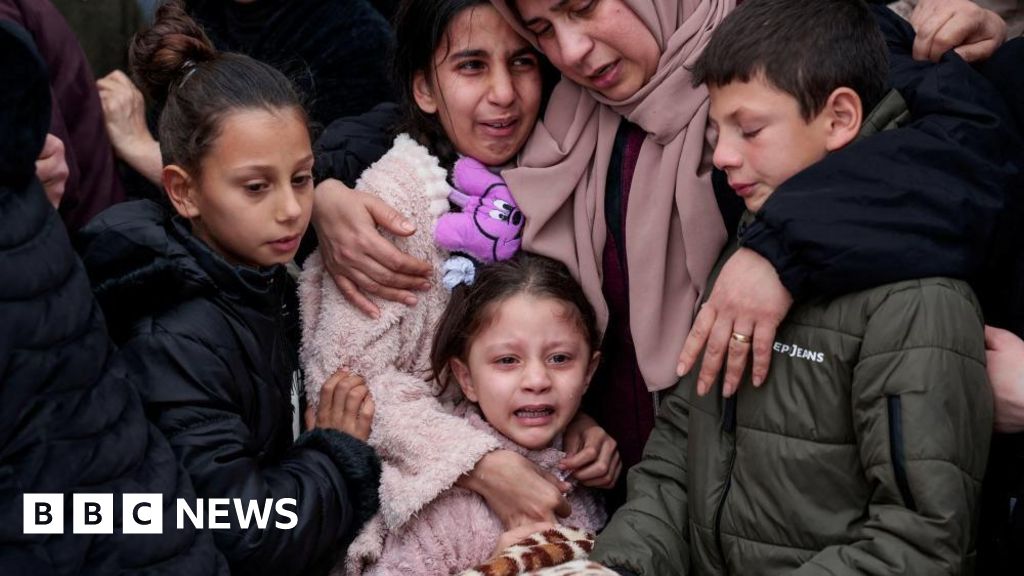
In a devastating development that underscores the enduring brutality of the Israeli-Palestinian conflict, reports from the Palestinian health ministry confirm that five-year-old Mohammed and seven-year-old Othman lost their lives, alongside their parents, amidst recent hostilities. Such tragedies continue to illuminate the human toll of a conflict that has persisted for generations, with innocent children often caught in the crossfire. These losses, while deeply personal, ripple outward, influencing the geopolitical landscape and shaping international responses.

Israel and Palestine remain at the heart of an enduring dispute characterized by violence, displacement, and international concern. Recent escalations have prompted accusations and condemnations from various global actors, with analysts emphasizing a turning point in the ongoing struggle. Human rights organizations warning that continued hostility only entrenches hardship, yet the international community’s ability to effect meaningful change remains hampered by entrenched political divides. How these decisions impact societies—particularly vulnerable populations like children—cannot be overstated, as each incident compounds decades of suffering.

The international response has been mixed, with United Nations agencies and regional powers calling for de-escalation and humanitarian aid. However, critics argue that diplomatic efforts are often hamstrung by geopolitical interests. The recent violence, including the tragic death of innocent children, signals that the cycle of retaliation and violence persists, threatening regional stability. Many experts, including historians and seasoned diplomats, suggest that unless there is a decisive shift—possibly a new initiative or peace process—the conflict will continue to claim lives indiscriminately, dragging entire societies into further despair. The loss of Mohammed and Othman serves as a stark reminder of how the eternal cycle of violence defines the Israeli-Palestinian saga, challenging international actors to confront the harsh realities faced on the ground.

As history unfolds, the enduring questions remain: will the international community muster the resolve to impose lasting peace, or will these tragic deaths be yet another chapter in a seemingly unending story of loss? The tragedy of lives lost in their infancy emphasizes the urgent need for a comprehensive and equitable resolution. For policymakers, analysts, and citizens worldwide, the weight of this history is heavy—each life lost echoing through corridors of power and public consciousness alike, urging a collective reflection that time is running out. The rising tide of violence leaves an indelible mark on the collective conscience, ensuring that the memory of innocent Mohammed and Othman—and countless others—will remain etched into history’s relentless march towards an uncertain future.

Kanye West hit with $140K fine over Malibu mansion renovation dispute

In an era marked by increasing global interconnectedness, personal disputes—such as the recent case involving a handyman demanding $1.7 million from a renowned rapper—may seem localized but carry profound implications for societal norms, economic perceptions, and cultural power dynamics. This particular case underscores a broader trend: the way individual conflicts intersect with global media narratives and influence perceptions of economic justice across borders. As the dispute unfolds, it exemplifies how the ambit of influence held by celebrities and high-profile figures extends far beyond entertainment, shaping societal expectations and, in some instances, inspiring movements that challenge established economic hierarchies.

From an international perspective, the controversy invites reflection on the role of legal systems and societal standards in mediating disputes involving wealthy public figures. Experts such as Harvard law scholars suggest that the case is emblematic of a shifting landscape, where individual claims—whether about unpaid wages, medical expenses, or wrongful termination—are amplified by social media and global news coverage. The dispute not only highlights the veteran issues of worker rights and fair compensation but also illustrates how the rich and famous are scrutinized for their roles in fostering or neglecting societal responsibilities. This case could set a precedent, especially if it garners international attention, potentially influencing how labor disputes are publicly perceived across multiple jurisdictions.

Such disputes are relevant beyond individual cases, impacting the geopolitical and economic fabric of nations. Analysts from the Oslo-based International Labour Organization warn that the spectacle of personal legal battles involving prominent figures can overshadow genuine policy discussions about labor rights worldwide. Historically, some of the most significant shifts—like the establishment of labor protections in the European Union or the US—have come from public pressure around individual grievances, often escalating into larger societal reforms. Moreover, international organizations monitor these incidents to gauge public sentiment about economic justice, which in turn influences diplomatic relations, especially in countries where income inequality remains painfully high. When a person of influence is embroiled in controversy, it can trigger a ripple effect, urging policymakers to address underlying issues like fair pay, labor protections, and corporate accountability on the global stage.

Ultimately, this case exemplifies how personal disputes are rarely isolated. Instead, they weave into the global narrative, shaping perceptions of justice, fairness, and societal values. Historians have long argued that the perils and promises of modern society are etched into these moments—moments when individual conflicts become a reflection of larger tensions. As the world watches this developing story, it leaves us pondering: how will this dispute influence future legal and cultural standards? Will it catalyze meaningful reforms, or will it succumb to superficial celebrity culture? The unfolding conflict, with its roots in everyday grievances, remains a powerful reminder that the threads of history are often woven behind closed doors, waiting to be unraveled by those daring enough to challenge the status quo.

Group presses forward with legal challenge against South West Water sewage pollution

In a revealing sign of the rising environmental consciousness among grassroots communities, a legal claim against South West Water has extended across the Devon and Cornwall coastlines, reflecting broader societal frustrations over government and corporate accountability in environmental stewardship. Initially confined to Exmouth, the group legal action now spans towns like Dawlish, Sidmouth, Teignmouth, and Cornwall’s renowned beaches, including Newquay and Penzance. This movement underscores a fundamental shift: ordinary citizens are not willing to accept systemic pollution and neglect, especially when it directly harms their health, livelihoods, and natural heritage. Analysts suggest that this grassroots mobilization could serve as a bellwether for similar movements across Europe, where local populations increasingly demand accountability from authorities and corporations over environmental degradation.

The core of the dispute revolves around the ongoing discharge of raw sewage into cherished coastal waters—an issue that has sparked outrage among residents. According to Leigh Day, a prominent law firm specializing in environmental justice, the claim now includes more than 1,400 individuals impacted by South West Water’s alleged failings. Tina Naldrett, a 62-year-old nurse from Dawlish, vividly captured the emotional toll: “The sea is our heritage and sanctuary, yet I see sanitary products, plastic debris, and foam of effluent floating past—more often than not. Water companies do not own the seas; they are stewards of a shared natural resource, and their actions betray a moral and ethical bankruptcy.” When communities witness the continued pollution, especially during the summer months with beach closures and health warnings, it only fuels the perception that corporate interests supersede ecological sustainability and community welfare.

The criminality of these acts is reinforced by official reports from Ofwat, which in 2024 issued a £24 million enforcement penalty against South West Water. An investigation revealed systemic failures dating back to 2017—failings that have resulted in over half of the company’s treatment plants spilling raw sewage into the environment regularly. The length of 544,429 hours of discharge in just that year alone signifies a disturbing trend: the continued prioritization of cost-cutting and convenience over environmental health and public safety. Experts like environmental historians warn that such incidents reflect broader patterns of regulatory negligence and corporate complacency, which threaten to water down the very safeguards meant to protect natural ecosystems and human communities.

  • The legal action highlights the widespread violation of regulations concerning storm overflows, which should only be used during extraordinary weather events but are reportedly deployed excessively—especially during rainfalls when systems are overwhelmed.
  • The impact extends beyond environmental concerns, disrupting local economies reliant on tourism and recreation, and raising questions about the effectiveness of current environmental frameworks in holding corporations accountable.
  • Community voices, represented by campaigners like Oliver Holland, emphasize that these legal actions are crucial in empowering citizens to push for tangible change and to hold polluters responsible for years of neglect.

As international observers peer into this unfolding domestic crisis, many see it as a microcosm of larger trends in governance, corporate ethics, and civil activism. Historians of environmental law warn that ignoring these grassroots demands risks a future where the natural world is irreparably damaged, and societal trust erodes further. The ripple effects could extend beyond Britain, influencing global debates on corporate responsibility and environmental justice. What is at stake is nothing less than the legacy we leave behind—a question of whether communities will stand together to reclaim their shared inheritance or capitulate to a system that values profit over preservation. As the tides of change rise, the outcome remains uncertain, yet the story of a society grappling with its obligations to nature and future generations continues to unfold with relentless urgency, leaving an indelible mark on history’s scrolls.

Zimbabwe vs. West Indies 2026 Live Stream: Catch the T20 World Cup Action for Free!

In recent years, a paradigm shift in how young audiences consume sports has been underway, driven by the proliferation of digital platforms and innovative streaming technologies. The 2026 T20 World Cup exemplifies this wave, offering live streams of matches like Zimbabwe vs. West Indies for free via ICC.TV. This move toward free access has disrupted traditional broadcast models, making high-stakes sporting events more accessible than ever and fueling a surge in viewer engagement among youth who prefer digital over cable. Influencers and social media analysts emphasize that this democratization of content aligns remarkably well with the social habits and technological fluency of today’s generation.

The cultural impact is profound. As media scholars highlight, this shift isn’t just about convenience; it’s redefining the social relevance of sports as a unifying cultural activity. No longer confined to TV screens or expensive subscriptions, young fans across the globe can now tap into live action with a few clicks, often through VPNs to bypass geo-restrictions. This technological democratization has sparked a sense of ownership and participation, turning casual viewers into active supporters. The result? A more inclusive, youth-centered sports culture that champions accessibility and instant gratification, driven by a generation that values \”instant access\” as an extension of their lifestyle.

Major brands and platforms are responding to this cultural shift by integrating social media, mobile streams, and VPN seamlessly into the viewing experience. For instance, ExpressVPN and other providers are now talked about in the same breath as sports fans, as they empower viewers to bypass regional restrictions and access premium content from anywhere. Analysts argue that this convergence of tech and entertainment is transforming not only how we watch but what sports mean socially. Influencers, especially those with millions of followers, are fueling the viral nature of this trend by sharing tutorials, reviews, and hype around exclusive streams, turning digital platforms into the new stadiums for youth engagement.

As the 2026 T20 World Cup demonstrates, this rapid evolution raises an intriguing question about the next frontier of sports consumption. If access becomes increasingly free and personalized through technology, will traditional broadcasting models survive, or are we headed toward an era where digital native platforms completely reshape the sports industry? The answer might lie in how society continues to embrace individualized digital experiences and whether the social fabric woven by shared athletic moments shifts to a more decentralized, on-demand ecosystem. The future of sports consumption — seemingly as fluid as the games themselves — is one to keep a close eye on.

Palestinian-American family calls for justice after West Bank killing

In a troubling development that underscores the persistent volatility in the West Bank, Nasrallah Abu Siyam has become the sixth American citizen to be killed by Israeli settlers or soldiers within the past two years. This tragic event not only highlights the ongoing human toll in the region but also amplifies the geopolitical tensions that continue to shape international discourse and policy. As analysts and international organizations examine this devastating trend, the question arises: what does this portend for Middle East stability and for the United States’ role in U.S.-Israel relations?

The West Bank remains a symbol of protracted conflict, where decades of unresolved disputes over land, sovereignty, and security have resulted in recurrent violence. The incident involving Nasrallah Abu Siyam exemplifies the dangerous complexities at play, where diplomatic efforts often seem gridlocked amid rising tensions. Historically, U.S. policy has oscillated between supporting Israel’s security concerns and advocating for Palestinian rights, yet the recent uptick in violence reveals the fragility of this balancing act. Experts like geopolitical analyst Dr. Emily Carter emphasize that the continuous loss of American lives, especially in a region where American influence is both strategic and moral, exacerbates pressure on U.S. foreign policy and internal political dynamics.

Furthermore, the international community has expressed alarm over these fatalities. The United Nations and European Union have called for renewed dialogue, but reality shows that diplomatic pathways remain blocked by entrenched positions and regional power struggles. This violence is symptomatic of deeper issues, including the expansion of settlements and the persistent inability to implement a comprehensive peace agreement. As Middle East experts warn, each incident like the death of Abu Siyam not only fuels local resentment but also complicates the international effort to bring stability and peace to the region.

From a broad geopolitical impact perspective, these recurring tragedies feed into a narrative of disorder that affects all nations involved—further entrenching divisions, impeding cooperation, and risking broader regional escalation. Nations across the globe are forced to navigate the fallout, which includes rising anti-American sentiments in some quarters and increased pressures on U.S. policymakers to take decisive action. As historians observe, moments like these serve as stark reminders that conflicts rooted in history are often perpetuated by cycles of violence and contested narratives—each one shaping the course of history whether forward or backward. The death of Nasrallah Abu Siyam marks a grievous chapter in this ongoing story, with the echoes of injustice resonating far beyond the borderlines of the West Bank.

As we stand on the precipice of further escalation or potential peace, the weight of history presses heavily. The choices made today in response to such tragedies could either open pathways toward reconciliation or reaffirm the wider forces of chaos and division. With each life lost, the hope for resolving this enduring conflict dims — yet it remains, perhaps, the most urgent challenge of our era. In the shadow of conflict, history continues to unfold, recording the moments when nations either forge a better future or condemn generations to repeating the mistakes of the past.

Palestinian-American teen imprisoned in Israel for 9 months finally released in West Bank

In a recent development that echoes across the geopolitical landscape, Mohammed Ibrahim, a 16-year-old Palestinian-American citizen, was released after nine months of detention in Israeli custody. The young teenager’s ordeal, which captured worldwide attention, underscores the ongoing controversies surrounding Israel’s treatment of Palestinian minors in military courts. Ibrahim’s case not only highlights alleged human rights violations but also signals the fragile state of U.S.-Israel relations, especially when American citizens are caught in the crossfire of regional conflicts. International organizations, including UN human rights agencies and various civil rights groups, have long condemned the systematic prosecution of Palestinian minors, which places Israel under increasing scrutiny for its military justice practices.

This incident arrives at a time of escalating tensions and international debates focused on the treatment of Palestinians under occupation. According to reports from B’Tselem and Defense for Children International-Palestine, hundreds of Palestinian children remain detained by Israeli forces, often subjected to harsh conditions, inadequate nutrition, and limited contact with their families. As of September, approximately 350 minors were in military detention, with allegations of abuses ranging from forced confessions to inhumane treatment. The case of Ibrahim, who lost a quarter of his body weight and contracted scabies, exemplifies the ongoing issues of military justice and human rights violations that continue to stain Israel’s image on the world stage. Critics argue that such practices threaten to undermine the legal norms espoused by democratic standards and fuel international divisions.

Notably, prominent American politicians, including Senators Bernie Sanders and Elizabeth Warren, along with over 100 human rights organizations, have demanded the U.S. government intervene to secure Ibrahim’s release. The U.S. State Department officially became involved when it appointed a dedicated officer to handle the case, reflecting mounting concern over the treatment of American citizens abroad. Yet, the broader geopolitical impact extends beyond individual cases. Many analysts view these incidents as symbols of a deeper conflict—a clash between Israel’s security policies and international calls for accountability. History advises caution, emphasizing that overlooking such abuses risks fostering further resentment and instability in one of the most volatile regions in the world. Furthermore, the international community remains divided, with some nations backing Israel’s security concerns, while others advocate for stronger adherence to human rights standards. Recognized voices like those from Amnesty International warn that ignoring abuses against minors could eventually catalyze wider movements against occupation policies, altering the continent’s geopolitical balance.

The incident involving Ibrahim is more than a mere isolated event; it amplifies the ongoing debate surrounding regional stability, human rights, and international law. The recent cases serve as stark reminders that, amid shifting alliances and renewed geopolitical rivalries, the unresolved Israeli-Palestinian conflict continues to echo with profound consequences. In the grand narrative of history, decisions made here—be it on military justice, human rights, or diplomatic engagement—will shape the future for generations to come. As the world watches, the question remains: will diplomacy and justice prevail, or will history record another chapter filled with injustice and lost opportunities? The weight of these choices bears heavily on the collective conscience, for it is in these moments that the course of history is truly decided.

West Overlooking Key Sanctions That Could Hit Russia’s War Effort

In the ongoing geopolitical struggle surrounding Russia‘s invasion of Ukraine, Western powers continue to adapt their strategies to weaken Moscow’s military and economic capabilities. A recent report by the civil society group Dekleptocracy reveals a series of obscure but potentially devastating vulnerabilities within Russia’s war economy, which could be exploited to further diminish its capacity to sustain the conflict. While previous sanctions targeted Russia’s oil industry, banking sector, and military supply chains, these new findings identify critical chemical dependencies that threaten to disrupt key elements of Russia’s military infrastructure. The analysis underscores how geopolitical decisions impact not just power balances but the very fabric of society within Russia, as shortages in specialized chemicals could lead to logistics failures, reducing its operational effectiveness.

The report emphasizes that the supply chain for specialized chemicals used in manufacturing military-grade tyres and mechanical lubricants remains vulnerable. Despite Russia’s economic resilience, it lacks robust domestic production of these lesser-known yet vital chemicals. For instance, Chinese firm Xinxiang Richful, which supplies up to eight million kilograms of lubricant additives annually, has recently established operations in Virginia, risking U.S. sanctions that could choke off its supply. Experts warn that constraining such suppliers would create immediate mechanical shortages among the Russian military and civilian sectors, ultimately impairing logistical operations. In the words of Tom Keatinge, director at the Royal United Services Institute, “as long as Russia continues procuring essential components for its military, sanctions must evolve and tighten to remain effective.”

However, the challenge extends beyond targeting supplier entities; enforcement of secondary sanctions remains a critical concern. While recent measures have hit major oil producers like Rosneft and Lukoil, gaps in enforcement allow Russia to circumvent restrictions through third-party intermediaries. Keatinge notes that “a successful sanctions regime relies not only on the identification of targets but also on diligent enforcement”—a point that underscores the importance of international cooperation. These measures aim to deny Russia the means to sustain its war effort, but without persistent vigilance, the regime risks unraveling as black markets and illicit procurement networks flourish.

This layered approach to sanctions reflects a broader understanding of Russia’s economic vulnerabilities, which extend into chemical production and other critical sectors. Historians and analysts agree that leveraging these weaknesses could tilt the scales of the conflict. As DeKleptocracy collaborates with agencies like the Biden administration and Ukrainian groups, the strategic goal becomes clear: identify and exploit every fissure within Russia’s supply chain that could hamper its military machine. While Russia boasts a formidable oil industry, the nation’s inability to produce many of the specialized chemicals domestically exposes a chokepoint—a vulnerability that could have long-term consequences for its warfighting capabilities.

Ultimately, these efforts highlight a fundamental truth of modern warfare: victory is increasingly shaped in the shadows of global trade and economic policy. As the weight of history continues to build and shift—every decision to impose, enforce, or relax sanctions—the fate of nations remains intertwined with unseen technical vulnerabilities and strategic oversight. With each targeted disruption, the world edges closer to a new chapter in the ongoing cold confrontation, a chapter written not just in the language of tanks and missiles but in the delicate chemistry of global supply chains. The question remains whether the West’s relentless pressure will succeed in trimming the roots of Russia’s war machine before it’s too late—an epic struggle where every chemical molecule, every sanction, and every policy decision shapes the course of history.

Social Media Auto Publish Powered By : XYZScripts.com