Matox News

Truth Over Trends, always!

Bring the Magic to Leicester Square: Wicked Fans Light Up the Night with Fancy Dress Fun

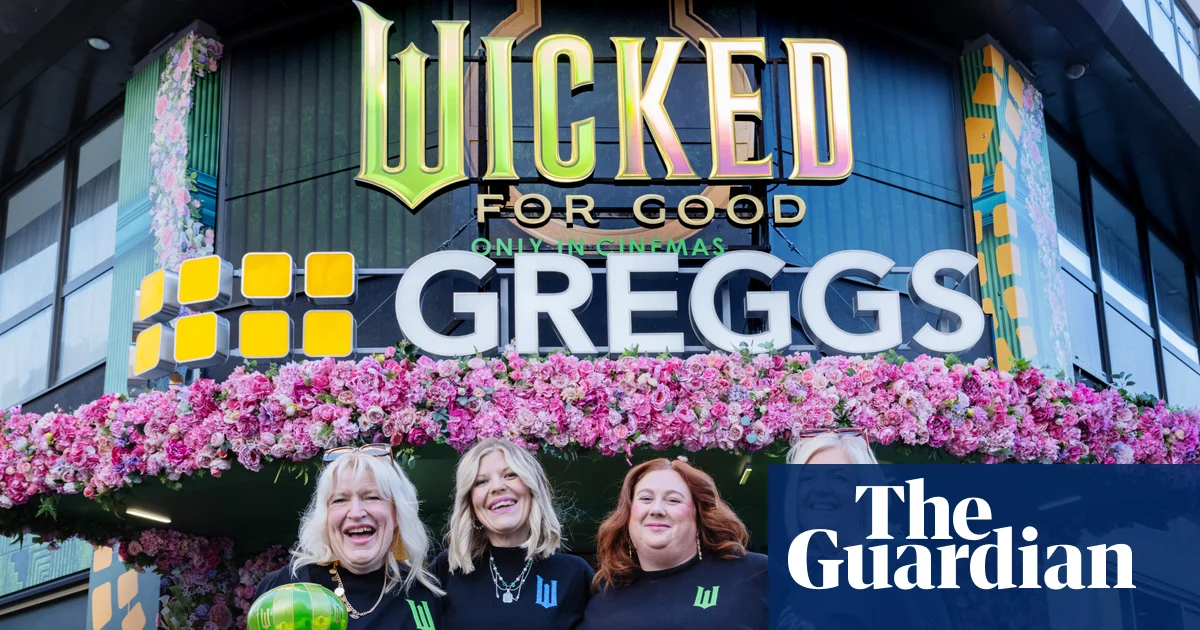
In recent weeks, a fascinating cultural shift has taken hold among young moviegoers and fans of musical theater alike. Outside theaters and cinemas, crowds are gathering not only to watch the latest blockbusters or beloved musicals but to embody them through *themed dressing*. This phenomenon is no longer just about costume parties or quick Instagram posts; it’s evolving into a vibrant expression of identity, community, and societal values. The fervor around “Wicked” in the UK, especially with its opening in cinemas, has sparked a wave of fans turning their enthusiasm into full-fledged fashion statements—coordinated sets, glitter, and character-inspired outfits—transforming movie premieres into living, breathing art festivals.

At the heart of this movement is the idea that ***dressing up*** provides a shortcut to community and connection. For Nicola Deane and her sister Chloe, traveling all the way from Ireland to dress as Elphaba and her sister exemplifies how costumes transcend simple fashion. “Elphaba’s a bit of a badass, and I think I am too,” Nicola shares, emphasizing how this practice helps fans feel empowered and aligned with characters who embody strength, magic, and defiance. Sociologists like Dr. Amelia Harris suggest that this trend is a *reaction to a post-pandemic desire for collective joy* — an effort to reforge social bonds through shared experiences in an era where digital interactions often replace physical presence. Dressing in themed attire becomes a ritual that fosters a sense of belonging, transforming passive entertainment into active participation.

The *social relevance* of these trends goes beyond fashion. Whether wearing matching T-shirts or elaborate costumes, fans signal their values and aspirations—celebrating themes of individuality, bravery, and community support. Influencers such as TikTok creators and YouTube vloggers are fueling the movement, showcasing cosplay, DIY costume tutorials, and group outings that project a message of unity and activism. Industry data corroborates this cultural shift; recent reports reveal a 375% spike in Wicked-related costume searches, alongside a surge in themed nail art and karaoke renditions of “Defying Gravity”. These seemingly playful activities are actually *cultural signposts*, illustrating how entertainment becomes a platform for expressing social identity and even political ideology.*

What makes this trend especially powerful is how it intertwines *personal identity* with *collective storytelling*. Fans like Holly Inch and Tamar Hopkins are not just dressing as characters; they’re portraying a sense of self that refuses to conform and instead stands out — “that’s what Wicked is about, not being afraid to stand out,” Holly explains. It’s a form of resistance, a rejection of societal stereotypes, and an affirmation of authenticity. As fashion historian Lisa Carter notes, this phenomenon indicates a *shift towards perceiving entertainment as a catalyst for social change*. And with post-pandemic society craving *shared experiences* that amplify joy and creativity, this movement has the potential to evolve into a broader cultural wave — one that redefines how communities connect through the arts.

Yet, amid this new era of interactive fandom and fashion activism, the next big question remains: how long will this *whimsy-driven* wave last before it becomes a mainstream expectation in social life? Will themed dressing remain a niche pursuit, or could it evolve into a new form of social ritual, akin to traditional festivals and celebrations? As youth culture continues to embrace these collective creative outlets, one thing is clear: the future of fandom might not be just about watching but *becoming* — transforming entertainment into a powerful, ongoing act of cultural expression. The true question now is whether society is ready for a future where every movie, musical, or show becomes a personal statement and a community ritual—are we on the cusp of a revolution in how we define social belonging?
“‘Wicked: For Good’ Showcases Powerful Narratives Through Vibrant Hues”

In the ongoing dialogue between culture and identity, visual storytelling remains a profound vessel for expressing the complexities of human experience. The recent release of the documentary “Wicked: For Good” exemplifies this truth by showcasing how color—that seemingly superficial element—serves as a potent language of its own. Alice Brooks, the film’s cinematographer, meticulously explains how choices in palette invoke symbolism, evoke emotions, and deepen the narrative’s moral and philosophical underpinning. Here, the careful orchestration of hues becomes a mirror reflecting society’s deepest hopes and fears, underscoring the inextricable link between aesthetic design and cultural meaning. In this context, the power of art extends beyond spectacle, becoming a moral and philosophical commentary rooted in the visual language of civilization.

Throughout history, cultures have employed symbolism through visual motifs to preserve tradition and reinforce societal cohesion. Just as the Renaissance masters wielded chiaroscuro to explore themes of providence and human frailty, contemporary filmmakers like Brooks harness color to navigate the moral landscape of modern storytelling. The deliberate use of contrasting tones—shadows and light—serves as a reminder of Ortega y Gasset’s assertion that the culture of a society is the collective memory and moral compass, guiding its sense of identity. In this prism, the cultural artifact transforms into a vessel of collective memory, a prophecy of future societal values, echoing the conservative belief that tradition anchors society amidst the chaos of an ever-changing world.

As Tocqueville observed, democracy’s strength lies in its capacity for cultural self-awareness and collective identity. The film’s visual motif underscores this cultural assertion: that the stories we tell ourselves—encoded in color, imagery, and symbolism—are fundamental to defining who we are. This cultural potency is especially salient in youth culture, where visual and aesthetic expressions serve as codified acts of resistance and affirmation. The intentional craftsmanship behind “Wicked: For Good” exemplifies how art preserves enduring values through symbolic language, reinforcing that culture is both a fabric woven from tradition and a beacon guiding future generations. In a society increasingly dominated by fleeting trends, such works remind us that authentic cultural expression remains rooted in symbols that transcend individual fleeting impulses.

Finally, embracing the philosophical grace of T.S. Eliot, we understand that culture is not merely the preservation of what was but a living vision of what can be. In this light, the final image is evocative: a superimposition of memory and prophecy, where color and form act as poetic metaphors for mankind’s ongoing quest for meaning. As Brooks’s careful calibration of hues demonstrates, the language of art continues to articulate the moral and spiritual architecture of society—an indelible testament to cultural resilience. For in the end, culture is both a mirror of our collective identity and a prophecy of our collective future, whispering that through the memory of tradition, humanity whispers its hope—hope that history’s lessons will shape a luminous horizon yet to come.

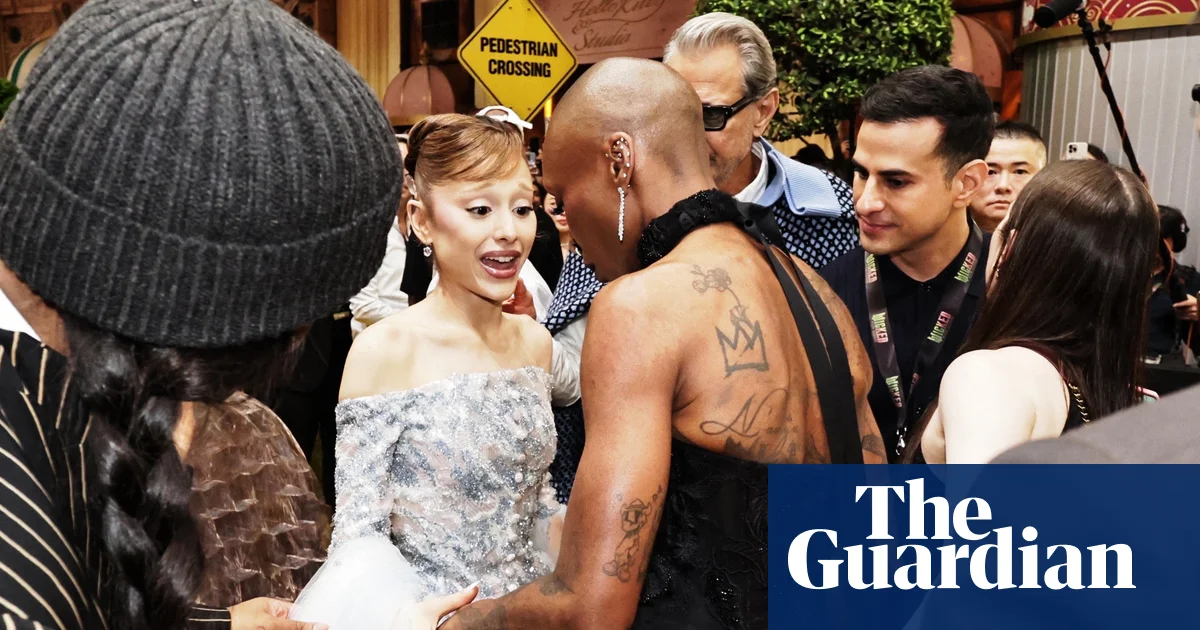
Man who forcibly approached Ariana Grande at Wicked sequel premiere faces serious charges | Wicked: For Good

In an era where security measures are tighter than ever, the spectacle of red carpet invasions reveals a deeper cultural tension—a collision of individual expression and societal boundaries that define our collective identity. Recently, a man in Singapore charged as a public nuisance exemplifies this ongoing struggle. His attempt to breach security and approach Ariana Grande on the premiere of Wicked: For Good underscores a timeless human desire: the urge to connect, to be seen, to make an impact amid the swirling currents of modern spectacle. Though his actions were met with condemnation—highlighted by warnings of fines up to S$2,000—what remains undeniable is the audacity of the individual in the face of societal order.

This fringe phenomenon is not new. History and culture have long chronicled instances of figures who sought to disrupt the polished veneer of celebrity and spectacle. From Hugh Grant handcuffed to a celebrity on the 2007 premiere of Music and Lyrics to Kim Kardashian being flourbombed in 2012, these acts echo a persistent desire to breach the superficial boundaries of entertainment and enter the realm of raw human emotion. Such acts serve as a mirror—illuminating the fragile tension between public decency and the innate human longing for authenticity. As Ortega y Gasset observed, culture is not merely an accumulation of artifacts but the living fabric of *people’s identities*, an ongoing dialogue where the individual seeks to carve a space within communal narrative.

Amid these moments, the cultural significance of celebrity becomes evident: it is both a reflection of societal ideals and a battleground where **tradition** confronts **modernity**. The red carpet, historically, is a ceremonial threshold—an arena of societal memory—yet it has evolved into a stage of continuous challenge, where figures like Bradley Cooper or Cynthia Erivo stand as witnesses to the fragile boundary between admiration and intrusion. These episodes underscore the need for society to uphold its shared norms without suppressing the individual’s essential drive for recognition. Critics like Chesterton have long argued that the true strength of a society lies in its capacity to reconcile discipline with compassion, preserving the integrity of both community and individual aspiration.

In contemplating these moments, one recognizes the enduring power of culture: a living archive of memory and prophecy, where each act of defiance or reverence adds to the unfolding story of human dignity. As T.S. Eliot suggested, true culture is the *spiritual foundation* that guides us through chaos towards meaning. Today, as stars and spectators alike grapple with the spectacle of invasion—whether it be a fleeting viral moment or a profound act of rebellion—what remains is the profound truth that our cultural expressions are the echoes of our shared hopes and fears. They are both the fabric woven by our ancestors and the silent hymn calling forth future generations in the eternal quest for identity, continuity, and hope. Culture, then, is not merely the legacy of the past but the prophecy of humanity—an ongoing testament to the resilience of our true selves amidst an ever-changing world.

Social Media Auto Publish Powered By : XYZScripts.com