Matox News

Truth Over Trends, always!

UK Court: Husband’s Abuse Led Wife to Take Her Own Life

Recent tragic events in the United Kingdom serve as a stark reminder that domestic violence remains a profound human rights issue that transcends borders, yet their domestic ramifications are often unseen in the broader geopolitical landscape. The case of Tarryn Baird, a woman who succumbed after enduring a brutal campaign of physical and sexual violence from her husband, underscores the silent toll of gender-based violence. Her story, unveiled through court proceedings, captures the federal and international debate over how societies respond to intimate partner abuse, with implications for policy, migration patterns, and societal values across nations.

In the case before Winchester Crown Court, the details reveal not only personal tragedy but also highlight issues of state intervention and international oversight.

  • The court heard of escalating violence and control, with evidence suggesting attempts to monitor and manipulate Baird, culminating in domestic violence that many analysts argue reflect broader societal failures.

Experts like Dr. Lisa Henderson, a psychologist specializing in domestic trauma, warn that such cases are often indicative of underlying systemic issues—many of which intersect with societal attitudes toward gender, immigration, and law enforcement efficacy. Looking at the international scene, EU institutions and United Nations agencies have called for more coordinated efforts to combat domestic violence, recognizing it as a barrier to social stability and integration.

Yet, beyond individual cases, the geopolitical impact of such tragedies influences global strategies on migration, law enforcement, and humanitarian aid. Countries like South Africa, from which Baird and her husband migrated, face persistent challenges with gender-based violence, often intertwined with economic hardship and inadequate legal protections. These issues ripple outward, affecting diplomatic relations and international aid programs aimed at fostering safer societies. Historians and analysts note that events like these expose a critical need for global institutions to reassess their roles in promoting human rights and protecting vulnerable populations. “Domestic violence is a mirror reflecting societal values; neglecting it risks destabilizing entire countries,” warns Professor Anita K. Singh, an international law scholar.

As the trial continues, the weight of history presses heavily upon the collective conscience. The emerging details challenge policymakers to consider how laws and societal attitudes must evolve to address the dark underbelly of even the most liberal societies. Decisions made today in legislative reform, international cooperation, and social services will determine whether future generations inherit a world more just and secure or a landscape fraught with unresolved injustices and increasing unrest. The ongoing struggle against domestic violence, interwoven with geopolitical strategies, underscores that the fight for human dignity is not confined within national borders but is a test of global resolve to safeguard the fundamental rights of all innocent lives caught in the crossfire of societal neglect.

In this interconnected world, every tragedy echoes beyond the immediate, reminding us that history is still unfolding — a story written in the lives we protect and the societies we craft for the generations to come.

Nick Reiner, Son of Filmmaker Rob Reiner, Detained in Connection with Tragic Deaths of His Father and Wife

In a world increasingly detached from its roots, culture remains the vital mirror and prophetic voice of a society’s soul. It is through enduring works, shared traditions, and collective memory that communities find their identity—an anchor in chaos and a blueprint for the future. Today’s cultural landscape, whether through the lens of cinema, literature, or art, continues to serve as both a repository of historical truth and a vessel of moral guidance. As Ortega y Gasset observed, society’s vitality depends on its capacity to preserve its racion, its reasoned continuity, against the erosive forces of nihilism and superficiality.

Yet, recent tragedies starkly remind us of culture’s delicate role in shaping character and society’s moral fabric. The shocking murder of Rob Reiner’s family in Los Angeles underscores how even the most iconic and celebrated—those etched into the collective consciousness as creators of cultural milestones—are not immune to the darkness lurking in the human condition. Rob Reiner, a notable figure in American cinema whose works like When Harry Met Sally and This Is Spinal Tap have become cultural landmarks, was reminded that behind the shield of fame and success lies the ongoing challenge of moral stability. The loss of his wife Michelle, and the tragic suspicion surrounding his son Nick, have reignited pressing questions about the inner struggles that threaten to unravel even the most celebrated families.

Once, as Chesterton noted, society was anchored in the “drama of the ordinary”—families, faiths, traditions—all serving as moral anchors. Today, the chaos within individual hearts often spills over into the social fabric, revealing that culture is more than entertainment; it is the moral architecture of civilization. In our cultural discourse, we witness the tension between the creators of meaning and the forces of dissolution. The tragic circumstances surrounding Reiner’s family echo a broader truth expressed by thinkers like Tocqueville: that society’s strength depends on its capacity to uphold moral virtues amid the allure of consumerism and moral relativism. Our art, our stories, and our shared history serve not only as memories but as prophecies of what humanity can become—either uplifted or destroyed by its own moral choices.

  • The enduring influence of cinema and literature as vessels of cultural memory, shaping notions of heroism, morality, and beauty.
  • The importance of tradition as a safeguard against chaos and a beacon guiding future generations.
  • The role of public figures as moral exemplars or warning signs in the collective conscience.

As T.S. Eliot mused, “Between the idea and the reality falls the shadow”—a reminder that culture’s true power lies in its ability to illuminate the shadowy depths of human nature, revealing truths that instruct and inspire. Our contemporary challenges—moral, spiritual, or societal—are rooted in the same fundamental question: can culture be the foundation upon which we build a society worthy of human dignity? Or will it succumb to the transient idols of superficiality? The tragic loss of Rob Reiner’s loved ones serves as a stark reminder that beneath the veneer of fame, the moral backbone of society must be constantly reaffirmed. Because in the end, culture is both our collective memory and the prophecy of our highest aspirations, whispering that human greatness is neither accidental nor inevitable, but cultivated through shared stories, traditions, and moral resolve.

Yet, even amid tragedy, there remains a whisper—a voice that echoes through history, urging us to see culture not merely as entertainment but as the living memory and prophetic voice of humankind. As we navigate the shadows of our times, let us remember that the true art of society lies in its capacity to preserve its soul—writing its stories into the eternal fabric of time. It is this memory and prophecy intertwined that forge the enduring spirit of civilization, a testament that from the depths of darkness can still arise the radiant promise of human dignity.

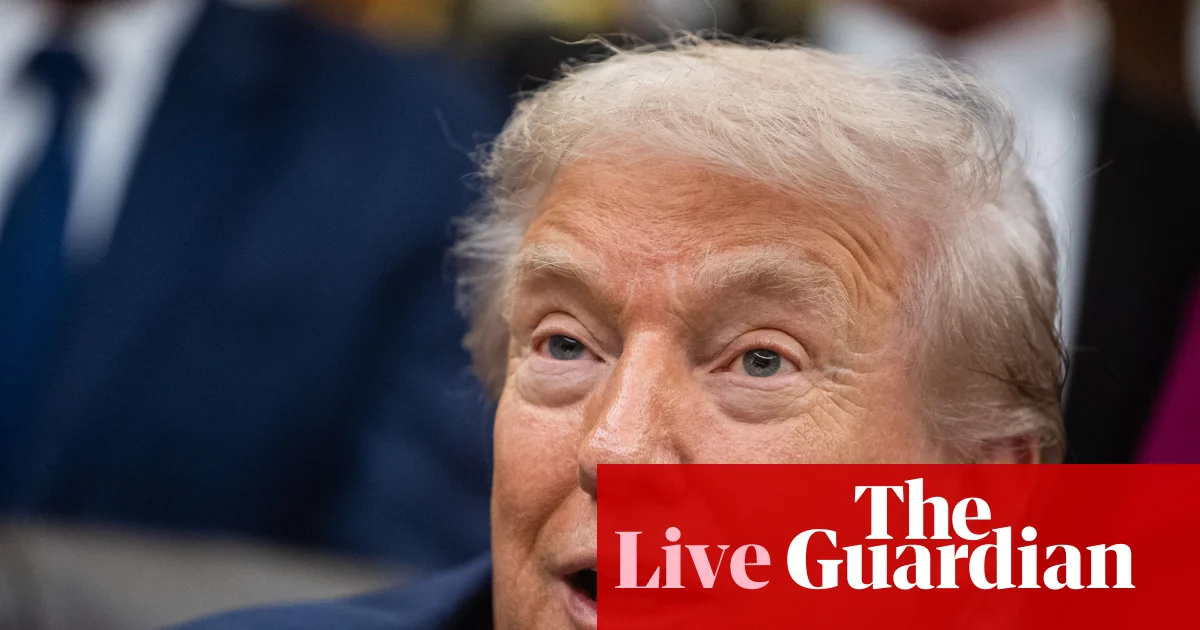
Trump faces backlash over controversial comments on Rob Reiner and wife Michele – latest updates

The international stage continues to unravel in a complex tapestry of diplomacy, conflict, and political posturing. The recent developments surrounding Ukraine and U.S. negotiations underscore the persistent drive for peace amid ongoing territorial disputes. According to Ukraine’s top negotiator, Rustem Umerov, there have been “constructive and productive” talks, with hopes of forging a lasting peace. Yet, behind these diplomatic efforts lie intractable issues, notably the contested control of Donetsk and Luhansk regions, which remain pivotal in the broader conflict. Analysts from various think tanks and international organizations warn that unresolved territorial disputes could prolong the war, with repercussions that ripple far beyond Eastern Europe.

Meanwhile, the U.S. continues to exert influence over Ukraine’s territorial negotiations, demanding that Kyiv cede control of the Donbas regions as a precondition for peace talks. Reports from Reuters and AFP reveal that US negotiators are maintaining this stance, asserting that Russia’s primary objective is to reclaim territory—an assertion that Kyiv vehemently rejects. This insistence by Washington reflects a deeper strategic positioning, revealing how geopolitical interests are entwined with territorial sovereignty. In stark contrast, Russian President Vladimir Putin is said to prioritize territorial expansion, seeking to consolidate control over areas critical to Russia’s national security. The conflicting demands exemplify a broader chess game involving multiple nations, each vying to shape the future of a region that increasingly symbolizes the battleground of post-Cold War influence.

The European leaders, led by Friedrich Merz of Germany, actively participate in these talks, hosting discussions with Ukrainian President Volodymyr Zelenskyy and other key figures. The presence of Trump’s envoy, Steve Witkoff, and Jared Kushner underscores the continued interest from U.S. factions seeking a role in resolving the conflict — although their involvement is contentious amidst concerns over biases and diplomatic effectiveness. This dynamic illustrates the shifting boundaries of influence and the perilous dance of diplomacy in a Europe teetering on the edge of prolonged instability.

Simultaneously, domestic policy debates in America reveal a nation deeply divided on how to approach foreign conflicts and internal crises. Notably, the rhetoric of Donald Trump and Ilhan Omar exemplifies the tumult within U.S. politics—ranging from accusations of “disgusting” statements to allegations of government overreach. Recent reports highlight Trump’s plans to sign executive orders reclassifying marijuana, signaling a possible pivot that could reshape America’s drug policy landscape. Yet, as analysts warn, these decisions carry profound implications for international perceptions of U.S. stability and leadership in safeguarding democratic values.

In this ever-unfolding chapter of history, the fate of nations hangs precariously in the balance. As Ukraine‘s leaders wrestle with territorial sovereignty and U.S. policymakers grapple with internal divisions, the echoes of past conflicts and missed opportunities reverberate across continents. The meticulous power struggles and diplomatic negotiations of today are but threads woven into the larger fabric of history—each decision, each bold move, shaping the future of global stability. As world leaders convene in Berlin and elsewhere, the question remains: how long can the fragile veneer of peace hold before the next chapter of conflict demands its place in the annals of history?

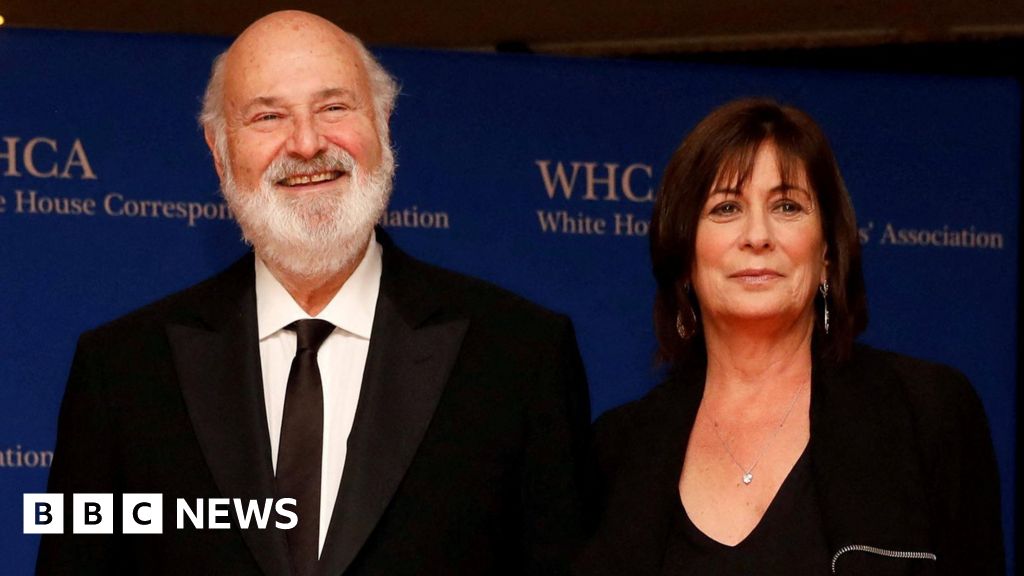
Hollywood director and wife Michele tragically found dead at LA home

Hollywood Legend Rob Reiner and Wife Michele Found Dead in LA: A Tragic Turning Point with Global Resonance

The sudden death of Rob Reiner, a revered filmmaker and actor whose career spanned over five decades, has sent shockwaves through the entertainment industry and the broader cultural landscape. Found lifeless alongside his wife Michele in their upscale Los Angeles Brentwood home, authorities are investigating the incident as an apparent homicide, marking a disturbing turning point in American cultural history. The implications extend far beyond individual grief, igniting conversations about societal safety, political activism, and the enduring influence of Hollywood on global narratives.

Reiner’s legacy is deeply intertwined with eras of social change, both in cinema and in activism. Known for directing enduring classics like The Princess Bride, When Harry Met Sally, and A Few Good Men, he was celebrated not only as a Hollywood icon but also as a passionate advocate for social justice. California Governor Gavin Newsom called him a “big-hearted genius”, emphasizing how his works contributed to shaping American values. As an influential figure, Reiner’s life reflected a powerful connection between cultural influence and societal responsibility, inspiring millions worldwide to pursue justice, civility, and purpose. The discovery of his death in his homeprised the nation but also ignited broader concerns about rising violence and societal instability.

  • The Los Angeles Police Department responded swiftly, opening a homicide investigation into the circumstances surrounding Reiner’s and his wife Michele’s deaths.
  • The authorities revealed that both bodies were found hours after emergency services received a call for aid, but no immediate details about injuries or weapon use were disclosed.
  • The incident underscores a widening cultural fissure, where the glittering veneer of Hollywood often masks darker trends of societal decay.

Global institutions and cultural voices have highlighted the incident as symptomatic of a troubled era. United Nations-aligned analysts have warned that such tragedies underscore the importance of strengthening community safety and resilience. Meanwhile, international leaders point to the incident as a haunting reminder of the delicate balance between public figures’ private lives and the societal obligation to safeguard all citizens. Prominent voices like Barack Obama underscored Reiner’s contributions, noting his dedication to humanitarian causes and his capacity to inspire generations with stories that reflect the enduring human spirit. This tragedy is not merely a personal loss but a stark symbol of how societal upheavals influence even the most iconic figures.

Historians and critics are already framing this event within a wider context of cultural reckoning. Some suggest it serves as a poignant call to action—a reminder of the persistent need to address violence, mental health, and social inequality that threaten to fracture societies worldwide. The impact of Reiner’s films transcends entertainment; they serve as mirrors reflecting societal hopes, fears, and lessons. As countries grapple with similar issues—ranging from rising crime to political extremism—the death of Reiner and his wife could catalyze renewed calls for social reform and civic activism. The world now watches with bated breath, as the figures behind the camera—whose voices once sought to challenge injustice—become silent witnesses to the ongoing struggle. In this moment of profound loss, the question remains: how will history remember the stories they leave behind, and what legacy will endure from this tragic chapter?

Parking inspector and wife busted for €1M meter theft blitz

European Local Governance and Trust Under Scrutiny

In a striking case that underscores the fragility of public trust in local institutions, Kempten, Germany, a town renowned for its rich history and strategic position in the Bavarian Alps, has been rocked by allegations of massive embezzlement involving a municipal parking inspector and his spouse. The report reveals that over €1 million (£878,000) was siphoned from parking meters across the town, a scandal that has sent ripples through Germany’s meticulous system of local governance and integrity. This incident is not merely about theft but touches on the broader question of accountability and the erosion of trust that leadership and citizens must uphold in the face of increasing regional challenges.

Geopolitical Impact and Rising Concerns

While at first glance this appears as an isolated case of municipal corruption, analysts and international watchdogs such as Transparency International are warning that such incidents could serve as warning signs of deeper systemic failures. As local governments become focal points of societal trust, these breaches threaten to undermine confidence in the broader European Union’s fragile network of institutions and local administrations. The involvement of a public official in embezzling public funds echoes similar scandals across other European nations, where corruption scandals have weakened the perceived legitimacy of local and national authorities. Such instances fuel an atmosphere of disillusionment among citizens, who are increasingly demanding transparency and accountability from their leaders.

International Reactions and Societal Implications

  • European political leaders are emphasizing the importance of reinforcing anti-corruption measures at all levels of government, stressing that trustworthiness and integrity are essential for maintaining social cohesion and international credibility.
  • Germany’s federal institutions have reinforced their commitment to transparency, with the country’s justice system promising a thorough investigation. The mayor of Kempten, Thomas Kiechle, responded swiftly, establishing a commission to review past processes and prevent future misconduct, symbolizing a recognition that local governance must be resilient against such breaches.
  • In light of this scandal, economic analysts point to the potential for increased public demand for oversight, which could translate into political shifts at both regional and national levels—especially in a continent grappling with mounting migration pressures, economic instability, and geopolitical tensions.

The incident in Kempten highlights how fragile the societal contract can become when trust is broken. It exposes a flaw in the infrastructure of local governance—one that, if left unaddressed, could have far-reaching consequences not only for Germany but across Europe. Historically, corruption scandals such as these have served as catalysts for reform, yet they also threaten to deepen existing divides and foster cynicism among the youth and marginalized communities. As historians and political analysts warn, these episodes are not isolated failures but indicators of an urgent need for comprehensive reform in accountability structures across Western democracies.

As the investigation continues and the media follows the unfolding legal proceedings, the question remains: in an era where trust is fragile and the geopolitical landscape is ever-changing, how will European nations restore their credibility and ensure that such breaches of integrity do not become the norm? The weight of history presses heavily on today’s leaders—each decision shaping the destiny of their communities, each action echoing across generations. The story of Kempten’s scandal is a stark reminder that, beneath surface civility, the true strength of a society lies in its unwavering commitment to justice and transparency—a legacy that must be guarded with vigilance or risk being forever lost in the shadows of neglect.

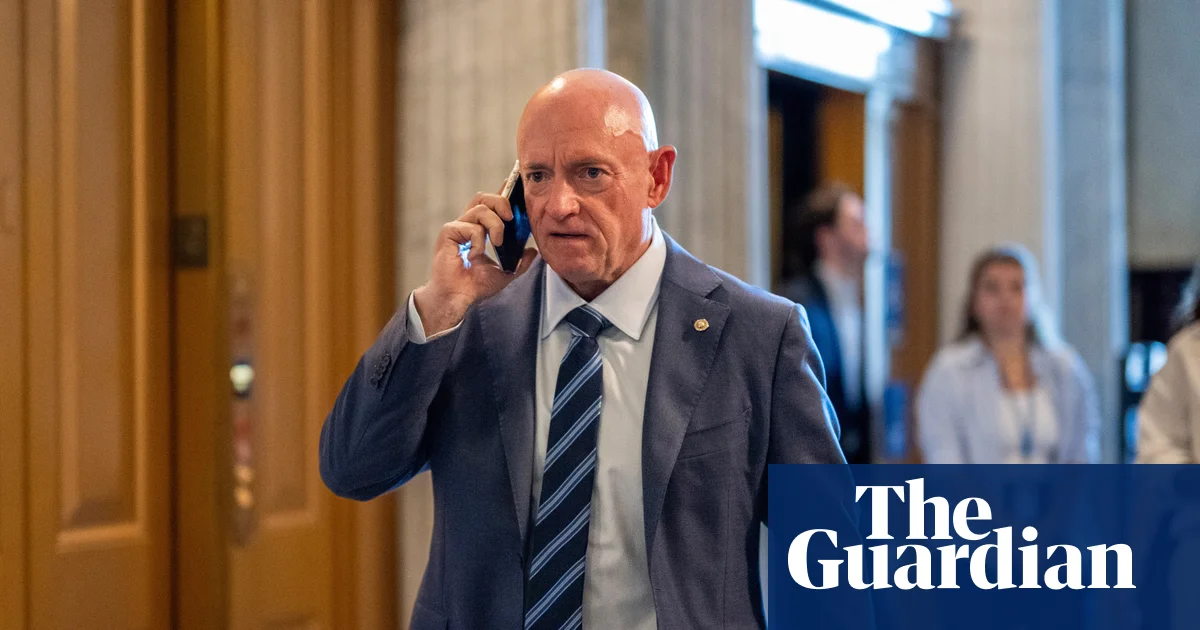
Senator, whose wife was shot, warns of rising threats after Trump seditious claims | US Senate

U.S. Political Climate Sparks International Concern Over Political Violence and International Stability

The recent escalation of rhetoric within United States politics has cast a shadow over global stability, with Senator Mark Kelly warning of the dangerous language used by former President Donald Trump. Kelly, himself a victim of political violence, expressed grave concerns over the rise of threats to himself, his staff, and the broader fabric of American democracy. This comes amid a fiery exchange that has brought issues of domestic political violence and public safety into sharp focus, prompting international observers and analysts to question the ripple effects of such incendiary rhetoric.

The incident underscores the polarized nature of current American discourse. A video featuring several Democratic lawmakers, including those with military or intelligence backgrounds, urging service members to refuse unlawful orders, has further ignited tensions. Trump’s response—labeling these lawmakers’ actions as “SEDITIOUS BEHAVIOR, punishable by DEATH” and calling for violent retribution—has echoed across social media, spurring reactions from allies and adversaries alike. This dangerous escalation not only threatens U.S. domestic peace but also raises concerns about possible international repercussions, as other nations watch in alarm.

Global Impact of America’s Internal Strife and Shifting Alliances

  • Historians and international analysts warn that U.S. internal divisions could undermine decades of global leadership, especially at a time when major geopolitical shifts are already underway.
  • Organizations such as The International Crisis Group warn that further polarization could embolden authoritarian regimes, which often use internal chaos as justification for expanding their influence on the world stage.
  • Meanwhile, allies in Europe and Asia observe that a weakened U.S. leadership could embolden adversaries like Russia and China, who are eyeing the vacuum to advance their strategic objectives.

Moreover, the domestic political violence reflected in recent events echoes broader global concerns about the stability of democratic institutions. The violent attack on the U.S. Capitol in January 2021, linked to then-President Trump’s rhetoric, remains a stark reminder of how fragile peace can be in times of profound political upheaval. As international leaders and historians analyze this convergence of rhetoric and violence, many emphasize how the choices made in Washington could shape the trajectory of democracy worldwide for generations to come. The narrative is clear: what unfolds in America’s political arena will determine whether the global order remains resilient or succumbs to chaos, inspired by the very violence fomented within its borders.

The Weight of History and the Unfolding Future

As President Biden and world leaders grapple with the repercussions of America’s internal struggles, the question remains—how will history judge this pivotal moment? Will the violence and incendiary language serve as a catalyst for change or precipitate a descent into chaos? These decisions have the power to recalibrate the balance of power and redefine the course of history. With each passing day, the world holds its breath, watching as America’s narrative continues to unfold—an epic story of division, resilience, and the enduring pursuit of liberty amidst the most turbulent times. The echoes of this chapter will undoubtedly resonate for generations, forging a legacy that will be etched into the annals of history as a stark reminder of a nation’s struggle to uphold its ideals in the face of internal storms.

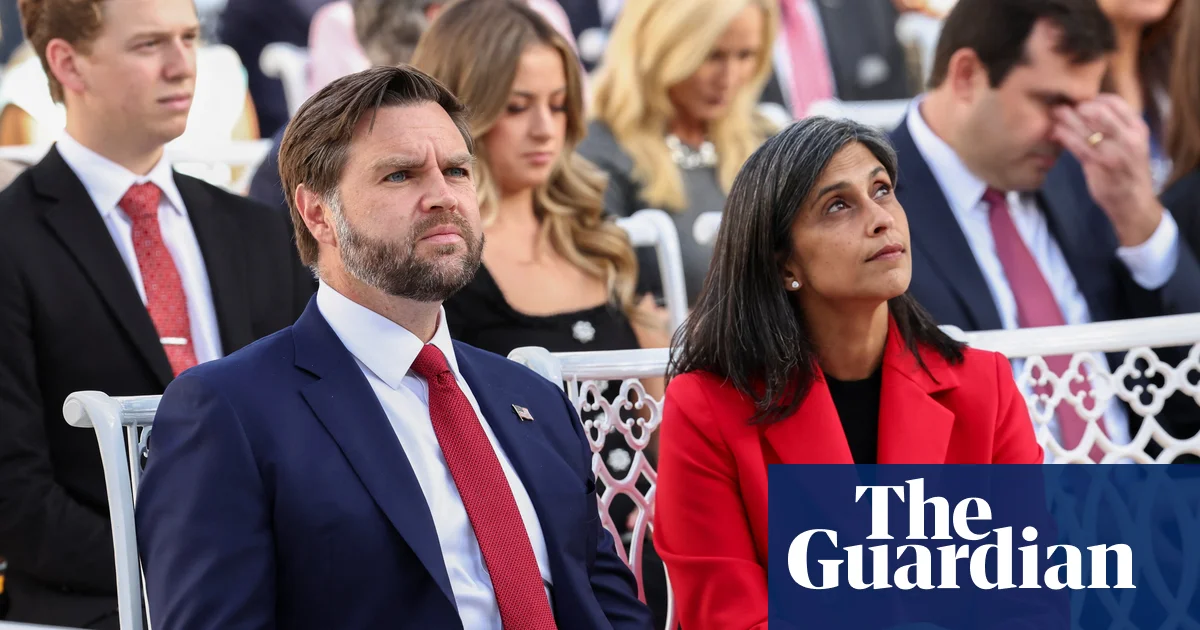
Vance Reiterates Desire for Wife Usha to Convert to Christianity

In today’s shifting global landscape, the ideological priorities of the United States continue to influence not only its domestic politics but also have profound repercussions on international relations. Recent statements by Vermont Senator JD Vance have sparked a ripple effect, showcasing the enduring polarization within the U.S. over religion, identity, and national loyalty. During a Turning Point USA event at the University of Mississippi, Vance emphasized the significance of Christianity in his personal life, revealing a nuanced perspective on diversity that nonetheless drew criticism from international observers and diaspora communities alike.

Vance’s fervent assertion that his children are being raised in the Christian faith, paired with his publicly expressed hope that his wife, Usha Vance, might convert, underscores a deeper ideological debate that transcends American borders. Critics, including the Hindu American Foundation, have condemned these remarks, warning of how such rhetoric potentially fuels religious intolerance and societal division. Far-reaching consequences can be observed as these internal cultural struggles influence U.S. foreign policy decisions, especially in regions where religious identity is intertwined with geopolitical loyalties.

Historians and geopolitical analysts argue that America’s internal religious discourse often mirrors broader international conflicts, such as the sectarian divisions in the Middle East or South Asia. When leaders like Vance publicly prioritize religious identity as a cornerstone of patriotism, it sets a precedent that complicates diplomatic relations with nations that are religiously diverse or where secularism plays a central role in governance. The State Department and various international institutions watch these developments with concern, interpreting them as signs of a potential shift toward more exclu­sivist national policies that challenge the traditional American image of pluralism.

This ideological momentum inevitably impacts how international communities perceive American values. For many, it highlights a growing tendency within the U.S. to intertwine national identity with religious allegiance, risking alienation of minority groups and destabilizing international cooperation. As analysts underscore, such domestic political moves resonate beyond borders, influencing America’s ability to act as a global leader committed to human rights and multiculturalism. These shifts threaten to undermine long-standing diplomatic efforts centered on tolerance and mutual understanding, leaving the world to wonder: Will America’s future be defined by a unity rooted in shared faith or fractured by religious exclusivism?

With history casting its long shadow, the unfolding narrative of religious identity within American politics serves as a powerful reminder that the decisions made today will shape the geopolitical landscape for generations. The weight of this moment hangs heavy, as the world watches whether the U.S. will embrace a more inclusive future or retreat into the divisions of its past. In this critical juncture, the question remains: how deeply will these internal struggles influence the course of international relations, and what legacy will they leave for history to judge?

Social Media Auto Publish Powered By : XYZScripts.com