Matox News

Truth Over Trends, always!

First wild beaver in Norfolk in 400 years sparks curiosity and debate

England’s Rewilding Shift: Beavers Make Wild Return in Norfolk

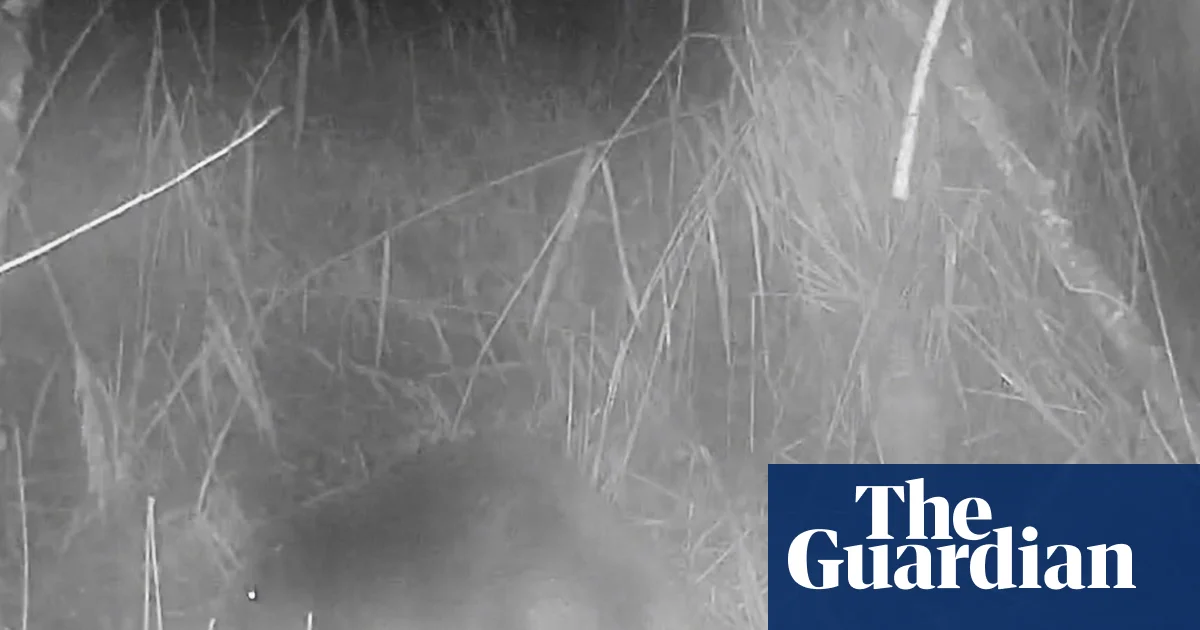
England is once again witnessing the return of a species long thought extinct in the wild, with a beaver sighting in Norfolk marking a significant milestone for conservation and rewilding efforts across the United Kingdom. After nearly five centuries of eradication, the sighting of a lone beaver navigating the River Wensun near Pensthorpe exemplifies the ongoing transformations in Europe’s ecological landscape. This resurgence, while inspiring, raises critical questions about international environmental policy and the future of native ecosystems.

Historically, beavers were hunted to extinction in England by the early 1500s, primarily due to their valued fur and the perceived threat they posed to timber transportation. Now, their return signals a *potential turning point* in the European environmental movement, emphasizing the importance of native species revival. Since 2015, when a wild litter was first documented in Devon, efforts by organizations such as Natural England to facilitate beaver reintroduction have gained momentum. According to recent reports, the UK government is considering licensing more projects aimed at restoring these ecological engineers, with at least twenty applications pending from entities like the Wildlife Trusts. These decisions are not merely about individual species but about shaping a new chapter in European nature conservation.

Yet, the geopolitical impact of these ecological initiatives extends beyond the British Isles. With Scotland having formally permitted the movement and release of beavers since 2021, the broader European response hints at a continent increasingly embracing rewilding as a tool for environmental stability and climate resilience. These efforts have fervent supporters among environmentalists and scientists, who argue that beavers enhance biodiversity, improve water quality, and mitigate flooding — benefits sharply contrasting with the fears of land-use conflicts and economic interests. However, critics caution that such reintroductions must be carefully managed to protect agricultural interests and prevent unforeseen ecological shifts that could destabilize existing habitats.

International organizations, like the European Environment Agency, emphasize the importance of cooperation and scientific oversight in these initiatives. Meanwhile, the UK’s fragmented approach, with nations like England still cautiously advancing, underscores the complex dance between ecological restoration and socio-political realities. Historians such as Dr. Elizabeth Hall have noted that the return of a species like the beaver is not merely a biological event but a powerful symbol of human commitment to correcting past ecological mistakes. The recent sighting in Norfolk, possibly the product of natural dispersal or a controversial ‘beaver bombing,’ highlights ongoing debates about the legal and ethical frameworks surrounding rewilding.

As the British landscape begins to reclaim its lost species, the larger narrative unfolds with a sense of historical gravity. The moment the beaver was first seen in Norfolk may seem small, but it resonates as a *warning* — a sign of how far the world has come in recognizing the importance of partnerships between nature and humanity. Still, with each return comes increased responsibility. The future of this ecosystem, and perhaps others across the continent, now hinges on a delicate balance. As the pages of history turn, the question remains: will these efforts forge a sustainable path forward, or will they become another chapter of ecological hubris? One thing remains clear: the story of the beaver, once lost to the depths of history, is only just beginning to be written in the chronicles of European renewal.

Discover the Thrill: Exploring Hong Kong’s Wild Snake Safari Adventure

In a world fixated on instant gratification and digital distraction, the lifestyle shifts towards wellness and personal enrichment are more vital than ever—an acceleration driven by our relentless pursuit of meaning, adventure, and harmony with nature. One fascinating case study unfolds amidst the verdant terrains of Hong Kong, a city-famous for its towering skyscrapers and densely packed streets, yet profoundly intertwined with lush, protected landscapes home to over 50 snake species. This convergence of urban dynamism and wild biodiversity exemplifies a broader cultural shift: people are increasingly seeking authentic encounters with the natural world, not just as a means of leisure but as a path toward well-being and self-awareness.

Enter the extraordinary initiatives led by snake expert William Sargent, whose Snake Safaris offer daring yet educational excursions into Hong Kong’s subtropical wilderness. Since 2017, Sargent’s nocturnal tours through Tai Mo Shan Country Park—Hong Kong’s highest peak—have attracted hundreds of adventurous visitors each year, driven by an entrepreneurial spirit that combines danger, discovery, and personal growth. These experiences don’t just satisfy a thrill; they transform perceptions, challenging longstanding stigmas about snakes and fostering a sense of curiosity and respect for wildlife. As Sargent’s work demonstrates, embracing nature-based activities is increasingly seen as essential for mental clarity, physical activity, and even social bonding, cultivating a lifestyle that harmonizes risk with responsibility in pursuit of inner peace.

Thematic to this wellness renaissance is a growing awareness of the importance of enlightened conservation. Despite the controversial cultural factors—snakes being a traditional ingredient in cuisine or used in medicine—there’s a rising tide of advocacy and community-building. Sargent’s role extends beyond tours; he’s actively combatting misconceptions by engaging with local schools, setting up online communities like the Hong Kong Snakes Facebook Group, and pushing for progressive policies like the Rapid Release Program, which ensures rescued snakes are returned to their natural habitat rather than being unnecessarily killed or stored. Such efforts reflect a cultural shift, recognizing that personal impact involves not just individual health but also ecological harmony—a pursuit of balance that reinvigorates respect for our environment amid rapid urban expansion.

For young explorers eager to redefine what lifestyle means in a fast-changing world, Hong Kong’s blend of urban pace and wilderness offers an inspiring blueprint. It’s about cultivating curiosity and courage, engaging with nature responsibly, and, ultimately, forging a deeper connection with oneself and the world. As Sargent’s tours reveal: true wellness isn’t just a state of mind—it’s a journey through the dazzling mosaic of skyscrapers and bamboo-lined trails, where every encounter, even with a venomous creature, becomes an act of personal growth. The path to well-being is paved with adventure, respect, and the unwavering pursuit of balance—a testament that physical vitality and spiritual fulfillment are woven into the wild, waiting for those bold enough to seek them out.

  • Explore local, nature-centered adventures that challenge and inspire.
  • Engage with community efforts to protect and respect local wildlife.
  • Prioritize experiences that foster _wellness_, _curiosity_, and _personal growth_.
Trump Shares and Quickly Deletes Wild AI Clip Promoting MedBed Conspiracy

In an era where technological innovation relentlessly redefines the boundaries of possibility, recent developments highlight both the disruptive potential of emerging technologies and the perils of misinformation that threaten to undermine public trust. AI-generated content and virtual medicine are quickly transforming industries, creating unprecedented opportunities for forward-looking businesses and challenging existing regulatory and ethical frameworks. These advancements, while promising, demand a vigilant approach to discern genuine progress from manufactured narratives that can distort public perception.

The controversy surrounding the supposed announcement of the world’s first MedBed hospital system exemplifies the profound impact of AI-driven misinformation on market stability and technological credibility. The floating claim of a universal, all-curing medical device—widely circulated in fringe online communities—mirrors historical patterns of conspiracy-driven disruption. Major tech analysts, such as those at Gartner, warn that this type of narrative can divert investment away from genuinely transformative innovations like regenerative medicine and personalized healthcare. Meanwhile, mainstream institutions are racing to develop real bioengineering breakthroughs that could revolutionize patient care, from CRISPR gene-editing to advanced biocompatible implants.

Concurrently, the proliferation of AI-generated media, including manipulated videos and synthetic personalities, underscores both the rapid innovation within deepfake technologies and the pressing need for industry and regulatory responses. Notable figures such as Elon Musk and Dr. Michio Kaku have voiced concern over how unchecked AI content can distort public discourse and manipulate markets. This presents an urgent challenge for businesses: developing resilient verification protocols and safeguarding against malicious use. The disruption could be profound—imagine AI-powered scams that imitate CEOs or government officials, threatening the integrity of digital commerce and national security itself.

Emerging reports emphasize that the convergence of AI, biotechnology, and blockchain will accelerate an **industry revolution**—a shift that surpasses the explosive growth seen during the dot-com boom. The market implications are clear: investments in authentic innovation will determine the future landscape of healthcare, cybersecurity, and consumer technology. As MIT researchers highlight, **the next decade will be defined by a race to harness AI’s potential responsibly, with real-world applications emerging faster than regulatory frameworks can adapt**. Warnings aside, the window to capitalize on these breakthroughs is shrinking fast, with entrepreneurs and investors urged to seize opportunities rooted in *credible* scientific progress rather than fabricated hype.

Looking forward, the onus is on industry leaders and policymakers to foster an ecosystem where genuine innovation flourishes amidst an increasingly complex digital battlefield. The rapid pace of technological progress necessitates a proactive stance—embracing disruption while guarding against its darker implications. In this new digital epoch, those who can harness truth and transparency will lead the charge, shaping a future where technology serves humanity’s highest ambitions. The clock is ticking; the next wave of transformative breakthroughs is on the horizon, demanding both urgency and strategic foresight from every stakeholder committed to a brighter, smarter tomorrow.

Social Media Auto Publish Powered By : XYZScripts.com