

Recent extreme weather events across the United States underscore an alarming escalation in natural disasters that are reshaping the perception of climate-related risks. In northern Texas, a powerful tornado tore through communities late Saturday, resulting in at least one confirmed fatality and leaving dozens of families displaced. The storm, which struck Wise County around 10 p.m., caused widespread destruction, dismantling homes and causing injuries, as reported by local officials. This tragic event is part of a broader pattern of fierce weather phenomena that have lashed central America in recent weeks, with over 30 tornadoes and hundreds of reports of hail according to weather agencies such as AccuWeather.
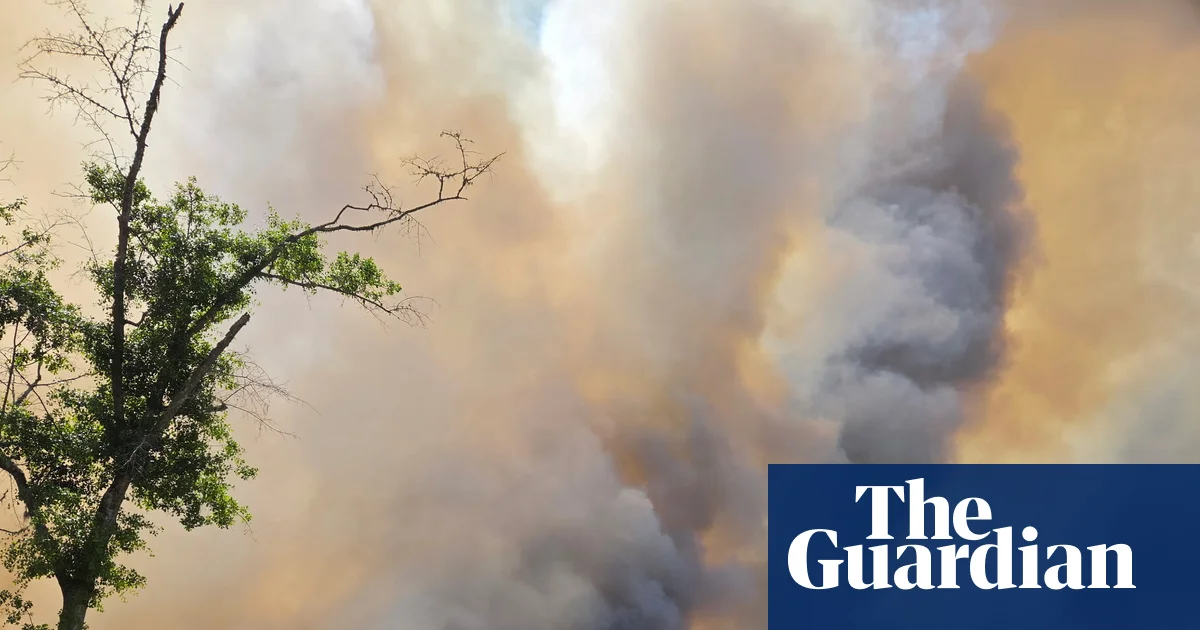
Beyond Texas, the U.S. southeastern region is battling devastating wildfires that have scorched more than 40,000 acres of land in Georgia. These fires, notably the Highway 82 blaze, have destroyed over 87 homes, marking one of the worst devastation incidents from wildfires in the state’s history, as confirmed by Governor Brian Kemp. The fires’ origins include human activities such as welding, which ignited dry underbrush liberated by ongoing drought conditions. The combination of gusty winds, climate crisis fueling prolonged drought, and remnant trees from previous hurricanes has created a perfect storm for wildfire outbreaks, a scenario analysts warn could become more frequent if the global climate crisis continues unchecked.
Internationally, these incidents are prompting debate among geopoliticians, scientists, and international organizations about the increasing severity of climate change and the need for coordinated global responses. NASA scientists and climate analysts warn that rising temperatures and unpredictable weather patterns are not anomalies but symptoms of a changing planetary system. In this climate context, the U.S. serves as a stark warning of what is likely to follow if international cooperation remains insufficient. The growing pattern of natural disasters emphasizes how decisions taken in the halls of global governance will directly impact the lives of billions, with some experts arguing that failure to act decisively risks irreversible damage to social stability and economic security.
As the world observes these unfolding crises, the historic crossroads becomes painfully apparent. The consequence of inaction whispers ominously in the background, as nations continue to grapple with internal conflicts and shifting alliances. Analysts suggest this surge in weather catastrophes is a *turning point*—a moment that could forge new international paradigms or deepen existing divides. The enduring struggle involves balancing economic growth, environmental stewardship, and national sovereignty amidst a rapidly changing climate. The question remains whether the global community will prioritize human resilience over short-term gains or become passive witnesses to an unfolding tragedy. The lessons of recent disasters serve as a stark reminder: the history of our time is being written not only by policy decisions but by the very fabric of the Earth’s climate that we are rapidly tearing apart, leaving humanity on the precipice of an uncertain future.






