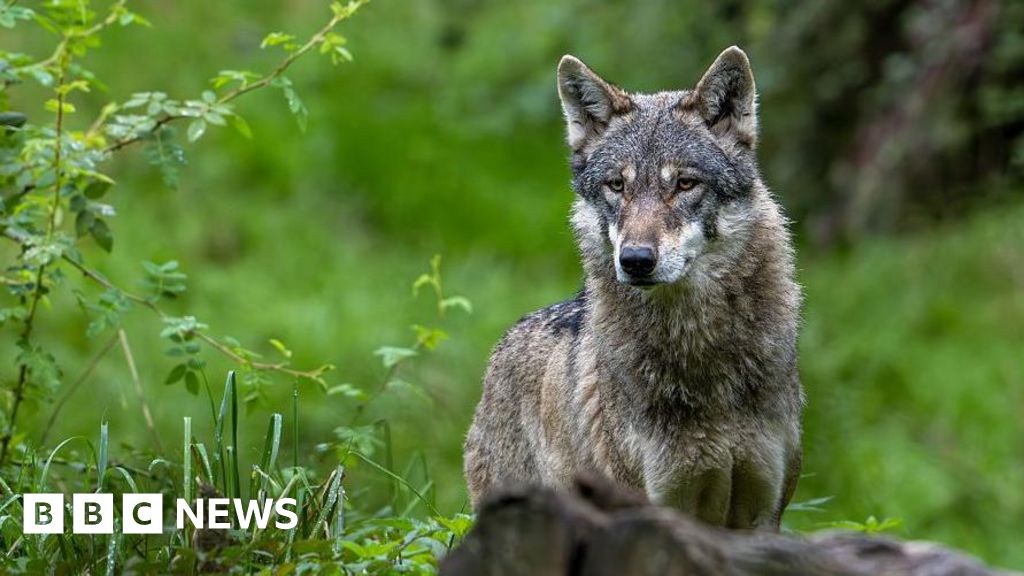

In a startling development that underscores the evolving landscape of Europe’s natural ecosystems, Germany has recorded what is believed to be the first wolf attack on a human in decades. This incident marks a significant milestone in the ongoing reestablishment of wolves within the region, a process that has garnered both ecological praise and societal concern. Experts, including leading conservationists and historians, note that the resurgence of this apex predator signals profound shifts in Germany’s ecological balance—shifts that carry implications well beyond conservation corridors into the geopolitical arena.
The return of wolves to parts of Germany is a direct consequence of broad environmental policies aimed at restoring natural habitats and promoting biodiversity. Since the early 2000s, European nations have partly embraced an ecosystem-based approach, allowing predator populations to recover naturally after centuries of eradication. As documented by international organizations such as the European Environment Agency, this strategic shift aims to foster healthier ecosystems; however, it also introduces contemporary challenges for local communities. The recent wolf attack, believed to be the first of its kind in Germany, is being scrutinized as a possible harbinger of increased human-wildlife interactions—interactions that could redefine the safety and safety policies in rural and suburban regions.
This incident notably echoes similar patterns across Europe, where the reintroduction of predators like the European grey wolf has ignited tensions among farmers, conservationists, and policymakers. Analysts from the International Wildlife Conservation Society suggest that such events may accelerate debates regarding the balance between ecological restoration and societal safety. As the German government and neighboring countries grapple with these realities, the overarching concern pivots around the geopolitical impact—how ecological decisions ripple outward to influence policy, security, and societal cohesion. Decisions driven by international treaties and conservation commitments are now intersecting with local realities, forcing policymakers to navigate a complex web of ecological integrity versus human safety.
Reflecting on history, some scholars argue that this moment echoes the broader pattern of nature reclaiming its territory—a movement that can be simultaneously inspiring and disruptive. Historian Dr. Hans Meier notes that “this event signifies not just a biological resurgence but a turning point in how nations respond to ecological change.” As Germany and its European neighbors reevaluate their strategies, the ongoing debate underscores a larger truth: the delicate equilibrium between human ambitions and the relentless force of nature. The wolf’s return serves as a potent reminder that choices made today about conservation, territorial sovereignty, and international cooperation will shape the fabric of society for generations to come.
As the world watches from afar, the unfolding story of ecological rebirth—the return of the wolf—becomes a chapter in the greater narrative of global environmental transformation. Yet, the current incident in Germany stands as a stark warning: the boundary between civilization and wilderness is neither fixed nor inviolable. The true weight of history is still being written, leaving humanity standing at the cusp of a new chapter where the past’s lessons and future’s fears intertwine in an uncertain dance.