Matox News

Truth Over Trends, always!

Gina Rinehart’s Hancock Prospecting pays rival family hundreds of millions in royalties—big win, some setbacks

Global Significance of Western Australian Mining Court Ruling: A Turning Point in Resource Rights

In a landmark decision that reverberates well beyond the borders of Australia, the recent judgment handed down by the Western Australian Supreme Court signals a profound shift in the enforcement of resource rights and contractual sovereignty. The ruling concerns the contentious Hope Downs iron ore project, a cornerstone of Western Australia’s mineral wealth, which has long been the subject of fierce legal battles between Gina Rinehart’s Hancock Prospecting and Wright Prospecting. By affirming that Hancock Prospecting must share its royalties with Wright Prospecting and dismissing claims to ownership of certain mining assets, the court has set a notable precedent in international resource law that impacts how resource-rich nations exercise sovereignty over their assets.

Geopolitical Impact of Resource Ownership Disputes

This case exemplifies the broader geopolitical stakes involved in resource rights, where the control of mineral wealth influences national security, economic leverage, and even regional stability. Historically, Western Australia and similar resource hubs have thrived through private-sector investments and legal frameworks that delineate rights clearly. Yet, rival factions within big business—often intertwined with political interests—seek to overturn these frameworks, which can unsettle foundations of sovereignty and investor confidence. International organizations, such as the International Monetary Fund and World Bank, track these legal uncertainties closely, recognizing their potential to ripple through global markets, especially as resource scarcity becomes an urgent issue.

Analysts argue that this ruling reinforces a pattern: legal clarity and firm contractual enforcement are essential for attracting foreign investment and maintaining the stability vital for economic growth. The decision effectively consolidates Hancock Prospecting’s rightful ownership of key mineral tenements, thereby shielding the project from future ambiguities. This development signals to international investors that even in complex legal disputes, the rule of law prevails, thus bolstering confidence in Australian resource governance. Conversely, these decisions also serve as a reminder to potential claimants that superficial disputes are unlikely to undermine established legal rights, reaffirming the importance of clear property rights in resource-rich nations.

How These Legal Outcomes Affect Societies and Nations

While on the surface, the case primarily revolves around lucrative royalties, the implications reach into how societies perceive justice and economic sovereignty. Gina Rinehart’s expansive influence, coupled with her company’s vast resource empire, underscores the role of private magnates in shaping a nation’s resource landscape. The court’s rejection of claims by John Hancock and others highlights a trend: national and corporate interests are increasingly intertwined, each vying to secure their share of the pie. Such legal battles often influence public perceptions about the fairness of resource distribution — a matter of national pride and economic security.

Importantly, the decision also affects local communities and employment, as stable ownership and predictable royalties sustain long-term development projects. The hope, as analysts suggest, is that this ruling will reinforce a climate of trust in Australia’s legal system, promoting swift resolution of future disputes and encouraging continued foreign investment. Nevertheless, critics warn that the growing concentration of resource ownership might marginalize smaller firms and local communities, a debate that exemplifies the ongoing struggle for equitable resource participation.

The Continued Unfolding of Resource Politics

As the dust settles on this high-stakes legal battle, the broader narrative of resource sovereignty remains unresolved. International observers and historians recognize that such cases directly influence the geopolitical chessboard. The United States and China, for instance, are watching closely, knowing that access to raw materials like iron ore, rare earths, and other strategic minerals will shape their economic and military capabilities in the decades to come. World power dynamics hinge not only on military might but also on control of vital supply chains.

In a world where resource scarcity and climate challenges threaten to reshape global partnerships, legal decisions like this serve as more than domestic victories—they are writing new chapters in the story of national sovereignty and geopolitical strategy. Western Australia’s courts have demonstrated that even amidst complex, long-standing disputes, the rule of law can serve as a stabilizing force. Yet, history warns: such victories are fleeting in the relentless tide of global resource competition — the true contest is only beginning, and the world is watching as the next chapter emerges from the fertile mines of the Australian outback, where the future of resource dominance is still being forged by the hand of justice.

Lidl and Iceland Ads Lead the Way in UK’s New Junk Food Crackdown—A Win for Society's Health
Lidl and Iceland Ads Lead the Way in UK’s New Junk Food Crackdown—A Win for Society’s Health

The New Era of Junk Food Advertising Restrictions in the UK and Its Societal Implications

In a landmark shift aimed at combatting the rising tide of childhood obesity, the Advertising Standards Authority (ASA) in the UK has enforced strict new regulations on the marketing of high-fat, salt, and sugar (HFSS) foods. These rules, effective since January 5th, symbolize a societal attempt to curb unhealthy dietary influences, especially on impressionable youth. However, they also reveal broader cultural tensions surrounding consumer freedoms, corporate responsibility, and the well-being of families and communities. The recent banning of ads from grocery giants Lidl and Iceland exemplifies how this regulatory change is reshaping social norms regarding marketing practices and public health priorities.

Despite these efforts, the implementation has not been smooth. Both supermarkets faced scrutiny after their digital advertising campaigns—visible on platforms like Instagram and the Daily Mail website—were found to violate the new standards. Lidl’s influencer-driven post promoting a bakery product, which included a French pastry filled with vanilla cream and chocolate chips called pain suisse, was flagged for promoting a “less healthy” food item. Meanwhile, Iceland’s digital banners advertised sweets such as Swizzels treats and Haribo Elf Surprises, categorized as HFSS and therefore banned under the new nutrient profiling model. These incidents highlight the ongoing struggles within our society to balance commercial interests with the urgent necessity of fostering healthier environments for families and children.

This regulatory push underscores how social issues extend beyond individual choices and into the fabric of community life. Sociologists like Dr. Sophia Williams argue that cultural shifts towards immediate gratification and consumerism often undermine efforts to promote long-term health. For families, especially in underprivileged communities, such marketing strategies deepen existing disparities—exposing children to constant messages that glamorize unhealthy foods. The impact on education is profound: schools and parents are increasingly burdened with counteracting these pervasive advertising messages while trying to instill healthier habits. As Dr. Martin Keller, a historian specializing in social change, notes, public health campaigns must navigate a complex landscape of social influences that are deeply embedded within popular culture and economic interests.

  • Regulatory authorities seek to limit youth exposure to HFSS food advertising to promote better health outcomes.
  • Corporations often find loopholes or interpret rules narrowly, complicating enforcement of health-focused policies.
  • Communities grapple with the moral implications of restricting marketing freedoms versus protecting vulnerable populations.
  • Families face the ongoing challenge of navigating a marketplace flooded with unhealthy options, influencing children’s ongoing dietary habits.

While the bans signify a moral victory for health advocates, they also raise questions about societal priorities and the role of free enterprise. As social commentators like Emily Sharpe warn, the battle against unhealthy advertising is not just about regulations but about reshaping cultural attitudes towards food and consumption. Schools, parents, and community organizations continue to seek innovative ways to promote nutritious lifestyles amid a landscape dominated by aggressive marketing tactics. Ultimately, these efforts reflect a society striving to protect its most vulnerable members—its children—from long-term health consequences and from becoming unwitting participants in corporate schemes that prioritize profit over well-being.

As society faces this challenge, it becomes clear that the erosion of traditional values and guidelines around health, responsibility, and community support must be addressed holistically. Society’s future depends on whether families, educators, and policymakers can foster a cultural renaissance—one rooted in empathy, responsibility, and a collective commitment to the health of generations yet to come. Like a fragile seed beneath the soil, hope persists that through unwavering resolve and principled action, society will blossom into a landscape less marred by the shadows of greed and neglect—a testament to the enduring human spirit’s capacity for transformation.

Trump Announces Two-Week Iran Ceasefire Deal—A Win for U.S. Interests

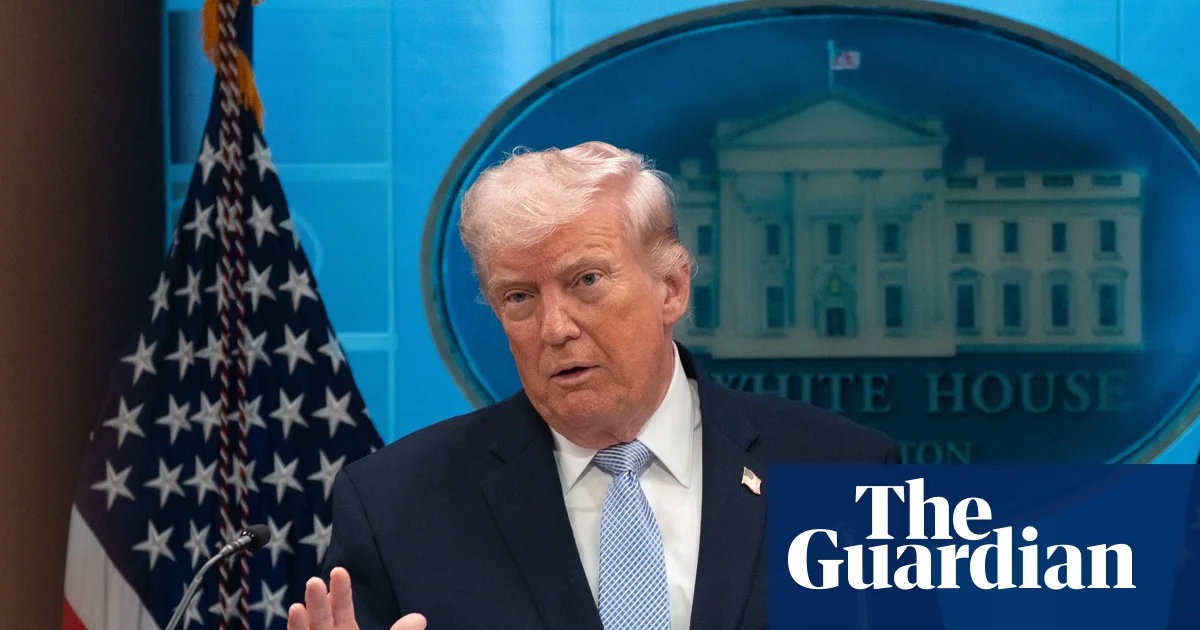
In a move that could reshape geopolitical dynamics across the Middle East, President Donald Trump announced on Tuesday a tentative two-week ceasefire with Iran. The statement, made via social media, signals an April attempt at diplomacy after months of escalating tensions centered around maritime security, economic sanctions, and regional influence. Trump declared that the United States would suspend its military operations against Iran, framing the pause as a ‘double-sided ceasefire’—a seemingly rare diplomatic overture amid ongoing volatile confrontations.

Crucially, the terms of the ceasefire hinge upon Iran’s acceptance of the complete, immediate, and safe opening of the Strait of Hormuz. This strategic waterway has become a flashpoint in recent months, with American and allied forces accusing Iran of disruptive activities that threaten global oil supply. The U.S. administration’s move appears to be rooted in encouraging Iran to de-escalate maritime tensions, which have reverberated through international markets and strategic calculations. Analysts warn that this temporary pause may serve as a prelude to broader negotiations, or alternatively, as a fragile window that could collapse, reigniting conflict in an already troubled region.

International reactions have been mixed. While some diplomatic voices see this as a positive step towards dialogue, many experts urge caution. The United Nations and other global organizations have called for restraint but have also expressed concern that the situation remains dangerously unpredictable. Historians and geopolitical analysts note that Iran’s response will be pivotal, as its leadership has long used maritime control and regional influence as leverage in negotiations. Moreover, the U.S. is facing pressure from domestic and global allies to ensure that this ceasefire does not merely serve as a \”pause\” before more aggressive posturing resumes.

This development underscores the **fluctuating balance of power in the Middle East**, with the U.S. seemingly adopting a cautious diplomatic approach fuelled by uncertainties over Iran’s intentions. The move could have far-reaching repercussions, affecting not just regional stability but also global energy markets and international security architectures. As the world holds its breath, history’s next chapter remains unwritten, with the weight of unspoken consequences lingering in the shadows of this tentative peace.

Gear Up for Startup Battlefield 2026: How Young Innovators Can Stand Out and Win

Innovation Disrupts Industry: Startup Battlefield Announces 2026 Call for Innovations

In a clear sign that the next wave of technological breakthroughs is on the horizon, TechCrunch’s annual Startup Battlefield program has opened applications for 2026, inviting early-stage innovators worldwide to showcase their game-changing ideas. The competition, part of the flagship TechCrunch Disrupt event scheduled for October in San Francisco, continues to serve as a launchpad for startups destined to reshape industries and redefine technological boundaries. Industry experts, including MIT researchers and technology analysts, emphasize the significance of such platforms in fostering disruptive innovation and scaling foundational tech advances beyond mainstream horizons.

The criteria: Disruption over polish

Startup Battlefield is distinguished not by the maturity of participants but by their potential to catalyze meaningful shifts. The organizers seek companies with ideas that feel category-defining—those that threaten to make existing solutions obsolete. Product innovation takes precedence over polish, with emphasis on real-time proof of concept. For example, a company demonstrating an MVP that exemplifies real disruption—such as a technology that radically alters supply chain logistics or leverages AI in unexpected ways—stands a strong chance of selection. According to Gartner analysts, the emphasis on real-market impact accelerates the emergence of sector-transforming startups, securing their position in a fast-evolving digital economy.

Global, diverse, and resilient: The new frontier

One notable aspect is industry and geographic diversity. The program’s Startup Battlefield 200 cohort reflects a global mosaic—sources from emerging markets and underrepresented sectors, breaking away from traditional Silicon Valley dominance. Founders are encouraged to articulate their origin stories—why their solutions hold unique promise amid shifting geopolitical and technological landscapes. As Elon Musk and Peter Thiel have repeatedly stressed, fostering diverse innovation ecosystems is crucial to maintaining technological sovereignty and economic resilience in the face of intensifying global competition.

Submission insights: Show, tell, and stay authentic

  • Show your MVP in action: Live demos or real-time recordings trump static mockups
  • Know your competition: Honest acknowledgment combined with clarity on your competitive edge is indispensable
  • Tell your story: Your vision, founder motivation, and conviction matter as much as technical details

Critically, the application process remains welcoming to early-stage companies, including those still pre-launch or bootstrapped. No need for extensive funding or revenue yet—what matters most is potential and market game-changing vision. Many successful applicants have faced rejection before; persistence and authenticity often turn the tide for future applications.

Looking ahead: The stakes have never been higher

The upcoming application deadline, May 27, 2026, marks a pivotal moment for disruptors eager to align their vision with industry leaders and investors seeking the next Tesla or SpaceX. As AI, blockchain, quantum computing, and other frontier technologies accelerate rapidly, startups that leverage innovation and disruptive power will define the future competitive landscape. Gartner’s latest forecasts suggest that companies capable of making significant breakthroughs early on will dominate emerging markets and shift global industry standards. With a vibrant, diverse cohort poised to challenge the status quo, the time for aspiring innovators is now—failure to act could mean falling behind in the race for technological dominance. Given the dynamic, high-stakes environment of 2026, startups must embrace bold visions, demonstrate tangible proof, and prepare for a future where disruption is the new normal.

Innovation is rewriting the rules of the game: are you ready to lead the charge? Apply now and position yourself at the forefront of the revolution.

Nigerian President’s Opponents Score Big Win as Top Politician Joins Their Side

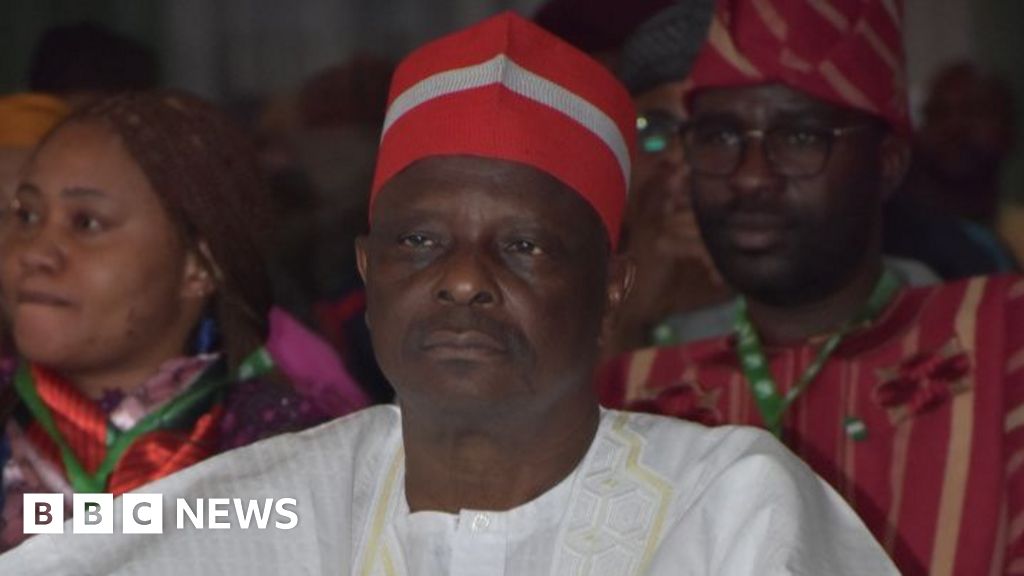
In a move that signals a significant shift in Nigeria’s complex political landscape, Rabiu Kwankwaso, a prominent figure in Nigerian politics and former governor of Kano State, has formally joined the African Democratic Congress (ADC). This decision aligns him with a coalition that aims to challenge the current administration of President Tinubu in the upcoming 2027 elections. As Nigeria’s political divides deepen amidst economic challenges and regional tensions, Kwankwaso’s move underscores a strategic effort to redefine the balance of power and influence within West Africa’s largest nation.

Heralded by analysts as a deliberate attempt to forge a formidable opposition front, Kwankwaso’s entry into the ADC is viewed as a bid to capitalize on widespread public sentiment demanding change. The coalition expects to galvanize support across Nigeria’s diverse ethnic and regional groups, leveraging Kwankwaso’s popularity in the North and his track record on infrastructure development. Such a consolidation of opposition figures and parties could have a *pivotal* impact on Nigeria’s electoral landscape. According to international political observers, this shift could trigger a recalibration of regional alliances, particularly as ethnic loyalties continue to color political alignments in Nigeria.

The geopolitical impact extends beyond Nigeria’s borders, with neighboring countries closely monitoring the unfolding power dynamics. Analysts from the African Union and global institutions warn about the broader implications of a fractured Nigerian political scene, emphasizing that instability in Abuja could ripple across West Africa, further destabilizing already fragile regional economies. Historically, Nigerian elections have served as a barometer for regional stability, given the country’s role as West Africa’s economic and political powerhouse. The new alliance signals a potential shift that could challenge President Tinubu’s plans to cement his legacy, while also reshaping alliances within Nigeria’s complex electoral arithmetic.

As the nation braces for a contentious electoral cycle, many experts highlight the importance of sound political governance and the influence of diaspora communities in shaping the outcome. The decision by Kwankwaso to abandon previous political alignments and join forces with the ADC underscores an *urgent* desire among opposition factions to unify against entrenched incumbency. Historians note that Nigeria’s history is replete with moments where opposition coalitions—though initially fractured—have ultimately reshaped the country’s trajectory. The current juncture appears poised to be another critical chapter in Nigeria’s ongoing saga of political contestation, with power balances delicately shifting with each campaign promise and geopolitical maneuvering.

Ultimately, the unfolding contest for Nigeria’s future remains a dramatic testament to the enduring fragility and resilience of its democracy. As voters prepare for what may be one of the most pivotal elections in recent history, the world watches with bated breath. In the corridors of power and across the bustling streets of Lagos and Kano alike, the echoes of history are stirring anew. The question remains: will Nigeria’s next chapter be one of renewed unity or enduring division? The answer lies in the choices made today, shaping a legacy that will define generations to come.

Cherry on the top: Jessie Buckley dominates Oscars 2026 with double win — and makes Chanel proud

The Evolution of Red Carpet Fashion: More Than Just Glamour

In the world of celebrity culture, the Oscars have long been seen as a pinnacle of both artistic achievement and personal branding. Historically, the red carpet has been a stage for timeless glamour, where black, gold, and classic couture dominated. However, recent years have witnessed a formidable shift — red carpet fashion is now a powerful canvas for self-expression and social messaging. The stunning appearance of Jessie Buckley, who not only secured the best actress award but also made a bold style statement, epitomizes this transformation. Her custom Chanel gown, with its blood-red satin-backed leather and rose pink chiffon, was more than eye-catching; it was a deliberate reflection of her character’s tenderness and emotional depth, nodding to the history of Hollywood’s stiff traditions while simultaneously breaking new ground in celebrity aesthetics.

Today’s fashion influencers and sociologists recognize that the red carpet has become a social forum as much as a glamorous runway. For instance, Teyana Taylor’s daring Chanel ensemble—featuring sheer fabrics and black and white feathers—demonstrates how stars are harnessing the event’s visibility to embody cultural narratives rooted in strength, audacity, and authenticity. Stylistically unapologetic and visually stunning, such choices serve to elevate the social relevance of fashion beyond the superficial, positioning stars as cultural commentators. This trend towards narrative-driven style aligns with the ideas of sociologists who emphasize that clothing can reinforce identity and influence societal perceptions. Influencers like Kylie Jenner further exemplify this shift, as her dramatic crimson Schiapelli gown effortlessly combined high fashion with viral appeal, amplifying the role of style as a tool for cultural dialogue.

But the evolution extends beyond individual styles—design houses like Chanel are capitalizing on this cultural redefinition. Their recent Paris runway shows, staged in unconventional spaces like a New York subway station, signal a strategic push to resonate with a more socially conscious and politically active generation. As fashion houses like Chanel weave social commentary into their branding, they reinforce the idea that style is now a form of societal engagement. Fashion and celebrity are no longer solely about superficial aesthetics but are intertwined with larger conversations about identity, power, and social justice. For the younger generation, the question isn’t just “What are they wearing?” but “What does it stand for?”

As we marvel at the daring choices of stars like Timothée Chalamet, who embraced an 2000s-inspired suit that challenged traditional notions of masculinity and style, one cannot help but wonder: what will be the next frontier in this cultural revolution? Will red carpet fashion continue to evolve into an arena where social values and personal truths collide, or will it revert to pure spectacle? The future of celebrity fashion might reveal not just the next big trend, but the emerging narrative of a generation that refuses to see style as superficial—it’s a platform for truth, resistance, and authentic expression in a rapidly changing society.

Michael B. Jordan Celebrates Oscars Win with Classic In-N-Out Burger Feast

Across the world, cultural phenomena often transcend national borders, influencing geopolitical strategies and societal values in subtle but profound ways. The American fast food chain, In-N-Out Burger, has long been associated with Hollywood glamour and elite social events, particularly its longstanding connection with the Academy Awards. Since 1994, this brand has been a staple at Vanity Fair’s renowned Oscar afterparty, symbolizing how American pop culture continues to wield soft power—a phenomenon that many analysts see as a manifestation of cultural diplomacy. Such events exemplify the way entertainment and consumer brands serve as tools for international influence, shaping perceptions of the United States while reinforcing its cultural dominance worldwide.

However, the implications of these cultural exports extend beyond mere entertainment. Many world leaders and diplomatic circles observe how American lifestyle branding, exemplified by iconic brands like In-N-Out, contributes to a covert form of influence that can sway public opinion and societal aspirations. Historians argue that the pervasive reach of American media—bolstered by corporations and Hollywood—acts as a catalyst in shaping national identities and elevating Western ideals across diverse societies. Meanwhile, international organizations such as the United Nations increasingly recognize the need to balance cultural exchanges with the preservation of local traditions and sovereignty, particularly in regions where Western influence is perceived as a threat to indigenous values.

The global geopolitical impact of these cultural intersections is complex. In an age where information and cultural content are rapidly disseminated via digital platforms, the dominance of American brands and media creates a form of soft power that can undermine traditional regional power centers. Some geopolitical analysts warn this dynamic fuels the tension between Western liberalism and emerging authoritarian regimes that seek to assert their own cultural narratives. As nations grapple with this tension, international institutions like the World Trade Organization and regional alliances are tasked with managing the delicate interplay between economic interests and cultural sovereignty. The decisions made today—whether in trade policy, censorship, or cultural promotion—will determine the contours of the global order for generations to come.

Ultimately, these developments underscore how choices by corporations, governments, and cultural icons reverberate through the fabric of society. From the glamour of Hollywood to the corridors of diplomatic power, the ongoing saga of influence and resistance unfolds. Historians and international analysts warn that the trajectory of this cultural imperialism could either cement Western values as universal or spark a resurgence of regional identities and sovereignties. As the world watches, the fading echoes of history’s past struggles—between empire and independence, tradition and change—persist, reminding us that the unfolding story of geopolitics is as much about ideas as it is about power. The future remains uncertain, yet one certainty endures: history’s grand narrative continues to be written, and its next chapters are yet to be revealed.

Kalshi Boosts Meta’s Threads with New Sharing Tool — A Win for Youth Engagement

Kalshi’s Strategic Moves and Industry Disruption Signal a New Era for Predictive Markets

The landscape of digital prediction markets is undergoing a profound transformation, driven by relentless innovation and increasing scrutiny from social media giants. Kalshi, a leading player in this space, has leveraged aggressive social media strategies to bolster its reach, similar to its key rival, Polymarket. However, recent developments reveal that the path to disruption is fraught with regulatory hurdles and platform policies that threaten to undermine growth prospects. These challenges underscore the critical need for strategic agility amid a rapidly evolving market environment.

In June, X, formerly known as Twitter, officially named Polymarket as its “official prediction market partner,” signaling an institutional endorsement that could catalyze mainstream adoption. Yet, Kalshi experienced setbacks shortly thereafter when it had its affiliate badges removed from sponsored trader accounts. This move followed X’s policy change, which prohibited sponsored accounts from engaging with sports betting content—a sector where prediction markets have historically made significant inroads.

Such policy shifts highlight growing regulatory and platform-imposed barriers that could reshape the industry’s trajectory. Notably, Kalshi has been embroiled in controversy for allegedly partnering with fake sports insiders, spreading misinformation and eroding trust—a vulnerability in an industry increasingly defined by credibility and transparency. This incident underscores the importance for prediction platforms to prioritize authenticity and comply with evolving social media policies if they aim for sustained growth.

Implications for Business Innovation and Industry Disruption

Kalshi’s strategic maneuvering illustrates both the disruptive potential of predictive markets and the mounting risk posed by external constraints. As MIT researchers and analysts like Gartner emphasize, the future of financial and information markets depends on their ability to innovate while navigating a complex web of regulatory and technological hurdles. Prediction markets are poised to redefine how individuals and institutions access real-time insights, yet success hinges on maintaining credibility and compliance.

The industry’s progression indicates a broader shift—the convergence of social media, blockchain, and regulatory reform will forge a new paradigm for market transparency and participation. Entities that recognize this and adapt swiftly could monopolize future opportunities. Conversely, delayed responses to policy changes and credibility issues risk ceding ground to more agile competitors.

Looking Forward: A Market on the Brink of Transformation

Given these dynamics, the future of prediction markets is both promising and perilous. Innovators like Kalshi and Polymarket must navigate complex regulatory landscapes and social media policies to sustain growth. Industry experts, including Peter Thiel and Elon Musk, emphasize that disruptive technologies thrive when they swiftly address credibility and transparency concerns while leveraging cutting-edge platforms.

As the digital economy accelerates, the window for market leaders to innovate and establish trust narrows. The next wave of breakthroughs will likely come from companies that can seamlessly integrate artificial intelligence, blockchain, and compliance frameworks into their platforms. Time is of the essence—those who act decisively will shape the future of truth-powered prediction markets and transform how society perceives and utilizes information in decision-making.

Anthropic powers up Claude’s memory to win over AI switchers

AI Innovation and Market Dynamics: Anthropic’s Strategic Moves

The AI industry stands at a pivotal crossroads as Anthropic, a rising star in artificial intelligence research, accelerates its technological advancements with recent feature rollouts aimed at enhancing user engagement and capability. Since October, Claude—the company’s flagship conversational AI—has gained a new suite of functionalities, notably the ability for users to import and export memories. This capability signifies a significant disruption in how AI models are personalized and retained, positioning Anthropic as a challenger in the evolving AI services arena.

Traditionally, such advanced memory features were restricted to paid subscriptions, limiting access to a select user base. However, now all Claude users can enable memory functionalities via settings, democratizing sophisticated AI customization. The inclusion of a memory importing tool—allowing users to copy prompts and outputs seamlessly—marks a new milestone in accessibility and user control. Industry analysts, including those from Gartner and tech think tanks like MIT, view this as a deliberate move toward increasing user engagement, loyalty, and data retention, which could fundamentally shift how enterprise clients and consumers leverage AI across multiple domains.

Meanwhile, Anthropic has been making headlines beyond feature enhancements. Recently, the startup publicly challenged the Pentagon’s attempt to relax constraints on its AI models, drawing what it describes as “red lines” around issues such as mass surveillance and fully autonomous lethal weapons. This stance signals a strategic positioning within the global AI arms race, emphasizing ethical boundaries and responsible innovation. As AI regulation tightens worldwide, companies that prioritize transparency and principled AI development are expected to gain a competitive advantage and set industry standards, potentially disrupting established players that favor rapid deployment over safety considerations.

From an investment standpoint, the implications are clear: industrial giants, government agencies, and private firms are closely watching these developments. The growing demand for customizable, ethically-conscious AI tools indicates a shift toward a more nuanced market—one where disruption is driven by innovation that balances technological advancement with societal responsibility. Experts like Peter Thiel and Elon Musk warn that losing sight of ethical boundaries could lead to severe consequences, fostering an environment where timely innovation and strict governance must go hand-in-hand.

The future of AI is unfolding at breakneck speed, with Claude’s new features exemplifying how disruptive technology reshapes user experiences and business models. As competitors scramble to keep pace, the key will be in their ability to innovate responsibly, balancing technological breakthroughs with strategic foresight. This evolving landscape signals an urgent call to action for industry leaders: those who pioneer ethically aligned AI while maintaining agility will not only dominate the market but also define the technological and moral standards of tomorrow. The trajectory suggests that the next few years will be crucial in determining whether AI becomes a tool for empowerment or an instrument of unchecked risk—making it imperative for stakeholders to stay vigilant, adaptable, and forward-thinking.

Can Bangladesh's new leader deliver real change after the decisive election win?
Can Bangladesh’s new leader deliver real change after the decisive election win?

In a significant development unfolding in Bangladesh, Tarique Rahman is poised to assume the position of prime minister, just 18 months after a wave of mass protests led to the ousting of the nation’s longest-serving leader. This political shift signals not only a change in leadership but also a potential realignment of regional influence and domestic policy direction, with profound geopolitical implications for South Asia. As analysts scrutinize the unfolding scenario, the global community observes with cautious interest, knowing that such leadership transitions can define a nation’s trajectory for decades to come.

Rahman’s impending ascension comes after tumultuous protests that challenged the established political order. Many see this as the culmination of persistent calls for reform, yet it raises questions about the broader stability of Bangladesh. Historically, Rahman, son of influential political figure Begum Khaleda Zia, has been a controversial figure, both revered by supporters and criticized by opponents for his association with past political conflicts. International political analysts such as those at the Council on Foreign Relations have emphasized that Rahman’s rise could herald a new chapter — one that might either stabilize or further polarize a nation already grappling with economic and social issues.

The geopolitical impact of this transition extends beyond Bangladesh, affecting regional relations with neighboring India, China, and the broader Indo-Pacific. As the country re-enters a phase of political redefinition, the influence of China and India looms large—each vying for strategic leverage in the world’s eighth most populous nation. The prospective leadership of Rahman could influence Bangladesh’s foreign policy stance, with potential shifts toward aligning more closely with China’s Belt and Road Initiative or reaffirming ties with India, considering its strategic importance and shared borders. This political recalibration is being closely monitored by international bodies like the United Nations and ASEAN, which emphasize stability in South Asia as critical to regional peace.

However, historical voices warn that such rapid political shifts often carry risks. Renowned historians and geopolitical analysts have noted that leaderships emerging from unrest sometimes face legitimacy challenges, internal divisions, and external pressures. The current upheaval in Bangladesh underscores the fragile balance between reform and chaos, reminding the global audience that decisions made today can reverberate across generations. As the country moves forward with Tarique Rahman at its helm, the weight of history seems to hang thick in the air — a testament to the fact that in the dance of nations, the steps taken now will shape the world order tomorrow. In the unfolding chapters of this story, the true impact of this leadership transition remains to be written, but its echoes will undoubtedly resonate far beyond the shores of Bangladesh.

Social Media Auto Publish Powered By : XYZScripts.com