Matox News

Truth Over Trends, always!

Crypto mogul Do Kwon gets 15 years behind bars—big win for accountability

South Korean Crypto Entrepreneur Do Kwon Sentenced to 15 Years in U.S. Court Amid Industry Disruption

In a landmark ruling that underscores the high-stakes nature of cryptocurrency innovation and the risks tied to speculative assets, Do Kwon, the South Korean crypto pioneer and founder of Terraform Labs, was sentenced to 15 years in prison by a U.S. federal court in Manhattan. This case not only marks a significant legal milestone but also signals a stern warning to emerging disruptive financial technologies that threaten to reshape traditional markets. Kwon’s conviction was rooted in the collapse of TerraUSD (UST), a supposedly algorithm-backed stablecoin that aimed to revolutionize digital finance but ultimately became a cautionary tale of overconfidence in unregulated innovation.

The fallout from the breakup of TerraUSD in May 2022 was catastrophic—wiping out an estimated $40 billion from the crypto ecosystem and destabilizing numerous startups and investors worldwide. Kwon’s aggressive marketing of UST, a stablecoin purportedly pegged to the U.S. dollar via a complex algorithm involving the LUNA token, exemplifies what industry analysts describe as the misplaced trust in algorithmic financial mechanisms. By offering a supposedly tamper-proof peg, Terraform Labs promised a new frontier of stable digital assets. Instead, the system’s failure exposed vulnerabilities inherent in decentralized finance (DeFi), revealing the hazards of unchecked entrepreneurial zeal.

  • Disrupted Market Dynamics: The collapse led to market panic, triggering a cascade that affected dozens of crypto firms and investors.
  • Regulatory Clarity: The case marks a pivotal step towards more rigorous oversight, as authorities aim to curb fraud and promote responsible innovation.
  • Innovation vs. Risk: The incident emphasizes the importance of balancing disruptive advancements with sustainable, transparent frameworks—an area where industry leaders like Elon Musk advise caution.

Among industry observers, analysts at Gartner and MIT emphasize that this high-profile case could accelerate regulatory actions worldwide, compelling blockchain developers to adopt more rigorous security standards and compliance protocols. The case also ignites a broader debate on the future of stablecoins, which are seen as vital for mainstream adoption of digital currencies and decentralized financial services. However, critics warn that the reliance on complex algorithms without adequate safeguards can lead to systemic failures, threatening the integrity and sustainability of the crypto economy.

The sentencing underscores a challenging but inevitable trajectory for crypto innovators—those who push the boundaries of digital finance must now reconcile with growing regulatory scrutiny and the imperative for sound risk management. The industry’s future hinges on the ability of entrepreneurs and institutions to learn from these failures, fostering innovation that not only disrupts but also endures. As the sector heads into a new era marked by increased oversight and technological maturation, stakeholders are urged to act swiftly—those who adapt and innovate responsibly will lead the next wave of digital transformation, while complacency risks catastrophic fallout. The next chapter in crypto innovation will be shaped by how the ecosystem responds to this historic judgment, with urgency and strategic foresight taking center stage.

US seizes Venezuelan oil tanker, Trump calls it a win for America

US Seizes Venezuelan Oil Tanker in Bold Show of Force

The recent interception of a Venezuelan oil tanker by U.S. forces off the coast of Venezuela signals a significant escalation in the ongoing confrontation between Washington and Caracas. President Donald Trump announced the operation, claiming the vessel was the largest ever seized and was involved in transporting sanctioned oil linked to Iran. This move, under the pretext of cracking down on illegal oil smuggling supporting foreign terrorist organizations, underscores the U.S. administration’s relentless attempt to exert economic and military pressure on the Maduro government. The seizure was a coordinated effort involving multiple agencies, including the FBI, Coast Guard, Department of Defense, and Homeland Security, utilizing assets like the USS Gerald Ford, the world’s largest aircraft carrier, deployed to the Caribbean last month.

Venezuela swiftly condemned the seizure as an act of international piracy, with President Nicolás Maduro asserting that his nation would never accept becoming an “oil colony.” These exchanges are but the latest chapters in a broader geopolitical chess game where Venezuela’s vast oil reserves make it a crucial resource prize for global powers. Historically, analysts warn that such aggressive maneuvers threaten to destabilize regional security and fuel further conflicts, especially as oil prices respond to fears of supply disruptions. The seizure has already impacted global markets, pushing Brent crude prices higher amidst speculation of increased volume restrictions and risks for maritime shippers in the region.

From Sanctions to Seizures: U.S. Strategy and Global Repercussions

The Trump administration’s rejection of Maduro’s government has taken a decidedly aggressive tone, rooted in accusations that Caracas traffics narcotics into the United States. These claims bolster Washington’s narrative of a corrupt regime hell-bent on undermining regional stability. Meanwhile, Venezuela charges that the United States is seeking to loot their resource wealth. Such accusations reflect a broader struggle over resource control, with international organizations warning of the dangerous precedence set by unilateral military actions in sovereign waters. Historians like William Blackstone have long argued that the extension of maritime force outside traditional frameworks risks igniting larger conflicts, a warning that now resonates as the world watches a new proxy battleground unfold in the Caribbean.

  • The seizure involved a vessel named Skipper, reportedly flagged under Guyana but accused of falsifying its registry, raising questions about transparency and legality.
  • Diplomatic protests erupted from Venezuela, condemning the operation as a breach of sovereignty, with Interior Minister Diosdado Cabello branding the U.S. as “pirates”.
  • U.S. officials claim that the operation was aimed at disrupting illicit networks supporting hostile regimes and terrorist groups like Hezbollah and the Quds Force.

Amidst these tensions, President Maduro’s wry response at a rally—singing “Don’t worry, be happy”—underscored the fraught state of U.S.-Venezuela relations. His statement further highlights how diplomacy has become a battlefield of rhetoric, with Caracas viewing American military mobilizations as an infringement on its sovereignty. As the Caribbean becomes a chessboard for geopolitical influence, military buildups and covert operations threaten to ignite a broader regional conflict, with unpredictable global consequences. The world is now witnessing a pivotal moment: a clash over resources, sovereignty, and ideology, where history is not merely being written but forcibly reshaped in real time, leaving nations to grapple with the fallout of decisions that could echo for generations to come.

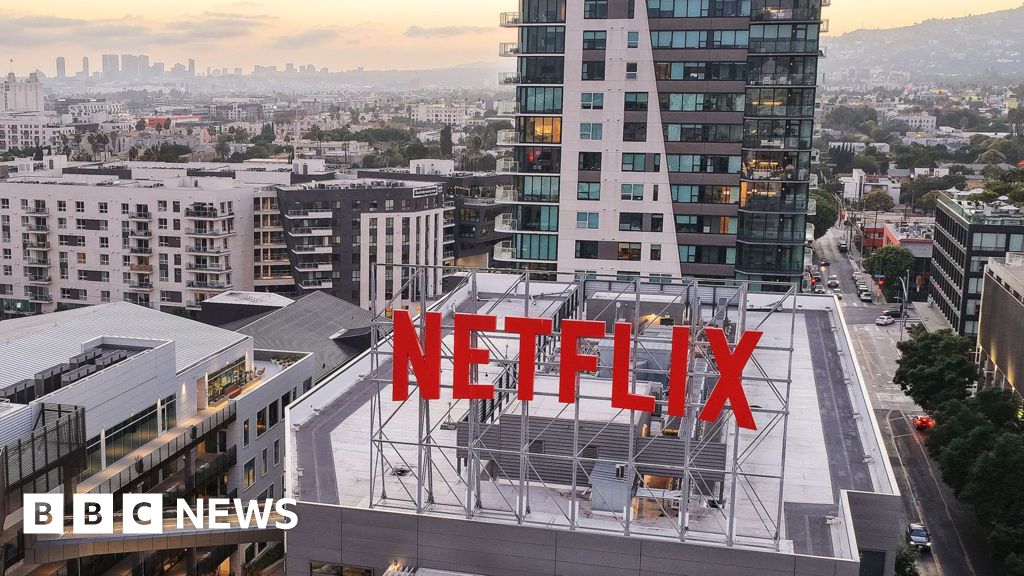
Netflix Nears Deal with Warner Bros., Big Win for Streaming Giants

Netflix Eyes Major Acquisition in the Battle for Global Entertainment Dominance

In a move that could reshape the geopolitical landscape of international media, Netflix is reportedly nearing a deal to acquire the film and streaming assets of Warner Bros Discovery. This potential acquisition, which includes iconic franchises such as Harry Potter and Game of Thrones, as well as the streaming service HBO Max, signals a strategic shift in the global entertainment market. As competition intensifies among streaming giants, analysts warn that this industry consolidation may have profound consequences for media sovereignty and cultural influence worldwide. The deal’s outcome will undoubtedly influence how entertainment is produced, consumed, and regulated on a scale that extends beyond individual markets, affecting societies and national policies alike.

The dynamics of this proposed acquisition have sparked a fierce debate among industry stakeholders and international regulators. Paramount’s legal representatives have publicly questioned the fairness of Warner Bros’ sale process, hinting at potential bias that favors certain bidders. A letter reviewed by CNBC accused Warner Bros of conducting a “myopic process with a predetermined outcome,” raising concerns that the sale might be manipulated for the benefit of a single corporate player. Such allegations reflect broader fears about monopolistic behaviors—fears that are resonant far beyond Hollywood, echoing anxieties about media concentration’s impact on diversity of content and global information flow. The United States Federal Trade Commission and other international authorities are likely to scrutinize this deal closely, weighing the potential for a media monopoly to stifle competition and limit consumer choice on a global scale.

How Industry Power Plays Redefine Global Cultural Politics

Industry experts like Emma Wall, chief investment strategist at Hargreaves Lansdown, argue that the bidding war is about more than just profit margins—it’s about wielding cultural influence. She noted that Paramount’s bid included parts of Warner Bros with ongoing profitability challenges, whereas Netflix’s proposal focused solely on its strongest assets. “You’re sort of tainting your offer if you go into a spat,” she remarked, implying that strategic acquisitions are being driven by complex, behind-the-scenes negotiations that involve international regulators and geopolitical considerations.

The potential creation of a *“global media mega-power”* has alarmed critics who warn of regulatory challenges. According to CNBC, legal representatives from Paramount suggest that Warner Bros’ sale process may be skewed in favor of a single bidder, leading to broader implications for international media regulation. If such a conglomerate emerges, it could result in an entrenchment of cultural hegemony, with a handful of corporations controlling the narrative and access to entertainment across continents. Historians and analysts warn that such concentration mirrors other periods of monopolistic dominance, where unchecked corporate power can distort political and social development.

Implications for Hollywood and the Global Audience

The ramifications extend beyond the realm of media business models; they threaten the very fabric of cinema and cultural expression. As Tom Harrington of Enders Analysis warns, should Netflix’s acquisition succeed, the Hollywood industry would face a *“reorientation,”* with the creative jewelHBO—becoming deeply intertwined with a platform historically at odds with traditional cinema. This potential fracture in the relationship between streaming services and traditional filmmaking could accelerate the decline of cinema as a cultural pillar, reshaping artistic narratives and societal storytelling paradigms.

Operational and regulatory challenges loom large, with international watchdogs poised to examine whether such a merger would violate principles of fair competition. As global audiences become increasingly polarized in media preferences, the consolidation of power in the hands of few conglomerates could lead to a homogenization of culture, eroding the diversity that once fueled creative innovation. Historians argue that this moment might be remembered as a defining juncture in the transformation of global media, where the clash between corporate ambition and cultural integrity reached its zenith. The stakes are high, and the course of history continues to be written with every negotiation, every deal, and every decision made behind closed doors—reminding us that in this new era, entertainment is no longer just a product but a weapon in the relentless pursuit of geopolitical dominance.

FAA greenlights new rule giving flight attendants more downtime — a win for crew wellness and fly crew freedom

Restoring Balance in the Skies: Flight Attendants’ Push for Better Rest

In a significant shift toward enhancing aircrew well-being and ensuring safer skies, federal aviation officials have announced a new regulation that mandates increased rest periods for flight attendants. The updated rules now require a 10-hour rest window between shifts, a notable increase from the previous nine-hour requirement. This change comes amidst growing concern over the intense fatigue and overwork faced by crew members, especially during a time when the aviation industry is rebounding from pandemic setbacks. As seasoned advocates like Sara Nelson, president of the Association of Flight Attendants-CWA, highlight, “It’s about time! As aviation’s first responders and last line of defense, it is critical that we are well rested and ready to perform our duties.” This statement underscores how crucial adequate rest is to both safety and operational efficiency, particularly in today’s fast-paced travel environment.

With increased demand following the easing of COVID-19 restrictions, flight crews have been under unprecedented pressure. Anecdotal reports describe crew members sprinting through airports after delays, trying to make tight connections—despite working shifts that stretch as long as 14 hours. Such demanding schedules, coupled with intense passenger interactions and the unpredictable nature of air travel, have only compounded fatigue levels and illness among crew members globally. The recent rule change is viewed in many circles as an overdue correction to an industry that has often prioritized efficiency over crew morale and safety. The new regulation, which was first approved by Congress in 2018 but delayed under the Trump administration, finally reflects a collective push from unions and safety advocates demanding regulatory reform.

Beyond the practical benefits for safety and health, this regulatory change resonates on a cultural level, emphasizing the importance of wellness and self-care in an industry often characterized by relentless schedules. As wellness experts like Dr. Andrew Weil and others argue, sustainable work habits—especially in high-stakes environments—are vital for professional longevity and personal health. The move also signals a broader shift in the modern lifestyle, where greater awareness of mental and physical well-being influences policy and corporate culture alike. For young professionals within the airline industry, the message is clear: safeguarding your health isn’t just about work-life balance anymore; it’s a fundamental component of your career resilience and overall quality of life.

  • Prioritize quality sleep during rest periods to rejuvenate both body and mind.
  • Stay informed and actively participate in union or industry discussions to advocate for better conditions.
  • Embrace wellness routines that include stretching, hydration, and mental decompression, especially after long shifts.

As aviation executives and unions navigate these new regulations, the hope is that a renewed focus on crew welfare will foster a more sustainable working environment. For the young, ambitious traveler and professional alike, this development reminds us that progress often begins with recognizing the importance of balance and self-care. The journey of a lifestyle is not merely about reaching destinations but about embracing the experiences that nourish us along the way. In a world that is increasingly driven by relentless progress and innovation, the steady pursuit of well-being becomes an inspiring testament to the resilience of the human spirit—a reminder that sometimes, the most courageous act is to prioritize oneself amid the demands of modern life.

Caerphilly School Sets Standard with Nearly Perfect Attendance—A Win for Community and Discipline

In the shadows of demographic shifts and cultural transitions, Welsh society grapples with an enduring challenge: declining school attendance rates that threaten the future fabric of community life. Despite some pockets of excellence, like Ysgol Gymraeg Caerffili, which boasts an extraordinary attendance record of 98.2%, the overall picture paints a sobering narrative—one that echoes global social issues about engagement, identity, and well-being among youth. The societal ripple effects reach deep, affecting families, education, and communities, revealing both societal resilience and the pressing need for targeted intervention.

Among sociologists such as James Coleman and Pierre Bourdieu, the importance of social capital and cultural engagement is emphasized as vital for fostering self-esteem and communal belonging. The success stories emerging from schools like Ysgol Gymraeg Caerffili underscore this, where participation in extracurricular activities—ranging from chess to dance—serves as a vital countermeasure against disconnection. Headteacher Lynn Griffiths highlights that “children don’t want to miss out and quite often our parents say ‘they’re not feeling 100% but they want to be in school because they enjoy being in school'”. Such attitudes signal a desire among young people for a platform to develop their identity and competencies, rooted in a supportive environment that values their well-being. Yet, the challenge remains how to replicate this success more broadly across Wales, where rates are stubbornly low—especially among secondary students—raising questions about community cohesion and the significance of sense of belonging in societal health.

The societal impacts reverberate beyond the classroom into families and local communities. For parents like Victoria from Glynneath, managing attendance involves navigating the rising costs of holidays and the understanding that sometimes, a week away during term time is the only affordable way for families to connect. On the other hand, Jenny’s story of her child with a medical condition illustrates the moral dilemma faced by schools and policymakers in balancing discipline with compassion. The Welsh government’s recent efforts to inject £7 million into re-engagement initiatives reflect an acknowledgment: addressing attendance isn’t merely about punitive measures, but about fostering an environment of support and understanding to nurture every child’s right to education.

The Broader Picture: Attendance Statistics and Social Reality

  • Average attendance for Welsh schools stands at 90.9% for 2024-25, trailing behind pre-pandemic figures of 94.3% in 2018-19
  • Primary school attendance surpasses secondary schools, reaching 93.4% compared to 90.3%
  • Persistent absence—pupils missing over 10% of sessions—is a critical concern, especially among disadvantaged populations

This data, analyzed by experts like Estyn, reveals a societal paradox: while schools are making efforts to elevate engagement, the underlying social determinants—such as economic hardship, mental health issues, and cultural alienation—persist. Schools like Osbaston Primary and Raglan Primary demonstrate that targeted interventions, including engaging extracurriculars and flexible attendance policies, can make significant differences. Nonetheless, the critical question remains: how can Wales bridge the gap between equality of opportunity and the reality of persistent disparities? It is a societal challenge requiring a collective effort—one that transcends education into social policy and community development.

In navigating this landscape, the role of parents and community actors becomes crucial. Schools aiming to work in partnerships with families—embracing understanding over punishment—are paving the way forward. Victoria’s account of schools providing regular attendance reports and flexible holiday arrangements exemplifies a broader societal shift towards empathy and collaboration. Such approaches acknowledge that attendance is not merely a measure of school discipline but a reflection of a society working to mend itself, recognizing that the bonds of community and the support systems within families are the bedrock of social resilience.

Society faces daunting social issues; yet hope persists in the small victories—students who wish to be in school, families striving to connect despite economic hurdles, educators dedicated to nurturing potential. Society’s ongoing challenge is to transform these pockets of success into a national movement, rebuilding a shared sense of purpose grounded in support, understanding, and hope. As social commentators and scholars reflect on history, the enduring truth remains that true societal progress emerges when communities come together to reimagine a society where every child, regardless of background, can find a place to belong, learn, and grow—affirming that the future is not fixed, but forged anew, one step at a time.

Australia Politics Update: Labor Tries to Win Greens and Coalition Support on Nature Laws in Final Week of 2025 Parliament

Global Power Dynamics in Flux: A Year of Unprecedented Shifts

As 2025 unfolds, the international arena witnesses a series of transformative developments that will undoubtedly leave a lasting imprint on the course of history. From the reaffirmation of aged alliances to emerging conflicts over resource control, the geopolitical landscape is shifting with unprecedented speed and intensity. Major world powers are recalibrating their strategies amidst the complex web of regional tensions and global challenges, signalling a new era where old paradigms are no longer sufficient to navigate the turbulent waters of the 21st century.

Key among these shifts is the continued resurgence of China and Russia, who are consolidating influence in strategic regions through economic, military, and diplomatic avenues. Western nations, particularly the United States and its NATO allies, are dispatching signals of renewed commitment to their traditional security pacts; however, cracks are beginning to surface within these alliances, driven by internal political shifts and divergent national interests. Yet, the most startling change may be the reassertion of sovereignty by emerging economies and regional powers asserting their independence from Western dominance, transforming previous unipolar narratives into a more multipolar reality.

Within this context, international organizations such as the United Nations and the World Trade Organization face increasing scrutiny and calls for reform, largely because their ability to mediate effectively has been hampered by national self-interests. The global climate crisis adds a layer of urgency to these diplomatic negotiations, with nations balancing the imperative for sustainable development against short-term economic gains. Historians and analysts warn that failure to adapt to these new realities could lead to heightened conflicts over resources and technology, with the potential for widespread instability.

Of particular concern is the escalation of conflicts over critical resources, including rare earth elements, water, and energy supplies, which are vital for technological and military superiority. Countries are increasingly turning inward, prioritizing self-reliance and securing their borders against what many perceive as external threats. This trend signifies a fundamental challenge to the post-World War order and a deliberate move toward geopolitical resilience. As nations navigate these turbulent waters, scholars emphasize the importance of maintaining open channels for dialogue to prevent misunderstandings from spiraling into all-out confrontations. The next few years are likely to be pivotal, as political factions and regional actors push for dominance, making the path forward anything but predictable.

In conclusion, the unfolding history of 2025 is a stark reminder that the decisions made today will echo through generations. As global players recalibrate their positions and face the consequences of their actions, the world stands at a perilous crossroads—where the pursuit of power and security risks eclipsing the common good. The cause-and-effect of these seismic shifts will shape the fabric of international relations for decades to come, leaving behind a legacy that history will scrutinize with relentless scrutiny. In this drama of diplomacy and conflict, the weight of the future remains uncertain, yet undeniably heavy—building a story of resilience, rivalry, and revolution that is still quietly being written in the shadows of the great halls of power.

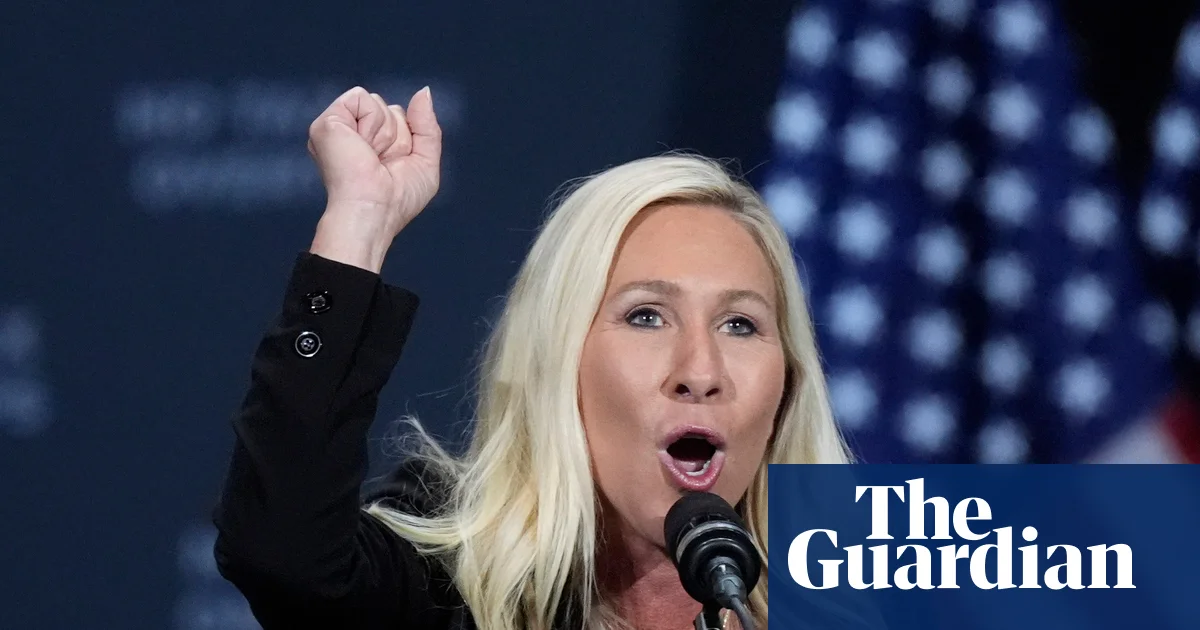
Trump Cheers Greene’s Resignation: A Win for America | Republicans

In a move that has sent ripples through the American political landscape and beyond, Congresswoman Marjorie Taylor Greene of Georgia announced her resignation from Congress. The decision, unexpectedly timed after a turbulent relationship with former President Donald Trump, underscores the volatile nature of partisan loyalties in the United States, especially in the context of rising global tensions and domestic upheaval. Trump, who publicly celebrated Greene’s exit, proclaimed it as “great news for the country,” highlighting how internal divisions within the Republican Party are shaping not only American policy but also its standing on the world stage.

Greene, long considered a pivotal figure within the more radical right-wing faction, faced intense threats following her recent withdrawal of Trump’s endorsement—a decision that marked a significant rift in their once-loyal alliance. She cited “never-ending personal attacks, death threats, lawfare, and slander” as the reasons behind her resignation, illustrating the high-stakes nature of contemporary American politics. Her departure fuels concerns about polarization and radicalization in the U.S., which has profound geopolitical repercussions. As analysts warn that internal discord weakens the nation’s ability to confront rising global challenges—from China’s assertiveness in the Pacific to Russia’s ambitions in Eastern Europe—the political chaos at home may be perceived as an opportunity for adversaries seeking to undermine American leadership.

The international community is watching as the American political machine exhibits signs of disarray. U.S. allies and rivals alike interpret such infighting as a sign of weakening resolve, especially at a time when global institutions call for unified Western action against common threats. Meanwhile, political strategists such as Shermichael Singleton suggest Greene’s resignation could be a prelude to future political maneuvers, possibly indicating a consolidation of more radical elements within the GOP. How these internal shifts influence US foreign policy will be crucial—whether America maintains its stance as the global “leader of the free world” or veers toward internal chaos that emboldens autocratic regimes worldwide.

Moreover, the bizarre spectacle of former allies turning against each other, with Trump’s praise for Zohran Mamdani, NYC’s democratic socialist mayor-elect, and Greene’s resignation occurring shortly thereafter, exemplifies the unpredictable and often surreal nature of American politics today. Such developments are not merely domestic dramas—they are highlighted by international analysts and historians as signs of a nation in the throes of transformation. The implications extend well beyond the borders of the United States: the decisions made within its Capitol walls influence geopolitical stability, economic markets, and military alliances across the globe. As the American story continues to unfold, the weight of history presses heavily—a reminder that the outcomes of these internal struggles will shape the fate of nations and societies for generations to come.

Peterborough Council Says No More Kids in B&Bs—A Win for Family Stability

Addressing the Society-Defining Challenge of Youth and Family Homelessness

Across communities like Peterborough, the silent crisis of youth homelessness is reshaping the very fabric of social cohesion and family stability. The recent campaign by Peterborough Citizens, an alliance of schools, charities, and community groups, highlights a growing understanding that housing instability profoundly damages not only individual lives but also the future of entire neighborhoods. The shift away from temporary, crisis-driven accommodation to more stable, family-centered housing solutions marks a crucial step in reversing decades of neglect and exposing systemic failures.

The policy triumph of the recent campaign, which led to a **73% reduction in children living in bed-and-breakfast (B&B) accommodations**, signals more than just statistical progress; it exemplifies the moral imperative to prioritize the welfare of the most vulnerable. Matt Oliver, head of housing needs, describes B&Bs and hotels as “the worst kind of emergency accommodation,” emphasizing the social toll on families. The experience of Sehrish Darr, a mother of four, underscores this reality. Her six months of homelessness in cramped, unsuitable hotel rooms caused physical health issues for her children and disrupted their education—highlighting how housing crises extend into every corner of family life, impacting health, mental well-being, and opportunities.

In education settings, these social issues not only threaten academic progress but threaten to widen the societal rift. Schools, often seen as community anchors, find themselves on the frontlines of this crisis. Instances like Ms. Darr’s experience reveal that homelessness can be hidden due to shame or fear, preventing families from seeking help. Such barriers hinder effective intervention and exacerbate the social inequality that young people face. Recognizing this, Peterborough Citizens advocates for a **mandatory notification protocol**, where schools and GPs are informed swiftly when a child enters temporary accommodation, allowing targeted support and fostering resilience in the community.

This multifaceted approach reflects broader sociological insights: experts like Professor David Greenberg argue that community engagement and early intervention are essential in breaking the cycle of homelessness and social disintegration. As histories of social policy reveal, systemic struggles such as homelessness often stem from economic, political, and cultural shifts that demand innovative, ethical responses. The hope lies in collective action—families reclaim stability, schools serve as safe spaces, and communities build a resilient, compassionate future.

The closing challenge remains: society stands at a crossroads where the plight of the homeless and displaced reflects deeper moral questions. Each family, like Sehrish Darr’s, bears the silent weight of social failure, yet also embodies the hope and potential for societal transformation. As society grapples with these wounds, a vision emerges—one where compassion, policy innovation, and community solidarity can forge a future where no child, no family, must endure the pervasive silence of homelessness. Society’s true strength will be measured not by how swiftly we respond to crises but by how enduringly we prevent them, fostering spaces where every young person can dream, grow, and thrive amidst the resilience of a society that refuses to turn away.

Northampton Librarian Celebrates Big Win, Inspiring Local Youth

The Power of Literacy and Community in Shaping Society

In an era characterized by rapid societal shifts and demographic changes, the role of dedicated community and educational institutions becomes more vital than ever. At the heart of this movement are figures like Julie Broadbent, a veteran librarian at Northampton International Academy, whose recent accolade as the 2025 Secondary School Librarian of the Year underscores the profound influence that passionate educators can have on families and communities. Her story not only exemplifies individual achievement but also highlights the transformative power of fostering a shared culture of literacy and positivity within schools, which ripple outward to the broader social fabric.

This recognition illuminates a significant social issue: the decline of traditional literacy and the importance of fostering a reading culture in schools. Historically, sociologists like Raymond Williams and contemporary social commentators emphasize that in a society where digital distraction and diversifying cultural influences threaten to erode foundational skills, educators and librarians stand as pillars of stability. Ms. Broadbent’s approach—cultivating a welcoming, inclusive space and reflecting her school community’s diversity—speaks to a necessary paradigm shift. It demonstrates how creating safe and engaging environments nurtures not only academic success but also moral resilience among youth, thereby reinforcing social cohesion amid changing demographics.

Her 25 years of dedication encapsulate the ongoing challenge: how to ensure that the bond between families, schools, and local communities remains strong enough to cultivate lifelong learners. The School Library Association praised her for her work “creating a culture of positivity,” and her ability to connect with pupils on an individual level exemplifies what sociologists call “*social capital*”—the trust, networks, and shared values that underpin community strength.

  • By fostering literacy and inclusiveness, educators like Ms. Broadbent uphold the moral responsibility to prepare a generation capable of navigating an increasingly complex society.

Still, these initiatives face challenges—from resource constraints to societal divisiveness—that threaten to undermine their vital role. It is essential that policy makers recognize the importance of supporting such grassroots efforts, for the health of our social fabric depends on the success of these programs.

As we reflect on the story of Ms. Broadbent and her dedication, we are also reminded that the future of society hinges on our collective capacity to nurture the next generation. Her work exemplifies how small acts of community investment can spark large-scale social renewal. Society’s most urgent task is to preserve and renew the simple yet revolutionary idea that education, rooted in love for reading and community engagement, can cultivate not just competent students but morally resilient citizens. As the rays of dawn pierce through the shadows of societal fragmentation, hope lingers in the promise that our shared commitment to these ideals can build a society where families, education, and communities unite under the common banner of progress and moral purpose.

Liberals Drop Emissions Goals, But Ley Sees Net Zero as Still Possible Win | Australia News

Australia’s Climate Pivot: A Shift that Reshapes Global Emissions Commitments

In a move that reverberates beyond the shores of Australia, the federal opposition unveils plans to significantly alter its stance on climate change commitments, raising questions about geopolitical impact and the future of international climate cooperation. The decision to abandon legislated net zero by 2050 targets, once a cornerstone of global climate diplomacy under the Paris Agreement, signals a potential turning point in how nations approach their responsibilities amidst a climate crisis that refuses to pause.

The ruling Labor government’s push for deep emissions cuts faces opposition from the Liberal Party and its partner, the National Party. As Sussan Ley confidently defends the move as a means to prioritize energy abundance and the support for nuclear power, the international community watches with concern. The decision to sideline the legally binding targets while still claiming adherence to the Paris Agreement sets the stage for a potential breach of obligations, risking diplomatic fallout with entities like the United Nations Framework Convention on Climate Change (UNFCCC). Analysts warn that such a shift could undermine Australia’s credibility, tarnishing its reputation as a responsible global player and prompting other nations to reconsider their own commitments under the treaty.

Politics Over Climate: A Dangerous Precedence

  • Despite promises to hold onto the Paris commitments, the Coalition’s plan to scrap legislated emissions targets threatens to disrupt global efforts aimed at limiting temperature rise to 1.5°C. This divergence fuels concerns among experts and international observers, as the global community has relied on the consistency of national policies to craft effective climate strategies.
  • Historians and climate analysts highlight that such backsliding could encourage a wave of similar decisions by other countries, eroding the progress made since the signing of the 2015 Paris Agreement. The Climate Action Tracker reports that more than 145 nations are considering or have set net zero emissions targets, making Australia’s retreat a critical juncture that could ripple through global efforts.
  • The PM Anthony Albanese openly criticizes the Coalition’s stance, framing it as a rejection of climate science itself. Such rhetoric underscores how internal political dynamics can distort international obligations, potentially emboldening others to pursue similar strategies that prioritize economy over environment, with security and regional stability at risk.

Implications for Global Governance and the Future of Climate Negotiations

By choosing to reframe the climate debate around energy security and economic growth, Australia is shaping a precedent that may weaken future international negotiations. The United Nations and other multilateral institutions emphasize that compliance and transparency are central to global climate governance—something that could be compromised if major emitters abandon long-term targets. Experts warn that such shifts could signal to the world that commitments are negotiable, potentially unraveling years of diplomatic progress.

Specialists, including climate scientists and international relations scholars, gaze apprehensively at the unfolding events, recognizing that history is watching. As the global climate clock continues to tick toward catastrophic points of no return, the decisions made by Australia and its allies today could well set the stage for a future where the line between climate ambition and political expediency becomes irrevocably blurred. The story of this decision is still writing itself, and the weight of history now hangs heavy on its next chapters.

Social Media Auto Publish Powered By : XYZScripts.com