Matox News

Truth Over Trends, always!

Senate Approves Funding Deal to Break Historic Government Shutdown—A Win for Conservative Priorities

The United States has just emerged from its longest government shutdown in history, a turbulent chapter that exposed the deep fissures within American politics and cast a long shadow over its geopolitical standing. The compromise legislation approved by the Senate on Monday signals a temporary pause in the chaos, extending government funding until January 2026, but its implications go far beyond domestic policy. As President Donald Trump voiced support from the Oval Office, this resolution underscores a broader narrative—one marked by internal division and strategic calculations that will reverberate through the corridors of power worldwide.

The legislation, which passed with a 60-40 vote, saw an unusual coalition of Democrats breaking ranks to join Republicans. Seven Democrats and a single independent defied party lines, motivated by the urgent necessity to reopen an incapacitated government and provide back pay to furloughed workers. Yet, the underlying issues remain unresolved; notably, the bill sidesteps the ***expiring healthcare tax credits*** central to the stalemate. As Senator John Thune promised a future Senate vote on these subsidies, analysts warn that this temporary fix merely papers over deeper fissures that threaten to destabilize the federal apparatus once again—conditions that an increasingly polarized U.S. can ill afford in an era of geopolitical upheaval.

International observers and seasoned analysts have pointed to how these internal disagreements influence the United States’ global image and strategic posture. The *transitory nature of U.S.* political consensus during such episodes signals vulnerability at a time when China and Russia are asserting themselves more aggressively on the world stage. The delays and internal conflicts in Washington diminish America’s ability to project strength and stability—an essential attribute for maintaining alliances and deterring adversaries. Organizations like the World Economic Forum and geopoliticians worldwide cite this dysfunction as a weakening factor in America’s leadership and its capacity to shape policies on climate, security, and trade that are critical for global stability.

Within the domestic realm, the repercussions are tangible and severe. Hundreds of thousands of federal workers missed paychecks, vital services faced disruption, and the transportation sector warned of heightened strain due to staffing shortages. The voices of analysts and historians have been clear: such crises are not merely political theatrics; they are turning points that redefine national resilience. The debate over healthcare subsidies and government funding reveals ideological contestation over the very future of American governance—an age-old struggle between intervention and limited government, now exposed sharply against the backdrop of contemporary geopolitics. As the smoke clears, the question remains: how will these internal battles shape the policies of tomorrow and the international reputation of a nation that perceives itself as a beacon of democracy?

For now, the country has a fleeting respite, but the shadows of unresolved conflicts loom large. The decisions made in Washington will echo in history’s chambers, shaping the course of nations and the order of the world. As the dust settles on this chapter, the true test begins—not only with resurrected government agencies but with the resolve to forge a united front that can withstand the external pressures of a world no longer waiting for American leadership. The pages of history are turning, and the story of this bitter, divided nation remains unwritten—its next chapters destined to be written in the crucible of ongoing conflict and resilience.


Tesla shareholders approve Elon Musk’s $1tn pay package—big win for the founder’s vision

In a bold display of corporate ambition, Tesla, under the visionary leadership of Elon Musk, announced a dramatic shift that could reshape not only the autonomous vehicle industry but also the broader geopolitical landscape. The company’s recent declaration, which included a hefty announcement of its strategic future, has stirred controversy among industry analysts and international observers alike. With Tesla’s valuation soaring from $1.4 trillion to an impressive $8.5 trillion, the company’s trajectory underscores Musk’s relentless pursuit of technological dominance, but not without raising serious concerns over regulatory oversight and public safety.

At the latest shareholder meeting in Austin, Texas, Musk appeared energized, even dance-like, as he unveiled plans that signal a pivot from the traditional automotive focus towards futuristic ventures such as the Optimus robot and expansive self-driving Robotaxi networks. These developments mark a significant departure from Tesla’s erstwhile emphasis on electric vehicles, drawing critics’ attention to the potential risks of prematurely deploying autonomous technology. Historians and analysts warn that such rapid technological shifts could have profound societal effects, emphasizing the importance of cautious regulation and international cooperation.

  • The company aims to deploy a million self-driving Robotaxis in the coming years, propelling Tesla into a new era of mobility.
  • Musk’s focus on Optimus signals a broader strategic direction that emphasizes artificial intelligence and robotics as the future of Tesla’s expansion.
  • However, the move has attracted scrutiny from U.S. regulators, who are investigating incidents involving Tesla’s Full Self-Driving (FSD) system, which has been linked to accidents and injuries on public roads.

International leaders and watchdog organizations are watching closely, understanding that Tesla’s technological ambitions may redefine global dynamics in areas such as innovation, energy, and geopolitics. Critics argue that Musk’s drive to dominate these sectors could trigger a new technological arms race, especially amid ongoing transnational tensions. Analysts at institutions like the World Economic Forum caution against hasty deployment of autonomous systems without stringent safety measures, warning that mishandled innovations could lead to financial instability and societal unrest. Meanwhile, how nations respond to the unfolding Tesla revolution may determine the future landscape of global power, highlighting the significance of international dialogue and regulation.

As history unfolds, the story of Tesla’s technological leap forward remains a testament to human ingenuity entwined with risk. Will this new chapter withstand the scrutiny of policy, safety, and societal impacts, or will it serve as a cautionary tale about the perils of unchecked technological hubris? Only time will tell, but one thing remains clear—the world watches as the bold architects of tomorrow chart their course through the turbulent waters of progress, leaving behind a legacy that may well redefine the very fabric of modern civilization.

RMT OKs Three-Year Pay Deal for London Underground Staff—A Win for Workers and Efficiency

London Underground Workers Secure Historic Pay Agreement Amid Global Labour Trends

In a significant development that underscores the shifting landscape of labor negotiations within the United Kingdom, the RMT union has accepted a three-year, inflation-linked pay deal for London Underground workers. This agreement concludes a contentious period marked by widespread strikes and travel disruptions that had frozen the city’s bustling transportation network in September. By securing a deal that increases driver salaries to nearly £80,000 by 2027, union leaders have demonstrated that organized, strategic strike action can effect substantial gains in negotiations traditionally shaped by government austerity and corporate resistance.

This deal, starting with a backdated 3.4% increase from April, ties wages directly to RPI inflation, a more generous index than the commonly used CPI. The broader impact is undeniable: it reflects a growing recognition that inflation adjustments need to include real costs such as housing, which has long been a source of worker frustration and economic hardship. The total value of the deal is projected to be at least 9.2%, setting a precedent for similar wage demands across the UK’s transport sector. The union’s assertion that it will pursue comparable increases elsewhere signals a potential wave of workforce activism, empowered by recent successes in collective bargaining.

Geopolitical and Social Ramifications: A Message for Global Workers

From an international perspective, this development has profound geopolitical impact. It exemplifies a shift toward more assertive labor movements in Western countries, challenging the narrative of dwindling union power. Historians and analysts, such as Dr. Emily Saunders from the International Labour Organization, point to this as a landmark moment where organized labor effectively leverages strike action to renegotiate power dynamics with both government and corporate interests. Such actions reverberate beyond London, inspiring workers across Europe and North America to mobilize around demands for fair wages and decent working conditions, especially amidst rising living costs and economic uncertainty.

For the UK, this agreement raises questions about how decisions made in the boardroom and negotiated through industrial action will shape societal stability and policy. The government and transport authorities face increased pressure to address systemic issues, such as housing affordability and productivity measures that historically marginalize workers. The union’s rejection of proposals like a reduced 32-hour workweek underscores ongoing tensions between labor interests and managerial visions of efficiency, which could serve as catalysts for broader reforms or intensified conflicts.

Decisions That Will Define Future Global Power Dynamics

As the UK navigates this new era of labour activism, international organizations warn of a turning point in global power dynamics. The European Union and OECD have closely monitored these developments, recognizing that the strength of trade unions directly influences national stability and economic resilience. The successful leverage of strike action in London may recalibrate how governments and corporations approach negotiations worldwide, especially as inflation continues to surge and societal inequalities deepen. Critics caution that without reforms, such victories could be short-lived or lead to unintended economic consequences, but proponents see them as a necessity for restoring fairness and societal cohesion.

In the haunting shadow of history, the potential for this wave of worker activism to catalyze seismic shifts in policy looms large. The question remains: Will this renewed assertion of workers’ rights be met with meaningful reform, or will it ignite further tensions that threaten to fracture societies? As these events unfold, the world watches with bated breath—history’s pen poised to inscribe the next chapter in the centuries-long struggle for justice and equitable power in the workplace.

Hackers Break Free the Kinect: A Win for Gamers and Innovation

Revolution in Tech: How Open Source and Innovation Disrupt Legacy Systems

Over the past decade, the trajectory of innovative technologies has demonstrated a recurring pattern: initial failure often leads to profound disruption. The Microsoft Kinect, launched in 2010 as a flagship motion-sensing gaming device, exemplifies this trend. While its consumer application—evoking immersive gameplay—failed to meet expectations, its underlying technological foundation became a blueprint for a broad spectrum of disruptive innovations that transcended entertainment.

Today, the Kinect’s infrared depth sensing and gesture recognition capabilities are being leveraged in robotics, medical imaging, and AI-driven applications. The open-source community—notably spearheaded by hackers and developers like Kyle Machulis and Memo Akten—reclaimed this technology from corporate lock-in, transforming it into a versatile tool for democratized experimentation. Their clandestine work with open source drivers revealed that cost-effective access to sophisticated hardware could catalyze accelerated R&D and democratize innovation on a global scale.

Open Source: The Catalyst for Disruption and Business Transformation

The community-driven effort to reverse engineer Kinect was driven less by profit and more by a desire to break barriers. In 2010, the OpenKinect project emerged, igniting a wave of experimentation that showcased how accessible hardware could revolutionize various sectors. Beyond gaming, Kinect-inspired devices now facilitate real-time obstacle detection for autonomous robots, enable contactless surgical scans in healthcare, and serve as powerful tools for educational and artistic endeavors.

  • Lowered barriers for entry into advanced tech spaces
  • Enabled rapid prototyping and open innovation ecosystems
  • Birthed new markets for perception and interaction hardware

Furthermore, the business implications of this disruption are profound. Tech giants like Apple incorporated Kinect’s core sensors into their consumer devices, especially for facial recognition and 3D mapping, solidifying their place in next-generation device ecosystems. Meanwhile, consumer-level access to open-source hardware continues to foster a new breed of startups that challenge traditional R&D models, hinting at a future where corporate innovation will increasingly depend on community-driven advancements.

Future Horizons: Artificial Intelligence Paving the Way for New Disruptions

As the open-source community continues to democratize access to hardware like Kinect, the next frontier appears to be in artificial intelligence. Experts such as Peter Thiel and institutions like MIT predict that AI will serve as the principal driver behind the next wave of disruptive breakthroughs. What began as a punk-rock, hacker-driven movement for open hardware is now evolving into a full-blown AI renaissance: models are becoming more accessible, open data is proliferating, and entrepreneurial ventures are capitalizing on this trend.

However, this new era poses significant challenges and warnings. A growing concentration of AI development within corporate giants could threaten the open innovation spirit that fueled Kinect’s revolution. The risk isn’t just technological stagnation; it’s the potential for a monopolization of future technological breakthroughs, stifling the entrepreneurial spirit that historically pushed the boundaries of what’s possible. Enthusiasts like Elon Musk and Peter Thiel advocate for safeguarding open ecosystems—reminding us that the future of technology depends on the community’s ability to innovate ahead of the curve.

Ultimately, the parallels between the Kinect revolution and the burgeoning AI ecosystem underscore a key reality: innovation is best nurtured outside the corridors of corporate control. As open communities push forward, rapidly iterating and sharing knowledge, they threaten to reset the paradigm of technological progress—making it more accessible, more disruptive, and more aligned with the values of youthful explorers eager to shape the future. The clock is ticking; those who embrace this spirit now will define the next era of technological supremacy.

K-pop group fails to win legal fight against agency, raising questions about artists' rights
K-pop group fails to win legal fight against agency, raising questions about artists’ rights

The recent legal confrontation involving South Korean K-pop sensation NewJeans and their agency, Ador, has sent ripples through the global entertainment landscape, spotlighting the underlying power dynamics within South Korea’s burgeoning cultural export. The notorious court decision, which upheld the validity of the group’s contractual commitments until 2029, underscores a broader trend of entrenched corporate control over artists that raises questions about the autonomy of creative talents in modern geopolitics and economics.

In a move that defies the normative expectations of artist-initiated rebellion, the Seoul Central District Court dismissed the group’s plea for contract termination, emphasizing the legal binding nature of their agreement. The dispute emerged amid allegations of mistreatment and manipulation by the agency, a scenario that echoes narratives from other big markets where corporate giants—such as America’s Hollywood or Japan’s idol businesses—hold disproportionate sway over their talents. Yet, what makes this case extraordinary is its potential to influence how nations strategize cultural diplomacy and the international community perceives Asian entertainment industries as geopolitical tools.

Analysts note that Hybe, South Korea’s largest entertainment conglomerate, operates not merely as a label, but as a soft power behemoth, shaping not only music charts but also international perceptions of Korea’s cultural economy. The case reveals a complex web of influence extending beyond the stage, affecting how governments and trade partners approach intellectual property rights and artist protections. The international community, including organizations like UNESCO and WIPO, is increasingly scrutinizing such disputes, recognizing their impact on cultural stewardship and legal sovereignty.

Furthermore, the fallout from this legal battle extends well beyond South Korea’s borders. The burgeoning global influence of K-pop—despite its cultural allure—faces challenges from internal power struggles that threaten to undermine its soft power agenda. This incident, with new Jeans asserting their desire to break free from entrenched corporate control, potentially signals a shift—a desire among young artists worldwide to assert their independence in an industry historically rooted in hierarchical, top-down directives. The international community watches intently as these developments unfold, understanding that these disputes reflect broader societal tensions over **autonomy, fairness, and the global governance of cultural industries**.

As the legal proceedings continue and NewJeans plans to appeal the court’s decision, history remains at a critical juncture. The story of this talented group and their battle against corporate giants echoes an enduring narrative: the struggle for autonomy against an overbearing system. This is a decisive moment in which the world’s eyes are drawn to how nations will adapt their geopolitical strategies to harness or curb the influence of cultural juggernauts. The outcome will not only shape the future of South Korea’s entertainment industry but also serve as a benchmark for how societies everywhere can balance the allure of soft power with the protection of individual rights—an ongoing saga that continues to unfold amidst the relentless march of history’s tide.

‘Looney Tunes’ Makes a Epic Comeback on Tubi After HBO Max Exit — A Win for Fans and the Modern Squad

For millennials and Gen Z, Looney Tunes has long been a nostalgic staple—an iconic symbol of childhood innocence and humor. Yet, 2023 and beyond have marked an unexpectedly turbulent chapter for this beloved franchise. Warner Bros. Discovery, in a move that baffled many fans, scrapped the completed Coyote vs. Acme film, merely for tax advantages, showcasing how corporate priorities are reshaping the landscape of entertainment. The story took an intriguing turn when this film was subsequently acquired by Ketchup Entertainment in 2025, set to hit theaters in 2026. Meanwhile, Warner Bros. shifted its focus away from the classic shorts library, removing it from HBO Max—an act seen not just as a business decision but as a cultural gamble to redefine what “classic” actually means in today’s digital era.

This pivot reveals more than just corporate strategy; it underscores a **shift in how society interacts with nostalgia**. By pulling classics from traditional streaming platforms like HBO Max and reintroducing these stories through newer channels, streaming services like Tubi are rewriting the rules of cultural preservation. Since acquiring 789 episodes of Looney Tunes, Tubi has seen an astounding increase in viewership, with the cartoons landing in the platform’s Top 10. This isn’t just about entertainment—it’s about fulfilling an emotional connection to childhood memories, even in an age where youth culture is often dictated by fleeting trends and viral sensations.

  • Tubi has transformed classic cartoons into binge-worthy, ad-supported episodes, maintaining the familiar TV experience that resonates with audiences’ desire for comfort and nostalgia.
  • The reintroduction of cartoons like Tom and Jerry, The Pink Panther, and Popeye emphasizes a **deliberate focus on retro content**, positioning streaming as the new Saturday morning cartoon hub for young viewers and adults alike.

This approach reflects a **social revolution in media consumption**—where *nostalgia* becomes a strategic asset in a market saturated with fast-paced entertainment. Media analyst and sociologist Dr. Lisa Grant notes that “streaming platforms are tapping into a collective desire for **authentic, simple storytelling** that evokes emotional nostalgia, acting as a cultural respite from the chaos of modern life.” For younger audiences, this signals a *cultural shift* where the past becomes the most reliable source of comfort and shared identity. TV critic Alex Martinez argues that “repackaging classic cartoons into short episodes with modern advertising models bridges generational gaps, making the old feel new again—in a way that’s both *market savvy* and socially meaningful.”

Yet, beneath the surface of this revival lies a question that could determine the future of entertainment: Will the resurgence of old-school cartoons shape how society defines ‘authenticity’ in digital content? As streaming giants and independent distributors leverage nostalgia as a driving force, the line between *original* and *recreated* content blurs. Perhaps the next phase isn’t just about bringing classics back, but reimagining what they represent in a rapidly evolving cultural landscape. The real challenge for creators and corporations alike is to ask whether this trend will foster *true cultural continuity* or merely serve as a fleeting marketing fad—something that remains to be seen as the entertainment world continues its digital transformation.

Young voters deliver big win as Catherine Connolly secures Ireland presidency

Ireland’s Political Landscape Shifts as Independent Candidate Catherine Connolly Wins Landslide Presidential Victory

In a landmark election that signifies a profound shift in Ireland’s political and social fabric, Catherine Connolly, an independent leftwing candidate and former barrister, has secured an outright majority in a landslide victory, winning over 63% of the first-preference votes. Her victory, declared at Dublin Castle amidst subdued voter turnout of 46%, encapsulates growing disenchantment with the traditional center-right parties—Fine Gael and Fianna Fáil—and underscores a population yearning for genuine change. Her campaign, bolstered by a rare united front of leftwing parties and resonant social media activism, challenges the long-standing status quo, urging Ireland to reassess its values and international stance. With her election, Ireland’s presidency enters a new era—one that, despite the largely ceremonial role, symbolizes a significant indicator of societal momentum towards progressive reform.

While the office of the president in Ireland remains largely symbolic, Connolly’s victory carries critical geopolitical implications. She promises to uphold Irish neutrality, distancing herself from what she labels as western “militarism,” and has openly criticized the involvement of the UK and US in contentious issues such as the Gaza conflict. Her stance aligns with a broader desire among many Irish citizens to forge an independent foreign policy—one less entangled with US-led military interventions and more focused on promoting peace and humanitarian values. International analysts and historians note that her assertion of sovereignty, combined with her vocal criticism of Western militarism, could influence Ireland’s diplomatic relationships, particularly with the United States and European Union members, fostering a more nuanced stance that prioritizes peace over military alliances.

The geopolitical impact extends beyond Ireland’s borders into regional stability, as Connolly’s positioning may inspire similar shifts among other smaller nations seeking to recalibrate their international engagements. Her advocacy for climate action and social justice resonates with a generation distrustful of entrenched politics and globalist agendas. As she embarks on her seven-year term, her potential to become a vocal moral voice on the international stage could reshape Ireland’s role within global institutions, emphasizing diplomacy and humanitarianism over alignment with hegemonic powers. Yet, some caution that her outspoken views, especially regarding the United States and European solidarity, could provoke friction, risking diplomatic isolation in an interconnected world already rife with tensions.

Driven by a wave of public frustration over the nation’s housing crisis and rising living costs, Connolly’s ascent is also a reflection of youth and urban discontent. Her campaign capitalized on social media platforms and cultural endorsements from artists such as Kneecap and the Mary Wallopers, capturing a narrative of hope and change that had previously been dismissed as marginal. Critics warn that her radical rhetoric and outspoken stance against established alliances might complicate Ireland’s diplomatic priorities, particularly in navigating its traditionally close relationship with the U.S. and European partners. Nevertheless, her victory signals a pivotal moment—where societal voices seeking justice, sovereignty, and peace take center stage, setting a course that history will continue to record and ponder. As the world watches Ireland’s evolving political story, it remains to be seen whether her presidency will mark the dawn of a new international chapter or become a cautionary tale of polarization’s toll on diplomacy. The pages of history, after all, are still being written, and Ireland’s next chapter is only beginning to unfold.

Ben Smee, Guardian Australia, scores Queensland Journalist of the Year — a win for fearless reporting

Investigative Journalism Shines a Light on Human Rights Violations in Australia

Recently, Guardian Australia and SBS journalists garnered significant attention at Queensland’s prestigious media awards, the Clarions, securing the coveted Journalist of the Year accolade. Their groundbreaking investigation, “In the Box: Inside the Isolation Cells where Australian Kids are Imprisoned,” not only captivated public interest but also exposed alarming conditions faced by vulnerable children in Queensland police custody. This journalism exemplifies the crucial role media play in holding governments accountable and exposing systemic failures that threaten societal values. The investigation’s detailed footage and extensive research shed light on children as young as 11 held in tiny, freezing cells designed for adult detainees, often with no access to basic necessities such as toilets or bedding. Such revelations have ignited a debate that transcends national borders, highlighting how human rights abuses can quietly persist under the guise of law enforcement.

The geopolitical impact of this investigative work goes beyond national borders, emphasizing the importance of transparency and accountability in governance—principles fundamental to stable societies worldwide. Experts and international watchdogs have long warned against the normalization of systemic mistreatment of marginalized groups, especially in institutions intended for public safety. The exposure of these conditions in Queensland has prompted calls for reform from advocates across the globe who argue that such practices undermine not only human dignity but also the legitimacy of state authority. International organizations, including UN human rights agencies, continuously monitor similar issues elsewhere, and the Australian case reasserts the need for comprehensive oversight mechanisms that prevent the escalation of systemic violence. As analysts suggest, the decisions made today in Queensland could influence reforms in comparable jurisdictions worldwide, reinforcing the fact that unchecked power fosters environments where human rights can be easily trampled.

Within the broader context of international shifts in public accountability, this case underscores a turning point—an era where investigative journalism is serving as a vital check against governmental overreach. Historians of media and policy highlight that such stories can catalyze meaningful reform, forcing authorities to face their shortcomings amid mounting public pressure. The awards attributed to Smee’s work exemplify how dedicated reporting can shape societal perceptions and influence policy change. The judges commended the investigation for its compelling storytelling and meticulous research, which not only illuminated the plight of detained children but also showcased the enduring importance of fearless journalism in safeguarding democratic principles. As such, the case from Queensland stands as a stark reminder: the weight of history is still being written, with citizens and journalists alike playing pivotal roles in shaping the future of justice and human rights.

As the world watches, the revelations from Australia serve as a powerful narrative illustrating that justice is a continuous struggle against complacency. The ongoing debate over child detention policies echoes across continents, stirring international pressure for reform. Ultimately, this story reminds us that the decisions governments make in the shadows today may either protect or doom future generations. In a world where power can easily corrupt, the vigilant watchdogs of truth ensure that history remembers the lessons learned—however painful they may be.

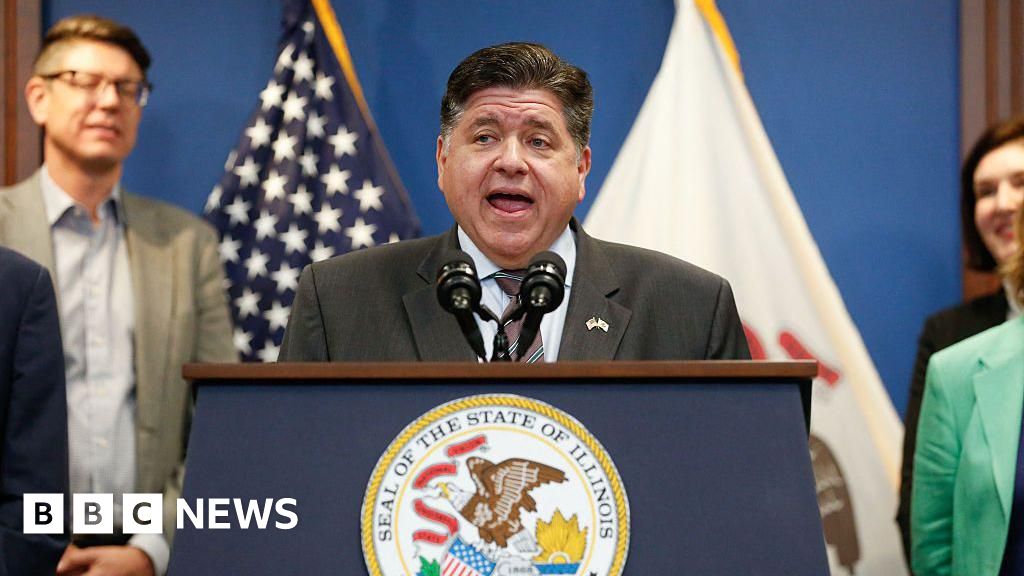
Illinois Governor scores $1.4M victory in Vegas—big win for the state’s leadership

United States politics remain deeply intertwined with global influences, with recent revelations highlighting the complex web of power, wealth, and policy. In Illinois, Governor JB Pritzker, a scion of the Hyatt Hotel fortune and a prominent Democrat, made headlines after his tax filings disclosed a $1.4 million windfall from gambling in Las Vegas. While Pritzker plans to donate the winnings to charity, the incident spotlights ongoing debates over wealth, privilege, and the role of affluence in governance. It also underscores the influence of individual actors within the broader framework of American political and economic power, which continues to be scrutinized by international analysts seeking to understand the prevalence and impact of the ultra-rich in shaping policy directions.

This incident occurs against a backdrop of escalating tensions between the Biden administration and former President Donald Trump, whose critics accuse him of undermining the rule of law and national cohesion. Pritzker himself has positioned as a critic of federal policies, particularly regarding the deployment of national troops to cities like Chicago, which Trump labeled as “authoritarian” efforts. Such political discord echoes beyond national borders, affecting international perceptions of democratic stability and the United States’ role as a global leader.

  • Critical questions are being asked about how the wealth of the American elite influences governance and policy-making.
  • Developments in Illinois exemplify a broader trend where state-level actors become focal points in an ongoing ideological struggle.
  • International organizations and geopolitical analysts argue that internal divisions in the United States have tangible consequences for global stability, especially amidst rising challenges from China and Russia.

Global institutions and historians warn that this internal turmoil, fueled by egocentric power plays, threatens to undermine the consensus needed to address pressing international crises—be it climate change, economic instability, or regional conflicts. The decision of one wealthy governor to indulge in high-stakes gambling may seem trivial, but it symbolizes the broader cavalcade of personal wealth and political influence shaping America’s future. As Pritzker seeks a third term in 2026, questions abound about whether such figures will prioritize the people’s interests or continue to navigate a landscape dominated by privilege. At a time when the world watches, the unfolding narrative of US internal politics remains a pivotal chapter in the story of how nations coalesce—or fracture—in an era of unprecedented global upheaval, leaving history to judge whether these choices herald renewal or impending chaos.

Judge lifts ban, letting OpenAI keep ChatGPT logs—big win for AI transparency and innovation

In a move that underscores the escalating tug-of-war between innovation and regulation, a recent court decision marks a significant shift in how AI companies like OpenAI are required to handle user data. After months of legal battles and public scrutiny, a federal judge has lifted the earlier preservation order that mandated OpenAI to retain all ChatGPT logs indefinitely. This ruling signals a potential realignment on data privacy, and it raises vital questions about the future of digital privacy amidst rapid AI expansion.

Initially, the court’s preservation order was a major win for The New York Times and other media outlets, like TheIntercept and Alternet, who accuse OpenAI of training its models on copyrighted news content without proper authorization. The order essentially allowed the news organizations to scrutinize ChatGPT’s outputs for copyright infringement, shining a light on the murky waters of AI training data. OpenAI, on the other hand, vehemently opposed the mandate, citing concerns about user privacy and data security. The company argued that such a requirement could set a dangerous precedent—one that threatens the confidentiality of user interactions and broader digital rights. When Judge Ona T. Wang decided in October to relax the preservation requirements, it sent a clear message: the balance of power might be shifting away from data accumulation toward privacy and individual rights.

This legal turn doesn’t just reflect a single case—it’s emblematic of a broader cultural impact shaping the digital landscape. AI-powered platforms like ChatGPT have become ingrained in the everyday lives of youth, offering everything from educational assistance to social interaction. As public awareness grows about the potential data footprints we leave behind, there’s a growing societal consciousness about digital footprints. Influencers, sociologists, and tech analysts are now debating whether the next frontier is ethical AI use that respects user rights or unchecked corporate data harvesting. For younger generations, who are often at the forefront of digital trends, this legal battle underscores an implicit societal shift — from raw data collection to empowering user privacy as a social norm.

  • Trend #1: Increasing demand for transparency from AI providers concerning data use and privacy.
  • Trend #2: Growing awareness among youth about the power of their digital footprints and the importance of safeguarding personal data.
  • Trend #3: An emerging cultural movement advocating for ethical AI development, framing privacy as a social justice issue.

As we observe these shifts, the question looming over this evolving digital landscape is as provocative as it is vital: Will the push for user privacy redefine the way AI is trained and deployed, or will companies find a way to circumvent these new rules to keep their competitive edge? With influential voices like tech lawyers and societal analysts raising concerns about a future where our digital selves are more protected yet more scrutinized than ever before, the next chapter in AI history might hinge on whether this turn away from indefinite data preservation will truly foster a more accountable and ethical technological era. The dominant question that remains: could this legal shift be the catalyst for a cultural revolution where personal data becomes our strongest form of digital independence?

Social Media Auto Publish Powered By : XYZScripts.com