Matox News

Truth Over Trends, always!

Lenovo’s Bold New Gear: Laptop with Built-In Portable Screen Sparks Buzz Among Young Tech Fans

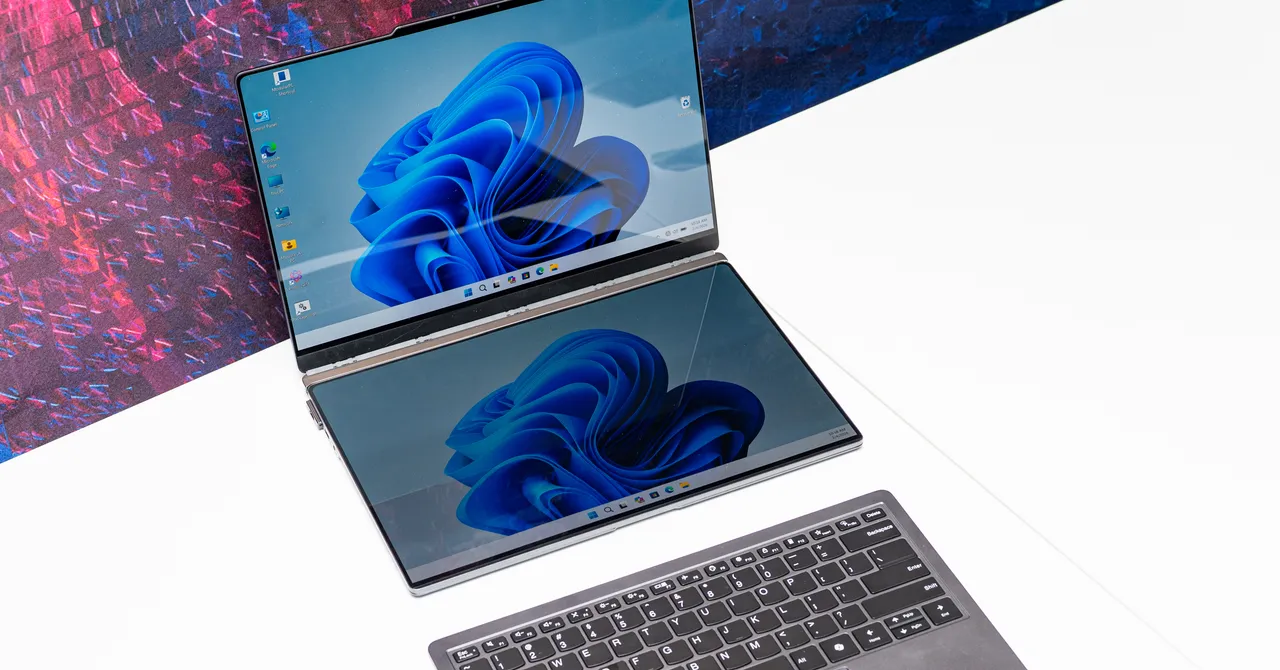
Lenovo Unveils Innovative Yoga Book Pro 3D Concept: A Game-Changer in Creative Technology

In a bold move that exemplifies the ongoing drive toward immersive and tactile digital experiences, Lenovo has introduced the Yoga Book Pro 3D Concept—a revolutionary device aimed squarely at creative professionals and developers. Powered by the formidable Intel Core Ultra 7 processor and equipped with Nvidia’s GeForce RTX 5070, this concept reimagines the boundaries between digital and physical, blending cutting-edge hardware with innovative software to facilitate a new era of 3D asset creation. While still in the prototype stage, its disruptive potential signals a significant pivot in the industry, especially as it aims to serve creators rather than traditional gamers or consumers.

Disruptive Hardware and User Interface Innovations

The Yoga Book Pro 3D departs sharply from conventional portable devices. It features dual 16-inch OLED displays called Lenovo PureSight Pro Tandem, which connect to form a seamless, flexible workspace—effectively replacing the traditional keyboard with a touch-enabled, customizable surface. This approach not only enhances workspace ergonomics but also pushes forward the concept of a truly mobile creative workstation. The device employs Lenovo’s proprietary AI software to support 2D to 3D conversion on demand, allowing users to manipulate digital assets effortlessly. The integration of a built-in RGB camera enables gesture-based control, allowing users to interact with 3D objects through natural hand movements, eliminating the need for a mouse or stylus—an innovation that could redefine creative workflows.

Perhaps the most groundbreaking feature is the set of magnetic snap-on pads that users can attach to the lower touchscreen. These physical accessories serve as tangible triggers for digital shortcuts, such as opening a color palette or adjusting lighting in real-time, providing a hybrid tactile-digital interface. This fusion of physical and digital interfaces aligns with the evolving expectations of a new wave of digital creators seeking immersive, intuitive tools. By bringing tactile feedback into the fold, Lenovo’s design hints at a future where user interfaces become more responsive and naturally integrated into creative processes.

Business Implications and Industry Disruption

This conceptual device signals a potential industry shift—particularly in how creative tools are designed and commercialized. If Lenovo moves beyond concept into mass production, it will introduce a fresh competitive dynamic within tech giants such as Apple, Microsoft, and Samsung, who have pursued similar 3D and AR/VR innovations. The integration of high-performance hardware with novel form factors can disrupt established workflows and challenge traditional notions of portability and interface design.

  • Market potential: A niche yet expanding segment of digital artists, designers, and AR/VR developers eager for more tactile, portable solutions.
  • Innovation driver: Accelerating the adoption of hybrid hardware/software interfaces to make 3D content creation more intuitive.
  • Industry impact: Potentially catalyzing new hardware ecosystems centered around physical-digital interaction modes—setting a standard for next-gen professional devices.

As Elon Musk and Peter Thiel have warned about the importance of disruption and technological frontier-pushing, Lenovo’s Yoga Book Pro 3D serves as a compelling glimpse into the future of tech. If this device or its derivatives become widely available, it could accelerate the shift toward more immersive, user-centered design paradigms—a transformation that promises to reshape not only creative industries but the broader landscape of human-computer interaction. For forward-looking investors, developers, and innovators, understanding and engaging with these breakthroughs now will be crucial to maintaining a competitive edge in the rapidly evolving tech frontier.

Intel’s Panther Lake Chips Crush Apple’s M5—Game Changer for Young Tech Fans

Intel’s Latest Chips Signal a Disruptive Shift in Computing Power and Industry Dynamics

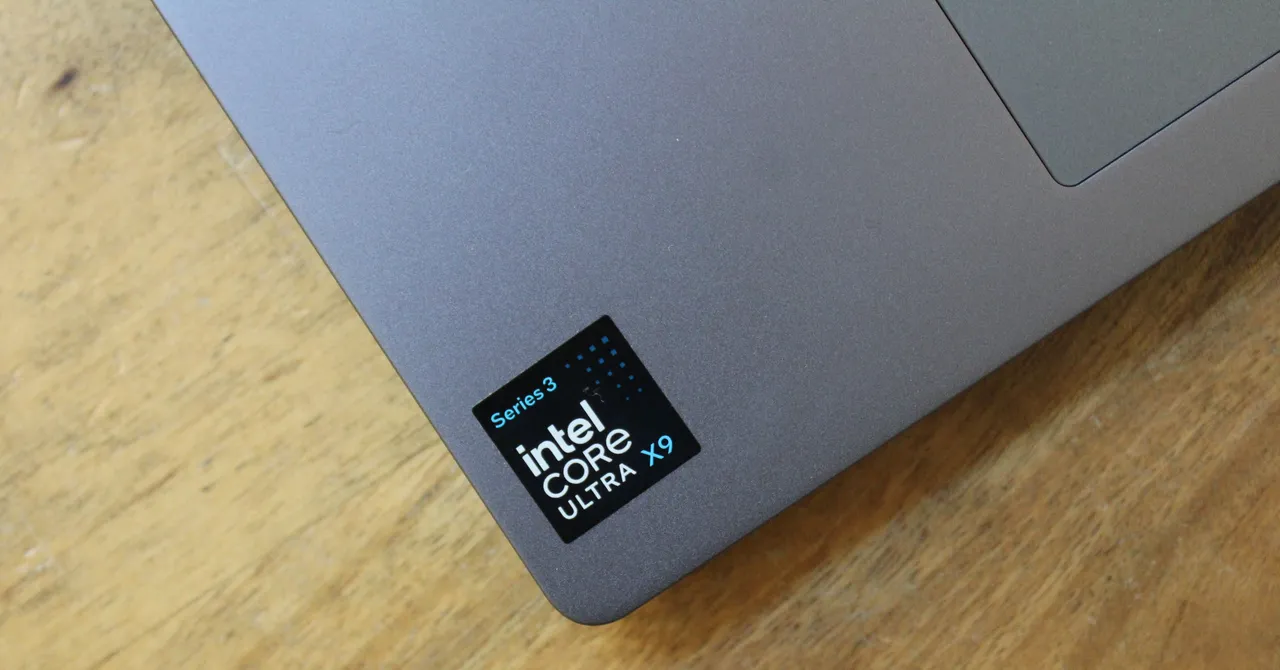
In a remarkable display of hardware innovation, Intel has reasserted itself at the forefront of the tech battlefield with its new generation of chips boasting unprecedented multi-core performance and integrated graphics capabilities. The flagship X9 388H chip, outperforming Apple’s latest M5 by a staggering 33 percent, exemplifies how Intel is strategically disrupting the status quo. This surge is more than a simple technical victory; it signals a potential redefinition of benchmarks in laptop and mobile computing, challenging established industry giants and paving the way for new standards of performance in thin-and-light devices.

Revolutionizing Integrated Graphics and Multi-Core Power

Intel’s Core Ultra 7 258V has delivered a benchmark-defying 52 percent increase in multi-core CPU performance and a 54 percent upgrade in integrated graphics, tested against current-generation competitors such as the M4 MacBook Air. The use of the powerful B390 GPU and 12 Xe cores in the X7 and X9 configurations, with the X9 at the forefront, demonstrates a disruption of traditional discrete GPU reliance—transforming laptops from mere portable tools into powerhouse multi-taskers capable of professional-grade graphics processing.

  • Top-tier multi-core performance surpassing industry expectations
  • Integrated graphics on par with discrete desktop GPUs
  • Significant leaps in AI and video editing capabilities within ultraportables

Analysts from Gartner and industry insiders note that this leap in integrated graphics represents a strategic pivot for Intel, directly challenging the long-held dominance of dedicated desktop GPUs in performance computing. Industry watchers view this as a clear signal that Intel intends to redefine what is possible in portable computing hardware, with implications across gaming, AI inference, and professional content creation sectors.

Market Implications and Industry Disruption

The impact of Intel’s advancements extends beyond mere performance metrics. The industry is witnessing a shifting market dynamic where innovation drives new business models. OEMs are already integrating these chips into ultrathin laptops that balance power with portability, radically shrinking the gap between high-end desktop performance and mobile efficiency. Such innovations threaten to erode the market share of traditional discrete GPU manufacturers, while companies like Apple, AMD, and NVIDIA face a renewed challenge from Intel’s disruptive hardware advances.

Furthermore, this progress demonstrates how disruption in core hardware can accelerate software and ecosystem innovation, prompting developers and businesses to rethink their approach to application design. As noted by industry leaders, the potential for integrating powerful AI operations directly into portable devices could” change the landscape of mobile AI, edge computing, and real-time data processing.

Looking Ahead: A Future Defined by Agility and Power

Intel’s latest chips are not merely an evolution but a revolution in portable computing, an inflection point that demands rapid adaptation from competitors and entrants alike. As Thiel and Musk have historically emphasized, technological progress hinges on relentless innovation and nimbleness. The next phase will see hardware manufacturers pushing these advances further into AI, machine learning, and 5G-enabled computing, making today’s breakthroughs tomorrow’s industry standard. Time is of the essence for competitors who wish to remain relevant in this new era of high-performance, integrated computing.

In conclusion, with such groundbreaking hardware, Intel is signaling a shift that could reshape the entire technology ecosystem—disrupting established players while opening doors for bold new applications. The race for supremacy in integrated, mobile, and AI-powered computing is accelerating, and those who innovate swiftly will lead the charge into a future where hardware and software harness unprecedented levels of power and efficiency.

Raycast for Windows: The game-changing productivity boost your PC needs

Tech Industry Disruption and the Future of Innovation: A Deep Dive

As the technology sector accelerates its pace toward revolutionary changes, companies like Google, Samsung, and decentralized gaming platforms are leading a wave of disruption that promises to redefine business paradigms and consumer experiences. Recent developments indicate an industry at inflection point, where breakthrough innovations challenge traditional models and create new ecosystems of value.

Google’s Gemini 3, the latest iteration of its powerful Large Language Model (LLM), exemplifies the competitive edge AI is gaining globally. This model not only dominates in natural language understanding but also integrates seamlessly across multiple platforms—from apps to search engines—thus fostering a more intuitive user interface that could overhaul how we interact with information. Experts at MIT suggest that the expansion of such multilingual, multimodal models symbolizes a shift toward ubiquitous, AI-driven decision-making, with potential ramifications for entire industries, including advertising, education, and enterprise. Meanwhile, Raycast for Windows introduces an innovative productivity suite, bringing a Mac staple—a launcher and shortcut system—into the PC realm, promising to disrupt workflows and streamline computer management, especially for a generation raised on speed and simplicity.

In the consumer space, gaming startups and console creators are pushing boundaries—most notably with the Analogue 3D retro console built on Nintendo 64 hardware, which has garnered critical acclaim for blending nostalgia with cutting-edge hardware. Additionally, the emergence of Steam Machines and chaos-filled titles like Kirby Air Riders represent a revitalization of physical gaming experiences in an increasingly virtualized environment. Industry analysts, including Gartner, warn that disruption in gaming hardware and services signals a broader trend where convergence and nostalgia drive new revenue streams, reshaping the landscape for hardware makers and developers alike.

Furthermore, the ongoing proliferation of AI in everyday devices signifies a tectonic shift in digital interaction. Gemini’s widespread integration, along with innovative apps like Comet for Android, demonstrates that AI’s reach is expanding beyond traditional ecosystems, promising to enable smarter mobile browsing, remote work, and personal productivity tools. Industry leaders, including Elon Musk and Peter Thiel, recognize that accelerating AI capabilities bring both opportunities and warnings, emphasizing the need for responsible innovation amidst fierce competitive pressures. As startups and tech giants race to embed AI deeper into our lives, the actual business implications are profound—pioneering companies could dominate the emerging AI-enabled economies while laggards risk obsolescence.

Looking ahead, the pace of technological innovation mandates swift adaptation, as industry giants and startups alike race to establish dominance in these disruptive spaces. From AI advancements like Google’s Gemini to gaming hardware based on legacy systems, the industry’s trajectory is clear: those who leverage disruption and innovation effectively will shape the next era of digital commerce and culture. As industry experts underscore, the urgency to innovate—before the next wave of competitors —has never been greater. The future belongs to the agile and the bold, as the stakes climb higher on the chessboard of technological supremacy.

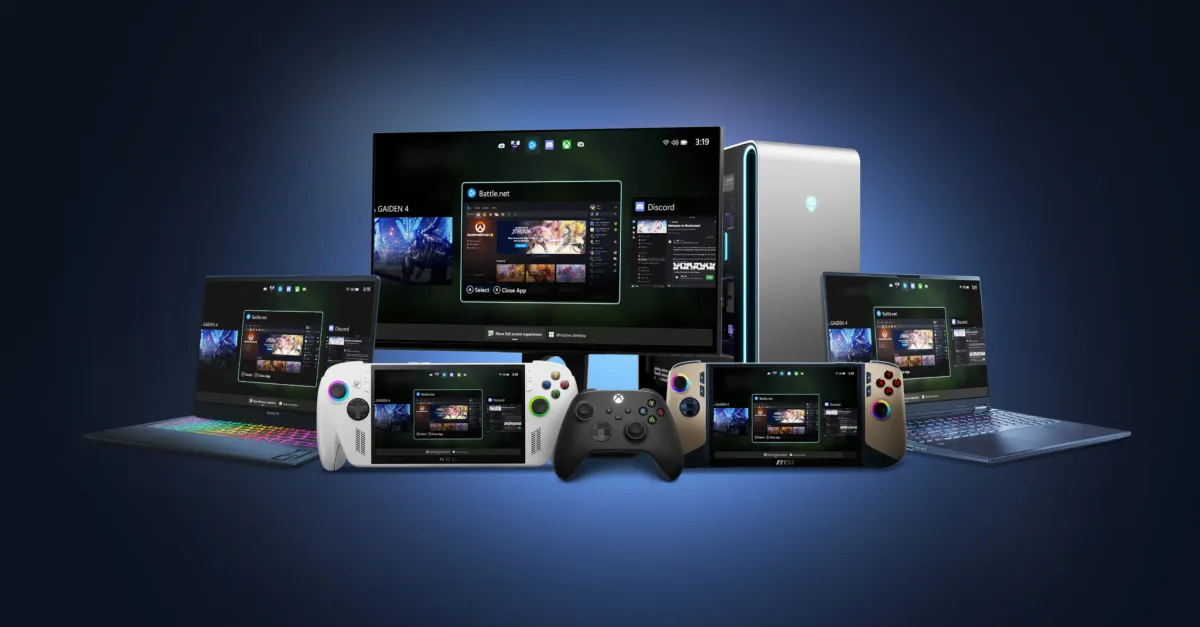
Try the Xbox Full Screen Experience on any PC or tablet—game on the go!

Microsoft Reinvents Gaming with Full Screen Experience (FSE) Expansion Across Windows Devices

In a significant move toward disruption of traditional gaming interfaces, Microsoft has announced the expansion of its Full Screen Experience (FSE) to a broader range of Windows devices — including laptops, desktops, and tablets — via the latest Windows Insider Preview Builds. This development underscores the company’s strategic push to integrate a more immersive, console-like gaming experience into everyday computing, creating a paradigm shift in how users engage with games across multiple form factors. The rollout, currently in the experimental Dev and Beta channels, is a clear sign of Microsoft’s intent to fuse console and PC gaming, bridging hardware ecosystems and setting new industry standards.

The FSE feature, which was previously limited to select Xbox Insider environments, is now more accessible, offering users a more streamlined, high-fidelity, full-screen gaming immersion from their Windows PCs. To activate the feature, users simply hover over the Task View icon on the taskbar and select the Xbox full-screen experience option, or use the shortcut Win + F11. This straightforward interface enhancement, coupled with easy toggling in the Game Bar settings, demonstrates Microsoft’s focus on user-centric innovation — making powerful gaming features more intuitive and widely available. “Microsoft aims to challenge the boundaries between Windows and Xbox, delivering a seamless, console-like experience that could fundamentally alter desktop gaming,” notes industry analyst Sarah Chen of TechInsights.

However, the rollout isn’t universal yet. As Microsoft explains, access to FSE is “gradually rolling out” and requires the latest Windows Insider Builds alongside the Xbox app from the Microsoft Store. This phased approach reflects a strategic move—optimizing the technology while managing the massive scale of Windows’ global user base. SuchControlled rollout strategies are typical of Microsoft’s approach to innovation, allowing them to gather feedback and fine-tune the feature before a broad public release. The potential implications are profound, positioning Microsoft to challenge other gaming platforms and reshape user expectations—particularly as the industry shifts toward more integrated, high-performance gaming environments that leverage PC hardware and cloud services.

The broader implications of Microsoft’s FSE expansion reach well beyond just user experience. By enhancing the gaming capabilities of Windows devices, Microsoft is reinforcing its position as the dominant ecosystem for gaming, possibly disrupting competitors like Sony and Nintendo, which are more console-focused. Industry insiders believe this move could catalyze new business models around integrated hardware-software packages and cloud-based gaming services—areas where giants like Elon Musk’s Neuralink and Google’s Stadia are vying for dominance. Significant, too, is how Microsoft’s decision reflects a larger industry trend—a shift towards more versatile, immersive computing platforms that blur the lines between gaming and productivity, fueling a future where innovation accelerates at an unprecedented rate.

Looking ahead, the expansion of FSE on Windows signals an urgent need for gamers, developers, and tech enthusiasts alike to stay alert. As Microsoft’s strategy to embed high-fidelity gaming into daily computing unfolds, industry stakeholders must adapt and innovate swiftly, or risk being left behind in an evolving landscape driven by disruptive technology. The move toward more immersive, seamless gaming experiences is just beginning; the industry must now prepare for a future where the next big leap isn’t just hardware or software, but the integration of both into a holistic, user-focused ecosystem that redefines how and where we game. The race for the next generation of immersive tech is on, and Microsoft’s bold steps might just steer the industry toward a transformative era of digital interaction.

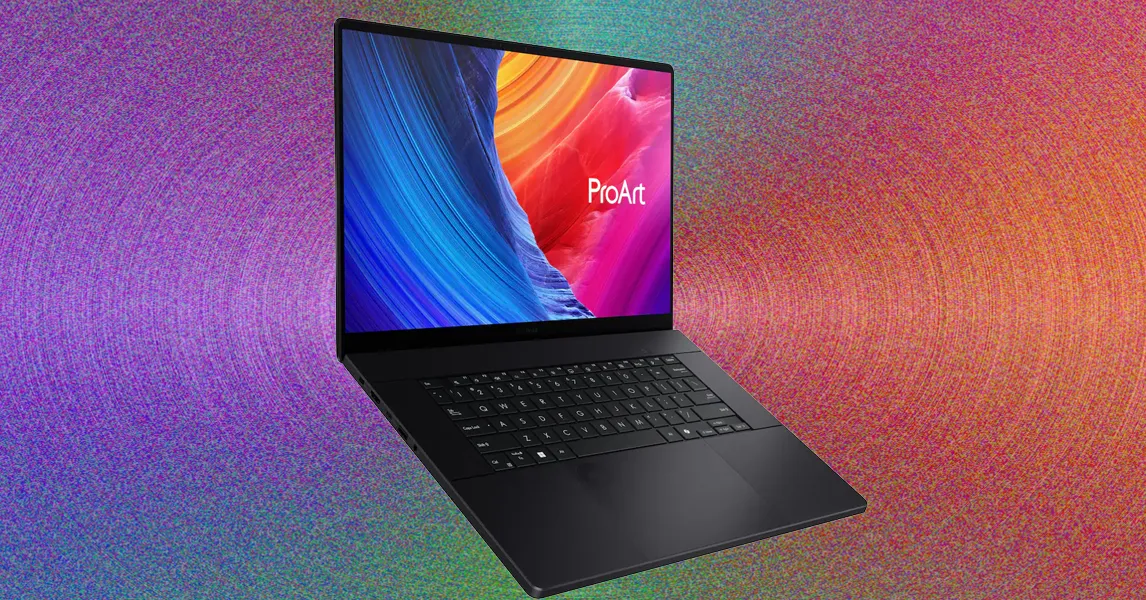
Asus ProArt P16: The Fastest Windows Laptop for Young Creators

ProArt Creator Hub: A New Benchmark in High-Performance Laptops

Tech giant Asus has unveiled the latest in their premium lineup with the ProArt 16, a laptop that pushes the boundaries of innovation in creative computing. Engineered for digital creators, designers, and tech enthusiasts seeking unrivaled performance, this machine signals a disruptive shift in how portable workstations are designed and utilized. Packed with advanced features such as a multifunctional dial, preloaded software suites, and a robust AI integration, the ProArt 16 embodies the cutting edge of technology that aims to redefine productivity standards.

The centerpiece of its innovation lies in the hardware’s connective tissue: a seamlessly integrated control dial supporting functions like zoom, frame adjustments, and system tweaks—capabilities traditionally bound to larger editing setups. When paired with the ProArt Creator Hub software, users gain extensive customization, aligning hardware controls with bespoke workflows. This is reminiscent of the disruption seen in earlier industry shifts—think Apple’s introduction of the M1 chip—yet here, the focus squarely targets creative industries. The system’s preloaded software, including Nvidia Studio Suite, Asus StoryCube, and Asus MuseTree, not only enhances productivity but also maintains an ecosystem that fosters innovation without bottlenecks.

While the hardware underlying this device offers top-tier performance—bolstered further by discrete GPUs and advanced processing—it’s the business implications that truly stand out. Industry analysts from Gartner highlight that disruptive hardware like the ProArt 16 is poised to shift the competitive landscape among high-end workstations. Its integration of AI tools through Microsoft’s Copilot+ demonstrates a strategic move toward an AI-augmented creative process, accelerating workflows and enabling productivity gains that could upend traditional creative industries. However, the high price tag of around $3,500—placing it among premium systems such as the Apple MacBook Pro M4—may limit accessibility, but it underscores a fundamental market shift towards a new class of compute-intensive, portable devices.

It’s clear from industry perspectives and expert reviews that the ProArt 16 is more than just a high-performance machine; it embodies a vision of a future where innovation in hardware directly correlates with business disruption. As Peter Thiel has noted, “The next major technological wave will be driven by hardware that bridges the gap between traditional computing and AI integration.” The strategic positioning of Asus, targeting creative professionals with this device, signals a potential upheaval in how organizations view productivity tools—favoring powerful, customizable, AI-enabled platforms that serve as complete creative hubs. With the current pace of technological evolution, waiting to adopt such innovations could mean falling behind in a fiercely competitive market, making it all the more urgent to monitor how these flagship devices influence industry standards in the coming years.

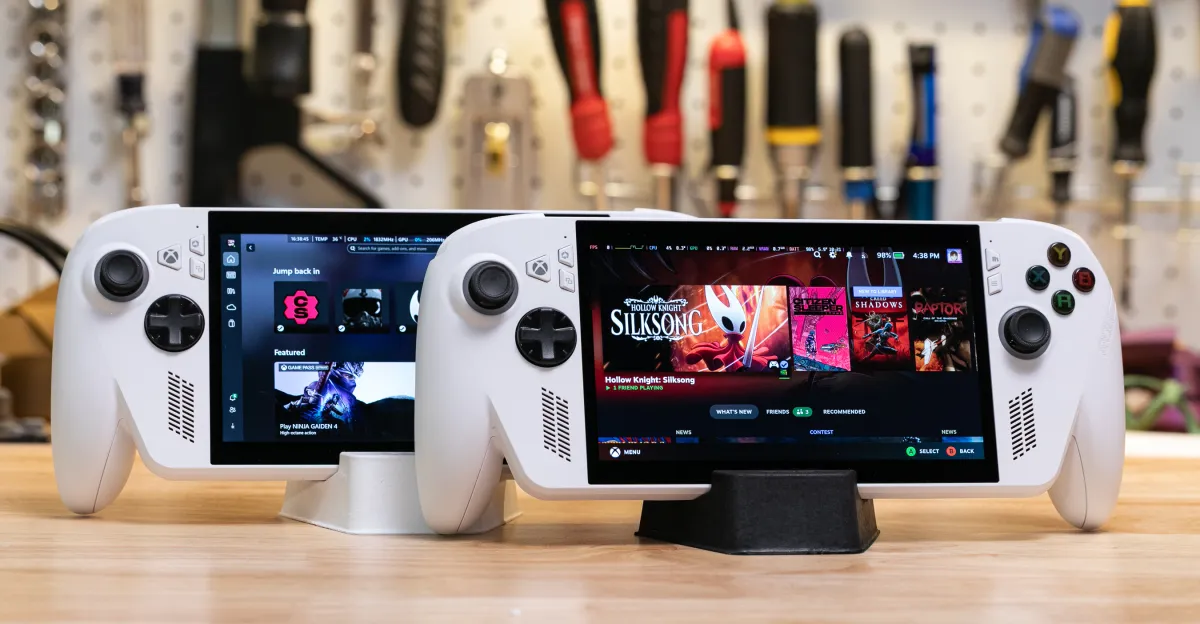
Windows Woes: The Real Hurdle for Handhelds

Microsoft’s Infamous Xbox Ally: A Reflection of Industry Disruption & the Rise of Linux-Based Innovation

In an era defined by technological innovation and rapid disruption, the recent release ofMicrosoft’s Xbox Ally handheld console underscores a pivotal moment in gaming hardware evolution. Priced at a hefty $600, this device was engineered with high expectations—aiming to bridge the gap between traditional Windows gaming and portable entertainment. However, as reports emerge of fundamental flaws—such as unreliable sleep modes and battery drainage, the console highlights a disturbing reality: even the largest tech companies face critical challenges in optimizing hardware for portable, user-centric gaming experiences.

This misstep, seemingly a failure of Microsoft’s longstanding Windows ecosystem, starkly contrasts with Bazzite — a Linux-based firmware that is steadily disrupting the industry by delivering faster, more reliable performance. Notably, Bazzite significantly outperforms Windows in running Windows games, often by as much as 30%, and offers a smoother launch and wake experience, marking a notable shift in business implications. This Linux-driven innovation illustrates a broader trend where open-source communities, empowered by giants like Valve and MIT, are challenging established Operating Systems and forcing incumbents to rethink their strategies.

The Linux community’s rapid development of Bazzite showcases a disruptive capacity that rivals, and in some cases surpasses, major OS platforms in specific niches such as handheld gaming. The community’s ability to swiftly address hardware issues—like fixing sleep mode failures within days of obtaining the device—exemplifies a new paradigm of collaborative innovation. Industry analysts from Gartner warn of potential obsolescence for traditional OS paradigms if legacy players like Microsoft fail to adapt swiftly to this wave of open-source disruption. With Linux-based firmware offering more *customization, speed, and stability*, gamers and developers alike are reconsidering the value proposition of proprietary software monopolies.

Looking into the future, the industry’s battlefield is shifting. Companies that embrace adaptability, foster disruption-driven innovation, and forge successful partnerships with open-source communities will dominate the next frontier. The displacement of Windows in portable gaming, as illustrated by the success of Linux firmware like Bazzite, signals that the era of monopoly-based OS control may be waning. Industry leaders, including Elon Musk and Peter Thiel, have long championed disruptive entrepreneurship; now, it is evident that disruption is not only a trend but a necessity for survival. The race is on: those who fail to innovate risk being left behind as a new wave of hardware disruptors—powered by open source—reshape the landscape of gaming and beyond.

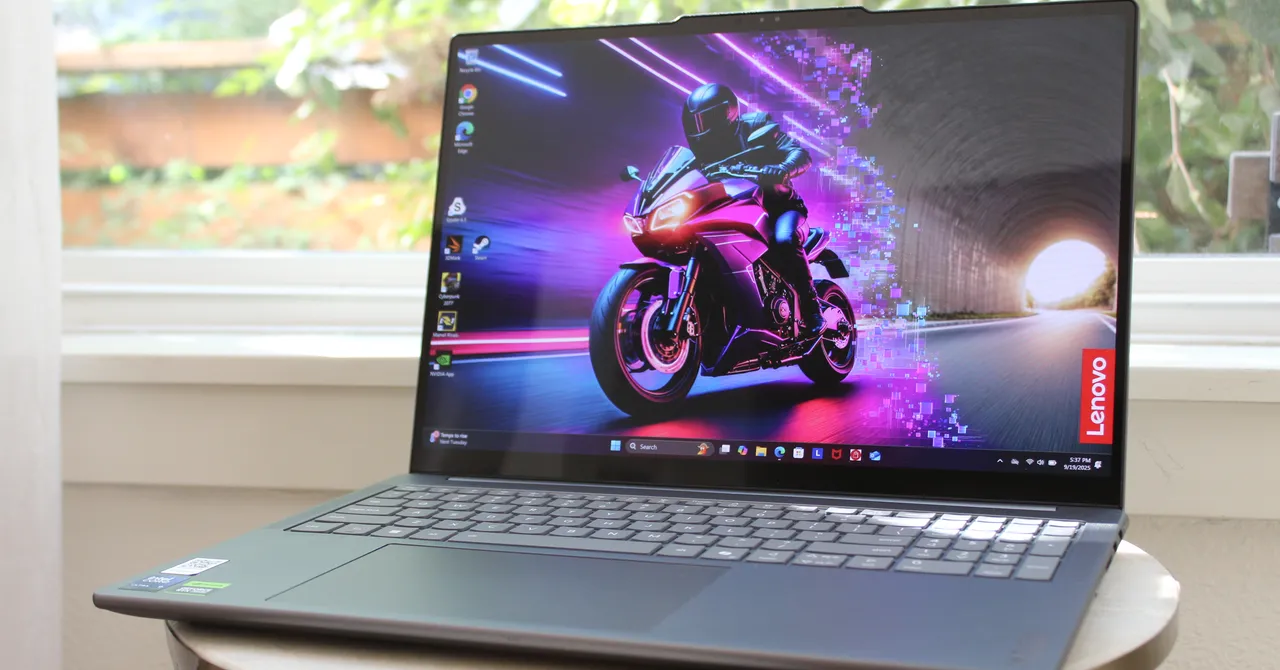
Lenovo Yoga Pro 9i 16 Review: Can It Take on the MacBook Pro?

Disruption in the Laptop Market: The Lenovo Yoga Pro 9i 16 Challenges Apple with Windows Powerhouse

The competitive landscape of high-performance laptops is witnessing a fascinating shift, driven by innovation and a push for disruption within a traditionally Apple-dominated arena. The recent rollout of the Lenovo Yoga Pro 9i 16 signals a pivotal moment, showcasing how Windows-fueled systems are vying to match — and potentially surpass — Apple’s standards in performance, display, and usability. While Apple’s MacBook Pro remains the gold standard for efficiency and battery life, Windows contenders are aggressively closing the gap, especially in the realm of content creation and mobile productivity.

Despite boasting impressive specifications and a premium design, the Yoga Pro 9i 16 highlights ongoing challenges for Windows systems—chiefly, balancing raw power with efficient battery management. With an 84-watt-hour battery, the device manages approximately 12 hours of local video playback, which is competitive but still falls short of the ~25 hours of battery life delivered by Apple’s M4 Max MacBook Pro. Under heavy workload—such as benchmarking—the Yoga’s power endurance diminishes rapidly, dying in just 45 minutes, signaling a persistent Achilles’ heel for discrete GPU-heavy systems. Consequently, the industry’s trajectory increasingly favors ARM-based architectures, encouraging innovation that prioritizes integrated, intelligent graphics solutions over traditional discrete GPU setups.

The market’s pivot toward ARM-based processors is gaining momentum, with AMD’s Ryzen AI Max+ emerging as one of the few challengers capable of disrupting the dominance of Apple’s M-series silicon. The Asus ROG Flow Z13 with integrated graphics exemplifies this shift, demonstrating that integrated graphics performance can challenge discrete GPUs—a crucial enterprise for future-proofing portable workstations. However, industry experts such as Gartner analyst Mia Lane underscore that “we are on the cusp of a generational leap, but the ecosystem as a whole must adapt to fully leverage ARM’s potential in high-performance computing.” Until then, discrete GPU reliance remains a bottleneck, limiting battery efficiency and mobility for high-end Windows machines.

In contrast, premium Windows options like the Asus ProArt P16 with options up to RTX 5090 demonstrate the potential for disruption at the high end—featuring up to 4K OLED screens and cutting-edge GPUs. Yet, such configurations come with prohibitive costs, positioning them as niche products. The Yoga Pro 9i 16, by comparison, offers a compelling value proposition—delivering top-tier performance, design elegance, and mobility at a fraction of the cost. This strategic pricing could accelerate widespread adoption, challenging entrenched perceptions of Windows as primarily a productivity platform rather than a serious alternative to MacBook Pro for high-end creators.

Looking ahead, the ongoing disruption in portable computing technology shows no signs of slowing. Industry leaders such as Elon Musk and Peter Thiel have long warned of the accelerated race toward innovation driven by AI integration, advanced graphics, and energy-efficient architectures. The market is now witnessing a critical inflection point—where hardware efficiency and power are no longer mutually exclusive. Moving forward, business executives and investors must recognize that the race for high-performance laptops—equipped with integrated, AI-enhanced graphics solutions—will redefine industry standards within the next few years. As ARM-based designs become more refined and GPU technology continues to evolve, companies that fail to innovate swiftly risk falling behind in this high-stakes competition for the future of mobile computing—which is, increasingly, the battleground for technological supremacy.

Social Media Auto Publish Powered By : XYZScripts.com