Matox News

Truth Over Trends, always!

Next-Gen Wins Big at Baftas 2026: One Battle After Another, I Swear’s Robert Aramayo Takes Best Actor—Hamnet and Sinners Fall Short

In a year marked by tumultuous geopolitical shifts and societal upheavals, the global landscape continues to evolve at a rapid pace, reflecting the profound influence of decisions made by world leaders and institutions. Recent events underscore a potent narrative: the interplay between cultural expression and political realities. Hollywood’s film awards season, for instance, offers more than entertainment; it acts as a mirror to our times. As the BAFTA awards celebrate a diverse array of films and performances, they also subtly signal an underlying conversation about the state of freedom, expression, and societal values. In an era where global tensions simmer and societal divisions deepen, these cultural moments serve as a warning of the influence that ideology, politics, and history wield over perceptions and narratives.

Historian and international analysts point to the ripple effects of geopolitical decisions that shape cultural exports and storytelling. The prominence of films addressing conflict, racial themes, and erasure—such as Ryan Coogler’s Sinners and Chloé Zhao’s Hamnet—carries a dual message. They are both artistic triumphs and indictments of ongoing societal struggles that originate from, or are exacerbated by, international policies and conflicts. The United States, as a dominant cultural power, continues to grapple with its own contradictions over freedom of speech and racial justice, while countries like Nigeria and Norway are making distinctive marks on the global cultural stage. These narratives, reinforced by insights from international organizations like the UN and cultural critics, emphasize that societal unity and progress hinge on confronting uncomfortable truths.

The geopolitical impact of these cultural shifts extends into diplomatic spheres as well. Recent victories and upsets at these awards—such as Robert Aramayo’s unexpected win and Coogler’s historic screenplay accolade—highlight a world increasingly attentive to stories of resilience and identity. In particular, Coogler’s recognition as the first Black recipient of the best original screenplay honors represents a step toward more inclusive narratives, yet it also reflects the ongoing debates about representation and influence. Analysts warn that such progress must be accompanied by systemic change, lest these cinematic victories become hollow symbols amid external geopolitical conflicts. The ongoing tensions in regions like the Middle East and Eastern Europe serve as stark reminders that cultural diplomacy remains crucial—what is celebrated on the screen often echoes larger struggles for sovereignty, human rights, and national self-determination.

As history inscribes each chapter of this unfolding story, the decisions of today’s leaders will sculpt the future of societies worldwide. Warnings from scholars like Samuel P. Huntington and contemporary geopolitical strategists remind us that cultural narratives have the power to either bridge divides or deepen them. The world stands at a crossroads, where echoes of past conflicts resonate with the new digital age’s challenge to truth and unity. With society’s collective gaze fixed on both the silver screen and the shifting global order, the realization looms: the stories we tell and the choices we make in this moment will define the course of history for generations to come. And in this relentless march of time, the weight of history presses ever stronger, reminding us that we are all custodians of an uncertain future, still being written in the shadows and light surrounding us.


Brittany Higgins Declares Bankruptcy as Linda Reynolds Wins Defamation Battle

In a story that echoes across nations and underscores the fragility of justice intertwined with political power, Australia faces a high-profile legal battle that exemplifies the contentious interplay between personal reputation and the machinery of law. Brittany Higgins, a former political staffer, finds herself at the center of a complex saga involving bankruptcy, defamation, and public scrutiny, vividly illustrating how personal disputes often transcend individual lives to affect national perceptions. Her former boss, Linda Reynolds, a seasoned senator from the Liberal Party, has launched bankruptcy proceedings against Higgins after a protracted defamation lawsuit resulted in Reynolds being awarded damages. This legal maneuver aims to uncover how Higgins’s $2.4 million settlement—funded by public funds—has been distributed, raising questions about transparency and accountability in political and legal spheres.

Reynolds’s victory in court, marked by a jury-rigged 360-page judgment confirming her defamation claims against Higgins’s social media post, exemplifies how personal reputations can be weaponized in a polarized political climate. The ruling not only awarded Reynolds $315,000 in damages, but also ordered Higgins to cover 80% of Reynolds’s legal costs, exceeding $1 million in total. Such legal outcomes send a potent message about accountability; they also demonstrate how legal battles rooted in social media narratives influence the broader societal debate on free speech, accountability, and the power wielded by former politicians. This case underscores the ongoing tension between the right of individuals to speak freely and the rights of public figures to protect their reputation, a debate that has rippled through courts and political corridors worldwide.

Amidst this domestic tempest, the global power structures continue to evolve, with international institutions warning of the potential for political instability when personal and political conflicts spiral into legal chaos. The Higgins-Reynolds case serves as an unwelcome reminder that the delicate balance of justice can be disrupted by social media, a phenomenon not confined to Australia. International analysts have observed how similar cases elsewhere—such as the United States and Europe—highlight a broader trend: the politicization of legal disputes, often fueled by social media’s instantaneous dissemination. Some experts argue that these developments risk undermining trust in institutions, especially when legal outcomes are perceived as politically motivated or excessively influenced by media narratives.

As the ripples of this case continue to reverberate, the larger geopolitical impact becomes clearer. Nations are increasingly confronting the reality that individual legal disputes can set precedents with far-reaching consequences, affecting international perceptions of rule of law and political stability. The case also exemplifies how internal political conflicts in one country can serve as cautionary tales, influencing domestic policies and perceptions worldwide. In an era where social media amplifies personal disputes to an international audience, the weight of history remains heavy—warning that the fight for reputation and justice is no longer confined within national borders but is now part of a global narrative that challenges governments, institutions, and societies alike.

As history unfolds in courts and hallways of power, one thing remains unequivocal: the battle to define truth and justice in the digital age is only beginning. The decisions made today will resonate through generations, shaping the fabric of societies and the integrity of justice in an interconnected world—an ongoing saga where the line between personal grievance and geopolitical consequence is perilously thin. The weight of history presses upon us, and the story is far from over.

Top Budget Phones for 2025: Affordable Wins for Savvy Youths

Tech Innovation and Industry Disruption: The Future of Smartphones

In an era where disruption and innovative technologies are rewriting the mobile landscape, industry leaders are racing to deliver smarter, faster, and more durable devices. TCL recently unveiled their 60 XE Nxtpaper 5G—a device that integrates new e-paper technology with 5G connectivity, reflecting a strategic push towards hybrid displays that emphasize power efficiency and extended battery life. Such innovations are reshaping consumer expectations, creating a paradigm shift where smartphones are not just communication tools but also sustainable, versatile devices that challenge the traditional high-end market.

Meanwhile, major brands like Motorola are introducing budget-friendly yet disruptive models such as the Moto G Power 2025 and the upcoming Moto G Play 2026. The latter boasts 5G, but critics argue its sluggish performance underscores a broader industry challenge—delivering affordable devices without sacrificing speed or features. Market analysts from Gartner warn that ongoing performance bottlenecks threaten to undermine consumer confidence in entry-level smartphones, a segment once characterized by volatile quality. Nonetheless, these models serve as a vital battleground for industry players seeking to penetrate emerging markets and build brand loyalty among younger consumers demanding both connectivity and value.

Furthermore, innovation isn’t confined to premium segments. Minimalist philosophy is gaining ground with devices like the Minimal Phone. With an e-paper display and physical keyboard, it signals a shift towards digital minimalism. Despite its limitations—such as low refresh rates and monochrome screens—it’s a clear indication that the industry is addressing mental health concerns associated with prolonged smartphone use. However, critics warn that such devices might create a new niche—appealing to a niche demographic rather than mainstream consumers who demand performance and multimedia capabilities.

Implications for Industry and Market Dynamics

The push toward disruption is also evident in the growing prevalence of budget smartphones from reputable brands. Devices like the Samsung Galaxy A16 show that even budget models are struggling against sluggish performance, which can cause consumer attrition. Yet, brands like NUU are offering Nuu N20 at near-$130 price points, delivering more manageable performance and manageable software updates. Such models challenge the narrative that premium experience is only for high-end users, hinting that value-driven innovation is reshaping market boundaries.

Critical to this evolution are trends highlighted by industry analysts like Peter Thiel and institutions like MIT. They emphasize that software updates, security patches, and user privacy will increasingly determine brand loyalty. As manufacturers innovate with ruggedized devices such as Sonim XP Pro 5G, designed specifically for durability and enterprise use, the industry underscores an increasing role of specialized hardware in enterprise markets—disrupting traditional consumer-centric models.

Future Outlook: Seize the Moment or Fall Behind

The trajectory is clear: Innovation and disruption are not optional but necessary for survival in the fast-evolving landscape of mobile technology. As Elon Musk advocates for AI-powered devices and Peter Thiel warns about complacency, industry stakeholders must recognize that the next wave of future-proof technology requires bold, strategic investments now. The opportunity to shape the next decade hangs in the balance—those who innovate boldly today will dominate tomorrow’s market. Alternatively, complacency or reliance on outdated paradigms will lead to obsolescence in an industry that rewards disruption and innovation alike.

Katter’s Party Ex-MP Wins Townsville Mayor Race, Defeats Old Leader Swinging Against Them

Australian Local Politics: The Rise of Nick Dametto in Townsville Signifies Shifts in National Identity

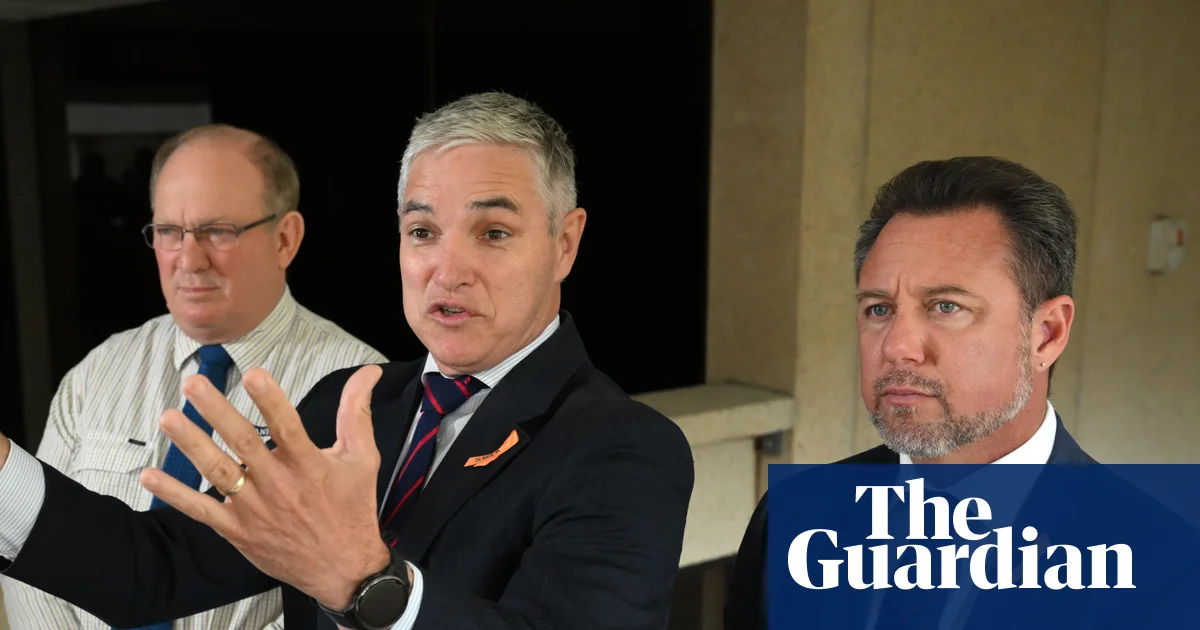
The recent byelection in Townsville, Queensland, has sent shockwaves through Australian political circles, reflecting broader undercurrents of societal values, identity, and national pride. Nick Dametto, a prominent figure associated with the populist right and former deputy leader of Katter’s Australian Party, secured a commanding victory with over 61% of the vote—an unprecedented margin that underscores a decisive shift in local sentiment. Dametto’s platform, emphasizing strong border controls, traditional values, and targeted regional development, resonated with voters craving stability and a renewed sense of identity amid ongoing debates over immigration and multiculturalism. His prominence, bolstered by recent anti-immigration marches and pushes for policies such as “castle law,” illustrates a growing tide of conservative populism rooted in Australia’s more rugged, pioneer-oriented political culture.

The significance of this electoral outcome extends beyond mere local politics; it signals a shift in how Australia’s northern regions define their future. Analysts like Griffith University’s Paul Williams highlight Dametto’s appeal as emblematic of a “rugged, masculine, pioneer culture” that still holds sway in towns like Townsville, often dubbed the “unofficial capital of the north.” These areas, historically dependent on mining and military services, appear to be clinging tightly to conservative values in an era characterized by shifting geopolitical dynamics and internal societal upheavals. The fact that Dametto, a young and visible leader, consistently campaigned on themes of economic openness and regional pride, demonstrates a growing confidence among many rural and regional Australians who feel alienated by coastal urban liberalism. His victory, during a period of political upheaval and scandal—marked notably by the resignation and legal troubles of former mayor Troy Thompson—reflects a broader appetite for leadership that prioritizes national sovereignty and traditional identity.

International perspective contextualizes Australia’s local developments within a global wave of populist resurgence. Experts warn that the broader geopolitical impact lies in Australia’s increased alignment with Western conservative policies, particularly in the context of rising tensions with China, fluctuating Pacific alliances, and the NATO-led push to redefine global security frameworks. The fragile stability of the Indo-Pacific region depends increasingly on electoral shifts that favor nationalist policies over internationalist approaches, potentially altering Australia’s role in regional security pacts. The decision of voters in Townsville to endorse Dametto’s vision echoes similar trends seen in other Western democracies—where sovereignty, national borders, and traditional cultural identity are being reclaimed amid the chaos of globalization and multicultural pressure. International analysts observe that these local victories hinge on widespread discontent with immigration policies, economic uncertainty, and perceived loss of cultural control—themes that resonate deeply with conservative youth movements worldwide.

As the nation faces pending electoral tests in regions like Hinchinbrook, and as scandals continue to erode trust in established political figures, the weight of history presses heavily upon Australia’s shoulders. Dametto’s triumph symbolizes more than a regional political victory; it signifies a burgeoning movement that threatens to reshape Australia’s national trajectory. The ongoing saga—marked by scandal, populist rallying cries, and a reassertion of traditional values—reminds historians that history is often written in moments of turmoil and upheaval. Whether this marks a durable shift or a transient surge will depend on how Australia’s society and leadership respond to the mounting pressure of identity, security, and sovereignty in a rapidly evolving international arena. The impending chapters of this unfolding story will determine if Australia chooses to forge a future grounded in cultural resilience or to succumb once more to the tides of globalist influence, with the weight of history still shaping every step forward.

Rising Star Shines: Local Teen Wins State Championship in Thrilling Finish!

76ers Anticipate McCain’s Debut Against the Bulls

The Philadelphia 76ers have announced a significant boost ahead of their matchup against the Chicago Bulls on Tuesday night. The team’s coaching staff has upgraded guard Jared McCain to probable, allowing him to make his season debut in what has turned into a pivotal clash between two surprise contenders tied for first place in the Eastern Conference. This development has fans buzzing and analysts intrigued, as McCain, a promising second-year player, looks to make an immediate impact on the court.

Both teams have displayed resilience this season, demonstrating their ability to handle pressure and outperform expectations. Commentators have highlighted the transformative leadership of coaches, with Doc Rivers of the 76ers emphasizing the importance of mental fortitude in his players. “Every game is a test of our character,” Rivers stated. “We’re excited to see how Jared fits into our rotation.” Meanwhile, the Bulls, under the guidance of head coach Billy Donovan, have embraced a thrilling brand of basketball that keeps fans on the edge of their seats.

As both teams prepare for this critical fixture, certain statistics and performance metrics stand out. Leading scorers such as Joel Embiid for the 76ers and DeMar DeRozan for the Bulls have been instrumental in their teams’ success, consistently delivering in clutch moments. Key match highlights include:

  • Jared McCain’s potential scoring ability could change the dynamics for the 76ers.
  • Joel Embiid averaging a double-double, showcasing his dominance inside the paint.
  • DeMar DeRozan‘s high-efficiency shooting, contributing to the Bulls’ fast-paced offense.

As the spotlight shines on this crucial matchup, it holds more significance than mere statistics and standings. Sports, at its core, exemplifies unity, camaraderie, and the unyielding spirit that brings people together, transcending beyond the scoreboard. As the players lace up and the arena fills with fervent fans, one thing remains clear: in the world of sports, whether in victory or defeat, the true champions are those who uplift each other and forge connections that last a lifetime.

Source link

Trump warns: Funding New York City could be tough if Mamdani wins mayor’s race

In the midst of political upheaval and shifting attitudes toward governance, New York City stands at a crossroads that exemplifies the broader ideological debates facing many urban centers in America today. With the upcoming mayoral race featuring innovative young candidates like Mamdani, the city is witnessing a vibrant movement that challenges traditional political paradigms. Mamdani, a 34-year-old state assemblyman, captured the imagination of many New Yorkers by positioning himself as a fresh voice committed to _restoring dignity_ and _empowering communities_. His victory in the Democratic primary signals a potential _cultural shift_—a move away from the old guard of political complacency to a more _youth-driven_ and _values-centered_ leadership.

The frontrunners’ contrasting visions underscore a broader theme: the importance of personal impact—not just on policy, but on the _lifestyle_ and _well-being_ of residents. While political discourse often fixates on budgets and legislation, the deeper ripple effect can be seen in how a city’s leadership influences everything from _public safety_ to _urban renewal_. Mamdani’s approach emphasizes _community dignity_, aiming to create an urban environment where everyone feels _valued_ and _safe_. This resonates with many young Americans who seek _authenticity_ and _accountability_ from their leaders, inspired by thought leaders like Jordan Peterson and organizations such as the Claremont Institute, which advocate _values-driven_ governance and _cultural renewal_.

On the other hand, the political landscape is tinged with echoes of the past, with figures like Andrew Cuomo remaining in the mix, positioning himself as a seasoned advocate during his tenure as governor. Yet, the contrast between the two candidates highlights a significant _lifestyle change_—a departure from _elite decision-making_ toward _grassroots engagement_. As debates unfold about federal funding and policies, the underlying question is: how will leadership influence not just the city’s finances, but its _cultural fabric_? The city’s $7.4 billion in federal funding exemplifies the sizable stakes involved, but more crucial is whom the city chooses to serve as its _moral compass_ and _visionary guide_. This dynamic underscores the vital role of _personal impact_: whether city officials foster _inclusivity_ and _liberty_ or succumb to _bureaucratic stagnation_.

  • Embrace the _power of community_—engage locally to understand your city’s unique _identity_.
  • Stay informed about _political shifts_ that influence your _quality of life_ and _personal wellbeing_.
  • Support leaders who prioritize _authenticity_, _dignity_, and _accountability_ in governance.

As the city’s narrative continues to unfold, it challenges each individual to reflect on what _leadership_ truly means in _everyday life_. The choices made today—be it at the ballot box or in everyday community engagement—shape a _culture of resilience_ and _hope_. For young Americans embracing the _lifestyle_ of self-empowerment and _public responsibility_, the future of New York is more than just a political story—it’s a collective _journey_ toward _renewed purpose_ and _lifestyle evolution_. In this ongoing _narrative of transformation_, the lessons are clear: _leadership rooted in integrity, connectedness, and vision_ can spark a _lifestyle revolution_, inspiring generations to believe in _the power of community_ and _their own capacity to effect change_.

Maine mom wins $25M in wrongful death case after leukemia tragedy involving daughter

Recent legal proceedings in Maine have rekindled a global conversation about accountability and medical standards, illustrating how individual justice can echo far beyond local borders. A civil jury awarded $25 million to Lyndsey Sutherland for her wrongful death lawsuit against Mid Coast Medical Group. This case, centered around the tragic loss of her 15-year-old daughter, Jasmine “Jazzy” Vincent, exemplifies the profound impact that a single verdict can have on societal perceptions of medical responsibility and the pursuit of justice. Although the verdict—comprising $10 million for Jazzy’s wrongful death and $15 million for pain and suffering—is subject to appeal due to jurisdictional caps, its significance reaches well beyond the State of Maine.

Historians and analysts concur that this case serves as a potent reminder that when medical professionals fail to adhere to minimum care standards, the ripple effects are destructive and far-reaching. Jazzy’s initial diagnosis of pneumonia, followed by a misinterpretation of symptoms related to a steroid-related condition, underscores how crucial accurate diagnosis and timely treatment are—especially for pediatric patients. The failure to identify her actual illness, acute lymphoblastic leukemia, led to her untimely death from cardiac arrest, illustrating the deadly cost of negligence. Such instances in the United States have prompted international observers and medical watchdogs to reassess protocols and standards—highlighting a pressing need for global reform to prevent similar tragedies.

This case also underscores how the decisions made in local courts can serve as templates for international discussions on medical accountability. International organizations such as the World Health Organization (WHO) emphasize the importance of stringent medical standards and legal recourse. Yet, critics argue that in many parts of the world, similar cases go unresolved or unnoticed due to systemic flaws or corruption. The Maine verdict becomes more than just a legal victory; it acts as a rallying point for advocates demanding justice and transparency worldwide. Countries grappling with healthcare deficiencies are now watching closely, aware that the outcome of justice in one nation can inspire change global-wide. This case may ultimately catalyze discussions on legal reforms, insurance policies, and the role of medical oversight across borders—highlighting how decisions in small localities carry the potential to influence global health policies.

As the verdict sparks debate, the broader geopolitical impact becomes increasingly evident. America’s legal case at home casts a spotlight on the broader issues related to healthcare accountability, which has tangible effects on international diplomacy and economic stability. Nations are increasingly pressured to adopt more rigorous medical and legal standards, not just to meet global benchmarks but also to shape their national identities as responsible members of the international community. How a country handles its medical negligence cases, whether through litigation, reform, or oversight, signals its commitment to safeguarding its citizens and upholding justice. Meanwhile, critics within international organizations warn that neglecting these standards could promote a pattern of complacency—a dangerous precedent with potentially devastating consequences. Ultimately, the verdict and its aftermath serve as a stark reminder that justice is the bedrock upon which societal stability is built, and that the weight of history continues to be written in moments like these.

BBC Correspondents Break Down the Wins and Risks Ahead

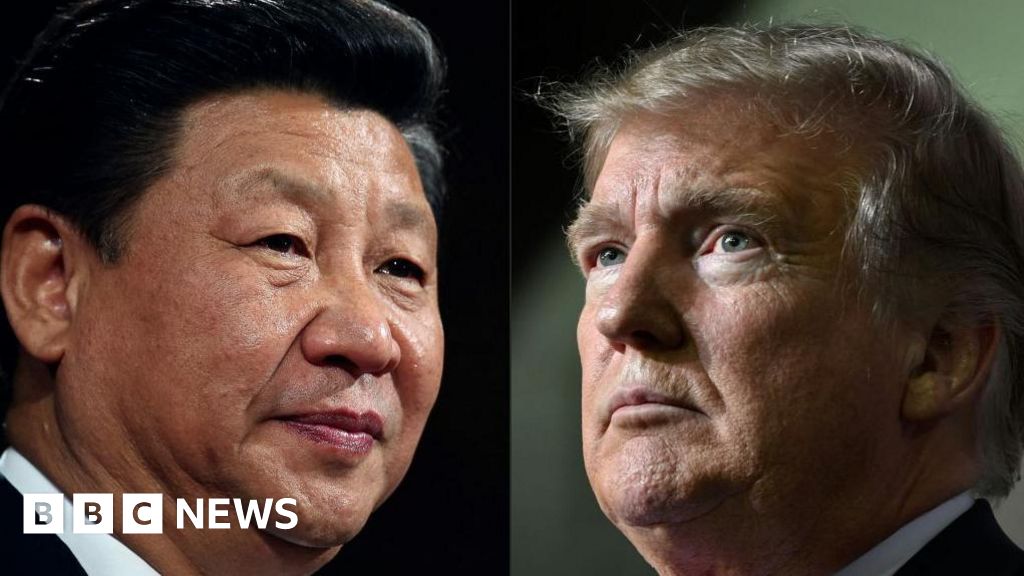
As President Donald Trump commences a landmark diplomatic tour across Asia, the world stands at a pivotal junction in geopolitical dynamics. His itinerary, which includes summits with regional leaders and a high-stakes face-to-face with Xi Jinping, epitomizes an era characterized by intense rivalry, economic brinkmanship, and strategic recalculations. At the heart of this voyage is the future of U.S.-China relations, a contest that global analysts and historians alike warn could reshape the international order for decades to come. These negotiations are not merely about tariffs or trade deficits but are emblematic of a broader struggle for supremacy in technology, influence, and geopolitical dominance.

The upcoming meeting between Trump and Xi Jinping is being scrutinized worldwide as a potential turning point—either for de-escalation or an escalation that could plunge the region into renewed tension. Experts warn that any failure to negotiate effectively could result in a prolonged trade war with devastating ripple effects across global markets and supply chains. China, having learned from previous confrontations, displays a resilience that suggests it is prepared to accept economic pain in exchange for strategic gains. As Beijing seeks to assert more control over its technology and military ambitions—particularly in AI and Taiwan-related issues—it tests the limits of the U.S.‘s willingness to enforce tariffs and strangleholds. Meanwhile, Washington views the outcome as critical to maintaining its leadership position and ensuring access to the vital rare earth materials that are indispensable for modern technology and defense systems.

Meanwhile, regional players such as Japan, Southeast Asian nations, and South Korea are anxiously watching these diplomatic chess moves. Japan’s new Prime Minister, Sanae Takaichi, faces the immediate task of forging stable ties with Trump to secure enduring trade and defense agreements, including increased U.S. military commitments. The prospects of finalizing tariff deals—particularly on automobiles—act as a litmus test not only for her leadership but for the stability of regional economic security. Asia’s manufacturing powerhouses, already strained under Trump’s tariffs, are anxiously awaiting substantive progress, knowing that economic stability hinges upon agreements that could either foster greater supply chain resilience or ignite further instability. Historically, Asia has been caught in the crossfire of superpower rivalries, but recent decisions suggest a new chapter of economic warfare and strategic assertion.

Across the wider Indo-Pacific, the impending summit also serves as a gateway for toxic diplomacy and echoes a larger saga—one that involves North Korea’s enigmatic leader, Kim Jong Un. While Trump and his regional allies flirt with the idea of diplomacy—sometimes talk of a potential summit with Kim surfaces—the real challenge lies in balancing his aggressive tariffs with the looming threat of nuclear proliferation. South Korea’s leadership, caught between economic interests and security concerns, hopes for a deal that would lower tariffs and curb North Korea’s missile ambitions without compromising regional stability. But with evidence mounting that North Korea aims to leverage its nuclear arsenal for negotiations, the prospects of peace remain precarious, further complicating an already volatile mosaic.”

As history continues to unfold amid these shifting alliances and confrontations, the world watches with bated breath. Every handshake, every agreement, and every threat carries the weight of a new chapter—one where powers clash and alliances are tested. Whether the peace forged will endure or shatter under the pressure of ambition, rivalry, and ideology, remains to be seen. In the shadow of these towering figures and monumental decisions, the true story of the 21st century is still being written, its final ink yet to dry, shaping the destiny of nations and societies both near and far.

Shipping emissions levy dropped as US influence wins again

Intense Geopolitical Tug-of-War Delays Global Shipping Climate Initiative

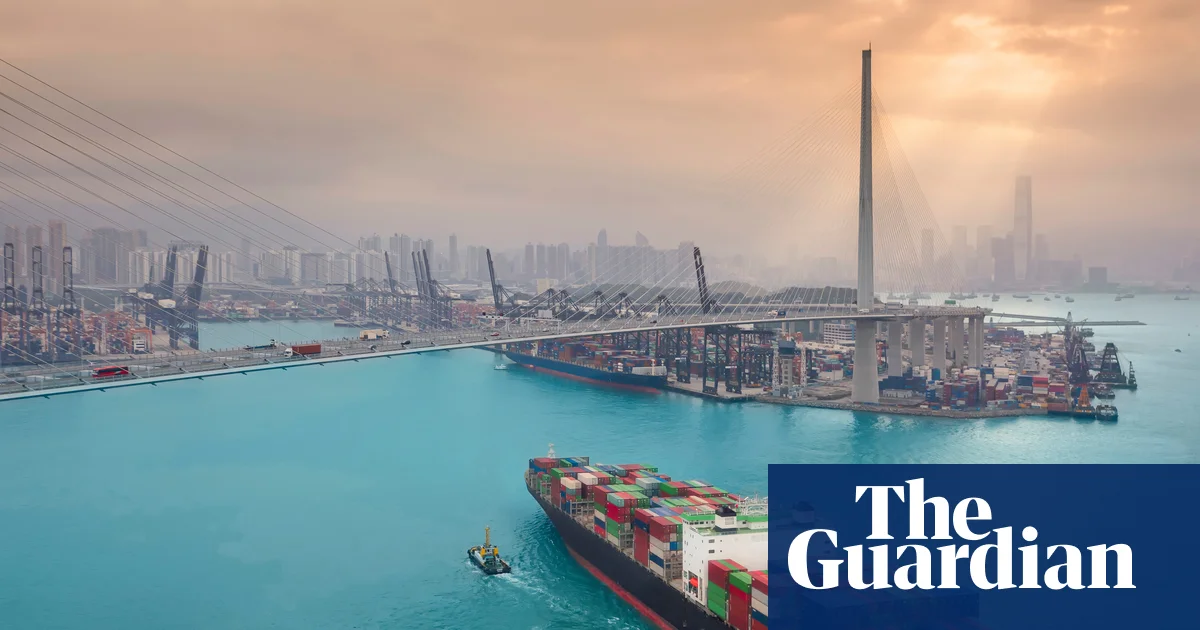
In a dramatic turn at the International Maritime Organization (IMO) headquarters in London, persistent pressure from the United States has effectively thwarted a long-planned effort to introduce a modest but crucial climate damage fee on global shipping. After days of contentious negotiations, a decisive vote resulted in the delay of a proposed emissions pricing mechanism, stalling a significant step forward in worldwide climate governance. This outcome underscores how the geopolitical interests of powerful nations, especially those heavily reliant on fossil fuels, continue to obstruct collective environmental efforts, revealing a stark divide between climate ambition and national self-interest.

Since April, when a majority of IMO member states initially supported the measure, opposition has surged, primarily driven by US lobbying and threats of tariffs, penalties, and visa restrictions. According to analysts, this aggressive stance exemplifies how fossil fuel-dependent states, including Russia and Saudi Arabia, leverage economic and diplomatic pressure to safeguard their carbon-intensive industries. They aim to undermine international consensus, prolonging uncertainty in global maritime trade and delaying tangible climate action. Arsenio Dominguez, the IMO secretary-general, openly criticized the discord, imploring delegates to reflect on their approach, warning that future discussions risk similar fractiousness. This internal chaos diminishes hope for swift reforms, jeopardizing the global shipping sector’s capacity to reduce its roughly 3% share of global greenhouse gases, projected to double by mid-century if left unregulated.

The decision also holds profound geopolitical significance, exemplifying how climate issues are becoming battlegrounds for broader strategic and economic interests. As small developing nations like Vanuatu express frustration at being sidelined—warning of growing climate impacts—the delay symbolizes a shift where the interests of petrostates take precedence over immediate environmental needs. Meanwhile, the prospect of future revenue from the proposed levy, estimated at over $10 billion annually, is concentrated within the shipping industry itself—revenue that many argue will benefit industrial modernization rather than aid vulnerable nations facing climate catastrophe. Such disparities highlight the increasing divide between wealthier, fossil fuel-based economies and poorer nations, which bear the brunt of climate disruptions but lack the means to adapt.

As international organizations and climate analysts interpret this setback, the overarching concern remains clear: the long road ahead for meaningful climate reform. Despite the delay, experts like Dr. Simon Bullock warn that blocking progress only intensifies the climate crisis, further entrenching the influence of fossil fuel interests. The postponement until next year means years of continued emissions, as the intended measures require technical assessment before implementation—possibly pushing real change into the late 2020s. Meanwhile, the upcoming Cop30 UN climate summit in Brazil looms as a critical forum where these unresolved tensions will surface anew, with the world watching how history chooses to unfold in what many see as the decisive decade for climate action. The fate of the planet now teeters under the weight of political power plays, reminding us that the struggle for a sustainable future remains as much a geopolitical battle as an environmental one—where the outcome will shape the course of history for generations to come.

Venezuelan Gang Leader Busted in Colombia: Justice Wins Again

In an unprecedented joint operation, Colombia, the United States, and the United Kingdom have successfully apprehended José Antonio Márquez Morales, alias Caracas, the alleged leader of the armed wing of Venezuela’s notorious criminal organization, Tren de Aragua. This coordinated effort marks a significant escalation in the fight against transnational organized crime in Latin America, particularly in the context of the escalating U.S.-Venezuela conflict. The arrest, which took place in Valledupar, underscores the international community’s increasing willingness to collaborate across borders in handling threats that threaten regional stability and safety.

The significance of this operation extends well beyond the capture itself. According to Colombia’s National Police, Márquez Morales was a critical figure responsible for managing logistics, finances, and operational coordination—covering drug trafficking, extortion, and smuggling. The arrest was facilitated through an Interpol Red Notice, a powerful tool aimed at ensuring the continued pressure on high-profile crime figures worldwide. As noted by international law enforcement officials, this operation not only disrupts the capabilities of Tren de Aragua but also sends a clear message about the increased cooperation and resolve among governments confronting these dangerous organizations.

Meanwhile, the arrest arrives amidst heightened tensions between the United States and Venezuela, centered on the U.S. government’s aggressive anti-drug trafficking policies in Latin America. Under the Trump administration, the U.S. deployed warships into the Caribbean, and last month, authorized military actions against vessels suspected of drug smuggling originating from Venezuela. President Trump’s rhetoric has often accused Venezuelan President Nicolás Maduro of colluding with drug cartels, offering a $50 million bounty for information leading to his capture—an unprecedented move that intensifies the geopolitical standoff.

Analysts from organizations like the Council on Foreign Relations warn that these tensions threaten to compound regional instability. The narrative forwarded by U.S. officials labels Maduro as a key player in the drug trade, an assertion vehemently denied by Caracas, which has condemned Washington’s accusations as politically motivated. The broader geopolitical impact is profound: Latin America finds itself at a crossroads where criminal networks and state actors intertwine, destabilizing entire nations and society. Historically, such conflicts highlight how external interventions can sometimes exacerbate regional peril, emphasizing the urgency of diplomatic rather than military solutions.

As the shadows of this ongoing struggle lengthen, the arrest of Márquez Morales represents a pivotal but fragile victory in a saga defined by intertwined themes of crime, sovereignty, and international power plays. With Venezuela and the region’s stability hanging in the balance, the world watches as history writes the next chapter—one where choices made today will echo through future generations, shaping the geopolitical landscape of Latin America and beyond. The question remains: will this be a turning point towards genuine change, or another fleeting moment in a relentless battle for control? The sands of history are still shifting, and the stakes could not be higher.

Social Media Auto Publish Powered By : XYZScripts.com