Matox News

Truth Over Trends, always!

BBC Correspondents Break Down the Wins and Risks Ahead

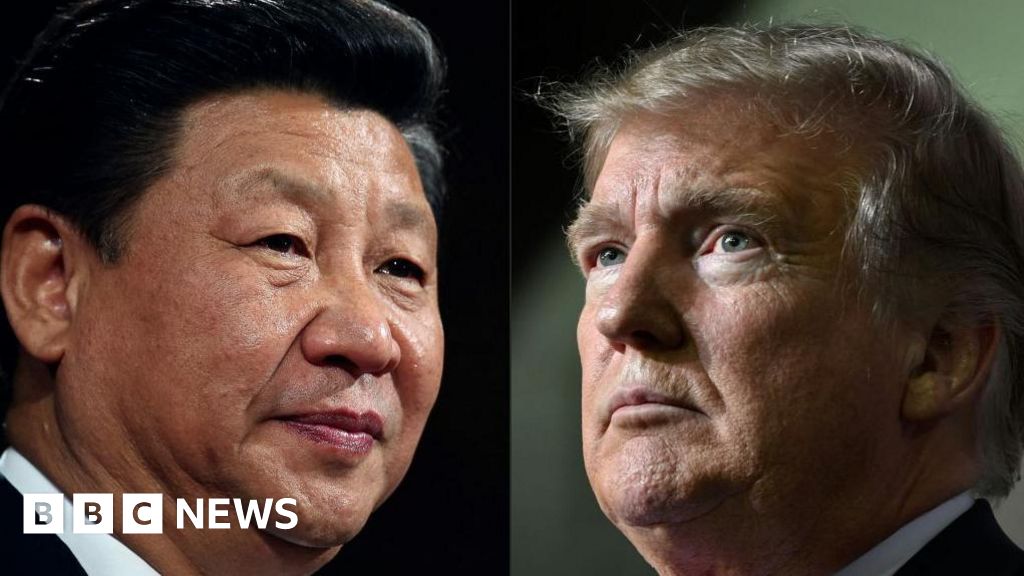
As President Donald Trump commences a landmark diplomatic tour across Asia, the world stands at a pivotal junction in geopolitical dynamics. His itinerary, which includes summits with regional leaders and a high-stakes face-to-face with Xi Jinping, epitomizes an era characterized by intense rivalry, economic brinkmanship, and strategic recalculations. At the heart of this voyage is the future of U.S.-China relations, a contest that global analysts and historians alike warn could reshape the international order for decades to come. These negotiations are not merely about tariffs or trade deficits but are emblematic of a broader struggle for supremacy in technology, influence, and geopolitical dominance.

The upcoming meeting between Trump and Xi Jinping is being scrutinized worldwide as a potential turning point—either for de-escalation or an escalation that could plunge the region into renewed tension. Experts warn that any failure to negotiate effectively could result in a prolonged trade war with devastating ripple effects across global markets and supply chains. China, having learned from previous confrontations, displays a resilience that suggests it is prepared to accept economic pain in exchange for strategic gains. As Beijing seeks to assert more control over its technology and military ambitions—particularly in AI and Taiwan-related issues—it tests the limits of the U.S.‘s willingness to enforce tariffs and strangleholds. Meanwhile, Washington views the outcome as critical to maintaining its leadership position and ensuring access to the vital rare earth materials that are indispensable for modern technology and defense systems.

Meanwhile, regional players such as Japan, Southeast Asian nations, and South Korea are anxiously watching these diplomatic chess moves. Japan’s new Prime Minister, Sanae Takaichi, faces the immediate task of forging stable ties with Trump to secure enduring trade and defense agreements, including increased U.S. military commitments. The prospects of finalizing tariff deals—particularly on automobiles—act as a litmus test not only for her leadership but for the stability of regional economic security. Asia’s manufacturing powerhouses, already strained under Trump’s tariffs, are anxiously awaiting substantive progress, knowing that economic stability hinges upon agreements that could either foster greater supply chain resilience or ignite further instability. Historically, Asia has been caught in the crossfire of superpower rivalries, but recent decisions suggest a new chapter of economic warfare and strategic assertion.

Across the wider Indo-Pacific, the impending summit also serves as a gateway for toxic diplomacy and echoes a larger saga—one that involves North Korea’s enigmatic leader, Kim Jong Un. While Trump and his regional allies flirt with the idea of diplomacy—sometimes talk of a potential summit with Kim surfaces—the real challenge lies in balancing his aggressive tariffs with the looming threat of nuclear proliferation. South Korea’s leadership, caught between economic interests and security concerns, hopes for a deal that would lower tariffs and curb North Korea’s missile ambitions without compromising regional stability. But with evidence mounting that North Korea aims to leverage its nuclear arsenal for negotiations, the prospects of peace remain precarious, further complicating an already volatile mosaic.”

As history continues to unfold amid these shifting alliances and confrontations, the world watches with bated breath. Every handshake, every agreement, and every threat carries the weight of a new chapter—one where powers clash and alliances are tested. Whether the peace forged will endure or shatter under the pressure of ambition, rivalry, and ideology, remains to be seen. In the shadow of these towering figures and monumental decisions, the true story of the 21st century is still being written, its final ink yet to dry, shaping the destiny of nations and societies both near and far.

Shipping emissions levy dropped as US influence wins again

Intense Geopolitical Tug-of-War Delays Global Shipping Climate Initiative

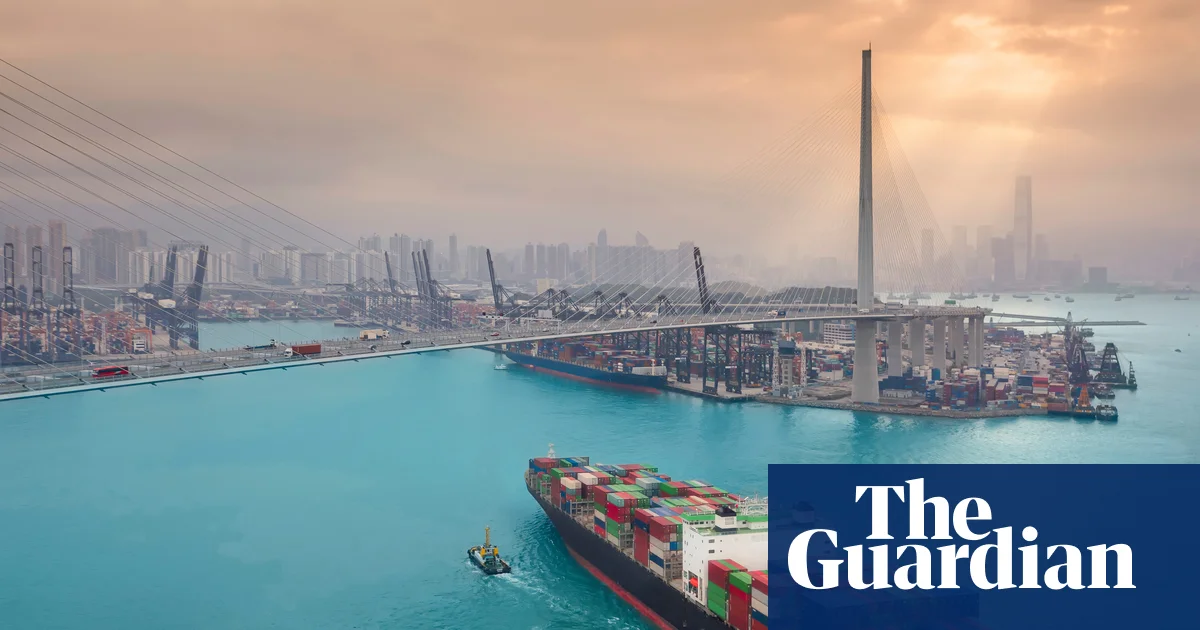
In a dramatic turn at the International Maritime Organization (IMO) headquarters in London, persistent pressure from the United States has effectively thwarted a long-planned effort to introduce a modest but crucial climate damage fee on global shipping. After days of contentious negotiations, a decisive vote resulted in the delay of a proposed emissions pricing mechanism, stalling a significant step forward in worldwide climate governance. This outcome underscores how the geopolitical interests of powerful nations, especially those heavily reliant on fossil fuels, continue to obstruct collective environmental efforts, revealing a stark divide between climate ambition and national self-interest.

Since April, when a majority of IMO member states initially supported the measure, opposition has surged, primarily driven by US lobbying and threats of tariffs, penalties, and visa restrictions. According to analysts, this aggressive stance exemplifies how fossil fuel-dependent states, including Russia and Saudi Arabia, leverage economic and diplomatic pressure to safeguard their carbon-intensive industries. They aim to undermine international consensus, prolonging uncertainty in global maritime trade and delaying tangible climate action. Arsenio Dominguez, the IMO secretary-general, openly criticized the discord, imploring delegates to reflect on their approach, warning that future discussions risk similar fractiousness. This internal chaos diminishes hope for swift reforms, jeopardizing the global shipping sector’s capacity to reduce its roughly 3% share of global greenhouse gases, projected to double by mid-century if left unregulated.

The decision also holds profound geopolitical significance, exemplifying how climate issues are becoming battlegrounds for broader strategic and economic interests. As small developing nations like Vanuatu express frustration at being sidelined—warning of growing climate impacts—the delay symbolizes a shift where the interests of petrostates take precedence over immediate environmental needs. Meanwhile, the prospect of future revenue from the proposed levy, estimated at over $10 billion annually, is concentrated within the shipping industry itself—revenue that many argue will benefit industrial modernization rather than aid vulnerable nations facing climate catastrophe. Such disparities highlight the increasing divide between wealthier, fossil fuel-based economies and poorer nations, which bear the brunt of climate disruptions but lack the means to adapt.

As international organizations and climate analysts interpret this setback, the overarching concern remains clear: the long road ahead for meaningful climate reform. Despite the delay, experts like Dr. Simon Bullock warn that blocking progress only intensifies the climate crisis, further entrenching the influence of fossil fuel interests. The postponement until next year means years of continued emissions, as the intended measures require technical assessment before implementation—possibly pushing real change into the late 2020s. Meanwhile, the upcoming Cop30 UN climate summit in Brazil looms as a critical forum where these unresolved tensions will surface anew, with the world watching how history chooses to unfold in what many see as the decisive decade for climate action. The fate of the planet now teeters under the weight of political power plays, reminding us that the struggle for a sustainable future remains as much a geopolitical battle as an environmental one—where the outcome will shape the course of history for generations to come.

Venezuelan Gang Leader Busted in Colombia: Justice Wins Again

In an unprecedented joint operation, Colombia, the United States, and the United Kingdom have successfully apprehended José Antonio Márquez Morales, alias Caracas, the alleged leader of the armed wing of Venezuela’s notorious criminal organization, Tren de Aragua. This coordinated effort marks a significant escalation in the fight against transnational organized crime in Latin America, particularly in the context of the escalating U.S.-Venezuela conflict. The arrest, which took place in Valledupar, underscores the international community’s increasing willingness to collaborate across borders in handling threats that threaten regional stability and safety.

The significance of this operation extends well beyond the capture itself. According to Colombia’s National Police, Márquez Morales was a critical figure responsible for managing logistics, finances, and operational coordination—covering drug trafficking, extortion, and smuggling. The arrest was facilitated through an Interpol Red Notice, a powerful tool aimed at ensuring the continued pressure on high-profile crime figures worldwide. As noted by international law enforcement officials, this operation not only disrupts the capabilities of Tren de Aragua but also sends a clear message about the increased cooperation and resolve among governments confronting these dangerous organizations.

Meanwhile, the arrest arrives amidst heightened tensions between the United States and Venezuela, centered on the U.S. government’s aggressive anti-drug trafficking policies in Latin America. Under the Trump administration, the U.S. deployed warships into the Caribbean, and last month, authorized military actions against vessels suspected of drug smuggling originating from Venezuela. President Trump’s rhetoric has often accused Venezuelan President Nicolás Maduro of colluding with drug cartels, offering a $50 million bounty for information leading to his capture—an unprecedented move that intensifies the geopolitical standoff.

Analysts from organizations like the Council on Foreign Relations warn that these tensions threaten to compound regional instability. The narrative forwarded by U.S. officials labels Maduro as a key player in the drug trade, an assertion vehemently denied by Caracas, which has condemned Washington’s accusations as politically motivated. The broader geopolitical impact is profound: Latin America finds itself at a crossroads where criminal networks and state actors intertwine, destabilizing entire nations and society. Historically, such conflicts highlight how external interventions can sometimes exacerbate regional peril, emphasizing the urgency of diplomatic rather than military solutions.

As the shadows of this ongoing struggle lengthen, the arrest of Márquez Morales represents a pivotal but fragile victory in a saga defined by intertwined themes of crime, sovereignty, and international power plays. With Venezuela and the region’s stability hanging in the balance, the world watches as history writes the next chapter—one where choices made today will echo through future generations, shaping the geopolitical landscape of Latin America and beyond. The question remains: will this be a turning point towards genuine change, or another fleeting moment in a relentless battle for control? The sands of history are still shifting, and the stakes could not be higher.

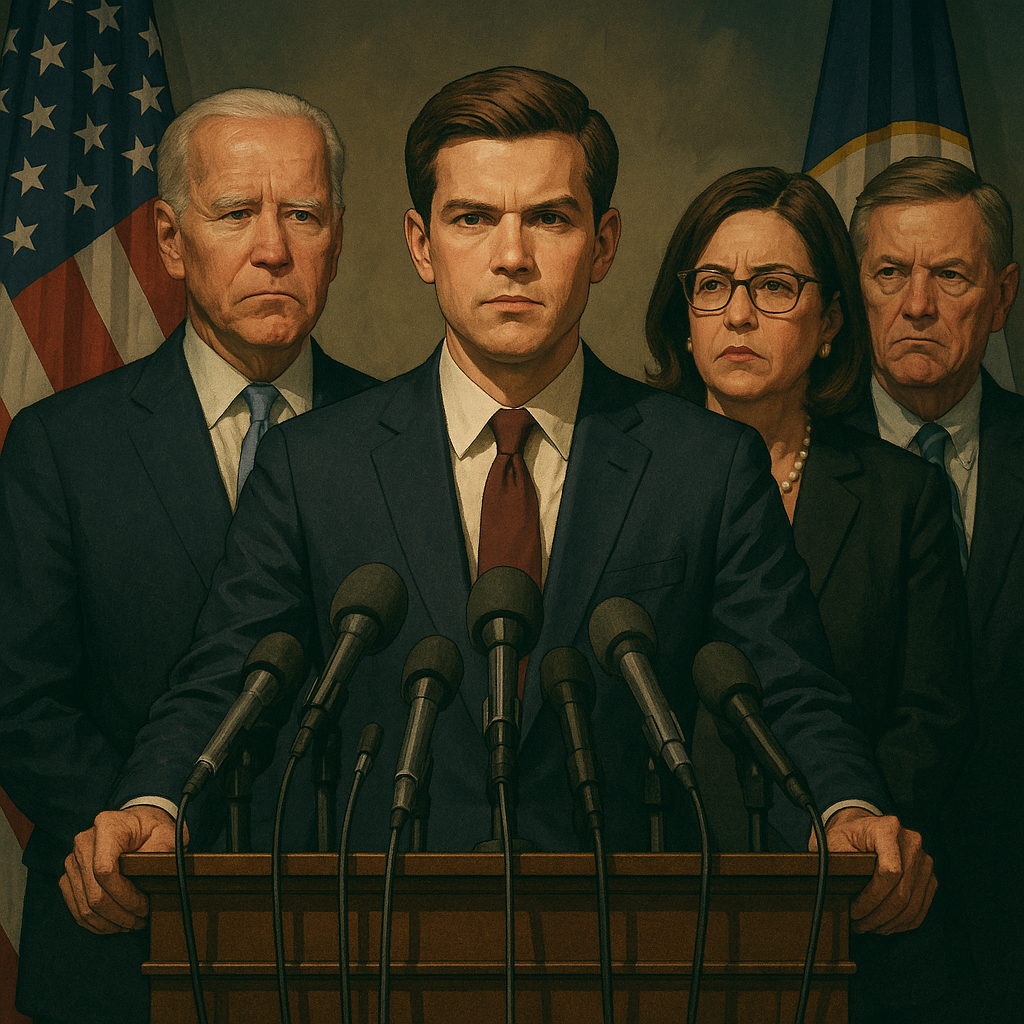
Youthful leader driving Biden’s bipartisan wins in Congress

Under the surface of the Biden administration’s legislative accomplishments, a profound power struggle continues to define the shape of American governance. Despite navigating one of the most narrowly divided Congresses in history, President Joe Biden and the Democratic Party managed to secure a series of landmark wins in the first two years of his presidency. These successes—ranging from bipartisanship on infrastructure, gun safety, and same-sex marriage to partisan efforts on climate policy and healthcare—serve as a testament to the strategic navigation of a tumultuous political landscape. Yet, beneath these achievements lies a crucial question: how do these decisions, often driven by fragile alliances and internal compromises, actually shape the lives of ordinary Americans? And who ultimately holds the real power behind these legislative corridors?

The Biden team’s ability to rally diverse factions highlights a critical facet of contemporary politics: the delicate art of coalition-building in an era when ideological divisions threaten to fracture consensus at every turn. Political theorists like Hannah Arendt and Leo Strauss have long argued that government is ultimately a theater for contesting authority—where decisions are never merely bureaucratic, but fundamentally about who holds the power to decide. Despite claims of bipartisan virtue, many of these “wins” are rooted in pragmatic negotiations that often leave core ideological principles on the cutting room floor. For instance, bipartisan agreements on infrastructure and gun safety bills—while portrayed as victories for the people—are often the result of compromises that dilute their intended impact. The real question is whether these legislative actions reflect the public’s will, or if they are a showcase of political acumen in the game of authority.

Meanwhile, the party-line bills—particularly those tackling climate change and expanding health care coverage—highlight the fundamental struggle within the Democratic Party for ideological dominance. These initiatives demonstrate the prioritization of a progressive policy agenda, sometimes at the expense of broader national consensus. The legislation is often driven by internal pressures from left-wing factions seeking to cement progressive footprints, thereby asserting control over the legislative narrative. Such moves evoke evocative parallels with early 20th-century reform efforts, where elite factions used policy as a battleground for influence. The outcome, however, remains a matter of contestation: will these initiatives truly empower the people, or serve as instruments for establishing a new political order?

As the midterm elections approach, the stakes become ever clearer: the power struggles are not just about policies, but about who writes the destiny of the nation. The decisions made—whether for sweeping reforms or incremental change—are the brushstrokes on the canvas where history is painted. The lesson from history is unmistakable: politics is less about the parties or policies, and more about the struggles for authority that define the fate of nations. Ultimately, as dominant political theorists have observed, politics is an arena where the fate of the collective is forged—where the decisions of today carve the destiny of tomorrow. As citizens, understanding this power dynamic is essential; for it is on this stage that history is written, and the future is determined.

Social Media Auto Publish Powered By : XYZScripts.com