Matox News

Truth Over Trends, always!

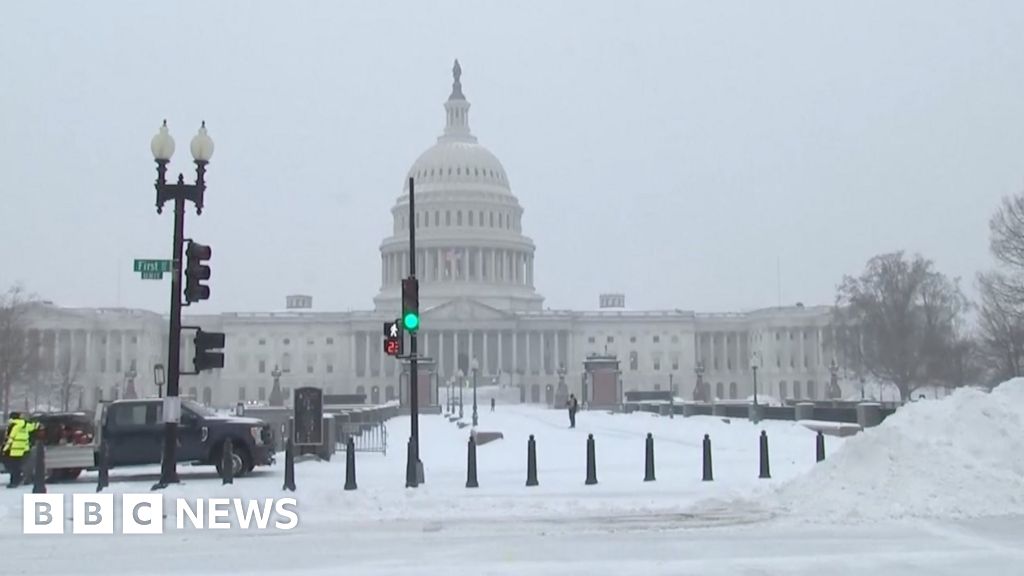
Winter storm hits America: millions left in the cold amid outages and chaos

In recent days, The United States has experienced an unprecedented winter storm, characterized by severe snowfalls and dangerously low temperatures that have crippled large swaths of the country. The National Weather Service issued urgent warnings about wind chills plunging below -20°C in numerous urban centers, turning once bustling metropolises into frosty battlegrounds of survival. President Donald Trump responded decisively by declaring a series of federal emergency disaster declarations spanning nearly a dozen states, including South Carolina, Virginia, and Kentucky.

This meteorological crisis is notable not just for its immediate humanitarian toll but also for its broader geopolitical ramifications. As extreme weather events like this winter storm become increasingly frequent and severe, they underscore the pressing need for nations to re-evaluate their preparedness and resilience strategies. Major international organizations, such as the World Meteorological Organization, have repeatedly warned that climate variability poses a formidable threat to security, economies, and societal stability worldwide. While the U.S. swiftly mobilizes internal resources, the incident exemplifies a reality where climate change acts as a force multiplier for geopolitical instability, influencing diplomacy and international relations.

Furthermore, the decision by U.S. authorities to declare emergencies in multiple states highlights a broader pattern of how nations respond to internal crises with implications that extend beyond borders. These measures serve as a reminder for allies and adversaries alike of the importance of resilience in the face of natural disasters—yet they also raise questions about the long-term impact of environmental disruptions. Historically, analysts have pointed out that countries unable to adapt swiftly to climate-induced catastrophes risk becoming more vulnerable to geopolitical shocks. In a world where chaos often begets opportunism, the challenge remains: how do nations secure their sovereignty amid a rapidly changing climate?

The international community, including major powers and emerging nations, is watching with keen interest as the United States navigates this crisis. While the immediate concern lies in rescuing stranded communities and restoring basic services, the larger geopolitical dialogue shifts towards resilience—a debate that intertwines environmental policy, economic stability, and national security. Historical analysts warn that failure to address these environmental threats could result in a new chapter of instability—one where climate change acts as a catalyst for conflict, displacement, and resource wars. As the cold grips the nation, the world must reflect on the lessons etched into the icy face of adversity: the decisions made today set the stage for the future balance of power.

As history watches silently from the pages yet to be written, the cold truth remains: in an era of unpredictable and escalating natural disasters, the line between environmental catastrophe and geopolitical crisis has grown dangerously thin. The icy winds sweeping across the United States serve as a stark reminder—nature’s fury respects no borders, and the decisions taken in one nation ripple across the fabric of international stability. The question remains—not if, but when—and how, will the world unite to confront the unyielding forces of change that threaten to reshape the geopolitical landscape forever.

England's hospitals brace for risky winter surge amid discharge delays
England’s hospitals brace for risky winter surge amid discharge delays

Overcrowded Hospitals and Social Failures in England’s Healthcare System

As the winter chill sets in across England, alarming headlines reveal a healthcare crisis that threatens the very fabric of our communities. Hospitals are grappling with unprecedented overcrowding, driven in part by an increase in acute illnesses like the seasonal flu. Analysis from the Health Foundation shows that the number of patients delayed in discharges has risen sharply, with nearly 19,000 more bed days lost this year compared to the same period last year. This situation magnifies societal and familial strains, as families face longer waits with loved ones in incapacitated health, and communities bear the brunt of the faltering social safety net.

At the core of the crisis lies a complex web of social issues—primarily the chronic shortage of social care and community support—exacerbated by fiscal austerity measures and demographic shifts. The ageing population and extended life expectancy, while victories of modern medicine, have paradoxically created new challenges. Senior doctors, including Dr. Vicky Price, warn that these persistent bed shortages will inevitably lead to preventable deaths, casting a shadow over the moral fabric of the NHS. Rates of delayed discharges, where patients deemed medically fit-to-leave remain hospitalized due to lack of social care, have created bottlenecks that ripple through emergency services, leading to ambulance queues, overcrowded emergency rooms, and longer wait times. By focusing on these issues, sociologists like Dr. Robert Putnam argue that societal cohesion and moral responsibility toward vulnerable populations are under threat as these healthcare failures deepen.

Moreover, the ramifications extend beyond hospitals into families and local communities. Children with sick or elderly relatives are often caught in the turmoil, witnessing loved ones stuck in limbo amid unending waits and fractured social support. The financial toll on families unable to access adequate care at home compounds their difficulties, further straining social cohesion. The moral question arises: how can society claim to prioritize the wellbeing of its most vulnerable when systemic failures compromise the dignity and safety of all? The social fabric frays as hospitals reduce capacity in response to financial cutbacks—partly a calculated response to austerity policies—and as neglect of social care infrastructure leaves families with no options but to endure prolonged crisis. According to the Royal College of Emergency Medicine, nearly 17,000 avoidable deaths last winter were attributed to these delays, underscoring the tragic human cost of inadequate social foresight.

Despite government claims of proactive measures, the reality remains bleak. Efforts to ramp up vaccination and streamline hospital operations are commendable but insufficient to address the underlying social failures. As Rory Deighton of the NHS Confederation highlights, “delayed discharges have been a longstanding challenge,” and without significant investment in social care, the cycle of overcrowding and preventable death will persist. Sociologists and social commentators emphasize that true progress hinges on restoring the social contract—rebuilding the capacity of communities to care for their own—before hospitals become more crowded with preventable tragedies. As society stands at this crossroads, the hope resides in recognizing that social wellbeing is the foundation of national resilience. Only by addressing these interconnected issues—social, economic, and moral—can we strive toward a future where healthcare is a promise fulfilled, not a broken vow left for families to bear.”

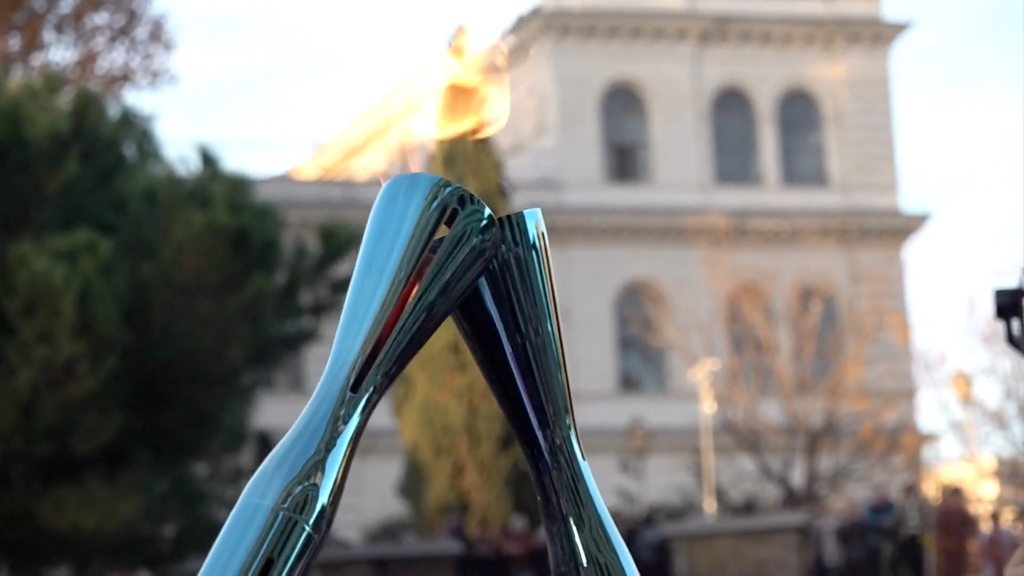
Olympic Flame Reaches Rome as Winter Games Near—Italy Prepares for Winter Sports Celebration

The Upcoming Olympic Winter Games Milano Cortina 2026 and Its Global Significance

As the world anticipates the Olympic Winter Games Milano Cortina 2026, slated to unfold in February, geopolitical analysts are observing more than just the medals and athletic feats. This event signifies a pivotal moment in how nations project soft power and shape international perceptions amidst a rapidly shifting global order. Historically, host nations leverage the Olympics to bolster national pride and foster diplomatic ties; however, in today’s geopolitics, the games also serve as a litmus test for global stability and regional influence.

The transition from hosting merely a sports spectacle to a symbol of soft power underscores the importance of international diplomacy in sports diplomacy. Countries like Italy seek to leverage the games to showcase the resilience and unity of European traditions amidst renewed challenges—ranging from economic strains to geopolitical rivalries. Milano and Cortina, historically vital centers of culture and commerce, will become stages for a broader contest—not just of athletic achievement but of influence. According to analysts from the International Institute for Strategic Studies, the Olympics often serve as a mirror to broader political currents, revealing underlying tensions or alliances that might soon shape global events.

The Geopolitical Landscape: Shifts and Challenges

In recent years, global institutions and major powers have recalibrated their strategies for influence. The U.S.-China rivalry, Russia’s relationships with Western nations, and the European Union’s quest for strategic unity all shape the backdrop against which Milano Cortina 2026 will unfold. While Italy aims to present itself as a stable and unifying force, critics from various geopolitical corridors warn of the increasing instrumentalization of multi-national events. The U.S. and China, for example, are already competing to use the Games as platforms for soft power, signaling their global ambitions through diplomatic gestures and media narratives.

Meanwhile, the European Union faces internal upheavals and external pressures, including from Russia and Turkey. Many experts, such as Dr. Ingrid Müller of the European Policy Centre, observe that the Games could become a strategic chessboard—where the allegiances and rivalries of tomorrow are played out today. How Italy navigates these complex waters will not only determine the success of the event but also influence the continent’s trajectory in the broader geopolitical arena.

The Cultural and Societal Impact: A Reflection of Nations

The Olympics’ influence on societies extends beyond politics. It embodies a convergence of national identities, cultural pride, and youth aspirations. For many nations, particularly those in Europe and North America, the games symbolize resilience against societal fragmentation, economic hardship, and external pressures. As noted by international observers, the young generation views the Olympics as a culmination of years of national effort, hope, and unity. Their participation—whether as athletes or spectators—carries the weight of history and the promise of future cooperation.

However, critics argue that the Olympic platform also risks being marred by political symbolism and controversies, such as issues surrounding human rights and environmental concerns. Yet, despite these debates, the core message remains clear: -utilizing such a grand event to promote unity and progress remains central to the enduring spirit of international sports. America’s youth, alongside Europe’s, watch carefully, aware that every decision made now could ripple across decades—shaping the fabric of global affairs for generations to come.

The Unfinished Story of Global Diplomacy and Power

As history continues to unfurl beneath the towering icy peaks of the Dolomites and the sleek concrete of Milano, the 2026 Winter Olympics stands not just as a celebration of athletic excellence but as a testament to the enduring complexity of international relations. The medals to be won, the controversies to be debated, and the alliances to be forged will inevitably echo into an uncertain future. For now, the world holds its breath in anticipation, knowing that in this icy arena, the true battle for influence and identity is quietly heating up—an unseen struggle that will define the very course of history yet to be written.

Stay warm and bold: The coolest puffers, parkas, and leopard print coats to slay fall and winter style

As seasons change and autumn whispers its arrival, a new society-wide obsession begins to brew: the coat. Far beyond mere insulation, this garment transforms into a cultural statement, reflecting an evolving social landscape that young consumers are increasingly eager to define and redefine. The shift is obvious — from the classic navy trench to bold, pop-of-colour puffer jackets, coats are now more than just functional; they’re powerful symbols of identity, social status, and environmental consciousness. Influencers like Chiara Ferragni and sociologists like Dr. Antonia Hart highlight how this season’s coat choices mirror a society hungry for self-expression while seeking authentic expressions of sustainability in fashion.

The social relevance of this trend is undeniable. Fashion experts now observe that bold colours and vintage repurposing are dominating the scene, signaling a move toward individualist expressions amid a backdrop of collective societal transformation. The iconic leopard-print coat, once a symbol of rebellion, now signifies empowerment and a desire to stand out in a sea of conformity. Meanwhile, the rise in sustainable, recycled coats speaks to a societal shift that values conscious consumption. Major brands like Rains and Nobody’s Child are responding with innovative, environmentally friendly designs that cater to a generation increasingly aware of their social footprint, fostering a culture where fashion becomes a statement of hope and activism.

Pop of Colour and the Social Impact

This season’s pop of colour isn’t just about standing out — it’s about standing up. Bright, eye-catching hues such as emerald green and burgundy are now embedded in everyday wardrobe staples, challenging traditional notions of muted autumn fashion. Influencers celebrated for their daring style choices are inspiring millions to embrace these bold statements—transforming coats into wearable activism. Sociologists have noted that this cultural shift emboldens young consumers, encouraging them to see fashion as a portal for expressing values and social allegiance. From a leopard print to a pink wool jacket, clothes are no longer passive; they’re active gestures in societal dialogues, amplifying voices that seek autonomy and self-love.

The Next Big Question

As we admire the daring colors and environmental commitment, a pressing question remains: Will this movement toward individualism and sustainability redefine our very notion of style? With major brands racing to innovate and influencers pushing the boundaries of self-expression, the next chapter in fashion may not be about the clothes you wear but about the stories they tell—stories that challenge societal norms, question consumerism, and inspire a generation to create their own identities. The future of coats, then, could well be a mirror of society’s larger story: one of resilience, authenticity, and relentless self-redefinition. So, as autumn turns to winter, the real question is: are we merely dressing for the weather, or are we gearing up for something far bigger?

Social Media Auto Publish Powered By : XYZScripts.com